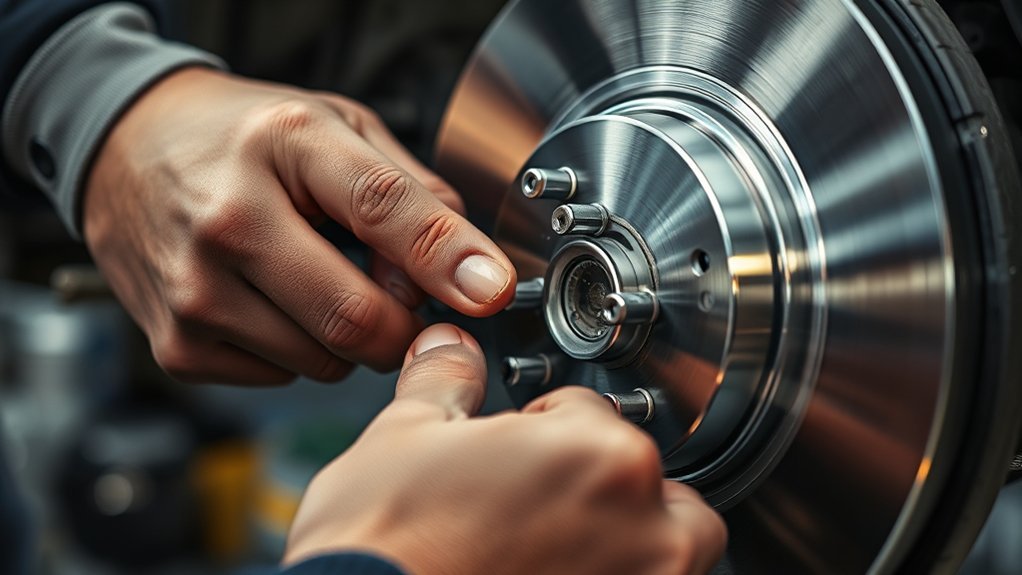
Bedding in new brake pads and rotors involves a structured process to guarantee peak performance. Start with five moderate stops from 40 mph to 10 mph, then five more from 35 mph to 5 mph. Intensify with three to four medium stops from 45-50 mph, followed by three to four firm stops from 55-60 mph. Finally, allow a 5-10 minute cool-down period without braking. This method prevents uneven wear and enhances braking efficiency. You’ll discover key insights on avoiding mistakes and maximizing brake life.
Why You Should Bed In Your Brake Pads and Rotors
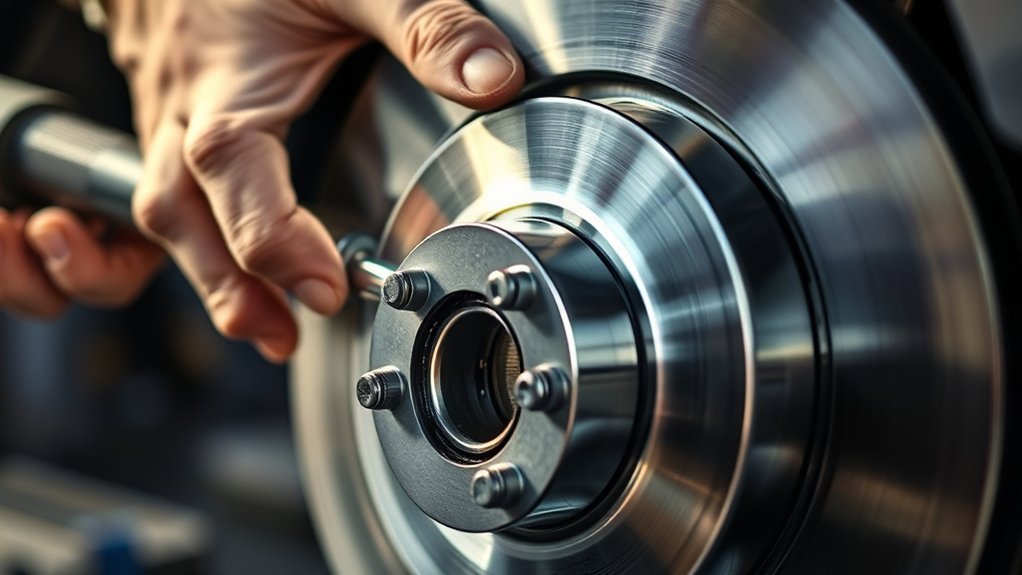
Bedding in your new brake pads and rotors is essential because it establishes an even transfer of pad material onto the rotor surface, which directly enhances your braking performance. This process mitigates issues like brake fade and uneven wear, ensuring smoother operation and improved stopping power. Without proper bedding, you risk random deposits of brake pad material, leading to vibrations and reduced braking efficiency.
Step-By-Step Guide to the Bedding Process
Establishing a proper brake pad and rotor interface is essential for peak performance. Follow this step-by-step guide to guarantee your new brake pad materials bond effectively with your rotor types:
Establishing the right brake pad and rotor interface is crucial for optimal performance and effective bonding.
- Start with 5 moderate to aggressive stops from 40 mph to 10 mph, allowing the vehicle to roll between stops to create an imprint on the rotor.
- Perform 5 moderate stops from 35 mph to 5 mph, further establishing a transfer layer of brake pad material on the rotor.
- Gradually increase intensity with 3-4 medium stops from 45-50 mph to 5-10 mph, maintaining a consistent rhythm to avoid overheating.
Finish with 3-4 firm stops from 55-60 mph down to 5-10 mph. Finally, let the brakes cool by driving steadily for 5-10 minutes without braking. Monitor brake response and wear for ideal results, guaranteeing a solid connection between your brake pads and rotors.
Indicators Your Brakes Are Fully Bedded In
Once you’ve completed the bedding process, you’ll want to look for several key indicators that your brakes are fully bedded in. First, notice the improved brake performance; a smooth feel suggests the pad material has effectively transferred onto the rotor surface, enhancing efficiency. Reduced brake noise and vibration indicate a successful establishment of the friction interface.
You should also experience consistent braking force, free from grabbing or unevenness, ensuring reliable stopping power. Check for signs of uneven wear, such as hot spots or grooves; their absence confirms that the bedding process has worked, preventing premature wear on components. Finally, if you notice no brake fade during repeated applications, it means your brake system has adapted well to the new components and is functioning at peak performance. These indicators affirm that your brakes are now primed for performance, allowing you to drive with confidence.
Top 5 Mistakes to Avoid When Bedding Your Brakes
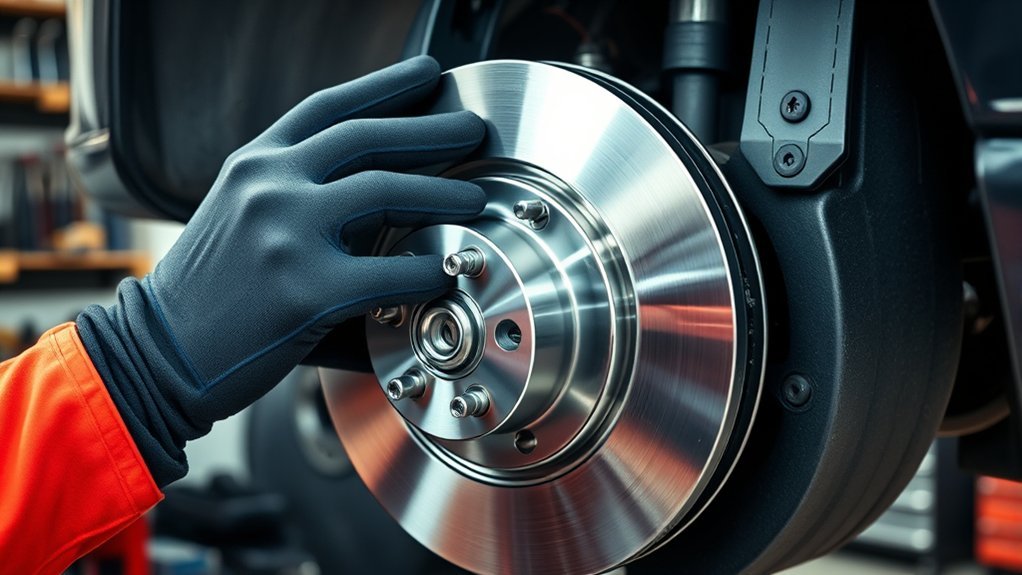
When it comes to bedding your brakes, avoiding common pitfalls can make all the difference in achieving peak performance. Here are the top mistakes to sidestep:
- Avoid Full Stops During Initial Braking: Coming to a complete stop can lead to uneven deposits on the rotor, causing brake judder and reducing overall performance.
- Don’t Skip the Cool-Down Period: Failing to let your brakes cool can warp or glaze the rotors, compromising braking efficiency.
- Be Cautious of Aggressive Stopping: Making overly aggressive stops too soon can damage your new brake pads and rotors, resulting in premature wear.
Always follow manufacturer guidelines for bedding techniques to guarantee ideal brake performance. If you notice any vibrations, noise, or inconsistent braking, revisit your bedding process. By steering clear of these mistakes, you’ll enhance your braking system’s longevity and effectiveness.
Consequences of Incorrect Bedding
If you skip proper bedding, you risk uneven material transfer, leading to vibrations and judder when braking. This can also cause brake fade, drastically reducing your stopping power. Over time, these issues may accelerate wear on your brake components, resulting in costly replacements and potential safety hazards.
Uneven Material Transfer
Improper bedding of brake pads and rotors can lead to uneven material transfer, which greatly compromises braking performance. When material consistency isn’t achieved, you might experience several issues:
- Brake Pedal Pulsation: You’ll feel vibrations through the steering wheel and brake pedal during operation due to high and low spots on the rotor surface.
- Reduced Surface Adhesion: This disruption in the friction interface can considerably impair braking effectiveness, leading to longer stopping distances.
- Increased Wear: Random deposits from inconsistent material transfer can create uneven wear, risking brake and rotor failure.
To maintain ideal performance, guarantee a proper bedding process. Skipping or incorrectly performing it can lead to serious safety hazards on the road.
Increased Brake Fade
Brake fade, a critical concern for vehicle safety, often arises from the incorrect bedding of new brake pads and rotors. When you skip this essential process, uneven transfer of pad material occurs, leading to diminished brake performance. Overheated brake pads release gas, which reduces friction and results in a sudden loss of stopping power. This can create a spongy brake pedal feel and greatly increase your stopping distances, raising safety implications. Consistent aggressive braking without proper bedding further generates excessive heat, exacerbating brake fade and potentially damaging your rotors. To guarantee peak brake performance and maintain your vehicle’s safety, always adhere to the correct bedding procedure for your new brake components. Your safety depends on it.
Vibration and Judder Issues
When new brake pads and rotors aren’t properly bedded, you may experience significant vibration and judder during braking. This occurs due to uneven deposits of pad material, leading to inconsistent contact between surfaces. Here are some common vibration causes and judder solutions:
- Improper Bedding: Skipping or rushing the bedding process can create gas layers, causing brake fade.
- Uneven Wear: Incorrect bedding disrupts friction mechanisms, increasing wear on both pads and rotors.
- Signs of Issues: If you notice vibrations, noise, or reduced braking efficiency, it’s a strong indicator that re-bedding or professional inspection is necessary.
Addressing these problems promptly can enhance your vehicle’s braking performance and extend the lifespan of your components.
Maintenance Tips for Extended Brake Life After Bedding
To extend the life of your new brake pads and rotors, you need a solid maintenance routine. Regularly inspect your brake components for wear and replace brake fluid every 2-3 years to guarantee peak performance. Also, adopting proper driving habits can greatly reduce wear and prevent overheating, keeping your braking system in top shape.
Regular Inspection Schedule
Regular inspections are essential for maintaining the longevity and efficiency of your braking system. To guarantee peak performance and safety, adhere to the following inspection frequency and practices:
- Inspect Brake Pads and Rotors: Check for wear indicators every 6,000 miles. Replace pads if they measure less than 1/8 inch to prevent rotor damage.
- Monitor for Uneven Wear: Look for uneven wear patterns during inspections; these can indicate issues with bedding or alignment that need attention.
- Clean Components Regularly: Use soap and water to clean braking parts, preventing dirt build-up that can compromise braking efficiency.
Brake Fluid Maintenance
Maintaining brake fluid is essential for ensuring your braking system operates efficiently and safely. Regularly flush your brake fluid every 2-3 years to eliminate contaminants that can lead to brake fade. Check the fluid level frequently; keeping it within the recommended range prevents air pockets that compromise braking performance. Always use the correct brake fluid types specified by your manufacturer to avoid damaging components. Inspect the fluid for discoloration or moisture, as these signs indicate contamination effects that necessitate a change. Additionally, replace worn brake pads before they drop below 1/8 inch to preserve effective braking and extend rotor life. By prioritizing brake fluid maintenance, you’ll enhance your vehicle’s overall braking efficiency and safety.
Proper Driving Habits
Driving habits play an essential role in the longevity of your brake components, especially after bedding in new pads and rotors. To maintain peak brake efficiency and extend the life of your braking system, adopt these driving techniques:
- Avoid Aggressive Driving: Refrain from hard braking and rapid acceleration to minimize wear on your pads and rotors.
- Maintain Safe Following Distances: Keeping a safe distance allows for smoother stops, reducing strain on your braking components.
- Regular Inspections: Check your brake pads and rotors periodically for wear, replacing pads when they reach less than 1/8 inch.
FAQs About Bedding Brake Pads and Rotors
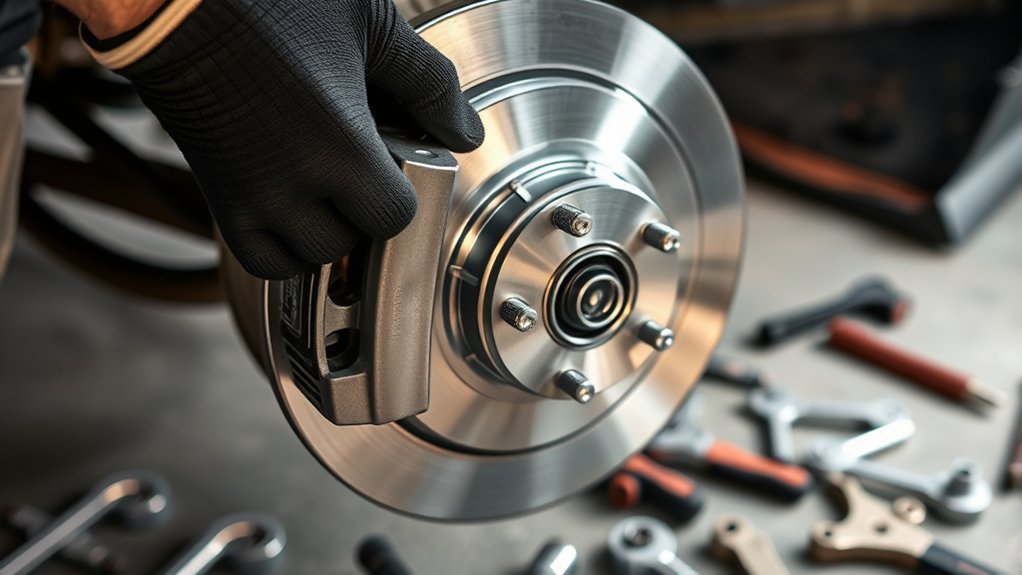
Have you ever wondered why bedding in new brake pads and rotors is vital for your vehicle’s performance? Many people fall for bedding myths, thinking the process is optional. In reality, it involves controlled stops to establish an even layer of pad material on the rotor, greatly improving braking efficiency. You’ll need to perform 5 moderate stops from 40 mph to 10 mph, followed by another 5 from 35 mph to 5 mph—avoid complete stops to prevent uneven material transfer.
Skipping or improperly executing this procedure can lead to issues like brake pedal pulsing and vehicle shaking. You might notice a resin smell during bedding; this indicates proper adhesion. After completing the bedding process, allow the brakes to cool by driving steadily for 5-10 minutes without braking—this prevents thermal shock, ensuring your brakes perform effectively. Don’t let common misconceptions steer you away from this vital procedure!
Frequently Asked Questions
How to Properly Bed in New Pads and Rotors?
To properly bed in new pads and rotors, perform moderate stops to transfer pad materials for ideal brake performance. Avoid complete stops to prevent uneven deposits, ensuring a smooth and effective bedding process.
What to Do After Installing New Brake Pads and Rotors?
After installing new brake pads and rotors, monitor for brake noise, perform regular maintenance checks, guarantee brake fluid’s in good condition, and avoid aggressive driving for the first 100-300 miles to optimize performance.
What Is the 30 30 30 Method for Brake Bedding?
The 30 30 30 method enhances brake performance through controlled heat management. You accelerate to 30 mph, brake to 10 mph, repeating three times, then drive normally for 30 minutes to cool components effectively.
Conclusion
Bedding in your brake pads and rotors is like breaking in a new pair of shoes; it guarantees peak performance and comfort. By following the outlined steps and avoiding common mistakes, you’ll achieve a smoother, more responsive braking experience. Remember, proper bedding not only enhances safety but also extends the life of your brake components. Stay proactive with maintenance, and your brakes will serve you well for miles to come.