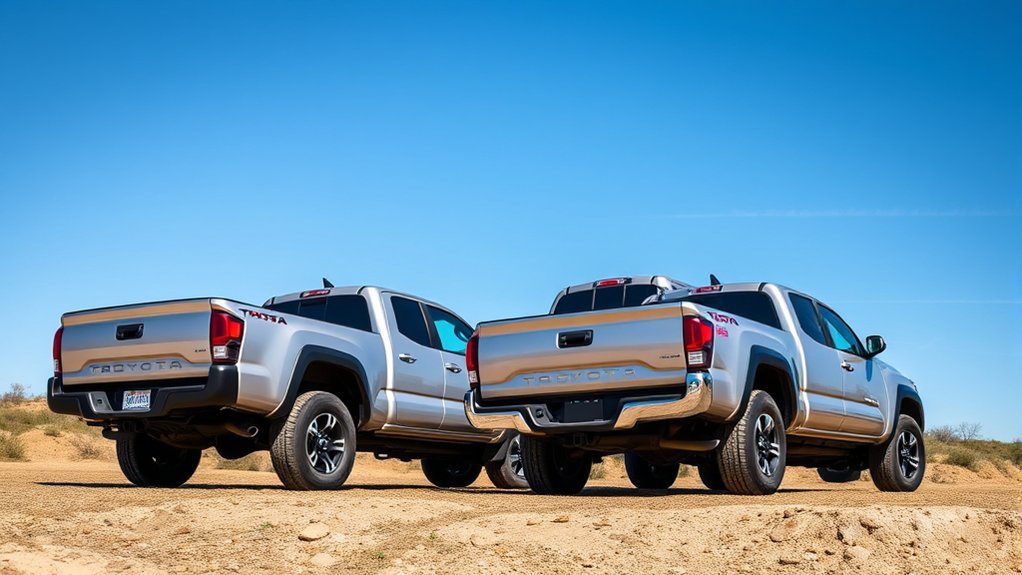
Choosing between a Toyota Tacoma Access Cab and Double Cab is mostly a choice between cargo space, passenger comfort, wheelbase, and how you use the truck every day. The cab type can affect how the Tacoma feels when parking, carrying weight, driving in winter, or crawling through tight trails, but tires, trim, bed length, suspension, and load placement matter just as much as the cab itself.
Quick Answer
The Tacoma Access Cab is usually better if you want a simpler truck with more bed-focused utility and less need for rear passenger space. The Double Cab is better if you carry people often, want four full-size doors, or prefer broader trim availability. For handling, compare wheelbase and bed length, not cab name alone.
Key Takeaways
- For 2016–2023 Tacomas, the Access Cab seats up to four, while the Double Cab seats up to five.
- The Access Cab is paired with a longer bed, making it strong for gear, tools, and solo use.
- The Double Cab gives adults easier rear-seat access and is the better family or group-travel choice.
- Parking and trail handling depend heavily on wheelbase and bed length; a Double Cab long bed is the hardest configuration to maneuver.
- For 2024 and newer Tacomas, Toyota replaced the Access Cab with the two-seat XtraCab, so check the model year before comparing.
First, Know Which Tacoma Cab Toyota Means
The name matters because Toyota changed the Tacoma lineup after the 2023 model year. On 2016–2023 Tacoma models, the Access Cab seats up to four and the Double Cab seats up to five. For 2024 and newer fourth-generation Tacomas, Toyota uses Double Cab and XtraCab, with the XtraCab built for two passengers and rear storage instead of a rear bench.
Note: If you are shopping a used Tacoma, “Access Cab” usually refers to the 2016–2023 extended-cab truck with small rear-hinged back doors. If you are shopping new, compare XtraCab vs. Double Cab instead.
| Cab Type | Best For | Main Trade-Off |
|---|---|---|
| Access Cab | Solo drivers, gear hauling, work use, and occasional rear passengers | Rear seats are tight and less comfortable for adults |
| Double Cab | Families, coworkers, road trips, and easier rear-seat access | Less bed length if you choose the short-bed version; more length if you choose the long bed |
| XtraCab | Newer Tacoma buyers who want lockable interior storage and only need two seats | No rear passenger bench |
Key Differences in Handling: Access Cab vs. Double Cab
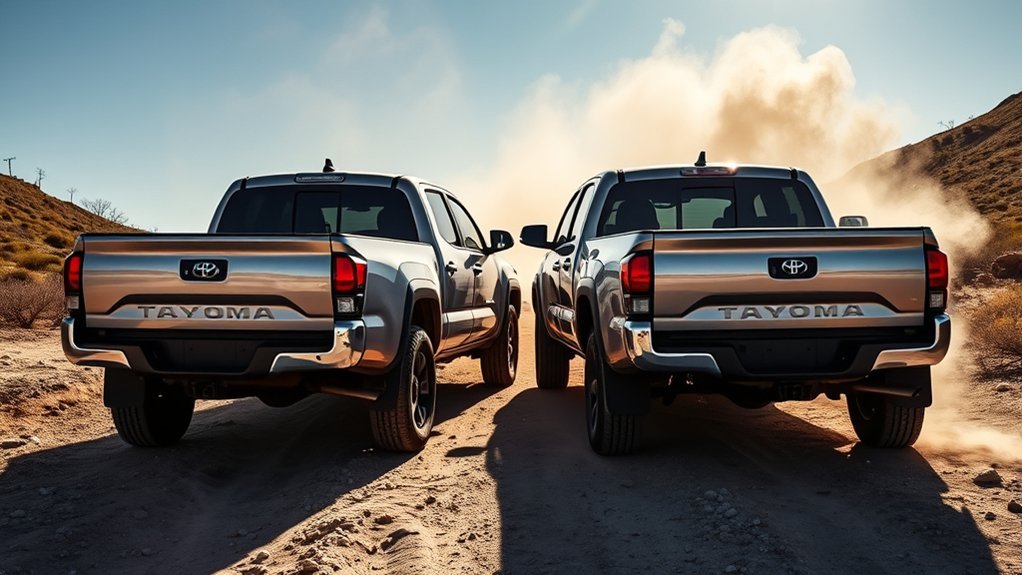
The Access Cab can feel lighter and more utility-focused because it has a smaller passenger area and more emphasis on the bed. That can make it feel simpler and easier to place on tight trails or job sites. However, it is not automatically shorter or easier to turn than every Double Cab. On many 2016–2023 Tacomas, the Access Cab with the 6-foot bed and the Double Cab with the 5-foot bed have a similar overall footprint, while a Double Cab long bed is noticeably longer.
The Double Cab often feels more settled when passengers are onboard because more weight sits in the cabin area. It also gives better rear-seat comfort and easier entry through four full-size doors. If you regularly drive with adults, kids, pets, or coworkers, the Double Cab’s comfort advantage is usually more important than the small handling differences.
Cab type affects the Tacoma’s feel, but the bigger handling factors are wheelbase, bed length, tire choice, suspension trim, load weight, and where that load sits.
How Weight Distribution Affects Driving Experience
Weight distribution changes how any pickup handles. A lightly loaded Tacoma can feel different from the same truck carrying camping gear, tools, passengers, or tongue weight from a trailer. Toyota’s own truck-loading guidance tells owners to keep cargo within the vehicle’s ratings and secure loose items so weight does not shift while driving.
Impact on Handling Performance
When weight is placed too far behind the rear axle, steering can feel lighter and braking distance can increase. When cargo is uneven from side to side, the truck may lean more in corners or feel less predictable during emergency maneuvers. The right goal is not simply “more weight.” The goal is balanced, secured weight that stays within the payload, gross vehicle weight rating, and axle ratings shown on the certification label.
| Load Situation | How It Can Feel | Better Practice |
|---|---|---|
| Empty bed | Rear tires may feel light on slick roads, especially in 2WD | Use proper tires and drive gently in poor weather |
| Heavy gear near tailgate | More rear sag and lighter steering feel | Move dense cargo forward and secure it |
| Balanced gear near the axle area | More stable and predictable | Keep weight low, centered, and tied down |
| Passengers in a Double Cab | More cabin weight and a planted feel | Account for people and cargo together when checking payload |
Enhancing Traction Stability
Traction comes from tire grip, road surface, tire pressure, and the vertical load on the tire. Extra weight can help a 2WD pickup’s rear tires bite in snow, but it can also hurt braking and handling if the weight is excessive or unsecured. NHTSA’s tire-safety guidance emphasizes proper tire pressure, load limits, inspection, and avoiding overloads because those basics directly affect steering, stopping, traction, and load-carrying capability.
Warning: Never exceed the payload, axle, tire, or gross vehicle weight ratings for your Tacoma. Do not leave loose sandbags, tools, recovery boards, or coolers unsecured in the bed or cab.
Traction Insights for 2WD and 4WD Models
A 2WD Tacoma relies on the rear tires for drive traction, so an empty bed can make winter starts more difficult. Carefully secured ballast over or slightly ahead of the rear axle may help in snow, but it is not a substitute for winter-rated tires, slower inputs, and safe following distance.
A 4WD Tacoma has a major traction advantage because it can send power to the front axle when the system is engaged. Current Tacoma off-road trims also offer traction-focused features such as Multi-Terrain Select, CRAWL Control, and an available electronically locking rear differential. Even so, 4WD helps the truck move; it does not let the truck stop faster on ice. Braking still depends heavily on tires and road grip.
Pro Tip: If your Tacoma feels nervous in winter, upgrade tires before adding a lot of weight. Good tires change acceleration, cornering, and braking; added bed weight mainly changes rear drive traction.
Maneuverability: Which Cab Type Is Easier to Park?
The Access Cab is often easier to live with than a Double Cab long bed because it avoids the longest Tacoma layout. But the difference is less dramatic when comparing an Access Cab 6-foot bed with a Double Cab 5-foot bed. Those trucks can be close in overall length, so parking feel may come down to visibility, mirrors, camera equipment, tire size, lift height, and driver familiarity.
Turning Radius Comparison
For tight parking lots and narrow trails, wheelbase is the key number. A shorter wheelbase usually turns more tightly and drags less belly over breakover points off-road. A longer wheelbase can feel more stable at highway speeds and when towing, but it needs more room in U-turns and parking garages.
Wheelbase Impact
A Double Cab long bed has the biggest downside for maneuverability because it combines the larger cabin with the longer bed. That added length is useful if you need both passengers and cargo room, but it can make the truck harder to park, rotate on tight switchbacks, and fit in a standard garage.
| Configuration | Parking Feel | Best Use |
|---|---|---|
| Access Cab with 6-foot bed | Manageable for most owners | Gear, tools, solo trips, occasional passengers |
| Double Cab with 5-foot bed | Similar everyday footprint to many Access Cab trucks | People-first daily driving |
| Double Cab with 6-foot bed | Hardest to park and turn | Passengers plus maximum bed utility |
Parking Maneuverability Insights
Visibility can matter as much as size. Some drivers find the Double Cab easier to back into a space because the full rear doors and cabin shape make the truck easier to judge. Others prefer the Access Cab because it feels less bulky behind the front seats. If possible, test-drive both and include a normal parking-lot maneuver before choosing.
Off-Roading Capabilities: Access Cab vs. Double Cab
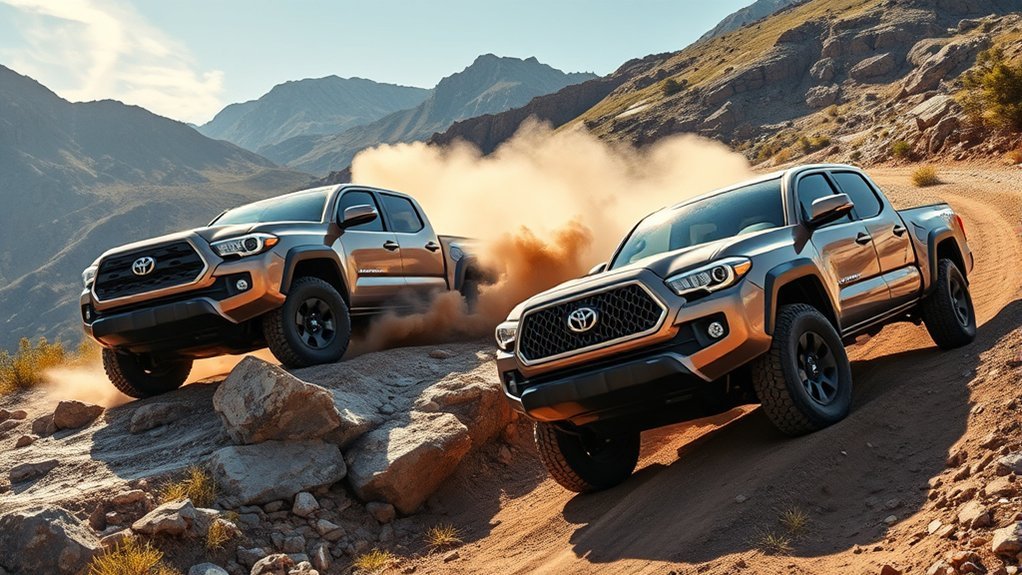
For off-roading, the best Tacoma cab depends on the trail. The Access Cab can be attractive for solo adventurers because it keeps the cabin compact while preserving useful bed length. It is a good match for recovery gear, camping bins, bikes, or work equipment.
The Double Cab is better when the trail day includes friends, family, or dogs in the rear seat. It also opens up more trim choices on many Tacoma years. For example, some high-end off-road and premium trims have been Double Cab-only, so the suspension, locking differential, camera systems, skid plates, and tire package may matter more than the cab itself.
On tight wooded trails, a shorter wheelbase and smaller turning circle help. On rocky climbs, a longer wheelbase can feel more stable but may scrape more easily over breakover points. On washboard roads, tire pressure, shock tuning, and load balance are usually more noticeable than the cab badge.
[Products Worth Considering]

This center console organizer tray is designed for a precise fit in the Toyota RAV4 2026, helping turn deep console space into practical everyday storage. It keeps small essentials like phones, cards, coins, and sunglasses neatly organized and easy to reach while reducing movement and noise with a non-slip mat. Built from durable ABS and made for simple tool-free installation, it offers a clean, convenient upgrade for your interior.

This hitch mount bike rack provides a secure, convenient way to transport two bikes, including e-bikes and fat tire models with tires up to 5 inches wide. Its tilting platform design makes it easy to access your vehicle’s rear cargo area, while foldable construction helps save space when not in use. Built for standard 2-inch receivers, it includes protective and anti-theft features for confident everyday travel.
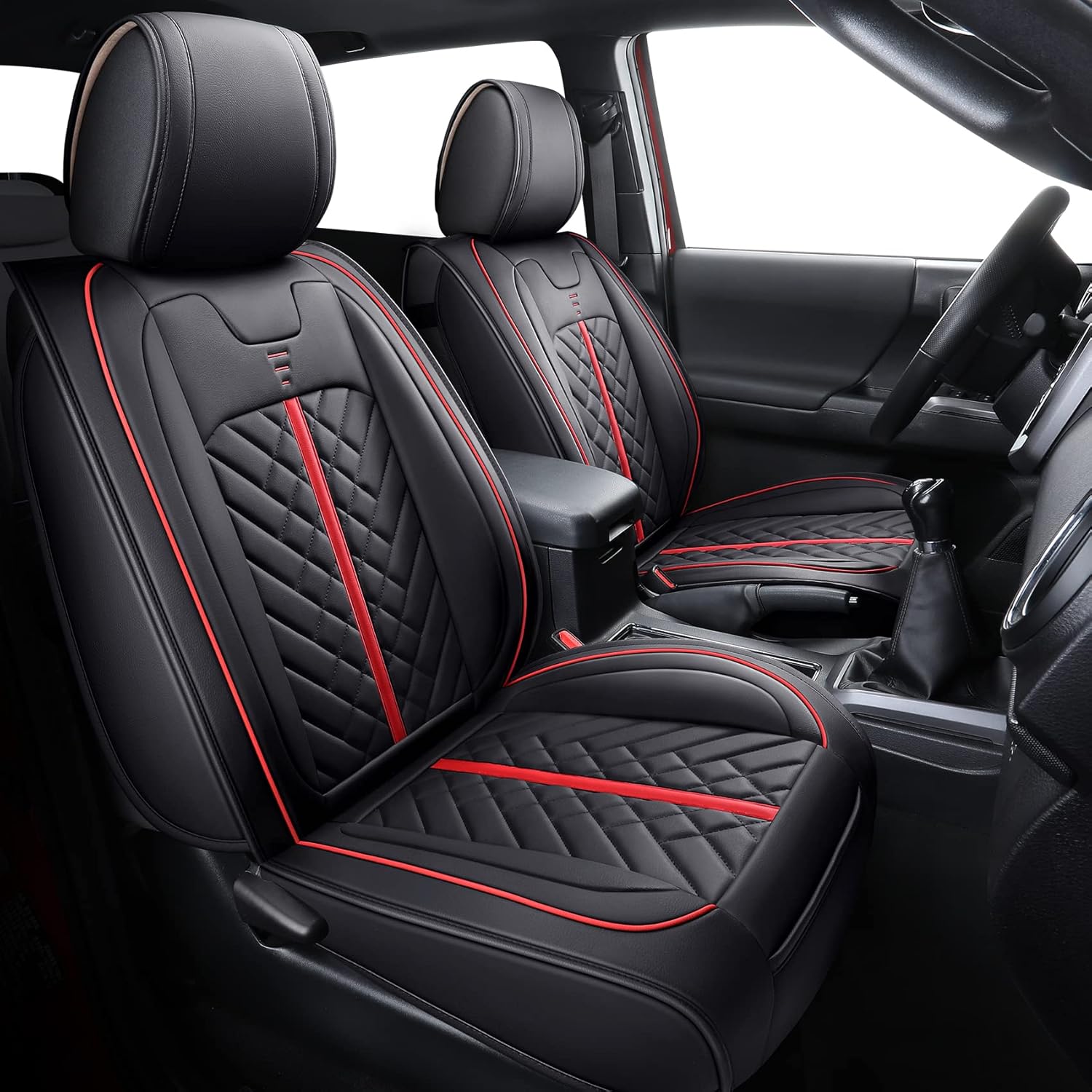
Upgrade your Tacoma’s interior with these custom-fit seat covers designed for a wide range of model years and trims. The faux leather construction offers a soft, waterproof, wear-resistant finish with a non-slip backing for a secure fit, while the airbag-compatible design helps maintain safety. Installation is straightforward, and the included fit and style make them a practical way to refresh and protect your seats.
Seating, Cargo, and Daily Use
The Access Cab is not the best pick for people who regularly carry adults in the back. Its small rear doors and tighter rear seating work better for short rides, kids, bags, or emergency use. The Double Cab is the clear winner for daily passenger comfort because it has four conventional doors and more usable rear space.
For cargo, the Access Cab is appealing because it gives you a longer bed without needing the longest Double Cab long-bed footprint. That matters if you carry lumber, bikes, coolers, camping gear, toolboxes, or hunting and fishing equipment more often than people.
| Choose This | If You Usually Carry |
|---|---|
| Access Cab | One or two people, tools, bikes, camping gear, job-site cargo, or occasional rear passengers |
| Double Cab short bed | Family, friends, pets, groceries, sports bags, and everyday cargo |
| Double Cab long bed | Passengers and large cargo, with less concern about parking length |
Cost, Availability, and Resale Value
Access Cab Tacomas often cost less on the used market because they have a narrower audience. That can be a benefit if you want a dependable truck and do not need a real back seat. Double Cab Tacomas tend to attract more buyers because they work for more families, commuters, and resale shoppers.
Resale value is not guaranteed by cab type alone. Year, mileage, condition, service records, accident history, drivetrain, trim, color, region, and modifications all affect value. A clean Access Cab TRD Off-Road may be easier to sell than a poorly maintained Double Cab, but in general the Double Cab has broader demand.
[Products Worth Considering]

This all-in-one roadside emergency kit is designed to help drivers handle common breakdowns, minor repairs, and first aid needs with confidence. It includes a portable air compressor with tire pressure measuring and memory settings, safe jumper cables, and a versatile 14-in-1 pliers tool set, all organized for easy trunk storage. With a wide range of emergency supplies packed into one compact case, it is a practical choice for new drivers, daily commuters, and anyone preparing for unexpected roadside situations.
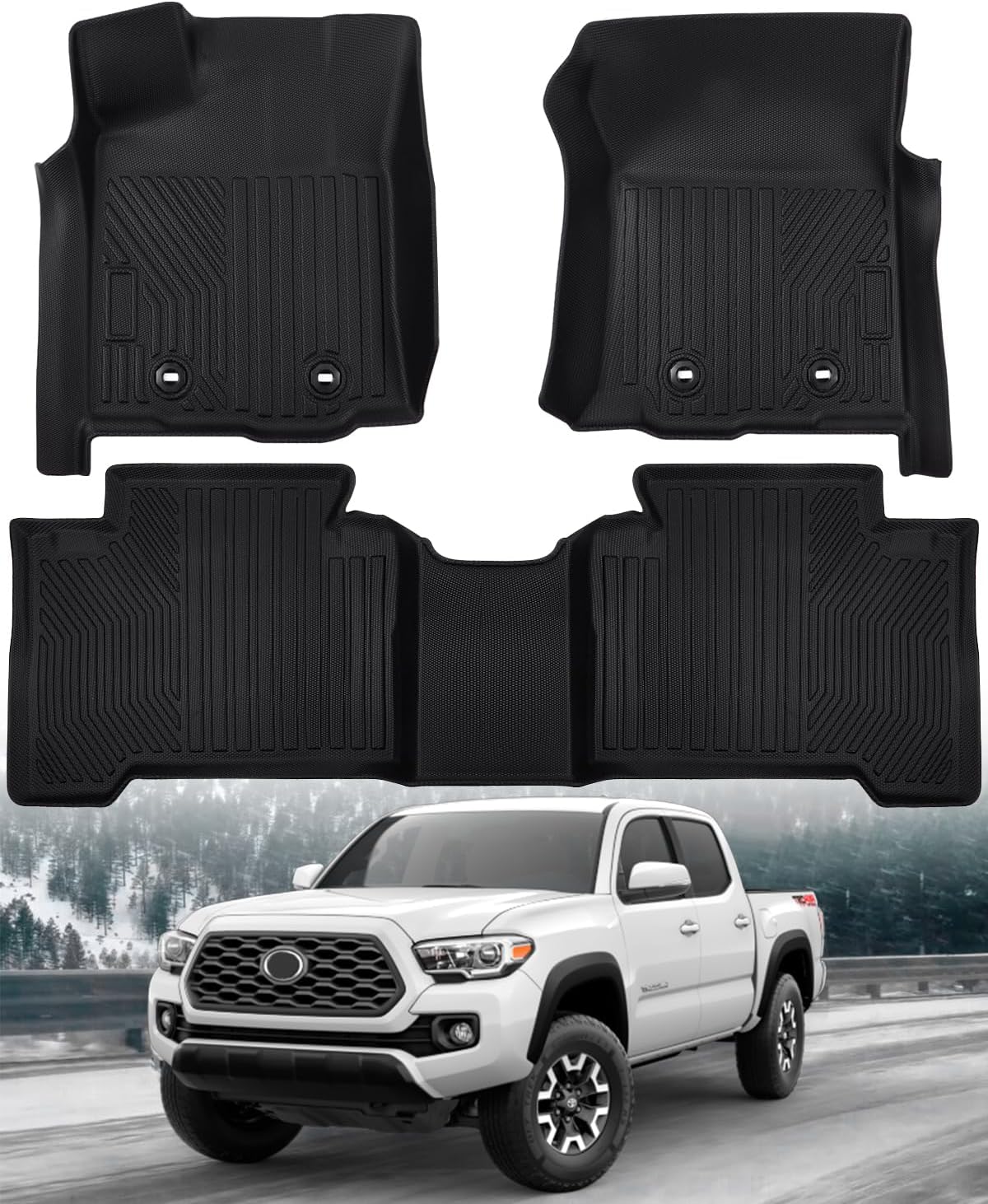
These custom floor mats are designed for Toyota Tacoma Double Cab models and provide a precise, full-coverage fit for the front and rear floors. Built for all-weather protection, they help block dirt, spills, and debris while staying securely in place and preserving safe pedal operation. The odorless TPE material is easy to clean and adds a stylish, durable layer of protection to your vehicle interior.

FITMENT - {{ Enter the LICENSE PLATE in the Amazon Confirmed Fit tool at the top of this page to confirm your vehicle fitment with this product. }} Compatible with 2005-2023 Toyota Tacoma | Double Cab [Cab Size Note: Only fit Double Cab with 4 full-size doors. NOT for Access Cab with 2 full-size front doors & 2 suicided rear doors. (See Image for more info)]
Safety and Driver-Assist Differences
Do not assume one cab is automatically safer in every crash. Safety ratings are tied to the model year, body style, production date, seat type, and specific test. IIHS lists separate 2023 Tacoma ratings for the crew-cab pickup and the extended-cab pickup, which is why shoppers should check the exact model year and cab style instead of relying on a general rule.
Driver-assist features can also vary by trim and package. Blind Spot Monitor, parking sonar, cameras, and premium technology packages may be easier to find on some Double Cab trims, while simpler Access Cab trims may have fewer convenience features. Always compare the actual window sticker, build sheet, or VIN history.
User Experiences With Tacoma Access Cab vs. Double Cab
Owners who prefer the Access Cab usually like the truck because it feels practical, simple, and cargo-friendly. It is a strong fit for people who drive alone most of the time and would rather have useful bed space than a roomy rear seat.
Owners who prefer the Double Cab usually mention convenience. Full-size rear doors make it easier to load kids, groceries, work bags, dogs, and luggage. For many daily drivers, the Double Cab is the version that feels easiest to live with, even if the Access Cab is more appealing for gear-heavy trips.
The most common regret is choosing the wrong cab for real life. If you rarely use the back seat, the Double Cab may feel like wasted space. If you often carry passengers, the Access Cab can become frustrating fast.
Winter Driving Tips for Better Traction
Winter traction depends more on tires and driving technique than cab type. A 2WD Access Cab with worn all-season tires will struggle more than a 4WD Double Cab on quality winter tires, but any Tacoma can slide if the road is icy and speed is too high.
- Use winter tires or severe-snow-rated all-terrain tires if you drive in regular snow and ice.
- Check tire pressure when the tires are cold because pressure changes with temperature.
- Keep any added ballast secured, low, and near the rear axle area.
- Do not overload the bed to chase traction.
- Accelerate, brake, and steer gently on snow or ice.
- Leave more following distance than usual, even with 4WD engaged.
Why Tire Quality Matters for Your Tacoma
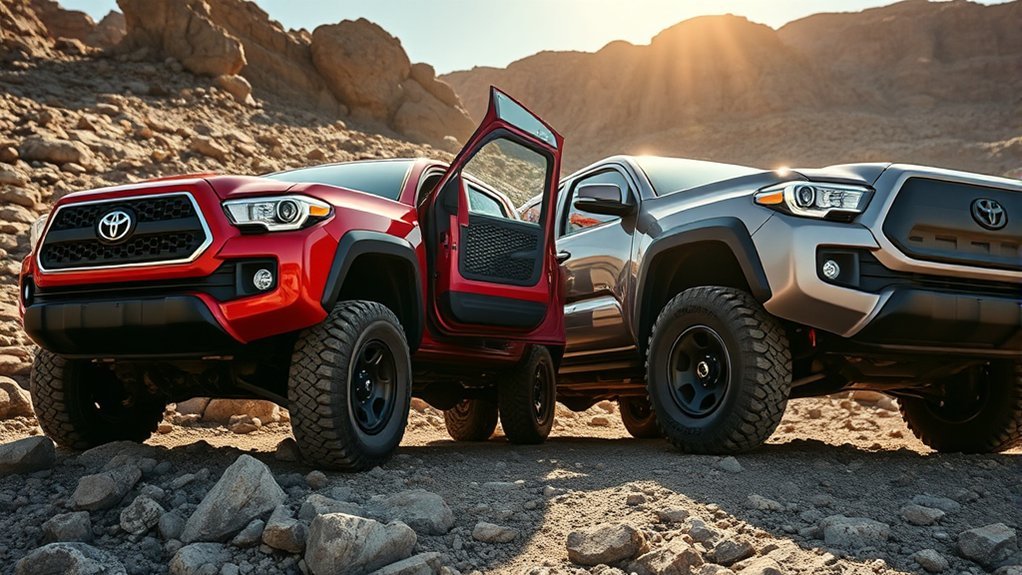
Tires are one of the biggest factors in how your Tacoma handles. They affect braking, steering, traction, fuel economy, ride comfort, and load capacity. NHTSA’s TireWise guidance recommends choosing and maintaining tires carefully, checking pressure, inspecting tread, and observing load limits.
For highway comfort, a mild all-terrain or highway tire may feel best. For trail use, a stronger all-terrain tire can add durability and grip. For harsh winter roads, a true winter tire is usually the safest choice. Match the tire to the job before blaming the cab configuration for poor traction.
How to Choose the Right Tacoma Cab
Start with the way you actually use the truck, not the way you hope to use it once or twice a year. The right Tacoma is the one that fits your normal week.
- Choose the Access Cab if you mostly drive alone, need bed space, want a simpler used Tacoma, and only carry rear passengers occasionally.
- Choose the Double Cab short bed if you want the easiest daily-driver balance of passenger space and manageable size.
- Choose the Double Cab long bed if you need passenger space and cargo length, and you can live with a longer truck.
- Choose the newer XtraCab if you are shopping a current Tacoma and want two seats plus lockable rear storage.
Note: Before buying, check the tire condition, payload label, service history, frame condition, accident history, and whether the truck has been heavily modified. Those details can matter more than cab type.
[Products Worth Considering]

【Fitment】Window Wind Deflector for 2005-2015 Toyota Tacoma Access/ Extended Cab X-RUNNER/ PRE Runner

【Fitment】Window Wind Deflector Outside adhensive/ Outside-Mount for 1995-1997 Toyota Tacoma DLX, 1998-2004 Toyota Tacoma, 1995-1997 Toyota Tacoma SR5, 1995-1997 Toyota Tacoma Regular Cab/ Standard Cab/ Single Cab(2Pcs)
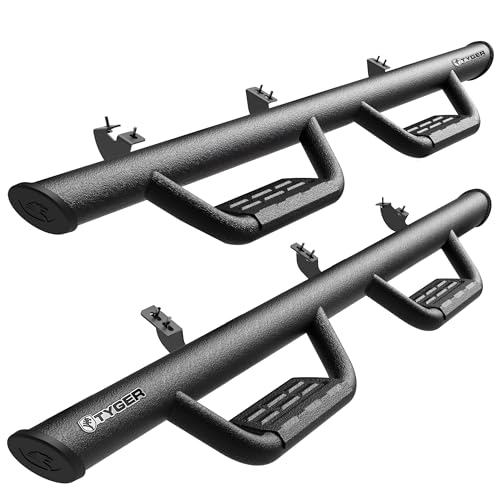
FITMENT - {{ Enter the LICENSE PLATE in the Amazon Confirmed Fit tool at the top of this page to confirm your vehicle fitment with this product. }} Compatible with 2024-2027 Toyota Tacoma; Hybrid Models | Double Cab [Cab Size Note: Only fit Double Cab with 4 full-size doors. NOT for Access Cab with 2 full-size front doors & 2 suicided rear doors. (See Image for more info)]
Frequently Asked Questions
What is the cargo capacity difference between the Tacoma Access Cab and Double Cab?
It varies by model year, drivetrain, engine, trim, and equipment. The Access Cab often gives you more bed-focused utility because it is paired with a longer bed, while the Double Cab gives more passenger space. For the safe weight limit, use the payload and tire-loading label on the driver-side door jamb, not a generic online number.
How do seating arrangements differ between the two cab types?
On 2016–2023 Tacoma models, the Access Cab seats up to four with smaller rear seating and rear-hinged back doors. The Double Cab seats up to five and has four full-size conventional doors, making it much easier for adults, kids, and pets to ride in back.
Which Tacoma cab is easier to park?
The Access Cab is usually easier to manage than a Double Cab long bed. Compared with a Double Cab short bed, the difference may be smaller because some configurations have a similar overall footprint. Parking ease depends on wheelbase, bed length, camera features, mirrors, tires, lift height, and driver comfort.
What are the cost differences for Access Cab vs. Double Cab?
Access Cab trucks often cost less used because fewer buyers need the smaller rear seat layout. Double Cab trucks usually cost more because they fit more families and daily-driver needs. Trim, mileage, condition, drivetrain, and service history can change the price more than cab style alone.
Which Tacoma cab type has better resale value?
The Double Cab generally has broader resale demand because it works for more buyers. The Access Cab can still hold value well when it is clean, well-maintained, and equipped with desirable trims or 4WD. Local demand, condition, mileage, accident history, and modifications all matter.
Are there notable safety rating differences?
There can be differences by cab style, model year, production date, and test. Do not rely on a blanket claim that one cab is always safer. Check IIHS and NHTSA ratings for the exact Tacoma year and body style you are considering.
Is the Tacoma Access Cab still available new?
Not under that name on current fourth-generation Tacomas. Toyota now offers the Tacoma as a Double Cab or XtraCab, depending on trim. The XtraCab is a two-seat utility layout with rear storage rather than a traditional Access Cab rear seat.
Which cab is better for off-roading?
The Access Cab can be excellent for solo off-road use because it favors cargo space and a simpler layout. The Double Cab is better when you bring passengers and may offer more high-end trim choices. For serious off-roading, tires, suspension, recovery points, skid plates, ground clearance, and locking differentials matter more than cab type alone.
Conclusion
The Tacoma Access Cab is the better fit if your truck is mainly for gear, tools, camping equipment, and one or two people. The Double Cab is the smarter choice if you carry passengers often or want the most flexible daily-driver layout. For handling, do not judge by cab name alone. Compare wheelbase, bed length, tires, suspension, drivetrain, and payload label before deciding.
If you are buying used, the Access Cab vs. Double Cab choice comes down to cargo space versus passenger comfort. If you are buying new, remember that the modern comparison is XtraCab vs. Double Cab, and the XtraCab is now a two-seat utility layout.
Sources
- Toyota 2023 Tacoma comparison page — backs up Access Cab and Double Cab seating, dimensions, and cabin information.
- Toyota 2023 Tacoma eBrochure — backs up 2023 Tacoma trims, packages, cab availability, and bed-related details.
- Toyota USA Newsroom: 2026 Tacoma — backs up current XtraCab and Double Cab naming, 2026 lineup, payload, towing, and off-road feature updates.
- Toyota 2026 Tacoma truck-camper loading information — backs up cargo weight, center-of-gravity, GAWR, GVWR, and load-safety guidance.
- NHTSA TireWise and NHTSA tire safety brochure — backs up tire pressure, load limits, traction, maintenance, and tire safety guidance.
- IIHS 2023 Tacoma crew-cab ratings and IIHS 2023 Tacoma extended-cab ratings — back up safety-rating differences by body style and test.