
You can expect a well-maintained Toyota Tacoma engine to last roughly 200,000 to 300,000+ miles, with many clean, well-serviced examples going beyond that. The realistic ceiling depends less on the badge and more on oil-change history, cooling-system health, driving habits, load, rust exposure, and whether year-specific recalls or service bulletins have been handled.
Quick Answer
A well-maintained Toyota Tacoma engine can reasonably last 200,000 to 300,000+ miles, and some older naturally aspirated trucks go farther with excellent care. Treat 400,000 miles as possible but not guaranteed. Records, oil service, cooling-system health, driving load, rust exposure, and VIN-specific recalls matter more than odometer alone.
Key Takeaways
- A Tacoma with complete service records at 150,000–200,000 miles can still be a strong buy if it passes inspection.
- Oil changes, coolant condition, air filtration, spark plugs, and quick leak repairs have the biggest effect on engine life.
- Heavy towing, long idling, dusty roads, short winter trips, overheating, and road salt shorten the truck’s useful life.
- Newer 2024+ turbo and hybrid Tacoma engines have less long-term high-mileage history than the older 2.7L, 3.4L, 4.0L, and 3.5L engines.
- Always check the exact VIN for open recalls and service history before judging any used Tacoma by mileage alone.
At a Glance
| Time Required | 10–20 minutes for monthly checks; 1–3 hours for most scheduled services |
| Difficulty | Easy for inspections; moderate for DIY maintenance; professional diagnosis for leaks, overheating, or timing noise |
| Tools Needed | Flashlight, OBD-II scanner, tire-pressure gauge, maintenance records, and basic hand tools for DIY work |
| Cost | Low for inspections and oil service; moderate to high for cooling, transmission, timing, or compression-related repairs |
How Long Will a Toyota Tacoma Engine Last?
A properly maintained Toyota Tacoma engine should usually make it past 200,000 miles. Many healthy trucks reach 250,000 miles or more, and a smaller group can keep running into the 300,000-mile range with disciplined care. Claims of 400,000 miles or even extreme million-mile examples should be treated as outliers, not the normal expectation.
A 2025 iSeeCars longevity study ranked the Toyota Tacoma with a 25.3% predicted chance of reaching 250,000 miles, far above the overall vehicle average of 4.8%.
That does not mean every Tacoma engine is automatically bulletproof. The engine may outlast the truck’s frame, transmission, suspension, or interior if rust, towing stress, or neglected fluids take over. The safest way to think about Tacoma engine life is this: 200,000 miles is realistic, 300,000 miles is achievable, and 400,000 miles requires exceptional care and favorable use.
For 2024 and newer Tacomas, Toyota moved to the 2.4-liter i-FORCE turbo and i-FORCE MAX hybrid powertrains. These engines are stronger and more modern, but they have not yet built the same decades-long high-mileage track record as older naturally aspirated Tacoma engines.
Note: Mileage alone does not prove engine health. A 220,000-mile Tacoma with records, clean fluids, stable temperatures, and even compression can be a better buy than a 120,000-mile truck with neglected oil changes and overheating history.
Key Factors That Affect Tacoma Engine Life
The single biggest factor in Tacoma engine life is maintenance. Toyota’s late-model maintenance guide lists regular service items such as fluid checks, oil and filter changes, air filters, coolant service, spark plugs, and transmission-fluid inspections or replacements under certain use conditions. Follow the maintenance guide for your exact model year, engine, drivetrain, and driving conditions.
Four practical levers determine how long the engine lasts:
- Maintenance discipline: Regular oil changes, clean filters, spark plug service, coolant care, and fast leak repairs prevent small wear from turning into major failure.
- Driving habits: Smooth acceleration, full warm-up before heavy throttle, moderate RPM, and avoiding repeated hard launches reduce heat and internal stress.
- Duty cycle: Towing, heavy payloads, off-road use, dusty roads, long idling, and low-speed work require shorter service intervals than light commuting.
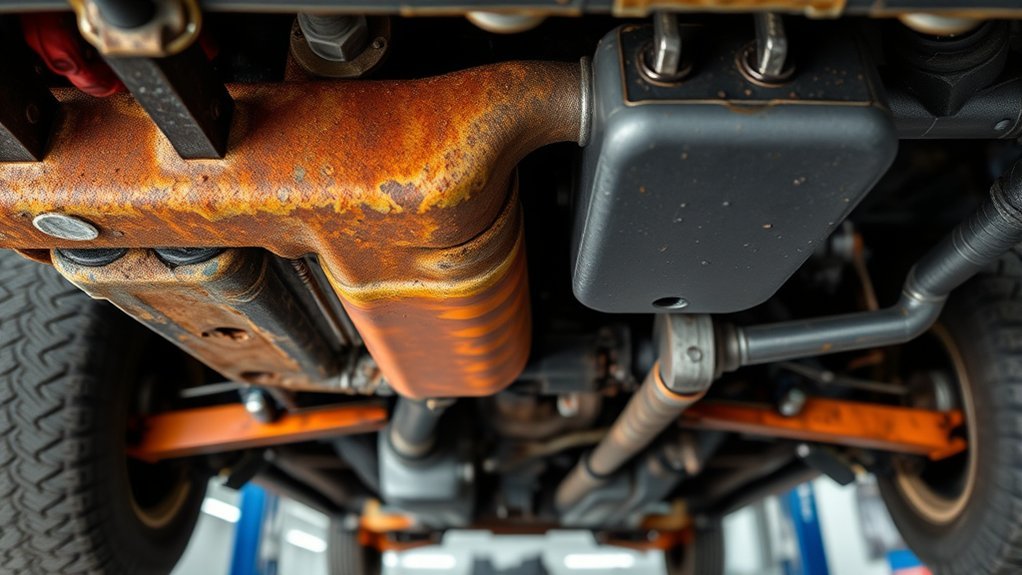
- Environment: Road salt, humidity, mud, and desert dust can shorten the life of the truck around the engine, especially the frame, wiring, cooling fins, and exposed hardware.
Pro Tip: If your Tacoma sees towing, dirt roads, deep snow, stop-and-go work, or repeated short winter trips, follow the “special operating conditions” side of Toyota’s maintenance schedule instead of the light-duty schedule.
Which Tacoma Engines Have the Best Longevity?
Most Tacoma engines have a strong reputation when maintained well, but they do not all have the same age, design, or data behind them. Older naturally aspirated engines have the longest real-world history. Newer turbo and hybrid engines may prove durable too, but they need more years of high-mileage ownership before anyone can judge them fairly.
| Tacoma Era | Common Engines | Longevity Notes |
|---|---|---|
| 1995–2004 | 2.4L/2.7L four-cylinder, 3.4L V6 | Simple, durable engines; age, rust, old rubber, and neglected cooling systems are now the main risks. |
| 2005–2015 | 2.7L four-cylinder, 4.0L V6 | One of the strongest long-term Tacoma eras; frame condition and service records matter as much as engine sound. |
| 2016–2023 | 2.7L four-cylinder, 3.5L V6 | Good longevity potential, but inspect for shift behavior, maintenance history, and any unresolved drivability concerns. |
| 2024+ | 2.4L turbo, 2.4L turbo hybrid | More power and torque; long-term 250,000-mile data is still developing, so oil quality, cooling, and turbo care are especially important. |
Common Tacoma Engine Problems and Warning Signs
When you notice unusual noises, loss of power, overheating, oil consumption, smoke, or dashboard warning lights, act quickly. A Tacoma engine can be durable, but it is not immune to damage from heat, low oil, contaminated fluids, or delayed diagnosis.
Watch for these signs:
- Cold-start rattle or chain noise: Have it checked before it becomes a timing or oil-pressure problem.
- White exhaust smoke or sweet coolant smell: Possible coolant leak, head gasket issue, or coolant entering the combustion chamber.
- Blue smoke or rising oil use: Possible valve seal, ring, PCV, or oil-control issue.
- Persistent misfire: Could be plugs, coils, injectors, vacuum leaks, compression loss, or fuel problems.
- Overheating: Stop driving and diagnose the cooling system before the engine warps a head or damages gaskets.
- Transmission surge or odd shifting: Some 2016–2018 Tacoma trucks with the 2GR engine and AC60 automatic transmission had Toyota service bulletin coverage for surge or shift-feel concerns, so check service history.
Warning: Do not keep driving a Tacoma that is overheating, has a flashing check-engine light, or shows low oil pressure. Those are engine-damage conditions, not “wait until the weekend” problems.
[Products Worth Considering]

This engine water pump kit is designed to help maintain reliable cooling performance across a wide range of compatible Toyota, Lexus, Scion, and Pontiac vehicles. Built with aluminum and tested for leak-free operation, it offers a direct replacement solution that supports engine efficiency and long-term service life. The kit includes a professional water pump and gasket for a convenient installation-ready repair.
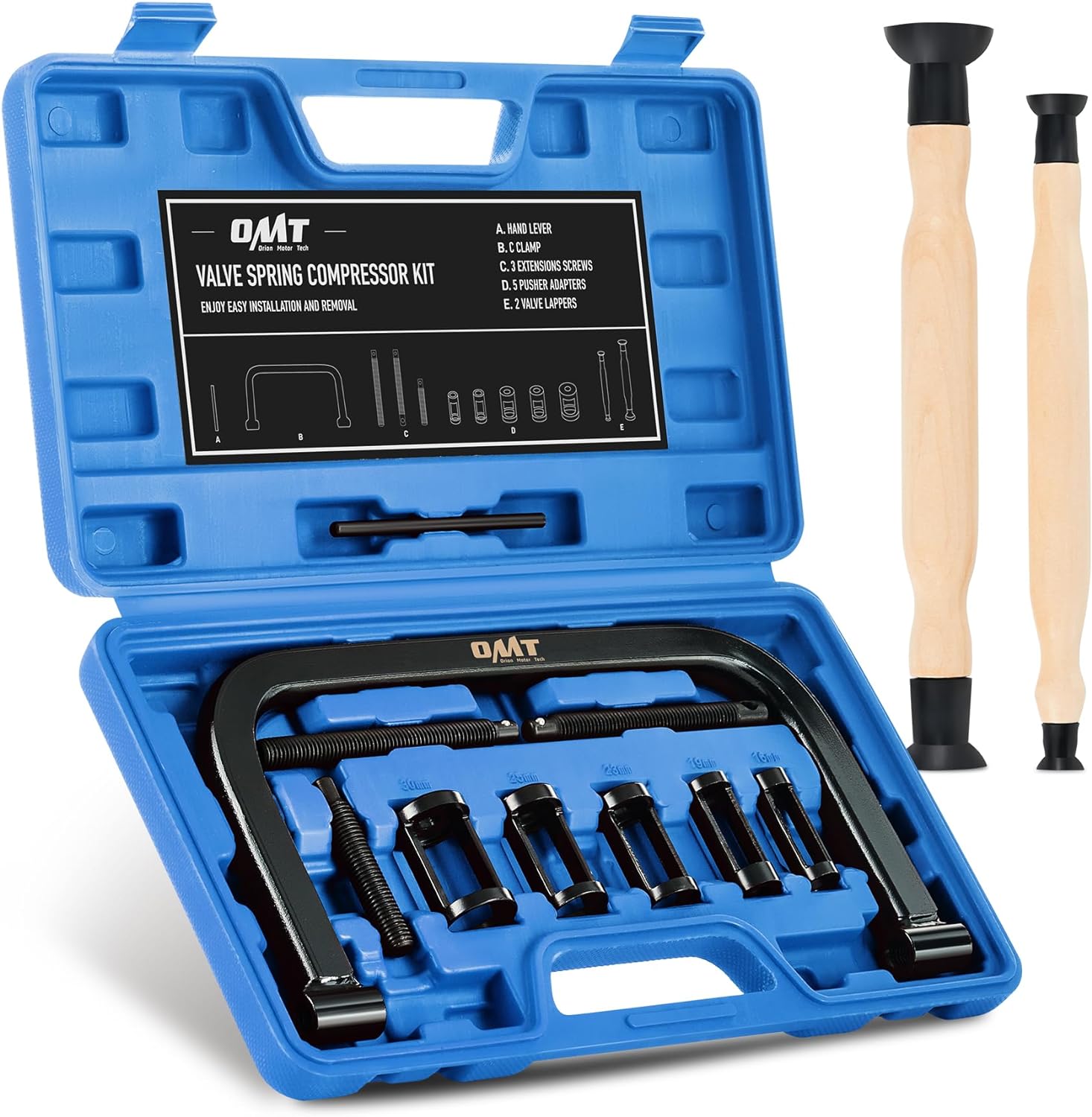
This Orion Motor Tech valve spring compressor kit is designed to make valve spring removal and installation safer and easier on motorcycles, ATVs, cars, and other small engines. It includes multiple adapters, extension rods, and a hand lever to help fit different cylinder heads and spring sizes, while the durable steel construction supports repeated shop use. The organized carrying case also keeps all parts neat and ready for transport or storage.

This ignition coil pack and pre-gapped spark plug set is designed for select 3.5L V6 Toyota and Lexus models, helping restore smooth engine performance and reliable starting. Built to meet or exceed OEM specifications, it can help fix common issues like misfires, rough idle, poor fuel economy, and reduced power. The complete 6-piece set offers a convenient replacement solution for compatible vehicles.
Maintenance Checklist to Reach 200k+ Miles
If you want your Tacoma to pass 200,000 miles without drama, follow a strict maintenance rhythm that prioritizes oil, cooling, spark, air filtration, driveline fluids, and corrosion control. Toyota’s recent Tacoma maintenance guide calls for oil and filter replacement at the listed interval, and it shortens oil service to every 5,000 miles or 6 months when the truck is mainly driven on dirt or dusty roads.
- Oil and filter: Use the correct Toyota-specified oil grade and change it on time. Shorten the interval for towing, dust, short trips, idling, or extreme heat.
- Cooling system: Keep coolant at the proper level, use the correct coolant type, and fix radiator, hose, water-pump, or thermostat problems early.
- Air filter and intake: Replace dirty filters, especially if you drive dirt roads. Dust ingestion is hard on rings, cylinders, and sensors.
- Spark plugs and ignition: Replace plugs at the interval listed for your engine. Misfires waste fuel and can damage catalytic converters.
- Transmission and driveline fluids: Inspect for leaks and service fluids based on Toyota’s schedule and your use, especially with towing or off-road work.
- Belts, hoses, and seals: Replace cracked rubber before it strands you or causes overheating.
- Rust control: Wash salt from the underside, inspect the frame, and treat corrosion early so the truck does not retire before the engine.
- Records: Keep receipts and mileage logs. They protect resale value and make future diagnosis easier.
Treat maintenance as freedom: oil, coolant, plugs, filters, transmission service, and rust control are what keep a Tacoma from becoming a ticking liability.
[Products Worth Considering]

NGK Iridium IX spark plugs are designed to deliver a stable spark, reliable ignition, and long-lasting performance for compatible Toyota Camry 2.5L engines. The fine-wire iridium center electrode helps improve durability and efficient combustion, making these plugs a smart replacement choice for maintaining smooth engine operation. Sold in a convenient four-pack, they are built for consistent performance and dependable fitment.
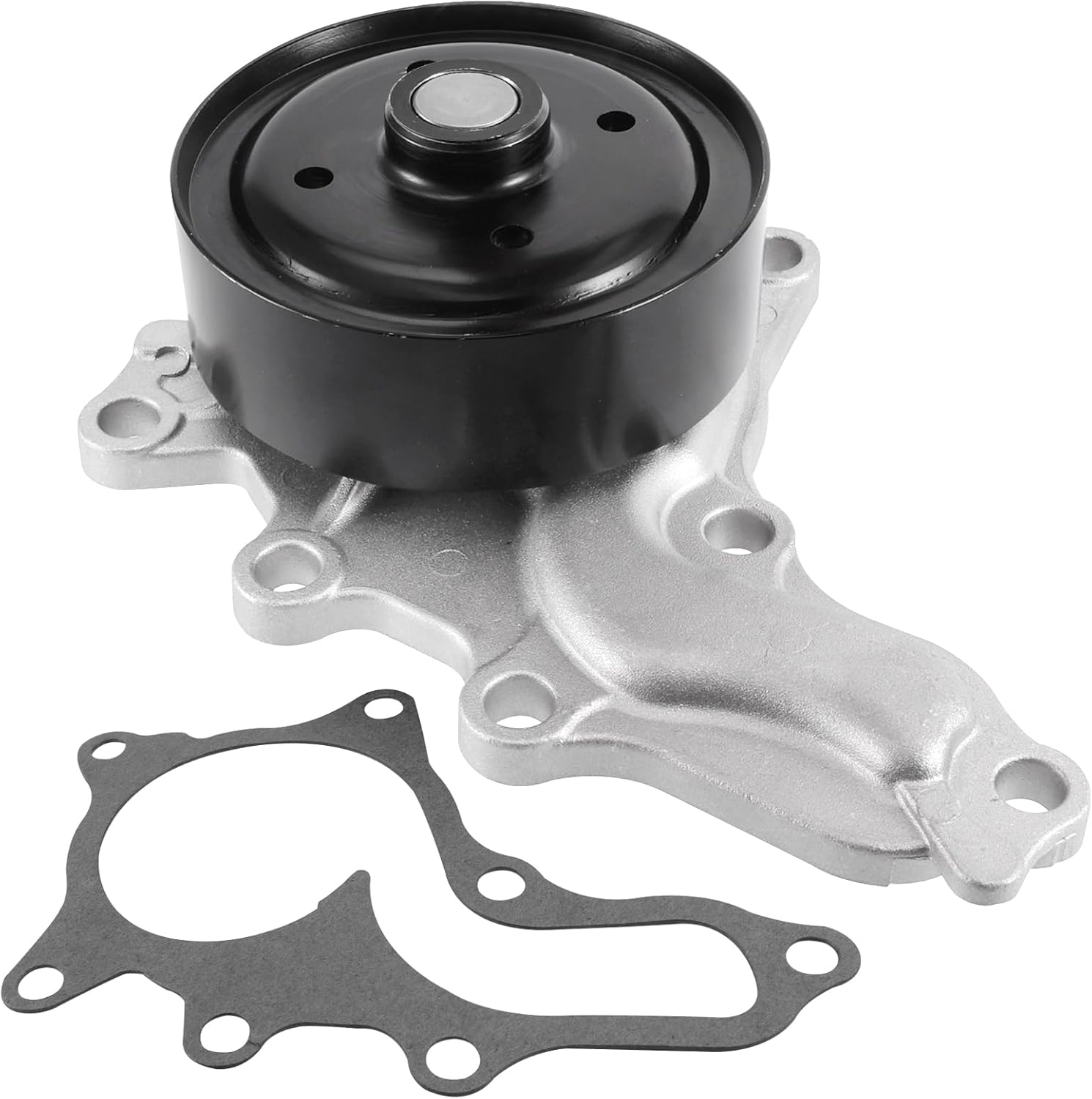
This AW6252 water pump is designed for a wide range of Toyota, Scion, and Lexus applications, helping maintain reliable engine cooling across compatible models. It features case hardened bearings for durability, a graphite-impregnated gasket for a secure seal, and 100% function and leakage testing for dependable performance. Built in TS16949 certified facilities, it offers a strong replacement option backed by service support.

This ignition coil and spark plug set is designed to restore reliable starting, smooth engine performance, and efficient combustion for compatible Toyota, Lexus, Scion, and Pontiac models. Built with durable materials and engineered to meet or exceed OE design standards, it offers dependable fitment and long-lasting operation. The package includes four ignition coils and four double iridium spark plugs for a complete tune-up solution.
How to Evaluate a Used Tacoma’s Engine and Service History
A used Tacoma with 150,000–200,000 miles can still be a smart buy, but only if the engine has evidence behind it. Start with records, then confirm the condition with a cold start, road test, scan, and mechanical inspection.
| Item | What to Check | Acceptable Result |
|---|---|---|
| Oil history | Receipts, dealer records, mileage intervals, correct oil grade | Consistent service with no long unexplained gaps |
| Cold start | Rattle, smoke, idle quality, warning lights | Smooth start, no heavy smoke, no persistent warning lights |
| Visual inspection | Leaks, coolant stains, oil seepage, cracked hoses, corrosion | Dry engine, clean coolant, sound hoses, manageable surface rust only |
| OBD-II scan | Stored, pending, and permanent trouble codes | No misfire, catalyst, temperature, or fuel-trim red flags |
| Road test | Acceleration, shift quality, temperature stability, vibration | Stable temperature, clean shifts, no hesitation, no driveline clunks |
| Compression/leak-down | Cylinder sealing on higher-mileage or suspicious trucks | Even readings across cylinders with no major leakage pattern |
| Recall check | Exact VIN on Toyota’s recall lookup | No open safety recalls or unresolved service campaigns |
Do not rely on “Toyota reliability” as a substitute for proof. A clean pre-purchase inspection is cheap compared with buying a truck that needs a head-gasket repair, catalytic converters, a transmission fix, or major rust work.
[Products Worth Considering]

This coolant electric water pump is designed as a replacement for select Toyota vehicles, helping maintain proper engine cooling performance and reliable temperature control. Built to OE specifications, it offers fitment support for compatible Avalon, Camry, and RAV4 models with 2.5L L4 engines. It also includes cross-reference part numbers for easier matching and comes with after-sales support for covered defects.

This professional water pump kit is designed as a direct OE replacement for select Toyota and Lexus 3.5L V6 vehicles, helping restore reliable engine cooling performance. Built to strict quality standards and tested for leak-free operation, it includes the necessary gasket for easier installation and a secure fit. It offers a practical upgrade for drivers seeking dependable cooling system maintenance and long-lasting performance.

This dual filter kit helps keep your vehicle running and riding cleaner by replacing both the engine air filter and cabin air filter at the same time. It is designed for a range of Toyota and Lexus hybrid models, helping support engine performance while reducing odors and airborne particles inside the cabin. Built with high-quality filtration materials, it offers a convenient maintenance solution for routine filter replacement.
How to Maximize Tacoma Engine Life After 200k Miles
Once a Tacoma passes 200,000 miles, the goal changes from basic maintenance to active monitoring. You are no longer just changing fluids; you are watching trends.
- Check oil level every 1,000 miles: High-mileage engines can start consuming oil slowly before they show smoke.
- Track coolant level: A small unexplained drop can point to a leak, radiator cap issue, water pump, or head-gasket concern.
- Scan codes before clearing them: Pending codes and fuel trims can reveal problems before a dashboard light stays on.
- Listen after cold starts: Many timing, lifter, exhaust, and accessory-bearing noises are easiest to hear before warm-up.
- Replace rubber proactively: Hoses, belts, vacuum lines, mounts, and bushings can be more age-limited than mileage-limited.
- Use quality parts: Cheap sensors, plugs, coils, filters, or fluids can create drivability problems that mimic engine failure.
Note: A factory powertrain warranty is not a lifespan prediction. It is coverage for a defined time and mileage. Long engine life comes from maintenance, diagnosis, and operating conditions after the warranty period ends.
When Is a Tacoma Engine Not Worth Saving?
Even a reliable engine has a financial limit. Repair decisions should consider the whole truck, not just the engine. A $4,000 repair can make sense on a rust-free Tacoma with excellent records, but it may be a poor choice on a truck with a weak frame, failing transmission, and multiple warning lights.
Be careful when you see:
- Low compression on one or more cylinders
- Coolant and oil mixing
- Repeated overheating history
- Heavy rod knock or confirmed bottom-end damage
- Severe rust near frame, suspension, or body mounting points
- Multiple expensive repairs stacked together, such as engine, transmission, and catalytic converter work
In those cases, compare the cost of repair, replacement engine, and total truck value before spending money. The best Tacoma engine is still only as useful as the truck around it.
Frequently Asked Questions
Can a Toyota Tacoma last 500,000 miles?
Yes, but it is rare. A Tacoma is more realistically expected to reach 200,000 to 300,000+ miles with good care. Reaching 500,000 miles usually requires excellent maintenance, mostly favorable driving, quick repairs, strong records, and a truck body and frame that survive as well as the engine.
How long does a Toyota Tacoma motor last?
A Toyota Tacoma motor commonly lasts beyond 200,000 miles when serviced on schedule. Many examples can reach 250,000 miles or more, and the best-maintained trucks can go well beyond 300,000 miles. Oil changes, cooling-system care, clean air filtration, and avoiding overheating are the biggest factors.
What years had Tacoma engine problems?
There is no single Tacoma year that should be labeled universally bad for engines. Instead, check the exact VIN. Certain 2013–2014 four-cylinder Tacomas had a valve-spring recall, and some 2016–2018 trucks with the 2GR engine and AC60 automatic transmission had documented shift or surge service bulletins. Records matter more than broad year-based claims.
Is 200,000 miles too many for a used Tacoma?
Not necessarily. A 200,000-mile Tacoma can still be worth buying if it has service records, no overheating history, clean fluids, stable compression, no major rust, and no unresolved warning lights. Avoid high-mileage trucks with missing records, fresh oil covering old leaks, coolant loss, or rough cold starts.
Do Tacoma engines or transmissions fail first?
It depends on use and maintenance. In many well-kept Tacomas, the engine is not the first major component to end the truck’s useful life. Rust, suspension wear, automatic transmission behavior, cooling-system neglect, or driveline wear can become bigger issues before the engine itself fails.
Conclusion
If you keep up with basic care and address quirks early, a Tacoma engine should not retire prematurely. Regular oil service, clean coolant, healthy ignition parts, good air filtration, and quick repairs for leaks or odd noises can keep wear modest and performance predictable well past 200,000 miles. When shopping used, insist on service records, a cold-start inspection, an OBD-II scan, and compression testing when the truck is high-mileage or suspicious. Do that, and you are far more likely to inherit a seasoned, reliable workhorse than a ticking liability.
Sources
- Toyota 2025 Tacoma Warranty & Maintenance Guide — factory maintenance intervals, oil and filter guidance, spark plug service, fluid checks, and special operating conditions.
- Toyota Safety Recalls & Service Campaigns Lookup — VIN-specific Toyota recall and service campaign verification.
- iSeeCars 2025 Longest-Lasting Cars Study — Toyota Tacoma 250,000-mile longevity ranking and predicted survival rate.
- Toyota USA Newsroom: 2024 Tacoma i-FORCE MAX — 2024+ Tacoma turbo and hybrid powertrain details.
- NHTSA-hosted Toyota Recall 13V-557 Technical Instructions — certain 2013–2014 Tacoma 2TR-FE valve spring recall documentation.
- NHTSA-hosted Toyota TSB: Vehicle Surge Between 40 and 50 mph — 2016–2018 Tacoma 2GR engine and AC60 transmission shift/surge service bulletin information.


[…] Follow Toyota’s maintenance schedule, use the specified oil, keep the intake sealed, and follow the exact model-year cool-down guidance after sustained high load. For broader ownership planning, see the site’s guide to Toyota Tacoma engine lifespan. […]