
Toyota Tacoma dashboard warning lights tell you whether to stop, correct a simple condition, or arrange diagnosis. Do not judge urgency by color alone. Stop safely for a low-oil-pressure, overheating, charging-system, or serious brake warning; any message that says to stop; or any light paired with weak brakes, heavy steering, smoke, severe shaking, power loss, or overheating. A steady amber light may allow cautious driving only when the truck feels normal and the owner’s manual does not call for an immediate stop.
Last updated: July 31, 2026 · Reviewed against Toyota Tacoma owner information, Toyota recall notices, and NHTSA tire guidance.
Quick Answer
Identify the symbol, read the multi-information display, and notice how the truck feels. Stop safely for low oil pressure, overheating, charging-system warnings, compromised braking, an explicit stop message, or any warning paired with smoke, severe shaking, heavy steering, or power loss. A steady amber light may allow a careful trip for diagnosis only when the Tacoma runs normally and the owner’s manual does not require an immediate stop.
Key Takeaways
- The symbol, display message, and vehicle behavior matter more than color by itself; some yellow brake or steering warnings still need immediate inspection.
- Stop safely for low oil pressure, overheating, charging-system warnings, abnormal braking, heavy steering, smoke, or an instruction to stop.
- A flashing Check Engine Light can indicate catalyst-damaging misfire conditions; reduce load, avoid towing, and seek diagnosis promptly.
- A solid TPMS light usually means low pressure; a light that flashes for about a minute and then stays on usually points to a TPMS malfunction.
- Icons and messages vary across 2005–2015, 2016–2023, and 2024–2026 Tacomas, so confirm the exact symbol in the manual for your model year.
30-Second Response Plan
| Stop message or critical symbol | Reduce speed, stop in a safe place, read the message display, and follow the owner’s manual before restarting or continuing. |
| Flashing Check Engine Light | Avoid heavy throttle, towing, and high speed. Stop if the engine runs roughly, loses power, overheats, or produces smoke. |
| Steady amber warning | Correct the obvious cause or arrange diagnosis. Continue only if the truck feels normal and the manual does not require an immediate stop. |
| Multiple lights | Prioritize stop messages, critical symbols, and vehicle behavior. A charging fault, low system voltage, or one shared sensor fault may trigger several warnings together. |
| Useful checks | Owner’s manual, tire pressure gauge, flashlight, fluid levels, and an OBD-II scan when the truck is safe to inspect. |
Scope and Review Method
This guide explains common U.S.- and Canada-market Tacoma warnings and response priorities. It compares Toyota owner information for newer Tacomas with federal tire and recall guidance. It does not claim that one symbol has the same color, wording, or action on every model year, trim, drivetrain, display, or market.
What Do Toyota Tacoma Dashboard Warning Lights Mean?
Toyota’s Tacoma warning-light guide separates dashboard symbols into warning lights, which report malfunctions or conditions that need action, and indicators, which show that a feature is operating. The correct response depends on the symbol, the display message, whether it is steady or flashing, and how the Tacoma is behaving.
Color is a useful first filter, not a complete diagnosis. Red warnings often involve conditions that require a safe stop. Yellow or amber warnings often call for correction or prompt inspection, but a yellow brake, steering, airbag, or driver-assistance warning can still affect safety. Green, white, or blue symbols usually indicate that a feature is active, such as high beams, cruise control, Tow/Haul, or a four-wheel-drive mode.
Warning: Stop safely when the display tells you to stop or when low oil pressure, overheating, charging-system failure, reduced braking, heavy steering, smoke, or severe shaking is present. Do not restart or continue until you have followed the model-year-specific owner’s-manual action.
Light behavior matters, too. A steady light can indicate a current warning or service need. A flashing light often points to a more urgent fault or malfunction. For example, a tire pressure light that blinks for about a minute and then stays on can indicate a TPMS malfunction, while a solid TPMS light usually means one or more tires are low.
What Do Tacoma Warning Light Colors and Behaviors Mean?
Use this quick guide as a first response, then confirm the exact symbol and message in the owner’s manual. The action shown on the multi-information display overrides a general color rule.
| Light Color or Behavior | What It Usually Means | Best Action |
|---|---|---|
| Red | Often a high-priority safety or mechanical condition | Read the message and stop safely when instructed or when vehicle behavior is abnormal |
| Amber or yellow | Correction, service, or immediate inspection may be needed | Identify the symbol first; do not assume every amber warning is safe to ignore |
| Flashing | The system may be actively operating, unable to engage, or malfunctioning | Read the related message; flashing meaning varies by symbol |
| Green, white, or blue | Feature active or system status indicator | Confirm the feature if needed; usually no repair is required |
How Do Tacoma Warning Lights Change by Model Year?
The Tacoma’s basic safety warnings are consistent, but the display and available systems change by generation. On the 2005–2015 trucks, the cluster is simpler and predates Toyota Safety Sense entirely — VSC and TRAC lights are typically the most advanced driver-assist indicators on the panel. The 2016–2023 Tacoma expands the multi-information display and, on trims equipped with it, adds Toyota Safety Sense warnings such as PCS (pre-collision) and LDA (lane departure). “ The 2024–2026 fourth-generation Tacoma can use a 7-inch or 12.3-inch meter display, depending on configuration, and may show additional Toyota Safety Sense, trailer, off-road, electronic parking brake, and i-FORCE MAX hybrid-system messages.
| Tacoma Range | What Changes | Best Reference |
|---|---|---|
| 2005–2015 | Earlier cluster layouts, no Toyota Safety Sense warnings; VSC/TRAC are the most advanced driver-assist lights present | The exact model-year owner’s manual |
| 2016–2023 | Expanded multi-information-display, Toyota Safety Sense (on equipped trims), 4WD, and maintenance messages | The manual section for warning lights, indicators, and emergency messages |
| 2024–2026 | New meter layouts and more driver-assistance, trailer, off-road, parking-brake, and hybrid-related messages depending on equipment | The digital manual matched to the truck’s year and powertrain |
Important: Do not diagnose a 2024–2026 Tacoma from an older cluster image alone. Read the text message on the display and use the manual for the exact year, drivetrain, and equipment.
Which Toyota Tacoma Warning Lights Need Immediate or Prompt Attention?
These warnings can affect safety, steering, braking, drivability, emissions equipment, or long-term reliability. Use the action column as a first response, then follow the display message and the exact owner’s manual.
| Warning Light | First Action | Driving Guidance |
|---|---|---|
| Oil pressure | Pull over and switch off the engine. | Do not continue until the cause is checked. |
| Brake system | Release the parking brake fully and assess pedal feel. | Stop if the light stays on or braking feels abnormal. |
| Engine temperature | Reduce load, turn off A/C, and stop safely. | Do not keep driving an overheating engine. |
| Charging system | Turn off nonessential electrical loads. | Reach a safe place promptly because the engine may stall. |
| Flashing Check Engine | Ease off the throttle and avoid towing. | Stop if the truck shakes, loses power, overheats, or smokes. |
| Solid TPMS | Check cold tire pressures against the door-jamb label. | Drive cautiously only after checking for damage or a leak. |
| SRS airbag | Arrange immediate inspection. | The airbag or seat-belt pretensioner system may not protect occupants as designed. |
| Electric power steering | Slow down and assess steering effort. | Stop if steering becomes unusually heavy or difficult to control. |
| Trailer brake warning | Reduce speed and avoid relying on trailer brakes. | When towing, stop in a safe place and inspect the connection or system before continuing. |
[Products Worth Considering]

The ANCEL AD410 PRO combines engine diagnostics and 12V battery testing in one easy-to-use tool, helping you read and clear check engine codes while checking battery health, cranking, and charging performance. It also provides live data, freeze frame details, and I/M readiness checks to help you diagnose issues faster and prepare for emissions testing. With plug-and-play operation, a clear screen, and broad vehicle compatibility, it is a practical solution for home mechanics and everyday drivers.

The TOPDON BT100 helps you quickly check the health and charge status of 12V lead-acid batteries with clear analytical results, including state of health, state of charge, voltage, and cranking performance. It supports a wide range of battery types and vehicles, making it a practical tool for diagnosing starting and charging issues at home or in the shop. Compact and easy to use, it provides fast, reliable testing without needing to charge the device first.

Veepeak OBDCheck BLE+ is a Bluetooth OBD-II scanner designed to help drivers read and clear check engine codes, view freeze frame data, check readiness monitors, and monitor live sensor data. It works with compatible third-party apps on iOS and Android, making it a versatile tool for standard vehicle diagnostics and routine car health checks. Advanced features may be available through supported apps on select vehicles, but special service functions are not supported.
What Do the Most Common Tacoma Warning Lights Mean?
The Check Engine Light, also called the malfunction indicator lamp, can be triggered by anything from a loose fuel cap to an emissions, ignition, fuel, or sensor fault. A steady light usually means the truck needs diagnosis soon. A flashing light is more serious and should be handled quickly. Most Tacomas have an OBD-II diagnostic port beneath the dashboard near the steering column; a code reader plugs in directly, and many auto parts retailers will read and print the stored codes free of charge if you don’t own a scanner.
The ABS Warning Light points to a problem with the anti-lock braking system. Your basic brakes may still work, but the anti-lock feature may not operate correctly during hard braking or slippery conditions. Have it checked as soon as possible. On the 2024–2026 Tacoma’s available 12.3-inch digital cluster, the ABS light typically shows as an amber circle with “(ABS)” inside — visually distinct from the red Brake System warning, which pairs a circle-and-exclamation glyph with the word BRAKE spelled out in the message center. “
The Low Fuel Level Warning Light means you should refuel soon. The activation point and remaining range vary by model year, powertrain, tank configuration, terrain, towing load, idling, and tire pressure. Treat the light as a refuel-now prompt rather than a promise of a specific number of miles.
The TPMS Light alerts you to low tire pressure or a tire pressure monitoring system fault. A solid light usually means low pressure. A light that blinks first and then stays on often means the TPMS itself needs inspection.
The Oil Pressure Warning Light is one of the most serious lights. Low oil pressure can damage the engine quickly. If it appears, stop in a safe place, turn off the engine, and check the owner’s manual before restarting.
The Master Warning Light does not identify one component by itself. It normally appears with a buzzer or a message on the multi-information display. Read the message before deciding what to do, because the cause can range from a reminder to a condition that requires an immediate stop.
The SRS Airbag Warning Light can indicate a problem with the airbag, seat-belt pretensioner, or occupant-classification system. The truck may still drive normally, but the restraint system may not work as designed in a crash. Arrange inspection immediately.
The Electric Power Steering Warning Light can appear in red or yellow on newer Tacomas. Steering assist may be reduced. Slow down, hold the wheel firmly, and stop if steering becomes heavy or vehicle control is affected.
PCS, LDA, LTA, cruise-control, parking-assist, and slip-system warnings may show that a driver-assistance feature is unavailable, disabled, actively intervening, or malfunctioning. Clean blocked sensors only when it is safe, then follow the display message. These systems do not replace attentive driving.
4WD, low-range, rear-differential-lock, Multi-Terrain Select, and Tow/Haul symbols are often operating indicators rather than faults. A symbol that keeps flashing or a message that says the requested mode cannot engage may mean the shift conditions are not met or the system needs inspection.
Which Warning Lights Mean You Should Stop?
Some dashboard symbols should never be ignored. The Brake System Warning Light can appear if the parking brake is still engaged, the brake fluid is low, braking power is reduced, or the brake system has a fault. If the light remains on after the parking brake is fully released, do not assume it is safe to keep driving.
The Battery or Charging System Warning Light often means the truck is not charging correctly. The cause may be the alternator, belt, wiring, battery connection, or another charging system component. If the light stays on, your Tacoma may eventually lose electrical power.
The Engine Coolant Temperature Warning means the engine may be overheating. Continuing to drive while overheated can cause major engine damage. Turn off air conditioning, reduce load, pull over safely, and follow the owner’s manual.
Is the Maintenance Required Light a Fault Warning?
The Maintenance Required message or light is different from the Check Engine Light. It is usually a scheduled service reminder, not a failure warning. Toyota’s maintenance information tells owners to perform required service according to the maintenance schedule and reset the message afterward.
Routine Tacoma maintenance may include tire rotation, fluid checks, brake inspection, oil and filter service, and other items based on mileage, time, driving conditions, and model year. Follow the maintenance guide for your exact truck rather than relying only on the dashboard reminder.
Note: The maintenance reminder does not test oil quality or inspect your brakes. It is a reminder system. If you tow, drive off-road, idle often, or operate in dusty or extreme conditions, your Tacoma may need service sooner than normal-use intervals. “
What the Toyota Tacoma Check Engine Light Means
When the Check Engine Light comes on in your Toyota Tacoma, the truck’s onboard diagnostic system has detected a fault. The system stores diagnostic trouble codes that can be read with an OBD-II scanner. These codes do not always identify the exact failed part, but they give a technician a starting point for testing.
A steady amber Check Engine Light usually means the truck should be inspected soon. Common causes include a loose fuel cap, evaporative-emissions leak, oxygen-sensor fault, ignition issue, or engine-management problem. If the truck starts normally, runs smoothly, maintains normal temperature, and shows no red warning, drive gently to a safe location or service appointment. A loose gas cap costs nothing to fix and often clears the light within a few driving cycles; sensor or ignition-related causes typically require diagnostic-equipment access at a dealer or independent shop.
A flashing Check Engine Light is more urgent. It can indicate a severe misfire or another fault that may damage the catalytic converter or engine. Reduce speed, avoid towing and heavy throttle, and stop if the truck shakes, loses power, overheats, smells strongly of fuel, or produces smoke.
Pro Tip: If the Check Engine Light appears soon after refueling, make sure the fuel cap is tightened correctly. If the light stays on after a few driving cycles, scan the codes instead of repeatedly clearing the light.
Clearing a code without fixing the problem can hide useful diagnostic information and may delay a needed repair. It can also reset emissions readiness monitors, which may matter if your area requires inspection testing.
[Products Worth Considering]

Masoll’s TPMS sensor set includes four advanced sensors and a relearn tool to help GM vehicle owners replace factory tire pressure sensors at home. Designed for broad compatibility with GM vehicles after 2006, it supports dual-frequency operation for easier fitment across Chevy, GMC, Buick, Cadillac, Pontiac, and select trucks. With low power use, high accuracy, and DIY installation, it offers a convenient way to clear TPMS warnings and restore proper tire pressure monitoring.
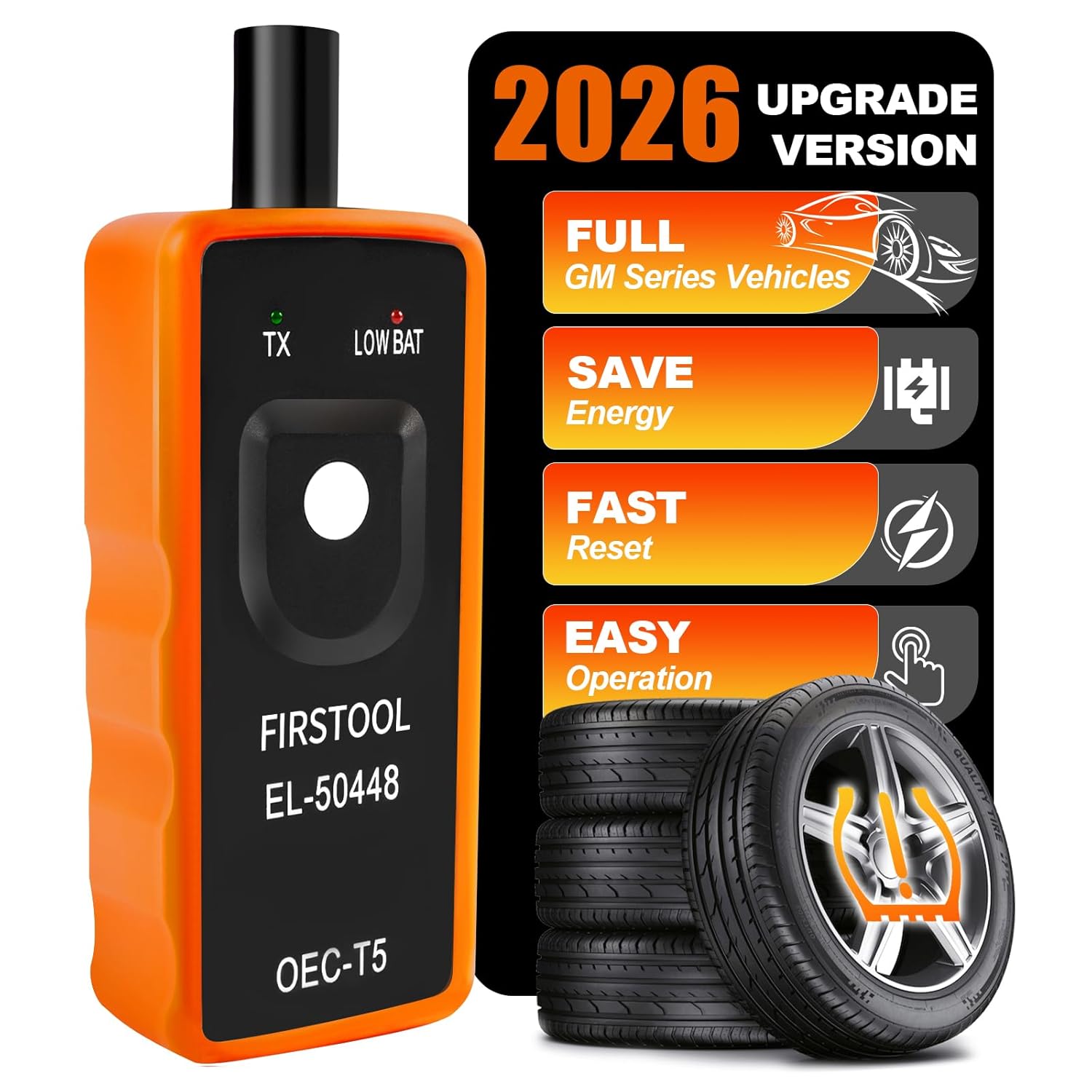
This EL-50448 TPMS relearn tool helps quickly activate and reset tire pressure sensors so your vehicle’s monitoring system stays accurate after tire rotations, sensor replacement, or seasonal tire changes. Designed for many GM-related vehicles and compatible with common 315 and 433 MHz TPMS systems, it offers simple one-button operation and reliable performance for clearing warning lights and relearning sensor positions.

Understand Your Check Engine Light – The ANCEL AD410 OBD2 scanner helps everyday drivers quickly read and clear engine-related fault codes, view code definitions, and understand why the check engine light is on before visiting a repair shop. With 42,000+ built-in DTC lookups, this car code reader helps reduce guesswork and makes basic vehicle diagnostics easier for beginners and DIY users
What Should You Do When the Brake Warning Light Comes On?
Seeing a brake warning light in your Tacoma requires a calm but serious response. Start with the simplest check: make sure the parking brake is fully released. If the light remains on, treat it as a possible brake system issue.
A brake warning light that stays on after the parking brake is released should be treated as a safety issue, not a routine reminder.
Here is what to do if the Brake System Warning Light appears:
- Pull over safely if braking feels weak, the pedal feels soft, the truck pulls to one side, or the light is red.
- Check whether the parking brake is engaged and release it fully.
- Look for obvious brake fluid loss only if you can do so safely and know where the reservoir is.
- Do not keep driving if the brake pedal feels abnormal, braking power is reduced, or a warning message tells you to stop.
- Call for professional help if the light remains on or you notice leaks, grinding, smoke, or a burning smell.
Brake warnings can involve low brake fluid, worn pads, electronic brake control faults, ABS problems, or other system issues. Because brakes are safety-critical, a certified technician should inspect the truck if the warning does not clear after the owner’s manual’s recommended action.
[Products Worth Considering]
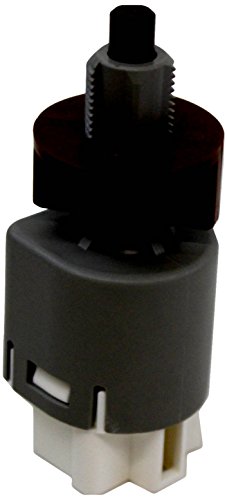
Fit type: Vehicle Specific

👍 Cargo Light Function; Smoked lens; Gasket included 🔺(Please know that this light is not reverse light)

Compatible Vehicles: Compatible with 1995-2015 Tacoma
Why Is the Toyota Tacoma TPMS Light On?
The Tacoma’s Tire Pressure Monitoring System helps alert you when one or more tires are significantly underinflated or when the monitoring system has a malfunction. The TPMS light usually looks like a tire cross-section with an exclamation point.
If the light is solid, check tire pressure as soon as it is safe. Use the tire pressure label on the driver’s door jamb, not the maximum pressure printed on the tire sidewall. NHTSA tire guidance recommends checking all tires, including the spare, at least monthly when they are cold, which means the vehicle has been parked for at least three hours.
If the light blinks for about a minute and then stays on, the TPMS may have a malfunction. This can happen because of a failed sensor, sensor battery issue, wheel change, damaged sensor, or communication problem. In that case, have the system inspected so it can warn you properly in the future.
Check all four road tires and inspect the spare manually. Depending on model year and equipment, the spare may not be monitored by TPMS, but it still needs safe inflation before use.
Warning: Do not ignore a TPMS light before towing, hauling, highway driving, or off-road travel. Underinflated tires can reduce handling, increase stopping distance, raise tire temperature, and increase the risk of tire failure.
What Does the Battery or Charging System Light Mean?
If the battery or charging system warning light turns on, your Tacoma may not be charging the battery correctly. Many drivers assume this light means the battery itself is bad, but it can also point to the alternator, drive belt, wiring, battery terminals, or charging control system.
Common signs of charging trouble include:
- Dimming headlights or interior lights
- Slow cranking or difficulty starting
- Electrical accessories acting strangely
- Warning messages on the multi-information display
- A burning smell, belt noise, or repeated battery drain
If the charging light comes on while driving, turn off nonessential electrical loads such as heated seats, extra lighting, and audio accessories. Move to a safe stopping place promptly. Do not assume the truck can reach a repair facility, because the engine may stall and may not restart.
What Should You Do When Multiple Warning Lights Come On?
Multiple warning lights can appear at the same time for several reasons. Sometimes one failure affects several systems. For example, a weak battery or charging problem can trigger unrelated-looking electronic warnings. A wheel speed sensor fault may affect ABS, traction control, and stability control lights together.
Use this order of priority:
- Check for red lights first. Brake, oil pressure, overheating, and charging warnings come before convenience features.
- Read the message display. Late-model Tacomas may show a specific instruction such as “Stop in a safe place” or “See owner’s manual.”
- Notice how the truck feels. Weak brakes, smoke, overheating, rough running, or steering issues mean you should stop.
- Scan for codes. If the truck is safe to inspect, diagnostic trouble codes can help identify the affected system.
- Do not clear lights just to see if they return. Record codes first or have a technician diagnose them.
What Should You Record Before Warning-Light Diagnosis?
Good notes can shorten diagnosis and prevent useful evidence from being erased. Before disconnecting the battery or clearing codes, record what the truck was doing when the warning appeared.
- Photograph the cluster and message while parked safely.
- Note whether the light was steady or flashing and whether a buzzer sounded.
- Record driving conditions such as cold start, highway speed, towing, off-road use, rain, heat, or recent refueling.
- Write down symptoms such as rough running, power loss, heavy steering, soft brake pedal, smells, smoke, or unusual noise.
- Record diagnostic trouble codes and freeze-frame data before clearing them.
- List recent work such as battery replacement, wheel or tire changes, brake work, accessory wiring, or sensor cleaning.
A code is a test direction, not automatic proof that the named sensor or part has failed. Use the code, symptoms, wiring checks, and model-specific service information together.
When Should You Stop Driving and Call a Professional?
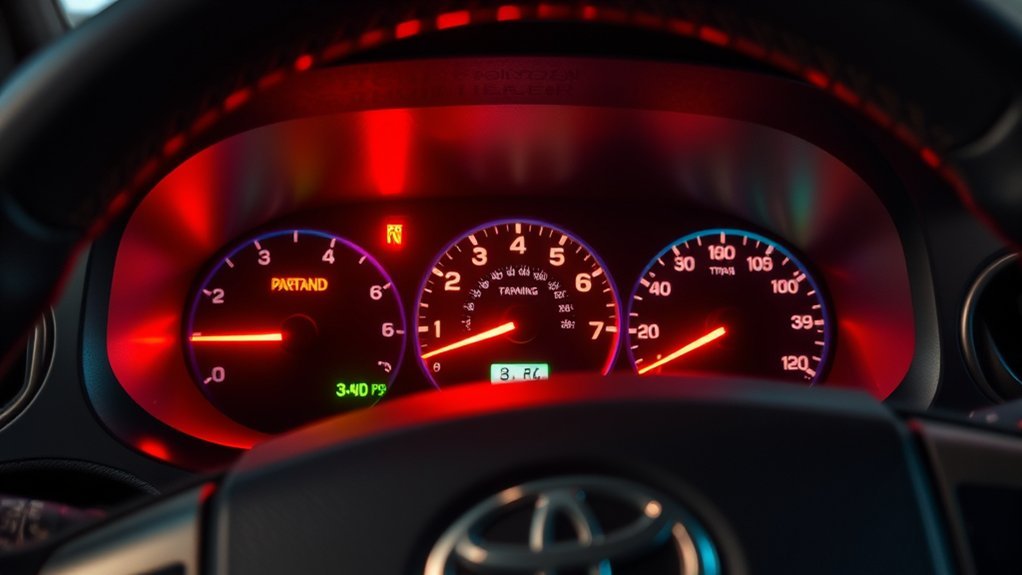
Some dashboard warnings are simple to correct, such as low fuel or a tire that is slightly below specification. Others require diagnostic equipment and trained inspection. Seek professional help for brake, steering, airbag, oil-pressure, overheating, charging, hybrid-system, trailer-brake, or flashing Check Engine warnings, especially when the truck’s behavior changes.
You should also seek service if:
- The same light returns after you correct the obvious cause
- The truck enters limp mode or has reduced power
- The warning appears with smoke, overheating, leaking fluid, or unusual noise
- The brake pedal, steering, acceleration, or shifting feels different
- You recently changed wheels, tires, battery, or electrical parts and new warnings appeared
For recall-related safety concerns, check your VIN through Toyota’s recall lookup or the National Highway Traffic Safety Administration recall database. Recalls and service campaigns can change over time, so a VIN lookup is more reliable than relying on a general list of model-year issues.
Could a Recall Be Related to Your Tacoma Warning Light?
Yes. A warning light can come from an ordinary fault, but some Tacoma recalls involve systems that display warnings or affect braking. Toyota’s September 11, 2025 recall notice covers certain 2024–2025 Tacomas and other Toyota or Lexus vehicles with a 12.3-inch combination meter that may be blank at startup, reducing the driver’s ability to see malfunction indicators.
Toyota also recalled certain 2024–2025 Tacomas because mud or dirt buildup in specified wheel-and-brake configurations could damage the rear brake hoses and cause a brake-fluid leak. The campaign began with certain 4WD trucks equipped with 16-inch brakes and 17-inch wheels, and Toyota announced an expansion to additional 2WD and 4WD configurations in February 2025, bringing the total involved population to approximately 222,000 U.S. vehicles; dealer notifications for the newly added 2WD population were completed by July 2025. “
Recall coverage depends on the exact VIN, build date, equipment, and repair history. Use the Toyota recall lookup or the NHTSA VIN lookup. A model-year list cannot confirm whether a specific truck is included.
Note: A recall lookup does not replace diagnosis. If the brake pedal feels soft, the truck overheats, oil pressure is low, or a red warning tells you to stop, respond to the immediate safety issue first.
How Can You Reduce Future Tacoma Warning Lights?
Maintenance cannot prevent every electrical or component failure, but it can reduce avoidable warnings and help the Tacoma’s systems work as designed. Focus on tires, fluids, battery condition, brakes, sensor cleanliness, and scheduled service. “
- Check tire pressure monthly and before long trips, towing, or off-road driving.
- Inspect engine oil and coolant levels according to the owner’s manual, especially before heavy use.
- Keep the battery terminals clean and tight to avoid low-voltage warnings and starting issues.
- Follow the maintenance guide for your exact year, engine, drivetrain, and driving conditions.
- Do not ignore small changes such as rough idle, long cranking, brake noise, or unusual smells.
- Use the correct fuel, oil, tires, and replacement parts listed for your Tacoma.
Also take a few minutes to learn the icons in your owner’s manual before a warning appears. When you already know which lights are urgent, you can react faster and avoid guessing on the side of the road.
Frequently Asked Questions
What should I do if multiple warning lights activate simultaneously?
Prioritize red lights and warning messages that tell you to stop. Pull over safely if braking, steering, oil pressure, charging, or temperature warnings appear. If the truck still drives normally and the lights are amber, schedule diagnostic service and avoid clearing codes before they are read.
Can warning lights indicate issues unrelated to engine performance?
Yes. Tacoma warning lights can involve brakes, tires, airbags, traction control, charging, steering, lighting, driver-assistance systems, and maintenance reminders. Not every dashboard light is engine-related, which is why the exact symbol and message matter.
How can I reset the dashboard warning lights?
Only reset a light after the cause has been corrected. Maintenance reminders can usually be reset through the multi-information display after scheduled service. Tire pressure lights may clear after proper inflation and driving. Check Engine codes should be diagnosed before clearing because the stored codes help identify the problem.
Are there specific warning lights unique to certain Tacoma models?
Yes. Warning lights and messages can vary by model year, trim, drivetrain, display type, safety package, and hybrid or non-hybrid configuration. A newer Tacoma with advanced driver-assistance features may show warnings that older models do not have.
What happens if I ignore a dashboard warning light?
Ignoring a warning light can turn a small issue into a larger repair. Low oil pressure can damage the engine, low tire pressure can reduce control and increase tire failure risk, and brake warnings can affect stopping safety. Even amber lights should be checked promptly.
Is it safe to drive with the Check Engine Light on?
A steady Check Engine Light usually means you can drive carefully to a service location if the truck feels normal. A flashing Check Engine Light is more serious. Avoid hard acceleration, towing, and high-speed driving, and have the Tacoma diagnosed quickly.
Why does my tire pressure light stay on after I filled the tires?
The pressure may still be below the door-jamb specification, the tires may have been checked while hot, one tire may have a slow leak, or the TPMS may need time to relearn. If the light blinks before staying on, the system itself may have a sensor or communication fault.
Why do several warning lights turn on briefly when I start my Tacoma?
Many lights illuminate briefly during the startup self-check. They should turn off after the engine starts or the system completes its check. A light that never illuminates, stays on, flashes, or appears with a warning message may need inspection. Compare the behavior with the owner’s manual for your model year.
Can I drive with a yellow warning light on my Tacoma?
Sometimes, but color alone is not enough. Identify the symbol and read the display message. A low-fuel or steady Check Engine warning may allow cautious driving when the truck feels normal, while a yellow brake, steering, airbag, or driver-assistance warning may require prompt or immediate inspection.
Which warning lights are different on 2024–2026 Tacomas?
Fourth-generation Tacomas can show newer meter-display, Toyota Safety Sense, electronic parking brake, trailer, off-road, and i-FORCE MAX hybrid messages depending on trim and equipment. Use the digital manual for the exact year and powertrain rather than relying on an older cluster diagram.
What does the master warning light mean on a Toyota Tacoma?
The master warning light usually appears with a buzzer or a message on the multi-information display. Read the message first because the cause can range from a door or key reminder to a system fault. Follow the displayed instruction and the owner’s manual rather than diagnosing the triangle symbol by itself.
What to Remember
Start with the symbol, display message, and vehicle behavior, not color alone. Stop safely for low oil pressure, overheating, charging-system failure, compromised braking, heavy steering, smoke, severe shaking, or any instruction to stop. Treat a flashing Check Engine Light as urgent, record codes before clearing them, and use a VIN lookup for recalls. When the Tacoma feels different, stop driving and arrange professional help.
Sources
- Toyota Owners Warning Lights — supports Toyota’s general warning-light descriptions and owner’s-manual guidance.
- Toyota 2026 Tacoma Manuals and Warranties — provides the current 2026 Tacoma owner’s manual and maintenance guide.
- Toyota 2024 Tacoma: Warning Lights and Indicators — supports Tacoma-specific warning and indicator categories, display variations, and startup self-check behavior.
- Toyota 2024 Tacoma: If a Warning Message Is Displayed — supports following the display message and immediate-stop instructions.
- Toyota 2025 Tacoma: Maintenance Requirements — supports scheduled-maintenance and reminder-reset guidance.
- NHTSA TireWise — supports tire-pressure, tire-maintenance, and tire-safety guidance.
- Electronic Code of Federal Regulations: Onboard Diagnostics — supports OBD fault detection, diagnostic trouble codes, and malfunction-indicator behavior.
- NHTSA Recalls — supports checking vehicle safety recalls by VIN.
- Toyota: September 2025 Combination-Meter Recall — supports the recall involving certain 12.3-inch instrument-panel displays.
- Toyota: 2024–2025 Tacoma Rear Brake-Hose Recall and Expansion — supports the affected configurations, expanded scope, remedy, and U.S. population.

[…] Stop driving if the temperature gauge rises, warning lights appear, steam comes from the engine bay, or coolant leaks […]