Reviewed for accuracy · Last updated: July 23, 2026 · By [VERIFY: add real author/reviewer name and credentials]
A reliable GR Supra fuel system means low-side supply pressure, high-pressure rail delivery, and the ECU’s tune all stay within target under the exact load the car sees — most fuel-related symptoms trace back to one of those three failing first, not to a single “bad part.” Stock and mild pump-gas cars usually need clean logs before they need parts. Ethanol, larger-turbo, or track builds may need more low-side capacity, high-pressure support, supplemental port injection, surge control, ethanol-compatible hardware, and tune-based failsafes. Start by confirming the model year, engine, market, VIN, and existing modifications, then log low-side pressure, rail pressure, lambda, fuel trims, ethanol content, and pump voltage before hard driving.
Quick Answer
For a stock or mildly tuned GR Supra, verify fuel quality and log the system before replacing hardware. Upgrade only when data shows a repeatable limit. Ethanol, larger-turbo, or sustained track use can increase fuel demand or expose pickup problems, but there is no safe universal horsepower or fuel-level threshold that applies to every MkV Supra.
Key Takeaways
- Treat the fuel system as one matched setup, not a list of random pump, injector, and line upgrades.
- The MkV GR Supra uses turbocharged direct injection, so low-side supply and high-pressure rail delivery must both stay within the tune’s target.
- Toyota does not market the GR Supra as a flex-fuel vehicle. Do not use E85 or another high-ethanol blend without verified compatibility and a matching calibration.
- Log low-side pressure, rail pressure, lambda, trims, ethanol content, and voltage during the same load, RPM, temperature, and cornering conditions that trigger the problem.
- Pressure-test and leak-check every opened connection before boost pulls, track sessions, or long high-load driving.
At a Glance
| Time Required | 30 minutes for basic inspection and logging; several hours or more for pump, wiring, injector, or port-injection work. |
| Difficulty | Moderate for diagnostics; advanced for fuel-system installation and tuning. |
| Tools Needed | Compatible scan/logging tool, model-specific service information, eye protection, gloves, basic hand and torque tools, fuel-safe hose tools, a Class B fire extinguisher, and qualified tuner support. |
| Cost | Diagnostics may cost little. Drop-in low-side pump cartridges from aftermarket vendors typically run from roughly $200 to $300 at the low end up to $700–$1,000+ for the highest-flow options; complete surge-tank or port-injection systems from name-brand vendors commonly run well into four figures once wiring, tuning, and installation are included. [VERIFY: confirm current pricing before publishing, as aftermarket pricing changes frequently] |
What’s in This Article
- Why the GR Supra Fuel System Matters
- Key Components of the Supra Fuel System
- Why Fuel Starvation Can Happen Under Cornering
- How to Plan GR Supra Fuel Upgrades
- What Should You Upgrade First?
- Installation and Wiring Best Practices to Avoid Failures
- How to Diagnose Pressure Loss, Heat Problems, and Leaks
- Frequently Asked Questions
- Conclusion
Why the GR Supra Fuel System Matters
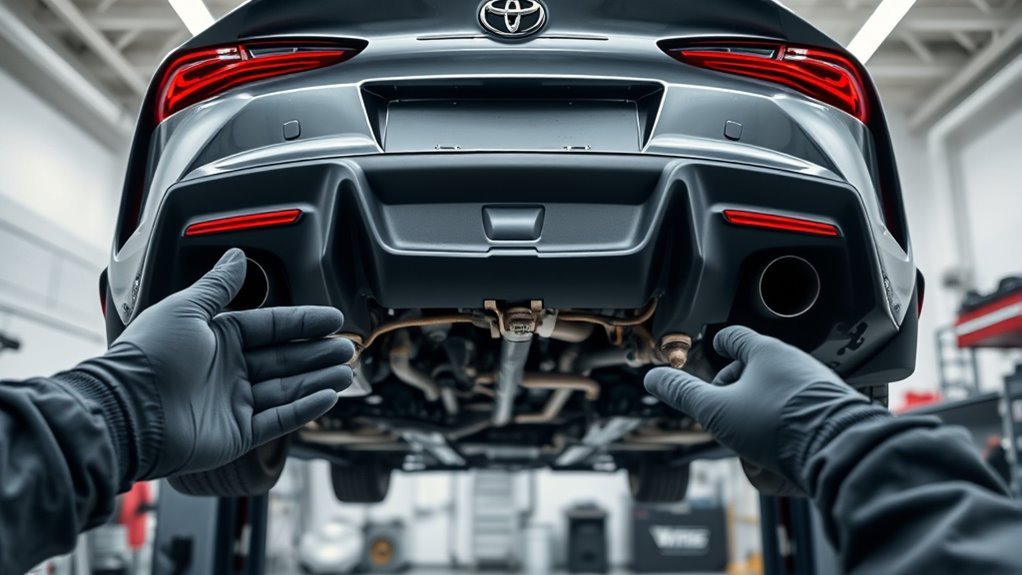
The MkV GR Supra uses a turbocharged direct-injection engine. Fuel first reaches the engine through the low-pressure side, then the high-pressure system supplies the direct injectors. A problem on either side can cause pressure loss, lean operation, misfire, reduced power, or a protective engine response.
Fuel demand rises when airflow, boost, engine speed, or ethanol content increases. The U.S. Department of Energy defines E85 as a seasonal and regional blend containing 51% to 83% ethanol. Because ethanol carries less energy per gallon than gasoline, higher-ethanol calibrations generally command more fuel volume.
The 2026 GR Supra was the final MkV model year. Toyota’s April 2025 announcement set fifth-generation production to end in spring 2026, and Toyota’s more specific later confirmation put the end date at March 2026. [VERIFY: cite Toyota’s March-2026-specific statement, e.g. as reported by Motor1, Oct 2025, alongside the existing Toyota Newsroom source] Toyota’s U.S. lineup for that model year used the 3.0-liter turbo inline-six. Earlier U.S. and overseas MkV cars may use different engines, pumps, calibration, and fuel-system parts, so model-year and engine verification must come before ordering hardware.
Warning: Gasoline and ethanol blends are flammable, and direct-injection systems retain pressure after shutdown. Work in a ventilated area, keep ignition sources away, follow the model-specific pressure-relief procedure, use fuel-rated parts only, and stop if you are not trained to service pressurized fuel systems.
Key Components of the Supra Fuel System
The MkV Supra fuel system works as one chain. The tank module supplies the low-pressure side, the high-pressure fuel pump feeds the direct-injection rail, and the engine controller adjusts delivery from pressure, load, temperature, and calibration data. A strong low-side pump cannot correct a high-pressure shortfall, and a larger high-pressure pump cannot fix pickup exposure, voltage loss, or a restricted filter.
Before buying parts, record the model year, engine, market, transmission, current tune, turbo, fuel blend, and all existing fuel modifications. Use the VIN and model-specific service information to confirm part numbers — Toyota’s parts catalog (accessible via an authorized dealer or Toyota Parts Center using the VIN) lists separate fuel-system components for the 3.0-liter and 2.0-liter GR Supra, and 2.0-liter and 3.0-liter parts are not interchangeable. [VERIFY: link to an approved parts-lookup reference if the site has one] The 2026 U.S. lineup was 3.0-liter only, while earlier MkV cars included 2.0-liter versions and model-year changes that can affect compatibility.
For broader engine architecture and generation differences, see the B58 engine design and tuning guide. This article stays focused on fuel delivery, logging, upgrade selection, and pressure-loss diagnosis.
VIN check: Search the 17-character VIN through NHTSA’s recall lookup before modifying the tank or pump module. Open recall work should be completed by an authorized dealer before an aftermarket diagnosis changes the original hardware.
On this direct-injection turbo platform, the main parts are the in-tank module, low-pressure plumbing, strainer or filter, high-pressure fuel pump, rail-pressure sensor and control, direct injectors, ECU calibration, wiring, fuses, relays, and grounds. Higher-demand builds may add supplemental port injection, a separate controller, a flex-fuel sensor, or surge-control hardware.
Note: “Larger injectors” can mean upgraded direct injectors, a supplemental port-injection rail, or both. Confirm which system the tuner supports before buying a rail, controller, harness, or pump.
| Component | What It Does | What a Log or Inspection Can Show |
|---|---|---|
| Low-pressure pump and tank module | Moves fuel from the tank toward the engine | Supply pressure falls with load, heat, low fuel level, restriction, or voltage loss |
| High-pressure fuel pump | Raises pressure for direct injection | Rail pressure misses target while low-side supply remains stable |
| Direct injectors | Meter fuel into each cylinder | Cylinder-specific misfire, correction, leakage, or calibration problems |
| Port injection kit | Adds supplemental fuel before the intake ports | Controller, injector, wiring, distribution, or failsafe faults |
| Lines, filter, fittings, and wiring | Carry fuel and electrical current safely | Restriction, leak, heat exposure, voltage drop, loose ground, or incompatible material |
Why Fuel Starvation Can Happen Under Cornering
Fuel starvation happens when liquid fuel moves away from the pickup, the tank module cannot transfer fuel fast enough, or the pump draws aerated fuel. The symptom may appear only during a long corner, launch, braking zone, or hot session because those conditions change fuel position and pump demand at the same time.
Do not rely on a universal “quarter-tank rule.” The safe level changes with tire grip, track direction, corner duration, fuel temperature, pump setup, and tank hardware. For track use, begin with a high fuel level, log pressure through the problem corner, and stop if pressure or lambda moves outside the tuner’s limit.
Public Toyota owner information does not provide a universal track-safe fuel level or enough detail to confirm every internal transfer path. Aftermarket hangers, return conversions, and surge systems can also change how fuel moves. Verify the exact model-year layout in Toyota service information before changing pickup, transfer, vent, or return plumbing.
What Should You Check at the Fuel Pickup?
The pickup must remain submerged and unrestricted while the car accelerates, brakes, and corners. After any tank-module work, confirm pickup depth, strainer position, hose routing, electrical connections, sealing surfaces, and float-arm movement.
A pickup installed too high can uncover early. A kinked internal hose, loose connector, blocked strainer, damaged seal, or poorly seated module can create pressure loss even when the pump itself has enough advertised flow.
| Condition | What It Can Affect | First Check |
|---|---|---|
| Low fuel level | Pickup submersion and pump cooling | Repeat the same test with a higher, measured fuel level |
| Long or high-grip corner | Fuel movement away from the pickup | Overlay low-side pressure, rail pressure, lambda, and lateral load if available |
| Recent pump installation | Pickup depth, hose routing, sealing, and wiring | Inspect the module against the installation and service instructions |
| Surge tank or return conversion | Reserve volume, venting, return flow, and heat | Confirm plumbing direction, overflow path, pump control, and leak-free operation |
| Stable straight-line pressure but corner-only drop | Pickup or internal transfer behavior | Test fuel level and tank-side hardware before buying a larger HPFP |
Do Not Assume the Factory Transfer Layout
Some modern tanks use internal transfer or jet-pump action, but the exact MkV layout and service procedure can vary by model year and configuration. Do not reroute a hose or delete a factory connection because a generic diagram calls it a return line.
Confirm every internal hose, transfer connection, vent, and electrical connector with model-specific service information. An aftermarket hanger or return-style system can alter the factory flow path, so use the manufacturer’s diagram for the installed kit as well as Toyota service data for the car.
For sustained high-performance driving, solve the logged failure mode. More pump flow may help a demand limit, while baffling or a surge system addresses pickup exposure. Those are different problems and may need different repairs.
Surge and Starvation
A surge tank or swirl pot keeps a small reserve of fuel near a dedicated pump. It can reduce cornering-related pressure loss, but it adds hoses, fittings, wiring, heat, noise, venting needs, and more leak points.
Choose surge hardware only after logs show a tank-side supply problem that a higher fuel level, correct module installation, clean filter, and sound wiring do not fix. The system must also include safe pump control and a strategy for shutting off supplemental fuel if pressure or controller communication fails.
Warning: Do not keep driving hard if low-side pressure, rail pressure, lambda, or misfire data moves outside your tuner’s safe range. Lift, cool the car, save the log, and correct the cause before another boost pull or track session.
How to Plan GR Supra Fuel Upgrades
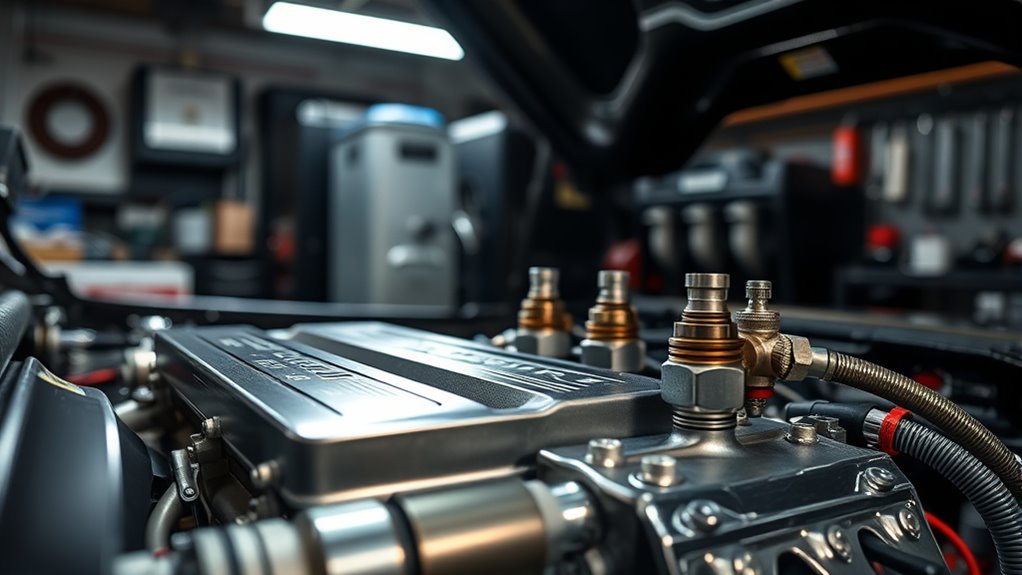
Plan the fuel system around five inputs: engine and model year, turbo airflow, measured ethanol content, intended duty cycle, and the tuner’s supported hardware. A street car that makes short pump-gas pulls does not need the same reserve as a larger-turbo car running repeated laps on a high-ethanol blend.
Avoid fixed internet claims such as “the stock pump is safe to a specific horsepower.” The limit changes with dyno type, fuel blend, temperature, torque curve, pump condition, voltage, calibration, and how long the engine stays at high load. Use a repeatable log from your own car — but it helps to know roughly where other builds have run into trouble. Several aftermarket fuel-system vendors who test B58-equipped MkV Supras on track report the factory low-pressure pump showing measurable pressure drop in roughly the 550–650whp range under sustained high-G cornering, and the stock ECU’s ethanol compensation generally topping out around E25–E30 before a custom calibration is needed for higher blends. These are vendor-reported patterns from their own testing, not a guarantee for any individual car — treat them as a rough point to start logging more closely, not a target to plan around.
| Use Case | Start With | Upgrade Only If Data Supports It |
|---|---|---|
| Stock or mild pump-gas street car | Fuel-quality check, maintenance, codes, and baseline logs | Repair a proven pressure, voltage, injector, or contamination fault |
| Ethanol-blend street car | Measured ethanol content, compatible tune, and low-side/rail logs | Add pump, high-pressure support, or supplemental injection when target pressure cannot be maintained |
| Larger-turbo or drag build | Fuel mass target, injector strategy, pump current, controller, and failsafes | Use a complete matched system rather than stacking unrelated parts |
| Track car with corner-only pressure loss | High fuel level, corner-specific logs, pickup and module inspection | Add baffling or surge control when the tank-side failure is proven |
Pro Tip: Ask the tuner for required channels, sample rate, test gear, starting fuel level, and abort limits before the first pull. A useful log is planned; it is not a random wide-open-throttle run.
[Products Worth Considering]

This hand siphon pump makes liquid transfer faster and easier with upgraded wide hoses and a built-in one-way valve to help prevent backflow. Lightweight and portable, it is simple to operate with a squeeze bulb design that starts flow quickly for fuel, oil, diesel, water, and similar liquids. It is a practical choice for emergency fuel transfer, garage use, and fish tank water moving, with sturdy clips helping reduce leaks and slippage.

This comprehensive master disconnect tool kit is designed to remove fuel lines, A/C lines, transmission cooler lines, and other quick-connect fittings on a wide range of vehicles. It includes multiple color-coded tools and sizes to help speed up repairs, reduce line damage, and improve workflow for DIY users and professional technicians alike. The set comes organized in a portable case for easy storage, transport, and quick access.
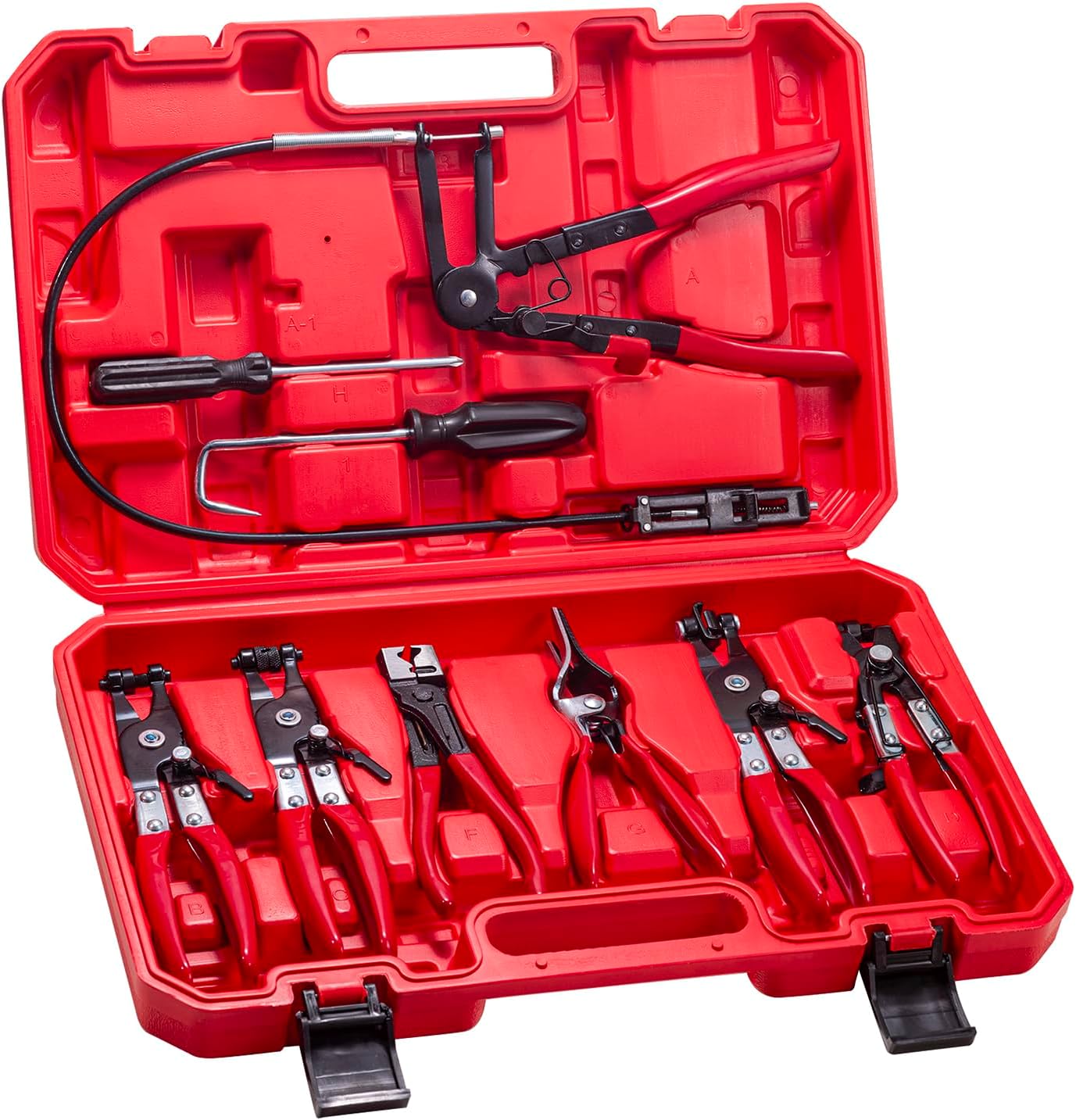
This universal 9-piece hose clamp pliers set helps you remove, disconnect, and replace fuel, oil, coolant, and water hoses with less effort. It includes multiple plier styles for spring clamps, ear-type clamps, and standard hose clamps, plus a screwdriver and hook for added versatility. Organized in a durable carrying case, it is built for efficient, clean, and safer automotive hose service.
Pump Gas vs Ethanol Blends
Pump-gas calibrations usually require less fuel volume than higher-ethanol calibrations at the same airflow. Ethanol can support more knock resistance, but the engine must inject more fuel as ethanol content rises.
Do not treat E85 as one fixed blend. The Department of Energy states that U.S. E85 can contain 51% to 83% ethanol. A flex-fuel strategy therefore needs accurate content data, compatible materials, and a tune designed to adjust safely across the allowed range.
Toyota does not market the GR Supra as a flexible-fuel vehicle. The Department of Energy’s flex-fuel guidance explains that factory FFVs are designed to operate on gasoline and blends up to 83% ethanol. Treat high-ethanol use in a Supra as a modified application that requires verified hardware and calibration. Full E85 in particular generally requires more than a tune alone — aftermarket vendors documenting this build note it typically needs an upgraded low-pressure pump and supplemental port injection to support the higher fuel volume, not just a recalibration. [vendor-reported]
What Should You Log Before Upgrading?
Capture a baseline at idle, cruise, spool, peak torque, and high RPM. Repeat the test only in a controlled setting and only while all channels remain inside the limits supplied by the tuner.
- Low-side fuel pressure target and actual value.
- High-pressure rail target and actual value.
- Lambda target and measured lambda under load.
- Short-term and long-term fuel trims.
- Injector command, pulse width, or utilization where the platform exposes it.
- Fuel temperature, intake temperature, coolant temperature, and heat-soak conditions.
- Pump command and voltage measured as close to the pump as practical.
- Measured ethanol content and the fuel source used for the test.
- Engine speed, throttle, boost or load, gear, fuel level, and any misfire data.
Use the pattern to locate the weak link. If low-side pressure falls first, inspect tank supply, filter, wiring, controller, and pump capacity. If low-side pressure stays stable while rail pressure misses target, focus on the high-pressure side, direct injectors, and calibration. If pressure stays on target but lambda does not, stop and investigate sensor, injector, fuel-quality, or tune errors.
What Should You Upgrade First?
Upgrade the part that the data identifies as the first limit. Do not start with the most expensive pump or injector kit. First rule out old fuel, an incorrect ethanol reading, stored faults, a restricted filter, low pump voltage, loose grounds, a poor installation, and a calibration mismatch.
The factory system is the best baseline when it still meets target. It keeps original packaging, control logic, sealing, and serviceability. Aftermarket parts make sense when the stock system cannot hold the required pressure or when a proven track-use problem needs a pickup or surge solution.
[Products Worth Considering]

This silicone vacuum hose kit provides a versatile selection of tubing sizes and connector pieces for automotive, marine, and industrial routing tasks. Built for heat resistance and durability, it supports air and water applications in engine bays, custom intake setups, turbo piping, and cooling system projects. The included size variety makes it a practical choice for repairs, fabrication, and DIY maintenance work.

This 8-piece automotive pliers set is designed to make fuel line, hose clamp, connector, and trim removal jobs easier and faster. The ergonomic, spring-loaded tools help you work comfortably in tight engine spaces while the included storage pouch keeps every piece organized and ready to use. Built from durable steel with anti-slip handles, it is a practical solution for car, truck, motorcycle, and SUV maintenance.
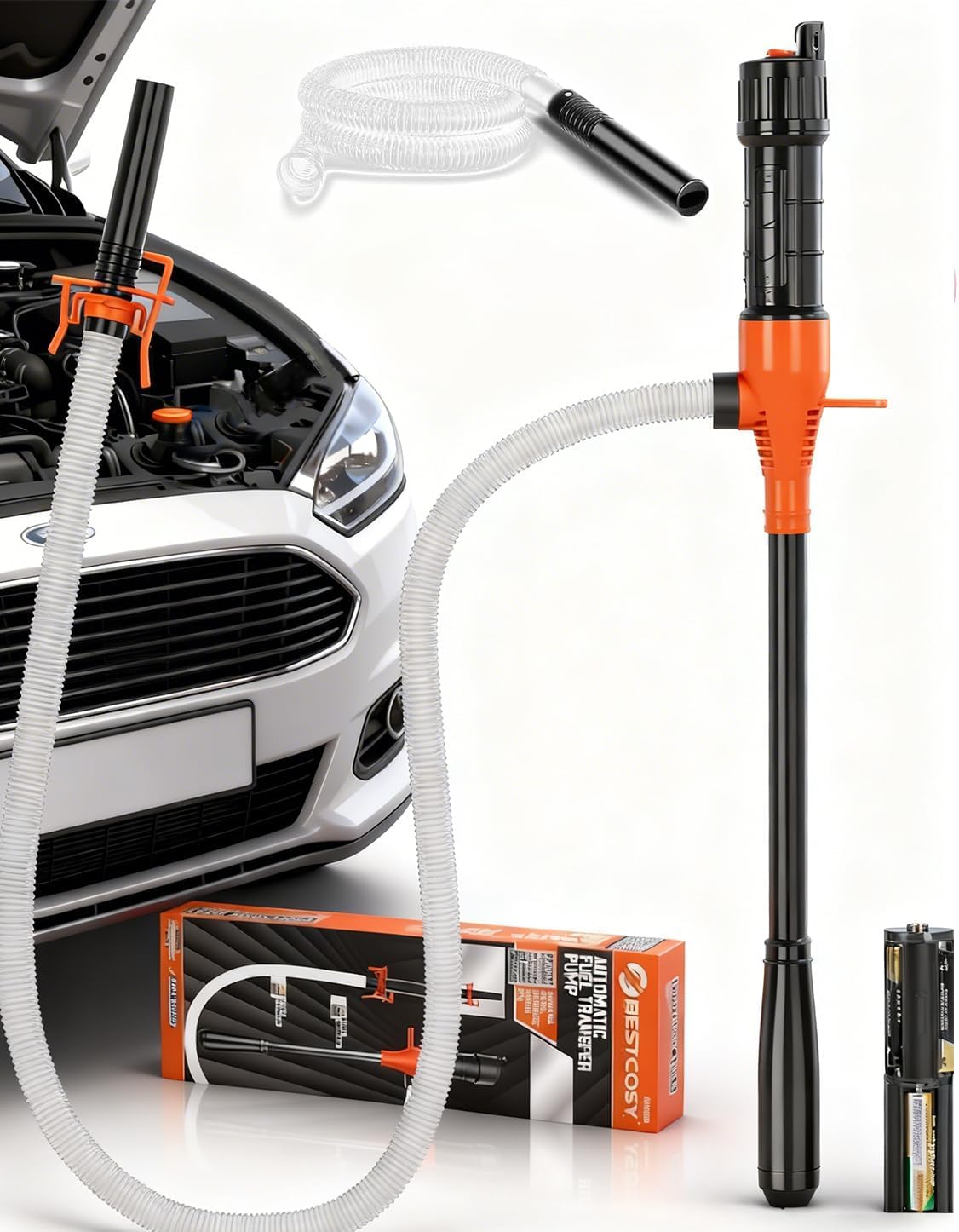
This portable battery-powered transfer pump makes moving gasoline, water, diesel, and light oil quick and convenient when you need a reliable solution on the go. Designed with a long hose, strong suction performance, and broad compatibility with common containers, it is well suited for garage tasks, outdoor use, and emergency liquid transfer. Its durable, easy-to-use build helps simplify fuel handling without requiring external power.
How Do You Know the Stock Pump Is the Limit?
A stock pump is not “out of fuel” because another car at the same claimed horsepower upgraded. It is a limit when your car repeatedly misses its pressure target under a controlled test and the installation, voltage, filter, fuel level, and calibration have been checked. As a reference point only, aftermarket fuel-system vendors testing B58-equipped MkV Supras on track have reported the factory low-pressure pump showing measurable pressure drop in roughly the 550–650whp range under sustained high-G cornering — that’s a vendor-observed pattern across their own testing, not a threshold your specific car is guaranteed to hit at the same number.
Choose the next part from the failure pattern. A low-side pressure drop points toward the tank module, pickup, filter, wiring, controller, or low-side capacity. Stable low-side pressure with falling rail pressure points toward high-pressure delivery, injector demand, or calibration. A corner-only drop points toward tank-side fuel control rather than a larger high-pressure pump.
| Upgrade | Problem It Addresses | What Must Also Be Verified |
|---|---|---|
| High-flow low-side pump | Low-side volume or pressure limit | Current draw, controller strategy, filter, wiring, heat, and fuel compatibility |
| High-pressure fuel pump | Rail-pressure shortfall with stable low-side supply | Mechanical fit, software support, pressure targets, and direct-injector capacity |
| Port injection | Additional fuel mass beyond the supported direct-injection strategy | Injector sizing, controller, distribution, wiring, calibration, and shutoff failsafe |
| Flex-fuel sensor | Unknown or changing ethanol content | Sensor placement, calibration, compatible tune, and plausible-reading checks |
| Surge tank or baffling | Pickup exposure or tank-side supply loss under g-force | Venting, return path, heat, pump control, mounting, and leak protection |
Use This Upgrade Order
- Confirm the exact car, hardware, tune file, fuel blend, and open recalls.
- Scan for faults and inspect for leaks, damaged wiring, restrictions, and poor grounds.
- Collect a controlled baseline log with the tuner’s required channels and abort limits.
- Identify whether the first failure is low-side, high-pressure, injector-related, calibration-related, or cornering-related.
- Install one matched solution, pressure-test it, and repeat the same validation log.
Installation and Wiring Best Practices to Avoid Failures
Fuel hardware fails when the installation cannot support its pressure, current draw, heat, vibration, or fuel blend. Follow the kit instructions and the Toyota pressure-relief, battery-disconnect, sealing, and torque procedures for the exact model year.
Use the correct fuel-system maintenance approach, fuel-rated hose and seals, approved bulkhead fittings, protected wiring, and terminals sized for continuous pump current. Do not substitute ordinary coolant hose, vacuum hose, generic wire, or unsealed connectors inside or near the tank.
Route fuel lines and harnesses away from exhaust heat, sharp edges, suspension travel, and moving driveline parts. Any controller, relay, fuse, or pulse-width strategy must match the pump and the tuner’s calibration.
- Relieve pressure and disconnect the battery as directed before opening the system.
- Use hoses, clamps, seals, filters, and fittings rated for the fuel and pressure.
- Size relays, fuses, wire gauge, connectors, and grounds for measured pump current.
- Protect wiring with strain relief, abrasion protection, and sealed pass-throughs.
- Prime the system, inspect every joint, and pressure-test before starting the engine.
- Recheck for leaks with the engine running, then validate pressure under light load before boost.
Note: Fuel-system changes can affect emissions compliance, evaporative-system operation, warranty coverage, and street legality. Do not remove or reroute emissions hardware on a street car without confirming the applicable federal, state, and local requirements.
[Products Worth Considering]

This 12-piece automotive electrical disconnect pliers kit is designed to help you safely remove push-tab style connectors from sensors, ignition coils, fuel injectors, and wiring harnesses. Built from carbon steel with ergonomic red handles, it provides dependable grip, control, and durability for working in tight engine bay spaces without damaging clips or wires. The varied tool designs and angled tips make it a versatile choice for both DIY repairs and professional automotive electrical work.

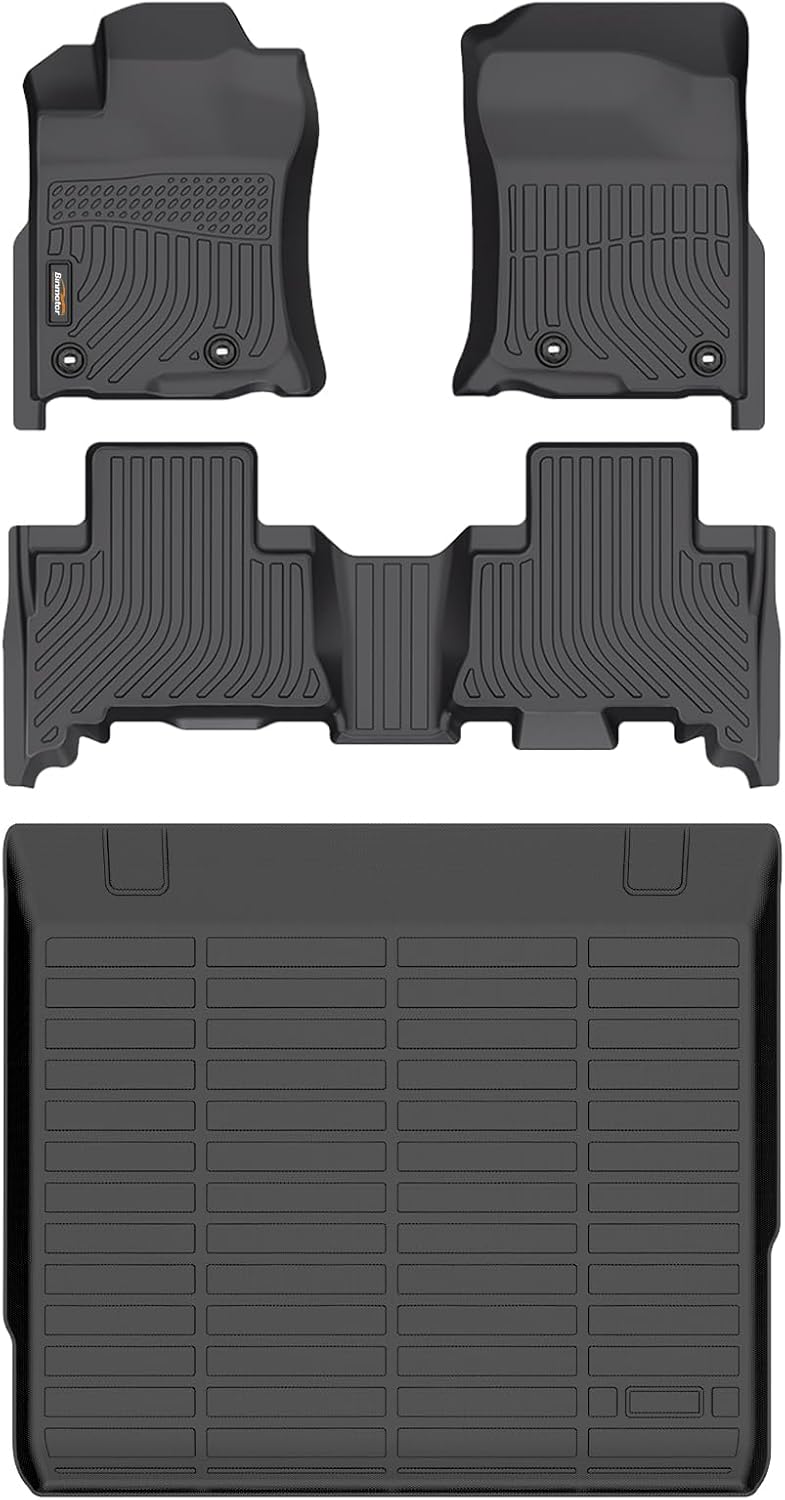
KUST Custom Fit Trunk Mat is designed for 2020-2026 Toyota GR Supra models to help protect the cargo area from dirt, spills, and daily wear. Its TPE construction offers a fresh, odor-free feel, while the raised-edge design adds extra coverage for all-weather protection. Lightweight and easy to remove, it makes cleaning simple and helps keep the trunk neat and protected.

This spring hose clamp set includes multiple sizes to fit a wide range of hoses for fuel, vacuum, air, water, and silicone applications. Made from durable spring steel and paired with a swivel hose clamp plier, it helps create secure, leak-resistant connections while making installation and removal easier. The included storage box keeps sizes organized for quick selection during garage, automotive, motorcycle, boat, or lawn equipment repairs.
How to Diagnose Pressure Loss, Heat Problems, and Leaks
Start with the symptom and the first channel that leaves target. Do not label every hot restart, stumble, or pressure drop as “vapor lock.” Modern pressurized fuel systems can have heat-related pressure, voltage, sensor, or fuel-quality problems that need different repairs.
Record fuel level, fuel source, measured ethanol content, ambient temperature, engine temperature, gear, RPM, load, and whether the fault happens in a straight line or only during cornering. Scan and save fault codes before clearing anything.
If the system was recently opened, stop diagnosis and inspect for leaks first. A raw-fuel smell, wet fitting, damp tank seal, or unexplained fuel loss is a fire risk, not a tuning problem.
| Symptom | What the Pattern Suggests | First Safe Check |
|---|---|---|
| Low-side and rail pressure both fall under load | Tank supply, filter, wiring, controller, pickup, or low-side capacity | Verify fuel level, voltage, pump command, restrictions, and module installation |
| Low-side pressure stays stable but rail pressure falls | High-pressure pump, direct-injector demand, rail control, or calibration limit | Compare commanded and actual rail pressure with tuner-approved limits |
| Pressure drop appears only in a long corner | Pickup exposure or tank-side transfer problem | Repeat carefully with a higher fuel level and inspect tank-module hardware |
| Lean reading after an ethanol change | Blend, sensor, fuel-volume, or calibration mismatch | Measure ethanol content and verify the correct tune file before driving hard |
| Fuel smell, wet fitting, or damp tank area | Leak, damaged seal, loose fitting, or vent problem | Shut the engine off, move away from ignition sources, and arrange safe inspection |
| Pump becomes louder as fuel level falls | Aeration, restriction, overheating, pickup exposure, or voltage problem | Add fuel, inspect the filter and wiring, and compare pressure before more load |
- Scan and save codes, freeze-frame data, and the current tune information.
- Verify fuel type, fuel level, and measured ethanol content.
- Inspect for leaks, loose grounds, damaged wiring, kinked hoses, heat exposure, and filter restriction.
- Log low-side pressure, rail pressure, lambda, voltage, RPM, load, and temperature together.
- Repair the first proven failure, then repeat the same controlled test.
Stop immediately: Do not restart or drive the car if you see liquid fuel, smell a strong raw-fuel odor, or suspect a leaking tank, line, rail, injector, or fitting. Keep people and ignition sources away and use professional recovery or repair.
Frequently Asked Questions
How does a Toyota GR Supra fuel pump work?
The in-tank module supplies the low-pressure side. The high-pressure pump then raises fuel pressure for the direct injectors. The engine controller compares commanded and actual pressure as load changes. Diagnosis should log both sides together because a low-side shortfall can also cause rail pressure to fall.
How does a Supra fuel cell work?
In motorsport, a fuel cell is a purpose-built fuel container with compatible foam or baffling, pickups, vents, fittings, and pumps. It is not a hydrogen fuel-cell powertrain. A conversion requires safe mounting, venting, rollover protection, plumbing, wiring, and compliance with the rules for the event or road use.
Can you run E85 on a stock Supra fuel system?
Do not put E85 in a stock-calibrated GR Supra. Toyota does not market the car as a flexible-fuel vehicle, and U.S. E85 can range from 51% to 83% ethanol. High-ethanol use requires a compatible tune, measured ethanol content, enough low-side and high-pressure capacity, and verified hoses, seals, fittings, injectors, and monitoring.
What are signs of fuel starvation in a Supra?
Possible signs include a low-side pressure drop, falling rail pressure, lean lambda, hesitation, misfire, limp mode, or power loss during a repeatable corner or high-load pull. These symptoms can have other causes, so save the log and diagnose the first channel that leaves target instead of replacing a pump by guesswork.
How much fuel should you keep in a GR Supra for track use?
There is no universal safe minimum. Tire grip, corner direction, session length, temperature, tank hardware, and pump setup change the risk. Start a track session with a high fuel level, log pressure through the problem area, and add a pickup or surge solution only when a tank-side supply loss is proven.
Do larger injectors or port injection need a tune?
Yes. Upgraded direct injectors, supplemental port injection, a different pressure strategy, or flex-fuel control all require matching calibration. Port injection also needs a supported controller and a failsafe that stops or limits the engine if supplemental fuel delivery fails.
Conclusion
A reliable GR Supra fuel system is a matched system, not a pump shopping list. Confirm the exact car and tune, check for recalls and leaks, measure the fuel blend, then log low-side pressure, rail pressure, lambda, trims, voltage, temperature, and fuel level under a controlled load.
Use the first failed channel to choose the repair. Fix low-side supply before blaming the high-pressure pump, address rail-pressure limits before adding more boost, and use pickup or surge control for a proven cornering problem. After every change, pressure-test the system and repeat the same validation log before hard street, drag, or track use.
Sources
- Toyota 2026 GR Supra official page — final-model-year engine and trim context.
- Toyota USA Newsroom: GR Supra MkV Final Edition — 2026 model details and Toyota’s announced spring 2026 end of MkV production.
- U.S. Department of Energy Alternative Fuels Data Center: E85 — E85 blend range of 51% to 83% ethanol.
- U.S. Department of Energy Alternative Fuels Data Center: Flexible Fuel Vehicles — factory flex-fuel capability and compatibility context.
- U.S. Environmental Protection Agency: E15 Fuel Registration — E15 definition and federal vehicle-use context.
- Toyota Owners Manuals & Warranties — model-specific fuel, warning, and service guidance.
- National Highway Traffic Safety Administration Recall Lookup — VIN-based open-recall search.
- Motor1: Toyota confirms GR Supra production ends March 2026 — later, more specific confirmation of the MkV end-of-production date. [VERIFY before publishing]