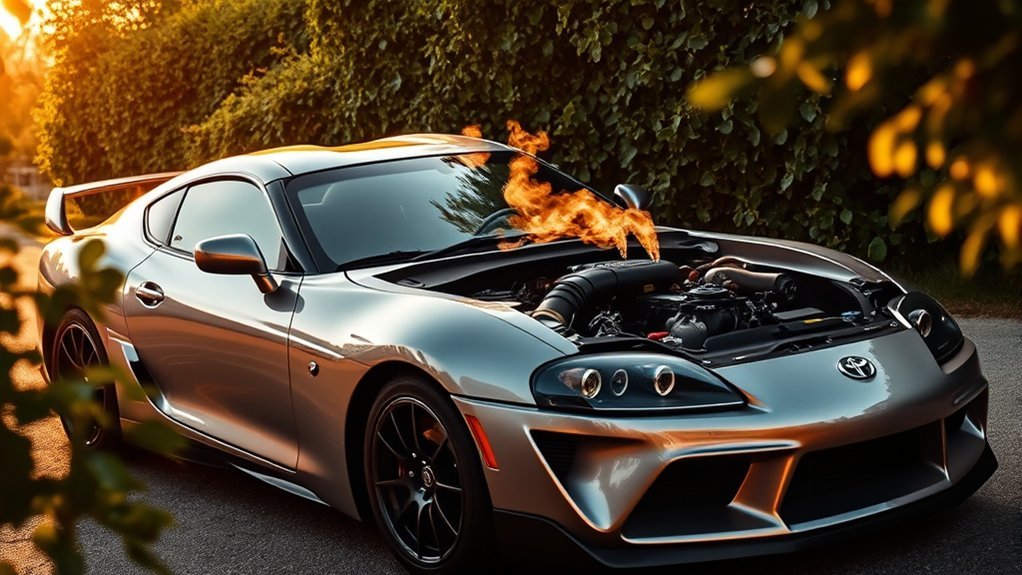
After hard driving in a Toyota Supra, the best turbo cool-down is usually a few minutes of gentle, low-boost driving before you park, followed by a short idle if the car was worked hard. You do not need to sit and idle for several minutes after every normal drive, but you should avoid shutting the engine off immediately after track laps, repeated pulls, steep climbs, or sustained high-speed driving.
Quick Answer
For normal driving, your Supra usually needs little more than the last minute or two driven calmly. After spirited driving, cruise gently for 2-4 miles without boost, then idle for about 30-90 seconds. After track use or a hard mountain run, do a proper cool-down lap or easy drive, then idle for 1-3 minutes before shutdown.
Key Takeaways
- Gentle driving cools the turbo better than parking immediately and relying only on idle time.
- Normal commuting does not require a long turbo cool-down on a modern Supra.
- Hard use, high oil temperatures, steep climbs, and track driving deserve a longer cool-down routine.
- Avoid boost during the last few minutes of the drive so oil, coolant, and airflow can carry heat away gradually.
- Use the owner’s manual and service guidance for your exact model year as the final authority.
At a Glance
| Time Required | 30 seconds to 5 minutes, depending on how hard the car was driven |
| Difficulty | Easy |
| Tools Needed | None; an oil-temperature display or scan tool is helpful but optional |
| Cost | Free |
Understanding Turbo Cooling Needs
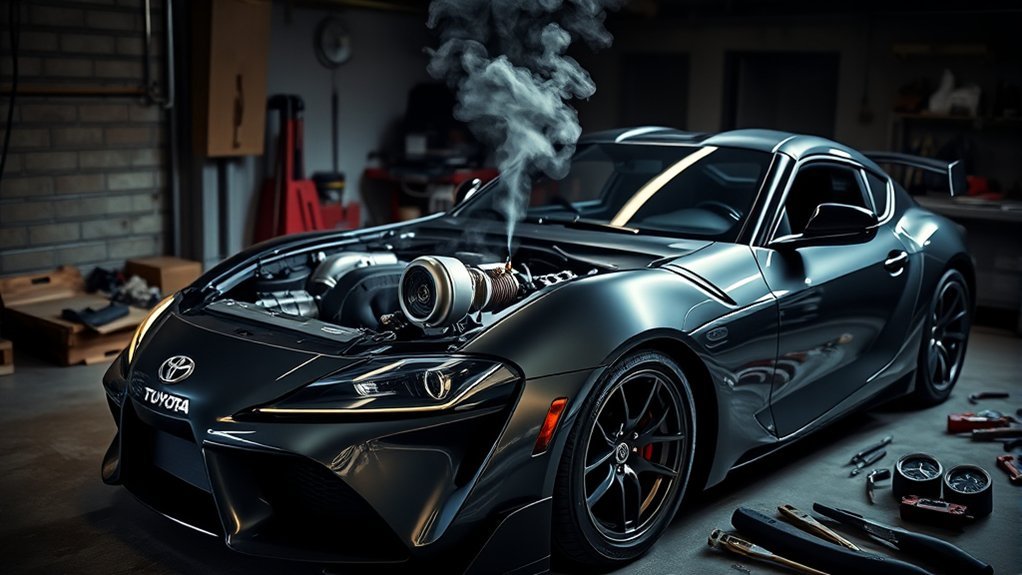
The Toyota GR Supra uses a turbocharged inline-six engine, and Toyota lists the current 3.0-liter model as producing 382 horsepower and 368 lb-ft of torque with a twin-scroll turbocharger. That turbocharger handles extreme exhaust heat, so the goal after hard driving is simple: keep oil and coolant moving while the hottest parts shed heat gradually. You can confirm model-specific specs and operating guidance through the Toyota GR Supra brochure and the Toyota owner’s manual portal.
Turbo cool-down matters most after heavy load. When the engine is shut off immediately after a hot run, oil flow stops while heat remains in the turbine housing and center section. In severe cases, that heat can contribute to oil deposits, sludge, or coking in and around the turbocharger. BorgWarner’s turbocharger troubleshooting guidance lists coke and sludge in the turbocharger center housing as a possible fault condition, and Garrett explains that water-cooled turbochargers use coolant circulation and thermal siphoning to reduce heat-soak temperatures after shutdown.
Note: Modern water-cooled turbochargers are more forgiving than older oil-only turbochargers. That does not mean cool-down habits are useless; it means you can match the cool-down to how hard the Supra was actually driven.
When to Cool Your Turbo
You do not need the same routine after every drive. A short grocery run, a relaxed commute, and a track session all create very different heat loads. Use the table below as a practical guide.
| Driving Condition | Recommended Cool-Down | Why It Helps |
|---|---|---|
| Normal city or highway driving | No special idle needed; park normally after easy driving | Turbo heat is usually moderate |
| Moderate spirited driving | Drive gently for the last 1-2 miles; idle 15-30 seconds if desired | Keeps oil and coolant moving while heat drops |
| Hard pulls, high-speed driving, or steep hills | Drive gently for 2-4 miles; idle 30-90 seconds | Reduces heat soak before shutdown |
| Track laps, autocross runs, or mountain runs | Do a cool-down lap or 5-10 minutes of easy driving; idle 1-3 minutes | Protects oil, coolant, bearings, seals, and surrounding components |
Warning: Do not shut the engine off immediately after a hard track session, repeated wide-open-throttle pulls, or a long uphill climb. Give the car a low-load cool-down first so heat can leave the turbo and engine bay gradually.
Best Practices for Turbo Cooling After Driving
The best turbo cool-down routine is not complicated. It is mostly about staying out of boost before parking and giving the engine a brief, calm finish.
[Products Worth Considering]

This 4-piece automotive electrical disconnect pliers set helps safely remove stubborn push-tab connectors from mass air flow sensors, fuel injectors, and ignition coils without damaging delicate tabs. It includes straight and 60-degree angled pliers, a hose clamp plier, and a dual-ended terminal pin remover to handle a wide range of under-hood wiring tasks. Organized in a rugged storage case, it is built for mechanics and DIYers who need reliable access to tight engine bay spaces.
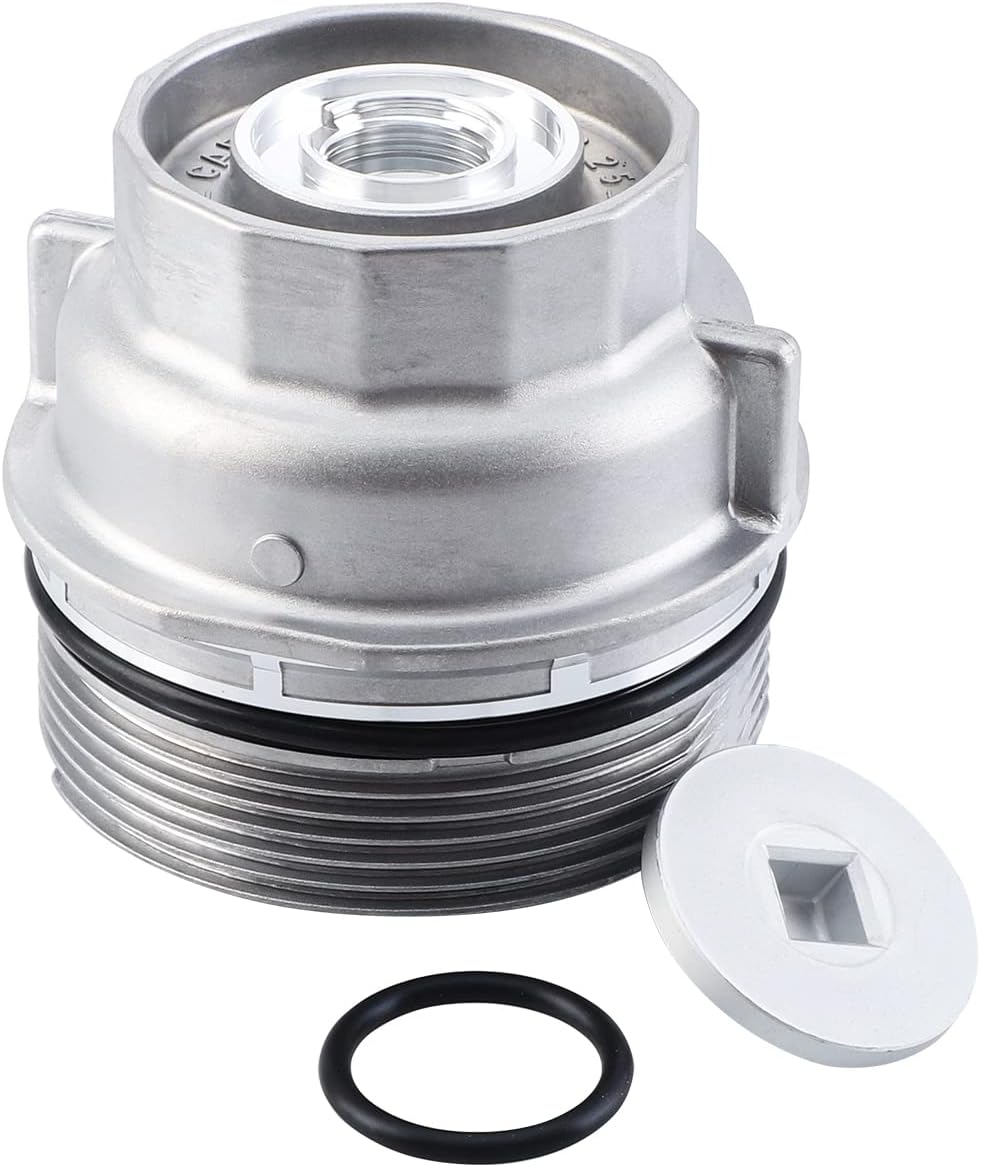
This oil filter housing cap assembly is designed as a replacement for select Toyota and Lexus vehicles, helping restore proper sealing and reliable oil filter function during routine maintenance. Built to meet OEM standards, it supports leak-free performance and long-lasting durability while fitting a wide range of popular models across multiple years.

This engine water pump kit is designed to help maintain reliable cooling performance across a wide range of compatible Toyota, Lexus, Scion, and Pontiac vehicles. Built with aluminum and tested for leak-free operation, it offers a direct replacement solution that supports engine efficiency and long-term service life. The kit includes a professional water pump and gasket for a convenient installation-ready repair.
Recommended Idle Time
Idle time is useful after hard use, but it should not be your only strategy. For normal driving, a long idle is usually unnecessary. For moderate driving, 10-30 seconds is enough if you already drove calmly before stopping. For hard driving, 30-90 seconds is a better target. After track use, a 1-3 minute idle can help after a cool-down lap or easy return drive.
Avoid blanket rules like “always idle for five minutes.” Excessive idling wastes fuel and can add unnecessary heat under the hood. The smarter habit is to reduce load before you arrive, then idle only as long as the situation requires.
Gentle Driving Technique
While you might be tempted to park your Toyota Supra and let it idle, adopting a gentle driving technique is often more effective for turbo cooling. After spirited driving, use 2-4 miles of easy cruising. Keep revs modest, avoid wide throttle openings, and stay out of boost. This keeps oil circulation, coolant movement, and airflow working together while the turbo temperature drops.
Use smooth throttle control rather than abrupt acceleration and braking. If you are coming off a mountain road, highway pull, or canyon drive, spend the last few minutes driving as if the engine is warming up: light throttle, steady speed, and no boost.
Pro Tip: The easiest cool-down is planning ahead. Stop driving hard a few miles before your destination, let airflow do the work, and then give the engine a short idle before shutting it off.
Turbo Timer Benefits
A turbo timer keeps the engine running for a set time after you remove the key or exit the vehicle. On older turbo cars, this was a popular way to prevent hot shutdowns. On a modern Supra, a turbo timer is usually optional rather than essential.
The benefit is convenience: it can prevent you from forgetting a short idle after hard driving. The drawbacks are cost, installation complexity, security concerns, and the risk of interfering with factory electronics or warranty expectations. If your Supra is stock and street-driven, a calm last few miles is normally the better solution. If your car is heavily modified or used on track, ask a qualified Toyota or performance technician before adding one.
Techniques to Cool Your Turbo While Driving
To cool your turbo effectively while driving, adopt gentle driving practices after spirited sessions. Instead of staying in boost until the final turn into your driveway, ease off the throttle and maintain a steady pace for the last 2-4 miles. This gradual cool-down technique helps lower temperatures and supports turbo longevity.
[Products Worth Considering]

This silicone vacuum hose kit provides a versatile selection of tubing sizes and connector pieces for automotive, marine, and industrial routing tasks. Built for heat resistance and durability, it supports air and water applications in engine bays, custom intake setups, turbo piping, and cooling system projects. The included size variety makes it a practical choice for repairs, fabrication, and DIY maintenance work.

This A-Premium cartridge engine oil filter is designed for a wide range of Toyota and Lexus vehicles, helping support cleaner oil flow and dependable engine protection. With high filtration efficiency and included O-rings, it offers a practical replacement solution for routine maintenance. Built for extended service intervals, it is suitable for conventional or synthetic oil applications.

This upgraded engine oil funnel kit makes oil changes cleaner and easier with a spill-proof design, flow control valve, and transparent body for precise filling. Built from durable polycarbonate and equipped with 12 adapters, two 45-degree elbows, and a debris filter, it fits a wide range of vehicles and works well in tight engine spaces. The secure, hands-free setup helps reduce mess while improving control during oil filling and fluid transfers.
Gentle Driving Practices
Cooling your turbo effectively after spirited driving starts before you park. Gently reduce your speed and avoid turbo boost for the last few minutes. Keep engine load low, shift earlier than usual, and avoid repeated throttle stabs.
Low-load driving is useful because it maintains oil pressure, coolant flow, and airflow through the engine bay. Idling provides oil and coolant flow, but it does not provide the same natural airflow as easy driving. That is why a calm drive home is usually better than stopping immediately and idling for a long time.
Gradual Cool Down Techniques
After engaging in spirited driving, use a staged cool-down:
- Back off the throttle and avoid boost for the last 2-4 miles.
- Keep engine speed moderate and avoid high-load acceleration.
- Use steady cruising instead of stop-and-go bursts when possible.
- After parking, idle for 30-90 seconds if the car was driven hard.
- After track use, complete a cool-down lap first, then idle briefly in the paddock.
This routine helps manage turbo heat without wasting time. It also gives the brakes, tires, oil, coolant, and under-hood components a gentler transition back to normal temperatures.
How Weather Affects Turbo Cooling
Weather changes how quickly your Supra sheds heat. In cooler weather, airflow through the radiator, intercooler, and engine bay removes heat more quickly. In hot weather, especially after slow traffic or aggressive driving, the engine bay can hold heat longer.
On very hot days, give the car more low-load driving before shutdown. This matters most after steep hills, repeated pulls, or track sessions where oil and coolant temperatures are already elevated. In cold weather, do not assume the turbo is ready for boost immediately after startup. Oil takes time to warm and flow properly, so drive gently until the engine is fully warmed.
Warm-Up Matters Too
Turbo care is not only about what you do after driving. It also matters what you do before hard driving. Avoid heavy boost when the engine is cold. Cold oil is thicker, and the turbocharger depends on steady oil flow for bearing protection.
A good routine is simple: start the car, drive gently, keep the throttle light, and wait until the engine is at normal operating temperature before using full boost. This is especially important in winter or after the car has been sitting overnight.
Note: Coolant temperature can rise before engine oil is fully warm. If your display or scan tool shows oil temperature, use that as a better guide before hard acceleration.
Debunking Common Misconceptions About Turbo Cooling
Many drivers still follow old turbo rules that do not always fit a modern Toyota Supra. Some advice is useful, but some of it is exaggerated.
The best Supra turbo cool-down is not endless idling. It is low-load driving first, then a short idle only when the car has been worked hard.
- Myth: You must idle for several minutes after every drive. Normal driving usually does not require that. A calm final minute or two is enough for most daily use.
- Myth: Turbo timers are mandatory. They can be convenient, but careful driving habits do the same job for most stock street cars.
- Myth: Modern turbos never need cool-down. Water cooling and synthetic oil help, but heavy-load driving still creates heat that deserves a gradual cool-down.
- Myth: More idle time is always better. Too much idling wastes fuel and may increase under-hood heat. Match idle time to the drive.
What Manufacturers Say About Turbo Care
For your exact Supra, the owner’s manual should always come first. Toyota’s official manual portal is the best starting point for model-year-specific operating, maintenance, and warning information. Turbocharger manufacturers also stress the importance of proper lubrication, oil quality, and heat control.
Garrett explains that water cooling helps reduce peak heat-soak temperatures after shutdown through thermal siphoning. BorgWarner identifies insufficient oil supply, coke, and sludge in the turbocharger center housing as problems that can affect turbo operation. CARDONE’s turbo heat guidance also recommends allowing an engine to idle after strenuous high-temperature use such as mountainous driving or racing.
The practical takeaway is balanced: modern turbo systems are designed to manage heat, but driver habits still matter after severe use.
Long-Term Benefits of Proper Turbo Cooling
Proper turbo cooling is not just a ritual; it is a simple habit that supports long-term reliability. By giving your Supra a gradual cool-down after hard use, you reduce unnecessary thermal stress and help protect the oil, turbo bearings, seals, coolant lines, and nearby engine components.
- Reduced deposit risk: Gradual cooling helps limit the conditions that can contribute to oil coking and sludge.
- Better oil protection: Keeping oil flowing after hard use helps carry heat away from the turbocharger center section.
- Improved consistency: A cooler, calmer shutdown can help the car feel more repeatable on the next drive.
- Lower repair risk: Good warm-up, cool-down, and oil-change habits are cheaper than turbocharger repairs.
Cool-Down Routine for Different Supra Drives
Use these simple routines as a real-world guide:
[Products Worth Considering]

This 16-piece hose clamp pliers set provides a complete solution for removing and installing a wide range of automotive hose clamps. It is designed to reach tight engine spaces and handle spring, flat band, and ring-type clamps on radiator, coolant, fuel, and vacuum hoses. Built from durable heat-treated steel and organized in a carrying case, it helps simplify repairs for cars, trucks, motorcycles, and DIY maintenance.

This flexible oil funnel is designed to make fluid changes cleaner and easier by guiding oil around obstacles like skid plates and crossmembers. Its shape-retaining core and silicone body can be molded for custom positioning, while the heat-resistant, leak-proof design helps prevent spills during draining and filter removal. Reusable and easy to clean, it works well for cars, trucks, motorcycles, and other hard-to-reach fluid fill or drain applications.

This cordless sub-compact ratchet delivers strong torque and fast performance in a compact design built for tight spaces and engine bays. Its low-profile head, variable-speed trigger, integrated LED light, and fuel gauge help improve control, visibility, and convenience during repair and maintenance work. Designed for mechanics and technicians, it offers durable, portable power without the need for an air hose.
Daily Commute
Drive normally, avoid hard boost in the last minute, park, and shut the engine off. No long idle is needed unless the commute ended with heavy throttle, high speed, or a steep climb.
Spirited Street Drive
Back off for the last 2-4 miles. Keep throttle light and stay out of boost. Once parked, idle for 30-90 seconds before shutting down.
Mountain Road or Steep Hill
Use a longer easy section at the end of the drive. If you climbed hard or used boost repeatedly, give the car several minutes of calm driving and about 1-2 minutes of idle.
Track Day
Do a cool-down lap with minimal boost and reduced braking load. Once in the paddock, let the engine idle for 1-3 minutes. Open the hood only if it is safe and allowed by the event rules. Never shut the engine off immediately after a hot lap unless there is an emergency.
Common Signs Your Turbo Needs Attention
Cool-down habits help, but they do not fix existing mechanical problems. Have the Supra inspected if you notice:
- New whining, siren-like, scraping, or rattling sounds from the turbo area
- Blue or gray smoke from the exhaust
- Sudden loss of boost or power
- Oil leaks near turbo oil lines or charge pipes
- Repeated engine warning lights or boost-control faults
- Burning-oil smells after normal driving
If your car is modified with a tune, larger turbo, downpipe, ethanol blend, or track-focused setup, cool-down needs can change. Follow the tuner’s guidance and shorten oil-change intervals if the car sees frequent hard use.
Frequently Asked Questions
How long should I let the turbo cool down?
After normal driving, you usually do not need a long idle. After spirited driving, cruise gently for 2-4 miles and idle for about 30-90 seconds. After track laps, steep climbs, or repeated hard pulls, do a longer cool-down drive and idle for 1-3 minutes.
How long will it take for my Supra to cool down after driving?
The turbo begins cooling as soon as you reduce load, but the time depends on how hot the car is. A normal drive may need no special routine. A hard street drive may need a few calm miles and a short idle. Track use can require a full cool-down lap plus several minutes of low-load running.
How long should you idle a turbo car before driving?
You usually only need enough time for oil pressure to stabilize after startup. Instead of idling for a long time, drive gently until the engine and oil are warm. Avoid full boost while the engine is cold.
Does cooling go through a turbo to keep it cool?
Yes. Turbochargers rely on engine oil for lubrication and heat removal, and many modern turbochargers also use coolant passages to control heat. That is why gentle driving and short idle time after hard use are helpful: they keep fluids moving while the turbo sheds heat.
Is a turbo timer worth it for a Toyota Supra?
For most stock street-driven Supras, a turbo timer is not necessary. A gentle final few miles and a short idle after hard use are enough. A turbo timer may be useful on heavily modified or track-driven cars, but installation should be handled carefully so it does not interfere with factory electronics or security systems.
Should I cool down my Supra after highway driving?
If it was steady, relaxed highway cruising, no long idle is usually needed. If the highway drive included repeated hard acceleration, very high speeds, hot weather, or a steep grade, drive gently for the last few miles and idle briefly before shutting off the engine.
Conclusion
In the high-octane world of the Toyota Supra, treating your turbo right is one of the easiest ways to protect long-term performance. The rule is simple: after normal driving, do not overthink it; after hard driving, give the car a calm finish. A few low-boost miles, followed by a short idle when needed, helps oil and coolant carry heat away before shutdown. Do that consistently, keep up with proper oil maintenance, and your Supra’s turbo will be better prepared for the next drive.
Sources
- Toyota GR Supra Brochure — backs up GR Supra engine output and twin-scroll turbocharger details.
- Toyota Owner’s Manual Portal — model-year-specific owner guidance and operating information.
- Garrett Motion: Turbocharger Water Cooling and Thermal Siphoning — explains how water cooling helps reduce turbo heat soak after shutdown.
- BorgWarner Turbocharger Troubleshooting — supports turbo fault references involving oil supply, coke, sludge, and center-housing issues.
- CARDONE: Heat, the Silent Turbo Killer — supports cool-down advice after strenuous high-temperature driving such as mountain driving or racing.