Cold weather can make a Toyota RAV4 harder to start, slower to warm up, and less predictable on icy roads. The biggest winter-start problems usually come from a weak 12-volt battery, low or incorrect fluids, underinflated tires, frozen washer fluid, or, on certain 2019–2020 RAV4 Hybrid models, a known IGCT relay issue. A quick pre-winter inspection helps prevent most of these headaches before the first deep freeze.
Quick Answer
To help your Toyota RAV4 start smoothly in cold weather, test the 12-volt battery, clean the terminals, use Toyota-recommended oil and winter-rated fluids, keep tires inflated to the door-jamb PSI, clear snow from vents and glass, and use winter tires when temperatures regularly drop near or below 7°C/45°F.
Key Takeaways
- Cold weather lowers battery output, thickens fluids, and reduces tire pressure, so small maintenance problems show up faster in winter.
- Toyota recommends winter-ready fluids, a 12-volt battery inspection, and four snow tires or front tire chains where conditions require them.
- For 2025 RAV4 Hybrid models, Toyota lists SAE 0W-16 as the preferred oil for good fuel economy and cold-weather starting.
- A standard RAV4 Hybrid does not plug into a wall outlet; only RAV4 Plug-in Hybrid/Prime models should be plugged in before cold nights.
- Some 2019–2020 RAV4 Hybrid vehicles with below-freezing no-start symptoms may need diagnosis for Toyota TSB T-SB-0045-20.
At a Glance
| Time Required | 30–60 minutes for basic checks; longer if tires, battery, or service work are needed |
| Difficulty | Easy for inspections; professional service recommended for battery testing, coolant, hybrid warnings, or electrical faults |
| Tools Needed | Tire-pressure gauge, ice scraper, washer fluid, flashlight, gloves, and owner’s manual |
| Cost | $0–$40 for basic supplies; more for a battery, winter tires, block heater, or dealer diagnosis |
Understanding Cold Weather Effects on Your RAV4
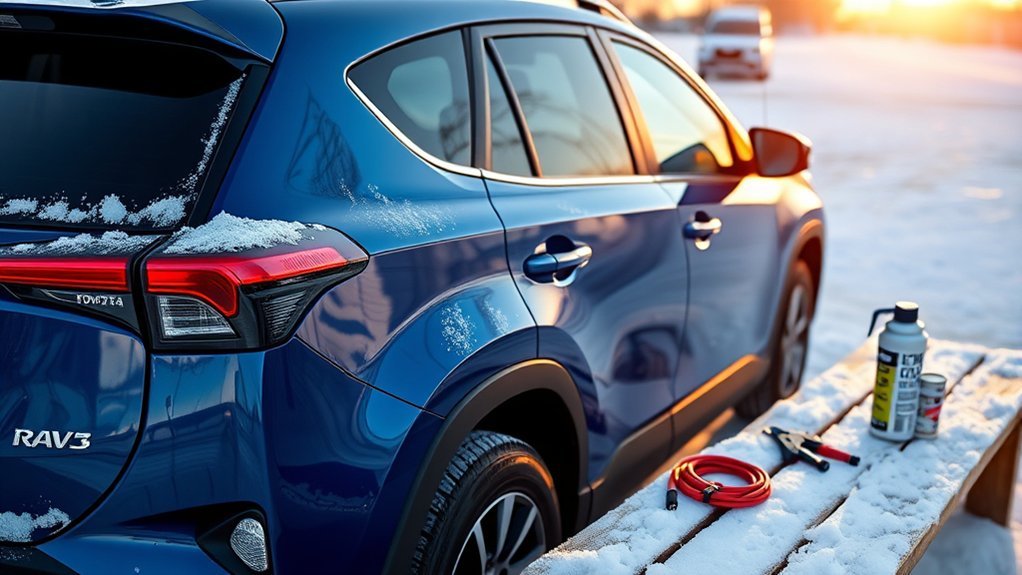
When temperatures drop, your RAV4 faces several winter-specific challenges. Engine oil becomes less fluid, the 12-volt battery produces less power, tire pressure falls, and washer fluid or old coolant can become a problem if it is not rated for freezing conditions.
Toyota’s winter driving guidance says to use fluids appropriate for the outside temperature, including engine oil, engine coolant, power-control-unit coolant on hybrid models, and washer fluid. Toyota also recommends having the 12-volt battery inspected before winter and fitting four snow tires or using chains where required by conditions and local rules. Toyota Owners winter driving tips
Note: AWD can help your RAV4 move forward in slippery conditions, but it does not shorten braking distance on ice. Slow down, increase following distance, and avoid sudden steering, braking, or throttle inputs.
Cold Weather Start Checklist for a Toyota RAV4
Use this checklist before freezing weather arrives, then repeat the quick items during long cold snaps:
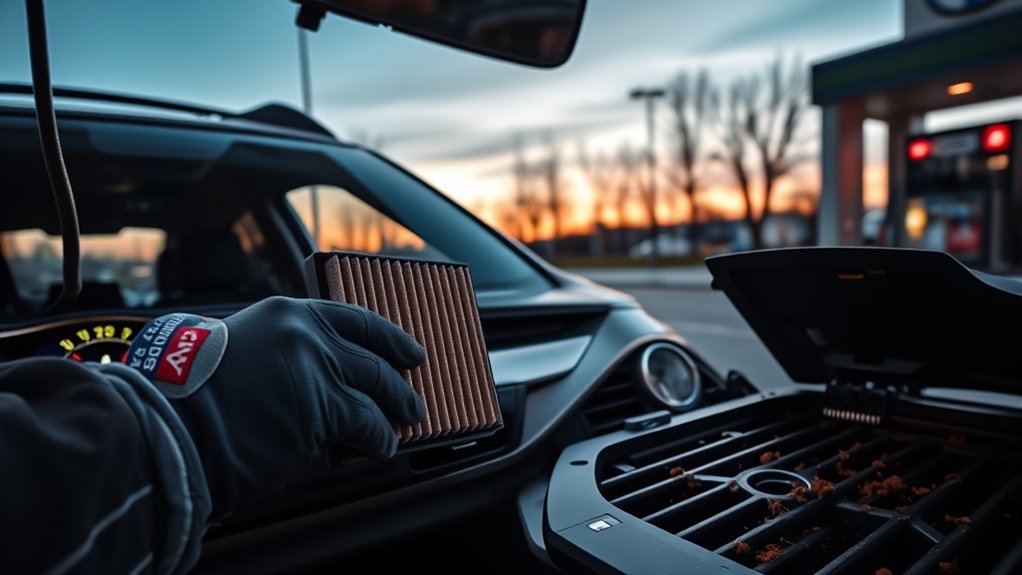
- Test the 12-volt battery: Cold weather exposes weak batteries quickly. Have it load-tested if it is more than three years old or if starts are slow.
- Clean battery terminals: Corrosion adds resistance and can make a healthy battery act weak.
- Check tire pressure cold: Use the PSI on the driver’s door-jamb label, not the maximum PSI molded into the tire sidewall.
- Use winter washer fluid: Summer fluid can freeze in the reservoir, lines, or nozzles.
- Confirm coolant protection: Coolant should meet Toyota specifications and be mixed for your climate.
- Inspect wipers and defrosters: Clear glass is just as important as a strong start.
- Keep fuel or charge adequate: Keep the gas tank close to full in winter. If you drive a RAV4 Plug-in Hybrid/Prime, plug it in before cold nights when possible.
Essential Battery Maintenance for Cold Weather Starts
The 12-volt battery is one of the most common reasons a RAV4 struggles in winter. Even hybrid models rely on a 12-volt battery to wake up computers and relays before the hybrid system can enter READY mode. When the temperature drops, battery power drops too, and gasoline engines need more power to crank.
Before winter, ask a technician to check the 12-volt battery, charging system, belts, and related electrical connections. NHTSA also recommends having a mechanic inspect the battery and charging system as part of winter preparation. NHTSA winter driving tips
- Look for slow starts: A sluggish crank, clicking, dim lights, or repeated warning lights can point to a weak battery.
- Clean corrosion carefully: White or green buildup around terminals can reduce current flow.
- Secure the battery: A loose battery can vibrate and shorten service life.
- Do not open sealed batteries: Many modern 12-volt batteries are maintenance-free. If the case is swollen, leaking, cracked, or frozen, replace it instead of charging it.
- Drive long enough to recharge: Repeated short trips in winter may not give the battery enough time to recover.
Warning: Do not probe, disconnect, or service orange high-voltage hybrid cables or components. If your RAV4 Hybrid shows a hybrid system warning, have it diagnosed with the proper Toyota scan tools.
[Products Worth Considering]

The JACO ElitePro Digital Tire Pressure Gauge delivers shop-grade accuracy with a clear digital readout, making it easy to maintain proper tire pressure for safer driving and better performance. Built with rugged brass and steel components, a protective guard, and a flexible air hose, it is designed for reliable use across cars, trucks, motorcycles, bikes, RVs, and trailers. The lock-on display, built-in bleeder valve, and bright backlit screen add convenience in any lighting condition.

Battery Tender Plus is a smart 12V charger and maintainer designed to keep automotive, motorcycle, and powersports batteries in optimal condition. Its adaptive 4-step charging program helps extend battery life while the quick disconnect harness and included cables make setup simple and convenient. The two-color LED status indicator provides clear charging feedback for easy, worry-free maintenance.
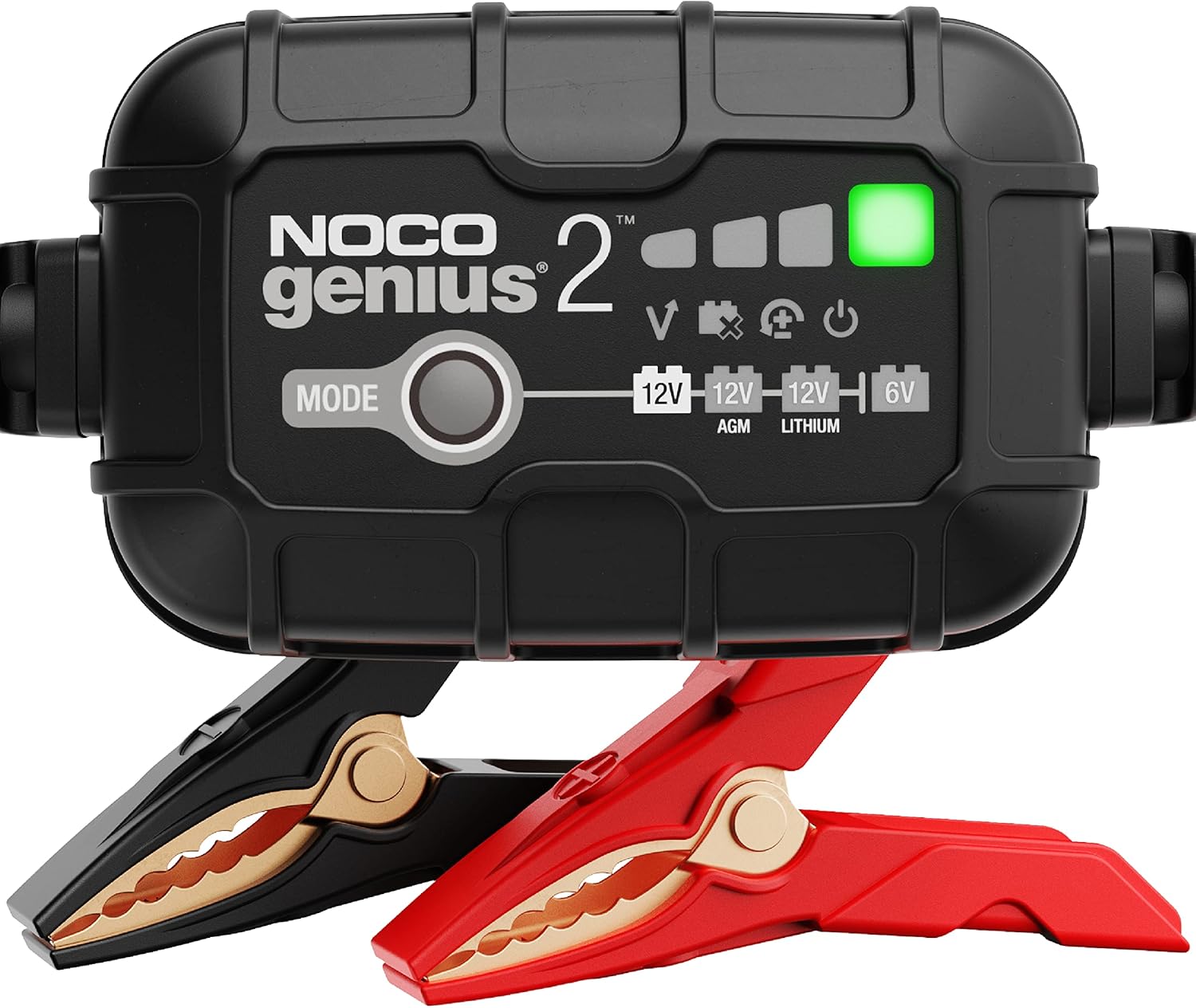
The NOCO GENIUS2 is a compact, all-in-one smart charger that automatically charges, maintains, and restores 6V and 12V lead-acid and lithium batteries. It features temperature compensation, overcharge protection, pulse desulfation, and Force Mode for reviving deeply discharged batteries, making it ideal for long-term battery care across many vehicle types. Designed for safe indefinite connection, it helps extend battery life and keep batteries ready to go.
Tire Prep for Cold Weather
Cold air reduces tire pressure, and underinflated tires can hurt handling, braking, traction, tire life, and fuel economy. Check the tires when they are cold, meaning the vehicle has been parked for several hours or driven only a short distance.
Tire Pressure Checks
NHTSA recommends filling tires to the vehicle manufacturer’s recommended pressure listed in the owner’s manual and on the label inside the driver’s door frame. Do not use the pressure printed on the tire sidewall as your normal setting because that number is the tire’s maximum pressure, not the RAV4’s recommended pressure. NHTSA tire pressure guidance
- Check tire pressure at least once a month and before long trips.
- Inspect all four tires plus the spare, if equipped.
- Look for cuts, cracks, bulges, punctures, uneven wear, and damaged sidewalls.
- Recheck pressure after major temperature swings.
- Reset or verify the tire-pressure monitoring system only after the tires are properly inflated.
Winter Tire Selection
Winter tires are designed to stay flexible in cold temperatures and provide better grip on snow, slush, ice, and cold wet pavement. Toyota Canada recommends switching to winter tires around 7°C/45°F because winter tire compounds perform better at and below that temperature. Toyota Canada winter tire guidance
For best stability, use four matching winter tires rather than mixing winter and all-season tires. Toyota’s RAV4 Hybrid winter guidance also notes that owners should fit four snow tires or purchase tire chains for the front tires where chains are appropriate and legal. Always confirm the correct tire size, speed rating, load rating, and chain compatibility for your exact model year and trim.
Pro Tip: Install winter tires before the first big storm. Shops get busy after the first snowfall, and waiting too long means you may drive through the most dangerous early-season conditions on the wrong tires.
Ensuring Proper Fluid Levels in Winter
Fluids matter more in winter because low temperatures can make the wrong fluid harder to pump, slower to circulate, or more likely to freeze. Check your owner’s manual for the correct specifications for your exact RAV4 model year and engine.
Essential Fluid Types
- Engine oil: For the 2025 RAV4 Hybrid, Toyota lists ILSAC GF-6B multigrade engine oil and recommends SAE 0W-16, noting it is the best choice for fuel economy and good cold-weather starting. Toyota maintenance data
- Engine coolant: Coolant should meet Toyota specifications and protect against freezing in your climate. Have leaks, old coolant, or incorrect coolant mixtures corrected before winter.
- Hybrid power-control-unit coolant: Hybrid models have additional cooling requirements. Do not substitute universal fluids unless they meet Toyota’s specifications.
- Brake fluid: Brake fluid absorbs moisture over time. If it is old or contaminated, braking performance can suffer and corrosion risk increases.
- Transmission fluid: Low or incorrect fluid can affect shifting and drivability. Use only the specified Toyota fluid.
- Windshield washer fluid: Use a winter formula with de-icer that is rated below your expected lowest temperature.
Regular Level Checks
Park on level ground, let the vehicle cool where appropriate, and follow the owner’s manual for each inspection point. Engine oil, washer fluid, coolant reservoirs, and visible leaks are owner-checkable on most RAV4 models, but coolant replacement, brake-fluid service, and hybrid-system concerns should be handled by a qualified technician.
Cold Weather Adjustments
If temperatures are expected to fall sharply, top off winter washer fluid, check the oil level, confirm tire pressure, and make sure the battery is fully charged. For vehicles parked outside, a battery maintainer or block heater may help, but only use equipment approved for automotive use and installed according to the manufacturer’s instructions.
Tips for Maintaining Visibility During Winter Driving
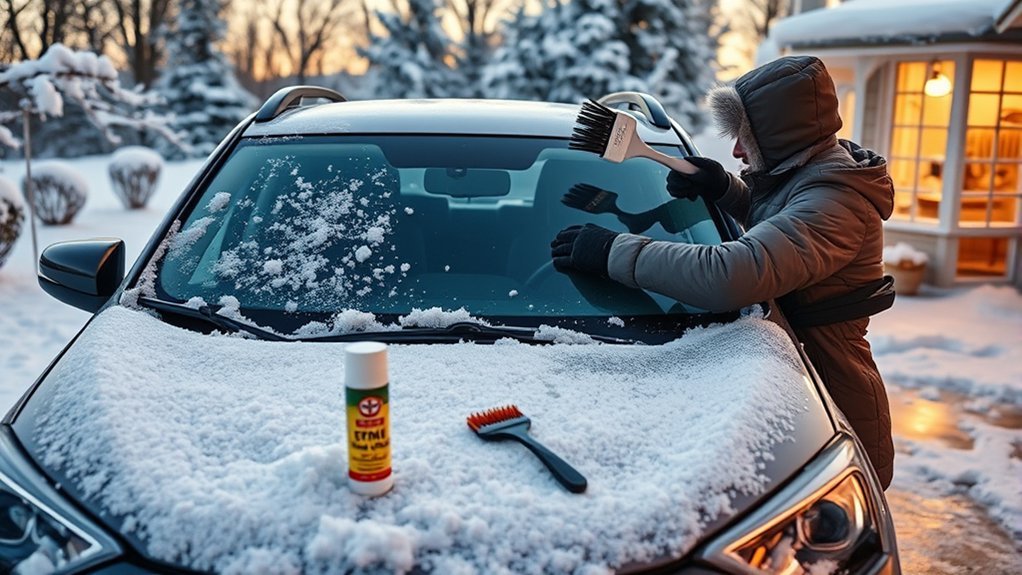
Good visibility is essential in winter because snow, salt spray, fog, and ice can block your view in minutes. Before winter hits, replace streaking wiper blades, confirm the defroster works, and fill the reservoir with winter washer fluid.
Before driving, clear heavy snow and ice from the windshield, side windows, mirrors, roof, lights, hood, grille, and rear glass. Snow left on the roof can slide onto your windshield during braking or blow into traffic behind you.
- Use an ice scraper instead of forcing frozen wipers loose.
- Lift wipers away from the glass only if your local conditions make that safe and your wiper design allows it.
- Keep headlights and taillights clean so other drivers can see you.
- Run the defroster before visibility becomes a problem.
- Carry extra washer fluid on long winter trips.
Preparing Your RAV4’s Electrical System for Cold Starts
A clean, healthy electrical system helps the RAV4 start consistently in freezing weather. Focus on the simple items first: battery state of charge, clean terminals, tight connections, and good ground cables.
- Check battery condition: A load test is more useful than guessing by age alone.
- Clean terminals: Corrosion can reduce current flow during the exact moment the vehicle needs it most.
- Inspect fuses and relays only when safe: Replace blown fuses with the correct rating. Do not bypass fuses.
- Watch warning lights: A hybrid system warning, charging warning, or repeated no-READY condition needs proper diagnosis.
- Keep key fob battery fresh: A weak fob battery can mimic a start problem on push-button-start vehicles.
[Products Worth Considering]

This portable roadside emergency car kit helps drivers stay prepared with essential tools for common breakdowns and unexpected roadside situations. It includes jumper cables, a tow strap, a flashlight, a rain poncho, gloves, and a first aid kit, all stored in a durable zippered case for easy access and organization. With included roadside assistance coverage, it adds extra peace of mind for commuters, new drivers, and road trips.

This extendable snow brush and ice scraper helps clear windshields, roofs, and windows quickly in harsh winter conditions. Its 360° pivoting brush head, wide ice scraper blade, and comfortable foam grip make snow removal easier, while the detachable design stores compactly in your vehicle.
Why Block Heaters Can Help in Extreme Cold
A block heater warms the engine area so oil circulates more easily and the engine reaches operating temperature sooner. It can be especially helpful when temperatures fall well below freezing and the vehicle is parked outside overnight.
A block heater is not a cure for a failing 12-volt battery, bad fuel, wrong oil, or a hybrid-system fault. It also does not directly charge the high-voltage traction battery. If your RAV4 repeatedly fails to start, diagnose the root cause rather than relying only on preheating.
Note: Use an outdoor-rated extension cord, plug into a GFCI-protected outlet where possible, and inspect cords for cracks or heat damage. Unplug before driving away.
Signs of Cold Weather Starting Issues to Watch For
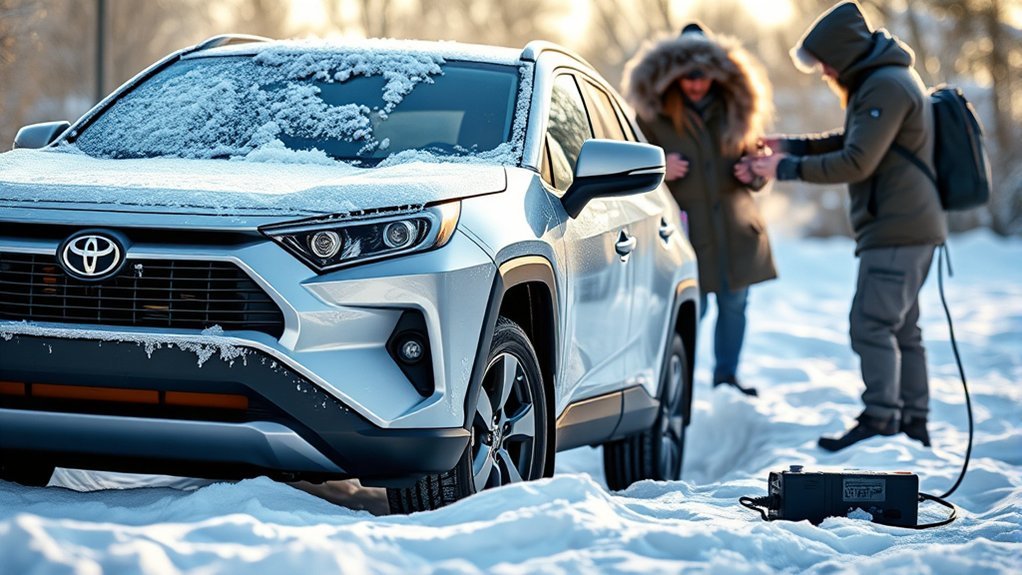
Cold-start problems usually give warning signs before the vehicle leaves you stranded. Watch for these symptoms:
- A slow crank or clicking sound when you try to start.
- Dim interior lights or headlights before startup.
- The READY light failing to appear on a RAV4 Hybrid.
- A “Hybrid System Malfunction” or similar warning message.
- A start problem that appears only below freezing and disappears later when temperatures rise.
- Repeated tire-pressure warnings after cold nights.
- Washer spray that is weak, frozen, or not reaching the windshield.
If a standard gasoline RAV4 cranks slowly, start with the 12-volt battery, terminals, oil, and starter/charging system. If a RAV4 Hybrid will not enter READY, start with the 12-volt battery and scan for hybrid-system diagnostic trouble codes before replacing parts.
How to Fix Common Cold Start Issues
The right repair depends on the symptom. Use the table below to narrow the next step without guessing.
| Symptom | Likely Cause | Best Fix |
|---|---|---|
| Slow crank or clicking | Weak 12-volt battery, corrosion, loose cables | Load-test battery, clean terminals, tighten connections, replace battery if needed |
| Hybrid will not show READY | Low 12-volt battery, hybrid fault, relay or ECU power issue | Check 12-volt battery first, then scan with Toyota-capable diagnostic software |
| Starts after the day warms up | Battery weakness, cold-sensitive relay, fluid or fuel issue | Record temperature and symptoms, then have the vehicle tested while cold |
| Washer fluid will not spray | Frozen summer washer fluid or blocked nozzles | Move vehicle to a warm area, thaw safely, then refill with winter washer fluid |
| Low tire-pressure warning after a cold night | Normal pressure drop from temperature change or an actual leak | Set tires to door-jamb PSI when cold and inspect for punctures if pressure drops again |
Diagnostic Tools Needed
For basic owner checks, you only need a tire-pressure gauge, flashlight, gloves, washer fluid, and the owner’s manual. For no-start or hybrid warning diagnosis, a technician may need:
- Toyota Techstream or a Toyota-capable scan tool: Needed to read hybrid-system codes correctly.
- Battery load tester: Confirms whether the 12-volt battery can perform under demand.
- Digital multimeter: Checks voltage drop, grounds, and basic circuit health.
- Service information: Confirms correct fuse, relay, and repair procedures for your model year.
IGCT Relay Issue on Some 2019–2020 RAV4 Hybrid Models
Toyota Technical Service Bulletin T-SB-0045-20 applies to some 2019–2020 RAV4 HV vehicles that may experience a difficult-to-start condition with a hybrid warning lamp in below-freezing temperatures. The bulletin lists DTCs U011087 and U029387 and identifies the IGCT relay as a possible cause when it cannot supply power to the HV ECU. Toyota T-SB-0045-20 public bulletin PDF
| Step | Action | Important Note |
|---|---|---|
| 1 | Confirm the exact symptom and temperature | The bulletin is for below-freezing conditions |
| 2 | Perform a Health Check with Toyota diagnostic software | Look for U011087 and U029387 |
| 3 | Replace the IGCT relay only if the bulletin applies | Toyota lists previous relay 90987-02025 and new relay 90987-02031 |
| 4 | Clear DTCs and confirm the issue is gone | If codes differ, continue normal diagnosis instead of replacing parts blindly |
Warning: A TSB is not the same as a recall. It is repair guidance for matching symptoms, model years, and diagnostic results. Do not assume every cold-start issue is the IGCT relay.
Emergency Preparedness Tips for Winter Driving
Winter driving can change quickly, so keep basic emergency gear in your RAV4. NHTSA recommends carrying items such as a snow shovel, broom, ice scraper, abrasive material, jumper cables, flashlight, warning devices, first aid kit, blankets, phone charger, water, food, and necessary medicine. NHTSA winter emergency kit guidance
- Window scraper and snow brush
- Traction mats or sand
- Small shovel
- Jumper cables or a quality jump pack rated for your vehicle
- Flashlight and extra batteries
- Blanket, gloves, hat, and spare warm layers
- First aid kit
- Phone charger or power bank
- Water and non-perishable snacks
NHTSA reported 320 fatal traffic crashes and an estimated 22,293 injury crashes in 2023 when snow or sleet conditions were present, which is why winter preparation matters before the road gets bad.
Frequently Asked Questions
Why won’t my Toyota RAV4 start in the cold?
The most common causes are a weak 12-volt battery, corroded battery terminals, thick or incorrect engine oil, low fuel, frozen washer or coolant-related problems, or an electrical fault. On some 2019–2020 RAV4 Hybrid models, a Toyota service bulletin also identifies an IGCT relay issue when specific hybrid-system codes are present.
How do I make sure my RAV4 starts in extreme cold?
Have the 12-volt battery tested, use the Toyota-recommended oil viscosity, keep fuel in the tank, use winter-rated washer fluid, maintain proper tire pressure, and park in a garage when possible. In very cold regions, a properly installed block heater or battery maintainer can also help.
Does a Toyota RAV4 Hybrid need to be plugged in during winter?
A standard RAV4 Hybrid does not plug into a wall outlet. Only RAV4 Plug-in Hybrid/Prime models can be externally charged. If you own the plug-in version, plugging in before cold nights can help preserve charge and reduce battery drain from cabin heating.
Are winter tires worth it on a RAV4 with AWD?
Yes, in true winter climates. AWD helps with acceleration, but winter tires help with grip, steering, and braking on cold roads. Toyota recommends four snow tires for winter conditions, and winter tires are especially useful when temperatures regularly stay near or below 7°C/45°F.
Should I replace the IGCT relay if my RAV4 Hybrid has a cold no-start?
Only if your vehicle matches the Toyota bulletin conditions. T-SB-0045-20 applies to some 2019–2020 RAV4 HV vehicles with below-freezing difficult-start symptoms and DTCs U011087 and U029387. If those codes are not present, continue normal diagnosis instead of replacing the relay blindly.
Conclusion
Preparing your Toyota RAV4 for cold weather comes down to a few reliable habits: test the 12-volt battery, use the correct oil and winter-ready fluids, keep tires inflated, install winter tires when your climate calls for them, maintain visibility, and carry emergency gear. If your RAV4 Hybrid shows a warning or will not enter READY mode, do not guess—scan it properly and compare the symptoms with Toyota service information. A little winter prep now can prevent a stressful no-start later.
Sources
- Toyota Owners — 2025 RAV4 Hybrid Winter Driving Tips — winter fluids, 12-volt battery inspection, snow tires, and tire chains
- Toyota Owners — If the Hybrid System Will Not Start — hybrid no-start guidance and low traction-battery temperature note
- Toyota Owners — 2025 RAV4 Hybrid Maintenance Data — SAE 0W-16 oil recommendation for cold-weather starting
- NHTSA — Winter Weather Driving Tips — battery, tire pressure, wipers, coolant, emergency kit, and winter crash data
- Toyota Canada — Winter Tires at 7°C — winter tire temperature guidance and cold-weather traction benefits
- Toyota Technical Service Bulletin T-SB-0045-20 — 2019–2020 RAV4 HV cold-start warning with DTCs U011087 and U029387