
Last updated: July 31, 2026
A RAV4 Hybrid MPG drop is often caused by cold weather, short trips, low tire pressure, higher highway speed, added roof drag, or reduced traction-battery assistance. First confirm the change with a manual fuel-economy calculation. Then check the cold tire pressure, recent tire or accessory changes, and the hybrid-battery cooling intake before replacing engine parts.
This guide covers the conventional, non-plug-in Toyota RAV4 Hybrid. RAV4 Prime and RAV4 Plug-in Hybrid models require additional electric-range and charging checks.
Quick Answer
If your RAV4 Hybrid’s MPG dropped, start by calculating miles driven divided by gallons added. Check all tires cold against the driver-side door placard, remove unused roof equipment, and make sure the traction-battery air intake near the rear seat is clear. Cold weather alone can reduce hybrid fuel economy substantially. If the loss continues in comparable mild-weather driving or appears with warning lights, rough running, fuel odor, abnormal brake heat, or reduced hybrid assistance, have the vehicle scanned and inspected.
Why Has Your RAV4 Hybrid MPG Dropped?
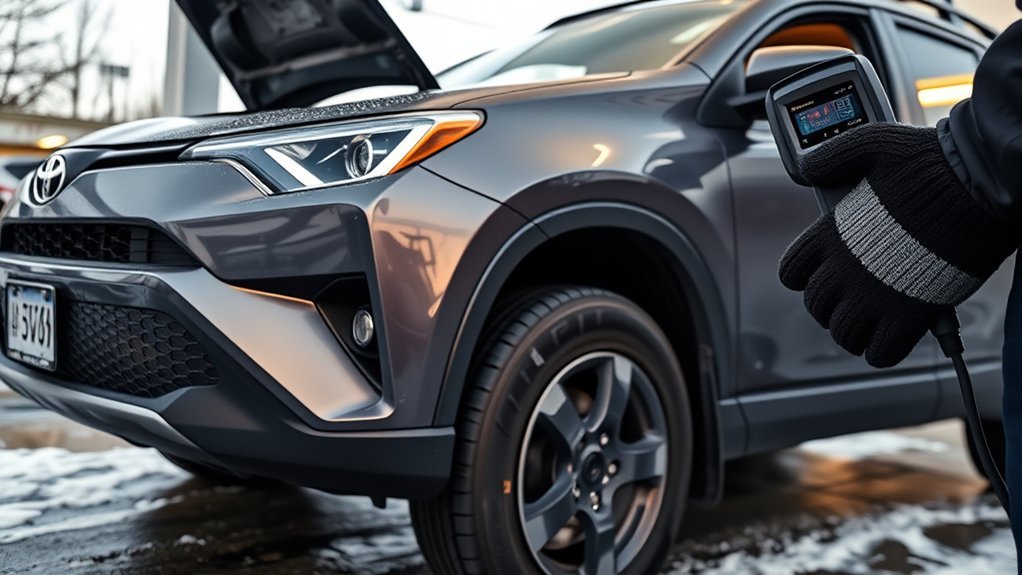
The most useful clue is when the change began. A decline that starts with freezing weather is different from one that begins after tire service, a warning message, or a new roof box. Use the pattern below to decide what to inspect first.
| What Changed When MPG Dropped? | First Checks | Next Step |
|---|---|---|
| Cold weather or shorter trips began | Trip length, cabin-heat use, tire pressure, idle time | Compare MPG again during a longer trip or milder weather |
| Tires or wheels were replaced | Placard PSI, tire size, tread type, alignment, wheel balance | Return to the tire shop if pulling, vibration, or uneven wear is present |
| A service visit occurred | Displayed average reset, oil level and specification, tire pressure, disconnected intake wiring | Ask the shop to recheck work if the change began immediately afterward |
| A roof rack, box, or cargo was added | Unused crossbars, roof box, exterior accessories, extra weight | Remove unused equipment and repeat the same route |
| The rear-seat battery fan became louder or electric assist decreased | Traction-battery air intake, dust, pet hair, luggage, seat covers | Clean only as the owner’s manual directs and arrange service if symptoms remain |
| A warning light or drivability symptom appeared | Exact warning message, OBD-II codes, fuel trim, misfire data | Have a qualified technician diagnose the supporting evidence before replacing parts |
How Do You Confirm the MPG Drop Is Real?
Dashboard fuel-economy displays are useful for trends, but a reset setting, short trip, extended idling, or different route can change the displayed average. Confirm the result before buying parts.
- Fill the tank and reset one trip meter.
- At the next fill-up, record the trip miles and the gallons added.
- Divide the miles by the gallons to calculate the tank’s MPG.
- Repeat the calculation across more than one comparable fill-up.
- Record outside temperature, typical trip length, highway speed, cabin-heat use, tire changes, roof cargo, and unusual idling.
Compare similar driving conditions. A short winter commute should not be compared directly with a long mild-weather highway trip. Also compare your result with the EPA estimate for your exact model year and trim rather than assuming every RAV4 Hybrid has the same rating.
Quick Checks for a RAV4 Hybrid MPG Drop
Perform these checks before replacing sensors, spark plugs, filters, or fuel-system parts.
- Check cold tire pressure: Use a reliable gauge before driving and inflate each tire to the pressure on the driver-side door placard. Do not use the maximum pressure molded into the tire sidewall. See the RAV4 tire pressure guide for the correct check-before-reset sequence.
- Inspect tire and alignment changes: Look for pulling, an off-center steering wheel, vibration, or uneven inner-to-outer tread wear. Aggressive winter or all-terrain tread can also create more rolling resistance than the previous tires.
- Remove unused exterior equipment: Roof boxes, baskets, crossbars, and other accessories increase aerodynamic drag, especially at highway speed.
- Review your speed and route: Higher speed, repeated acceleration, stop-and-go traffic, steep grades, and long idle periods can reduce MPG even when the vehicle has no fault.
- Confirm the correct fuel: Follow the owner’s manual for your exact model year and market. Toyota’s 2026 U.S. RAV4 fuel guidance, for example, specifies unleaded gasoline rated 87 octane or higher.
- Check for warning messages: Record the exact wording instead of clearing it immediately. A warning can direct the diagnosis toward the traction battery, engine, cooling system, or emissions system.
The U.S. Environmental Protection Agency recommends correct tire inflation, efficient driving, regular maintenance, and the manufacturer-specified motor oil as core fuel-saving practices. See the EPA’s fuel-saving guidance.
[Products Worth Considering]

The JACO ElitePro Digital Tire Pressure Gauge delivers shop-grade accuracy with a clear digital readout, making it easy to maintain proper tire pressure for safer driving and better performance. Built with rugged brass and steel components, a protective guard, and a flexible air hose, it is designed for reliable use across cars, trucks, motorcycles, bikes, RVs, and trailers. The lock-on display, built-in bleeder valve, and bright backlit screen add convenience in any lighting condition.
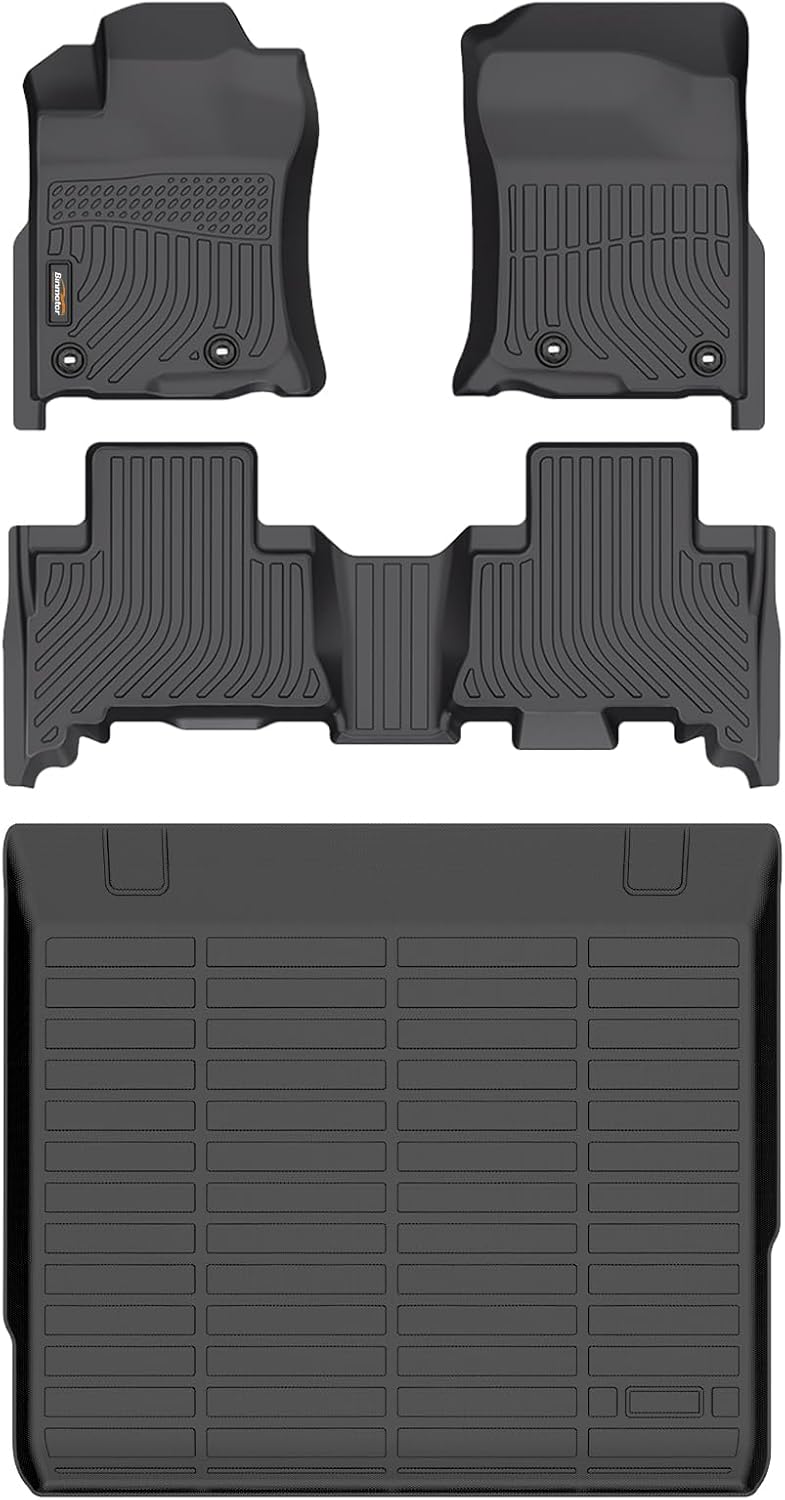
These custom-fit floor mats and cargo liner are designed for select Toyota 4Runner models and provide full-coverage protection for your interior. Made from durable TPE material with raised edges and non-slip buckles, they help contain dirt, spills, snow, and debris while staying securely in place. The waterproof design is easy to clean, making them a practical all-weather upgrade for everyday driving.

The REDTIGER F7NP captures detailed front and rear footage in 4K and 1080P with a STARVIS 2 sensor for clearer images day or night. Built-in WiFi, app control, loop recording, parking protection, and a free memory card make it a convenient all-in-one driving recorder for commuters, rideshare drivers, and new drivers.
Can a Blocked Hybrid-Battery Vent Lower MPG?
Yes. The RAV4 Hybrid uses a cabin-air intake to cool the high-voltage traction battery. On cited recent models, Toyota places the intake beneath the right side of the rear seat. If luggage, a seat cover, carpet, dust, lint, or pet hair blocks the intake, battery charging and discharging can be restricted. That can reduce electric-motor assistance and lower fuel economy.
Toyota tells owners to inspect the intake periodically and clean it when dusty or clogged. Follow the procedure for your exact model year. Toyota’s documented method uses a vacuum to remove debris. Do not direct compressed air into the intake, apply water, touch the high-voltage service plug, or open the battery enclosure.
Review Toyota’s traction-battery air-intake cleaning instructions. If the “Maintenance Required for Traction Battery Cooling Parts See Owner’s Manual” message remains after the approved cleaning procedure, have the vehicle inspected.
For a broader explanation of the gasoline engine, electric motor-generators, traction battery, and inverter, see how the RAV4 Hybrid system works.
How Should Mechanical and Electrical Causes Be Diagnosed?
Do not replace an oxygen sensor, fuel pump, mass-airflow sensor, spark plug, or ignition coil based only on a low dashboard MPG number. Start with evidence.
- Scan for diagnostic trouble codes: Record stored, pending, and permanent codes before clearing them.
- Review live engine data: A technician can compare short-term and long-term fuel trim, air/fuel-ratio sensor response, coolant temperature, misfire counts, airflow data, and commanded operating conditions.
- Inspect for brake drag: Pulling, reduced coasting, a burning smell, or unusual heat near one wheel can indicate a sticking brake. Do not touch a hot wheel or brake component.
- Verify oil level and specification: Use the viscosity and quality standard listed for the exact engine and model year. Too little oil, excessive oil, or an unapproved viscosity requires correction.
- Check spark-plug and maintenance history: Follow Toyota’s scheduled interval rather than replacing plugs only because MPG changed.
- Test fuel pressure only when supported: Hard starting, hesitation, lean or rich codes, abnormal fuel trims, or pressure-test results should guide fuel-system diagnosis.
- Inspect exhaust and intake leaks: Leaks can distort sensor readings and fuel control even when the sensor itself is functional.
A dirty engine air filter should still be replaced when inspection or the maintenance schedule calls for it. However, Oak Ridge National Laboratory reports that filter clogging does not significantly affect fuel economy in modern closed-loop, fuel-injected gasoline vehicles. It can reduce performance when restriction becomes severe. See ORNL’s fuel-economy research summary.
For non-hybrid engine, tire, brake, and aerodynamic causes, the site’s broader RAV4 excessive fuel consumption guide provides additional diagnostic branches.
[Products Worth Considering]

This CF10285 cabin air filter is designed to help keep your vehicle's interior air cleaner by capturing dust, pollen, soot, and road grime. It is compatible with a wide range of Toyota, Lexus, Jaguar, Land Rover, Subaru, Scion, and Pontiac models, making it a versatile replacement choice. The activated carbon design and easy glove-box installation make it a practical upgrade for fresher driving comfort.
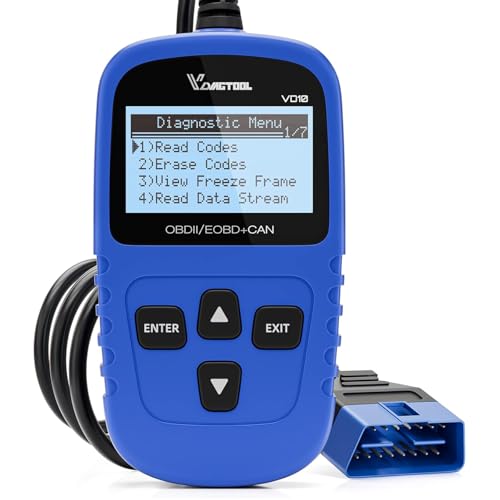
【A MUST-HAVE SCANNER TOOL FOR DIYERS】 - VDIAGTOOL VD10 car code reader is an incredibly useful, handheld obd2 scanner for each car owner or hobbyist, even for those with little to no experience when it comes to vehicle mechanics! Similar to a fixd car diagnostic tool, using this car diagnostic scanner is extremely easy. All you have to do is attach it to your car OBDII port and you can diagnose car problems in seconds! Read Codes (DTCs); Clear Codes; Live Data; View Freeze Frame; I/M Readiness; Vehicle Information.

Your Car's Personal Doctor: Say Goodbye to Check Engine Light Troubles! The YM319 OBD2 scanner swiftly reads and clears engine fault codes, pinpointing the root cause of issues. Monitor your engine's every "breath" like a pro—view freeze frame data, check I/M readiness status, run oxygen sensor tests, and more. With a built-in database of over 63,000 fault codes, it delivers precise and reliable diagnostics, making it your trusted partner for vehicle maintenance and repair.
How Does Climate Control Affect RAV4 Hybrid MPG?
In cold weather, cabin-heating and windshield-defogging demand can keep the gasoline engine running more often than it would in mild conditions. That reduces the time available for engine-off or electric-assisted operation.
Use a comfortable but reasonable temperature and select an Eco climate setting if your model includes one. Heated seats or a heated steering wheel may improve personal comfort without requiring the highest whole-cabin temperature, but they still use electrical energy. Never reduce windshield defogging or visibility to save fuel.
Air conditioning also consumes energy. The practical goal is not to switch climate control off in unsafe or uncomfortable conditions. Use moderate settings, recirculation when appropriate, and shade or ventilation to reduce the initial cooling load.
Is a Winter RAV4 Hybrid MPG Drop Normal?
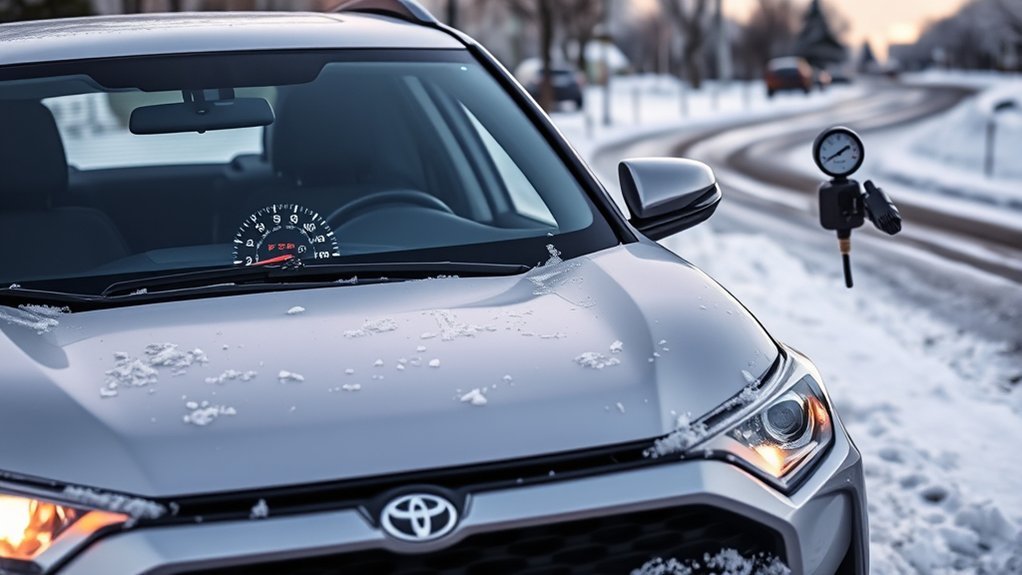
A noticeable winter decline can be normal. The Department of Energy reports that hybrid fuel economy can fall by around 30% in cold conditions. Short trips are especially inefficient because the engine, fluids, cabin, emissions system, tires, and traction battery have less time to reach favorable operating temperatures.
Review the Department of Energy’s cold-weather fuel-economy data.
- Combine short errands: Several stops during one warmed-up trip are usually more efficient than repeated cold starts.
- Avoid long stationary warm-ups: Drive gently after the windows are clear and the vehicle is safe to operate.
- Use smooth acceleration: Follow the Hybrid System Indicator when available and avoid repeated hard acceleration.
- Brake early and smoothly: This gives the regenerative braking system more opportunity to recover energy.
- Check tire pressure after temperature changes: Seasonal cooling can lower tire pressure even when no puncture is present.
- Remove snow and ice: Clear the vehicle fully for visibility and to avoid carrying unnecessary weight or disrupting airflow.
- Use only a compatible heater: If an engine block heater is approved for your exact model and climate, follow the manufacturer’s installation and electrical-safety instructions. Do not assume a universal MPG gain.
Cost-Effective Diagnostic and Maintenance Plan
A sound plan begins with free observations and low-cost checks. Paid testing should follow only when the initial evidence points toward a mechanical, emissions, brake, or hybrid-system fault.
| Task | What It Can Confirm | Who Should Do It |
|---|---|---|
| Calculate MPG manually | Whether the loss exists beyond the dashboard display | Owner |
| Check cold tire pressure and tread | Low pressure, damage, abnormal wear, or a recent tire-related change | Owner or tire shop |
| Remove unused roof equipment and excess cargo | Whether aerodynamic drag or weight contributed | Owner |
| Inspect the traction-battery cooling intake | Visible blockage, dust, lint, pet hair, or obstructing cargo | Owner following the exact manual procedure |
| Scan codes and review live data | Fuel-control, sensor, misfire, temperature, or hybrid-system evidence | Qualified technician |
| Inspect alignment, bearings, and brakes | Mechanical drag, pulling, uneven wear, abnormal heat, or poor coasting | Qualified repair or tire shop |
| Follow model-specific scheduled maintenance | Correct oil, spark plugs, fluids, filters, and inspection intervals | Owner and qualified service provider |
[Products Worth Considering]

CEL Doctor: The ANCEL AD310 is one of the best-selling OBD II scanners on the market and is recommended by Scotty Kilmer, a YouTuber and auto mechanic. It can easily determine the cause of the check engine light coming on. After repairing the vehicle's problems, it can quickly read and clear diagnostic trouble codes of emission system, read live data & hard memory data, view freeze frame, I/M monitor readiness and collect vehicle information

NOTE: It requires a compatible third-party app and is designed primarily for standard OBD-II diagnostics. It is not a full-system scanner. Advanced or vehicle-specific functions depend on your vehicle and the app. Please check compatible apps and supported functions before purchase.

Multi-Functions - Practical Multi-Functions OBD2 code reader features built-in OBD2 DTC lookup library, which help you to determine the cause of the engine light, read code, erase code, view freeze frame, I/M ready, vehicle information, data flow, real-time curve, get vehicle speed information, calculate load value, engine coolant temperature, get engine speed.
When Should a RAV4 Hybrid Be Inspected?
Arrange professional diagnosis when the MPG loss persists across comparable driving and is accompanied by one or more of these signs:
- A check-engine, hybrid-system, battery-cooling, overheating, or oil-pressure message
- A flashing check-engine light, shaking, misfiring, hesitation, or hard starting
- Fuel odor, visible leakage, smoke, or unusual exhaust odor
- A loud traction-battery cooling fan that continues after the intake is cleared
- Reduced electric assistance or a sudden change in hybrid-system behavior
- Pulling, poor coasting, a burning brake smell, or unusual heat near one wheel
- MPG that remains unusually low after weather, route, speed, tires, and cargo are normalized
Do not open or probe the high-voltage battery, inverter, orange cables, service plug, or other hybrid high-voltage components. Hybrid electrical diagnosis requires appropriate training and safety equipment.
Frequently Asked Questions
Why Is My Toyota RAV4 Hybrid Getting Bad Gas Mileage?
Common causes include cold weather, repeated short trips, low tire pressure, higher speed, roof cargo, aggressive acceleration, heavy cabin-heat use, wheel or brake drag, and reduced traction-battery assistance. Confirm the loss manually and inspect the tires and battery-cooling intake before replacing engine parts.
How Do I Improve MPG on My RAV4 Hybrid?
Use the correct cold tire pressure, remove unused roof equipment, combine short trips, accelerate smoothly, brake early enough to support regenerative braking, and follow the exact maintenance schedule. Compare manual MPG under similar conditions so you can identify which change helped.
How Much Can Cold Weather Reduce RAV4 Hybrid MPG?
The Department of Energy reports that hybrids can lose around 30% of their fuel economy in cold conditions. The actual RAV4 Hybrid change depends on temperature, trip length, heater use, tire pressure, speed, and model year. Very short trips can show a larger temporary loss than longer drives.
Can a Blocked Hybrid-Battery Vent Reduce MPG?
Yes. Toyota states that blocked traction-battery airflow can restrict battery input and output, reduce the distance driven with electric-motor assistance, and lower fuel economy. Keep the intake clear and use only the cleaning procedure in the owner’s manual.
Does a Dirty Engine Air Filter Cause Poor MPG?
Not usually on a modern closed-loop, fuel-injected gasoline vehicle. ORNL testing found no significant fuel-economy effect from filter restriction in modern gasoline vehicles, although severe restriction can reduce acceleration and drivability. Replace the filter when inspection or the maintenance schedule requires it.
When Should Low MPG Be Professionally Diagnosed?
Get the vehicle inspected when the loss continues under comparable mild-weather driving or appears with warning lights, rough running, fuel odor, hard starting, overheating, loud battery-fan operation, reduced hybrid assistance, brake odor, pulling, or abnormal wheel heat.
Conclusion
Start with evidence rather than replacement parts. Confirm the RAV4 Hybrid MPG drop manually, check the cold tire pressure, review recent tire or roof-equipment changes, and inspect the traction-battery cooling intake according to the owner’s manual. A winter decline can be normal, especially on short trips. A persistent decline with warning lights, drivability problems, reduced hybrid assistance, or brake symptoms requires code scanning and a qualified inspection.

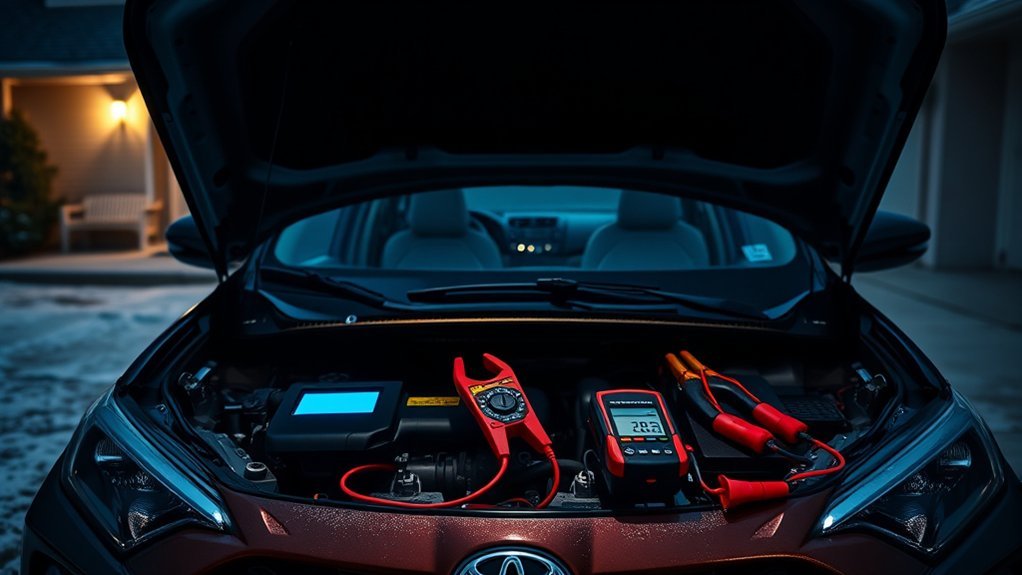

[…] the broader RAV4 Hybrid low-MPG diagnostic guide if the loss is not clearly seasonal. If a hybrid warning appears, follow the dashboard instruction […]