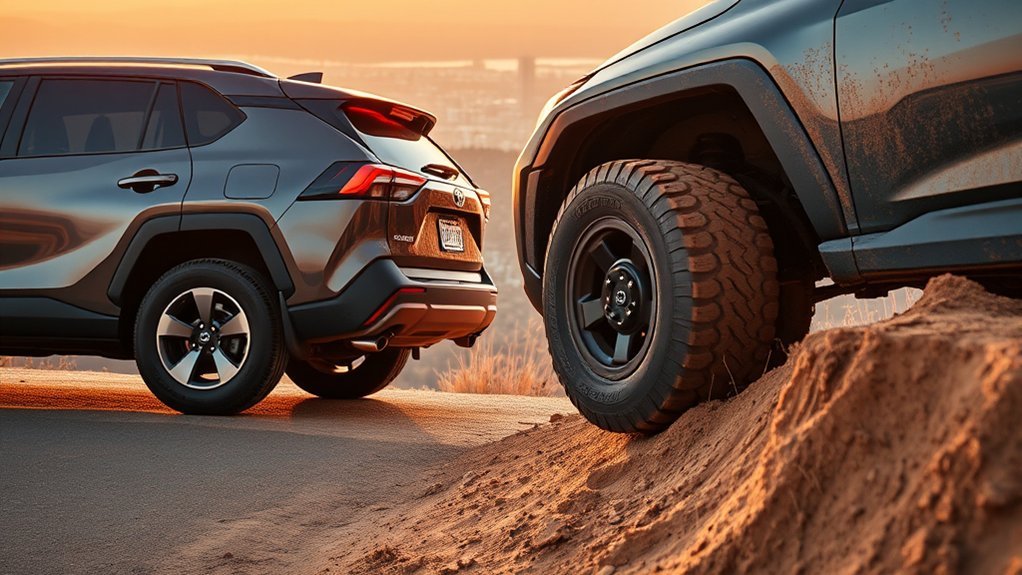
The Toyota RAV4 is best understood as an AWD crossover, not a true 4WD SUV. When equipped with AWD, it can automatically send power to the rear wheels or use a rear electric motor for extra grip, depending on the model year and powertrain. That makes it strong in rain, snow, gravel, and light trails, but it does not have the low-range transfer case or locking differentials used by serious off-road 4WD vehicles.
Quick Answer
The RAV4 is AWD when equipped, not traditional 4WD. Some RAV4 models are front-wheel drive, while AWD versions use automatic Toyota systems designed for traction and stability. Choose a RAV4 AWD for weather and light trails; choose true 4WD for deep mud, rock crawling, or steep technical terrain.
Key Takeaways
- A RAV4 with AWD is built for everyday traction, rain, snow, gravel, and mild off-pavement use.
- The RAV4 does not offer low-range gearing or mechanical locking differentials like a true 4WD truck or SUV.
- Gas, hybrid, plug-in hybrid, and 2026 RAV4 models use different AWD layouts, so always confirm your exact year and trim.
- Tires matter more than AWD for braking and cornering on snow or ice.
Is the RAV4 AWD or 4WD?

The RAV4 is sold as front-wheel drive or all-wheel drive, depending on the model year, powertrain, and trim. It is not a traditional 4WD vehicle in the same sense as a Toyota 4Runner, Tacoma, Land Cruiser, or other body-on-frame off-road models.
For 2025 gas RAV4 models, Toyota offered FWD, standard AWD, and Dynamic Torque Vectoring AWD depending on grade. Toyota also listed standard Electronic On-Demand AWD for 2025 RAV4 Hybrid models and standard Electronic On-Demand AWD for the 2025 RAV4 Plug-in Hybrid. For 2026, Toyota’s official RAV4 press information describes the new RAV4 as available with hybrid or plug-in hybrid powertrains and available FWD or AWD depending on grade.
That means the most accurate answer is simple: the RAV4 is AWD when equipped, not true 4WD. It can improve traction without driver micromanagement, but it is tuned for crossover use rather than extreme trail work.
How to Tell If Your RAV4 Has AWD
Do not assume every RAV4 has AWD. Many gas RAV4 models were sold with front-wheel drive, and 2026 models may also vary by grade. Use these checks before planning winter trips or trail use:
- Look for an AWD badge on the rear liftgate or trim information.
- Check the window sticker, build sheet, or Toyota Owners account using your VIN.
- Review the owner’s manual for your exact model year, because drive modes and AWD hardware vary.
- Look for AWD-related drive modes such as Snow, Trail, Mud & Sand, or Rock & Dirt if your trim includes them.
Note: If your RAV4 is front-wheel drive, it is neither AWD nor 4WD. Good tires still help, but the vehicle will not send power to the rear wheels.
How RAV4 AWD Works: Hardware and Software Basics
RAV4 AWD is automatic. You do not shift a transfer case or lock hubs. Instead, sensors, braking control, throttle control, and drivetrain hardware work together to improve grip when the vehicle starts, accelerates, corners, or detects slippery conditions.
Gas RAV4 AWD Systems
Recent gas RAV4 models can use either standard AWD or Dynamic Torque Vectoring AWD, depending on trim. Toyota says Dynamic Torque Vectoring AWD can direct up to 50 percent of engine torque to the rear wheels and then distribute torque left or right at the rear to help handling when needed. It can also disconnect the rear driveline when AWD is not needed to help efficiency, as described in Toyota’s 2025 RAV4 press information.
Hybrid and Plug-in Hybrid AWD Systems
RAV4 Hybrid and RAV4 Plug-in Hybrid models use Electronic On-Demand AWD. Instead of a conventional driveshaft sending power rearward, Toyota uses a separate rear electric motor to power the rear wheels when needed. Toyota describes the RAV4 Plug-in Hybrid as using the same version of Electronic On-Demand AWD as the RAV4 Hybrid, with the rear-mounted electric motor engaging during acceleration startup and reduced-traction conditions.
Drive Modes Do Not Make It True 4WD
Snow, Trail, Mud & Sand, and Rock & Dirt modes can change throttle response, brake control, and AWD behavior. They are useful, but they do not add low-range gearing, heavy-duty axles, or mechanical lockers. Toyota’s own manual language for Multi-Terrain Select says the system is designed for muddy, sandy, or rough road surfaces, but it is not intended to expand the limit performance of the vehicle.
RAV4 AWD is designed to help you keep moving on slippery or loose surfaces; true 4WD is designed for sustained control when the trail itself becomes the obstacle.
RAV4 AWD vs. True 4WD: Key Differences
| Feature | RAV4 AWD | True 4WD |
|---|---|---|
| Best use | Rain, snow, gravel, dirt roads, light trails | Deep mud, rocks, steep climbs, remote trails |
| Driver control | Mostly automatic, with drive modes on some trims | Selectable 2H/4H/4L or similar modes |
| Low-range gearing | No | Often yes |
| Locking differentials | No mechanical lockers | Often available or standard on off-road trims |
| Everyday comfort | Excellent | Varies; often heavier and less efficient |
RAV4 AWD: Strengths and Limits on Pavement, Snow, and Light Off-Road
On wet pavement, slushy roads, packed snow, gravel, and mild dirt tracks, RAV4 AWD is exactly the kind of system most drivers want. It works quietly in the background and can reduce wheelspin when you accelerate or climb a slick road.
Its limits show up when the ground is soft, uneven, steep, or deeply rutted. AWD can help the vehicle find grip, but it cannot create ground clearance, protect the underbody, or multiply torque the way a low-range 4WD system can.
| Situation | How RAV4 AWD Performs |
|---|---|
| Rain and slick pavement | Very useful for stable acceleration and predictable handling |
| Light snow | Good with proper tires and smooth driving |
| Ice | Limited; AWD does not shorten braking distance by itself |
| Gravel and forest roads | Usually capable if clearance is enough |
| Deep mud or sand | Risky; easy to overwhelm tires, cooling, and clearance |
| Rock crawling | Not recommended |
Warning: AWD helps you go, but it does not help you stop on ice the way people often assume. The NHTSA advises drivers to slow down and increase following distance because slick or snow-covered roads make vehicles harder to control and stop.
When to Pick Real 4WD: Off-Road Scenarios and Warning Signs
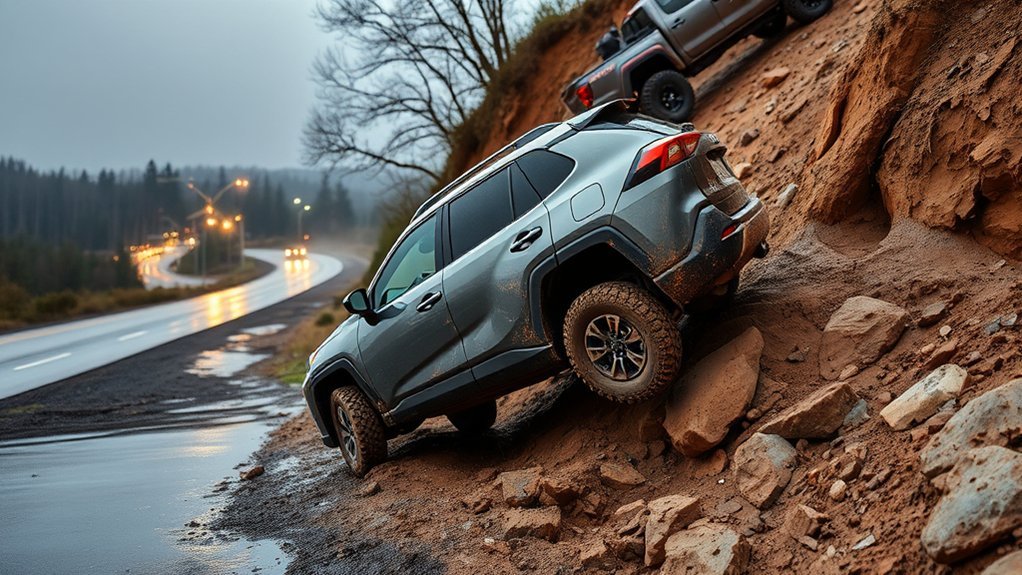
If you routinely tackle deep mud, steep inclines, loose rock, or remote trails, choose a vehicle with a true 4WD system rather than relying on RAV4 AWD. A real 4WD platform is more likely to offer low-range gearing, stronger recovery points, higher clearance, and off-road hardware built for repeated abuse.
- Deep mud and saturated trails: AWD can overheat or dig in when tires lose forward bite. Low-range 4WD and aggressive tires are better suited to this terrain.
- Steep technical climbs or descents: Low-range gearing gives better control at low speed without riding the brakes or stressing the drivetrain.
- Rocky uneven terrain: A RAV4’s independent suspension, limited clearance, and crossover underbody are not designed for repeated impacts.
- Remote overlanding: A true 4WD truck or SUV gives more margin for recovery gear, payload, tires, and trail damage.
Warning signs that your AWD is being pushed too far include repeated wheelspin, scraping the underbody, traction or temperature warnings, a burning smell, or needing recovery more than once on the same type of route.
Quick Decision Checklist: Is RAV4 AWD Enough for Your Needs?
Use this quick check before buying, upgrading, or taking your RAV4 onto a rough route.
RAV4 AWD Is Enough If
- You mostly drive on pavement, rain, light snow, or plowed roads.
- Your off-pavement use is limited to gravel roads, campsites, beach access roads where allowed, or mild forest roads.
- You are willing to turn around when ruts, rocks, mud, or water crossings look risky.
- You prioritize fuel economy, comfort, cargo space, and easy daily driving.
You Should Consider True 4WD If
- You regularly drive steep, rocky, muddy, or washed-out trails.
- You need low-range gearing for slow controlled climbs and descents.
- You plan to use larger all-terrain tires, armor, recovery gear, and heavy camping loads.
- You travel alone in remote areas where getting stuck could become a safety issue.
Driving Tips, Tires and Settings to Get the Most From RAV4 AWD
The best RAV4 AWD upgrade is not always a suspension kit. It is often the right tire, correct tire pressure, and smoother driving. NHTSA recommends checking tire pressure when tires are cold and using the vehicle manufacturer’s recommended pressure on the driver-side door label, not the maximum pressure printed on the tire.
- Use the right tires. All-season tires are fine for mild climates, but real winter tires or severe-snow-rated all-weather tires are better for frequent snow and ice.
- Check tire pressure monthly. Cold weather lowers tire pressure, which can reduce traction and fuel economy.
- Rotate tires on schedule. Even tire wear helps AWD systems work smoothly and reduces drivetrain stress.
- Select the right mode. Use Snow mode on slippery roads if equipped. Use Trail or Multi-Terrain Select only when the road surface actually calls for it.
- Drive smoothly. Avoid sudden throttle, braking, and steering inputs. Smooth inputs help traction control and AWD work better.
Pro Tip: If you drive in real winter conditions, spend money on tires before cosmetic mods. AWD can help with acceleration, but tire grip is what helps with braking, cornering, and steering control.
[Products Worth Considering]

This custom-fit car phone holder is designed for Toyota RAV4 models with a 7/8-inch screen, providing a secure and convenient mounting solution without blocking vents or sightlines. It combines magnetic alignment with fast wireless charging to keep your phone powered while offering 360-degree rotation for optimal viewing in portrait or landscape mode. Built from durable ABS material and easy to install without tools, it supports safer hands-free navigation and calling on every drive.

This custom-fit center console organizer tray adds practical storage to the Toyota RAV4 2026, helping keep small essentials neatly separated and easy to reach. Designed with precise 3D scanning for a snug fit, it creates extra usable space in the armrest area while reducing clutter and rattling. The durable insert installs easily without tools and includes a non-slip mat to help keep items in place.

These custom-fit seat covers are tailored for Toyota RAV4 gasoline models from 2019 through 2025, giving your SUV a refined interior upgrade with a precise OEM-inspired look. The spill-resistant faux leather surface helps protect against daily messes, scuffs, and pet wear while staying easy to clean, and the reinforced airbag-compatible stitching supports safety without sacrificing style. A secure strap, zipper, and Velcro installation system helps keep the covers in place for a stable, comfortable fit in all seasons.
What to Do If Your RAV4 AWD Gets Stuck
If your RAV4 gets stuck in snow, mud, sand, or a rut, stay calm and avoid flooring the accelerator. Spinning the tires can dig the vehicle deeper and overheat drivetrain parts.
- Stop and inspect the area. Check whether the vehicle is high-centered or blocked by snow, mud, rocks, or sand.
- Clear around the tires. Use a shovel, traction boards, sand, or kitty litter if available.
- Select the correct mode. Use Snow, Trail, Mud & Sand, or Rock & Dirt only if your RAV4 has that mode and the surface matches it.
- Use gentle throttle. Try a slow, steady pull rather than aggressive wheelspin.
- Rock the vehicle carefully. Shift between forward and reverse only gently and briefly. Stop if warning lights appear or you smell overheating components.
- Call for recovery early. If the vehicle is stuck to the frame or underbody, forcing it can cause expensive damage.
[Products Worth Considering]

This custom-fit center console armrest cover is designed to refresh and protect the lid on compatible Toyota RAV4 models and trims. Made to follow the console curvature for a smooth, wrinkle-free look, it helps guard against scratches, spills, dirt, and everyday wear while improving the appearance of an aging armrest. Installation is simple and the cover is tailored for a snug, secure fit across supported RAV4, RAV4 Hybrid, and RAV4 Prime vehicles.
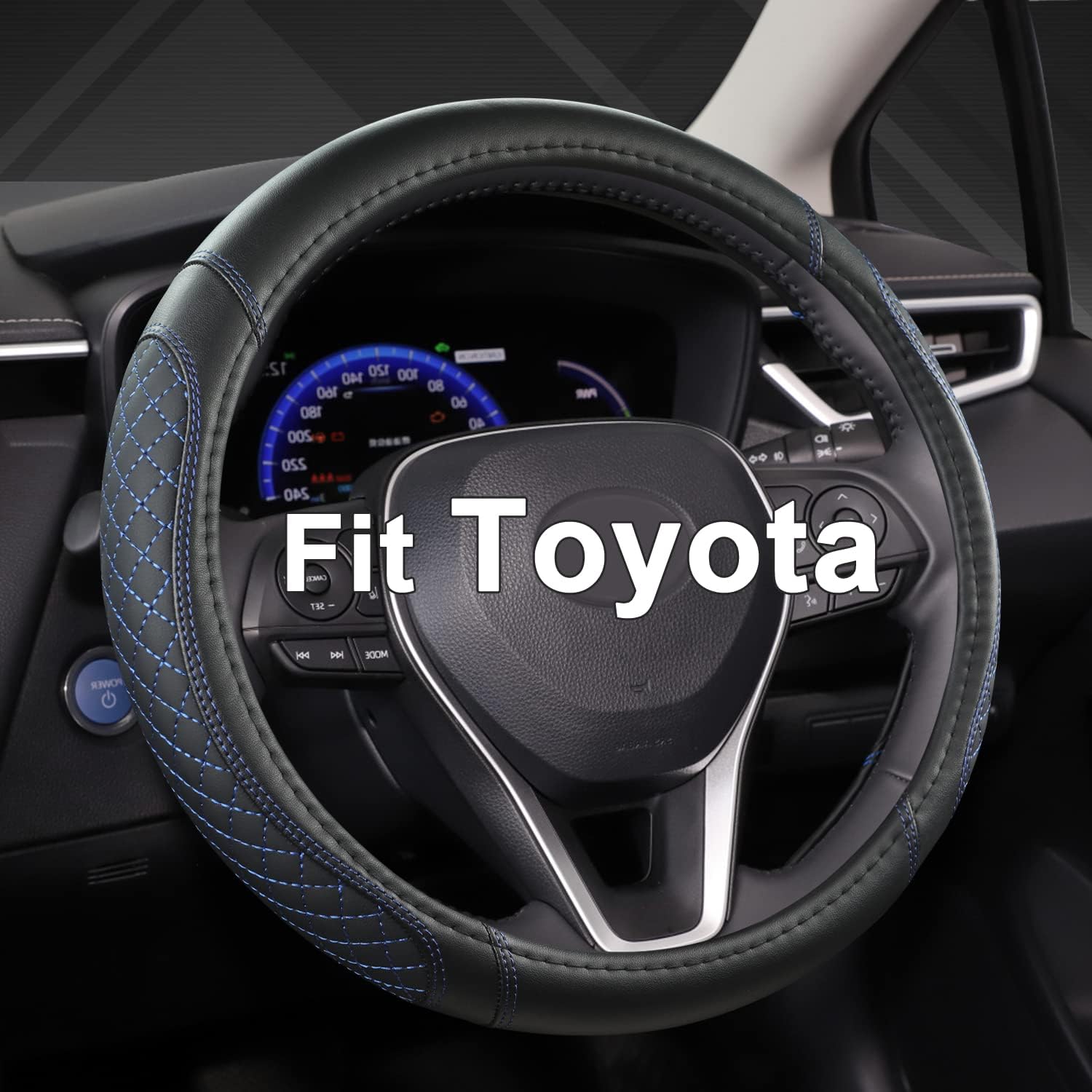
This custom-fit steering wheel cover is designed for select Toyota models and sized for standard steering wheels to help improve grip and comfort while driving. Made with soft microfiber leather and a non-slip rubber inner ring, it adds control, protects your wheel, and brings a stylish diamond-quilted look to your car interior. Installation is simple and tool-free, making it an easy upgrade for everyday driving.

Enhanced Double-Sided Traction Design: Both sides of the boards feature a diamond array construction and cross-shaped teeth to maximize friction and grip. This dual-side structure prevents wheel slippage and can also serve as a stable base for lifting or recovery on mud, sand, or snow
Upgrades and Alternatives for RAV4 Owners: Mods, Trims, or Switching to 4WD
Light upgrades can make a RAV4 AWD more useful, but they should match the vehicle’s limits. Good all-weather or all-terrain tires, a full-size emergency plan, recovery boards, and basic underbody awareness go further than extreme modifications.
For mild adventure use, consider these upgrades:
- Better tires: Choose tires that match your climate and road surface.
- Skid protection: Helpful if you often drive gravel or rough forest roads.
- Recovery basics: Carry a shovel, traction boards, gloves, flashlight, and a tire inflator.
- Roof or cargo storage: Useful for camping gear, but keep weight limits in mind.
- Trim selection: Depending on year, trims such as Adventure, TRD Off-Road, Woodland, or AWD Limited may add traction-focused hardware or modes.
If your plans include regular technical trails, deep mud, or remote multi-day routes, do not fight the platform. A Toyota Tacoma, 4Runner, Land Cruiser, or another true 4WD vehicle will give you more clearance, durability, recovery options, and low-speed control.
[Products Worth Considering]
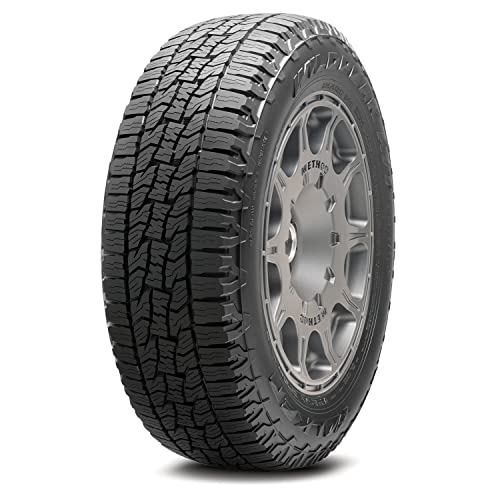
Backed by a 65,000 mile limited manufacturer tread life warranty

Backed by a 60,000 mile limited manufacturer tread life warranty

Size: 235/65R17, Tire Only - Wheel/Rim Not Included. We offer a complimentary Road Hazard Warranty for each of our tires--Coverage applies to specific failures such as bulges, air leaks, or blowouts occurring within 3 years of purchase and and within the first 4/32nds of an inch of tread wear (Since October 1, 2025).
Frequently Asked Questions
Which is better, AWD or 4WD Toyota?
AWD is better for most daily drivers because it is automatic, comfortable, and useful in rain, snow, and light dirt. True 4WD is better for serious off-road use, towing-focused truck platforms, deep mud, steep technical trails, and rock crawling.
Is every Toyota RAV4 AWD?
No. Many RAV4 gas models are front-wheel drive unless AWD was selected. Some hybrid and plug-in hybrid model years include standard AWD, while 2026 RAV4 availability depends on grade. Check the VIN, window sticker, or Toyota Owners information for your exact vehicle.
Is RAV4 AWD good in snow?
Yes, RAV4 AWD is good for normal winter driving, especially with proper winter or severe-snow-rated tires. It helps with acceleration and stability, but it does not replace safe speed, extra following distance, or tire grip when braking on snow or ice.
Can a RAV4 AWD go off-road?
A RAV4 AWD can handle light off-road driving such as gravel roads, dry dirt tracks, campsites, and mild forest roads. It is not built for deep ruts, large rocks, water crossings, or technical trails that require low-range 4WD.
Does RAV4 AWD help with braking?
AWD mainly helps put power down when accelerating. Braking depends much more on tires, road surface, speed, ABS, and driver input. On snow or ice, AWD does not remove the need for slower speeds and longer stopping distances.
Does the RAV4 have locking differentials?
Modern RAV4 models do not have mechanical locking differentials like many dedicated off-road vehicles. Some trims use brake-based traction control, Trail Mode, or torque-vectoring AWD to manage wheelspin, but that is not the same as a mechanical locker.
Conclusion
You’ve got a capable crossover if your RAV4 has AWD. It is a smart partner for rain, snow, gravel, and light adventures, but it is not a substitute for true 4WD on serious trails. Match the vehicle to the job: use proper tires and drive modes for everyday traction, and choose a real 4WD Toyota if your plans include deep mud, steep technical terrain, rock crawling, or remote off-road travel.
Sources
- Toyota USA Newsroom: 2025 Toyota RAV4 — gas RAV4 FWD/AWD availability, Dynamic Torque Vectoring AWD, Multi-Terrain Select, and torque distribution.
- Toyota USA Newsroom: 2025 RAV4 Plug-in Hybrid — Electronic On-Demand AWD and rear electric motor information.
- Toyota USA Newsroom: 2026 Toyota RAV4 — 2026 RAV4 powertrain and FWD/AWD availability by grade.
- Toyota Owners Manual: Multi-Terrain Select — official use and limitations for rough road drive modes.
- NHTSA Winter Weather Driving Tips — winter driving safety, stopping-distance caution, tire pressure, and snow tire guidance.
- NHTSA Tire Safety — tire maintenance, inflation, rotation, and safety information.