

Quick Answer
Last updated: August 26, 2026. This guide separates the regular RAV4 Hybrid from the plug-in RAV4 Prime because their battery-care requirements are different. Toyota renamed the Prime as the RAV4 Plug-in Hybrid for the 2025 model year, and the RAV4 was redesigned for 2026. Confirm all procedures in the owner’s manual for your exact model year and market.
The regular RAV4 Hybrid does not need external charging. Its hybrid system automatically manages the traction battery while driving. The most useful owner maintenance is keeping the traction-battery cooling intake clear, following Toyota’s long-storage guidance, maintaining the separate 12-volt battery, and responding correctly to warning messages.
For the 2025 Toyota RAV4 Plug-in Hybrid XSE, there is an important clarification: Toyota’s documented 2025 charging menus do not provide a user-selectable 20% minimum and 80% maximum state-of-charge limit for normal AC charging. The vehicle lets you schedule when charging starts or when it should be completed, adjust charging current, and manage battery-heater/cooler settings, but the 2025 manual does not document a target-percentage charge-limit control.
If your goal is to reduce the time the battery sits at a full displayed charge, the practical Toyota-supported method is to use Departure time scheduling so charging completes near the time you plan to drive. The approximately 80% figure mentioned in Toyota documentation applies to the separate hybrid battery charge mode, where the gasoline engine charges the traction battery while driving; it is not an 80% wall-charging limit that you can select for everyday AC charging.
| Vehicle | How the Traction Battery Charges | Main Owner Actions |
|---|---|---|
| RAV4 Hybrid | Automatically through the gasoline engine and regenerative braking | Keep the cooling intake clear, drive periodically during long storage, and follow warning messages |
| RAV4 Prime / Plug-in Hybrid | External AC charging, regenerative braking, and hybrid operation | Use charging schedules, understand that 2025 models do not provide a user-settable 20–80% AC charge limit, limit fully charged hot-weather parking, and follow long-storage guidance |
| 12-Volt Battery | Recharged while the hybrid system is operating | Prevent long-term discharge and test it if the vehicle will not enter READY mode |
- 2025 RAV4 Plug-in Hybrid XSE: there is no documented built-in setting that automatically stops normal AC charging at 80% or keeps it above 20%.
- Do not try to set the regular RAV4 Hybrid traction battery to 20% or 80%. The vehicle manages its usable charge automatically.
- Inspect the RAV4 Hybrid’s traction-battery air intake for dust, pet hair, cargo, or other blockage.
- Use only the cleaning method listed in the model-year owner’s manual. Toyota instructs owners of applicable models to use a vacuum rather than water or compressed air.
- Record the exact dashboard message. Reduced fuel economy alone does not prove that the traction battery is failing.
- For U.S.-market Toyota hybrids beginning with model year 2020, the hybrid battery is covered for 10 years or 150,000 miles, whichever comes first, subject to the warranty terms. Earlier models and other markets may differ.
Why RAV4 Hybrid Battery Maintenance Matters
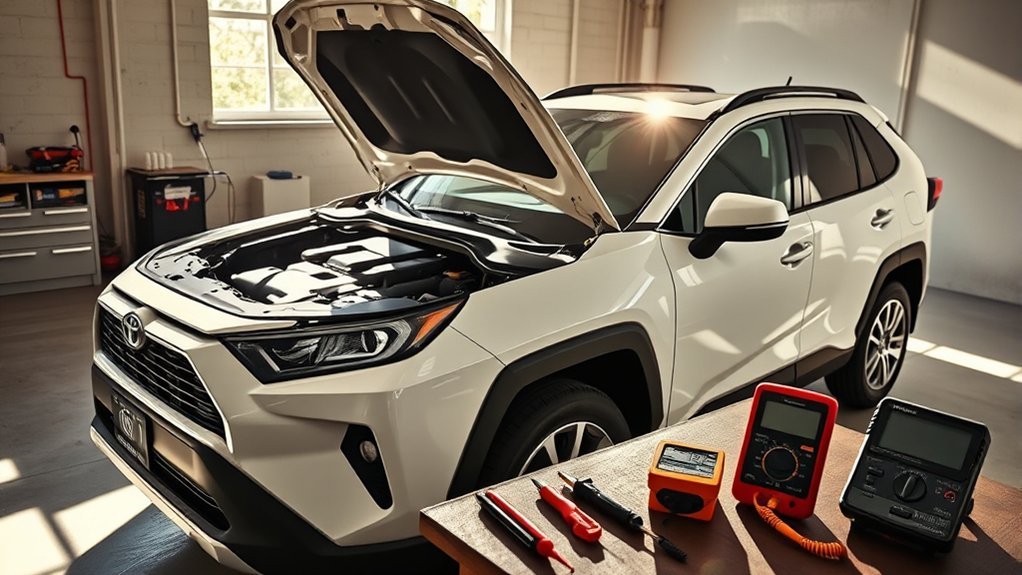
Correct battery maintenance is less about forcing a particular charge percentage and more about helping the vehicle’s built-in battery-management and cooling systems work as designed.
On the regular RAV4 Hybrid, the gasoline engine, motor-generators, regenerative braking system, and battery controls manage traction-battery charge automatically. Owners cannot plug in the traction battery or select a daily charge limit. The main owner-controlled factors are airflow through the cooling intake, long-storage use, routine vehicle maintenance, and prompt attention to warning messages.
The RAV4 Prime or Plug-in Hybrid adds external charging. Toyota’s charging guidance recommends using a schedule so the battery can finish charging close to departure. Toyota also advises avoiding high-temperature, direct-sunlight parking while the traction battery is fully charged. On the 2025 RAV4 Plug-in Hybrid, that schedule controls time, not a user-selected battery percentage.
These practices can help preserve reliable operation, but they cannot prevent every age-related, electrical, cooling, sensor, or cell fault. Battery condition should be diagnosed from warning messages, scan data, inspection results, and repeatable performance changes rather than from one fuel-economy reading.
Does a RAV4 Hybrid or Plug-in Hybrid Need Special Charging?
Does a Regular RAV4 Hybrid Need to Be Plugged In?
No. The regular RAV4 Hybrid charges its traction battery automatically through the gasoline engine and regenerative braking. The displayed battery gauge is not a direct invitation to charge the battery manually, and owners do not need to maintain a selected 20–80% range.
Do not leave the transmission in Neutral in an attempt to charge the battery. The traction battery cannot charge while the vehicle is in Neutral. Drive normally and let the hybrid control system determine when to use the engine, electric motors, and regenerative braking.
Can You Set a 20–80% Charge Limit on a 2025 RAV4 Plug-in Hybrid XSE?
No—not with the built-in 2025 Toyota AC-charging controls documented in the owner’s manual. The 2025 RAV4 Plug-in Hybrid XSE does not provide a menu where you enter a lower limit of 20% and an upper limit of 80% for normal plug-in charging.
Toyota’s 2025 Charging Settings include charging-schedule controls, charging-current adjustment, Battery Cooler, and Battery Heater. The charging schedule lets you choose when charging starts or when the vehicle should be ready, but it does not ask for a target state-of-charge percentage.
This distinction matters because an “80%” figure does appear elsewhere in Toyota documentation. In hybrid battery (traction battery) charge mode, the gasoline engine can charge the battery while the vehicle is operating, and Toyota states that the maximum charge amount in that mode is approximately 80% of the fully charged capacity available from an external power source. That is an automatic limit of engine-powered Charge mode; it is not a selectable 80% cap for Level 1 or Level 2 AC charging.
How Do You Set the Charging Schedule on a 2025 RAV4 Plug-in Hybrid XSE?
For a 2025 XSE with the 12.3-inch multi-information display, Toyota documents this general path:
-
- \t
- With the vehicle safely parked, use the steering-wheel meter controls and press and hold OK to bring up the cursor on the center display area.
\t
-
- Select the Settings gear and press OK.
\t
-
- Select Vehicle Settings, then press and hold OK.
\t
-
- Select Charging Settings and press OK.
\t
-
- Select Charging Schedule and press OK.
\t
-
- Select Scheduled Events and press OK.
\t
-
- Select the + item to add a new event.
\t
-
- Choose Start / Start at set time if you want charging to begin at a specific time, or Departure / Departure time if you want the vehicle to plan charging so it finishes by a specific time.
\t
-
- Set the time, choose repeat days if desired, set Climate Prep when offered with Departure mode, and save the event.
\t
- Turn the vehicle off and connect the AC charging cable. If a schedule is active, the vehicle can wait until the scheduled event instead of charging immediately.
On the equipped multimedia display, Toyota also documents a charging-schedule screen. With the power switch in ON rather than ACC, open the vehicle menu, select Charging schedule, choose Add, select Start at set time or Departure time, enter the time, select repeat days if needed, and save.
Important: these steps schedule charging by time. They do not create a 20% floor or 80% ceiling.
For a more detailed timer walkthrough, see the site’s RAV4 Prime / Plug-in Hybrid charging schedule guide. You can also review Toyota’s 2025 RAV4 Plug-in Hybrid owner’s manual.
What Should You Do If You Prefer Not to Leave the 2025 XSE Fully Charged for Long?
Use Departure time scheduling when practical. Instead of charging to a full displayed level many hours before you leave, the vehicle estimates when charging should begin so it can finish near the departure time you set.
If you personally want to stop around an indicated 80%, the 2025 vehicle does not provide an automatic percentage target for normal AC charging. You would have to stop the AC session manually or use time-based charging as an approximation. A basic external J1772 EVSE timer normally controls power availability by time; it should not be assumed to know the RAV4’s exact battery state of charge.
Do not deliberately run the traction battery to an extremely low state just to reach a 20% target. When EV driving range is depleted, the plug-in hybrid system can transition to hybrid operation and manages the traction battery for continued vehicle operation.
Should You Charge a RAV4 Prime or 2025 RAV4 Plug-in Hybrid to 100%?
Toyota’s owner guidance allows the RAV4 Prime / Plug-in Hybrid to complete a full displayed AC charge. When practical, use the vehicle’s charging schedule so charging finishes shortly before departure rather than leaving the vehicle fully charged for a long period.
In high temperatures, avoid leaving the fully charged vehicle parked in direct sunlight. For long storage, Toyota advises leaving a low indicated charge and confirming that the vehicle has switched from EV or AUTO EV/HV operation to HV mode before turning it off.
Review Toyota’s exact model-year owner’s manual rather than applying a universal 20–80% rule from a different EV or PHEV.
| Situation | RAV4 Hybrid | RAV4 Prime / Plug-in Hybrid |
|---|---|---|
| Daily use | Drive normally; the vehicle manages traction-battery charge | Charge as needed for the next trip |
| 2025 user-settable 20–80% limit | Not applicable; charge is automatically managed | Not documented as an available AC-charging setting on the 2025 RAV4 Plug-in Hybrid |
| Charging schedule | Not applicable | Choose Start or Departure timing; Departure is useful for finishing near the time you plan to drive |
| Engine-powered Charge mode | Not a selectable plug-in feature | Toyota states this mode stops at approximately 80% of the externally fully charged capacity; this is not an AC charge-limit setting |
| Hot-weather parking | Use shade when practical and keep the cooling intake clear | Avoid high-temperature direct sunlight while fully charged |
| Long storage | Drive at least once every few months for at least 30 minutes or 10 miles | Leave a low indicated traction-battery charge and follow the model-year manual |
What Warning Signs Need a Hybrid Battery Check?
A warning message, reduced fuel economy, unusual battery-gauge behavior, increased engine use, or reduced power may justify inspection, but none of these symptoms alone proves that the traction battery has failed.
Start by recording the exact message and the conditions under which it appeared. Do not clear diagnostic codes before they have been scanned and documented.
[Products Worth Considering]

This coolant electric water pump is designed as a replacement for select Toyota vehicles, helping maintain proper engine cooling performance and reliable temperature control. Built to OE specifications, it offers fitment support for compatible Avalon, Camry, and RAV4 models with 2.5L L4 engines. It also includes cross-reference part numbers for easier matching and comes with after-sales support for covered defects.

This engine water pump kit is designed to help maintain reliable cooling performance across a wide range of compatible Toyota, Lexus, Scion, and Pontiac vehicles. Built with aluminum and tested for leak-free operation, it offers a direct replacement solution that supports engine efficiency and long-term service life. The kit includes a professional water pump and gasket for a convenient installation-ready repair.

This professional water pump kit is designed as a direct OE replacement for select Toyota and Lexus 3.5L V6 vehicles, helping restore reliable engine cooling performance. Built to strict quality standards and tested for leak-free operation, it includes the necessary gasket for easier installation and a secure fit. It offers a practical upgrade for drivers seeking dependable cooling system maintenance and long-lasting performance.
Which Dashboard Messages Matter?
A message such as “Hybrid System Malfunction” means the vehicle detected a fault involving the hybrid powertrain or a related system. It does not identify the traction battery as the failed part. The cause could involve the 12-volt supply, engine controls, cooling, wiring, sensors, the inverter, control modules, or the traction battery.
If the display shows “Maintenance Required for Traction Battery Cooling Parts See Owner’s Manual,” inspect the cooling intake and filter using the instructions for your model year. If the message remains after approved cleaning, arrange professional inspection.
If a warning tells you to stop, the vehicle will not enter READY mode, power is severely reduced, or you notice smoke, a burning odor, abnormal heat, or unusual electrical noise, stop in a safe place and arrange qualified assistance.
For a deeper warning-message diagnostic path, see the RAV4 Hybrid system malfunction guide.
Does Lower Fuel Economy Mean the Battery Is Failing?
Not necessarily. Fuel economy can change because of outside temperature, cabin heating or air conditioning, tire pressure, tire type, roof cargo, short trips, traffic, driving speed, fuel formulation, engine maintenance, or a hybrid-system problem.
Compare several tanks under similar conditions rather than reacting to one trip or one dashboard estimate. A repeatable decline combined with warning messages, fast battery-gauge swings, increased engine operation, or loud cooling-fan activity deserves professional diagnosis.
| Observation | What It May Mean | Next Step |
|---|---|---|
| One low-MPG trip | Weather, traffic, speed, HVAC use, or trip length | Continue monitoring under similar conditions |
| Repeated MPG decline | Maintenance, tire, engine, cooling, or hybrid-system issue | Check basic maintenance and arrange diagnosis if it continues |
| MPG decline plus warning message | Stored fault requiring code-based diagnosis | Record the message and obtain a Toyota-compatible scan |
| Cooling-parts warning | Blocked intake, clogged filter, duct problem, or related fault | Follow the owner’s-manual inspection and cleaning procedure |
What Performance Changes Should You Record?
Useful observations include a battery gauge that moves unusually quickly between high and low, the gasoline engine running more often under similar conditions, a cooling fan that has become noticeably louder, reduced EV range on a Prime after accounting for weather and HVAC use, reduced power, or repeated hybrid warnings.
Record the outside temperature, trip type, displayed message, recent maintenance, fuel economy, and whether the symptom repeats. This information is more useful to a technician than a general statement that the vehicle “feels sluggish.”
Do not touch, disconnect, probe, or remove orange high-voltage cables, service plugs, traction-battery covers, or high-voltage connectors. High-voltage diagnosis and repair require trained personnel and appropriate protective equipment.
How Does Temperature Affect a RAV4 Hybrid Battery?
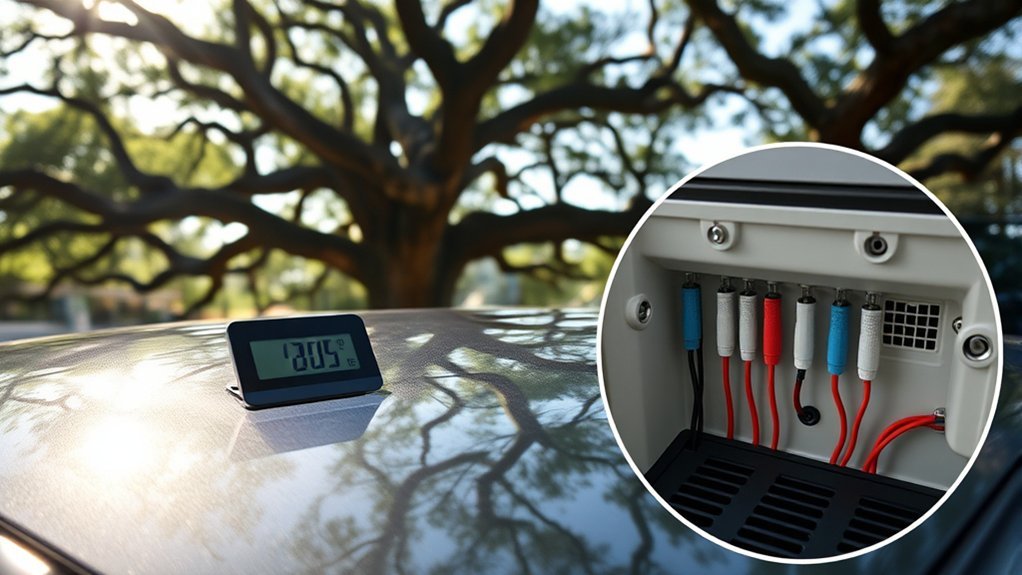
Temperature affects charging, electric range, engine use, and available battery power, but the owner does not need to maintain a manually selected traction-battery temperature. The vehicle’s control and cooling systems manage battery operation within protected limits.
Owner actions should focus on reducing avoidable heat exposure, keeping cooling airflow clear, using available Prime charging-temperature features as described in the manual, and recognizing that temporary cold-weather range loss does not automatically mean permanent degradation.
How Can You Reduce Heat Stress?
Park in shade or a garage when practical. Do not cover or block the traction-battery cooling intake with cargo, seat covers, clothing, pet hair, or debris.
For the RAV4 Prime or Plug-in Hybrid, avoid leaving the vehicle fully charged in high temperatures and direct sunlight. Use the charging schedule so charging finishes closer to departure when practical.
If your Prime has battery-heater or battery-cooler settings, use them according to the model-year owner’s manual. Feature availability and operation can vary by year, market, charging voltage, and temperature.
What Changes in Cold Weather?
Cold weather can temporarily reduce electric range and increase gasoline-engine operation. Cabin heat, defrosting, short trips, cold tires, and battery protection controls can all affect the result.
A lower winter EV-range estimate on a Prime or more frequent engine use on a Hybrid does not by itself prove battery degradation. Compare performance in similar temperatures and driving conditions before assuming a fault.
In extremely cold conditions, follow the model-year manual for starting, charging, battery-heater operation, and warning messages. Do not place an improvised heater, insulation blanket, or heat source against the traction battery or cooling intake.
What Temperature Controls Can the Owner Use?
- Parking: Use shade or covered parking when practical, especially before or after charging a Prime.
- Cooling Airflow: Keep the traction-battery air intake and filter unobstructed on models that use a cabin-air cooling path.
- Charging Schedule: On the Prime, set charging to finish near departure rather than leaving the vehicle fully charged longer than necessary.
- Factory Features: Use the vehicle’s battery heater or cooler only as described in the owner’s manual.
- Diagnosis: Treat persistent temperature, overheating, reduced-power, or cooling-parts warnings as service issues rather than trying to bypass the protection system.
Which Driving Habits Support Battery Health?
Use smooth acceleration and progressive braking when traffic allows. On the RAV4 Prime, Toyota specifically advises avoiding frequent sudden acceleration and deceleration in EV driving and avoiding frequent operation near the top EV-driving speed.
Normal regenerative braking is part of the vehicle’s design. You do not need to force regeneration, repeatedly drain the battery, or perform special charge cycles to “condition” the regular RAV4 Hybrid battery.
If a regular RAV4 Hybrid is parked for an extended period, Toyota instructs owners to drive it at least once every few months for at least 30 minutes or 10 miles. This is long-storage guidance, not a requirement to drive for 20–30 minutes every week.
Occasional gasoline-engine operation in the Prime is normal. Do not try to prevent the engine from starting when the vehicle determines that engine operation is needed for power, temperature control, fuel-system needs, defrosting, or hybrid-system protection.
RAV4 Hybrid Battery Maintenance Checklist
Safety: Owner maintenance should be limited to procedures approved in the owner’s manual. Do not touch orange high-voltage components, the traction-battery service plug, battery covers, or high-voltage connectors.
- Identify the Battery: The high-voltage traction battery is different from the separate 12-volt auxiliary battery. A no-start condition can be caused by the 12-volt battery even when the traction battery is healthy.
- Keep the Cooling Intake Clear: Check the intake area for dust, pet hair, fabric, luggage, or other obstructions.
- Inspect the Filter: Follow the model-year manual for intake-filter access. Location and fasteners may differ by generation.
- Use a Vacuum: Toyota instructs owners of applicable RAV4 Hybrid models to remove dust with a vacuum. Do not use water or compressed air, which can push debris into the duct or damage components.
- Reinstall Every Part Correctly: Do not drive without the specified filter, intake cover, or clips in place.
- Monitor the 12-Volt Battery: Have it tested after repeated no-starts, a deep discharge, long storage, or unrelated electronic warnings.
- Follow Warning Messages: Record the exact wording and arrange diagnosis if a warning remains after the owner’s-manual correction procedure.
Toyota’s detailed procedure is available in its RAV4 Hybrid cooling-intake instructions. For additional explanation, see the site’s RAV4 hybrid battery cooling-system guide.
[Products Worth Considering]

This front stabilizer sway bar link set is designed to restore smooth, controlled handling and reduce clunking noises caused by worn suspension components. Built with a zinc-nickel alloy coating, carbon steel, and reinforced ball studs, it offers strong corrosion resistance and durable performance for a wide range of Toyota, Lexus, and Scion models. It is engineered for straightforward installation and reliable OE-style fitment.
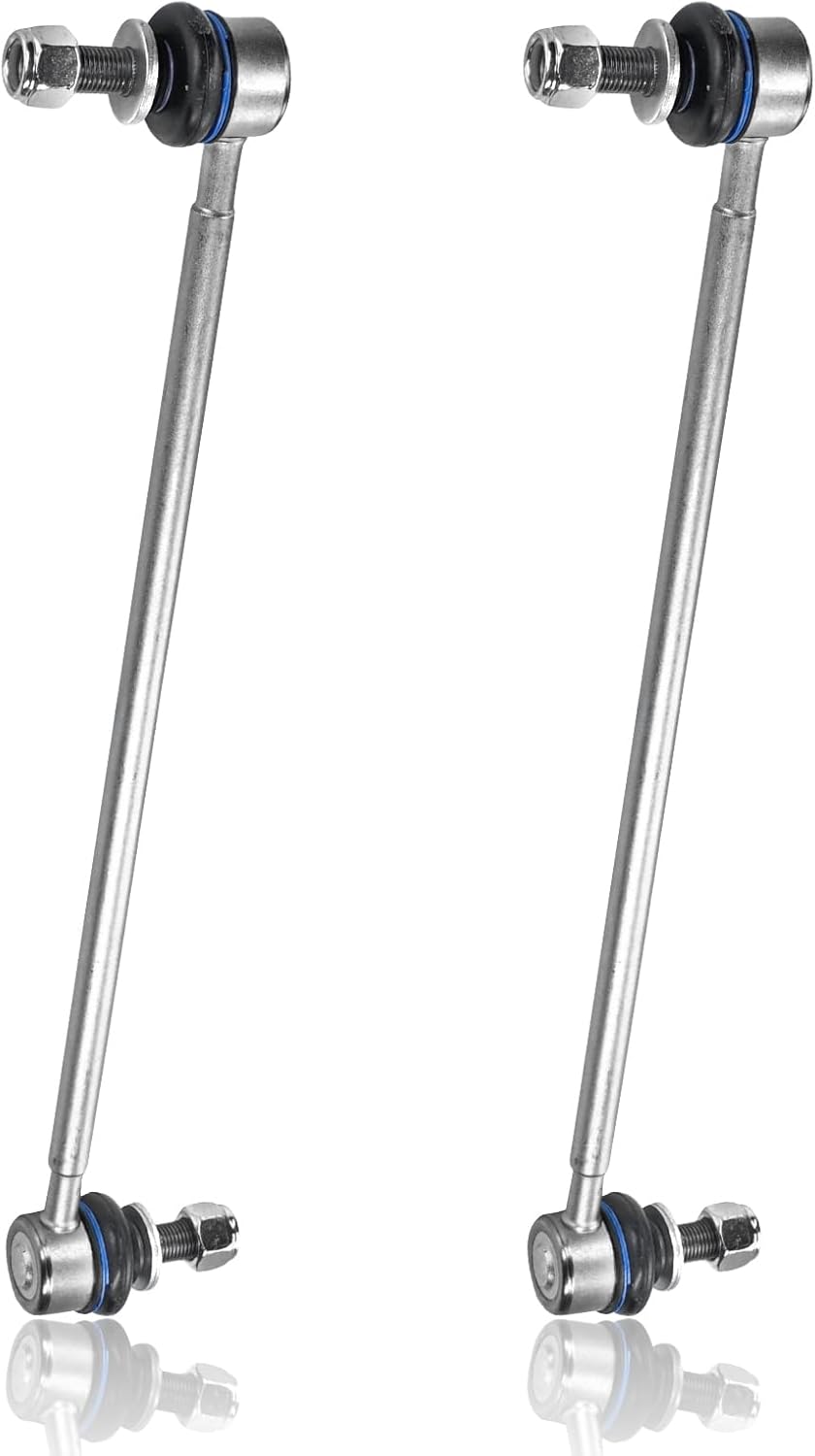
These front stabilizer sway bar end links are designed to restore smooth, stable handling and reduce noise and vibration during turns and over bumps. Compatible with select Toyota, Prius, and Scion models, they offer a reliable replacement built to meet manufacturing standards with corrosion-resistant coating and a strong, durable body.

Fitment & Compatibility – HV Battery Cooling Air Filter Compatible with 2019 2020 2021 2022 2023 2024 Toyota RAV4 Hybrid & RAV4 Prime | 2021 2022 2023 2024 Toyota Venza
How Should You Store a RAV4 Hybrid or Prime?
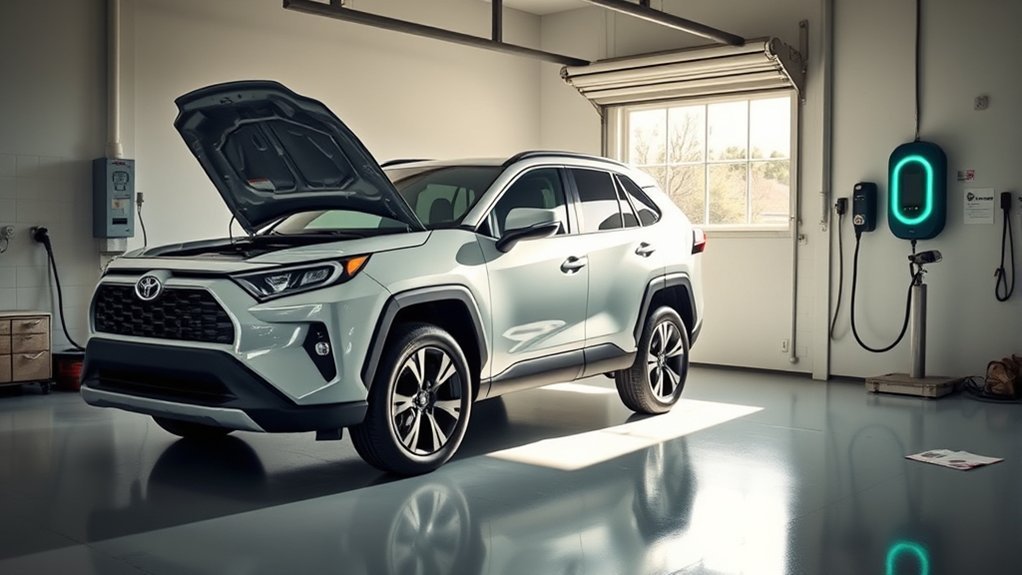
Storing a Regular RAV4 Hybrid
The regular RAV4 Hybrid traction battery cannot be charged from an external source. If the vehicle will remain parked for a long time, Toyota instructs owners to drive it at least once every few months for at least 30 minutes or 10 miles.
Do not leave the vehicle running in a closed garage. The gasoline engine can start automatically while the vehicle is in READY mode, creating a carbon-monoxide hazard.
Storing a RAV4 Prime or Plug-in Hybrid
Toyota advises leaving a low indicated traction-battery charge when the Prime will be undriven for a long period. Confirm that the vehicle has switched from EV or AUTO EV/HV operation to HV mode before shutting it down, and follow the storage instructions in the exact model-year manual.
Do not assume that a generic 50%, 75%, or 80% storage target applies to every RAV4 Prime model. Use Toyota’s instructions rather than a universal internet percentage.
Protecting the 12-Volt Battery
The 12-volt battery gradually discharges while the vehicle is parked because of natural discharge and electrical loads. If it becomes discharged, the hybrid system may not enter READY mode even when the traction battery contains energy.
For long storage, ask a Toyota dealer or qualified battery professional whether a compatible smart maintainer is appropriate for your exact battery and vehicle. Follow the charger’s safety instructions and the model-year owner’s manual. A 12-volt maintainer does not charge the high-voltage traction battery.
What Is the RAV4 Hybrid Battery Warranty?
For U.S.-market Toyota hybrid vehicles beginning with model year 2020, Toyota lists hybrid-battery coverage of 10 years or 150,000 miles from the original date of first use, whichever comes first. Coverage is subject to the terms and conditions in the applicable New Vehicle Limited Warranty.
Other hybrid-related components can have different coverage periods. Earlier RAV4 Hybrid model years, certified used vehicles, emissions coverage, replacement parts, and vehicles sold outside the United States may also have different terms.
Do not assume that coverage begins at a universal 70% capacity threshold. Review the warranty booklet for the vehicle’s exact model year, market, original in-service date, mileage, and ownership status.
See Toyota’s official hybrid battery warranty announcement and the warranty guide supplied with the vehicle.
When Does a RAV4 Hybrid Battery Need Replacement?
Toyota does not prescribe a fixed traction-battery replacement age or mileage for every RAV4. Replacement should be based on a confirmed fault, battery-condition data, warning messages, diagnostic trouble codes, and the repair options available for the exact vehicle.
Before approving replacement, ask the repair facility for:
- The exact warning messages and diagnostic trouble codes.
- The test results that identify the traction battery as the failed component.
- Confirmation that the cooling intake, filter, duct, fan, wiring, sensors, 12-volt supply, and related controls were evaluated where relevant.
- Whether the proposed battery is new, remanufactured, rebuilt, or used.
- The parts warranty, labor warranty, core charge, taxes, programming, and disposal fees.
- Confirmation of any remaining Toyota, emissions, certified-used, or replacement-parts coverage.
| Decision Factor | What to Confirm | Why It Matters |
|---|---|---|
| Diagnosis | Codes, test data, symptoms, and failed component | Prevents replacing the battery for an unrelated fault |
| Battery Source | New, remanufactured, rebuilt, or used | Affects expected service life, price, and warranty |
| Coverage | Toyota, emissions, used-vehicle, or parts warranty | May change the owner’s out-of-pocket cost |
| Included Work | Labor, programming, coolant, hardware, taxes, and disposal | Allows accurate comparison between quotes |
Owner forums can help reveal questions to ask, but forum prices and outcomes are anecdotal. Use an itemized local quote and documented diagnosis for the repair decision.
[Products Worth Considering]

OBD2 SCANNER & BATTERY TESTER IN ONE – The INNOVA 5210 OBD2 scanner not only reads and clears check engine light and ABS codes (coverage may vary) but also functions as a car battery tester to check alternator health and prevent unexpected breakdowns.

NOTE: This device requires a compatible third-party app to operate and is primarily designed for standard OBD-II diagnostics (excluding ABS/SRS, oil light or service reset, etc.). Please check the product description for compatible apps and supported functions.
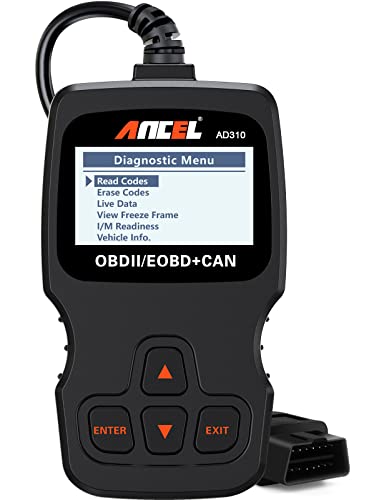
CEL Doctor: The ANCEL AD310 is one of the best-selling OBD II scanners on the market and is recommended by Scotty Kilmer, a YouTuber and auto mechanic. It can easily determine the cause of the check engine light coming on. After repairing the vehicle's problems, it can quickly read and clear diagnostic trouble codes of emission system, read live data & hard memory data, view freeze frame, I/M monitor readiness and collect vehicle information.
Frequently Asked Questions
How Do You Maintain a RAV4 Hybrid Battery?
Let the regular RAV4 Hybrid manage its traction-battery charge automatically. Keep the battery cooling intake and filter clear, follow the model-year maintenance guide, drive the vehicle periodically during extended storage, maintain the 12-volt battery, and respond promptly to warning messages.
Do You Need to Keep a RAV4 Hybrid Between 20% and 80%?
No. The non-plug-in RAV4 Hybrid controls its own usable state of charge, and the owner cannot select a manual 20–80% range. For a 2025 RAV4 Plug-in Hybrid, Toyota documents time-based charging schedules rather than a user-settable 20–80% AC charge limit.
Can I Set an 80% Charging Limit on a 2025 RAV4 Plug-in Hybrid XSE?
Not through the built-in normal AC-charging settings documented by Toyota for the 2025 model. You can schedule a Start time or Departure time, but you cannot enter “80%” as the automatic stop target. The approximately 80% limit described for hybrid battery charge mode applies when the gasoline engine is charging the traction battery, not when the vehicle is plugged into an AC charger.
How Do I Schedule Charging on a 2025 RAV4 Plug-in Hybrid XSE?
Open Vehicle Settings, then Charging Settings, Charging Schedule, and Scheduled Events on the multi-information display. Add an event, choose Start or Departure timing, set the time and repeat days, and save. On the multimedia display, open Charging schedule, select Add, choose Start at set time or Departure time, set the schedule, and save.
How Long Does a RAV4 Hybrid or Prime Battery Last?
There is no single replacement age that applies to every vehicle. Battery life varies with age, use, temperature, cooling, storage, and component condition. For U.S.-market Toyota hybrids beginning with model year 2020, the hybrid battery warranty is 10 years or 150,000 miles, whichever comes first, subject to the warranty terms.
How Often Should You Drive a Stored RAV4 Hybrid?
For a regular RAV4 Hybrid parked for a long period, Toyota instructs owners to drive it at least once every few months for at least 30 minutes or 10 miles. The separate 12-volt battery may require additional storage planning.
Should You Fully Charge a RAV4 Prime or 2025 RAV4 Plug-in Hybrid?
Toyota permits a full displayed AC charge and recommends using the charging schedule so charging can finish close to departure. The 2025 model does not provide a documented user-settable 80% AC charge cap. Avoid leaving the vehicle fully charged in high temperatures and direct sunlight, and follow Toyota’s separate low-charge guidance for long storage.
Can Reduced Fuel Economy Prove the Hybrid Battery Is Bad?
No. Lower fuel economy can result from weather, HVAC use, tires, traffic, short trips, speed, engine maintenance, or many other faults. A repeated decline combined with warning messages or abnormal hybrid behavior should be diagnosed with scan data and inspection.
Wrapping Up
Correct RAV4 battery care begins by identifying which model and which battery you are dealing with. The regular RAV4 Hybrid manages its traction-battery charge automatically. The RAV4 Prime or Plug-in Hybrid adds external charging, charging schedules, and model-specific hot-weather and storage guidance. Both vehicles also have a separate 12-volt battery that can cause a no-start condition.
For the 2025 RAV4 Plug-in Hybrid XSE, the most important correction is that there is no documented built-in 20–80% target for normal AC charging. Use Start or Departure scheduling when you want to control charging time; use Departure scheduling when you want the battery to finish charging closer to when you drive. Do not confuse the approximately 80% ceiling of engine-powered hybrid battery Charge mode with an 80% wall-charging setting.
Keep the approved traction-battery cooling path clear, follow the exact model-year owner’s manual, record warning messages before clearing them, and use a qualified hybrid technician when a warning persists. These steps are more useful than forcing a generic charge percentage or replacing a battery based on fuel economy alone.




This article does NOT tell you how to setup the battery charging between 20-80% in a typical 2025 TOYOTA RAV4 PLUG-IN HYBRID XSE. Instead it tell you the benefits of not over charging or undercharging that we all know.
Thank you for pointing this out. You’re right that the article needed to be clearer about the 2025 Toyota RAV4 Plug-in Hybrid XSE. I’ve updated it with the actual charging-schedule steps and an important clarification: the 2025 model does not have a built-in setting that lets you select a 20% minimum and 80% maximum for normal plug-in charging. Toyota provides Start Time and Departure Time scheduling instead. The ‘about 80%’ figure in Toyota documentation refers to the engine-powered Charge Mode, not an 80% AC charging limit. Thanks again for the helpful feedback—I’ve revised the article to make this much clearer.
[…] blockage, stored diagnostic codes, and high-voltage battery health. See the site’s RAV4 hybrid battery health guide for related maintenance […]
[…] For practical day-to-day charging strategies and state-of-charge management, refer to the site’s guide on how to maintain RAV4 Hybrid and Prime battery health. […]