

You’re looking at a 100 Series Toyota Land Cruiser or Lexus LX470 because you want one SUV that can commute, haul a family, tow, crawl through rough trails, and still feel solid decades later. That reputation is real, but these trucks are old enough that condition matters more than badge. A clean, documented 100 Series can be a dependable long-term rig; a rusty, neglected one can quickly become expensive.
Quick Answer
The 100 Series Land Cruiser and LX470 are excellent used 4x4s if you buy on condition, not mileage alone. Prioritize rust-free frames, documented timing-belt service, healthy cooling systems, smooth transmissions, good suspension components, and a clean recall/service history before spending money on off-road upgrades.
Key Takeaways
- The 100 Series is best for buyers who want comfort, durability, full-time 4WD, and strong aftermarket support in one platform.
- The biggest buying risks are rust, neglected timing-belt service, overheating history, worn front-end parts, AHC suspension problems on LX470 models, and poor maintenance records.
- Early U.S. Land Cruisers may have an optional rear locker, but most later trucks rely on a lockable center differential and traction control rather than front/rear locking differentials.
- Use the owner’s manual and VIN-specific service information before choosing fluids, because transmission fluid requirements vary by year and transmission.
- Do baseline maintenance, tires, recovery points, and protection before adding lifts, bumpers, dual batteries, or aftermarket lockers.
At a Glance
| Best Use | Family travel, towing, overlanding, mild-to-serious off-road use, and long-distance touring |
| Years Covered | 1998–2007 Toyota Land Cruiser 100 Series and Lexus LX470 |
| Main Engine | 4.7L 2UZ-FE V8 in North American gasoline models |
| Inspection Difficulty | Moderate; a professional pre-purchase inspection is strongly recommended |
| Biggest Cost Risks | Rust repair, timing-belt/water-pump service, transmission neglect, AHC suspension, tires, and front-end wear |
Who the 100 Series / LX470 Is Right For

The 100 Series Land Cruiser and Lexus LX470 are right for you if you want a dependable, comfortable, body-on-frame SUV that can handle bad roads, snow, towing, camping trips, and daily driving without feeling fragile. Toyota’s U.S. newsroom notes that the 100 Series introduced independent front suspension to the Land Cruiser and used a 4.7L V8 rated at 230 horsepower when new, with output increasing for 2006 models. Toyota’s Land Cruiser history is a useful source for the model’s basic evolution.
You’ll like this platform if you value smooth power, quiet highway manners, a spacious cabin, and a huge community of owners who have already solved most common maintenance and modification questions. It is also a smart pick if you want one vehicle that can be built slowly: tires first, then protection, suspension, electrical upgrades, and traction improvements as your trips demand more.
The 100 Series is not the right choice if you need low fuel costs, compact city parking, modern infotainment, cheap tires, or sports-car handling. Fuel economy is one of the major tradeoffs: the EPA lists the 2007 Toyota Land Cruiser Wagon 4WD at 12 mpg city, 15 mpg highway, and 13 mpg combined.
Land Cruiser vs. LX470: Quick Differences
| Model | Why Choose It | What to Watch |
|---|---|---|
| Toyota Land Cruiser | Slightly simpler image, excellent parts support, strong resale, and a more utility-focused feel. | Rust, timing-belt history, front-end wear, and whether early locker equipment is actually present. |
| Lexus LX470 | More luxury equipment, quieter cabin, Adaptive Variable Suspension/Active Height Control on many examples, and often careful ownership. | AHC leaks or height-control faults, aging navigation/audio parts, and higher complexity. |
Note: Do not assume every 100 Series has front and rear lockers. Most U.S. trucks have full-time 4WD with a lockable center differential; some early Land Cruisers had an optional rear locker, while later models rely heavily on traction control.
How to Inspect a Used 100 Series Before You Buy
Before buying a 100 Series or LX470, inspect it like an expedition truck, not just a used SUV. Start with the frame and body, then move to drivetrain fluids, suspension, electronics, service records, and a real road test. The goal is not to find a perfect truck; it is to avoid a neglected one that will need years of catch-up maintenance.
[Products Worth Considering]

This all-in-one roadside emergency kit is designed to help drivers handle common breakdowns, minor repairs, and first aid needs with confidence. It includes a portable air compressor with tire pressure measuring and memory settings, safe jumper cables, and a versatile 14-in-1 pliers tool set, all organized for easy trunk storage. With a wide range of emergency supplies packed into one compact case, it is a practical choice for new drivers, daily commuters, and anyone preparing for unexpected roadside situations.

These off-road traction boards are designed to help vehicles recover from mud, sand, and snow with reliable grip and easier ramp-up. Their double-sided diamond construction, cross-shaped teeth, and contoured ramps improve traction while the durable polypropylene build stays flexible in harsh conditions. Convenient mounting points, ergonomic handles, and a visible leash make them practical to carry, store, and retrieve when recovery is needed.

This dog car seat cover helps keep your back seat clean, protected, and comfortable during travel with pets or kids. Its universal fit works with most cars, trucks, and SUVs, while waterproof, non-slip construction and adjustable straps help keep the cover secure and your interior shielded from dirt, fur, scratches, and spills.
Exterior And Frame
A thorough exterior and frame inspection tells you more about the truck’s future than shiny paint does. Walk around the body panels, door seams, tailgate, rocker areas, rear quarter panels, and undercarriage. Look for mismatched paint, overspray, missing VIN stickers, bubbling paint, fresh undercoating over scale, bent skid plates, and evidence of previous accident repairs.
- Check the frame rails, rear crossmember, trailing-arm mounts, spring perches, body mounts, and fuel-tank area for rust.
- Use a flashlight and inspection mirror; heavy rust often hides above skid plates and around rear suspension mounts.
- Look for fresh black paint or undercoating that may be covering corrosion.
- Inspect panel gaps, bumper alignment, mud flaps, tailgate operation, and roof-rack mounting points.
- Check glass, lights, mirrors, and weatherstripping for signs of water leaks or hard trail use.
Warning: Walk away from severe frame rust unless you are buying a parts truck or have priced professional structural repair. A clean drivetrain cannot make a rotten frame safe or affordable.
Drivetrain And Fluids
Once the body and frame look acceptable, move to the drivetrain and fluids. Leaks, smells, and fluid color tell you how the truck has been maintained. Check the engine, radiator, transmission, transfer case, front differential, rear differential, steering rack, power-steering lines, axle seals, and knuckles.
- Look for pink crust or dried coolant near the radiator, water pump, hoses, and heater connections.
- Check for oil leaks at valve covers, cam seals, front crank seal, rear main area, and oil pan.
- Inspect transmission fluid condition if the model has a dipstick; burnt smell or dark fluid is a red flag.
- Look at differential and transfer-case drain/fill plugs for leaks, stripped heads, or signs they have never been touched.
- Check tire wear. Cupping, feathering, or mismatched tire sizes can point to worn suspension, alignment problems, or neglected rotations.
- On the test drive, feel for delayed engagement, harsh shifts, torque-converter shudder, vibration under load, driveline clunks, humming wheel bearings, or steering wander.
Interior, Electronics And AHC
The cabin should feel solid even at high mileage. Test every window, lock, seat switch, mirror, sunroof, climate-control function, rear HVAC control, audio button, gauge light, and warning lamp. On LX470 models with Active Height Control, cycle the suspension through its height settings and make sure it raises and lowers smoothly without warning lights, uneven ride height, or fluid leaks.
- Check for damp carpet under floor mats and in the cargo area.
- Confirm the four-wheel-drive controls work, including low range and center-differential lock where equipped.
- Watch for ABS, VSC, TRAC, height-control, check-engine, or airbag lights that have been cleared but return after driving.
- Inspect the driver’s seat, steering wheel, pedals, and cargo trim for wear that does not match the claimed mileage.
Paperwork, VIN And Service History
Service history can be the difference between a bargain and a money pit. Ask for receipts, not just verbal claims. Confirm timing-belt and water-pump service, coolant service, transmission service, differential and transfer-case service, brake work, suspension repairs, tire age, and battery age. Use the Toyota recall lookup or the NHTSA recall tool with the VIN before purchase.
Pro Tip: A higher-mile truck with receipts, clean fluids, matching tires, and a rust-free frame is usually a better buy than a lower-mile truck with no records and obvious neglect.
Common Mechanical & Electrical Issues (100 Series / LX470)
The 100 Series Land Cruiser and LX470 are durable, but they are not maintenance-free. Most problems are age-related: rubber hardens, fluids get skipped, electrical contacts corrode, and heavy trucks wear suspension parts. Use the list below as a buyer’s checklist and an ownership priority list.
| Issue | Signs To Check | Best Fix |
|---|---|---|
| Timing belt and water pump age | No sticker, no receipt, coolant seepage, unknown service history. | Replace the belt, water pump, tensioner, idlers, thermostat, and related seals as a complete service when history is unknown. |
| Cooling-system neglect | Overheating, old radiator, weak fan clutch, coolant crust, stained reservoir, or mixed coolant. | Refresh the radiator, hoses, thermostat, cap, water pump, and coolant with correct Toyota-compatible parts and fluid. |
| Transmission wear or wrong fluid | Harsh shifts, shudder, delayed engagement, burnt fluid, or undocumented service. | Use the exact fluid required for the year/transmission and service it carefully; avoid universal guesses. |
| Front suspension and ball joints | Clunks, wandering, uneven tire wear, torn boots, loose steering, or poor alignment. | Inspect upper/lower ball joints, control-arm bushings, tie rods, steering rack, and shocks; replace worn parts before trail use. |
| LX470 AHC suspension problems | Uneven height, warning lights, harsh ride, sagging, leaking globes/lines, or slow height changes. | Diagnose the AHC system properly before deleting it; a well-maintained AHC system can ride beautifully. |
| Starter, alternator and battery age | Slow crank, clicking, charging warnings, dim lights, or weak accessory power. | Load-test the battery, inspect grounds, and replace failing charging/starting components before remote trips. |
| Rust and seized hardware | Flaky frame scale, frozen alignment bolts, crusty brake lines, rusty fuel-tank straps, or seized spare-tire carrier. | Budget for rust repair and hardware replacement, or choose a cleaner truck from a dry region. |
Other common age-related items include oxygen sensors, exhaust leaks, steering-rack seepage, axle seals, wheel bearings, cracked rubber bushings, tired shocks, old brake hoses, and failing original navigation/audio components. None of these automatically makes the truck bad, but stacking several of them together can turn a “cheap” 100 Series into an expensive project.
[Products Worth Considering]

AUTOBOO windshield wiper blades are designed for dependable all-season visibility with smooth, streak-free wiping in rain, snow, and heat. The bracketless aerodynamic design helps reduce noise and drag while the memory spring steel structure delivers even pressure for consistent windshield contact. Built for quick installation on compatible U/J hook arms, these blades offer a quiet, reliable upgrade for everyday driving.

This Keimi electric fuel transfer pump makes refueling easier with an auto-stop sensor that helps reduce overfilling during attended use. It offers flexible power options through AA batteries or USB power and includes multiple can adapters plus a long hose for broader compatibility. Designed for transferring gasoline, diesel, and compatible light oils, it is suited for vehicles, lawn equipment, generators, and other outdoor machinery.

Security: Each component is designed for maximum water sealing; Significantly reduce the hazards of engine damage during water crossings.
DIY Maintenance & Fluid Schedule for 100 Series
A 100 Series rewards steady maintenance. The best approach is simple: establish a baseline as soon as you buy the truck, then follow the official maintenance schedule and shorten intervals if you tow, idle a lot, drive in heat, run oversized tires, or spend time in mud, water, sand, or dust. Toyota provides model-specific documents through its Toyota Owners manuals and warranties portal.
Regular Fluid Change Intervals
Use the table below as a practical starting point, then confirm exact intervals in the owner’s manual or maintenance guide for your model year.
| Item | Practical Interval | Why It Matters |
|---|---|---|
| Engine oil and filter | About every 5,000 miles or 6 months for typical old-truck use. | Keeps the 2UZ-FE clean and reduces wear during short trips, heat, and towing. |
| Timing belt | Verify the model-specific schedule; Lexus notes 90,000 miles as a peace-of-mind replacement interval for applicable engines. | The 1998–2007 Land Cruiser V8 uses a timing belt, according to Toyota’s timing-belt reference chart. |
| Coolant | Follow the Toyota schedule and coolant type; refresh sooner if history is unknown. | Cooling-system neglect is one of the fastest ways to damage an otherwise strong engine. |
| Transmission fluid | Service based on year, transmission, and use; many owners shorten intervals for towing or off-road use. | Wrong fluid or neglected fluid can cause shifting problems and expensive transmission wear. |
| Differential and transfer-case fluid | Often refreshed around 30,000 miles for hard use, water crossings, towing, or unknown history. | Protects gears, bearings, lockers/limited-slip units where equipped, and the transfer case. |
| Brake fluid | About every 2 years, or sooner if contaminated. | Moisture lowers boiling point and can corrode brake components. |
DIY Filter Replacement
Filter service is one of the easiest ways to keep a 100 Series reliable. Replace the oil filter with every oil change, inspect the engine air filter after dusty trips, and replace the cabin filter if equipped. The fuel filter is more involved than an air filter, but it is worth addressing on a newly purchased truck if there is no record of recent replacement.
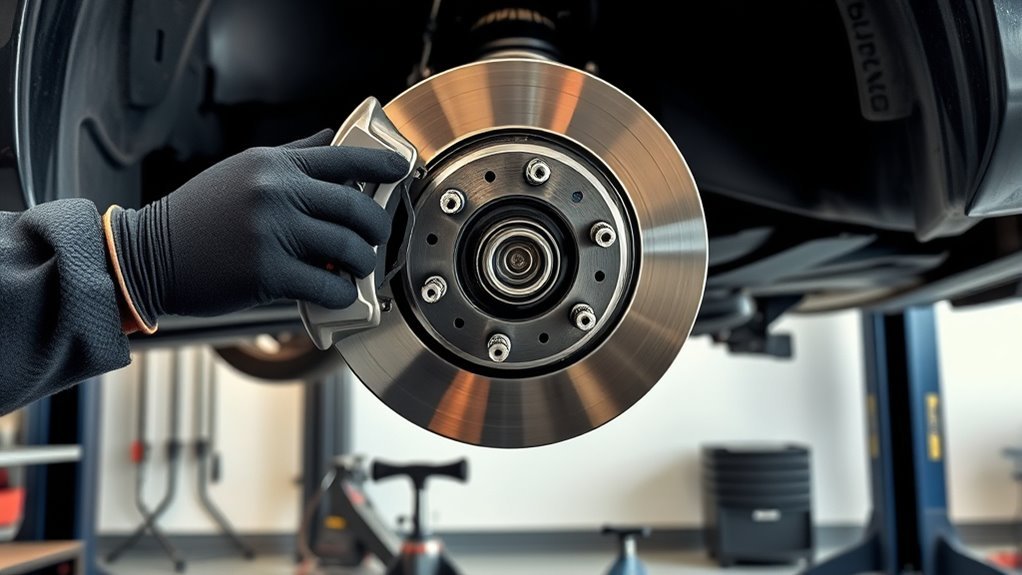
Prepare basic tools before you start: metric sockets and wrenches, a quality oil-filter wrench, drain pan, torque wrench, gloves, jack stands or ramps rated for the vehicle’s weight, rags, and the correct replacement filters. Work on level ground, support the vehicle safely, and dispose of fluids properly.
Drivetrain Fluid Types
Do not rely on a one-size-fits-all fluid chart for every 100 Series. Transmission fluid in particular varies by model year and transmission. Toyota’s support chart confirms that the 1998–2007 Land Cruiser V8 uses a timing belt rather than a chain, and the same level of model-year care should be used when selecting fluids.
| System | What To Use | Important Caution |
|---|---|---|
| Engine | Use the viscosity and API/ILSAC rating listed in your owner’s manual for your climate. | Old engines may leak more if neglected seals are suddenly exposed by poor service practices. |
| Automatic transmission | Match the fluid to the exact year and transmission; earlier trucks and later trucks can require different ATF specifications. | Do not mix incompatible ATF types. Confirm by manual, VIN, dipstick label, or dealer parts lookup. |
| Transfer case | Use the gear oil or fluid specified by the owner’s manual. | Water crossings can contaminate fluid quickly; inspect after deep water. |
| Front/rear differentials | Use the correct GL-rated gear oil for standard, limited-slip, or locking applications. | A locker or limited-slip unit may require specific oil or additives. |
| Brake system | Use the DOT brake fluid specified on the cap/manual. | Never reuse old brake fluid from an opened container that has absorbed moisture. |
Note: When service history is unknown, baseline the truck before a long trip: engine oil, coolant inspection, brake inspection, drivetrain fluids, belts, hoses, batteries, tires, and recovery gear.
Tires, Suspension & Drivetrain: What to Fit and Why
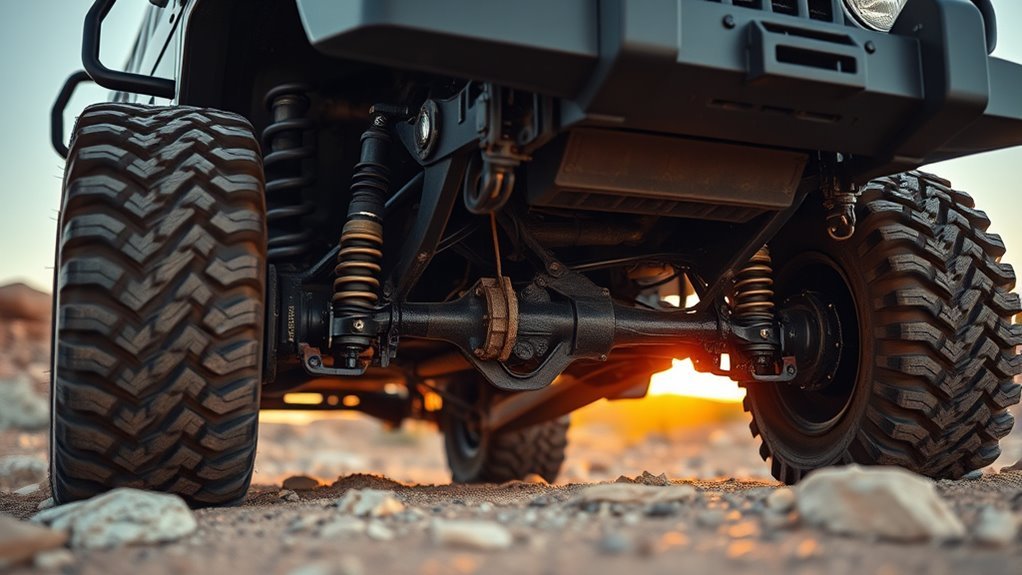
Because your Land Cruiser or LX470 needs to work on pavement and off-road, choose tires, suspension, and drivetrain upgrades based on actual use. A heavy overland build that looks impressive online can feel slow, noisy, and expensive if you mostly drive highways. A mild, well-maintained setup with good tires often goes farther than an overloaded truck with cheap parts.
[Products Worth Considering]
![Supreme Suspensions - 2pc Set [Black] 2" Hub Centric Wheel Spacers Kit for Toyota Tundra/Sequoia/Land Cruiser and Lexus LX470 / LX570-5x150mm Bolt Pattern / M14x1.5 Studs](https://m.media-amazon.com/images/I/41DyeHPWVYL._SL500_.jpg)
COMPATIBLE WITH 2007 - 2021 Toyota Tundra, 2008 - 2021 Toyota Sequoia, 1998 - 2021 Toyota Land Cruiser, 1998 - 2007 Lexus LX470, and 2008 - 2016 Lexus LX570 [Drivetrain: 2WD 4WD] *Does NOT fit models with Dually Wheels. Please verify fitment compatibility prior to ordering.
![Supreme Suspensions - 4pc Set [Black] 2" Hub Centric Wheel Spacers Kit for Toyota Tundra/Sequoia/Land Cruiser and Lexus LX470 / LX570-5x150mm Bolt Pattern / M14x1.5 Studs](https://m.media-amazon.com/images/I/41+kh852kiL._SL500_.jpg)
COMPATIBLE WITH 2007 - 2021 Toyota Tundra, 2008 - 2021 Toyota Sequoia, 1998 - 2021 Toyota Land Cruiser, 1998 - 2007 Lexus LX470, and 2008 - 2016 Lexus LX570 [Drivetrain: 2WD 4WD] *Does NOT fit models with Dually Wheels. Please verify fitment compatibility prior to ordering.
![Supreme Suspensions - 4pc Set [Silver] 2" Hub Centric Wheel Spacers Kit for Toyota Tundra/Sequoia/Land Cruiser and Lexus LX470 / LX570-5x150mm Bolt Pattern / M14x1.5 Studs](https://m.media-amazon.com/images/I/517udMLck6L._SL500_.jpg)
COMPATIBLE WITH 2007 - 2021 Toyota Tundra, 2008 - 2021 Toyota Sequoia, 1998 - 2021 Toyota Land Cruiser, 1998 - 2007 Lexus LX470, and 2008 - 2016 Lexus LX570 [Drivetrain: 2WD 4WD] *Does NOT fit models with Dually Wheels. Please verify fitment compatibility prior to ordering.
Tires
For most owners, a quality all-terrain tire is the best first upgrade. It gives better puncture resistance and off-road grip without the noise, weight, and wet-road compromises of a mud-terrain tire. Choose mud-terrains only if you regularly drive clay, deep ruts, or soft trails where self-cleaning tread matters more than highway comfort.
- Start with the door-jamb tire size and load rating before considering upsizing.
- Use load-rated tires that match the truck’s weight, cargo, passengers, bumper, winch, and roof load.
- Air down off-road only when conditions allow, then air back up before highway driving.
- Rotate regularly; heavy full-time 4WD trucks punish neglected tires.
Suspension
The stock suspension balances comfort and capability well. Replace worn shocks, bushings, and ball joints before adding lift. If you carry constant weight from drawers, armor, fridge, tools, and spare fuel, choose springs and shocks designed for that load. For LX470 models, decide whether to maintain the AHC system or convert only after proper diagnosis and budgeting.
Drivetrain And Traction
The 100 Series already has a strong drivetrain when maintained. Before adding lockers, regear kits, or heavy tires, make sure the center differential lock works, low range engages, CV boots are healthy, and fluids are fresh. Early rear-locker trucks are desirable, but traction control on later models can also work well with good tires and smart driving.
A stock-height 100 Series on excellent all-terrain tires, with fresh fluids and working recovery points, is usually more useful than a lifted truck with old maintenance problems.
Best Mods for Reliability and Off-Roading (What to Prioritize)
If you want a Land Cruiser that stays dependable on long trips and capable when the trail gets rough, prioritize upgrades that reduce failure risk before upgrades that only change appearance. The best build order is maintenance, tires, recovery, protection, suspension, electrical, then traction.
- Baseline maintenance: timing belt, water pump, fluids, belts, hoses, brakes, suspension wear, batteries, and cooling system.
- Tires: quality all-terrain or mud-terrain tires matched to your terrain and load.
- Recovery basics: rated recovery points, recovery strap, shackles or soft shackles, tire repair kit, compressor, shovel, and traction boards.
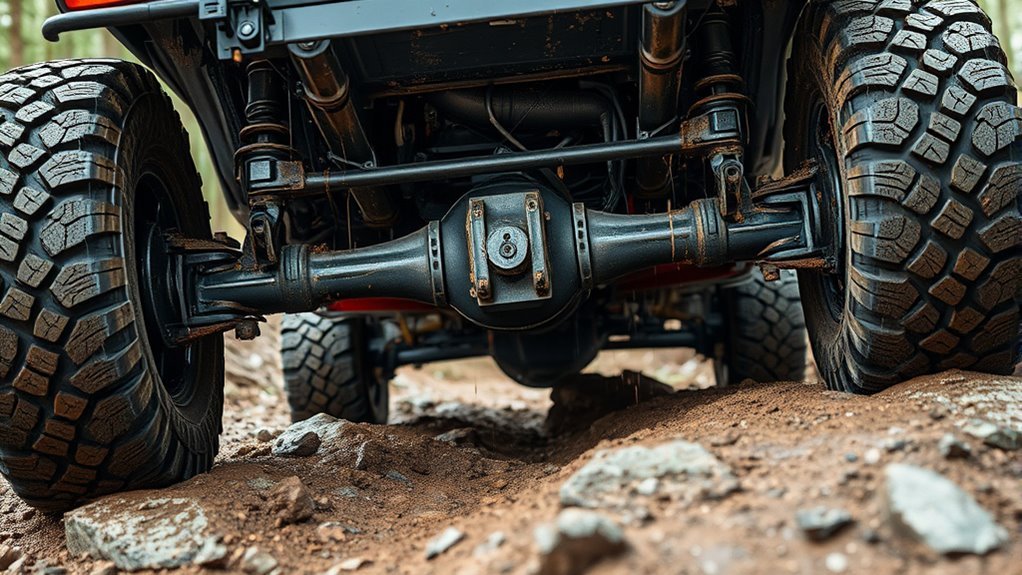
- Protection: skid plates, rock sliders, and differential/transfer-case protection if you drive rocks or ruts.
- Suspension: springs and shocks matched to real constant load, not just desired lift height.
- Electrical: dual battery, proper fusing, quality wiring, and fridge/accessory power only after the charging system is healthy.
- Traction: lockers or traction aids if your trails demand them and the rest of the truck is already sorted.
Pro Tip: Weigh the truck after major mods. Heavy bumpers, armor, drawers, roof racks, water, fuel, and gear can overload springs, brakes, tires, and driveline parts faster than most owners expect.
Avoid building too fast. A mild 100 Series with good maintenance, correct tire pressure, and driver skill will cover most trails comfortably. Add parts only when you know what limitation you are solving.
100 Series Manuals, Warranties, Communities & Support
Documentation matters as much as parts. Use the factory owner’s manual, Toyota/Lexus service information, recall databases, and experienced owner communities before starting repairs or modifications. The truck may be old, but official resources still help you confirm fluid specs, maintenance items, towing limits, warning lights, tire information, and safety recalls.
- Owner manuals: Use Toyota Owners manuals and warranties for model-specific documentation.
- Timing belt reference: Toyota’s support chart lists the 1998–2007 Land Cruiser V8 as timing-belt equipped.
- Recall checks: Run the VIN through Toyota’s recall lookup and NHTSA.
- Fuel planning: Use FuelEconomy.gov to set realistic expectations for fuel cost and range.
- Owner communities: Use enthusiast forums and local Land Cruiser groups for practical repair walkthroughs, part numbers, trail lessons, and build feedback.
Do not expect ToyotaCare or modern certified-used coverage to apply to a typical 1998–2007 100 Series today. Most examples are now old enough that a careful inspection, maintenance records, and a trusted independent Toyota/Lexus specialist are more valuable than sales-lot promises.
Frequently Asked Questions
Is it difficult to drive a Land Cruiser 100 Series?
No. It is large and heavy, but it is easy to drive once you adjust to the size. The high seating position, smooth V8, full-time 4WD, and stable highway feel make it confidence-inspiring. Tight parking, fuel use, and braking distance require more attention than in a smaller SUV.
What are the disadvantages of the Land Cruiser 100 Series?
The main disadvantages are poor fuel economy, high purchase prices for clean examples, expensive tires, heavy curb weight, aging electronics, possible rust, and maintenance costs if previous owners skipped major services. It is built well, but it is not cheap to restore after neglect.
Which 100 Series year is best?
There is no single best year for every buyer. Early trucks can be simpler and may have desirable rear-locker availability, while later trucks gained more power and updates. Buy the cleanest, best-documented example you can afford, with rust condition and maintenance history taking priority over year.
How many miles is too many for a 100 Series Land Cruiser or LX470?
Mileage matters less than condition and records. A 250,000-mile truck with a clean frame, documented timing-belt service, fresh fluids, and sorted suspension can be a better buy than a 140,000-mile truck with rust, overheating history, and no receipts.
Is the Lexus LX470 as capable as the Toyota Land Cruiser?
Yes, the LX470 is built on the same basic platform and can be very capable off-road. The main difference is luxury equipment and the AHC suspension system. A well-maintained LX470 can be an excellent overland platform, but inspect the height-control system carefully.
Should I modify the truck right after buying it?
No. First, baseline the maintenance and drive it stock for a while. Replace worn parts, refresh fluids, inspect the cooling system, confirm 4WD operation, and fit good tires. After that, add protection, suspension, electrical upgrades, and traction aids based on real trail needs.
Conclusion
You now have a practical path for buying and owning a 100 Series Land Cruiser or Lexus LX470: inspect the frame, verify service history, confirm timing-belt and cooling-system health, check the drivetrain carefully, and fix maintenance gaps before building the truck. Treated well, this platform can be a dependable partner for family travel, off-road trips, towing, and long-distance exploring. Bought carelessly, it can become an expensive lesson in rust and deferred maintenance. Choose patiently, inspect thoroughly, and upgrade with a purpose.
Sources
- Toyota USA Newsroom: Land Cruiser history — backs 100 Series history, 4.7L V8 introduction, independent front suspension, and later power increase.
- Toyota Owners: 2007 Land Cruiser manuals and warranties — backs the recommendation to use official model-specific manuals and maintenance documents.
- Toyota Support: timing belt or timing chain chart — backs that 1998–2007 Land Cruiser V8 models use a timing belt.
- Lexus Support: timing belt replacement guidance — backs the 90,000-mile peace-of-mind timing-belt replacement reference.
- FuelEconomy.gov: 2007 Toyota Land Cruiser Wagon 4WD — backs EPA fuel economy, fuel type, tank size, and range expectations.
- NHTSA Recalls — backs the recommendation to check open safety recalls by VIN before purchase.

[…] a 2001–2007 U.S.-market 100 Series Land Cruiser with the factory mirror compass, start with the vehicle stopped in a safe location. Turn the […]