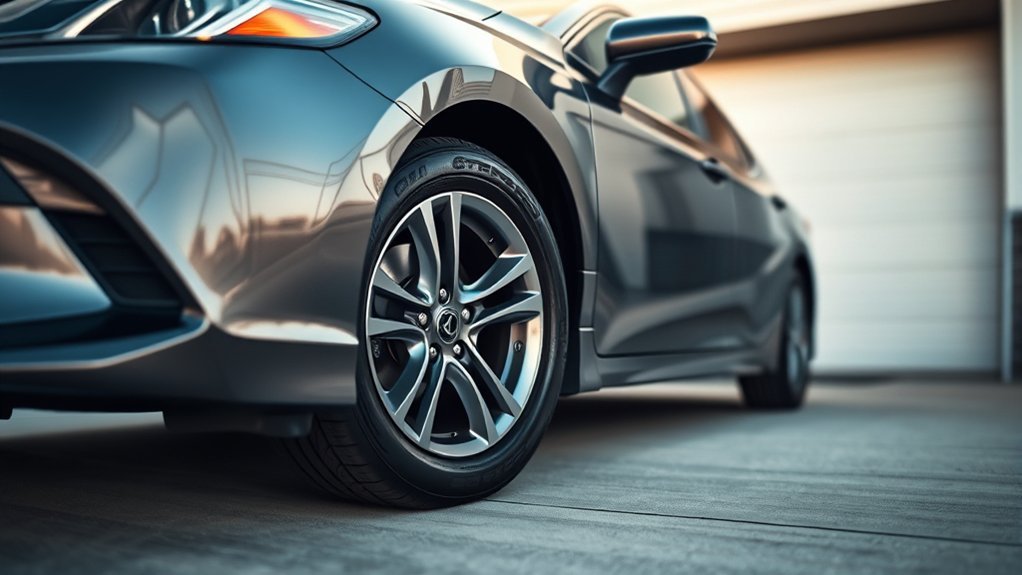
Toyota Camry Winter tire pressure: Safe PSI and Cold Weather Tips
What’s in This Article
- Why Tire Pressure Matters in Winter for Your Toyota Camry
- How Cold Weather Changes Your Camry’s Tire Pressure
- Recommended Winter Tire Pressure for Your Toyota Camry
- How to Check and Adjust Tire Pressure in Winter
- Best Places to Inflate Your Tires
- The Benefits of Using a Quality Tire Pressure Gauge
- When to Schedule Professional Tire Maintenance at Toyota of Orlando
- Frequently Asked Questions
Cold weather can make your Toyota Camry feel less sure on the road before you spot a tire problem. A small pressure drop can affect grip, braking, tire wear, and fuel use. This guide shows you how winter changes tire pressure, what PSI to use, and how to check it the right way.
Quick Answer
Toyota Camry tire pressure can drop about 1 to 2 PSI for each 10°F drop in air temperature. Many Camry models use around 35 PSI cold, while some years and tire sizes may call for a nearby range such as 32 to 35 PSI. Use the driver-door tire placard or your owner’s manual as the final source, and check pressure when the tires are cold.
Key Takeaways
- Check your Camry’s tire pressure when the tires have rested for at least three hours.
- Use the PSI on your driver-door placard, not the maximum PSI on the tire sidewall.
- Expect pressure to drop when outdoor temperature falls, especially after a sharp cold snap.
- Use a tire gauge even if your Tire Pressure Monitoring System light stays off.
- Ask a tire professional to inspect any tire that keeps losing air.
Why Tire Pressure Matters in Winter for Your Toyota Camry
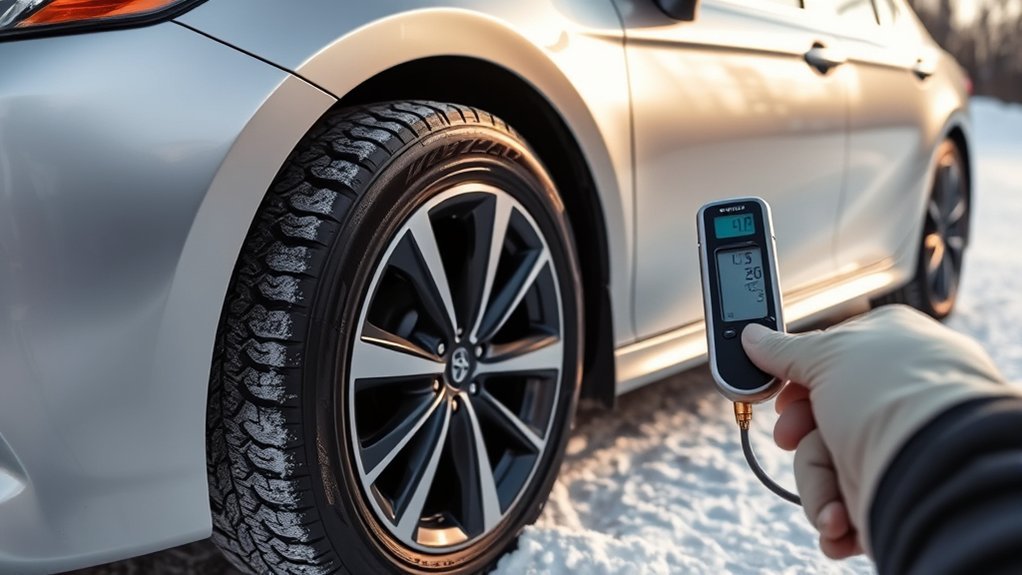
Your tires connect your Camry to the road, so pressure changes affect more than the dashboard light. Cold air makes the air inside each tire contract. According to the U.S. Tire Manufacturers Association, passenger and light truck tires can lose 1 to 2 PSI for each 10°F temperature drop.
Low tire pressure can increase heat, stress, irregular wear, and internal tire damage. It can also reduce fuel economy and make steering feel slow. Proper pressure helps your Camry keep stable contact with cold, wet, snowy, or icy roads.
Warning: Do not inflate your tires to the PSI molded on the sidewall unless your placard calls for that pressure.
How Cold Weather Changes Your Camry’s Tire Pressure
Your Camry’s tire pressure can fall after a cold night, even when the tire has no leak. A 30°F temperature drop can lower pressure by about 3 to 6 PSI. That change can matter when your tires already sit near the lower end of the recommended range.
Driving warms the tires and raises the reading for a short time. For that reason, check pressure before driving or after the car has rested for at least three hours.
Temperature and Pressure Relationship
Tire pressure changes because air expands with heat and contracts with cold. If your tires measured 35 PSI during mild weather, they may read close to 33 PSI after a 20°F temperature drop. That lower reading does not always mean a puncture, but it still needs correction when it falls below the placard number.
Do not let air out of a hot tire just because the reading looks high after driving. Wait until the tires cool, then compare the reading with your Camry’s recommended cold PSI.
What to Do After a Sharp Temperature Drop
Check all four tires after a fast weather change, not just the tire that looks low. Add air only until each tire reaches the placard PSI while cold. If one tire sits several PSI below the others, look for a puncture, damaged valve stem, or rim leak.
Why Regular Monitoring Matters
Your Tire Pressure Monitoring System (TPMS) can warn you when pressure drops too far, but it should not replace a tire gauge. The U.S. Tire Manufacturers Association says some TPMS systems may not warn until one or more tires fall as much as 25% below the vehicle manufacturer’s recommendation. AAA testing also found that TPMS lights generally warn drivers when tires reach about 75% of placard pressure, with some small margins of error.
Check your pressure at least once a month, before long trips, and after major temperature swings. This habit helps you spot slow leaks, valve issues, and tire damage early.
Recommended Winter Tire Pressure for Your Toyota Camry
Your best winter tire pressure target is the cold PSI on your Camry’s driver-door placard. Toyota says you can find the correct tire pressure on the driver-door jamb sticker, in the owner’s manual, or in online manuals specific to your vehicle. Many Camry models list 35 PSI for the front and rear tires, but older model years, tire sizes, and wheel packages can vary.
If your placard or owner’s manual says 32 PSI, use 32 PSI. If it says 35 PSI, use 35 PSI. Do not raise pressure far above the placard number to prepare for winter, because overinflation can reduce ride comfort, change handling, and wear the tire center faster.
| What You See | What You Should Do |
|---|---|
| Door placard says 35 PSI | Set each tire to 35 PSI when cold unless your manual says otherwise. |
| Door placard says 32 PSI | Set each tire to 32 PSI when cold unless your manual says otherwise. |
| TPMS light turns on | Check all tires with a gauge, inflate to placard PSI, and inspect for damage. |
Note: PSI means pounds per square inch, and your Camry’s recommended PSI refers to cold tire pressure.
[Products Worth Considering]

The GOOLOO A3 combines a powerful portable jump starter with a cordless air compressor for convenient roadside emergencies and everyday inflation needs. It can restart 12V vehicles, inflate tires and sports gear, and serve as a portable power source for USB devices, all while adding smart protections, an easy-to-read display, and automatic shut-off for safer use.

The JACO ElitePro Digital Tire Pressure Gauge delivers shop-grade accuracy with a clear digital readout, making it easy to maintain proper tire pressure for safer driving and better performance. Built with rugged brass and steel components, a protective guard, and a flexible air hose, it is designed for reliable use across cars, trucks, motorcycles, bikes, RVs, and trailers. The lock-on display, built-in bleeder valve, and bright backlit screen add convenience in any lighting condition.
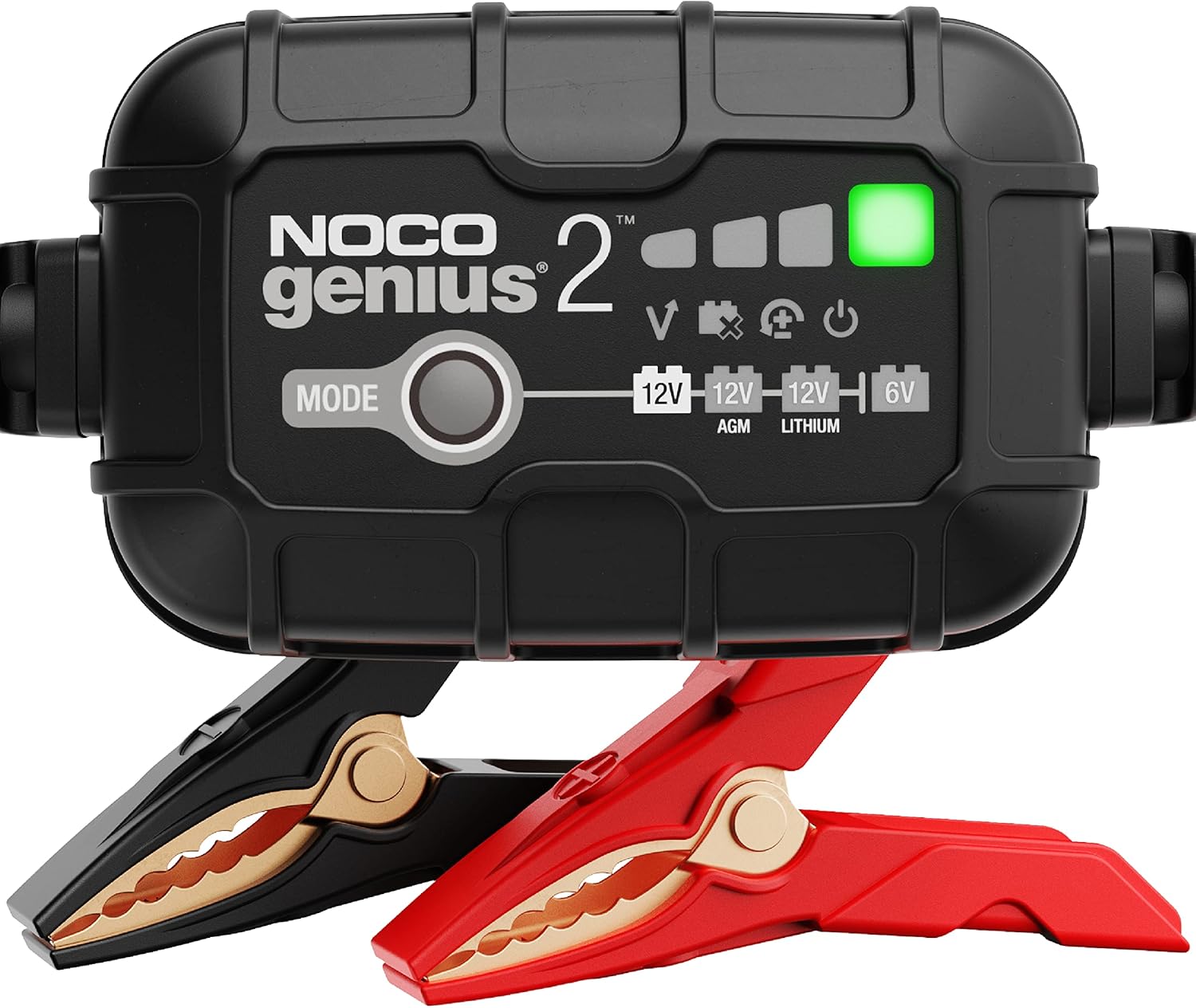
The NOCO GENIUS2 is a compact, all-in-one smart charger that automatically charges, maintains, and restores 6V and 12V lead-acid and lithium batteries. It features temperature compensation, overcharge protection, pulse desulfation, and Force Mode for reviving deeply discharged batteries, making it ideal for long-term battery care across many vehicle types. Designed for safe indefinite connection, it helps extend battery life and keep batteries ready to go.
How to Check and Adjust Tire Pressure in Winter
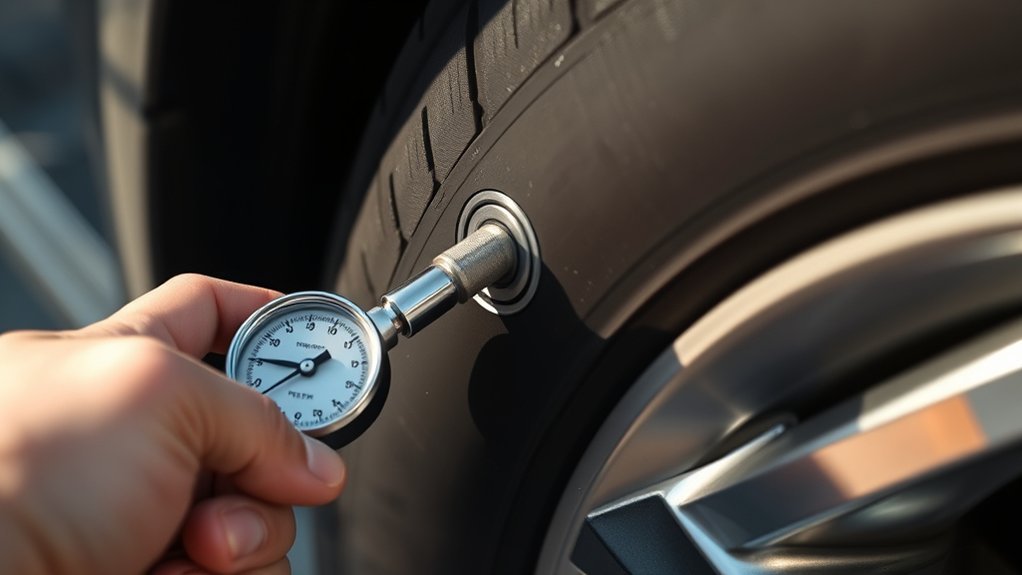
You can check your Camry’s tire pressure in a few minutes with a reliable gauge. The best time is in the morning before you drive. Keep valve caps clean and tight because dirt and moisture can cause slow leaks.
- Park your Camry for at least three hours. Cold tires give you the most useful reading.
- Find the placard PSI. Look on the driver-side door pillar or in your owner’s manual.
- Press the gauge firmly on the valve stem. A short hiss means you need a better seal.
- Add air in small bursts. Recheck the pressure often so you do not overinflate.
- Reinstall the valve cap. Repeat the same check on all four tires and the spare if your Camry has one.
If one tire reads much lower than the others, check for a nail, cracked valve stem, or bead leak. Ask a tire shop to inspect it if the pressure drops again after you fill it.
[Products Worth Considering]
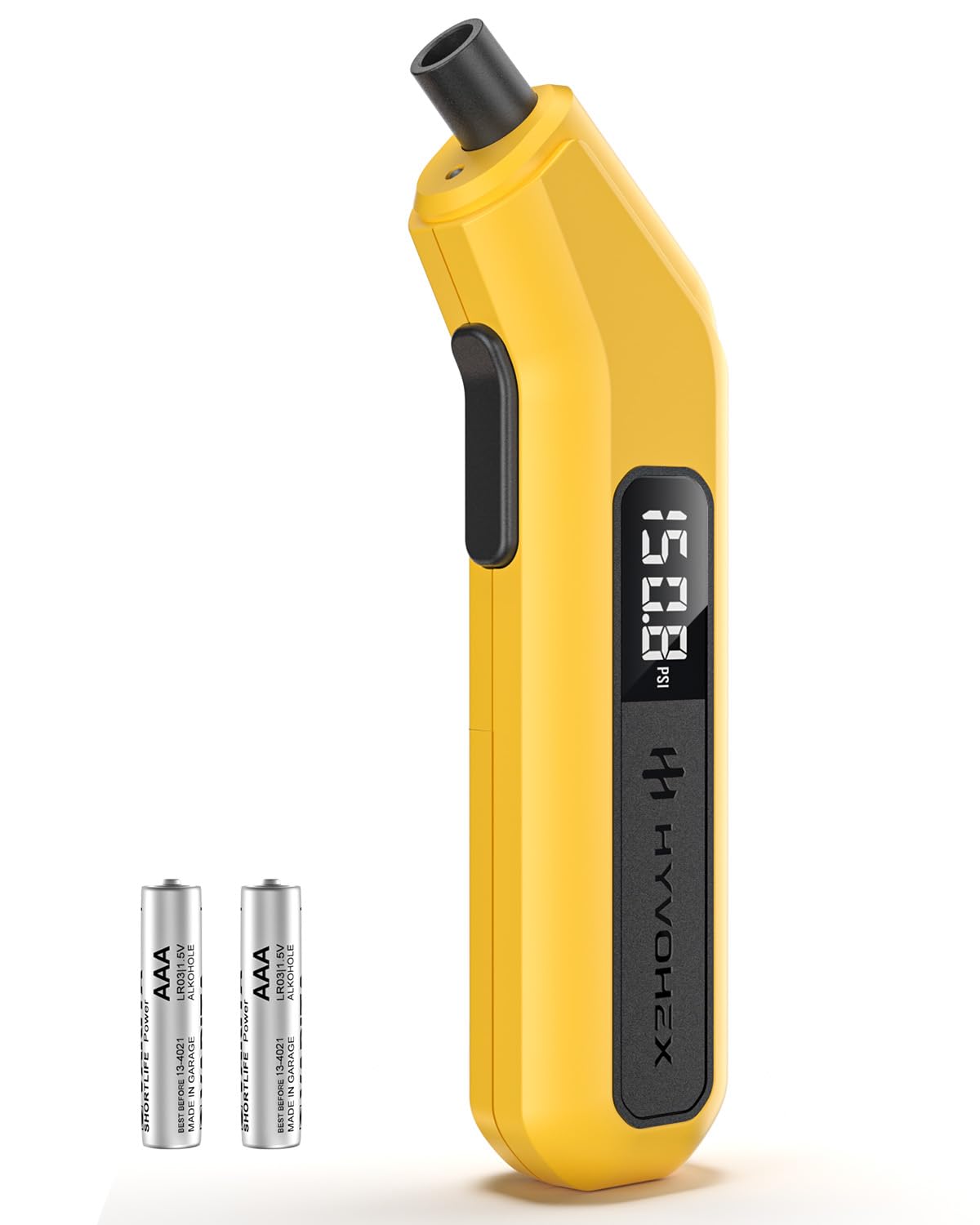
HYVOHEX digital tire pressure gauge delivers fast, accurate readings with an easy-to-read LED backlit display and a high-sensitivity sensor for reliable tire checks. Its valveless one-click operation, rotating valve head, and broad compatibility make it a practical tool for cars, bikes, and trucks. Built with a durable rubber shell and aluminum nozzle, it is compact enough to keep in your glove box or tool bag.
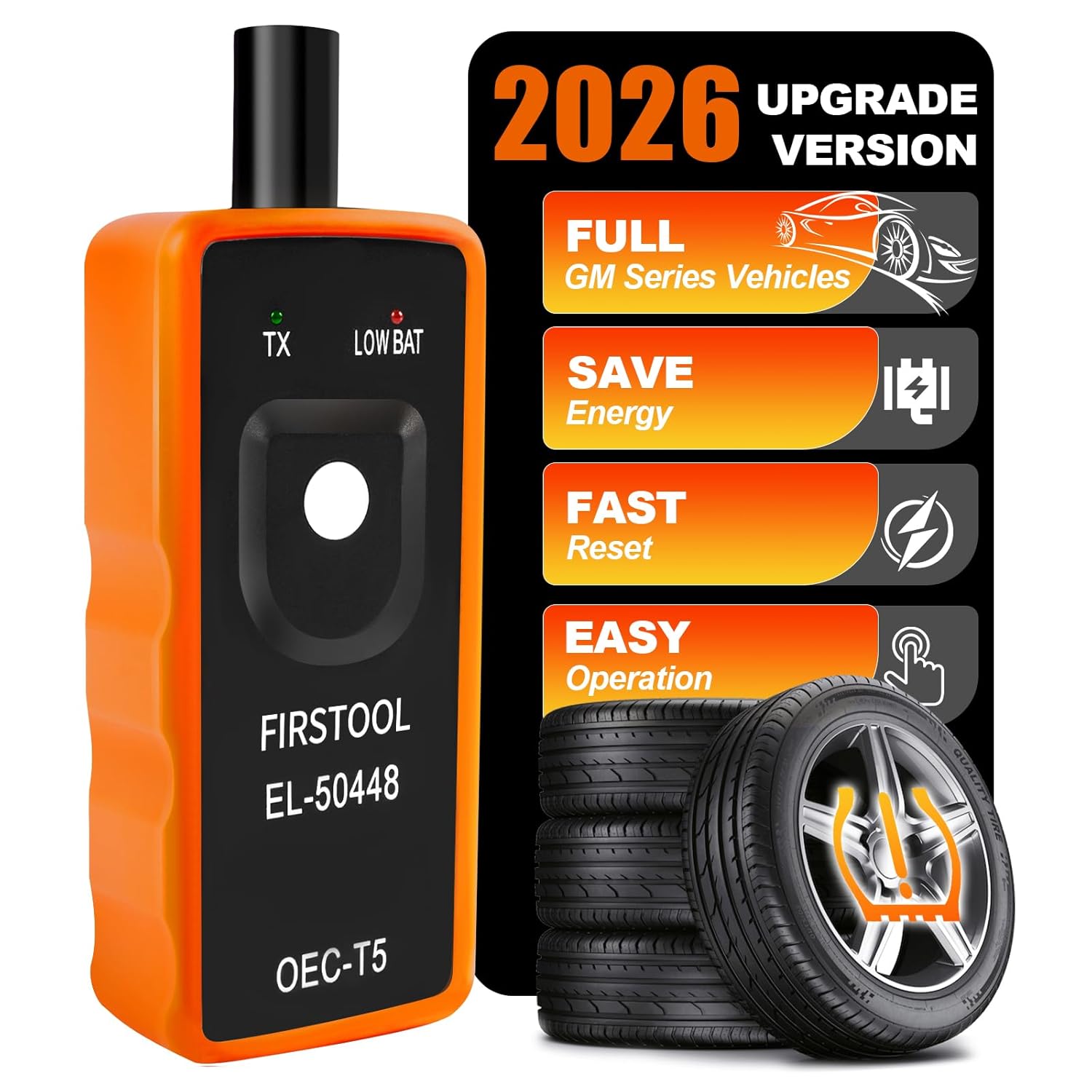
This EL-50448 TPMS relearn tool helps quickly activate and reset tire pressure sensors so your vehicle’s monitoring system stays accurate after tire rotations, sensor replacement, or seasonal tire changes. Designed for many GM-related vehicles and compatible with common 315 and 433 MHz TPMS systems, it offers simple one-button operation and reliable performance for clearing warning lights and relearning sensor positions.
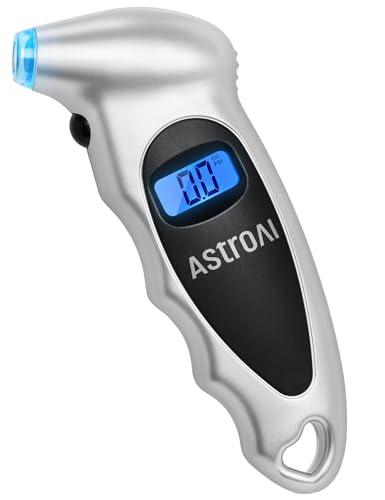
Accurate, Dependable Readings: Factory‑calibrated to ±1 PSI, so you can confidently match your vehicle’s recommended PSI (check the door jamb sticker). Ideal for monthly checks and road trips — consistent results every time, cold or warm.
Best Places to Inflate Your Tires

You have several simple options when your Camry needs air. Choose the option that gives you a clean air hose, enough lighting, and room to work safely away from traffic.
[Products Worth Considering]

RAPID INFLATION & ROAD-READY PORTABILITY: Powerful 120W motor delivers up to 35L/min airflow—inflates a standard car tire (195/65 R15) from 30 to 36 PSI in under 1 minute under ideal operating conditions. Weighs only 2.2 lbs and fits glove compartments or trunks for daily commutes, road trips, and emergencies. Plugs into standard 12V DC car outlet with 15A fuse protection. AIRUN H features its cordless counterpart H2 Pro.

【Powerful Inflation】Delivers up to 150 PSI on CUSTOM MODE, inflating a 195/65 R15 tire from 30–36 PSI in under 1 minute—fast, reliable performance for roadside emergencies.

RAPID INFLATION & ROAD-READY PORTABILITY: Powerful 120W motor delivers 35L/min airflow—inflates a standard car tire (195/65 R15) from 30 to 36 PSI in under 1 minute. Weighs only 2.2 lbs and fits glove compartments or trunks for daily commutes, road trips, and emergencies. Plugs into standard 12V DC car outlet with 15A fuse protection.AIRUN H features its cordless counterpart H2 Pro.
Gas Stations and Convenience Stores
Many gas stations and convenience stores offer public air pumps. Some pumps cost money, and some include a built-in pressure display. Use your own gauge after inflating because public pumps can give uneven readings.
Pick a station with a hose that reaches all four tires without stretching across traffic lanes. Avoid any pump with a cracked hose, broken fitting, or display that does not reset.
Home Air Compressors
A home air compressor helps you correct pressure before you drive. That matters in winter because you want a cold reading, not a reading after the tires warm on the road. Look for a unit with an easy-to-read gauge and a secure valve connector.
Store the compressor where you can reach it during cold weather. Check the power cord, hose, and fittings before the first freeze.
Portable Inflators and Roadside Help
A 12-volt portable inflator can help when you lose pressure away from home. Choose a model with automatic shutoff if you want an easier fill. Keep the inflator, pressure gauge, and a small flashlight in your trunk during winter.
- Use a gas station pump when you need a quick fill during errands.
- Use a home compressor when you want the most accurate cold-pressure check.
- Use a portable inflator when you need air during travel.
- Use roadside assistance when the tire looks damaged or will not hold pressure.
The Benefits of Using a Quality Tire Pressure Gauge
A quality tire pressure gauge helps you avoid guessing by tire shape. A tire can look fine while it sits several PSI below the placard number. A clear reading helps you correct pressure before the tire wears unevenly or affects handling.
Digital and analog gauges can both work well when you keep them in good condition. Choose one that feels easy to use, seals firmly on the valve stem, and shows readings clearly in cold weather.
Pro tip: Keep a gauge in your glove box and check it against a shop gauge once or twice a year.
When to Schedule Professional Tire Maintenance at Toyota of Orlando
If Toyota of Orlando is your local dealer, its service center can check tire pressure, inspect tread wear, and look for tire damage. The dealership lists its service phone as (407) 298-0001 and its address as 3575 Vineland Road, Orlando, FL 32811-6435. Use the service department for maintenance scheduling rather than the sales line.
A winter tire check should cover pressure, tread depth, wear pattern, valve stems, and visible damage.
- Pressure checks: A technician can set your tires to the correct cold PSI.
- Tread inspection: A technician can check depth and look for uneven wear.
- Rotation guidance: A technician can tell you whether your tires need rotation or alignment service.
- Leak checks: A technician can inspect any tire that loses air often.
Schedule service before long winter trips or after you notice repeated pressure loss. A short inspection can prevent a small tire issue from becoming a roadside problem.
Frequently Asked Questions
Is It Better to Have Higher or Lower Tire Pressure in the Winter?
You should use the tire pressure listed on your Camry’s door placard, not a much higher or lower number. Add air when cold weather drops the tire below that number. Do not overinflate to offset future cold weather because too much pressure can affect grip and wear.
Is 30 PSI Too Low for a Camry?
For most Camry models, 30 PSI sits below the recommended cold pressure. Check your door placard first, then inflate to that exact number when the tires are cold. If one tire drops to 30 PSI again soon, ask a tire professional to check it for a leak.
How Often Should You Check Camry Tire Pressure in Winter?
Check your Camry’s tire pressure at least once a month. Check it sooner after a sharp temperature drop, before a long trip, or when the TPMS light turns on. Cold weather can change pressure quickly overnight.
Can You Drive if the TPMS Light Turns On in Cold Weather?
You should slow down, avoid hard braking, and check the tire pressure as soon as you can do so safely. Inflate each tire to the placard PSI. If the light stays on or a tire looks damaged, have a tire professional inspect it before you drive far.
Should You Use the PSI on the Tire Sidewall?
No, the sidewall number usually shows the maximum cold pressure for that tire. It does not show the recommended pressure for your Camry. Use the driver-door placard or owner’s manual instead.
Safety Disclaimer: This article gives general tire maintenance information. It does not replace your Toyota owner’s manual, the tire placard on your vehicle, or advice from a qualified tire professional. If your TPMS light stays on, a tire loses air often, or you see tire damage, have the tire inspected before you drive far.
Conclusion
Your Camry handles winter roads better when each tire matches the cold PSI on the driver-door placard. Check the pressure before you drive, especially after a cold night or a quick weather change. Keep a gauge in your car, add air when pressure drops, and get help when one tire keeps losing air. A few minutes of tire care can make your next winter drive safer and smoother.
References
- Tire Safety Ratings and Awareness: TireWise – National Highway Traffic Safety Administration, accessed 2026
- Summer Driving and Road Trip Tips: Tires – National Highway Traffic Safety Administration, accessed 2026
- Tire Care Essentials – U.S. Tire Manufacturers Association, accessed 2026
- Proper Tire Inflation and Tire Pressure Information – Bridgestone Americas, accessed 2026
- How to Check Tire Pressure – Toyota Motor Sales, U.S.A., Inc., 2026
- A Quick Guide to Your Toyota Camry Tire Pressure – Toyota of Orlando, accessed 2026
- Toyota Service Center Orlando FL – Toyota of Orlando, accessed 2026
- The Accuracy of Tire Pressure Monitoring Systems – American Automobile Association, 2023