
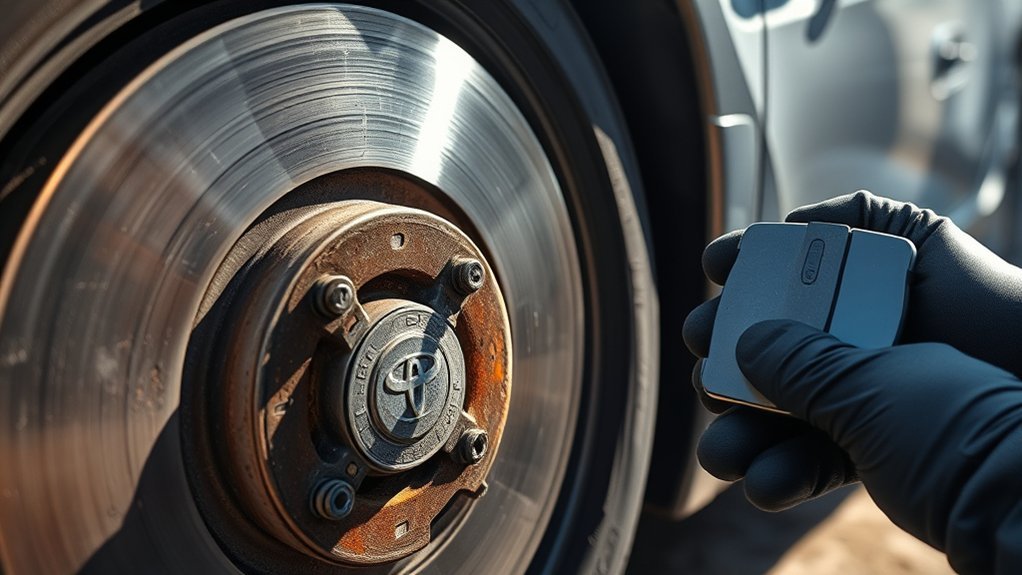
Toyota Camry Brakes Squealing: Quick Answer
Last updated: July 31, 2026 — TSB applicability, low-speed and reverse-noise diagnosis, source links, and FAQ coverage were reviewed.
By: [VERIFY: Add the real author name, reviewer qualifications, and original publish date in the CMS.]
Toyota Camry brakes usually squeal because the pads and hardware are vibrating, the pad-wear indicator is touching the rotor, moisture has left light surface rust, or a caliper or rotor is causing uneven contact. A brief squeal that clears after one or two damp-morning stops may be surface rust. Repeated squealing, grinding, a burning smell, a warning light, a soft pedal, or weaker braking needs prompt inspection.
Editorial note: This is a research-based troubleshooting guide built from Toyota and brake-industry technical sources. It does not claim hands-on testing and cannot replace a model-year- and VIN-specific brake inspection.
Affiliate disclosure: This page may contain affiliate links. If you buy through them, the site may earn a commission at no extra cost to you.
What to Do First
Match the noise to its timing, pedal feel, and whether it happens only while braking. If it clears after one or two damp-morning stops and braking stays normal, monitor it. If it repeats, inspect pad thickness, inner-to-outer wear, clips, shims, slide pins, rotor condition, and contamination. For low-speed front squeal on a 2018–2022 Camry or Camry Hybrid, ask a Toyota dealer whether T-SB-0088-22 matches the VIN and symptom. Stop driving and arrange towing if braking weakens, the pedal feels soft or sinks, a red brake warning light stays on, or the sound becomes grinding or metal-on-metal.
What’s in This Article
- 5-Minute Brake-Squeal Triage
- Match the Brake Noise to the Next Step
- Why Are Toyota Camry Brakes Squealing?
- How to Tell Normal Brake Noise From a Safety Problem
- Does Your 2018–2022 Camry Have a Brake-Squeal TSB?
- Choosing Brake Pads for Less Noise
- How Do You Install Brake Pads to Prevent Squeaking?
- Ongoing Maintenance to Prevent Brake Noise
- Proven Solutions for Eliminating Brake Noise
- When to Consult a Professional for Brake Issues
- Frequently Asked Questions
Key Takeaways
- Brake squeal is usually a vibration problem, but a wear indicator can also create a warning squeal.
- Brief damp-morning noise may be normal; repeated noise needs diagnosis by symptom and model year.
- Ceramic pads often run quieter in daily use, but no pad material can overcome bad fitment, damaged hardware, or a rough rotor.
- Use lubricant only at manufacturer-approved contact points and keep every friction surface clean and dry.
- Toyota T-SB-0088-22 addresses a specified front-brake squeal or squeak condition on 2018–2022 Camry and Camry Hybrid vehicles; it does not automatically guarantee warranty coverage.
- Grinding, weaker braking, a soft or sinking pedal, fluid leakage, or a red brake warning light means you should stop driving.
5-Minute Brake-Squeal Triage Before You Buy Parts
Before removing a wheel, record four details: when the sound starts, whether it changes after the brakes warm up, whether it happens without pressing the pedal, and whether pedal feel or stopping response has changed. Those observations narrow the cause faster than replacing pads by sound alone.
- First stops after rain or overnight parking: Light surface corrosion is more likely when the noise clears quickly and braking remains normal.
- Every brake application: Check pad thickness, the wear indicator, shims, clips, slide pins, and both rotor faces.
- Only at low speed or in reverse: Look for pad-and-hardware movement, corrosion, or a model-specific service bulletin before changing friction material.
- Noise while coasting without the brake pedal: Inspect for a bent rotor shield, trapped debris, wheel-bearing noise, or suspension contact instead of assuming the pads are responsible.
- Heat, pulling, smoke, grinding, a soft pedal, or a red warning light: Stop driving and arrange professional inspection or towing.
Useful shop notes: Record the model year, mileage, front or rear location, forward or reverse direction, first-stop or warm-brake timing, recent brake work, pedal feel, warning lights, and whether the noise occurs with the pedal released.
At a Glance: Match the Brake Noise to the Next Step
| What You Notice | More Likely Explanation | Safest Next Step |
|---|---|---|
| Squeal on the first one or two stops after rain or overnight parking | Moisture and light surface rust on the rotors | Monitor whether it clears quickly; inspect if it continues or braking changes |
| Steady high-pitched squeal during braking | Pad-wear indicator, pad vibration, shims, clips, or rotor condition | Check pad thickness and inspect the complete pad, rotor, and hardware assembly |
| Squeal after new pads or rotors | Bedding issue, incorrect or reused hardware, contamination, fitment, or rotor surface | Return to the installer or verify the exact parts and manufacturer bedding procedure |
| Low-speed front squeal on a 2018–2022 Camry or Camry Hybrid | The condition may match Toyota T-SB-0088-22 | Ask a Toyota dealer to confirm the symptom, VIN, build origin, and current repair eligibility |
| Squeak or scrape while coasting with the brake pedal released | Rotor shield contact, trapped debris, wheel bearing, or another rotating component | Inspect the source before replacing pads or rotors |
| Grinding, burning smell, smoke, pulling, weak braking, or soft/sinking pedal | Severe pad wear, dragging caliper, rotor damage, or a hydraulic fault | Stop driving and arrange professional inspection or towing |
Why Are Toyota Camry Brakes Squealing?
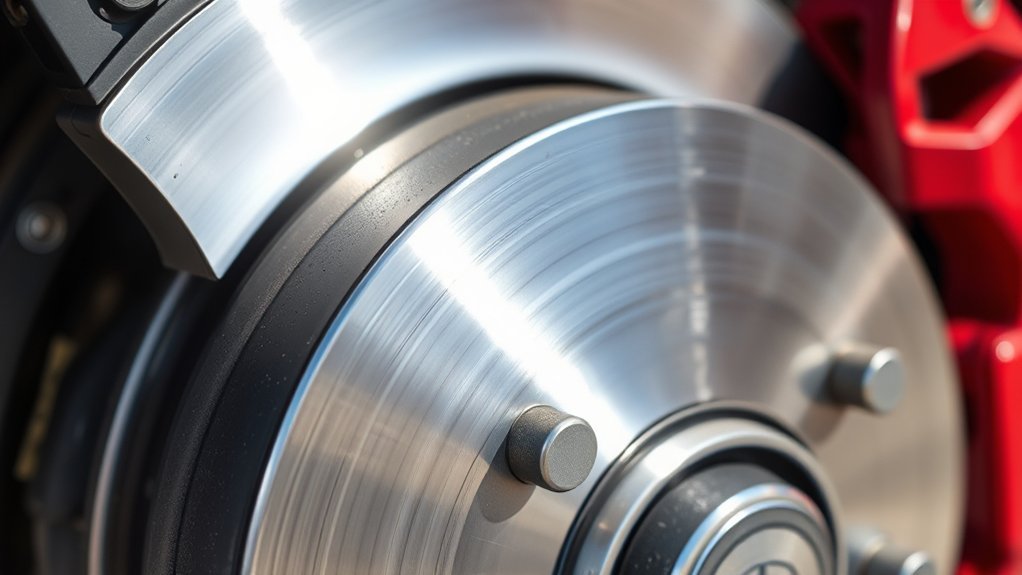
Camry brake squeal usually starts when the pad, rotor, shim, clip, or caliper vibrates at an audible frequency. The sound can also come from a mechanical pad-wear indicator contacting the rotor — see that guide for pad-thickness detail and replacement timing specific to the wear indicator itself.
Pad formulation affects noise, but price or material alone does not prove a pad is good or bad. Chamfers, slots, shims, hardware fit, rotor finish, caliper movement, and installation quality all affect whether the brake assembly stays quiet.
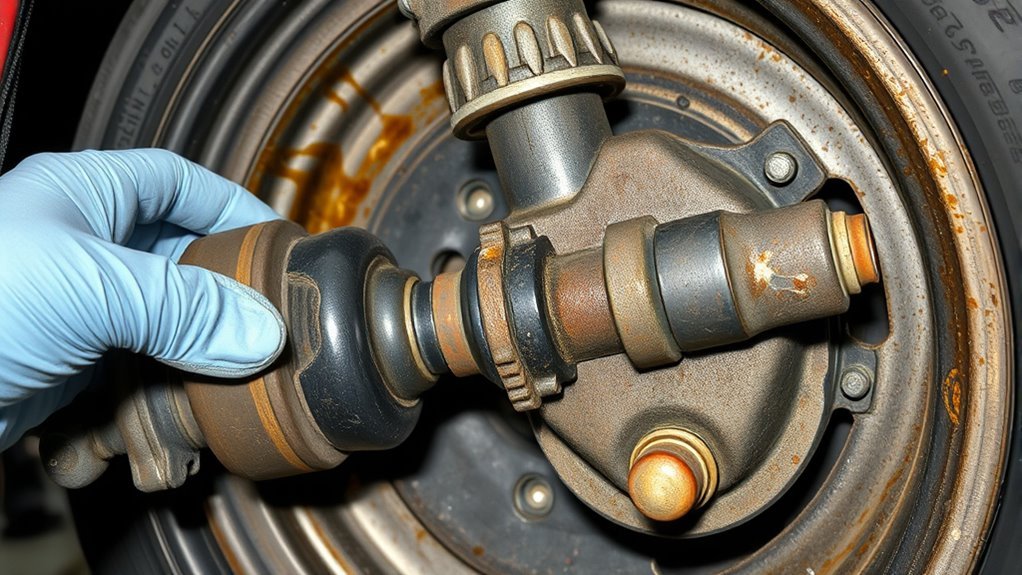
Dry, corroded, or sticking caliper slide pins can keep the pads from applying and releasing evenly. That can create uneven wear, drag, heat, and noise. A torn pin boot can allow water and grit into the sliding surfaces.
Morning squealing often comes from moisture. ADVICS notes that outdoor parking, humidity, and overnight temperature changes can leave rust on the rotors. The noise should fade with normal driving; persistent noise after the rotor is clean needs a closer inspection.
What If the Camry Squeaks Without the Brake Pedal?
If the sound continues while coasting with the pedal released, do not assume the brake pads are worn. A bent rotor dust shield, trapped debris, wheel-bearing noise, or steering and suspension contact can mimic brake squeal. ADVICS recommends checking wheel bearings, steering, chassis, and suspension parts when brake-system checks do not explain the noise.
Warning: Toyota lists squealing, scraping, grinding, and reduced brake response among signs that brake pads may need attention. Do not keep driving based on sound alone if pedal feel or stopping performance has changed.
How to Tell Normal Brake Noise From a Safety Problem
Brief squeal during the first stop or two after rain or overnight parking often points to moisture on the rotors. It should fade as the pads clean the rotor faces, and the pedal and stopping response should remain normal.
A repeating squeal needs inspection even when the car still stops normally. Note whether it comes from the front or rear, happens only at low speed, occurs in reverse, starts after the brakes warm up, or began immediately after a brake job. Those details help separate pad wear from vibration, hardware, rotor, or caliper problems.
Grinding or scraping can mean the friction material is severely worn or another part is contacting the rotor. A burning smell, smoke, pulling, or one wheel that appears to be overheating can point to a dragging brake or a sticking Camry brake caliper. A soft or sinking pedal, fluid leakage, or a red brake warning light suggests a hydraulic or control-system problem rather than ordinary squeal. See the separate guides to Toyota Camry brake warning lights, a soft Camry brake pedal, and Camry brake pedal pulsation for those symptoms.
Does Your 2018–2022 Camry Have a Brake-Squeal TSB?
Toyota technical service bulletin T-SB-0088-22 covers some 2018–2022 Camry and Camry Hybrid vehicles with front brake squeal or squeak. Toyota states that the noise may be more likely at slower speeds.
The bulletin superseded T-SB-0015-20 and uses different repair paths based on production information. Repair Procedure A replaces both front caliper assemblies. Repair Procedure B replaces the outer fitting-kit assemblies on both sides, and Toyota states that Procedure B does not apply to Japan-built vehicles. The technician must first confirm that the sound comes from the front brake components; otherwise, the bulletin directs normal diagnosis through the applicable repair manual.
For Procedure B, Toyota specifies the supplied Wako grease only inside designated pad-clip areas, with a total quantity of 0.0075 g. That precision is a reason not to substitute a generic anti-squeal paste or copy the repair without VIN-specific service information.
Ask a Toyota dealer to confirm the VIN, build origin, exact symptom, and current coverage before approving repairs. The bulletin’s original warranty section lists Toyota Basic Warranty coverage for the specified condition at 36 months or 36,000 miles, whichever occurred first; current eligibility must be checked for the individual vehicle.
Model-year note: T-SB-0088-22 lists only 2018–2022 Camry and Camry Hybrid vehicles. Earlier or later Camrys need model-year-, market-, and VIN-specific service-information checks because a different bulletin or normal brake diagnosis may apply.
Which Brake Pads Are Quieter on a Toyota Camry?
ADVICS notes that ceramic pads are generally quieter than semi-metallic pads and usually produce finer, lighter dust. That makes ceramic a strong choice for many daily-driven Camrys when the exact pad is approved for the vehicle.
Semi-metallic pads can make sense when heat handling and repeated heavy braking matter more than minimum noise. The tradeoff is that they often transmit more sound and dust than a street-focused ceramic formulation.
No friction material guarantees silent brakes. For the best chance of quiet operation, match the pad set to the Camry’s year, trim, axle, brake package, and build information. Confirm whether the set includes the correct shims, clips, wear indicators, and other hardware. Use the manufacturer’s catalog or a VIN-based Toyota parts lookup instead of relying on a broad “fits Camry” product title.
- Daily commuting and minimum dust: A vehicle-approved ceramic formulation is a sensible starting point.
- Repeated high-heat use: A compatible semi-metallic formulation may be more appropriate, with a possible noise-and-dust tradeoff.
- Squeal after recent service: Check fitment, hardware, rotor preparation, and bedding before changing pad material again.
Note: Choose pads by verified fitment, normal driving conditions, noise goals, and complete hardware support—not by brand name or friction material alone.
[Products Worth Considering]

Bosch QuietCast premium ceramic rear brake pads are engineered for quiet, reliable stopping power with low dust performance. Featuring pre-attached multilayer shims, corrosion-resistant backing plates, and OE-style slots and chamfers, this set is designed for smooth fitment and long-lasting durability. It includes pads for one axle, plus hardware and lubricant where available, making installation easier for compatible Lexus, Pontiac, and Toyota vehicles.
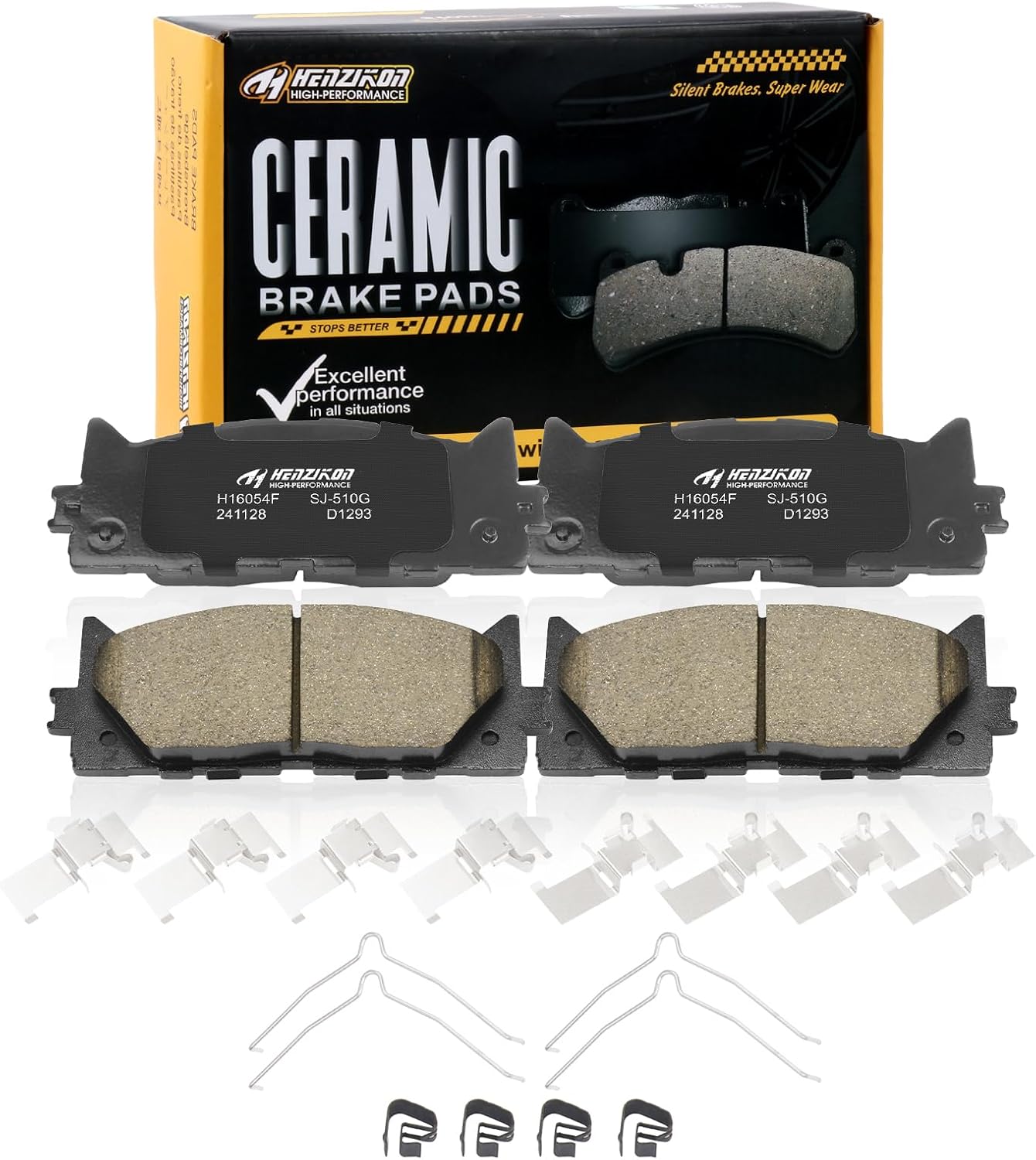
These ceramic front brake pads are designed for compatible Toyota Avalon, Camry, and Lexus ES-series vehicles, offering dependable stopping power and smooth, consistent braking performance. Built with included hardware for easier installation, they help reduce squealing and brake dust while supporting long-term durability for everyday driving.
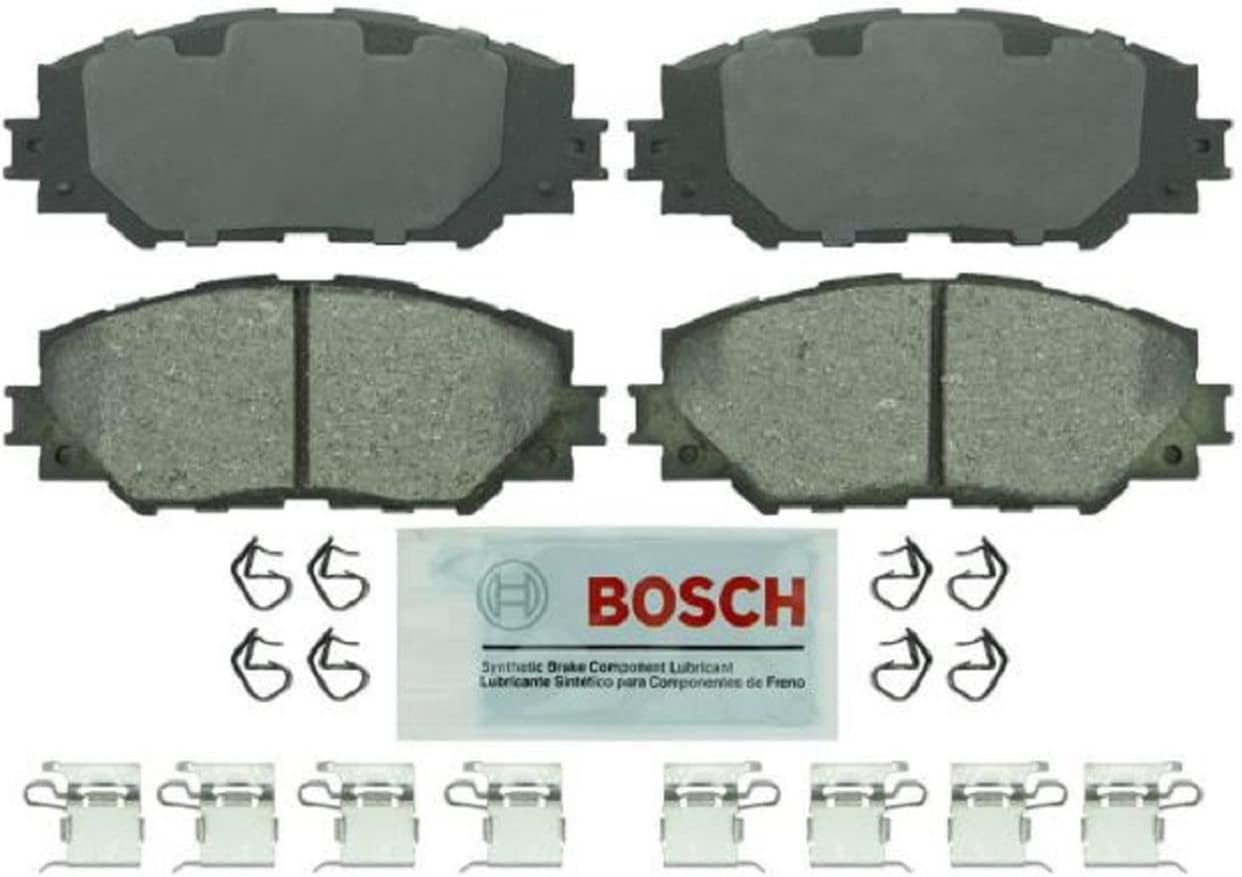
Bosch Blue ceramic front brake pads deliver dependable stopping power with platform-specific friction material designed for select Lexus, Pontiac, Scion, and Toyota vehicles. OE-style shims, slots, and chamfers help promote quiet braking, while the rust-inhibitive coating supports long-lasting performance and cleaner operation. The set includes hardware and synthetic lubricant for easier installation on one axle.
How Do You Install Brake Pads to Prevent Squeaking?
Proper installation matters as much as pad quality. Inspect and clean the bracket, clips, shims, slide pins, boots, pad abutments, hub face, and rotor before installing new parts.
Use only brake lubricant that is approved for the exact component and compatible with the rubber boots. Apply it only where the Toyota repair information or pad manufacturer directs. Some coated or rubber-backed shims do not require grease on the pad backing plate.
Keep lubricant, oil, fingerprints, and contamination off the rotor faces and pad friction material. If a pad is soaked with grease or brake fluid, cleaning may not restore it; follow the pad maker’s replacement guidance.
Measure the rotor rather than judging it by appearance alone. Thickness, thickness variation, mounted runout, grooves, heat damage, corrosion, and minimum machining limits all affect the repair decision. Resurface a rotor only when model-specific specifications and the shop’s measurements allow it; otherwise replace it. For removal and reassembly context, see the separate Camry front brake-pad replacement guide.
Brake-work safety: Support the vehicle with correctly rated jack stands on approved lift points, protect the brake hose from strain, and use model-specific torque and service data. If you cannot measure rotor and pad condition or verify safe reassembly, use a qualified technician.
[Products Worth Considering]
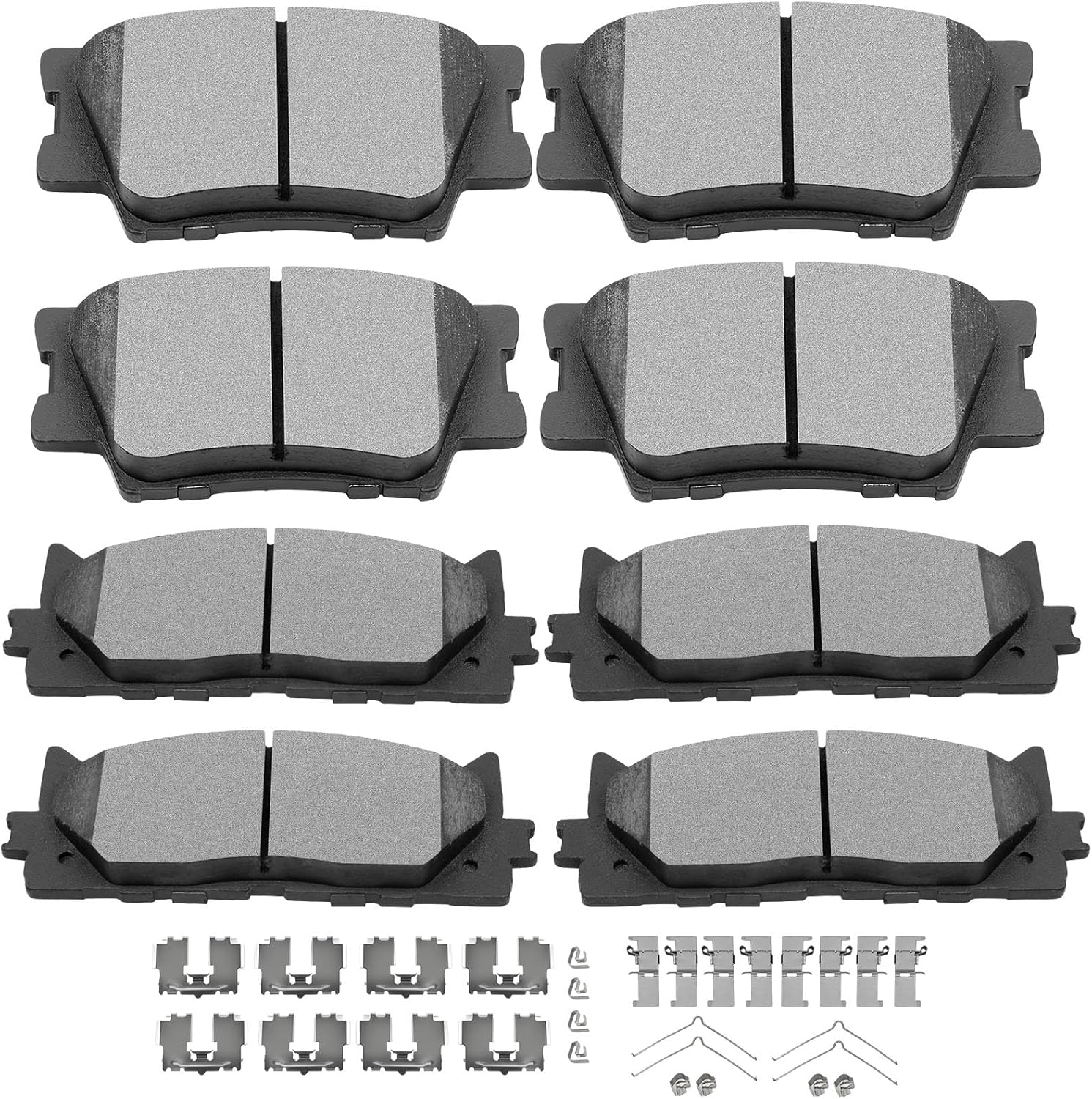
This ceramic front and rear brake pad set is designed as a direct replacement for select Lexus and Toyota models, helping restore reliable stopping performance. The pads feature a scorch-treated friction surface for quicker break-in and consistent wear, while the included gasket design helps reduce vibration and noise for quieter braking. Built for easy installation, this kit comes ready to fit compatible vehicles without modification.

TOVASTY rear brake pads are designed for a wide range of Toyota and Lexus models, delivering dependable braking performance with a carbon ceramic formula. They help reduce brake dust, promote quieter operation, and support consistent stopping power with improved heat resistance for everyday driving confidence.

These ceramic front brake pads are designed for smooth, quiet braking and dependable stopping power across a range of compatible Toyota and Lexus vehicles. The chamfered, multi-layer construction helps reduce noise and brake dust while supporting stable performance in demanding driving conditions. Built for consistent braking response, they offer confident pedal feel and long-lasting reliability.
Ongoing Maintenance to Prevent Brake Noise
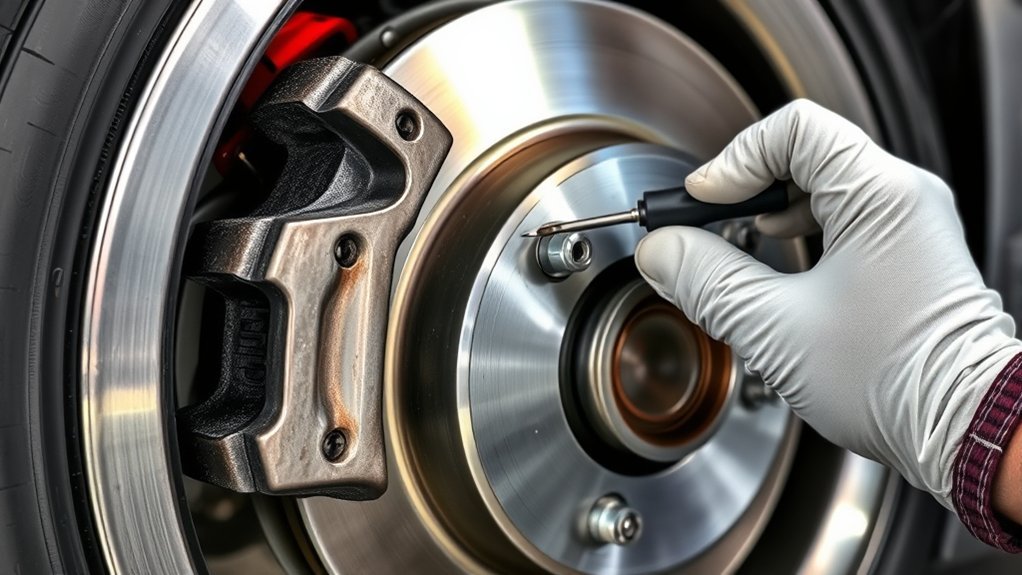
Quiet brakes depend on even pad contact, free-moving hardware, clean friction surfaces, and the correct bedding procedure after service. Inspect the system when noise returns, especially if it began soon after a repair.
Regular Inspection Practices
Check both sides of each axle because one inner pad can wear faster than the outer pad. A quick glance through the wheel does not show every friction surface or hardware problem.
- Brake pad wear: Compare inner and outer pad thickness and look for taper, cracks, glazing, contamination, or a wear indicator touching the rotor.
- Shim and clip condition: Confirm the correct hardware is present, seated, undamaged, and not heavily corroded.
- Caliper movement: Check that slide pins and the caliper move correctly and that boots are sealed.
- Rotor condition: Inspect both faces and measure thickness and runout when the symptom supports it.
- Hydraulic signs: Treat fluid leakage, a falling reservoir level, or a soft pedal as a separate safety problem. A brake-fluid flush is not a substitute for worn pads or damaged hardware.
Proper Lubrication Techniques
Lubrication controls noise only when the product and location are correct. Brembo recommends checking shims, sliding elements, seals, and dust boots, then using component-specific grease that will not damage rubber parts.
| Service Area | Correct Approach | Avoid |
|---|---|---|
| Caliper slide pins | Use boot-compatible caliper lubricant in the amount and locations specified | Mixing unknown greases or packing a damaged boot |
| Pad abutments and clips | Clean corrosion and apply only the specified thin film, if required | Grease that can migrate onto the rotor or pad face |
| Pad backing and shims | Follow the pad or Toyota instructions; some coated shims need no added grease | Coating the whole backing plate by habit |
| Rotor and pad friction surfaces | Keep clean, dry, and free of residue | Any lubricant, anti-squeal paste, oil, or brake fluid |
Pad Bedding Procedures
Bedding helps the new pad and rotor establish stable contact and an even transfer layer. An incorrect or incomplete procedure can leave uneven deposits, poor pedal feel, odor, or noise.
Do not assume every pad uses the same sequence. For example, PowerStop’s procedure for new pads with its drilled-and-slotted rotors uses five moderate-to-aggressive stops from 40 mph to 10 mph, then five moderate stops from 35 mph to 5 mph, followed by cooling. PowerStop publishes separate instructions for other products, and other manufacturers may specify different speeds, stop counts, or a gentle run-in period.
- Follow the instructions supplied with the exact pad and rotor set.
- Choose a legal, dry, low-traffic location with enough stopping distance.
- Do not come to a full stop with very hot brakes unless traffic or safety requires it.
- Allow the brakes to cool as directed before normal use.
- Never perform an aggressive bedding sequence when the manufacturer calls for a gentle run-in.
Proven Solutions for Eliminating Brake Noise
The correct fix follows the diagnosis. Replacing pads alone will not cure a seized slide pin, wrong hardware, contaminated friction material, excessive rotor runout, or a TSB-related condition.
| Confirmed Cause | Appropriate Repair Direction | What Not to Do |
|---|---|---|
| Temporary moisture or surface rust | Confirm the noise clears and braking remains normal | Replace parts based on one damp-morning stop |
| Worn, glazed, damaged, or contaminated pads | Replace pads across the axle and correct the underlying cause | Replace only the visibly worse pad |
| Corroded clips, damaged shims, or sticking slide pins | Clean or replace the affected hardware and use specified lubricant | Add paste without freeing or replacing damaged parts |
| Rotor out of specification or badly damaged | Resurface only within limits or replace, then correct hub and installation causes | Assume every squeal means “warped rotors” |
| 2018–2022 condition matching T-SB-0088-22 | Use Toyota’s VIN- and build-specific diagnostic and repair path | Order bulletin parts without confirming applicability |
| Noise with the brake pedal released | Inspect the rotor shield, debris, wheel bearing, and nearby rotating parts | Replace pads based on sound alone |
[Products Worth Considering]

Bendix Premium Ceramic Front Brake Pads are engineered to match original equipment fit, form, and function for a straightforward replacement. Built with durable materials to help resist wear and corrosion, they support consistent braking performance and reduced brake fade for everyday driving. These pads are a dependable choice for compatible Pontiac, Scion, Toyota, and related vehicles.

PowerStop Z17 Evolution Ceramic Brake Pad Set is an OE replacement solution built for dependable everyday braking and consistent value. Designed with chamfered, slotted surfaces and rubberized shims, it helps deliver quiet stopping performance with reduced brake dust and cleaner wheels. The kit includes stainless steel installation hardware for an easy bolt-on install and comes backed by a limited warranty.
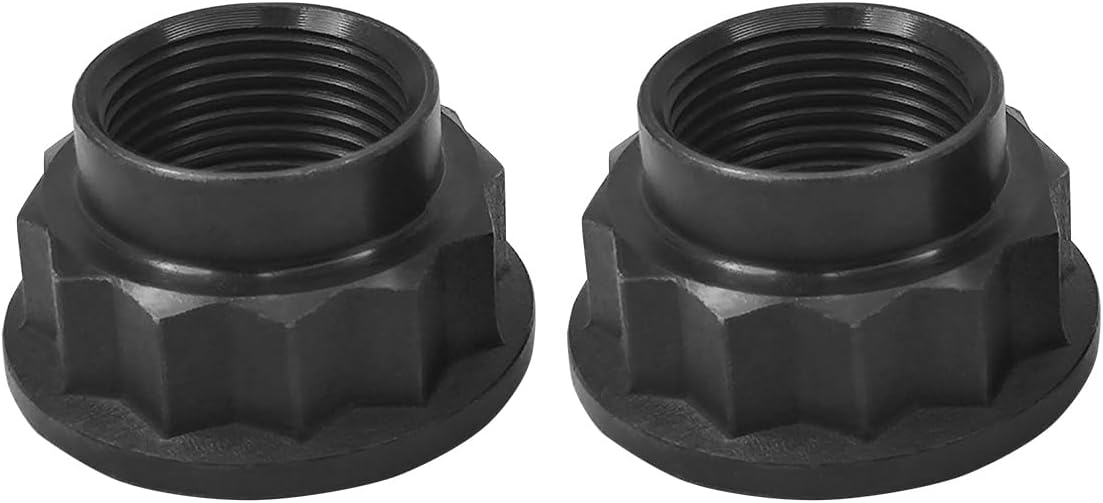
This pair of front axle shaft nuts is designed to secure CV joints and wheel bearings on compatible Toyota and Lexus front drive axles. Built from heat-treated carbon steel for durability and corrosion resistance, it helps maintain proper torque and reliable power transfer. It is a direct replacement for several factory part numbers and is recommended for paired replacement.
When to Consult a Professional for Brake Issues
Use a qualified mechanic or Toyota technician when the symptom cannot be confirmed with a safe visual inspection or when measurements, hydraulic work, electronic parking-brake service, ABS diagnosis, or model-specific repair information are required.
- The noise continues after pads, rotors, or hardware were replaced.
- Grinding, scraping, burning odor, smoke, pulling, or brake drag appears.
- Braking power drops, stopping distance grows, or pedal feel changes.
- The red brake warning light remains on or brake fluid is leaking.
- You feel pulsation or vibration through the pedal or steering wheel while braking.
- You cannot verify pad thickness, rotor limits, caliper movement, fitment, or torque values.
- Your 2018–2022 Camry may match Toyota T-SB-0088-22.
For a TSB-related concern, ask the dealer to document the symptom and check the VIN before parts are approved. Do not assume a bulletin guarantees a free repair; eligibility depends on the vehicle and current coverage.
What to tell the shop: Give the model year, mileage, front or rear location, forward or reverse direction, first-stop or warm-brake timing, recent pad or rotor work, pedal feel, warning lights, and whether the noise occurs with the pedal released. A repeatable description helps the technician confirm the source before parts are ordered.
Safety Disclaimer: This article is for informational purposes only and does not replace professional automotive diagnosis or repair advice. Brake systems affect stopping distance and vehicle control. Stop driving and arrange towing when braking is weak, the pedal sinks, fluid leaks, grinding starts, the vehicle pulls, smoke appears, or a red brake warning light remains on.
Frequently Asked Questions
Why do Camry brakes squeak?
Camry brakes can squeak because the pad, rotor, shim, clip, or caliper hardware is vibrating. Moisture, surface rust, worn pads, a pad-wear indicator, sticking slide pins, rough rotors, contamination, and incorrect fitment or bedding can also cause noise.
How do you fix squeaky brakes on a Toyota?
Match the repair to the confirmed cause. Check pad thickness and wear pattern, shims and clips, slide-pin movement, rotor condition, contamination, and part fitment. Use only specified lubricant and follow the exact bedding instructions for the installed pads and rotors.
Why are my brakes squealing if the pads look fine?
Visible friction material does not rule out loose or incorrect shims, corroded clips, dry or sticking slide pins, glazed pads, contamination, rotor grooves, excessive runout, or a model-specific hardware issue. Inspect inner and outer pads and the complete assembly.
Is morning brake squeal on a Camry normal?
Brief morning squeal can be normal after rain, humidity, or overnight parking leaves light surface rust on the rotors. It should clear after one or two stops with normal pedal feel and braking. Persistent or worsening noise needs inspection.
Can you drive with squealing brakes?
Do not judge safety by sound alone. Brief moisture squeal with normal braking may clear, but repeated squeal should be inspected soon. Stop driving if you hear grinding, braking weakens, the pedal feels soft or sinks, fluid leaks, the vehicle pulls, or a red brake warning light stays on.
Why do new brakes squeak after pads and rotors were replaced?
New brakes may squeak because the pad and rotor have not bedded correctly, the wrong bedding procedure was used, hardware was reused or installed incorrectly, contact points are dry, friction surfaces are contaminated, or the rotor and hub were not prepared or measured correctly.
Does the 2018–2022 Camry brake-squeal TSB apply to every car?
No. Toyota T-SB-0088-22 covers a stated front-brake squeal or squeak condition on some 2018–2022 Camry and Camry Hybrid vehicles. A dealer must confirm the symptom, VIN, build information, and appropriate repair path.
Why do Camry brakes squeak only in reverse?
Reverse-only squeal can happen when the pads load against the clips, shims, or bracket in the opposite direction, or when overnight rust is first rubbed from the rotor. Inspect the hardware and both pad faces if the noise repeats, becomes grinding, or comes with heat, pulling, or a change in pedal feel.
Does T-SB-0088-22 cover 2023–2026 Camry models?
No. Toyota T-SB-0088-22 lists 2018–2022 Camry and Camry Hybrid vehicles. A 2023–2026 Camry with brake squeal needs model-year- and VIN-specific diagnosis; do not use the 2018–2022 repair path unless Toyota service information specifically directs it.
How much does it cost to fix squealing brakes on a Camry?
Cost depends on the confirmed cause and where the repair is done. A 2018–2022 Camry or Camry Hybrid whose symptom matches T-SB-0088-22 and falls inside the Toyota Basic Warranty window can be repaired at no cost to the owner. Outside that window, a hardware or shim service typically costs less than a caliper replacement, and a rotor replacement adds to either. Dealer and independent-shop labor rates and part prices vary by region, so treat any online estimate as a starting point rather than a quote. [VERIFY: confirm current local labor rates and parts pricing with a shop before budgeting.]
Conclusion
Toyota Camry brake squeal is a symptom, not a parts diagnosis. Start with when the noise happens, then inspect pad wear, shims, clips, slide pins, rotor condition, contamination, and fitment. Check Toyota T-SB-0088-22 when a 2018–2022 Camry or Camry Hybrid has low-speed front brake squeal.
Arrange prompt inspection for repeated noise. Stop driving and tow the Camry when braking weakens, the pedal sinks, fluid leaks, grinding starts, the car pulls, smoke appears, or a red brake warning remains on. Quiet brakes are useful; verified stopping performance is essential.
References
- T-SB-0088-22: Front Brake Squeal/Squeak Noise — Toyota Motor Sales, USA, 2022
- Signs You May Need New Brake Pads — Toyota
- Noises and Vibrations — Brembo
- Ceramic vs. Semi-Metallic Brake Pads — ADVICS Aftermarket
- Brake Pad Break-In Procedure — PowerStop
- Why Are My Brakes Squeaking? — CRC Industries, 2025
- How to Address Brake Noise Issues — ADVICS Aftermarket
- How to Avoid Brake Stiction — Brembo

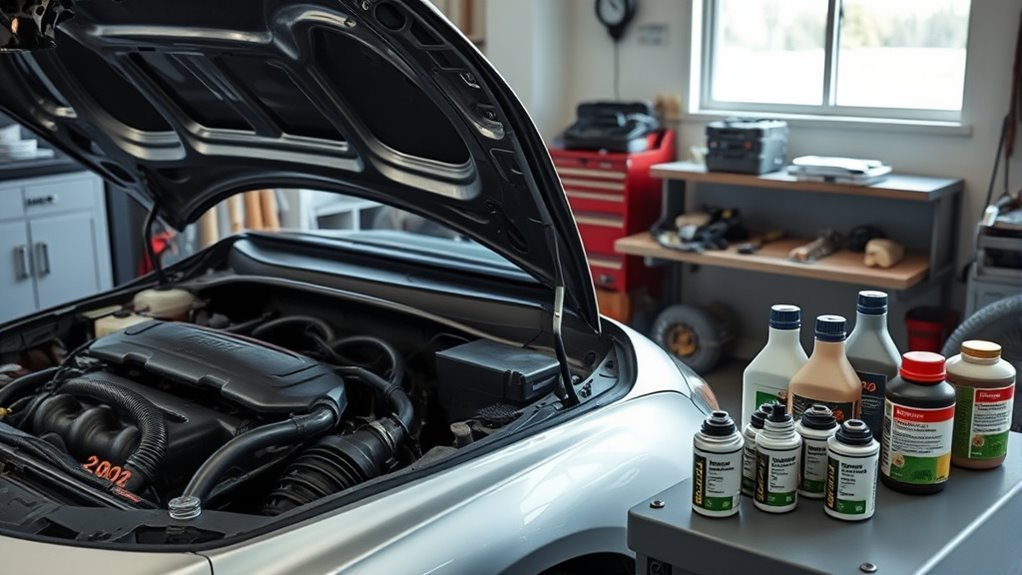
[…] No pad is guaranteed to remain silent. Worn clips, dry or seized slide pins, rotor runout, uneven deposits, corrosion, incorrect lubrication, or poor bedding can cause noise even when the friction compound is designed for quiet operation. For symptom-specific diagnosis, see the guide to Toyota Camry brake squeal causes and fixes. […]
[…] worse. These faults can prevent both pads from applying and releasing evenly. Review the separate Camry brake-noise guide when squealing or hardware vibration is the main […]