By Daxon Steele · Last updated: July 31, 2026 · Reviewed against Toyota owner-manual guidance for rear door child-protector locks.
To set the Toyota Camry rear child safety locks, open each rear door and push the small child-protector lever down to the Lock position. The locked rear door will not open with its inside handle, but it can still open from outside after the main door lock is unlocked. To restore normal use, open the door from outside and move the lever up to Unlock. Each rear door has a separate mechanical lever, so check and set both sides individually.
This guide explains where the levers are, how to test them safely, how the child lock differs from the power door lock and window lock, and what to check when a rear door will not open as expected.
What’s in This Article
- Where Camry Rear Child Safety Locks Are Located
- Child Lock vs. Door Lock vs. Window Lock
- Before You Begin
- How to Set the Rear Child Safety Locks
- How to Unlock the Rear Doors to Restore Normal Use
- In-Car Safety Practices While Child Locks Are Active
- Troubleshooting: What to Do If a Child Lock Won’t Move or Work
- When to Enable, Disable, or Get Professional Help
- Simple Maintenance Checks to Keep Rear Child Locks Working
- Frequently Asked Questions
Quick Answer
Open a rear door and find the small lever on the door’s inner edge near the latch. On Camry owner-manual diagrams, down is Lock and up is Unlock. Set each rear door separately. After changing the setting, test it with the door closed while the car is parked and a second adult remains outside, or lower the window first so the outside handle stays reachable.
Key Takeaways
- Each rear door has its own mechanical child-protector lever near the latch.
- Push the lever down to Lock and move it up to Unlock; confirm the markings on your exact door.
- A correct functional test uses the inside handle with the rear door closed, not while the door is open.
- The child lock blocks the inside handle only. The main door lock must still be unlocked before the door opens from outside.
- If the lever will not move, do not force it or spray an unapproved lubricant into the latch. Arrange service if gentle cleaning does not restore movement.
Where Camry Rear Child Safety Locks Are Located
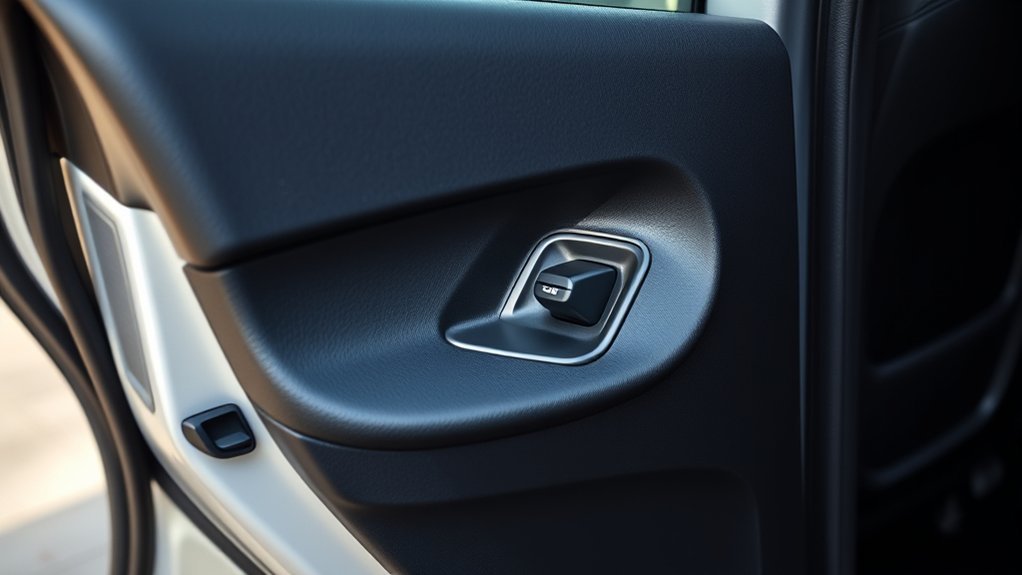
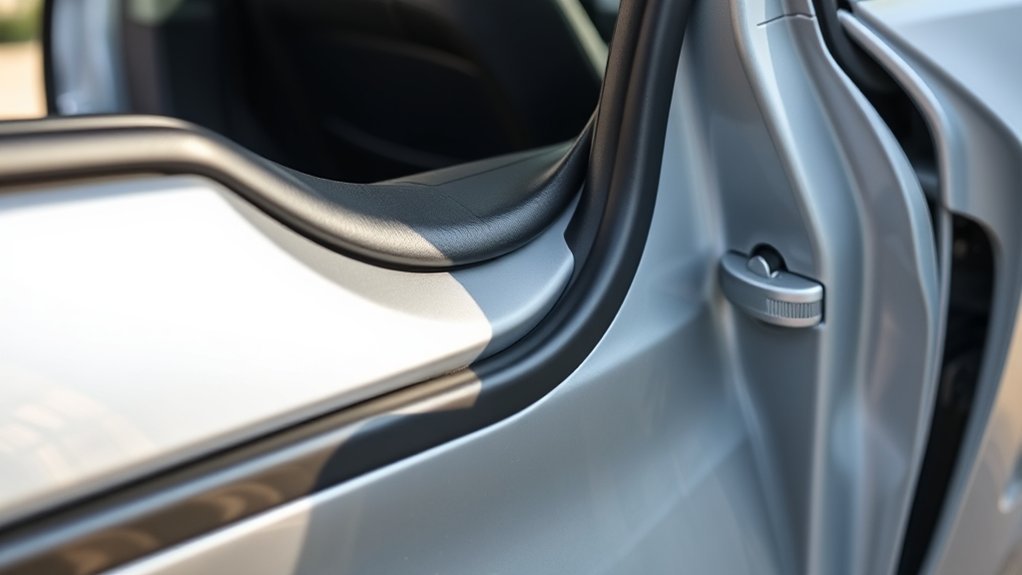
Open either rear door and look at the exposed door edge near the latch. The rear door child-protector control is a small lever or tab marked with Lock and Unlock positions. Toyota’s Camry owner-manual diagrams identify the lower position as Lock and the upper position as Unlock.
Each rear door has its own lever. The driver’s-side rear setting does not automatically change the passenger-side rear setting. This control is mechanical, so it is separate from the key fob, power door-lock switch, automatic locking settings, and multimedia screen.
Model-year note: The basic arrangement is consistent across multiple Camry generations, but labels and lever shape can vary. Use the markings on the door and confirm the procedure in the Toyota owner’s manual for your exact model year.
Child Lock vs. Door Lock vs. Window Lock
These three controls solve different problems. A rear child safety lock does not lock the vehicle from outside, and it does not stop a child from operating a rear window.
| Control | What It Does | What It Does Not Do |
|---|---|---|
| Rear child safety lock | Prevents that rear door from opening with the inside handle. | Does not lock the outside handle or disable the window switch. |
| Power door lock | Locks or unlocks the vehicle’s doors. | Does not replace the child-protector lever. |
| Window lock | Disables passenger window controls from the driver’s switch panel. | Does not prevent a rear door from opening. |
Before You Begin
Time needed: Usually about 2 minutes for both rear doors.
Tools required: None for normal operation.
Preparation: Park on level ground, shift to P, apply the parking brake, and open each rear door far enough to reach the lever on the door edge. Keep children away from the door while you change and test the setting.
How to Set the Rear Child Safety Locks
Use this procedure on one rear door, test it safely, and then repeat it on the other rear door.
- Park and open the rear door. Make sure the vehicle is stationary and the door edge near the latch is easy to reach.
- Find the child-protector lever. Look for the small Lock/Unlock lever or tab on the inner edge of the rear door.
- Move the lever down to Lock. Use light, controlled pressure. Do not force a lever that feels jammed.
- Prepare a safe test. Unlock the main power door lock. Have a second adult remain outside, or lower the rear window so the outside handle can be reached if needed.
- Close the rear door and pull the inside handle. The door should remain closed. The adult outside should then confirm that the same door opens normally with the outside handle.
- Repeat on the other rear door. Each side must be set and tested separately.
Pro tip: Test the main door lock and child lock separately. A rear door that is still power-locked will not open from outside even when the child-protector lever works correctly.
How to Unlock the Rear Doors to Restore Normal Use
Unlock the vehicle’s main door locks and open the rear door from outside. Move the child-protector lever up to Unlock, close the door, and test the inside handle while the vehicle remains parked. The inside handle should now open the door normally.
Repeat the process on the other rear door. Because the levers operate independently, one rear door can remain child-locked while the other returns to normal operation.
If the rear door still will not open from inside after the lever is in Unlock, compare the inside handle feel with the other rear door. A loose handle, no resistance, intermittent operation, or a lever that will not stay in position can indicate a handle cable, latch, or internal mechanism problem that needs diagnosis.
In-Car Safety Practices While Child Locks Are Active
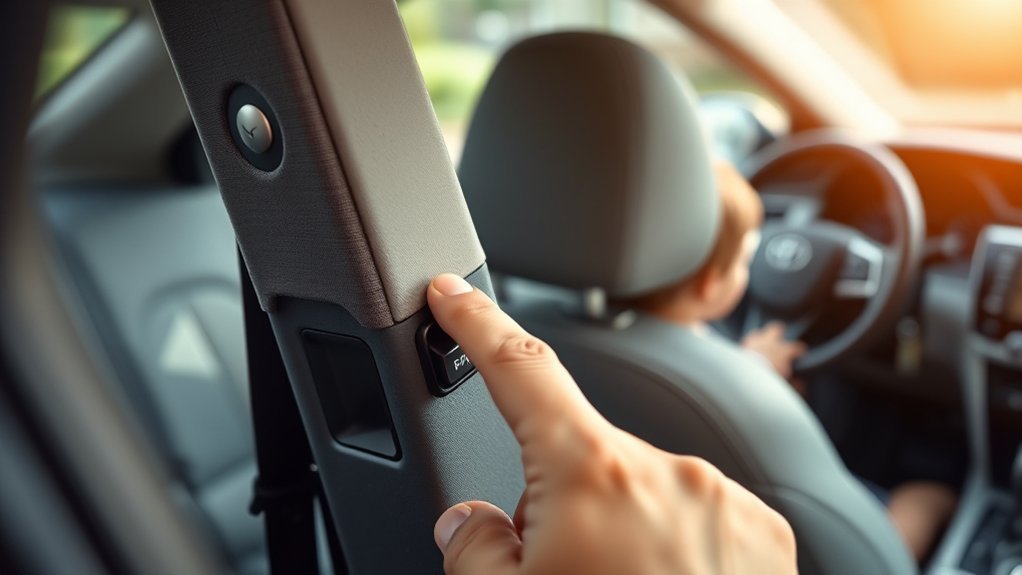
Toyota advises using the rear door child-protector locks when children are seated in the rear. The lock is only one part of rear-seat safety, so combine it with the normal power door locks, correct child-restraint use, and the window lock when appropriate.
- Confirm the setting after changing it. Safely test both rear doors before carrying a child.
- Use the window lock separately. The child-protector lever does not disable rear window switches.
- Tell other caregivers how the doors work. A rear passenger cannot exit using the inside handle while the child lock is engaged.
- Keep the main door locks usable. In an emergency, an adult outside must unlock the vehicle before opening a child-locked rear door.
- Do not rely on age alone. Keep the locks engaged whenever a rear passenger may pull the handle unexpectedly.
Troubleshooting: What to Do If a Child Lock Won’t Move or Work
Start by identifying exactly what the door does. The pattern helps separate a normal child-lock condition from a failed handle, latch, actuator, or internal cable.
| Symptom | Most Likely Meaning | Next Check |
|---|---|---|
| Opens outside but not inside | The child-protector lever may be in Lock. | Open from outside and move the lever to Unlock. |
| Will not open inside or outside | The child lock alone does not explain the outside-handle failure. | Confirm the main door lock is unlocked, then arrange latch or handle diagnosis. |
| Lever moves, but inside-handle behavior does not change | The lever may not be operating the internal mechanism. | Stop repeated force and have the latch assembly inspected. |
| Lever is stiff or stuck | Dirt, corrosion, impact damage, or an internal latch fault may be restricting movement. | Remove only loose surface debris with a soft brush; do not pry or force the lever. |
Warning: Do not force the lever, insert a sharp pick into the latch, or spray penetrating oil into the mechanism without model-specific service guidance. Those actions can damage plastic parts, move debris deeper, or make diagnosis harder.
If gentle surface cleaning does not restore normal lever movement, or if a closed door cannot be opened from either side, use a Toyota dealer or qualified repair shop. Avoid removing the door panel while the door is closed unless you have the correct service information and experience, because trim, cables, clips, and wiring can be damaged without the correct procedure.
[Products Worth Considering]

This A-Premium serpentine belt drive kit is designed for compatible Toyota Camry, RAV4, and Scion tC models with a DOHC 2.5L L4 engine. It includes a serpentine belt and belt tensioner to help maintain smooth engine operation, reduce noise, and support reliable power transfer. Built for dependable replacement performance, it also comes with a one-year unlimited-mileage guarantee for added peace of mind.

This driver side front door lock actuator is designed to restore reliable locking performance across a wide range of Toyota, Lexus, and Scion vehicles. It serves as a direct replacement for multiple OE part numbers and helps solve issues with power door locks that are slow, unresponsive, or failing. Built for broad compatibility and backed by a one-year warranty, it is a practical solution for dependable door lock operation.

Replace worn or broken rear exterior door handles with this OEM-style fit designed for a wide range of Toyota, Pontiac, and Scion vehicles. Built from reinforced plastic with a textured finish for dependable use and weather resistance, it helps restore smooth entry and a clean factory look. This handle is made for rear left or rear right installation without a keyhole and includes support backed by a warranty.
When to Enable, Disable, or Get Professional Help
Enable both rear child-protector locks when children or other rear passengers may pull an inside door handle unexpectedly. Disable a lock only when normal inside-door access is appropriate and the passenger understands not to open the door until the vehicle is safely parked.
[Products Worth Considering]

This front left door lock actuator assembly is a direct replacement for select Toyota and Lexus models, helping restore reliable power door locking and latch operation. Built as an OEM-quality aftermarket part, it includes the latch assembly and is factory tested for dependable performance. It is designed for driver-side front door fitment across a wide range of compatible vehicles and comes with replacement support for added peace of mind.

This two-piece front door lock actuator motor set is designed to restore reliable power door lock operation for a wide range of Toyota, Lexus, and Scion vehicles. It includes left driver and right passenger side actuators and is made as a direct replacement for common factory part numbers. With broad vehicle compatibility and a one-year warranty, it offers a practical solution for fixing faulty door locking issues.

This door handle cover protector is designed to fit select Toyota models, helping guard exterior handles against scratches, dings, and daily wear. Made from durable ABS material, it offers a sleek glossy black look that blends with the vehicle’s original styling while maintaining smart key functionality. Installation is quick and simple, making it an easy upgrade for added protection and a cleaner appearance.
When to Enable
- Enable both rear locks before carrying young children.
- Recheck both sides after another driver, caregiver, detailer, or repair shop has used the vehicle.
- Use the window lock too when a child may operate the rear window switch.
When to Seek Professional Help
Arrange professional diagnosis when the lever will not move with light pressure, will not stay in position, or does not change inside-handle operation. Also seek help when the rear door will not open from outside after the main door lock is unlocked.
| Condition | Action |
|---|---|
| Children riding in the rear | Enable and safely test both rear child locks |
| Normal inside-door access is appropriate | Move each lever to Unlock and test each inside handle |
| Lever, handle, or latch operates intermittently | Stop relying on that door and arrange diagnosis |
| Door will not open from either side | Do not force the handles; arrange professional repair |
Simple Maintenance Checks to Keep Rear Child Locks Working
The child-protector levers do not need a complicated maintenance routine. Check them whenever you clean the door jambs, after door or latch work, and before carrying children if you have not used the feature recently.
Pro tip: Photograph both lever positions after setting them. The photo gives another caregiver a quick reference and helps you notice if one side has changed.
- Wipe the exposed door edge with a soft, lightly damp cloth.
- Remove loose surface debris around the lever with a soft brush.
- Move the lever gently between Lock and Unlock while the door is open.
- Test the door safely in both positions with the main door lock unlocked.
- Arrange service if movement is rough, the lever will not hold position, or the result is inconsistent.
Do not add lubricant merely as preventive maintenance. Use only the product and application point specified by Toyota service information for your exact model if lubrication is required. For broader service planning, use the Toyota Camry maintenance schedule and the model-year Toyota maintenance guide.
[Products Worth Considering]

This replacement rear exterior door handle is designed for select Toyota RAV4, RAV4 Prime, and Highlander models, restoring smooth and reliable access when your original handle is cracked, faded, or loose. It directly replaces the specified factory part number and is intended for non-smart-entry rear doors, with a smooth black finish that matches factory black handles on compatible trims.

This keyless entry remote replacement is designed for a wide range of Toyota, Scion, and Lexus-compatible vehicles, offering a convenient way to restore remote locking and unlocking functions. Each fob is pre-tested, comes with the battery and electronics already installed, and is ready to be programmed for supported standard-key vehicles. It is a practical replacement choice for drivers who need a reliable, compatible remote for everyday use.

This key fob shell is a replacement case and button pad designed to refresh worn or damaged Toyota remote housings. It fits select Camry, Corolla, RAV4, and Highlander models and installs without programming when you transfer your existing electronics and battery. It is a simple way to restore the look and function of your keyless entry remote.
Frequently Asked Questions
Why Does My Camry Rear Door Open From Outside but Not Inside?
The rear child-protector lever is probably in the Lock position. Open the door from outside, find the lever near the latch, and move it to Unlock. If the lever is already unlocked and the inside handle still does not work, the handle cable, latch, or internal mechanism may need inspection.
Can Child Safety Locks Prevent Parents From Opening Rear Doors in Emergencies?
The child lock does not block the outside handle, but the vehicle’s main door lock must be unlocked first. An adult outside can then open the rear door. If the outside handle or latch has also failed, the child lock can complicate access, so repair any intermittent door problem promptly.
Do Child Locks Affect Child Seat Installation or LATCH Access?
No. The rear door child-protector lever changes inside-handle operation. It does not change the lower anchors, top-tether anchor, seat belt, or child-restraint installation procedure. Install the restraint according to the Camry owner’s manual and the child-seat manufacturer’s instructions.
Can the Child Lock Be Engaged Remotely or via Vehicle Settings?
No. On Camry models using the standard rear door child-protector system, each rear-door lever is operated by hand. Automatic door-lock settings and the key fob do not move the child-protector lever.
Does the Camry Child Lock Disable the Rear Window?
No. The child-protector lever only prevents the rear door from opening with the inside handle. Use the driver’s window-lock switch separately when you need to disable passenger window controls.
Do I Have to Set Both Rear Child Locks?
Yes, if you want both rear doors protected. Each rear door has its own lever, so setting one side does not change the other side.
Conclusion
To use the Toyota Camry rear child safety locks, open each rear door, move its child-protector lever down to Lock, and test the closed door safely from inside while the main door lock is unlocked. The door should stay closed from inside and open from outside. Move the lever up to Unlock when normal inside-handle operation is needed.
If a rear door opens outside but not inside, check the child-protector lever first. If it will not open from either side, the lever will not move, or the inside handle still fails in Unlock, stop forcing the mechanism and arrange professional diagnosis.