
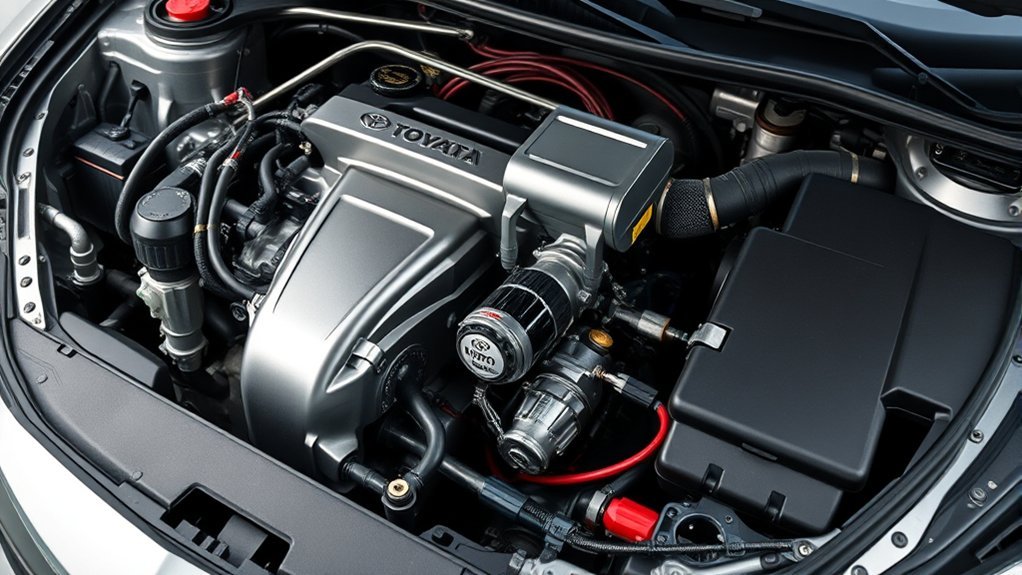
The Toyota Camry’s electric power steering system helps make steering easier at parking-lot speeds and steadier on the highway. Instead of using a belt-driven hydraulic pump and power steering fluid, most late-model Camry models use an electric motor, steering sensors, and a control unit to provide assist only when the system needs it. That design can improve efficiency, reduce maintenance points, and give the car a more controlled steering feel.
Quick Answer
Yes, many modern Toyota Camry models use Electric Power Steering (EPS). EPS uses an electric motor and electronic controls to assist steering instead of hydraulic fluid and a pump. It gives more assist at low speeds, firmer feel at higher speeds, and usually requires less routine maintenance than hydraulic steering.
Key Takeaways
- Electric Power Steering uses a motor, sensors, and an ECU instead of a hydraulic pump, hoses, and power steering fluid.
- The Camry’s EPS assist changes with driving conditions, making low-speed steering lighter and high-speed steering more stable.
- EPS can support better fuel efficiency because it does not require an engine-driven hydraulic pump running all the time.
- If the EPS warning light comes on or steering suddenly feels heavy, have the vehicle inspected promptly by a Toyota dealer or qualified technician.
Understanding Electric Power Steering in the Toyota Camry
Electric Power Steering, often shortened to EPS, is a steering-assist system that uses an electric motor instead of hydraulic pressure. In a Toyota Camry, the EPS system reads steering input and vehicle data, then applies the right amount of assist to help you turn the wheels.
Traditional hydraulic power steering uses a pump, fluid, hoses, and pressure to help move the steering gear. EPS removes those hydraulic parts and relies on electronics. Toyota’s official owner information also identifies an Electric Power Steering system warning light, which confirms that late-model Camry vehicles monitor EPS as a dedicated vehicle system.
The main parts of a typical Camry EPS system include:
- Steering wheel and steering shaft: Transfer your steering input into the system.
- Torque sensor: Detects how much force you apply to the steering wheel.
- EPS motor: Adds assist so the wheel is easier to turn.
- EPS control unit: Calculates how much assist is needed.
- Vehicle speed signal: Helps the system adjust steering feel based on speed.
Note: EPS details can vary by model year, trim, market, and drivetrain. Always check your specific Camry owner’s manual or Toyota service information before assuming a repair procedure or component layout.
How Electric Power Steering Improves Fuel Efficiency
Electric Power Steering can help fuel efficiency because it does not need a belt-driven hydraulic pump constantly drawing power from the engine. Instead, the electric motor provides assist when steering help is needed. During steady straight-line driving, the system generally uses less energy than a traditional hydraulic setup.
This efficiency advantage comes from three basic design differences:
- On-demand assist: EPS adds steering help mainly when you turn the wheel, rather than relying on a pump that runs whenever the engine runs.
- Fewer hydraulic parts: No hydraulic pump, fluid reservoir, pressure hoses, or belt-driven steering pump are needed in an EPS design.
- Electronic control: The EPS control unit can fine-tune assist based on steering force, vehicle speed, and system inputs.
EPS improves efficiency by replacing constant hydraulic pump load with electronically controlled steering assist that responds when the driver needs it.
That does not mean EPS alone creates a huge fuel-economy jump. Tires, alignment, driving speed, engine condition, hybrid system operation, and maintenance habits all matter too. Still, EPS is one of the many small engineering choices that helps modern vehicles reduce wasted energy.
Understanding Vehicle Speed Sensing in EPS
One of the biggest benefits of Electric Power Steering is that it can change steering assist based on vehicle speed. At low speeds, such as when parking, the system can increase assist so the wheel feels lighter. At higher speeds, it can reduce assist so the steering feels firmer and more stable.
This speed-sensitive behavior is important because a car needs different steering feel in different situations. Light steering is helpful when backing into a tight space. Firm steering is helpful on the highway because it reduces the chance of overcorrecting.
Power Assist Variability
The Camry’s EPS system does not need to provide the same amount of assist all the time. It can vary steering help based on driver input and vehicle conditions. The result is a more natural steering feel across daily driving situations.
- Parking and tight turns: More assist makes the steering wheel easier to turn.
- City driving: Moderate assist helps with frequent turns, lane changes, and slow-speed maneuvering.
- Highway driving: Reduced assist helps the steering feel more stable and controlled.
Enhancing Handling Stability
Speed-sensitive EPS supports handling stability by reducing steering assist as speed rises. That firmer feel gives the driver better confidence during highway cruising, lane changes, and gentle curves.
For late-model Camry repair information, Toyota’s service support is provided through the Toyota Technical Information System. Toyota also states that repair publications are available through TIS by subscription, which is the best source for model-specific diagnostic and repair procedures.
Pro Tip: If your Camry feels unusually loose, heavy, or uneven while steering, do not assume the EPS motor is the only possible cause. Tire pressure, wheel alignment, worn suspension parts, battery voltage, and diagnostic trouble codes can all affect steering feel.
Benefits of EPS Over Traditional Hydraulic Systems
Electric Power Steering offers several advantages over hydraulic power steering. The biggest gains are lower energy use, fewer fluid-related maintenance concerns, and more precise electronic control of steering assist.
Enhanced Energy Efficiency
Hydraulic power steering depends on pressure created by a pump. In many older vehicles, that pump is driven by the engine, which means it can use energy even when you are driving straight. EPS avoids that constant hydraulic load by using an electric motor controlled by the vehicle’s electronics.
That design can help the Camry feel modern and efficient without changing the basic job of the steering system: helping the driver turn the wheels safely and predictably.
Simplified Maintenance Requirements
Because EPS does not use power steering fluid, it eliminates common hydraulic steering issues such as low fluid, fluid leaks, hose failures, and pump noise. That makes routine ownership simpler for many drivers.
However, “less maintenance” does not mean “no inspection.” EPS still depends on electrical power, sensors, wiring, control modules, mechanical steering parts, and a healthy 12-volt battery. Toyota’s owner information notes that low or temporarily dropped 12-volt battery voltage can cause the EPS warning light to come on.
Improved Handling Stability
EPS helps handling stability by changing steering assist as needed. It can make steering light when maneuvering slowly, then firm up the feel as speed increases. That balance makes the Camry easier to drive in parking lots while still feeling steady on open roads.
For drivers, the benefit is simple: less effort when you need help and more confidence when you need stability.
How EPS Makes Your Drive More Comfortable and Controlled

The Toyota Camry’s EPS system improves comfort by reducing steering effort during slow maneuvers. This is especially useful when turning into a driveway, backing out of a space, making a U-turn, or navigating a crowded parking lot.
At higher speeds, the system can reduce assist to create a more planted steering feel. This helps the car feel less twitchy and gives the driver smoother control during lane changes and highway curves.
EPS also works well with modern driver-assistance systems because steering assist is electronically controlled. Depending on the Camry model year and equipment, steering-related driver-assistance features may include systems such as lane departure alert or lane tracing assist. Those features are separate from basic EPS, but they depend on precise electronic control and should always be used according to the owner’s manual.
Maintenance Tips for Your Camry’s EPS System
Camry EPS maintenance is mostly about keeping the steering, tires, suspension, and electrical system in good condition. There is no power steering fluid to top off, but the system still needs proper inspection if symptoms appear.
- Watch the EPS warning light: If the electric power steering warning light stays on, Toyota says the vehicle should be inspected by a dealer immediately.
- Keep the 12-volt battery healthy: Low voltage can affect EPS operation and trigger warning messages.
- Check tire pressure regularly: Underinflated tires can make steering feel heavier and may be mistaken for an EPS issue.
- Inspect alignment and suspension: Pulling, wandering, clunks, or uneven tire wear may come from alignment or chassis problems rather than the EPS motor.
- Listen for unusual noises: Clicking, grinding, whining, or clunking while turning should be inspected before the problem gets worse.
- Use model-specific service information: EPS diagnosis may require scan tools, calibration steps, and Toyota repair procedures.
Warning: If steering suddenly becomes very heavy, the EPS warning light appears, or the steering feels unsafe, reduce speed carefully, avoid abrupt maneuvers, and have the vehicle inspected as soon as possible.
[Products Worth Considering]

Upgrade your Toyota interior with this custom-fit steering wheel cover designed for a wide range of compatible models. Made from soft microfiber leather with an anti-slip lining, it enhances grip, adds comfort, and helps protect your steering wheel from everyday wear, dirt, fading, and scratches. The easy-to-install design makes it a practical way to refresh a worn steering wheel and improve your cabin’s look.

This coolant electric water pump is designed as a replacement for select Toyota vehicles, helping maintain proper engine cooling performance and reliable temperature control. Built to OE specifications, it offers fitment support for compatible Avalon, Camry, and RAV4 models with 2.5L L4 engines. It also includes cross-reference part numbers for easier matching and comes with after-sales support for covered defects.

This steering clock spring is designed to restore reliable steering wheel controls across a wide range of Toyota models. It supports audio, cruise control, and other multifunction commands while matching OEM part numbers for confident replacement fitment. Built for dependable signal transfer and straightforward installation, it is an effective solution for repairing steering column control issues.
Identifying and Troubleshooting Common EPS Problems
EPS problems can feel like steering problems, electrical problems, or suspension problems. The right diagnosis matters because replacing parts without checking codes, voltage, tires, and steering components can waste money.
| Symptom | Possible Cause | What to Do |
|---|---|---|
| EPS warning light is on | EPS malfunction, low voltage, sensor issue, wiring issue, or stored diagnostic code | Have the vehicle scanned and inspected promptly. |
| Steering feels suddenly heavy | Reduced or lost steering assist | Drive cautiously and schedule inspection immediately. |
| Steering feels uneven or notchy | EPS calibration issue, steering shaft wear, steering gear issue, or suspension problem | Check for codes and inspect mechanical steering parts. |
| Car pulls to one side | Alignment, tire pressure, tire wear, brake drag, or suspension issue | Check tires and alignment before blaming EPS. |
| Noise when turning | Steering column, intermediate shaft, suspension joint, strut mount, or steering gear wear | Have the front end and steering system inspected. |
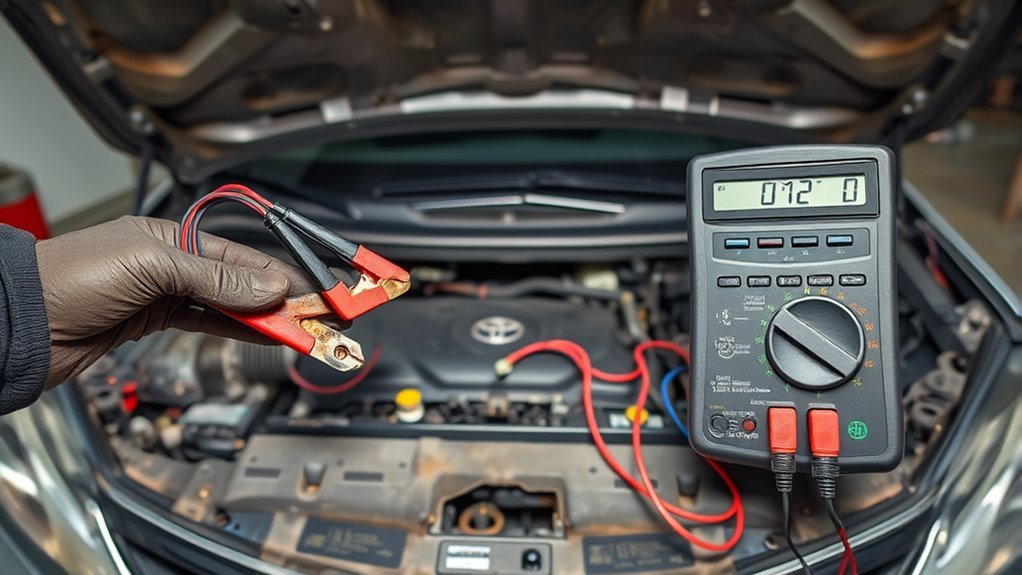
Because EPS is electronically controlled, a proper scan tool is often needed to read EPS-related trouble codes. A technician may also check the 12-volt battery, charging system, fuses, wiring, steering angle data, torque sensor readings, and vehicle speed signal.
[Products Worth Considering]

This dash clock spring replacement is designed for a wide range of Toyota vehicles and helps restore reliable steering wheel control functions. It supports audio controls, cruise control, and other multi-function commands while using vehicle-specific connectors for easier installation. Built with durable materials and OEM-referenced part compatibility, it is a practical solution for repairing steering wheel signal issues.

This A-Premium serpentine belt drive kit is designed for compatible Toyota Camry, RAV4, and Scion tC models with a DOHC 2.5L L4 engine. It includes a serpentine belt and belt tensioner to help maintain smooth engine operation, reduce noise, and support reliable power transfer. Built for dependable replacement performance, it also comes with a one-year unlimited-mileage guarantee for added peace of mind.

This master ball joint removal kit gives you the tools needed to remove and install ball joints, tie rod ends, Pitman arms, and other front-end components. It is designed for broad compatibility with many GM, Chevrolet, Ford, and Dodge vehicles, including a range of light trucks, vans, and SUVs. Built from forged steel and stored in a molded ABS case, it offers durable performance and organized portability for garage or shop use.
Exploring Model-Specific Features of EPS
Toyota Camry EPS features are not identical across every model year. A 2012 Camry, a 2018 Camry, and a 2025 Camry Hybrid may use different components, software logic, warnings, and diagnostic procedures. Trims with different wheel sizes, hybrid systems, all-wheel drive, or driver-assistance features may also feel slightly different from behind the wheel.
Before diagnosing or comparing steering feel, confirm these details:
- Model year: EPS design and warnings can change by generation.
- Trim and drivetrain: Hybrid, gas, front-wheel drive, and all-wheel drive versions may not be identical.
- Tire size and tire condition: Wider tires or low tire pressure can change steering effort.
- Software and calibration: Some steering-related repairs may require calibration or system initialization.
- Driver-assistance features: Lane support systems can affect steering feedback when active.
Note: If you recently replaced the battery, repaired suspension parts, changed tires, or had an alignment performed, mention that history to the technician. It can help narrow down EPS-related complaints faster.
[Products Worth Considering]
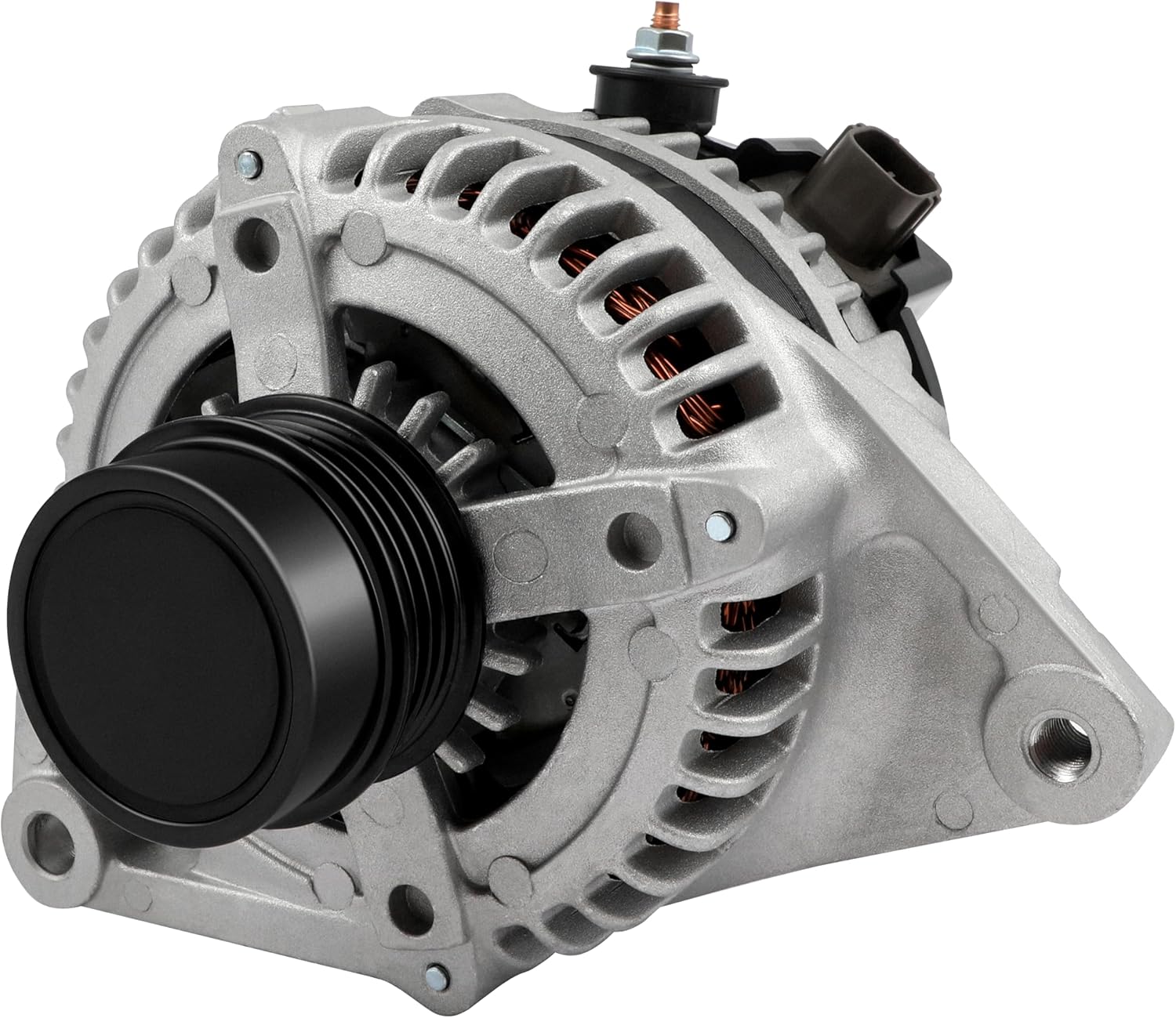
This high output alternator is designed to fit select Toyota, Scion, and RAV4 2.5L applications, delivering reliable charging performance for everyday driving. Built with a 12-volt, 100-amp design and precision-engineered components, it helps support battery recharge, stable electrical output, and consistent operation when your vehicle shows signs of charging issues.

This wheel alignment tool makes it easy to check and adjust toe-in and toe-out at home for better handling, stability, and more even tire wear. Designed for one-person use, it includes tape-measure slots for simple setup and accurate measurements without extra help. Its stainless steel construction and broad vehicle compatibility make it a practical addition to any DIY garage.

This steering wheel cover is designed to fit a wide range of Toyota models and any standard-size wheel for a secure, comfortable upgrade. Made with nappa leather and a carbon fiber texture, it helps improve grip, reduce hand fatigue, and protect your original wheel from everyday wear, sun damage, and sweat. The anti-slip design and easy installation make it a practical interior accessory for daily driving.
Why Choose the Toyota Camry for Its Steering Technology?
The Toyota Camry’s steering technology is designed for daily comfort, predictable control, and efficient operation. EPS helps make the car easier to maneuver at low speeds while keeping the steering calmer and more stable at highway speeds.
For many owners, the biggest advantage is simplicity. With EPS, there is no power steering fluid reservoir to check and no hydraulic pump or hoses to leak. That can reduce routine maintenance concerns compared with older hydraulic systems.
The Camry is also a practical match for EPS because it is built for commuting, family driving, highway trips, and city use. A steering system that adapts across those conditions helps the car feel easy to live with, not just easy to park.
Frequently Asked Questions
Does the Toyota Camry use electric power steering?
Yes, many modern Toyota Camry models use Electric Power Steering. EPS uses an electric motor and electronic controls to provide steering assist instead of a hydraulic pump and power steering fluid. Check your specific model year’s owner’s manual for exact system details.
Does a Camry with EPS have power steering fluid?
No. A Camry equipped with Electric Power Steering does not use power steering fluid for steering assist. If steering feels heavy, look for EPS warnings, battery voltage issues, tire problems, alignment issues, or mechanical steering faults instead of checking a fluid reservoir.
What does the EPS warning light mean on a Toyota Camry?
The EPS warning light means the vehicle has detected a possible Electric Power Steering system problem. Toyota’s owner information says the vehicle should be inspected by a Toyota dealer immediately when this warning indicates an EPS malfunction.
Can a weak battery affect Camry electric power steering?
Yes. Toyota notes that insufficient 12-volt battery charge or a temporary voltage drop can cause the electric power steering warning light to come on. If EPS warnings appear after battery trouble, have the battery and charging system checked.
Is EPS better than hydraulic power steering?
EPS is usually more efficient and has fewer fluid-related maintenance issues than hydraulic steering. Hydraulic systems can offer a different road feel, but EPS gives manufacturers more control over steering assist, speed-sensitive tuning, and integration with driver-assistance systems.
Conclusion
The Toyota Camry’s Electric Power Steering system is a smart upgrade over older hydraulic steering designs. It uses electronic control to provide light steering when you are parking, firmer feel when you are driving faster, and fewer fluid-related maintenance concerns over time. For the best ownership experience, keep the battery, tires, alignment, and suspension in good shape, and take EPS warning lights or sudden steering changes seriously. When in doubt, use your model-specific Toyota owner’s manual and professional diagnostic service to keep the steering system safe and responsive.
Sources
- Toyota Owners Manuals and Warranties — official source for model-specific Toyota owner manuals.
- Toyota 2025 Camry Owner’s Manual: Warning Lights — EPS warning light meaning and inspection guidance.
- Toyota Technical Information System — official Toyota service support source for repair publications.
- Toyota Support: Repair Information and Publications — explains public access to Toyota TIS service publications.
- NHTSA SaferCar — official recall and vehicle safety lookup resource.



[…] For a detailed breakdown of electric rack and column systems, see our technical explainer on how Toyota Camry electric power steering works. […]