If your Toyota Camry’s EVAP monitor says “not ready,” the car’s onboard diagnostic system has not completed the evaporative-emissions self-test yet. That can happen after a dead battery, code clearing, recent repairs, or because the EVAP system has a leak or faulty component. Start with the simple checks first: fuel level, gas cap, stored codes, and the correct drive conditions.
Quick Answer
To get a Toyota Camry EVAP monitor ready, keep the fuel tank between about 1/4 and 3/4 full, tighten or replace a bad gas cap, confirm there are no EVAP-related trouble codes, then complete a Toyota-style drive cycle with a cold start, steady cruising, and a key-off soak period.
Key Takeaways
- An EVAP monitor can stay “not ready” after the battery is disconnected, codes are cleared, or the car has not met the right temperature, fuel-level, and driving conditions.
- A loose, damaged, aftermarket, or wrong gas cap is one of the easiest EVAP problems to check before paying for deeper diagnostics.
- Do not clear codes right before an emissions test; clearing codes resets readiness monitors and can make the vehicle fail for “not ready.”
- If the monitor will not set after several proper drive cycles, scan for pending codes and inspect the purge valve, vent valve, charcoal canister, hoses, and canister pump module.
At a Glance
| Time Required | 30–60 minutes of driving, plus a 5-hour or overnight key-off soak if needed |
| Difficulty | Easy for readiness checks; moderate for leak testing |
| Tools Needed | OBD-II scanner, flashlight, basic hand tools, and a smoke machine for advanced leak testing |
| Cost | $0–$30 for basic checks; more if a valve, canister, hose, or diagnostic smoke test is needed |
Understanding the EVAP System and Its Role in Emissions Control
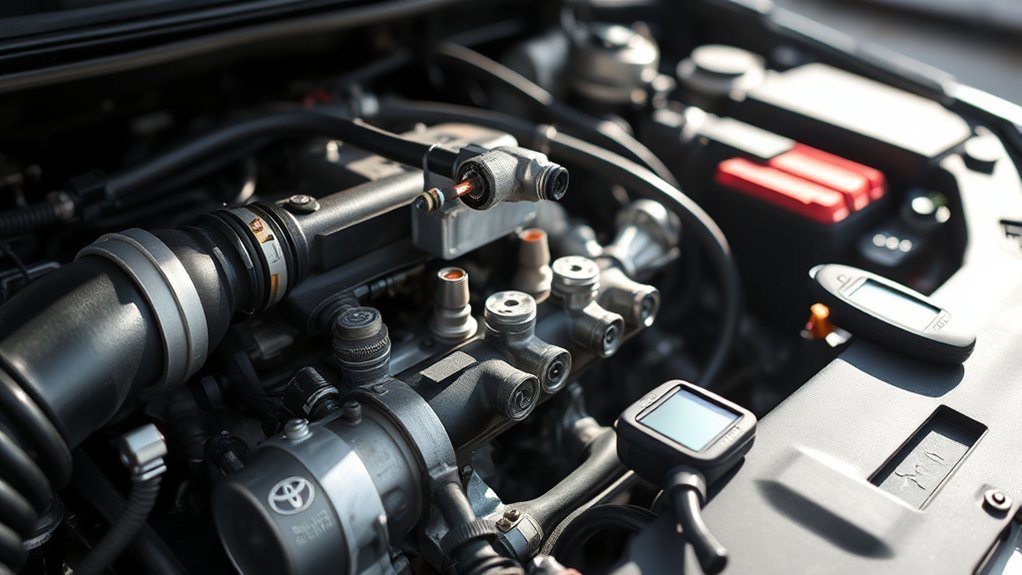
The Evaporative Emission Control system, usually called the EVAP system, is designed to keep gasoline vapors from escaping from the fuel tank and fuel system into the air. Instead, the system stores vapors in a charcoal canister and routes them into the engine to be burned under the right conditions.
The EVAP monitor is one of the OBD-II readiness monitors. Readiness monitors are self-tests the vehicle runs to check whether emissions-related systems are working. The California Air Resources Board explains that OBD systems monitor emissions-related components and turn on the warning lamp when a problem is detected.
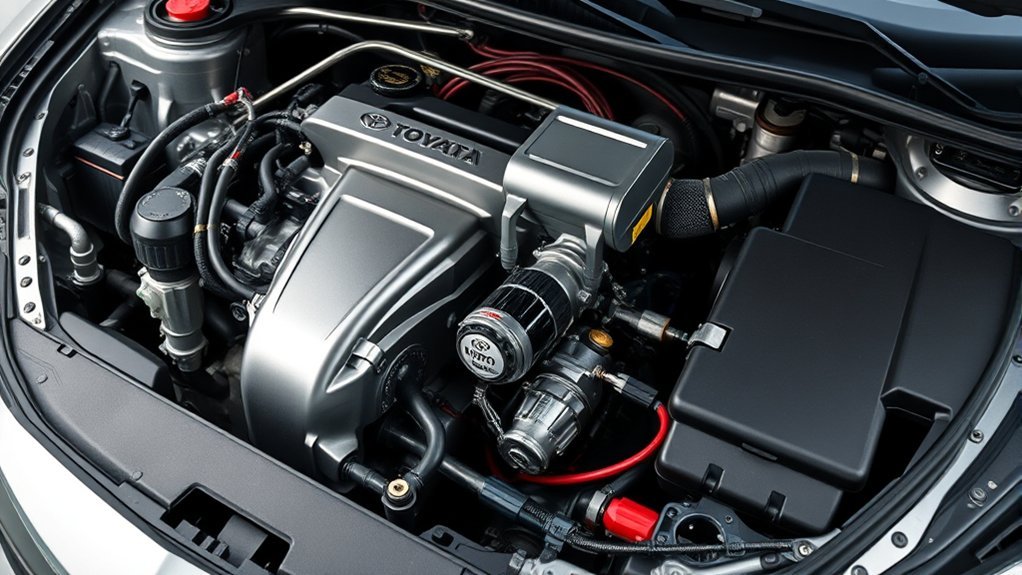
On a Camry, the EVAP system may include the fuel tank cap, vapor hoses, purge valve, vent valve, charcoal canister, canister pump module, pressure sensor, and engine control module. The exact layout depends on model year and engine, so always check the owner’s manual or repair information for your specific Camry.
Note: “EVAP not ready” is not the same as “EVAP failed.” Not ready means the test has not completed. A failed monitor, check engine light, or EVAP code means the computer has detected a problem.
Why Your Toyota Camry EVAP Monitor Says Not Ready
The EVAP monitor often takes longer to set than other monitors because it needs very specific conditions. Depending on the model year, the computer may need a cold start, the right outside temperature, a fuel level that is not too full or too low, steady driving, and a long key-off period so fuel vapor pressure can stabilize.
Common reasons a Toyota Camry EVAP monitor stays not ready include:
- The battery was disconnected or died. This resets readiness data and forces the vehicle to rerun the monitors.
- Codes were cleared with a scan tool. Clearing codes also clears monitor readiness, even if the repair was successful.
- The fuel tank is too full or too empty. EVAP tests usually will not run when the fuel level is near empty or completely full.
- The gas cap is loose or not sealing. A poor seal can stop the system from passing its leak check.
- There are pending EVAP codes. Pending codes may not turn on the check engine light yet, but they can block readiness.
- The car has not had enough key-off soak time. Some Toyota EVAP tests run after the vehicle sits for several hours.
- A component has failed. A stuck purge valve, stuck vent valve, cracked hose, bad canister, or canister pump problem can keep the monitor from completing.
Signs Your EVAP Monitor Needs Attention
A not-ready EVAP monitor may appear without any drivability symptoms, especially right after a battery reset or code clearing. However, these signs suggest you should inspect the system more closely:
- Check Engine Light or Malfunction Indicator Lamp: A steady warning light can mean the OBD system has stored an emissions-related code.
- Fuel smell near the vehicle: Gasoline odor around the filler neck, rear of the car, or underbody can point to a vapor leak.
- Failed emissions inspection: Many inspection programs check readiness status as part of the OBD test. Rules vary by state.
- Reduced fuel economy: EVAP faults do not always cause poor mileage, but a stuck purge valve can affect the air-fuel mixture.
- Hard starting after refueling: This can happen when a purge valve sticks open and lets too much vapor enter the intake.
- Clicking pump or repeated self-test noise after shutdown: Some Toyota systems run EVAP checks after the car is turned off, but unusual or repeated behavior may need diagnosis.
Warning: Do not ignore a strong fuel smell, wet fuel stains, or visible damage to fuel lines. Park away from flames, sparks, and hot surfaces, and have the vehicle inspected before driving farther.
Key Diagnostic Trouble Codes for EVAP Problems
An OBD-II scanner can show whether the EVAP monitor is incomplete, ready, or blocked by stored or pending codes. The exact code definitions can vary slightly by scan tool, but these are common EVAP-related codes:
| Code | Common Meaning | What to Check First |
|---|---|---|
| P0440 | General EVAP system malfunction | Gas cap, hoses, purge valve, vent valve, canister |
| P0441 | Incorrect purge flow | Purge valve, vacuum lines, wiring, canister flow |
| P0442 | Small EVAP leak detected | Fuel cap seal, filler neck, small hose cracks |
| P0446 | Vent control circuit or vent system problem | Vent valve, canister filter, wiring, blocked vent path |
| P0455 | Large or gross EVAP leak detected | Loose cap, missing cap, disconnected hose, cracked canister |
| P0456 | Very small EVAP leak detected | Smoke test, cap seal, filler neck rust, tiny hose leaks |
| P0496 / P0497 | Purge flow too high or too low, depending on application | Purge valve operation, vacuum routing, electrical connector |
If multiple EVAP codes are present, diagnose them in a logical order instead of replacing parts randomly. For example, a large leak code may be caused by something as simple as a loose fuel cap, while a purge-flow code usually points toward purge valve operation, vacuum routing, or wiring.
How to Inspect EVAP Components Easily
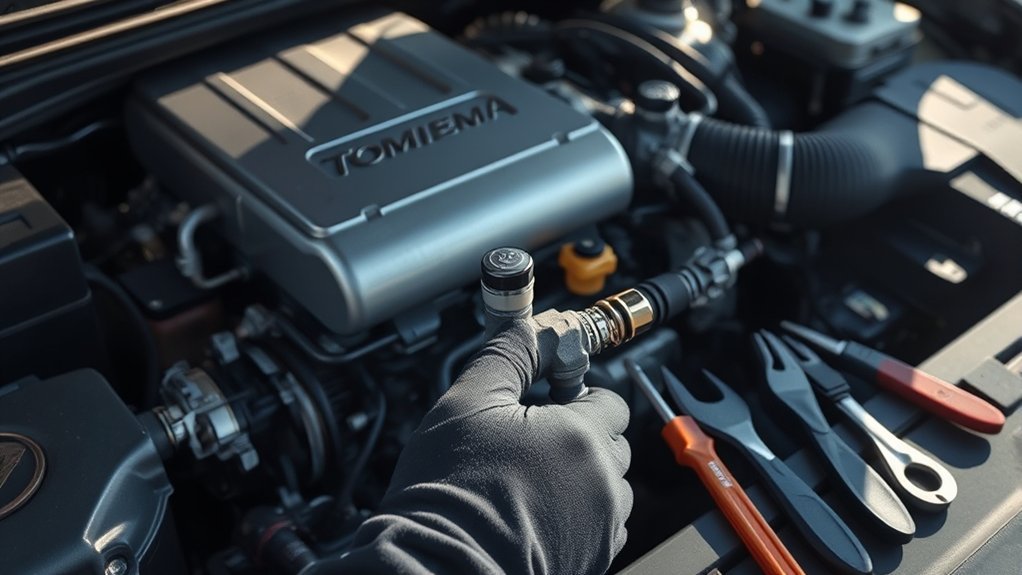
Start with checks that cost nothing and do not require special tools. Many EVAP readiness problems come from a simple sealing issue.
[Products Worth Considering]

This replacement fuel gas cap is designed to fit a wide range of Toyota and Lexus vehicles, making it a practical solution for a lost, worn, or damaged original cap. It helps restore a secure fuel tank seal and supports proper vehicle operation while offering broad compatibility across many popular model years. The package includes one gas cap, and buyers should confirm fitment before ordering.

This fuel tank filler cap is designed as a direct replacement for a wide range of Toyota and Lexus vehicles, helping restore a secure seal for the fuel system. It is tested before shipping and built from durable materials for dependable fit and long-lasting use. Installation is simple, making it a practical solution for replacing a lost, worn, or damaged gas cap.
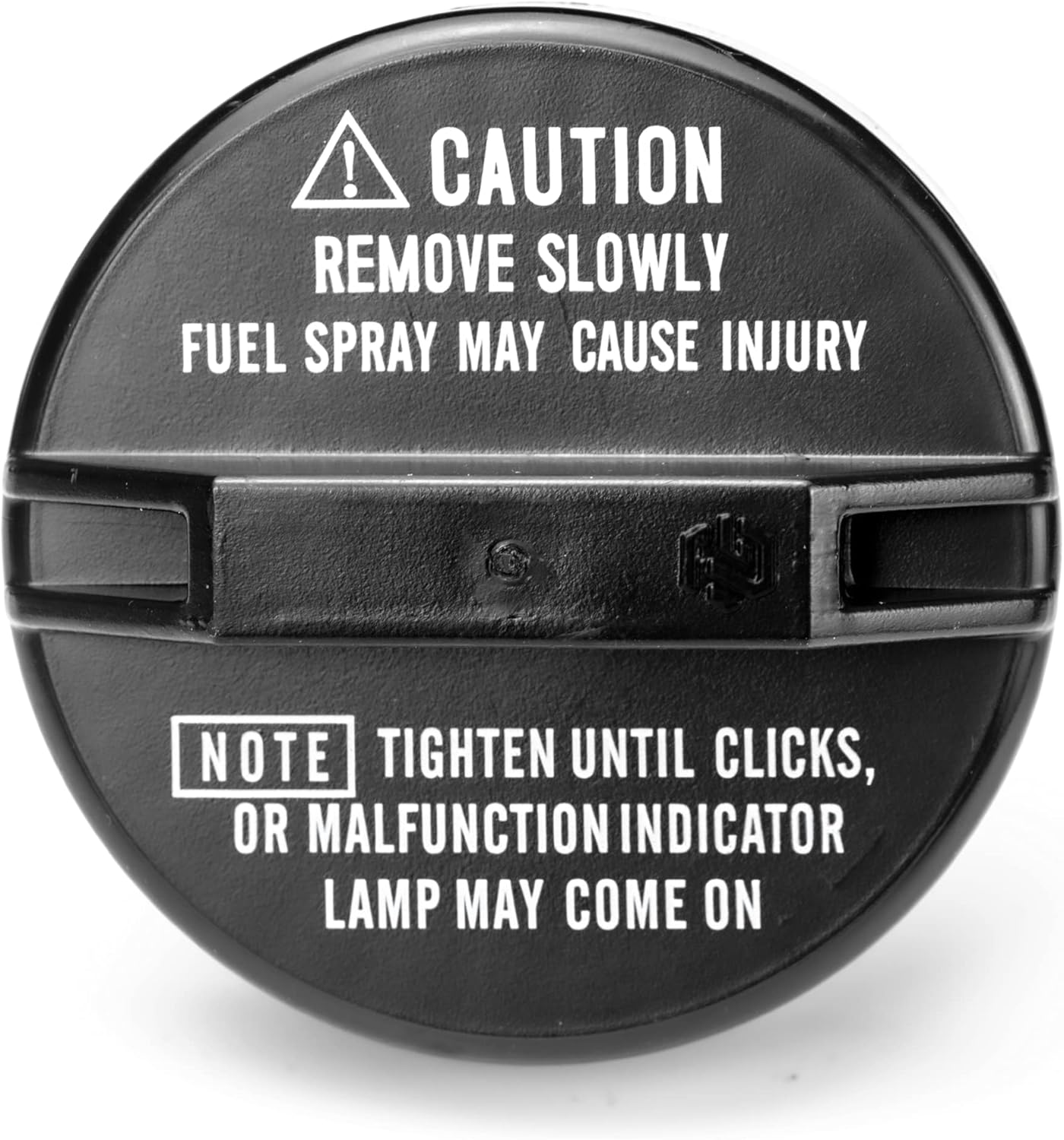
This replacement fuel cap is designed to restore a secure seal for a wide range of Toyota and Lexus vehicles. Built for direct fit compatibility, it helps maintain proper fuel system function while offering easy installation and dependable everyday performance. It is a practical solution for replacing a worn or missing gas cap with confidence.
Step 1: Check the Fuel Level
Keep the tank between about 1/4 and 3/4 full before attempting the drive cycle. A completely full tank or very low tank can keep the EVAP test from running because there is not enough vapor space or the test conditions are outside range.
Step 2: Inspect and Tighten the Gas Cap
Remove the fuel cap and inspect the rubber seal. Look for cracks, flattening, dirt, or damage. Reinstall it until it clicks. If the cap is aftermarket, loose, missing, or visibly worn, replace it with a correct cap for your Camry model year.
Toyota owner information commonly advises checking whether the fuel tank cap is loose when the malfunction indicator lamp comes on. Toyota also provides model-specific manuals through its official manuals and warranties page.
Step 3: Scan for Stored and Pending Codes
Use an OBD-II scanner that can display I/M readiness, stored codes, pending codes, and permanent codes. Do not clear anything yet. Write down all codes and freeze-frame information first.
Pro Tip: If your only problem is “EVAP not ready,” do not clear codes before the test. Clearing codes resets the monitor clock and usually makes every non-continuous monitor start over.
Step 4: Look for Damaged Hoses and Connectors
With the vehicle safely parked, inspect visible EVAP hoses and electrical connectors. Look near the fuel filler neck, engine bay purge valve, charcoal canister area, and underbody routing. Replace cracked, disconnected, oil-soaked, or rodent-damaged hoses with the correct type of vapor-rated hose.
Step 5: Test the Purge and Vent Valves
A purge valve stuck open can cause rough idle, hard starting after refueling, or purge-flow codes. A vent valve stuck open or closed can prevent the system from sealing or venting correctly. A scan tool with active-test capability, a multimeter, and a vacuum pump can help confirm whether each valve responds properly.
Step 6: Use a Smoke Test for Small Leaks
If the gas cap and visible hoses look good but the monitor still will not complete, a smoke test is the most effective way to find small leaks. The federal evaporative emission test procedures recognize pressure-based leak testing of the fuel storage system, including vapor lines, the gas cap, and evaporative canister areas.
Performing a Drive Cycle for EVAP Monitor Reset
A drive cycle gives the Camry the conditions it needs to run its emissions self-tests. There is no single drive cycle that fits every Camry model year, but this general process works for many Toyota vehicles and is safe for normal road use.
Before You Start the Drive Cycle
- Make sure the fuel level is between about 1/4 and 3/4 full.
- Start with a cold engine after the vehicle has been parked for several hours.
- Turn off unnecessary electrical loads when practical.
- Make sure the check engine light is not on.
- Confirm there are no stored or pending EVAP codes.
- Choose a safe route with both city driving and steady highway cruising.
Proper Drive Cycle Steps
- Cold start and idle: Start the engine and let it idle for several minutes. Do not race the engine.
- Gentle city driving: Drive with smooth acceleration and deceleration for 10–15 minutes. Avoid hard braking and wide-open throttle.
- Steady cruise: Drive at a steady highway speed, when safe and legal, for 10–20 minutes. Try to hold a consistent speed instead of constantly changing throttle position.
- Coast-down periods: Include a few gentle deceleration periods without aggressive braking. This helps other monitors as well.
- Key-off soak: Park the car, turn it off, and let it sit for at least 5 hours or overnight. Some Toyota EVAP leak checks run after shutdown when the fuel tank pressure stabilizes.
- Recheck readiness: Use your scanner to check the EVAP monitor again before going to the emissions station.
Key Driving Conditions
The EVAP monitor may not run if the vehicle is driven only on short trips. It also may not run during extreme temperatures, at unsuitable fuel levels, with active codes, or when the vehicle never gets a long enough key-off soak.
The California Bureau of Automotive Repair notes that some readiness monitors need specific operating conditions such as speed, temperature, pressure, and engine load. That is why a monitor can remain incomplete even when the car seems to drive normally.
Monitor Reset Verification
After the drive cycle and soak period, plug in your OBD-II scanner and open the I/M readiness screen. Look for the EVAP monitor status:
- Ready / Complete: The EVAP self-test has completed.
- Not Ready / Incomplete: The test has not completed yet or the right conditions have not been met.
- Unsupported: The vehicle does not use that specific monitor, which is normal for some monitors on some vehicles.
Using an OBD-II Scanner to Check EVAP Status
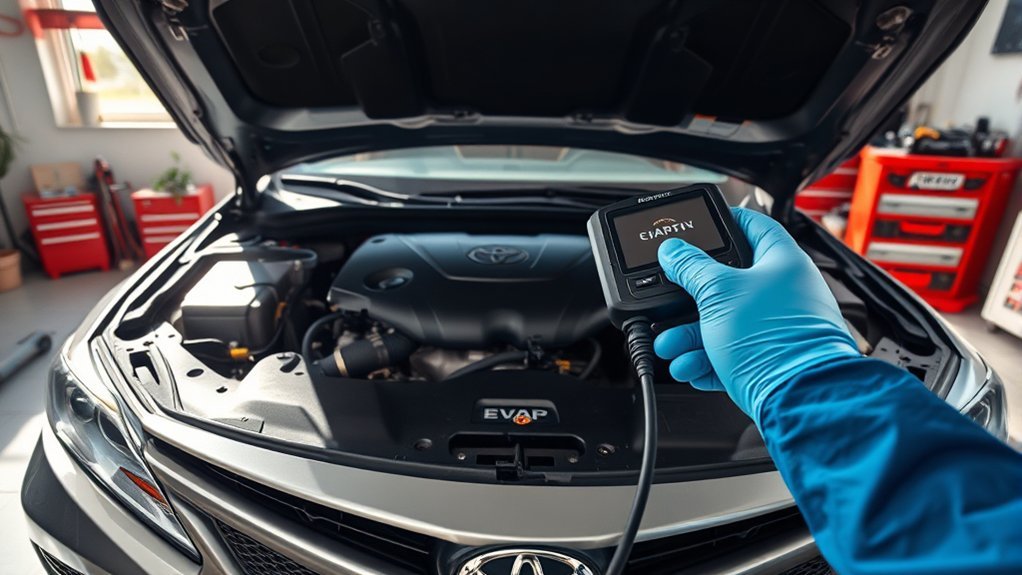
An OBD-II scanner is the fastest way to confirm whether your Camry is ready for inspection. Look for a menu labeled I/M Readiness, Readiness Monitors, or Emissions Readiness. Many scanners show a green check mark for complete monitors and a red X or “INC” for incomplete monitors.
When checking EVAP readiness, also review:
- Stored codes: Confirm no current EVAP-related faults are stored.
- Pending codes: These may show a problem before the check engine light turns on.
- Permanent codes: On newer vehicles, permanent codes may remain until the OBD system verifies the repair through normal operation.
- Fuel level and coolant temperature data: These can help you confirm whether the vehicle is in the right range for the monitor to run.
For emissions inspections, the U.S. Environmental Protection Agency explains that vehicle inspection and maintenance programs help identify vehicles with high emissions that may need repairs through OBD and other testing methods at the state level.
[Products Worth Considering]

This coolant bypass valve is a direct replacement for select Toyota models, helping regulate coolant flow for stable engine temperature and dependable performance. Built from high-temperature, corrosion-resistant materials, it is designed to handle demanding driving conditions while supporting long-term durability. Its straightforward design also makes installation quick and hassle-free.

This genuine Toyota vent valve is designed as a vehicle-specific replacement part to support proper engine ventilation and reliable PCV system performance. It helps maintain correct airflow and crankcase function, making it a dependable choice for restoring original operation. Built to Toyota specifications, it offers a direct-fit solution for compatible vehicles.

⚠️【Important Tips Before Purchcase】1. Compatible with standard OBD II vehicles from 1996 onward in the US market. ⚠️2. Due to the Safe Gateway (SGW) / FCA AutoAuth security system, this tool cannot access OBDII modules to clear codes for FCA vehicles (including Chrysler, Dodge, Jeep, etc.) manufactured after 2017. ⚠️And vehicle brands equipped with a SGW are not supported either. ⚠️3. Not support TPMS or other service functions. Only the basic OBDII code reader. Functions not universal, please s-end mes-sage via Ama-zon or 📞autelofficial @ outlook . com📞 to check before order.
Troubleshooting Persistent EVAP Monitor Readiness Issues
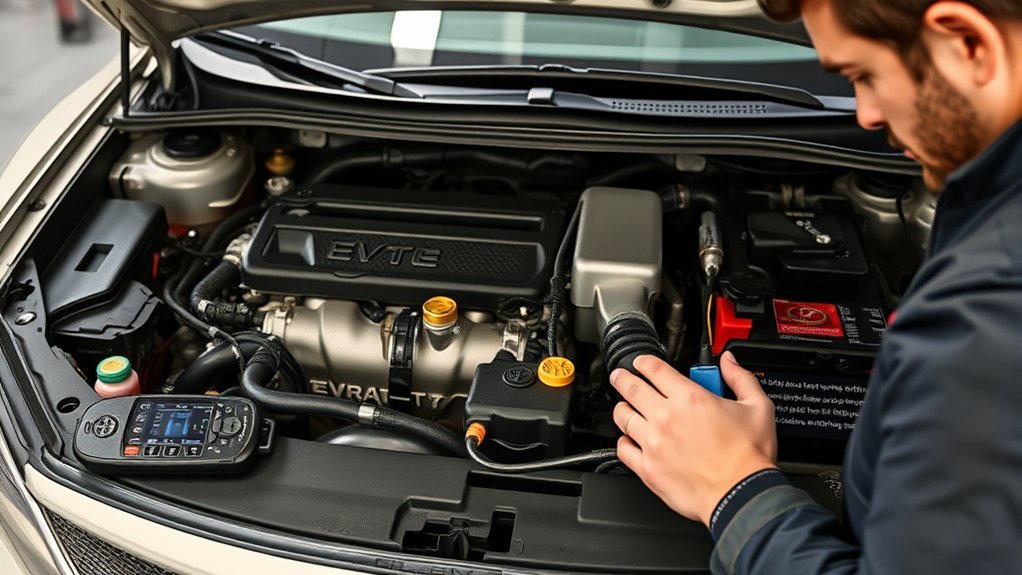
If the EVAP monitor still says not ready after several complete drive cycles, stop repeating the same route and start diagnosing the cause. A monitor that never completes often means the system cannot pass the conditions needed to run the test.
Common Fixes That Help the EVAP Monitor Set
- Replace a bad gas cap: Use the correct cap and make sure the filler neck sealing surface is clean.
- Repair cracked EVAP hoses: Small splits can leak only under certain pressure or vacuum conditions.
- Clean or replace a blocked canister vent filter: Dust, spider webs, or debris can block venting.
- Test the purge valve: Replace it if it leaks vacuum when commanded closed or fails to open when commanded.
- Test the vent valve: Replace or repair the valve or wiring if it cannot seal the system during the EVAP test.
- Inspect the charcoal canister: A fuel-soaked, cracked, or internally damaged canister can cause repeated EVAP failures.
- Check wiring and connectors: Corrosion, broken wires, or loose connectors can affect valves and pressure sensors.
What Not to Do Before an Emissions Test
- Do not clear codes just to turn off the check engine light.
- Do not disconnect the battery to reset the system.
- Do not top off the fuel tank after the pump clicks off.
- Do not replace parts without scanning for codes and checking basic conditions first.
- Do not assume the vehicle will pass just because the check engine light is off.
The fastest path to EVAP readiness is not clearing the light again. It is fixing the cause, keeping the fuel level in range, completing the right drive conditions, and then verifying readiness with a scanner.
Will a Toyota Camry Pass Emissions With EVAP Not Ready?
It depends on your state, model year, fuel type, and the inspection program’s current rules. Some programs allow one incomplete monitor for certain older vehicles, while others are stricter. California’s BAR reference has historically allowed the evaporative monitor to be incomplete for 2000-and-newer gasoline vehicles, but BAR also announced newer readiness-monitor regulations that will be phased in gradually and may require more monitors to be complete when feasible.
Because rules change, check your local inspection authority before testing. If your state requires all applicable monitors to be ready, an incomplete EVAP monitor can fail the OBD portion of the test even if there is no check engine light.
When to Seek Professional Help for EVAP System Problems
Seek professional diagnosis if the EVAP monitor stays not ready after several proper drive cycles, if EVAP codes return after repairs, or if you smell fuel. A repair shop can perform a smoke test, command EVAP valves with a scan tool, check pressure-sensor data, and test wiring safely.
Persistent Warning Light
If the Check Engine Light or Malfunction Indicator Lamp stays on, the vehicle has detected a problem that must be diagnosed. A scanner can point you in the right direction, but the code alone does not prove which part is bad.
Failed Emission Test
If your Camry fails because the EVAP monitor is not ready, ask for the exact readiness report. If it fails because of a trouble code, diagnose the code first. After repairs, drive the car normally and complete the readiness cycle before retesting.
Unusual Fuel Consumption
Unusual fuel consumption is not always caused by the EVAP system, but it can happen when a purge valve leaks or the engine receives extra vapor at the wrong time. If poor mileage appears with EVAP codes, rough idle, or hard starting after refueling, the purge system deserves attention.
Frequently Asked Questions
How do I get the EVAP monitor ready on a Toyota Camry?
Keep the fuel tank between about 1/4 and 3/4 full, make sure the gas cap seals correctly, confirm there are no stored or pending EVAP codes, then complete a drive cycle with a cold start, smooth city driving, steady highway cruising, and a 5-hour or overnight key-off soak.
How do you fix an EVAP system that is not ready?
First, do not clear codes again. Check fuel level, inspect the gas cap, scan for stored and pending EVAP codes, complete the correct drive cycle, and recheck readiness. If it still will not set, inspect the purge valve, vent valve, hoses, canister, canister pump module, pressure sensor, and wiring.
Can I pass emissions with the EVAP monitor not ready?
Sometimes, but not always. Emissions-test rules vary by state, model year, and fuel type. Some programs allow one incomplete monitor on certain vehicles, while others require all applicable monitors to be ready. Check your state inspection rules before testing.
Why does the EVAP monitor need the gas tank between 1/4 and 3/4 full?
The EVAP test depends on fuel vapor space and pressure changes inside the tank. If the tank is almost empty or completely full, the vehicle may block the test because the conditions are not reliable for leak detection.
Will replacing the gas cap make the EVAP monitor ready immediately?
No. A new gas cap may fix the leak, but the monitor will not show ready until the Camry completes its EVAP self-test. You still need the right fuel level, driving conditions, and key-off soak time.
Why did my EVAP monitor become not ready after a battery replacement?
Disconnecting or replacing the battery clears readiness data from the vehicle’s computer. The Camry must rerun its emissions self-tests during normal driving before the monitors show ready again.
Conclusion
A Toyota Camry EVAP monitor that says “not ready” usually needs the right conditions, not guesswork. Start with the fuel level, gas cap, and a full OBD-II readiness scan. Then complete a careful drive cycle with a cold start, steady driving, and enough key-off soak time. If the monitor still will not complete, diagnose the EVAP system for leaks, stuck valves, canister problems, or wiring faults before your next emissions test.
Sources
- Toyota Manuals and Warranties — official source for model-specific Toyota owner information and manuals.
- California Air Resources Board: On-Board Diagnostic Program — explains how OBD systems monitor emissions-related components and alert drivers to problems.
- California Bureau of Automotive Repair: OBD Test Reference — readiness monitor standards, OBD inspection rules, and monitor completion notes.
- California Bureau of Automotive Repair: New OBD Readiness Monitor Regulations Explained — current guidance on readiness-monitor rule changes and phased implementation.
- U.S. EPA: Vehicle Emissions Inspection and Maintenance Information — background on state inspection and maintenance programs.
- eCFR: 40 CFR Part 1066 Subpart J — federal evaporative emission test procedures and leak-testing context.