
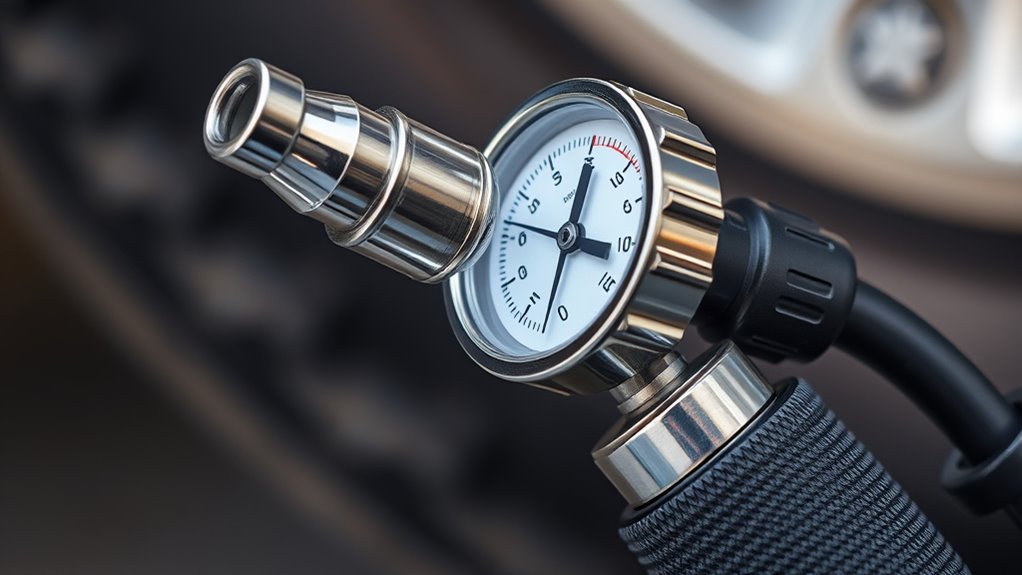
How Does a Tire Inflator Work?
What’s in This Article
- Why You Need a Tire Inflator for Safer Driving
- Before You Use a Tire Inflator
- Main Parts of a Tire Inflator
- How the Piston and Cylinder Compress Air
- How the Motor Drives the Compressor
- Why the Pressure Gauge Matters
- How Valves Control Airflow
- Why Cooling Fans Prevent Overheating
- How to Fix Common Tire Inflator Problems
- How to Choose the Right Tire Inflator
- Frequently Asked Questions
- Keep Your Tires Ready for the Road
A flat tire can stop your trip in minutes, but a reliable tire inflator can help you handle low pressure before it becomes a bigger problem. This small machine uses an electric motor, a piston, valves, and a cylinder to push compressed air into your tires. Once you know how these parts work, you can choose the right inflator and use it with more confidence.
Quick Answer
A tire inflator uses an electric motor to move a piston inside a cylinder. The piston pulls in outside air, compresses it, and sends it through a hose into your tire. A pressure gauge helps you stop at the correct pounds per square inch (PSI) for your vehicle.
Key Takeaways
- A tire inflator works like a small piston air compressor.
- The motor turns electric power into the motion that compresses air.
- The pressure gauge helps you match the PSI listed for your vehicle.
- The correct tire pressure comes from your owner’s manual or door jamb label, not the tire sidewall.
- Portable inflators need rest breaks because compression creates heat.
Why You Need a Tire Inflator for safer driving
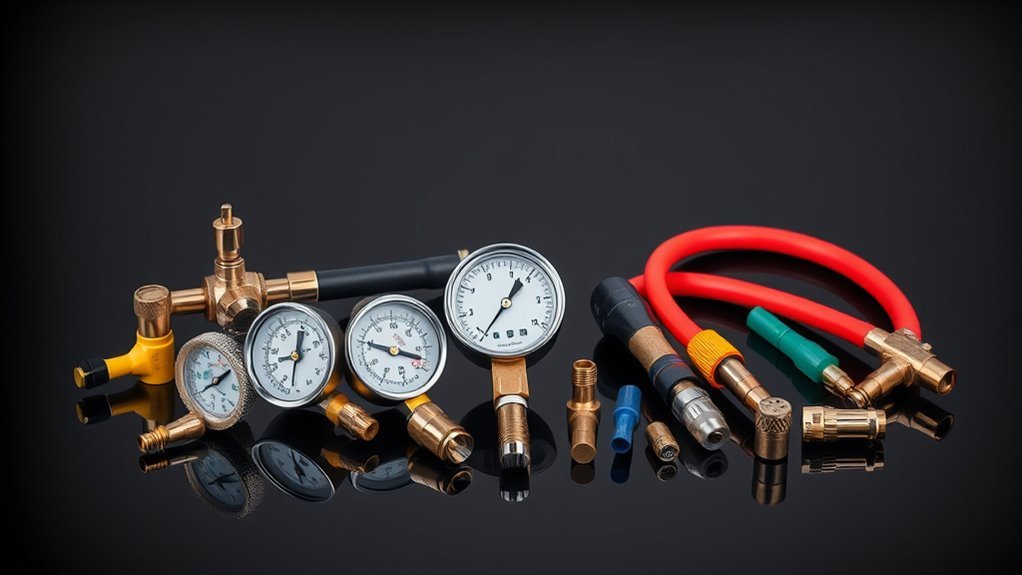
Tire inflators help you maintain proper tire pressure from your driveway. Proper inflation helps your vehicle handle better, brake more predictably, and reduce uneven tread wear. A portable unit also saves you from searching for a working gas station air pump during a roadside emergency.
According to the National Highway Traffic Safety Administration (NHTSA), proper tire pressure affects safety, tire life, and fuel use. FuelEconomy.gov also says proper tire inflation can improve gas mileage by 0.6% on average and up to 3% in some cases.
Many modern inflators include automatic shut-off. You set the target PSI on the screen, and the machine stops when the tire reaches that number. This feature helps prevent over-inflation and reduces guesswork during basic car care.
[Products Worth Considering]

【Powerful Inflation】Delivers up to 150 PSI on CUSTOM MODE, inflating a 195/65 R15 tire from 30–36 PSI in under 1 minute—fast, reliable performance for roadside emergencies.

ADVANCED TRUEGAUGE SCREEN: This battery tire inflator includes updated sensor technology, capable of collecting pressure data from tire inflators at a frequency of 200 times per second. Its valid data rate is higher than 80%, which is 60% better than the market average. From routine maintenance to roadside emergencies, its accurate readings ensure confident pressure checks and a safer driving experience.Suitable as a Father's Day gift for your dad.

Anti-Slip & Shock-Resistant Silicone Protection: This silicone sleeve shields the tire inflator fromdrops, bumps and scratches while improving grip and reducing noise and vibration. It also boosts durability, portability, and safety to deliver a better user experience.Suitable as a Father's Day gift for your dad.
Before You Use a Tire Inflator
Check the correct PSI before you connect the hose. NHTSA says you can find the recommended tire pressure on the Tire and Loading Information Label near the driver’s side door edge or in your owner’s manual.
Note: Use the vehicle maker’s recommended PSI, not the maximum PSI printed on the tire sidewall.
Measure pressure when the tires are cold when you can. NHTSA defines cold tires as tires that haven’t been driven for at least three hours. If you add air after driving, recheck the pressure later when the tires cool down.
- Park the vehicle on a safe, flat surface.
- Read the target PSI on the door jamb label or owner’s manual.
- Attach the hose firmly to the valve stem.
- Set the target PSI if your inflator has automatic shut-off.
- Recheck the tire with a separate gauge when accuracy matters.
Main Parts of a Tire Inflator
Every tire inflator uses a few key parts to push air into your tires. These parts work together to build steady pressure:
- Electric Motor: Powers the internal gears and starts the pump cycle.
- Piston: Squeezes air inside the cylinder to raise pressure.
- Cylinder: Holds the air while the piston compresses it.
- Valves: Pull fresh air in and stop compressed air from leaking backward.
- Pressure Sensor: Tracks air pressure so you can stop at the right PSI.
- Hose and Chuck: Carry compressed air from the pump to the tire valve.
How the Piston and Cylinder Compress Air
The piston and cylinder create the compressed air. The motor pulls the piston down, which draws fresh air through an intake valve. Then the motor pushes the piston up, which traps and squeezes that air into a smaller space.
This squeezing action raises the air pressure. The inflator forces the compressed air out through a hose and into your tire. Manufacturers often use strong metals for the cylinder because fast piston movement creates friction and heat.
How the Motor Drives the Compressor

The electric motor turns electrical power into physical movement. That spinning motion gives the piston the force it needs to compress air. A stronger motor can move more air, but the pump design also controls speed and heat.
How the Electric Motor Works
You plug the machine in, and the electric motor starts spinning an internal gear. This gear drives the pump. Keep these power facts in mind:
- Car-powered motors usually run on 12V direct current (DC) from your vehicle outlet.
- Wall-powered garage units usually run on 120V alternating current (AC) in North America.
- Stronger motors can spin gears faster and fill larger tires more quickly.
- Internal cooling fans help protect wiring and plastic parts during longer jobs.
How Gears Transfer Power
Gears connect the spinning motor to the pumping piston. The motor turns a small crank mechanism. This crank changes the spinning motion into a fast up-and-down motion.
This setup allows a compact inflator to create high air pressure from a small motor. Metal gears often handle heat and wear better than low-cost plastic gears. The moving gears still create heat, so a fan helps cool the housing.
Why the Pressure Gauge Matters

You need accurate tire pressure to steer, brake, and carry load safely. The pressure gauge reads the air pressure inside the tire while the pump runs or pauses.
- Digital screens show clear numbers so you can reach the target PSI.
- Automatic shut-off helps stop the pump at the pressure you choose.
- Accurate pressure helps reduce uneven tire wear.
- Testing against a manual gauge helps confirm the inflator still reads correctly.
Always consult your vehicle owner’s manual or door jamb label before inflating. A reliable gauge helps you avoid under-inflation and over-inflation. Store the unit in a dry place to protect the pressure sensor and electrical parts.
How Valves Control Airflow
Tiny internal valves control airflow inside the pump. They open to let outside air enter the cylinder. They close quickly to stop pressurized air from moving backward.
Your tires also use specific valve stems. Most car tires use Schrader valves, while many road bicycles use Presta valves. A damaged or loose valve core can leak air overnight, even when the tire has no puncture.
Warning: Stop inflating if the hose, valve, or tire sidewall looks damaged, because pressure can make damage worse.
Why Cooling Fans Prevent Overheating
Air compressors generate heat because the motor, gears, and piston move fast under load. Built-in fans move outside air over hot parts and help the motor stay within a safer range.
- Many portable units need a rest after 10 to 15 minutes of use.
- Cooling fans move heat away from circuit boards and plastic housings.
- Some inflators shut down automatically when heat gets too high.
- A cooler motor usually runs more reliably than one pushed past its duty cycle.
Check the duty cycle in the manual before filling several low tires. A small inflator may handle one passenger tire well but struggle with several large truck or SUV tires.
How to Fix Common Tire Inflator Problems
Motors can fail when users run them past their time limit. Give your machine a cool-down break after a long fill. If the gauge shows strange numbers, compare it with a separate manual or digital tire gauge.
Dusty intake vents can slow the pump and raise heat. Wipe the vents before use and keep the hose free from kinks. If the unit refuses to turn on, check your car’s fuse box and inspect the inflator’s power cord for cuts.
[Products Worth Considering]

TRUSTED BY OVER 3 MILLION USERS: Based in Garden Grove, California, AstroAI serves customers in more than 15 countries worldwide. Known for professional-grade accuracy and durable construction, this digital tire inflator with gauge is a trusted choice for drivers, mechanics, and DIYers who rely on dependable tools.

3-IN-1 INFLATE, CHECK, AND BLEED IN ONE TOOL - Integrated Digital Gauge, Locking Chuck, and Precision Bleed Valve Inflate, Read, and Fine-Tune Pressure in a Single Connection. Compatible With ¼" NPT Air Compressor Connections.
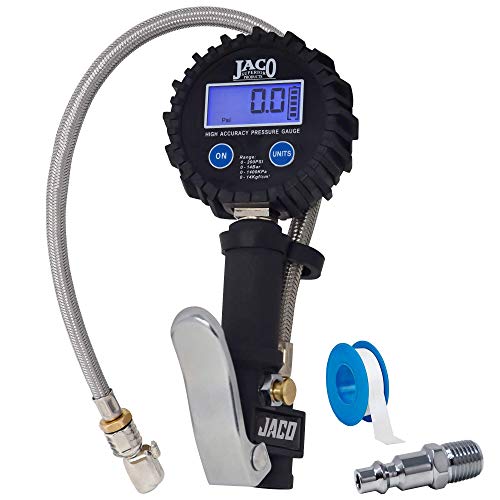
ANSI 1A ACCURACY: Performance tested & calibrated accurate to ±1% full scale with 0.5 PSI resolution for precise tire inflation. Bright 200 PSI LCD display & auto-off feature conserve battery life.
How to Choose the Right Tire Inflator
Choose a tool that fits your daily driving needs. A standard passenger car usually needs a pump with enough PSI capacity and a power cord long enough to reach all four tires. Look for a clear screen, a sturdy hose, and automatic shut-off.
[Products Worth Considering]

RAPID INFLATION & ROAD-READY PORTABILITY: Powerful 120W motor delivers up to 35L/min airflow—inflates a standard car tire (195/65 R15) from 30 to 36 PSI in under 1 minute under ideal operating conditions. Weighs only 2.2 lbs and fits glove compartments or trunks for daily commutes, road trips, and emergencies. Plugs into standard 12V DC car outlet with 15A fuse protection. AIRUN H features its cordless counterpart H2 Pro.

The Slime 8-piece Medium Tire Plug Kit includes everything you need to plug up those nasty tire punctures

RAPID INFLATION & ROAD-READY PORTABILITY: Powerful 120W motor delivers 35L/min airflow—inflates a standard car tire (195/65 R15) from 30 to 36 PSI in under 1 minute. Weighs only 2.2 lbs and fits glove compartments or trunks for daily commutes, road trips, and emergencies. Plugs into standard 12V DC car outlet with 15A fuse protection.AIRUN H features its cordless counterpart H2 Pro.
Understanding CFM vs. PSI
Many buyers focus only on the PSI rating, but airflow speed matters too. Cubic feet per minute (CFM) measures how much air the pump moves. A high-CFM unit can fill a large tire faster than a high-PSI pump with weak airflow.
Choosing the Right Power Source
The best power source depends on where you park and drive. Review these common options before buying:
- Choose a corded 12V model for simple roadside emergency use.
- Choose a battery-powered model when you want more freedom around the vehicle.
- Choose a wall-powered model for garage use and longer fill jobs.
- Check the cord and hose length before you buy.
- Check the runtime rating before you fill large or multiple tires.
Checking Pressure and Speed Ratings
Select a pump with a clear automatic shut-off feature. You set the target pressure, and the machine stops when it reaches that number. For normal car use, also check how long the inflator takes to raise a tire from low pressure to the recommended PSI.
Pro tip: Pick a pump based on fill speed, duty cycle, hose length, and gauge accuracy, not PSI rating alone.
Frequently Asked Questions
Does AWD Require Exact Tire Pressure?
Yes. All-wheel drive (AWD) vehicles need closely matched tire circumferences. Unequal pressure can change the rolling size of a tire and strain drivetrain parts.
How Do You Read a Tire Inflator Gauge?
Pause the pump for a few seconds to get a steadier reading. Look at the digital screen and monitor tire pressure closely. Compare the number with the target PSI on your driver’s side door jamb or owner’s manual.
Do You Need a 150 PSI or 300 PSI Inflator?
Most passenger vehicles do not need a 300 PSI inflator. A quality 150 PSI inflator with good airflow usually works better than a weak pump with a high PSI label. Check CFM, duty cycle, and user instructions before you buy.
How Does a Tire Inflator Work?
A small motor moves a piston up and down inside a cylinder. This motion pulls in outside air, compresses it, and sends it through a hose into your tire. The gauge helps you stop at the recommended PSI.
Can a Tire Inflator Fix a Completely Flat Tire?
A tire inflator can refill a tire that lost air, but it can’t repair a puncture or sidewall damage. If the tire loses pressure again quickly, inspect it for nails, valve leaks, or visible damage. Use a spare tire or call for help if the tire looks unsafe.
Keep Your Tires Ready for the Road
A tire inflator works by turning electric power into compressed air that flows into your tire. Use it with the correct PSI, a cool motor, and a reliable gauge. Check all four tires at least once a month and before long trips. This small habit can help you save fuel, reduce tire wear, and avoid roadside stress.
References
- Tire Safety Ratings and Awareness, TireWise — National Highway Traffic Safety Administration, 2026
- Gas Mileage Tips: Keeping Your Vehicle in Shape — FuelEconomy.gov, U.S. Department of Energy and U.S. Environmental Protection Agency, 2026
- Reciprocating Compressors — ScienceDirect, 2026
- Bike Valve Types: Presta and Schrader — Canyon, 2021

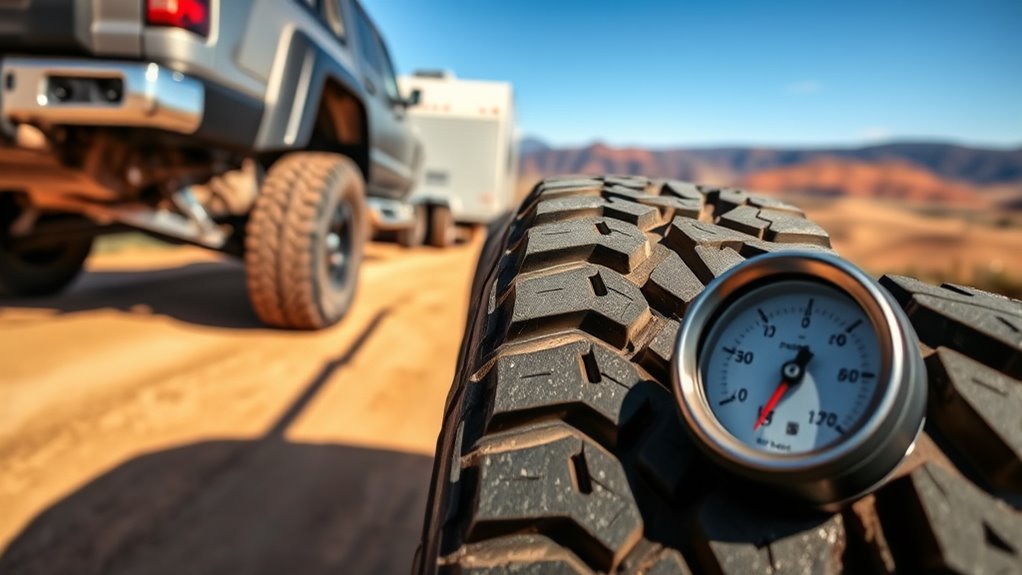


[…] door jamb. The number molded into the tire sidewall is the maximum, not the target. Our guide to how tire inflators work covers PSI […]