Toyota Tacoma Windshield Washer Not Spraying: Checks and Fixes
Last updated: May 31, 2026
What’s in This Article
- Quick Checks: Symptoms, Sounds, and Washer Fluid Level
- Before You Begin: Safety and Supplies
- Quick Fixes for Windshield Washer Spray Problems
- Clean and Unclog Washer Nozzles and Lines Step by Step
- When to Replace Nozzles and How to Aim Them Correctly
- Under-Hood Troubleshooting: Pump, Hoses, and Y-Split Diagnosis
- Preventive Maintenance and Parts to Keep on Hand
- When to Get Professional Help
- Frequently Asked Questions
A weak washer spray can turn a short drive into a visibility problem fast. Start with the simple checks first: washer fluid level, pump sound, nozzle aim, hose leaks, and the Y-split connector under the hood. This guide shows you how to find the cause, clean safe parts, and decide when a Tacoma washer nozzle, hose, or pump needs replacement.
Quick Answer
If your Toyota Tacoma windshield washer does not spray, check the washer fluid first, then listen for the pump. A steady pump sound with weak or no spray usually points to a clogged nozzle, blocked hose, cracked line, or faulty Y-split. No pump sound can point to a fuse, wiring issue, switch fault, or failed pump.
Key Takeaways
- Check the washer fluid reservoir before you test any other part.
- Listen for the pump because sound helps separate electrical faults from clogs and leaks.
- Clean nozzles gently and avoid forcing sharp objects into modern spray tips.
- Trace hoses from the reservoir to the nozzles when one side sprays weakly or not at all.
- Use washer fluid rated for your weather to help prevent freezing and poor spray.
Quick Checks: Symptoms, Sounds, and Washer Fluid Level
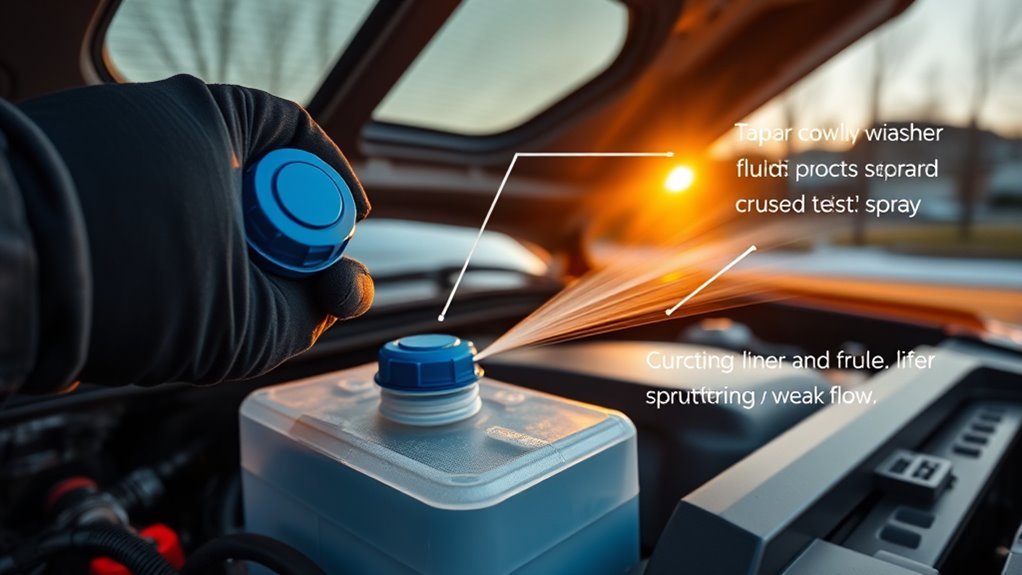
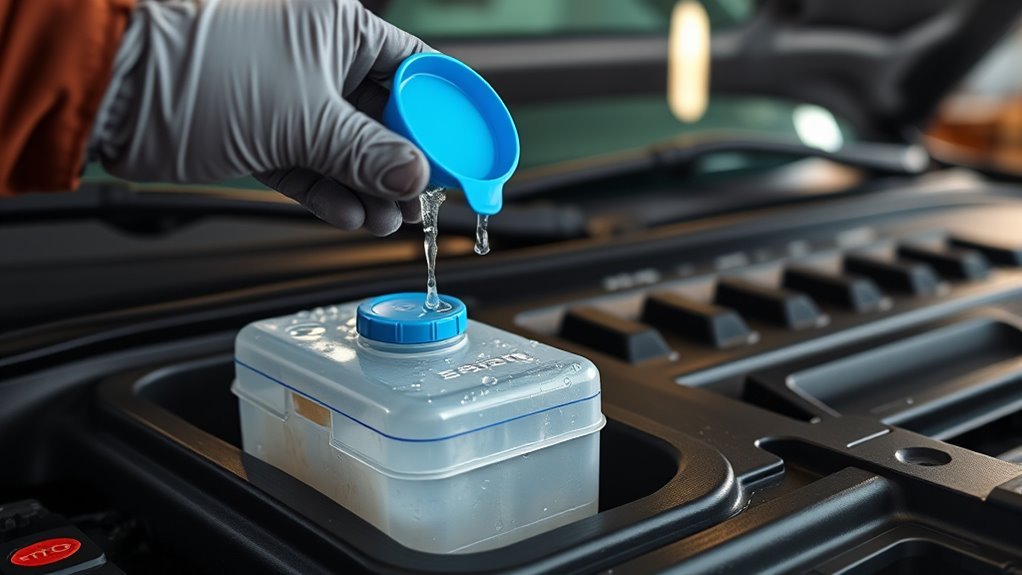
Start by checking the washer fluid reservoir level. Toyota says you should monitor washer fluid and refill it when the level runs low, since weak or no spray can simply mean the tank needs fluid.
Next, activate the sprayer and listen. A steady whine or buzz usually means the pump gets power. If you hear the pump but see weak spray, look for a clog, leak, frozen line, disconnected hose, or blocked nozzle.
If you hear no pump sound, stop pressing the washer switch. Some Toyota owner manuals warn that holding the washer lever with no spray can damage the washer pump.
Warning: Do not keep running the washer pump when no fluid sprays, because the pump can overheat or fail.
Scan the hood area, reservoir seams, hose runs, and the Y-split connector for wet spots. A puddle or wet hose often points to a split line, loose connector, or cracked reservoir.
Before You Begin: Safety and Supplies
Park your Tacoma on level ground and turn the engine off before you inspect the washer system. Let hot engine parts cool before you refill washer fluid, because many washer fluids contain alcohol.
Keep these simple items nearby:
- Correct washer fluid for your climate
- Clean water for rinsing removed parts
- White vinegar for mineral deposits
- Soft brush or cloth for nozzle cleaning
- Small replacement hose section and connector
- Correct replacement nozzle, checked by model year or VIN
Do not use soapy water, engine antifreeze, or household cleaner in the washer reservoir. Toyota owner information warns that the wrong fluid can cause streaking and damage vehicle surfaces.
Quick Fixes for Windshield Washer Spray Problems
If your washer suddenly stops or sprays poorly, check the simple faults before you replace parts. First, confirm the reservoir has enough fluid. Empty tanks cause many washer complaints.
Next, test each side. If one nozzle sprays and the other does not, the pump may still work, while the weak side may have a clogged nozzle, pinched hose, or blocked Y-split outlet.
For light dirt on the nozzle face, wipe the opening with a damp cloth or soft brush. If dried minerals sit on the nozzle, dab a small amount of vinegar on the outside, wait a few minutes, then rinse the area with clean water.
Avoid forcing a pin deep into the spray hole. Some Toyota owner manuals warn that sharp objects can damage washer nozzles. If your Tacoma has an older adjustable ball-style nozzle, touch it gently from the outside only and stop if it resists.
If the spray hits the hood or roof, aim the nozzle only if your Tacoma’s nozzle design allows adjustment. Many newer nozzles have limited movement, so replacement works better than forcing the tip.
[Products Worth Considering]

Compatible with Toyota 4Runner 1996-2002, Tacoma 1995-2004, Camry 1987-2001, Celica 1990-1999, Corolla 1988-2002, Echo 2000-2005, MR2 1990-1995, MR2 Spyder 1990-2005, RAV4 1996-2005

👍 Buyer's Guide: This Windshield Washer Nozzle OEM# 8538130220 , Before purchasing, please carefully check the product information.

Clean and Unclog Washer Nozzles and Lines Step by Step
After the quick checks, clean the system in a more careful order. Start at the nozzle tips, then move backward through the hose path toward the reservoir.
- Inspect the nozzle face. Look for wax, dust, dried washer fluid, or mineral deposits around the spray opening.
- Soften buildup. Apply a small amount of white vinegar to the outside of the nozzle, then rinse it with clean water.
- Disconnect the hose at the nozzle. Keep the hose end aimed into a container or away from painted surfaces.
- Test flow briefly. Activate the washer for one short burst. Strong flow from the hose points to a nozzle issue.
- Flush the line. If flow looks weak, disconnect the line before the Y-split and test again.
- Check each branch. Compare driver-side and passenger-side flow to find the blocked branch.
- Reconnect and retest. Attach each hose firmly, then test the spray pattern from the driver’s seat.
If mineral deposits persist after outside cleaning, remove the nozzle and soak it briefly in a 1:1 vinegar and water mix. Rinse it well before you reinstall it, so vinegar does not sit on paint or trim.
Use proper washer fluid after cleaning. Toyota notes that all-season, summer, winter, bug-removal, and rain-repellent washer fluids serve different needs, so choose the type that fits your climate and driving conditions.
[Products Worth Considering]

Replacement For: Windshield Washer Nozzles compatible with Toyota Highlander 2007-2023, Corolla 2006-2023, Avalon 2003-2023, Tundra 2007-2023, Camry 2007-2023, 4Runner 2010-2023, Sienna 2011-2024, RAV4 2006-2023, Prius 2010-2015, Matrix 2008-2014, Crown 2015-2017, Sequoia 2008-2020.

Accurate: [ Part Number] 85381-04030

Long Lasting: The outlet of our spray nozzle can withstand strong water pressure and high temperature resistance,so it is not easy to deformation, and has a long service life.
When to Replace Nozzles and How to Aim Them Correctly
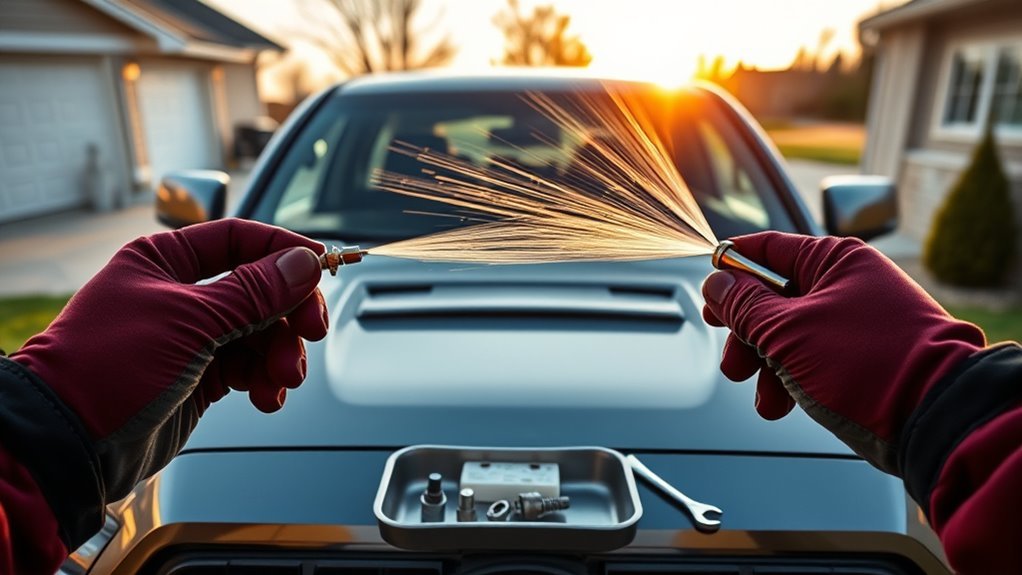
If your Tacoma’s spray stays clogged, splatters, or misses the glass after careful cleaning, replace the nozzle. A nozzle that will not stay aimed or will not clear can reduce visibility in rain, mud, snow, or road salt.
Some replacement nozzles fit only certain Tacoma years. For example, Toyota OEM parts listings show front washer nozzle part 85381-04040 for 2005 to 2015 Tacoma models. Confirm fitment by VIN before you buy any nozzle.
[Products Worth Considering]

High quality material: windshield washer hose kit is made of high quality rubber, soft and flexible, strong and durable for long term use. The front windshield nozzle is made of high quality plastic, light weight and corrosion resistant, which can effectively extend the service life of wiper blades.
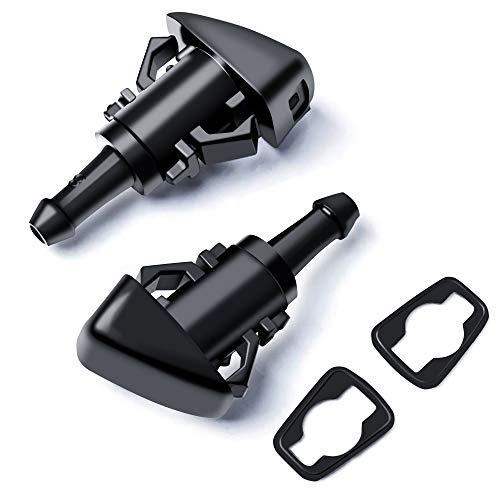
Replace OEM: # 4805742AB, 4805742AC, 5116079AA, 5113049AA, 5303833AA, 55077460AA, 5160308AA

Fitment: Compatible with Jeep Wrangler 2013-2017 Jeep Wrangler JK 2018 meets OEM specs: 68164356AB, 68164356
When To Replace
Replace a nozzle when washer spray keeps missing the windshield, sprays unevenly, or stays blocked after safe cleaning. These faults can leave dirt, salt, or road film on the glass when you need a clear view.
Do not waste time on a nozzle that fails after repeated cleaning. Install the correct replacement, connect the hose firmly, and test both sides from the driver’s seat.
Aiming And Adjustment
After you replace a failing nozzle, check the spray pattern. The fluid should hit the windshield inside the area your wipers clear.
If your nozzle allows adjustment, move it in very small steps and test after each change. Do not force a fixed nozzle, because you can crack the plastic or damage the spray opening.
If one side will not hold its position, replace it. A loose or damaged nozzle can waste washer fluid and leave part of the windshield dirty.
Cleaning Before Replacement
Clean the nozzle before you replace it unless the plastic has cracked or the hose nipple has broken. Wipe the face, soften mineral buildup with vinegar, and test the spray again.
If flow stays weak after cleaning, disconnect the hose from the nozzle and test the line. Strong line flow means the nozzle still causes the restriction. Weak line flow means you should keep tracing the hose, Y-split, filter, or pump.
Under-Hood Troubleshooting: Pump, Hoses, and Y-Split Diagnosis
If your washer does not spray properly, move under the hood and check the pump, hoses, and Y-split. Listen for the pump first, then inspect every visible hose for leaks, kinks, cracks, and loose ends.
Trace the washer hose from the reservoir to the Y-split connector, then from the Y-split to each nozzle. A disconnected hose can stop one side or both sides from spraying.
Check the Y-split for debris or brittle plastic. Replace it if it has a crack, collapsed outlet, or blocked branch that you cannot clear with water.
Some washer pumps use a small screen filter near the reservoir. If you ran the washer tank dry or used dirty fluid, remove and clean the screen if your Tacoma design gives safe access.
If the pump makes no sound, check the fuse and electrical connection before you replace the pump. A quiet pump can mean a failed pump, but it can also mean a power, ground, switch, or fuse issue.
Preventive Maintenance and Parts to Keep on Hand
One simple routine can prevent most washer problems. Check the fluid level, hoses, nozzles, and Y-split each month, and top off the reservoir with washer fluid that fits your weather.
Use winter-rated fluid before freezing weather. Toyota notes that winter washer formulas help prevent freezing in cold temperatures and can help melt ice from the windshield.
Keep a small kit with useful spare parts:
- One correct replacement nozzle
- A short length of washer hose
- One basic hose connector or Y-split
- A small funnel for clean refills
- A bottle of washer fluid rated for your climate
Inspect the system before long trips and after rough roads. Replace cracked hoses and brittle connectors instead of patching them again and again.
Pro tip: If one nozzle sprays well and the other fails, start at the Y-split and weak-side hose before you blame the pump.
When to Get Professional Help
Call a mechanic or Toyota service center if the pump has no sound after you check the fuse, or if the washer system has a repeated electrical fault. Electrical testing needs the right meter, wiring diagram, and safety steps.
You should also get help if the reservoir leaks from a hidden seam, the pump sits in a hard-to-reach location, or the washer hose disappears behind trim you cannot remove safely. A short repair visit can prevent broken clips, damaged paint, and repeat leaks.
Frequently Asked Questions
Can Washer Fluid Freeze in My Tacoma During Winter?
Yes, washer fluid can freeze if the blend does not match the outdoor temperature. Use winter-rated washer fluid before freezing weather, and follow the freeze-protection details on the fluid label.
Are Rain-Repellent Additives Safe for Washer Systems?
Rain-repellent washer fluids can help water bead on the glass, but you should use only products made for washer systems. Avoid mixing random additives with washer fluid, because some products can streak, clog nozzles, or affect rubber parts.
How Often Should I Replace the Washer Pump?
Your Tacoma washer pump does not follow a fixed replacement schedule. Replace it when testing shows that the pump has failed, leaks, makes abnormal noise, or cannot move fluid after you rule out clogs, wiring, and fuse issues.
Will Using Household Cleaners Damage Washer Components?
Yes, household cleaners can damage washer parts or leave streaks on paint and glass. Use washer fluid instead of soapy water, engine antifreeze, or cleaners not made for vehicle washer systems.
Can Windshield Washer Issues Affect Wiper Motor Performance?
A washer clog usually does not damage the wiper motor directly. But if the windshield stays dry and dirty, the wipers can drag across the glass, wear faster, and reduce visibility.
Safety Disclaimer: This article is for informational purposes only and does not replace professional vehicle repair advice. If you feel unsure about electrical testing, pump removal, or hidden leaks, ask a qualified mechanic or Toyota service center for help.
Conclusion
A Tacoma windshield washer problem usually comes from low fluid, a clogged nozzle, a blocked hose, a cracked line, or a failed pump. Start with fluid level and pump sound, then trace the system one section at a time.
Clean gently, use the right washer fluid, and replace damaged nozzles, hoses, or connectors when cleaning no longer helps. With a small spare kit and regular checks, you can keep your windshield clear when road grime hits.
References
- Changing Your Windshield Washer Fluid — Toyota, accessed 2026
- Toyota Owner’s Manual, Windshield Wipers and Washer / Washer Fluid Notices — Toyota, owner manual PDF
- Windshield Washer Nozzle (Front) – Toyota 85381-04040 — Toyota OEM Parts Online, accessed 2026