Choosing between electric power steering (EPS) and hydraulic power steering (HPS) in a Toyota Tacoma is not just a “new versus old” decision. It affects steering feel, maintenance, trail confidence, repair costs, fuel efficiency, and even how easy it is to diagnose a problem when something feels wrong.
Quick Answer
For most Tacoma owners, EPS is better for daily driving because it is lighter, efficient, and needs less routine maintenance. HPS is better if you value heavier road feel, simple mechanical troubleshooting, and older-truck familiarity. For Tacoma specifically, verify your model year: 2024+ trucks use EPS, while many earlier Tacomas use HPS.
Key Takeaways
- EPS uses an electric motor for steering assist, while HPS uses a hydraulic pump, hoses, fluid, and a steering rack.
- EPS usually wins for fuel efficiency, packaging, driver-assist compatibility, and low routine maintenance.
- HPS usually wins for natural steering feedback, familiar repair methods, and a heavier traditional truck feel.
- Tacoma model year matters: Toyota’s 2024 Tacoma owner information identifies EPS, while older generations commonly use hydraulic power steering.
- If steering becomes stiff, noisy, jerky, or warning lights appear, stop guessing and inspect the system before driving hard or going off-road.
Introduction to Power Steering: Why It Matters
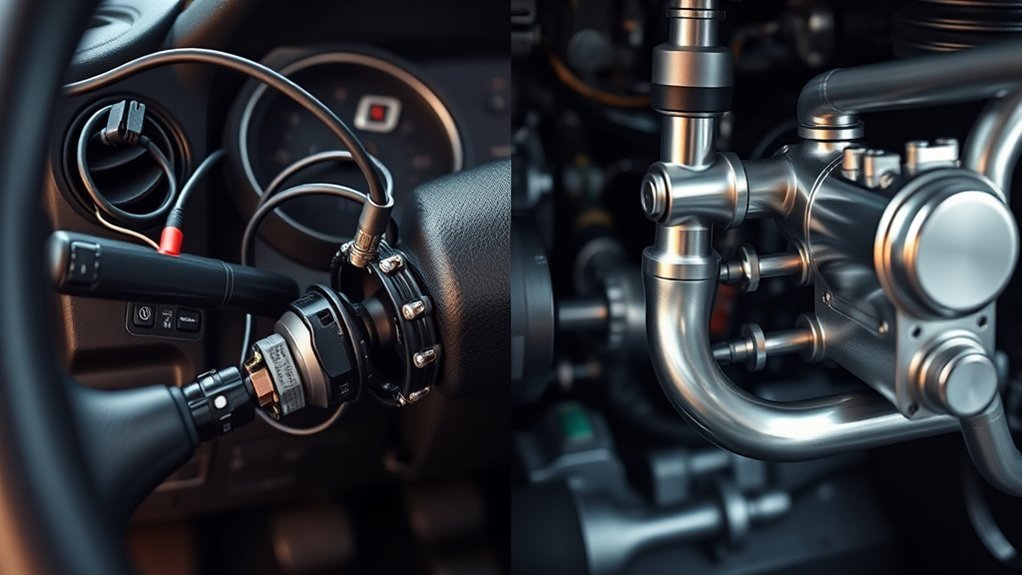
Power steering reduces the effort needed to turn your Tacoma’s front wheels. That matters most at low speeds, while parking, crawling over rocks, backing a trailer, or turning larger tires. Without power assist, a midsize truck can feel heavy and tiring, especially when the front tires are loaded.
The two main systems are electric power steering (EPS) and hydraulic power steering (HPS). EPS uses an electric motor to help turn the steering system. Toyota’s 2024 Tacoma owner information describes EPS as a system that “employs an electric motor” to reduce steering effort. You can check Toyota’s current owner information for the 2024 Tacoma here: Toyota 2024 Tacoma owner manual information.
HPS uses hydraulic fluid pressure created by an engine-driven pump. That older design gives many drivers the familiar “truck feel” they like, but it also brings fluid, hoses, a pump, belts, seals, and more maintenance points.
Which Tacoma Models Have Electric or Hydraulic Power Steering?
The easiest way to avoid confusion is to start with your Tacoma’s model year and then confirm by inspecting the truck or checking the owner’s manual.
| Tacoma generation or model year | Common steering system | What to check |
|---|---|---|
| 2024 and newer Tacoma | Electric power steering | Toyota’s 2024 Tacoma owner information lists EPS. |
| Many 2016–2023 Tacomas | Hydraulic power steering | Look for a power steering fluid reservoir and hydraulic lines. |
| Older Tacomas | Usually hydraulic power steering | Verify by VIN, manual, or under-hood inspection. |
Note: Do not assume based only on online forum posts or trim names. The safest check is your owner’s manual, VIN-specific service information, or a visual inspection under the hood.
Comparing EPS and HPS: Key Differences
EPS and HPS do the same basic job, but they create assist in different ways. Those differences affect steering feel, efficiency, reliability, repairs, and how the truck behaves with larger tires or extra front-end weight.
| Category | Electric Power Steering | Hydraulic Power Steering |
|---|---|---|
| Assist source | Electric motor | Hydraulic pressure from a pump |
| Maintenance | No power steering fluid service | Fluid, hoses, pump, seals, and belt-related checks |
| Steering feel | Light, tunable, sometimes less natural | Heavier, more mechanical, often more connected |
| Fuel efficiency | Generally more efficient because assist is demand-based | Pump load can create more drag on the engine |
| Driver-assist features | Better suited for modern lane and stability systems | Limited compatibility with advanced steering-assist features |
| Repair style | Electronic diagnosis may be needed | Mechanical and hydraulic troubleshooting is more familiar |
[Products Worth Considering]

Fits Toyota: 1995-2018 Tacoma; 1990-2000 4Runner; 1990-1997 Celica; 1988-1997 Corolla; 1991-1992 Land Cruiser; 1989-1995 Pickup; 1993-1998 T100
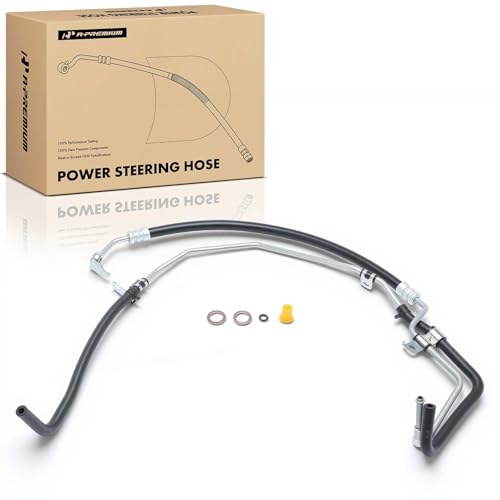
[Vehicle Fitment]: Compatible with Toyota Tacoma 2005 V6 4.0L, Tacoma 2006-2013 V6 4.0L (Base; Pre Runner), Tacoma 2014 V6 4.0L

Fits for Toyota Tacoma 1995-2018; 4Runner 1990-2000
Understanding Electric Power Steering in Tacoma
Electric Power Steering in the Tacoma uses electric assist rather than hydraulic pressure. In practical terms, that means there is no power steering pump, no power steering fluid reservoir, and no hydraulic fluid service for the steering system.
EPS also gives Toyota more control over steering tuning. Assist can be lighter at parking-lot speeds and firmer at highway speeds. On newer Tacomas, EPS also works more naturally with modern vehicle systems because steering assist is electronically controlled.
For daily driving, the biggest EPS benefits are ease and consistency. The steering feels light when maneuvering and stable when speed increases. For off-road driving, the advantage is that the system can be tuned around different drive modes and low-speed control needs.
Pro Tip: If you own a 2024+ Tacoma and add larger tires, heavier wheels, a bumper, or a winch, pay attention to steering effort and warning lights. EPS reduces routine maintenance, but it still has load limits and electronic components that should not be ignored.
[Products Worth Considering]

Compatibility: The labwork power steering reservoir, replacement for Toyota Tacoma 2005-2015 V6 4.0L 2016-2022 V6 3.5L

Applicable Models: 1998-2004 fit for Toyota Tacoma (for Submodel: for Pre Runner and V6 3.4L), 1996-2004 Fit for Toyota Tacoma (for Vehicle with 4WD and V6 3.4L) (from 02/1996), 1995-1998 fit for Toyota T100 3.4L 3378CC V6 GAS DOHC Naturally Aspirated, 1996-2002 fit for Toyota 4Runner (for Vehicle with 3.4L V6 Engine Only)

【Fit Verification】:The power steering pump is a direct replacement for 1995-2004 Tacoma 3.4L V6,1996-2002 4Runner 3.4L V6,1995-1998 T100 3.4L V6, please check the vihicle modles in the product description or in the fitment chart
The Benefits of Electric Power Steering
Electric power steering brings several clear advantages to a modern Tacoma:
- Less routine maintenance: EPS does not need power steering fluid checks, flushes, or leak repairs.
- Better efficiency: Because the system does not rely on a constantly driven hydraulic pump, it can reduce accessory load on the engine.
- Flexible steering tuning: Engineers can adjust assist levels for parking, highway driving, towing, trail driving, and drive modes.
- Modern safety-system compatibility: EPS is better suited for features that require electronic steering input or correction.
- Cleaner packaging: Removing pumps, hoses, and fluid reservoirs frees up space and reduces hydraulic leak points.
For a daily-driven Tacoma, EPS makes the truck easier to live with. Parking is easier, low-speed turns require less effort, and there is less fluid-related maintenance to remember.
Weight and Packaging Benefits
EPS removes several hydraulic parts, including the pump, reservoir, fluid, and hoses. That can help reduce complexity and improve packaging under the hood. The exact weight savings depends on the vehicle design, so it is better to view this as a general advantage rather than a guaranteed number for every Tacoma.
Steering Precision and Driver-Assist Support
Because EPS is electronically controlled, it can adjust steering assist based on speed and driving conditions. That makes it useful for modern stability systems and driver-assist features. It also allows engineers to tune steering feel without changing hydraulic hardware.
What Are the Drawbacks of Electric Power Steering?
EPS is not perfect. Many drivers like the convenience, but some miss the heavier, more natural feedback of hydraulic steering. EPS can feel filtered because the electric motor and control logic sit between your hands and the road.
Limited Steering Feel
The biggest complaint about EPS is steering feel. Some drivers describe it as light, numb, or less connected than HPS. That does not mean EPS is unsafe or poor, but it can feel less satisfying if you enjoy the heavier feedback of older Tacomas.
This difference is especially noticeable when moving from an older hydraulic Tacoma to a newer EPS Tacoma. The newer truck may feel easier to steer, but less mechanical in your hands.
Higher Repair Complexity
EPS removes fluid-related problems, but it adds electronic diagnosis. A fault may involve sensors, wiring, calibration, control modules, or the steering rack assembly. That can make diagnosis more dependent on scan tools and service information.
Hydraulic systems often give more obvious clues: low fluid, whining pump noise, visible leaks, foaming fluid, or a slipping belt. EPS faults may appear as warning lights, intermittent assist loss, uneven steering weight, or diagnostic trouble codes.
Off-Road and Heavy-Load Considerations
EPS can work well off-road, but oversized tires, aggressive wheel offsets, heavy bumpers, winches, and repeated steering at full lock can increase steering load. That matters on any steering system. With EPS, pay extra attention to warning messages, assist changes, or unusual noises after modifications.
Warning: If your Tacoma suddenly loses power steering assist, becomes difficult to steer, or displays a steering warning light, avoid highway driving or off-road use until the problem is inspected. Reduced assist can make emergency maneuvers much harder.
Let’s Dive Into Hydraulic Power Steering in Tacoma
Hydraulic power steering is the system many longtime Tacoma owners know best. It uses a pump driven by the engine to pressurize power steering fluid. That pressure helps move the steering rack when you turn the wheel.
The main reason drivers still like HPS is feel. Hydraulic steering often gives more road texture through the wheel. It can feel heavier, more direct, and more predictable when tires are loaded in a turn or when crawling slowly on uneven ground.
HPS also has a long repair history. Mechanics understand the common failure points: pumps, hoses, seals, racks, fluid condition, and drive belts. That familiarity can make some repairs easier to diagnose, especially on older trucks.
Advantages of Hydraulic Power Steering
Hydraulic steering still has real strengths, especially for Tacoma owners who prefer a traditional truck feel.
- Natural feedback: HPS usually gives more steering weight and road feel than EPS.
- Familiar repairs: Leaks, pump noise, and fluid problems are easier for many shops to diagnose.
- Mechanical simplicity: HPS has fewer electronic control components than EPS.
- Traditional off-road feel: Some drivers prefer the way hydraulic steering loads up when tires are pressed against rocks, ruts, or loose terrain.
If your Tacoma is an older daily driver, trail truck, or DIY-maintained vehicle, hydraulic steering can be appealing because the system is visible and understandable. You can inspect the reservoir, check fluid condition, and look for leaks without needing a scan tool.
Disadvantages of Hydraulic Power Steering
Hydraulic power steering also has drawbacks. The system depends on fluid pressure, and that means more wear points.
- Fluid maintenance: Low, dirty, or aerated fluid can cause noise, stiffness, and damage.
- Leaks: Hoses, seals, pumps, and racks can leak as the truck ages.
- Pump load: The pump is driven by the engine, which can create efficiency losses compared with EPS.
- More parts: More hydraulic parts mean more potential service items.
- Less electronic adaptability: HPS cannot be tuned as easily for modern drive modes or advanced steering-assist features.
For older Tacoma owners, the tradeoff is simple: HPS can feel better, but it asks for more attention. Ignoring a whining pump or low fluid level can turn a small problem into an expensive rack or pump repair.
EPS vs. HPS Performance Comparison: Which Is Right for You?
The best steering system depends on how you use your Tacoma.
| You should prefer… | If your priority is… |
|---|---|
| EPS | Daily comfort, low-speed ease, less routine maintenance, newer safety tech, and modern Tacoma features. |
| HPS | Traditional steering feel, DIY-friendly inspection, mechanical feedback, and older Tacoma familiarity. |
| EPS with caution | You plan heavy front-end modifications, very large tires, or hard off-road use. Make sure the setup is aligned and inspected properly. |
| HPS with caution | You dislike fluid maintenance, leaks, pump noise, or older-truck service needs. |
EPS is usually the smarter system for a modern Tacoma daily driver, while HPS remains the favorite for drivers who care most about raw steering feedback and simple mechanical diagnosis.
[Products Worth Considering]

【OEM FIT】This intermediate steering shaft is manufactured to the OE specification to provide factory-fresh appearance and direct-fit. No more miserable experience with binding feel, clunking sound or turning difficulty.

For Toyota 4Runner 2.7L/3.4L 1998-2002

Direct replacement for OEM part numbers: 45203-04020, 4520304020, 45203-04021, 4520304021.
How to Tell if Your Tacoma Has EPS or HPS
You can usually identify your steering system in a few minutes:
- Look for a power steering fluid reservoir. If your Tacoma has one, it likely has hydraulic power steering.
- Look for hydraulic hoses near the steering rack. HPS uses pressure and return lines.
- Check your owner’s manual. Toyota provides model-year manuals through its official manuals and warranties page.
- Watch for EPS wording. Newer owner information may identify the system as “EPS” or “Electric Power Steering.”
- Use your VIN at a dealer or Toyota service source. This is the most accurate method if you are unsure.
If you are buying a used Tacoma, also check for open recalls or service campaigns. Toyota provides a Toyota recall lookup, and NHTSA provides a VIN recall lookup for U.S. vehicles.
Maintenance Tips for EPS and HPS Tacomas
EPS and HPS need different care. Do not maintain them the same way.
EPS Maintenance Tips
- Keep the battery and charging system healthy because EPS depends on electrical power.
- Do not ignore steering warning lights or intermittent assist issues.
- After lift kits, tire changes, or front-end work, get a proper alignment.
- Inspect wiring and connectors if the truck has been through deep water, mud, or collision damage.
- Use Toyota service information for diagnosis instead of replacing parts by guesswork.
HPS Maintenance Tips
- Check the power steering fluid level at the reservoir when the truck is parked safely.
- Look for leaks around hoses, the pump, rack boots, and fittings.
- Listen for whining or groaning when turning, especially at low speeds.
- Do not hold the steering wheel at full lock longer than necessary.
- Use the fluid type listed in your owner’s manual for your exact model year.
Note: If your Tacoma has hydraulic steering, do not assume every red fluid is correct or that every universal power steering fluid is safe. Always match the owner’s manual or Toyota service information for your model year.
Common Steering Symptoms and What They May Mean
| Symptom | Possible EPS cause | Possible HPS cause |
|---|---|---|
| Steering suddenly feels heavy | Electrical fault, low voltage, EPS warning condition | Low fluid, failed pump, broken belt, rack issue |
| Whining noise while turning | Less common; inspect steering column/rack area | Low fluid, aerated fluid, worn pump |
| Visible fluid under the truck | Not usually EPS-related | Leaking hose, pump, rack, or fitting |
| Steering warning light | Scan for EPS-related codes | May be unrelated unless equipped with electronic monitoring |
| Loose or wandering steering | Alignment, suspension wear, calibration, tire issue | Alignment, worn tie rods, rack wear, air in fluid, tire issue |
Frequently Asked Questions
Is hydraulic power steering better than electric power steering?
Hydraulic power steering is better if you want heavier steering feel, clearer road feedback, and familiar mechanical troubleshooting. Electric power steering is better for daily comfort, efficiency, low maintenance, and modern driver-assist features. Neither is universally better; the right choice depends on how you use your Tacoma.
Which steering type is best for a Tacoma: electric or hydraulic?
For most newer Tacoma owners, electric power steering is the better all-around system because it is efficient, easy to drive, and requires less routine service. For older Tacoma enthusiasts, hydraulic power steering may feel better because it gives more traditional steering feedback.
How do I tell if my Tacoma has electric or hydraulic power steering?
Look under the hood for a power steering fluid reservoir. If you see a reservoir and hydraulic lines, your Tacoma likely has hydraulic power steering. If there is no power steering fluid reservoir and the owner’s manual identifies EPS, it has electric power steering. When in doubt, confirm by VIN or owner’s manual.
Does the 2024 Toyota Tacoma have electric power steering?
Yes. Toyota’s 2024 Tacoma owner information identifies the system as EPS, or Electric Power Steering. That means the steering assist comes from an electric motor rather than a hydraulic pump and fluid system.
Does electric power steering need power steering fluid?
No. Electric power steering does not use traditional power steering fluid. If your Tacoma has EPS, there is no power steering fluid reservoir to top off. However, EPS still depends on electrical components, wiring, sensors, and a healthy charging system.
Is EPS bad for off-roading?
EPS is not bad for off-roading, and newer Tacomas are designed with trail use in mind. The key is to avoid overloading the steering system with poorly matched modifications. Large tires, heavy wheels, aggressive offsets, and front-end armor can increase steering load, so proper setup and inspection matter.
Conclusion
Electric and hydraulic power steering both work well in the Tacoma, but they serve different priorities. EPS is the better fit for modern Tacoma owners who want lighter steering, fewer fluid-related maintenance tasks, and better integration with newer vehicle systems. HPS is still appealing if you prefer a heavier, more mechanical feel and want a system that is easy to inspect visually.
The smartest choice is not simply “electric” or “hydraulic.” It is matching the system to your Tacoma’s model year, your driving style, and your maintenance expectations. For daily driving and newer trucks, EPS has the edge. For old-school feel and hands-on serviceability, HPS still earns respect.
Sources
- Toyota 2024 Tacoma Owner Information — backs up the 2024 Tacoma EPS reference.
- Toyota Manuals and Warranties — official source for checking model-year-specific Tacoma owner manuals.
- Toyota Recall Lookup — official Toyota recall and service campaign lookup by VIN or license plate.
- NHTSA Recalls — U.S. government recall lookup and safety recall information.
- NHTSA 2024 Toyota Tacoma Vehicle Page — safety, recall, complaint, and vehicle information for the 2024 Tacoma.