
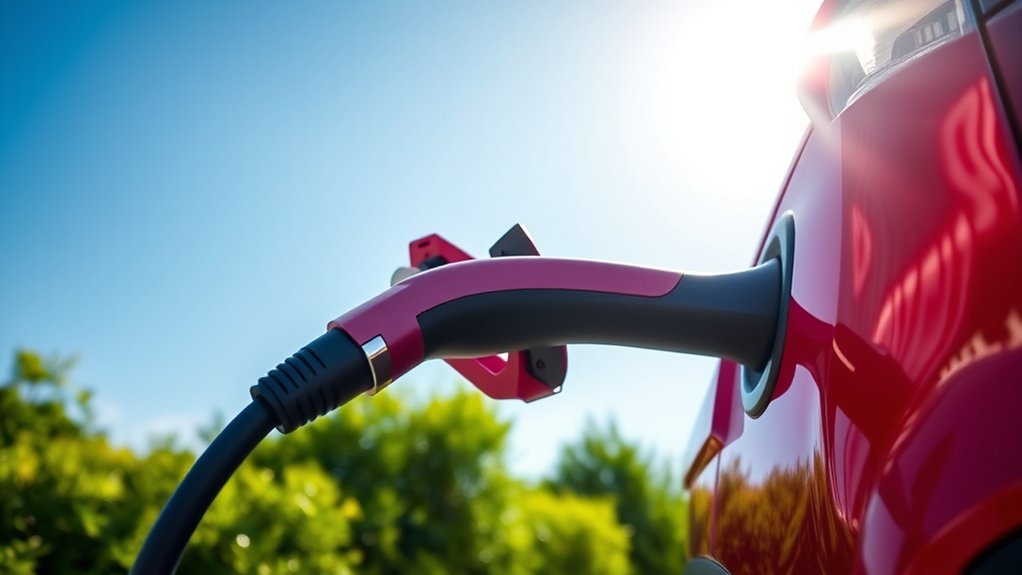
Most North American 2021–2025 Toyota RAV4 Prime and RAV4 Plug-in Hybrid models use an SAE J1772 connector for Level 1 and Level 2 alternating-current (AC) charging and do not support DC fast charging. The answer changes for 2026: SE and GR SPORT Plug-in Hybrid trims use J1772 AC charging, while XSE and Woodland trims use a CCS1 port and support DC fast charging. Toyota renamed the RAV4 Prime to the RAV4 Plug-in Hybrid for 2025, so identify your model year and trim before choosing a home charger or public station.
Last updated: July 22, 2026
Quick Answer
Use J1772 Level 1 or Level 2 AC charging for 2021–2025 RAV4 Prime/RAV4 Plug-in Hybrid models and for 2026 SE or GR SPORT trims. The 2026 XSE and Woodland trims have a CCS1 port, accept AC charging through the J1772 portion of that port, and can use compatible CCS1 DC fast chargers.
Key Takeaways
- Check the model year and trim before filtering public chargers or buying home equipment.
- Most 2021–2025 models use J1772 AC charging only; Toyota lists about 12 hours on 120V and about 2.5 hours on Level 2 for 2023–2025 models under ideal conditions.
- For 2026, SE and GR SPORT use J1772 with a 7-kW onboard charger; XSE and Woodland use CCS1 with an 11-kW onboard AC charger and DC fast-charging capability.
- A higher-output station cannot make the vehicle exceed its onboard AC charging limit.
- Never use an extension cord, power strip, smart plug, splitter, or damaged outlet with the portable charging cable.
At a Glance
| Model | AC Connector | DC Fast Charging | Published Charging Guidance |
|---|---|---|---|
| 2021–2022 RAV4 Prime | J1772 | No | Charging speed depends on the vehicle’s onboard-charger equipment |
| 2023–2025 RAV4 Prime / Plug-in Hybrid | J1772 | No | About 12 hours on 120V; about 2.5 hours on Level 2 under ideal conditions |
| 2026 SE / GR SPORT Plug-in Hybrid | J1772 | No | 7-kW onboard charger; Level 2 from 10% to 80% in around 4 hours under ideal conditions |
| 2026 XSE / Woodland Plug-in Hybrid | J1772 AC through CCS1 port | Yes, CCS1 | 11-kW onboard AC charger; DC 10% to 80% in about 30 minutes under ideal conditions |
How Do You Charge a RAV4 Prime or RAV4 Plug-in Hybrid?
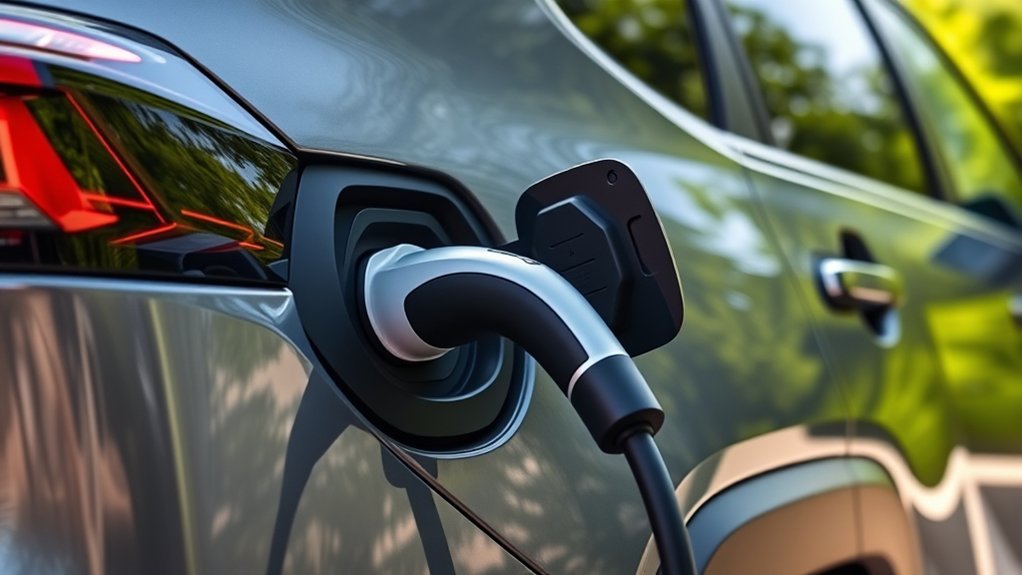
First, match the charging plug to your vehicle. Use a J1772 connector for AC charging on every North American RAV4 Prime and RAV4 Plug-in Hybrid covered here. On a 2026 XSE or Woodland, the J1772 plug fits the upper AC portion of the CCS1 inlet; use the full CCS1 connector only for compatible DC fast charging.
- Park safely, shift to Park, turn the vehicle off, and open the charge-port door.
- Inspect the vehicle inlet and charging connector for moisture, ice, debris, corrosion, bent contacts, or damage.
- Connect the charging equipment directly to a suitable power source. Do not add an extension cord, splitter, smart plug, or improvised adapter.
- Insert the vehicle connector fully until the latch seats.
- Confirm that the charge indicator and EVSE or station display show active charging before you leave.
- Check the vehicle’s charging schedule if the cable is connected but charging remains in standby.
Level 1 is useful when the vehicle can remain connected for many hours. Level 2 is better when you regularly use most of the electric range or need a faster turnaround. See the site’s RAV4 Prime Level 1 vs. Level 2 charging guide for a home-charging decision framework.
What Should You Check Before Plugging In?
A short inspection can prevent charging failures and electrical hazards. Toyota’s charging guidance says to inspect the inlet and connect the approved cable directly rather than using an extension cord.
- Use charging equipment listed by a qualified testing laboratory and compatible with the vehicle.
- For portable Level 1 charging, use a grounded outlet in good condition on a suitable circuit.
- Have a licensed electrician evaluate any new 240V circuit, receptacle, or hardwired Level 2 installation.
- Make sure the connector seats firmly and the latch is not damaged.
- Check the charger screen or indicator lights for a fault before walking away.
- Confirm that the vehicle, charger, and app do not have conflicting charging schedules.
Warning: Stop charging if you see smoke, melting, burn marks, exposed wiring, repeated breaker trips, or unusual heat. Do not touch damaged contacts or open the EVSE or high-voltage system. Have Toyota service, a qualified EV technician, or a licensed electrician inspect the fault.
What Is the Difference Between J1772 and CCS1?
SAE J1772 is the five-pin AC connector used for Level 1 and Level 2 charging on many North American plug-in vehicles. The wall unit or public station is technically electric vehicle supply equipment (EVSE); during AC charging, the vehicle’s onboard charger converts incoming AC power for the traction battery.
CCS1, also called the J1772 Combo connector, keeps the J1772 AC section and adds two large DC pins below it. That design lets a CCS1-equipped vehicle accept J1772 AC plugs as well as a full CCS1 DC fast-charging connector. The U.S. Department of Energy’s Alternative Fuels Data Center connector guide illustrates this difference.
- J1772 alone supports AC Level 1 and Level 2 charging.
- CCS1 supports J1772 AC charging and, when the vehicle is equipped for it, DC fast charging.
- The vehicle and EVSE communicate before power flows.
- A station rated above the vehicle’s onboard AC limit will not force extra charging power into the vehicle.
[Products Worth Considering]

SYLVANIA 9003 XtraVision halogen headlight bulbs deliver enhanced down-road visibility with no added glare, helping improve nighttime driving confidence. Designed for high beam, low beam, and fog light replacement applications, these bulbs are built with a durable filament and proprietary gas mixture for reliable performance. Replacing bulbs in pairs helps maintain balanced light output and consistent visibility.

This wireless CarPlay adapter upgrades compatible factory wired CarPlay or Android Auto systems with wireless connectivity and built-in entertainment apps. Enjoy navigation, calls, music, and hands-free control through Apple CarPlay, plus streaming from popular video platforms when connected to a hotspot. It also supports USB media playback and an HD media port for rear-seat entertainment on road trips and daily drives.

This protective storage case is designed to keep the Boost X GBX55 jump starter and its accessories organized, secure, and easy to carry. It features a zippered closure, a mesh pocket for chargers, a velvet-lined interior, and a convenient handle for travel. Built with durable, splash-resistant materials, it helps guard against everyday bumps, scratches, and moisture.
Which RAV4 Prime Model Years and Trims Charge Differently?
Yes. Charging hardware changed across the RAV4 plug-in lineup. Toyota’s 2021 RAV4 Prime specifications show that early vehicles could have different onboard-charger equipment. Toyota made the 6.6-kW onboard charger standard for 2023, and the 2025 RAV4 Plug-in Hybrid retained that charging system.
The redesigned 2026 model splits charging hardware by trim. Toyota lists J1772 AC charging for SE and GR SPORT, while XSE and Woodland receive CCS1 and DC fast-charging capability. Check the charge-port shape, trim, owner’s manual, and VIN-specific equipment before relying on a generic charger recommendation.
| Charging Option | Compatible Models | Best Use | Typical Result |
|---|---|---|---|
| Level 1 AC | All models covered here, with compatible portable equipment | Long overnight parking | Slowest charging; 2023–2025 models are about 12 hours from low to full under ideal conditions |
| Level 2 AC | All models covered here | Faster home, workplace, or public charging | Limited by the vehicle’s onboard charger and starting state of charge |
| CCS1 DC fast charging | 2026 XSE and Woodland Plug-in Hybrid | Faster public charging between trips | Toyota lists 10% to 80% in about 30 minutes under ideal conditions |
Note: An adapter can change connector fit, but it cannot add DC fast-charging capability to a vehicle that was not engineered for DC charging.
Why Is My RAV4 Prime Not Charging?
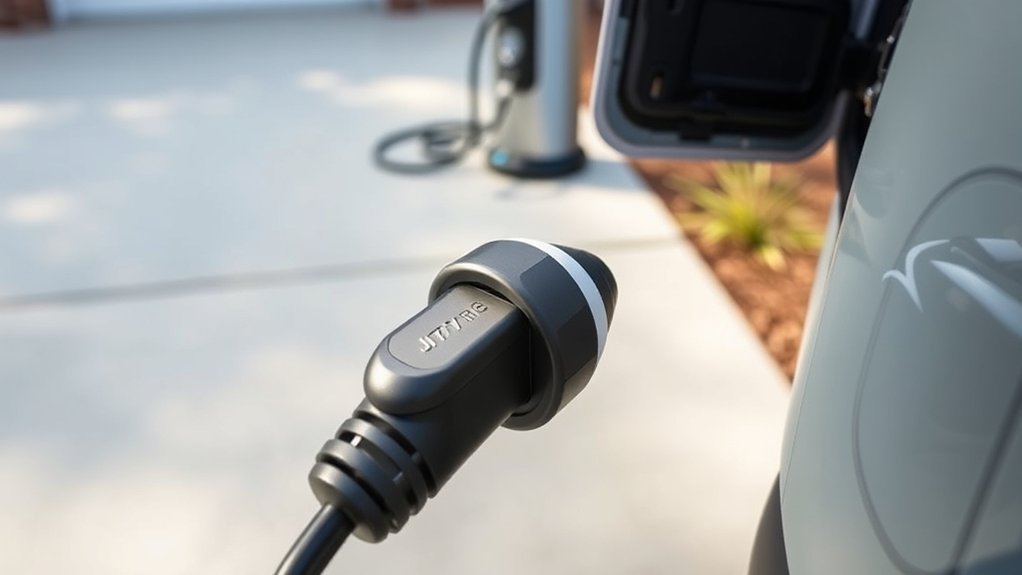
Start by determining whether the problem follows the power source, charging cable, station, schedule, or vehicle. Record the indicator lights and dashboard message before changing anything, then test one variable at a time.
- No lights on the portable EVSE: Check the breaker and outlet power. Stop if the outlet is loose, discolored, damaged, or hot.
- EVSE or station shows a fault: Disconnect safely, inspect the connector from the outside, and try a known-good compatible charging source.
- Connector will not latch: Check for dirt, ice, moisture, damaged plastic, or a bent latch. Do not force it or touch the contacts.
- Vehicle waits instead of charging: Use Charge Now or review the vehicle, app, and smart-charger schedules for conflicts.
- Public session will not start: Confirm that the station offers the correct connector and that payment or account authorization completed.
- Charging is slower than expected: Compare the station output with the vehicle’s onboard limit, then consider battery temperature, starting charge level, circuit limits, and scheduled charging.
If the same fault appears on two known-good compatible chargers, stop repeating the test and schedule Toyota service. For a longer diagnostic sequence, use the site’s complete RAV4 Prime charging troubleshooting guide.
[Products Worth Considering]

These DMEX D2S HID headlight bulbs deliver a bright cool white xenon beam designed as a direct replacement for factory D2S HID systems. Built with quartz anti-UV glass, xenon gas, and quality electrodes, they aim to improve visibility, extend illumination distance, and provide reliable performance for safer night driving. The pack includes two bulbs and is intended for HID-equipped vehicles, not halogen headlamps.

The Masoll M13 Tire Pressure Monitoring System helps monitor tire pressure for sedans, SUVs, pickup trucks, RVs, and travel trailers with four tires. It features automatic reference pressure calibration, alerting you when pressure changes fall outside the set range, while solar charging and auto wake-up support convenient everyday use. With precise pressure detection, an easy-to-read color LCD, and adaptive backlighting, it is designed to improve driving safety and help protect tire life.

EXPAND YOUR CHARGING ACCESS – Unlock Tesla / NACS chargers for your J1772 EV. Supports up to 80A and 240V, giving you more charging options at home or on the go
Can a RAV4 Prime Use NACS, Tesla, or Other Charging Plugs?
The vehicle’s inlet and charging electronics determine what it can use. A 2021–2025 RAV4 Prime or RAV4 Plug-in Hybrid, and a 2026 SE or GR SPORT, should be planned around J1772 AC charging. A 2026 XSE or Woodland can use J1772 AC charging through its CCS1 inlet and compatible CCS1 DC fast charging.
NACS, Tesla-style connectors, CHAdeMO, and other plugs are not automatically compatible. Use only equipment and adapters Toyota approves for your exact vehicle and charging network. A physical adapter does not increase the onboard AC limit or create DC fast-charging support.
When searching public stations, filter by both your connector and charging type:
- J1772 AC: 2021–2025 models and all 2026 plug-in trims.
- CCS1 DC: 2026 XSE and Woodland only.
- Other connector types: Use only when Toyota documentation confirms an approved adapter and the station supports your vehicle.
[Products Worth Considering]

VERSATILE CHARGING SOLUTION - Expand your charging options and access any J1772 chargers with the Lectron J1772 to Tesla Adapter

[Wide Compatibility & Easy Access] Unlock access to thousands of Tesla AC chargers! This tesla to J1772 adapter is designed for J1772 EVs and PHEVs—including popular brands like Ford, Hyundai, Chevrolet, Honda, Cadillac, Rivian, BMW, Volkswagen, Toyota, and more. Simply plug into Tesla Wall Connector, Destination Charger, or Mobile Connector, and charge instantly. No setup needed—perfect for home, work, or road trips.

【80A High Capacity】ELEGRP NACS to J1772 adapter supports up to 80 Amps and 200V to 250V maximum current. Enjoy faster Level 2 charging and shorter waiting times for your EV with effective overheat prevention
Frequently Asked Questions
Is the RAV4 Prime J1772?
Most North American RAV4 Prime and RAV4 Plug-in Hybrid models use J1772 for AC charging. That includes 2021–2025 models and 2026 SE and GR SPORT trims. The 2026 XSE and Woodland use a CCS1 inlet, whose upper section still accepts a J1772 plug for AC charging.
What Type of Charger Does a RAV4 Prime Use?
For routine home charging, use compatible Level 1 or Level 2 AC equipment with a J1772 vehicle connector. Owners of a 2026 XSE or Woodland can also use compatible CCS1 DC fast chargers. Always check the model year, trim, charge-port shape, and owner’s manual before buying equipment.
Is a Type 2 Connector the Same as J1772?
No. SAE J1772, also called Type 1, and the IEC Type 2 connector have different physical designs. North American RAV4 Prime owners should match charging equipment to the connector fitted to their vehicle rather than relying only on the term “Level 2.”
Can a RAV4 Prime Use a DC Fast Charger?
Most 2021–2025 RAV4 Prime/RAV4 Plug-in Hybrid models cannot use DC fast charging. For 2026, Toyota lists CCS1 DC fast charging only for XSE and Woodland trims; SE and GR SPORT remain J1772 AC-only models.
Why Is My RAV4 Prime Charging Slowly?
Charging may be slow because the EVSE supplies less power than expected, the vehicle has a lower onboard-charger limit, the battery is hot or cold, the session began at a high state of charge, or the circuit has reduced output. Check the station’s delivered power, vehicle settings, model-year charging limit, and connector before testing another compatible source.
Conclusion
The correct RAV4 Prime charger depends on model year and trim. Use J1772 AC charging for 2021–2025 models and for 2026 SE or GR SPORT trims. The 2026 XSE and Woodland add a CCS1 inlet and DC fast-charging support while still accepting J1772 AC plugs. Confirm your exact vehicle before buying equipment, use a safe direct electrical connection, and stop charging when you see heat, damage, or repeated faults.

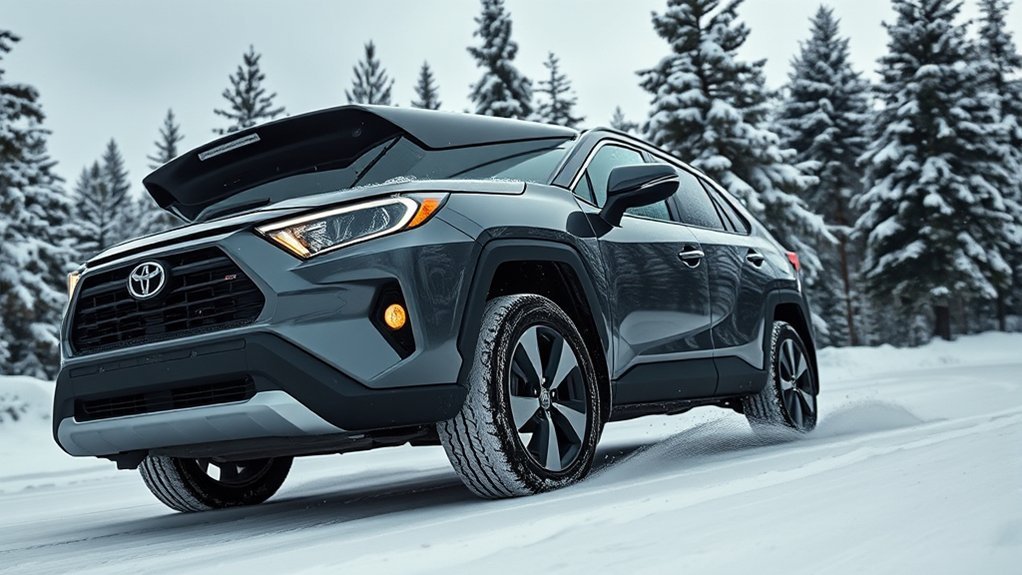

[…] EVs use NACS. Adapters work in both directions, but buying the native connector is simpler. Our J1772 connector guide explains the plug, and our Tesla charging accessories guide covers adapters and […]