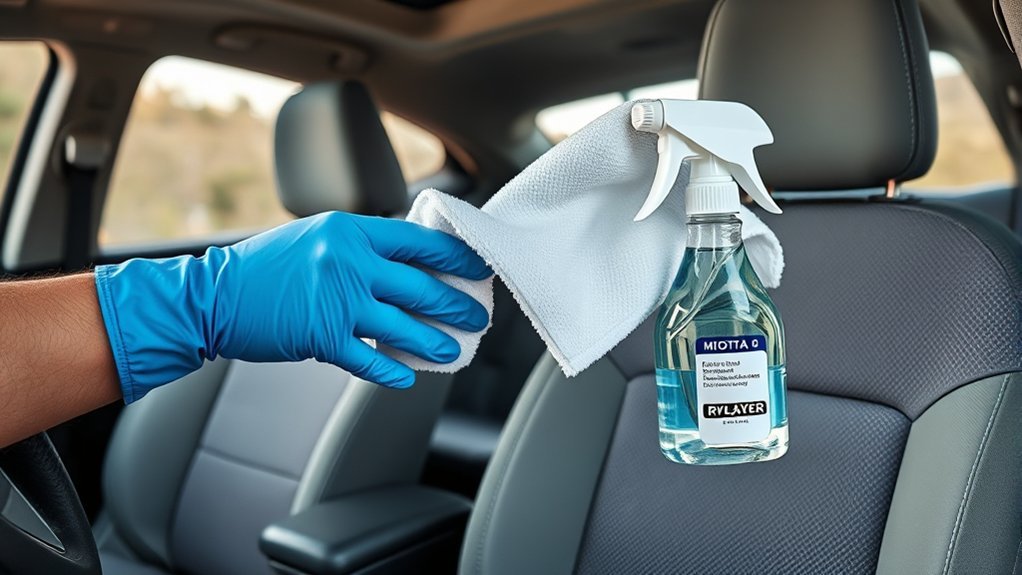
Tree sap on a Toyota RAV4 hood can look minor at first, but heat and sunlight can make it harden quickly. The safest approach is to soften the sap, lift it with a clean microfiber towel, wash the area, and then restore protection with wax, sealant, or your preferred paint protection product.
Quick Answer
To remove tree sap from a Toyota RAV4, wash the area first, soften the sap with an automotive-safe sap, bug, or adhesive remover, gently wipe with microfiber, rinse with car soap and water, then reapply wax or sealant. Avoid acetone, gasoline, dry scraping, and hard scrubbing.
Key Takeaways
- Act as soon as you notice sap; Toyota recommends washing the vehicle promptly when tree sap is present on the paint surface.
- Use a soft microfiber towel, car soap, water, and an automotive-safe sap or adhesive remover instead of harsh household solvents.
- Let the product soften the sap before wiping. Heavy pressure can scratch the clear coat.
- After cleaning, wash the treated area and restore protection with wax, sealant, or the coating product approved for your vehicle.
At a Glance
| Time Required | 10–30 minutes for fresh sap; longer for hardened spots |
| Difficulty | Easy to moderate |
| Tools Needed | Microfiber towels, car soap, water, automotive sap remover or adhesive remover, optional clay bar, wax or sealant |
| Cost | Low if you already own detailing supplies; moderate if buying remover, clay, and protection products |
Why Prompt Tree Sap Removal Matters for Your RAV4

Tree sap can bond to the clear coat as it dries, especially on a warm hood or roof. Once hardened, it becomes harder to remove and may leave dull spots, staining, or visible etching if it sits too long.
The 2024 Toyota RAV4 owner’s manual advises washing the vehicle immediately when coal tar or tree sap is present on the paint surface. That matters because the longer sap stays on the finish, the more likely you are to need clay treatment, polishing, or professional detailing.
Prompt cleaning also helps preserve wax, sealant, paint protection film, or ceramic coating. Even if your RAV4 has protection, sap should not be treated as harmless. Remove it carefully, then refresh the protection if the cleaner stripped any wax or left the surface feeling unprotected.
Warning: Do not use acetone, gasoline, lacquer thinner, abrasive pads, razor blades, or dry scraping on painted panels. These can dull, scratch, or permanently damage the clear coat.
Essential Tools and Products for Safe Sap Removal
You do not need aggressive chemicals to remove most tree sap from a RAV4. Start with the least aggressive method and only step up if the sap remains stuck.
- Clean microfiber towels: Use soft, clean towels only. Dirty towels can drag grit across the paint.
- Car wash soap and water: Wash first so dirt does not scratch the paint while you work on the sap.
- Automotive sap, bug, tar, or adhesive remover: Use a product labeled safe for automotive paint or clear coat. For example, Goo Gone Automotive Spray Gel lists tree sap among its uses and instructs users to pretest, wipe with a clean cloth, and wash with soap and water afterward.
- Clay bar or clay mitt: A clay bar can help remove remaining bonded residue after washing, as long as the paint is clean, cool, and well lubricated.
- Wax, sealant, or coating topper: After sap removal, restore protection because cleaners and clay can reduce or remove wax.
Note: If your RAV4 has matte paint, matte wrap, paint protection film, or a ceramic coating, follow the installer’s or product maker’s care instructions before using solvents or clay.
[Products Worth Considering]

This driver side sun visor is a direct replacement for compatible Toyota RAV4 models from 2006 to 2013, helping restore shade and visibility control on the front left side. It includes a vanity light and extension for added convenience, along with an easy no-screw installation designed to match the original fit and function. Built for dependable daily use, it offers a practical solution for replacing a worn or damaged visor.

This plastic razor blade scraper set is designed to remove stickers, decals, glue, grease, and paint without scratching delicate surfaces. It includes four ergonomic scrapers and 100 replacement plastic blades for convenient, long-term use on glass, windows, cars, walls, appliances, and more. Easy blade changes and a comfortable grip make it a practical choice for everyday cleaning and removal tasks.

This left driver side sun visor is designed for Toyota RAV4 models from 2006 through 2013 and provides a direct replacement fit for the original part. It includes wiring for vehicles equipped with a lamp and is intended to restore sun protection and interior functionality with a gray finish that matches the vehicle interior.
Step-by-Step Guide to Remove Tree Sap From Your RAV4 Hood
Work in the shade on a cool surface. A hot hood can make cleaners flash-dry and may make sap harder to control.
[Products Worth Considering]

These 5 PLUS silicone windshield wiper blades are designed for select Toyota RAV4 models and include a full three-piece set for front and rear coverage. The silicone wiping edge helps promote streak-free visibility, while the all-weather design resists heat, cold, UV exposure, and harsh driving conditions. An upgraded metal base with precision spring strips helps the blades conform to the windshield for a cleaner, quieter wipe.

This custom-fit windshield sun shade is designed for Toyota RAV4 models to help block sunlight, reduce interior heat, and protect your dash and seats from UV damage. Its double-layer reflective construction improves insulation so your cabin stays cooler and your air conditioning can work more efficiently. Foldable and easy to install, it offers a practical way to make parked and travel time more comfortable.

This vehicle-specific windshield sunshade is designed to fit Toyota RAV4 models from 2019 to 2025, helping block direct sunlight and reduce interior heat buildup. Its reflective multi-layer construction helps protect the dashboard, steering wheel, seats, and trim from UV damage, fading, and cracking while keeping the cabin more comfortable. The foldable design installs quickly and stores easily for everyday convenience.
1. Rinse and wash the area first
Rinse the hood with water, then wash the area with car soap and a soft wash mitt or sponge. This removes dust and grit that could scratch the paint while you wipe the sap.
2. Blot fresh sap gently
If the sap is still soft, lightly blot it with a damp microfiber towel. Do not smear it across the paint. Lift what you can, rinse the towel, and switch to a clean section often.
3. Apply an automotive-safe remover
Spray or apply your chosen sap, bug, tar, or adhesive remover to a microfiber towel or directly to the sap if the label allows. Let it dwell for the time listed on the product label. Do not let the product dry on the paint.
4. Wipe with light pressure
Gently wipe in short strokes. If the sap does not move, stop and apply more product rather than scrubbing harder. The goal is to dissolve or soften the sap so it releases from the surface.
5. Repeat for hardened sap
Hardened sap may need several rounds. Keep the area lubricated with remover and use fresh microfiber towel sections. If small residue remains after the main sap lifts, move to a clay bar rather than grinding away at the spot.
6. Wash again with soap and water
After the sap is gone, wash the treated area with car soap and water. This removes cleaner residue and helps you inspect the paint clearly.
7. Use clay for bonded residue if needed
If the paint still feels rough, use a clay bar or clay mitt with plenty of lubricant. Mothers notes that clay products can remove bonded contaminants such as tree sap, but they should be used on a clean, cool, lubricated surface with light pressure.
8. Dry and protect the paint
Dry the area with a clean microfiber towel. Finish with wax, paint sealant, or a coating-safe topper. This helps restore gloss and makes future sap easier to remove.
Pro Tip: After cleaning, run your fingertips lightly over the area through a thin plastic sandwich bag. If it feels gritty or bumpy, bonded residue remains and clay may help.
Common Mistakes to Avoid When Removing Tree Sap

Most sap-removal damage comes from rushing, scrubbing, or using the wrong chemical. Avoid these common mistakes:
| Avoid This | Instead Do This |
|---|---|
| Using acetone, gasoline, or harsh solvents | Use an automotive-safe sap, tar, bug, or adhesive remover |
| Scrubbing with paper towels or abrasive pads | Use clean microfiber towels and light pressure |
| Working on hot paint in direct sun | Move the RAV4 into shade and let the panel cool |
| Letting cleaner dry on the surface | Follow dwell times and wash the area afterward |
| Skipping a spot test | Pretest on a small hidden area before treating visible paint |
What to Do If the Tree Sap Is Hardened
Hardened sap needs patience. Do not chip it off with a fingernail, blade, or plastic scraper unless you are working on glass and know the correct technique. On painted panels, repeated softening is safer.
- Wash first: Remove grit around the sap.
- Soften the spot: Apply an automotive-safe remover and give it time to work.
- Use warm, damp microfiber: Hold a warm, damp towel over the sap for a few minutes to help soften it, then reapply remover if needed.
- Wipe gently: Lift softened sap in small passes.
- Clay only after washing: Use clay for leftover bonded residue, not as the first step on a dirty panel.
If the sap has baked on for weeks, the surface may need machine polishing after the sap is removed. Polishing is different from cleaning; it removes a tiny amount of clear coat to improve defects. If you are not comfortable with that, ask a detailer to inspect it.
[Products Worth Considering]

This windshield sun shade is designed to fit Toyota RAV4 models from 2019 through 2026, helping block most UV rays and reduce interior heat buildup. Its reflective construction helps protect dashboards, seats, and steering wheels from fading and cracking, while the foldable design and included storage bag make it easy to use and store. The eye-catching pattern also helps you spot your vehicle quickly in crowded parking lots.

This custom-fit windshield sun shade is designed to help keep your Toyota RAV4 cooler by blocking harsh sunlight and reducing interior heat buildup. Its foldable design makes it easy to install, remove, and store, while the reflective construction helps protect your dashboard, seats, and other interior surfaces from UV damage.

This windshield sun shade is custom-designed for Toyota RAV4 models to provide full coverage and help block heat and UV rays. Its nano ice-crystal coating and 0% transmittance design help keep the cabin cooler while protecting the interior from sun damage. A flexible fiberglass skeleton, adjustable handle, and quick one-second setup make it easy to install, remove, and store.
Identifying and Treating Residual Sap Damage
After cleaning, inspect the hood in good light. Some marks are only residue; others are actual clear-coat damage.
| What You See | Likely Cause | Best Next Step |
|---|---|---|
| Sticky or raised spot | Sap residue remains | Repeat remover, wash, then clay if needed |
| Rough paint after washing | Bonded contaminants | Use a lubricated clay bar or clay mitt |
| Dull mark or haze | Possible staining or light etching | Try finishing polish or consult a detailer |
| Scratches from wiping | Abrasive towel, dirt, or excess pressure | Stop scrubbing and seek paint correction advice |
White spots, dull patches, or outlines where the sap used to be may not wash away because the clear coat itself has been affected. A mild polish may improve light marks, but deep etching or discoloration may require professional paint correction.
Keep Your RAV4 Looking Great After Cleaning
Once the sap is removed, the goal is to make the next cleanup easier. A slick, protected surface gives sap less grip than bare or neglected paint.
- Wash regularly: Toyota recommends washing with water, car wash soap, and a soft cloth or sponge to maintain the exterior.
- Refresh protection: Apply wax or sealant when water no longer beads on clean paint, or follow the maintenance schedule for your ceramic coating.
- Use clay only when needed: Clay removes bonded contamination, but it can also reduce wax. Protect the paint afterward.
- Inspect after parking under trees: A quick check can prevent sap from baking onto the hood, roof, and windshield.
How to Prevent Future Tree Sap Damage to Your RAV4

The best sap-removal method is prevention. You cannot always avoid trees, but you can reduce exposure and make sap less likely to stain.
Wash the Vehicle Regularly
Wash your RAV4 every couple of weeks when it is exposed to trees, pollen, bugs, bird droppings, or road film. If sap lands on the paint, clean that spot as soon as possible instead of waiting for the next full wash.
Use car wash soap, not dish soap, for routine washing. Dish soap can strip protection and leave the paint more vulnerable. Work from top to bottom, rinse thoroughly, and dry with a clean microfiber towel.
Use Protective Covers or Smarter Parking
When possible, park in a garage, carport, or open area away from sap-producing trees. If you need to park under trees often, a clean, breathable car cover can help. Do not put a dirty cover on a dirty vehicle, because trapped grit can scratch the paint.
| Protection Option | Benefits | Watch Out For |
|---|---|---|
| Garage or carport | Best everyday protection | Not always available |
| Breathable car cover | Reduces sap, pollen, and UV exposure | Must be clean and fitted properly |
| Wax or sealant | Adds slickness and easier cleanup | Needs regular reapplication |
| Ceramic coating or paint protection film | Longer-lasting protection | Still needs safe washing and prompt sap removal |
When to Seek Professional Help for Tree Sap Removal
DIY removal is fine for fresh sap and small spots. Professional help is smarter when the sap has hardened, spread across several panels, or left visible defects after cleaning.
When DIY Is Reasonable
- The sap is fresh or slightly tacky.
- There are only a few small spots.
- The paint is not scratched, hazy, or discolored.
- You have clean microfiber towels and an automotive-safe remover.
- You are willing to spot test and work slowly.
Signs You Should Call a Detailer
- The sap feels rock-hard and will not soften after several careful attempts.
- You see dull spots, white outlines, stains, or etching after removal.
- The area has scratches from previous scrubbing.
- The sap is on paint protection film, vinyl wrap, matte trim, or a specialty finish.
- You are considering machine polishing but have not done it before.
A detailer can use controlled chemical decontamination, clay, polishing, and paint-thickness-safe techniques. This may cost more than DIY cleaning, but it can prevent a small sap problem from turning into permanent clear-coat damage.
Frequently Asked Questions
Will Goo Gone remove tree sap from car paint?
Goo Gone Automotive Spray Gel is labeled for use on tree sap and automotive clear coat when used as directed. Pretest first, let it work for only the recommended time, wipe with a clean cloth, and wash the area with soap and water afterward.
Will rubbing alcohol remove tree sap from car paint?
Rubbing alcohol may soften some sap, but it can also strip wax and may affect sensitive surfaces if used carelessly. An automotive-safe sap, bug, tar, or adhesive remover is usually the better first choice. If you use alcohol, spot test first, keep the contact time short, rinse well, and reapply protection.
Can I scrape tree sap off my RAV4 with a razor blade?
Do not use a razor blade on painted panels. It can cut or scratch the clear coat. Razor techniques are sometimes used on glass, but paint should be treated with softening, microfiber wiping, clay, and polishing only when needed.
Can tree sap permanently damage Toyota RAV4 paint?
Yes. If sap sits on the paint long enough, especially in heat and sunlight, it can leave staining, dull spots, or etching in the clear coat. Fast removal greatly lowers the risk of permanent marks.
Should I wax the paint after removing tree sap?
Yes, it is a good idea. Sap removers, repeated washing, and clay can reduce or remove wax. After the surface is clean and dry, apply wax, sealant, or a coating-safe topper to restore protection.
Conclusion
Removing tree sap from your RAV4 is mostly about timing and technique. Wash the area first, soften the sap with an automotive-safe remover, wipe gently with microfiber, rinse clean, and protect the paint afterward. If the sap has already hardened or left dull marks, stop before you scrub too hard and consider clay, polish, or professional detailing. A few careful minutes now can keep your RAV4’s hood glossy and prevent long-term clear-coat damage.
Sources
- Toyota 2024 RAV4 Owner’s Manual: Cleaning and protecting the vehicle exterior — supports Toyota’s exterior washing guidance and prompt cleaning when tree sap is present.
- Goo Gone Automotive Spray Gel — supports product-specific use on tree sap and automotive clear coat, plus pretesting and washing afterward.
- Mothers California Gold Clay Bars — supports clay bar use for bonded contaminants such as tree sap and the need for lubrication and rewaxing.
- Mothers Speed Clay 2.0 — supports clay-style surface preparation for fresh tree sap and other embedded contaminants.