Interior odors in a Hyundai Sonata can come from a forgotten spill, damp carpet, a dirty cabin filter, trapped moisture in the air-conditioning system, or a mechanical problem. The safest approach is to identify when and where the smell appears, remove the source, clean the correct material, dry the cabin completely, and investigate any odor that returns.
Quick Answer
To prevent odors in a Hyundai Sonata, remove spills and trash quickly, vacuum hidden areas, keep carpets dry, replace the cabin filter according to your model-year manual, and run the blower with the AC compressor off for about five minutes after cooling. Investigate recurring musty, fuel, exhaust, burning, or sweet smells promptly.
Key Takeaways
- Treat an odor as a clue, not a complete diagnosis. Note when it starts, where it is strongest, and whether warning lights or other symptoms appear.
- Use cleaning products that match the surface. Hyundai recommends mild cleaners and warns against harsh acidic, alkaline, or high-alcohol products on interior materials.
- A cabin filter can reduce dust and debris, but it cannot repair a water leak, blocked AC drain, heater-core leak, fuel leak, or exhaust leak.
- Do not continue driving with smoke, a strong fuel odor, worsening electrical burning, weak brakes, or exhaust entering the cabin.
- Remove moisture and the original odor source before using any fragrance product.
At a Glance
| Time Required | About 30–60 minutes for routine cleaning; longer if carpet padding must dry |
| Difficulty | Easy for routine cleaning; professional diagnosis may be required for recurring or mechanical odors |
| Tools Needed | Vacuum, microfiber cloths, mild interior cleaner, upholstery cleaner, soft brush, towels, and the correct replacement filter if needed |
| Cost | Usually low for routine cleaning and a cabin filter; professional HVAC, leak, brake, fuel, or exhaust repairs vary |
Warning: Pull over safely and shut the vehicle off if you see smoke, smell strong fuel, notice rapidly worsening electrical or burning odors, lose braking performance, or suspect hot coolant is escaping. If exhaust enters the cabin, open the windows, move to fresh air, and arrange immediate inspection. Carbon monoxide itself has no smell.
Common Odors in Your Hyundai Sonata and How to Fix Them
Start by noting whether the smell appears when you open the door, start the fan, turn on the AC or heat, brake, accelerate, or stop after a drive. Also check whether the odor is strongest near a vent, footwell, seat, trunk, engine compartment, or wheel.
An odor is a clue, not a diagnosis. The timing, location, warning lights, fluid levels, and changes in vehicle performance are just as important as the smell itself.
| Odor or symptom | Possible source | What to do |
|---|---|---|
| Musty smell when the fan starts | Moisture on the evaporator, a dirty cabin filter, a blocked condensate drain, or wet carpet | Inspect the filter and carpets, dry the HVAC system with fan-only operation, and have the evaporator drain checked if the odor returns. |
| Sour food, milk, or pet odor | A spill, food debris, pet hair, dirty mats, or contaminated carpet padding | Remove the source, vacuum seams and seat rails, clean the affected material, and dry it completely. |
| Damp or earthy smell after rain | Water entering through a seal, drain, windshield area, cowl, sunroof drain, door, or trunk | Check the footwells and spare-tire well. Repair the water source before cleaning or replacing soaked padding. |
| Sweet or chemical smell | A possible cooling-system or heater-core leak | Watch for low coolant, steam, overheating, damp front carpet, or a greasy film on the glass. Do not open the cooling system while it is hot. |
| Burnt carpet smell after braking | Overheated brakes, a sticking caliper, or heavy braking | Stop safely and let the brakes cool. Seek inspection if the smell is strong, returns during normal driving, or comes with pulling, smoke, noise, or weak braking. |
| Burning rubber, oil, or plastic | A slipping belt, fluid on a hot component, debris against the exhaust, overheated wiring, or another heat-related fault | Stop if you see smoke or a warning light. Avoid touching hot or moving parts and arrange an inspection. |
| Raw gasoline odor | Spilled fuel, a loose fuel cap, or a leak in the fuel or evaporative-emissions system | Shut off the engine away from flames or sparks. Do not keep driving with a strong or persistent fuel smell. |
| Rotten-egg or sulfur smell | Hydrogen sulfide associated with rich engine operation, fuel quality, or an emissions-system problem | Have the engine and emissions system diagnosed, especially if the check-engine light, poor fuel economy, rough running, or power loss is present. |
| Exhaust smell inside the cabin | An exhaust leak, damaged body seal, or exhaust being drawn into the cabin | Open the windows, leave the vehicle if anyone feels ill, and arrange immediate repair. Do not rely on smell to detect carbon monoxide. |
A Safe Routine for Removing Interior Odors
1. Remove the Odor Source
Park in a well-ventilated area, turn the vehicle off, place it in Park, and allow hot components to cool. Remove trash, food containers, damp clothing, pet items, and loose objects. Look under the seats, around seat rails, inside door pockets, under removable mats, and in the trunk and spare-tire well.
2. Check for Moisture
Press a clean paper towel against the carpet in each footwell and the trunk. A dry carpet surface can hide wet padding underneath. If you find moisture, identify whether it came from a spill, rainwater, the AC drain, or the heating and cooling system before applying fragrance or installing a new filter.
3. Vacuum Hidden Areas
Use a crevice tool around the seat tracks, console edges, floor seams, rear-seat gap, and trunk corners. Remove the mats and vacuum both sides. Pet hair, crumbs, leaves, and soil can continue producing odors even when the visible surfaces look clean.
4. Clean the Correct Material
Apply cleaner to a microfiber cloth rather than spraying switches, displays, seat controls, or electrical openings directly. Work in small sections and avoid soaking the upholstery. Test every cleaner on a hidden area first.
5. Dry the Cabin Completely
Blot excess moisture with clean towels and let mats dry outside the vehicle. Ventilate the cabin when the weather is dry and the vehicle can be secured. Do not reinstall damp mats over wet carpet because trapped moisture can restart the odor.
6. Retest the Odor
After the cabin is dry, close the doors for a short period and check again. Then test the fan with the AC off, the AC on, and the heat on. This can help separate an HVAC odor from one in the seats, carpet, trunk, or engine compartment.
Pro Tip: Before cleaning the entire cabin, place a clean towel over one suspect area for several hours. If the towel picks up the same odor, you have narrowed the source and can avoid over-wetting unaffected materials.
Essential Tips for Keeping Your Cabin Air Fresh
Odor prevention works best when you remove contaminants before they reach the carpet padding or ventilation system. Use these habits instead of waiting for a strong smell to develop:
- Remove food and drink containers after every trip. Check cup holders and rear-seat pockets for small spills.
- Vacuum high-use areas regularly. Increase the frequency if you transport children, pets, sports equipment, or work gear.
- Blot spills immediately. Do not scrub a liquid deeper into the seat foam or carpet padding.
- Dry wet umbrellas, coats, and floor mats outside the vehicle.
- Use outside-air mode periodically. Long periods of recirculation can leave the cabin feeling stale, although outside air should be avoided temporarily in smoke, heavy pollution, or strong outdoor odors.
- Check the trunk and spare-tire well after heavy rain or a car wash.
- Use fragrance only after removing the cause. An air freshener cannot repair a leak or remove contaminated padding.
Follow the Correct Cabin-Filter Schedule
Hyundai’s replacement intervals vary by model year and market, so do not rely on one universal mileage range. Use the Hyundai Digital Owner’s Manual to find the schedule for your exact Sonata. Inspect or replace the filter earlier if airflow drops or the car is used in dusty, polluted, smoky, or pet-carrying conditions.
A filter can trap dust, pollen, leaves, and some debris entering through the ventilation system. However, replacing it will not solve odor caused by wet carpet, a blocked drain, contaminated seat foam, a cooling-system leak, or exhaust entering the cabin.
Note: Check the airflow arrow when installing a replacement cabin filter. The correct orientation and replacement procedure may differ by Sonata generation, so follow the instructions for your exact vehicle.
Effective Cleaning Techniques for Hyundai Sonata Interiors
Use the least aggressive cleaner that can remove the contamination. Hyundai’s interior-care guidance recommends removing loose dirt first and using mild, material-appropriate products. Keep liquids away from electrical components.
[Products Worth Considering]

This dual-layer cabin air filter is designed to help improve interior air quality by capturing fine particles and reducing odors with activated carbon. It features a durable one-piece frame for a tighter seal and long-lasting fit, making it a dependable replacement for many Toyota, Lexus, Subaru, and other compatible vehicles. Ideal for maintaining a fresher, cleaner cabin environment.

Puroma cabin air filter helps deliver cleaner, fresher air inside your vehicle while supporting efficient HVAC airflow. Its multi-layer design helps reduce stale odors and capture airborne particles, making daily driving more comfortable. Designed for easy installation and broad fitment across many Toyota, Lexus, Mazda, and Subaru models.

This dual filter kit helps keep your vehicle running and riding cleaner by replacing both the engine air filter and cabin air filter at the same time. It is designed for a range of Toyota and Lexus hybrid models, helping support engine performance while reducing odors and airborne particles inside the cabin. Built with high-quality filtration materials, it offers a convenient maintenance solution for routine filter replacement.
Hard Interior Surfaces
Vacuum or dust the surface first. Wipe compatible trim with a microfiber cloth lightly dampened with warm water and a mild non-detergent cleaner. Do not saturate seams, switches, screens, speaker openings, or electronic controls.
Fabric Seats and Carpets
Vacuum thoroughly and treat fresh spots promptly with a mild upholstery or carpet product. Apply a small amount, agitate gently with a soft cloth or brush, blot the residue, and let the material dry. Excessive water can push contamination into the foam or padding and make the odor harder to remove.
Leather and Coated Seats
Use a neutral product intended for automotive leather or the specific seating material. Avoid acidic, strongly alkaline, abrasive, or high-alcohol cleaners. Do not treat vinegar as a universal leather cleaner. Wipe spills promptly and remove remaining moisture with a dry, lint-free cloth.
Floor Mats
Remove the mats before cleaning. Wash only according to their material and manufacturer instructions, then let them dry completely before reinstalling them. Check the carpet beneath each mat for trapped moisture.
Headliner and Seat Belts
Avoid soaking or aggressively scrubbing the headliner because moisture and friction can damage its backing or adhesive. Clean seat-belt webbing with mild soap and water only. Do not bleach, dye, or saturate it.
Smoke, Rodent, Flood, or Heavy Biological Odors
Smoke residue can settle on glass, trim, fabric, the headliner, and inside the HVAC system. Rodent contamination may involve nesting material, droppings, damaged wiring, or a dead animal near the cowl, blower, or engine compartment. Floodwater can contaminate carpet padding, wiring, connectors, insulation, and safety-system components. These situations often require professional cleaning, disassembly, or mechanical inspection rather than surface deodorizing alone.
How to Keep Mildew Out of Your AC?
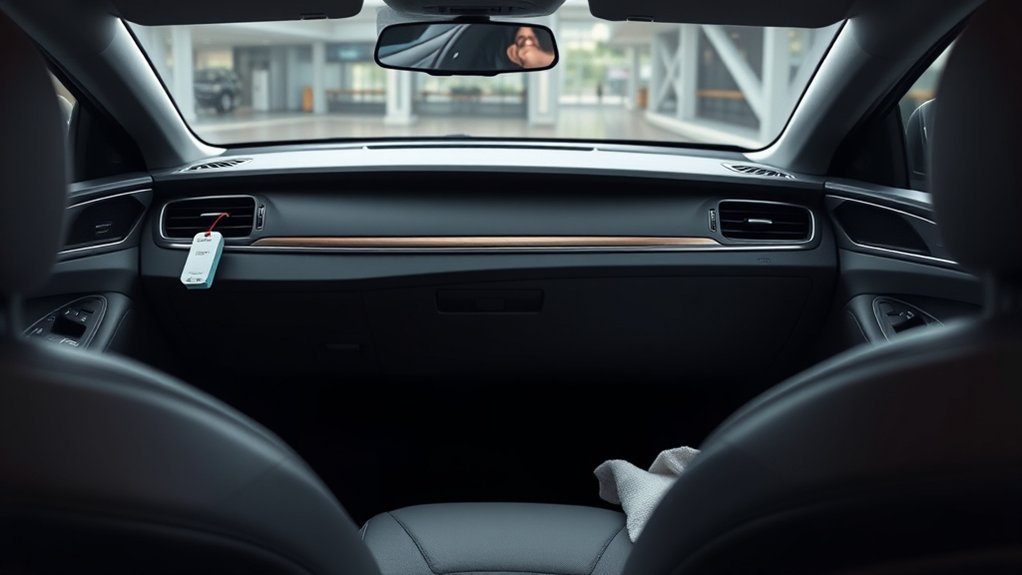
The evaporator becomes cold and wet while the air conditioner is operating. Moisture that remains on HVAC components can support microbial growth and odor production. To reduce retained moisture, Hyundai advises running the blower with the AC compressor switched off for about five minutes after cooling on applicable models.
- Before reaching your destination, turn the AC compressor off while leaving the blower running.
- Use outside-air mode when outdoor conditions are suitable.
- Inspect the cabin filter if the odor is strongest when airflow begins.
- Check whether normal AC condensation drips beneath the car after humid-weather operation.
- Have the condensate drain inspected if the passenger footwell becomes damp or no drainage appears despite humid AC use.
- Arrange evaporator cleaning if the musty smell remains after the filter, drain, and water-entry points have been checked.
Research indexed by the U.S. Environmental Protection Agency found that moisture and materials inside automotive air-conditioning systems can support microbial biofilms and odor-producing compounds. Drying the system and correcting drainage or water-entry problems are therefore more useful than masking the smell.
[Products Worth Considering]

This cabin air filter helps improve in-cabin air quality by trapping dust, pollen, and other airborne contaminants while activated carbon helps reduce odors. It is designed as a replacement for multiple Toyota, Lexus, Subaru, Land Rover, Jaguar, Scion, and Pontiac applications, making it a versatile fitment option for many popular vehicles. Use it for routine maintenance to help keep your vehicle's HVAC system breathing cleaner air.

This cabin air filter replacement is designed to help keep your vehicle’s interior air fresher and cleaner by capturing dust, odors, and fine particles with a multi-layer filtration structure. The activated carbon layer helps reduce unwanted smells, while the extended service life makes it a practical maintenance part for many compatible Toyota, Lexus, Subaru, Scion, and Jaguar models.

This Febreze cabin air filter uses PUREFLOW Air Filtration Technology to help reduce odors and capture fine dust, pollen, and other airborne particles inside your vehicle. Its multi-layer HEPA-level design supports cleaner cabin air while maintaining balanced HVAC airflow, and the unscented formula delivers freshness without added fragrance. It is designed for quick vehicle-specific installation and fits a wide range of Toyota, Lexus, Subaru, and related models.
Check Common Water-Entry Points
If the odor becomes stronger after rain or a car wash, inspect these areas:
- Front and rear footwells, including beneath the carpet edge
- Door weatherstripping and lower door drains
- Windshield and cowl area
- Sunroof drains, if equipped
- Trunk seals and tail-light mounting areas
- Spare-tire well and trunk side pockets
- AC condensate drain
- Front passenger carpet near the HVAC housing, which may become damp if the heater core or drain has a problem
Drying the carpet without correcting the entry point provides only temporary relief. Padding that remains wet may need to be lifted, professionally dried, cleaned, or replaced.
When to Get Professional Help for Odor Issues
Routine food, pet, and light musty odors may respond to careful cleaning. Mechanical, electrical, fuel, exhaust, and severe water-related smells need a different response.
Stop Driving and Get Help When
- You smell strong gasoline that does not disappear after leaving a fueling area.
- You see smoke or smell melting plastic or rapidly worsening electrical insulation.
- An exhaust odor enters the cabin.
- A burning brake smell comes with smoke, pulling, grinding, a soft pedal, or reduced stopping power.
- A sweet or chemical smell comes with steam, rising engine temperature, or visible coolant loss.
- Anyone in the vehicle develops headache, dizziness, nausea, weakness, confusion, chest pain, or unusual sleepiness while exhaust exposure is possible.
The CDC advises having a vehicle’s exhaust system checked because even a small leak may allow carbon monoxide to build up inside. Carbon monoxide is colorless and odorless, so the absence of an exhaust smell does not prove that the cabin is safe.
Schedule an Inspection Soon When
- The musty vent odor returns shortly after filter replacement or cleaning.
- The carpet or trunk repeatedly becomes damp.
- Windows develop an oily film together with a sweet or chemical odor.
- The rotten-egg smell returns or appears with a check-engine light or poor running.
- Airflow becomes weak even with a clean filter.
- The odor is strongest near the blower, cowl, engine compartment, or one wheel.
- You suspect rodents, nesting material, or chewed wiring.
Odor-Removal Products and Methods to Avoid
- Do not use vinegar as a universal interior cleaner. Its acidity may be unsuitable for leather, coated trim, displays, and other materials.
- Do not mix cleaning chemicals. Mixing bleach with acids, ammonia, or other products can release dangerous gases.
- Do not soak seats, carpet, the headliner, switches, or electronic controls.
- Do not spray deodorizer into the engine compartment or hot HVAC components.
- Do not use fragrance to hide fuel, exhaust, coolant, burning, or mold-related odors.
- Do not use an ozone generator while people or animals are in the vehicle. Ozone can irritate and damage the lungs, and safe concentrations are generally ineffective against many odor sources.
The EPA warns that ozone generators can create harmful exposure and may form irritating by-products. Source removal, ventilation, cleaning, drying, filtration, and repair are safer first-line methods.
[Products Worth Considering]
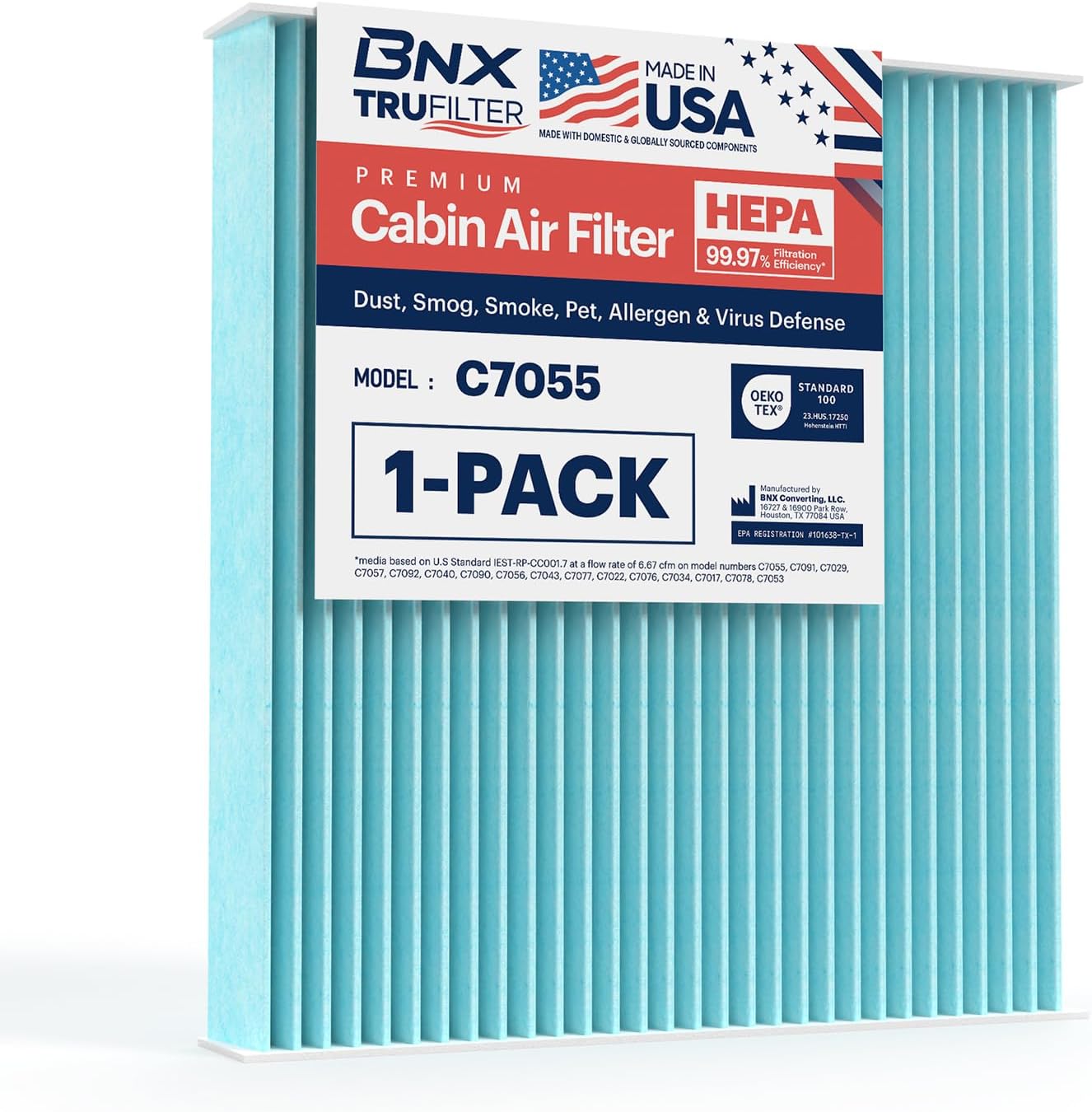
BNX TruFilter C7055 is a HEPA cabin air filter designed to help keep the air inside your vehicle cleaner by capturing microscopic particles like smoke, smog, mold, bacteria, and pet dander. Made in the USA with 99.97% PFE HEPA meltblown filtration media, it offers high-efficiency protection and is intended for annual replacement or every 12,000 miles. It is compatible with a wide range of Toyota, Lexus, Subaru, Land Rover, Jaguar, Pontiac, and Scion models.

This odor control cabin air filter uses activated charcoal and baking soda to help neutralize unwanted smells while trapping dust, pollen, soot, dander, and other airborne contaminants. Designed for compatible Toyota, Lexus, Subaru, and select other vehicles, it supports cleaner cabin air and balanced HVAC airflow for everyday driving comfort. Installation is straightforward, with vehicle-specific guidance available to help make replacement quick and easy.

This cabin air filter uses progressive filtration with electrostatic, particle, and activated carbon layers to help trap small particles, odors, and harmful gases inside your vehicle. It is designed as a replacement for multiple Toyota, Lexus, Subaru, Scion, and other compatible models, making it a practical choice for fresher in-cabin air. The easy-install design helps simplify routine filter replacement.
Frequently Asked Questions
Why does my Hyundai Sonata smell bad inside?
Common causes include food or drink spills, pet debris, damp carpet, a dirty cabin filter, retained moisture in the AC system, water intrusion, smoke residue, rodents, or a mechanical leak. Note when the smell appears and where it is strongest before cleaning.
Why does the car smell musty only when the AC starts?
The odor may come from a damp evaporator, dirty cabin filter, blocked condensate drain, or moisture near the HVAC housing. Inspect the filter and carpets, use fan-only operation after cooling, and have the drain and evaporator checked if the smell returns.
How often should I change a Hyundai Sonata cabin air filter?
Follow the maintenance schedule for your exact Sonata model year, powertrain, and market because Hyundai intervals vary. Inspect it earlier if airflow drops or the vehicle is used in dusty, polluted, smoky, or pet-carrying conditions.
Can I use vinegar to clean the Sonata interior?
Do not use vinegar as an all-purpose cleaner. It is acidic and may be unsuitable for leather, coated surfaces, screens, and some trim. Use a mild cleaner approved for the exact material and test it in a hidden area first.
Does a sweet smell always mean a coolant leak?
No. A sweet or chemical smell can be a clue, but smell alone is not conclusive. Check for low coolant, overheating, steam, damp front carpet, or film on the glass. Never remove a coolant cap while the engine is hot.
Is it safe to drive with an exhaust smell in the cabin?
No. Open the windows, move to fresh air, and arrange immediate inspection. Carbon monoxide may be present with exhaust gases even though carbon monoxide itself has no smell.
Should I use an ozone generator to remove a car odor?
Do not use an ozone generator in an occupied vehicle. Ozone can harm the lungs and may not remove the underlying contamination. Remove the source, clean and dry the affected materials, and use a qualified professional for severe smoke or biological contamination.
Sources
- Hyundai Digital Owner’s Manual — model-year-specific maintenance schedules and operating instructions
- Hyundai 2026 Sonata Cabin Air Filter Guidance — filter care and fan-only evaporator-drying guidance
- Hyundai Interior Care — manufacturer cleaning precautions for trim, fabric, leather, glass, and seat belts
- CDC Carbon Monoxide Poisoning Basics — vehicle exhaust and carbon-monoxide safety
- U.S. EPA Guidance on Ozone Generators — health risks and odor-removal limitations
- EPA HERO: Microbial Growth in Automobile Air-Conditioning Systems — retained moisture, microbial biofilms, and HVAC odor production
Conclusion
Keeping a Hyundai Sonata odor-free starts with source control, careful cleaning, and complete drying. Follow the maintenance schedule for your exact vehicle, use cleaners that match each interior material, and dry the HVAC system with fan-only operation after using the AC. If an odor returns or involves fuel, exhaust, smoke, hot brakes, electricity, or coolant, stop treating it as a cleaning problem and arrange a proper inspection.