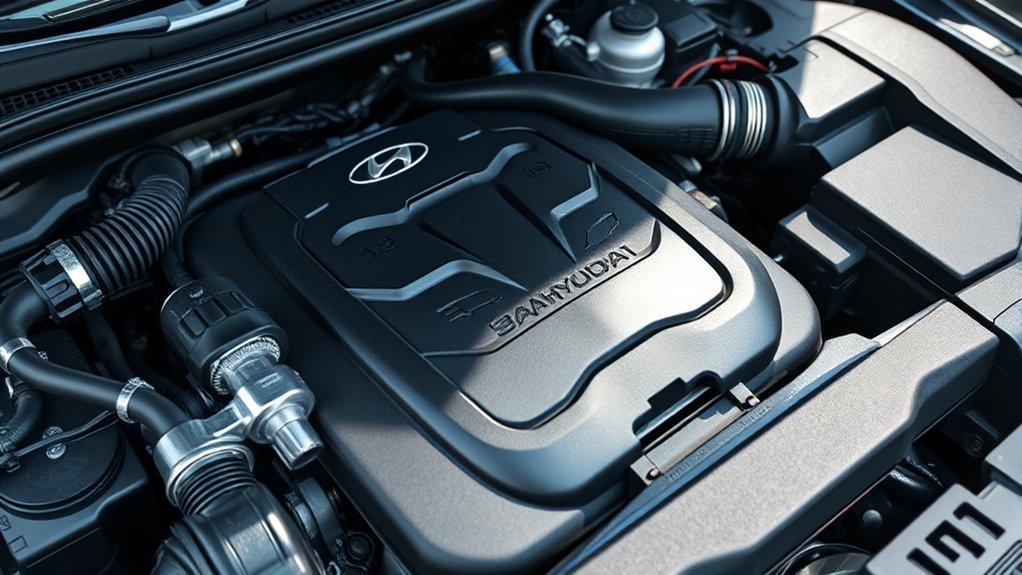
The cooling system in your Hyundai Sonata keeps the engine within a safe operating temperature range by moving coolant through the engine, radiator, hoses, thermostat, and water pump. When it works correctly, it prevents overheating, protects aluminum engine parts from corrosion, and helps your Sonata run reliably in hot weather, traffic, and long drives.
Quick Answer
A Hyundai Sonata cooling system works by circulating coolant through the engine to absorb heat, sending that hot coolant to the radiator, and using airflow to cool it before it returns to the engine. The thermostat controls flow, the water pump keeps coolant moving, and the radiator cap helps maintain pressure.
Key Takeaways
- The cooling system’s main job is to prevent overheating by moving heat away from the engine.
- Low coolant, leaks, a stuck thermostat, a weak radiator cap, a clogged radiator, or a failing water pump can all cause overheating.
- Check coolant only when the engine is cool, and never remove a hot coolant cap because the system may be pressurized.
- Use the coolant type and service interval listed in your Sonata owner’s manual or confirmed by a Hyundai dealer.
- If steam, a red temperature warning, or active coolant loss appears, stop driving and have the vehicle inspected.
At a Glance
| Time Required | 5–10 minutes for a basic visual check; longer for diagnosis or service |
| Difficulty | Easy for checking coolant level; moderate to advanced for repairs |
| Tools Needed | Owner’s manual, flashlight, gloves, clean rag, and the correct premixed coolant if topping off is needed |
| Cost | Usually low for topping off coolant; higher if a leak, thermostat, radiator, fan, or water pump repair is needed |
What Is the Purpose of the Cooling System?
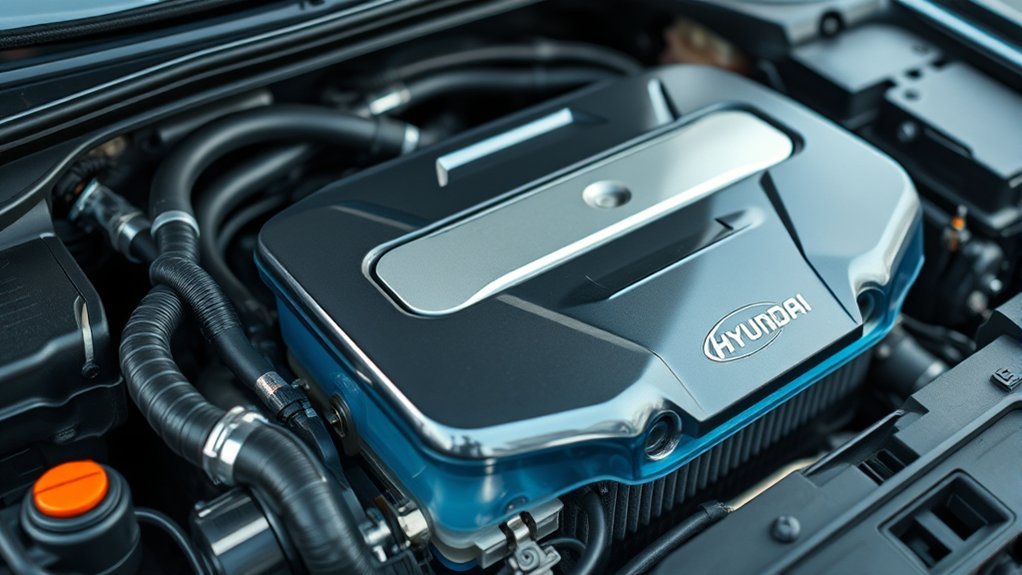
The cooling system in your Hyundai Sonata is designed to control engine temperature and prevent overheating. As the engine runs, combustion and friction create heat. Coolant absorbs that heat, carries it to the radiator, and releases it to the outside air before circulating back through the engine.
A healthy cooling system also supports fuel efficiency, cabin heat, emissions performance, and long engine life. Hyundai owner information explains that the high-pressure cooling system uses year-round antifreeze coolant and that coolant level and freeze protection should be checked at least once a year, especially before winter or colder travel. You can confirm model-specific guidance through the Hyundai digital owner’s manual.
Warning: Never remove the engine coolant cap, radiator cap, or drain plug while the engine and radiator are hot. Hot coolant and steam can spray out under pressure and cause serious burns.
How to Tell If Your Cooling System Needs a Check-Up
Your Sonata’s cooling system should be checked if you notice any sign that coolant level, coolant flow, or heat transfer is not normal. The most common warning signs include:
- Temperature gauge rising above normal: A sudden spike can mean the engine is not shedding heat properly.
- Steam from under the hood: Steam can indicate boiling coolant or a major leak.
- Coolant puddles under the vehicle: Green, blue, pink, orange, or yellow fluid may point to a radiator, hose, water pump, or reservoir leak.
- Coolant level keeps dropping: Frequent top-offs usually mean there is a leak or internal coolant loss.
- Sweet smell after driving: Many coolants have a sweet odor when leaking onto hot components.
- Cabin heater stops blowing warm air: Low coolant or air trapped in the system can reduce heater performance.
- Discolored or contaminated coolant: Rusty, oily, cloudy, or sludgy coolant should be inspected.
- Unusual noises near the front of the engine: Grinding, whining, or wobbling around the water pump area can signal wear.
Hyundai’s overheating guidance says that if coolant is running out under the vehicle or steam is coming from the hood, you should stop the engine and avoid opening the hood until the coolant loss or steaming has stopped. If coolant is actively leaking, stop the engine and seek assistance from a Hyundai dealer or qualified technician.
Essential Components of the Hyundai Sonata Cooling System
Several parts work together to keep your Sonata’s engine temperature stable. If one part fails, the whole system can struggle.
Radiator
The radiator is the main heat exchanger. Hot coolant enters the radiator, travels through narrow passages, and releases heat through thin fins as air moves across them. Airflow comes from vehicle speed and from the cooling fan when the car is stopped or moving slowly.
Radiator problems often include external leaks, internal clogs, damaged fins, plastic tank cracks, or corrosion. A clogged radiator can reduce coolant flow, while damaged fins can reduce airflow.
Water Pump
The water pump circulates coolant through the engine and radiator. Without enough flow, heat stays trapped in the engine and overheating can happen quickly.
Signs of a failing water pump may include coolant leaking near the pump, bearing noise, pulley wobble, overheating at higher speeds, or poor coolant circulation. Because many water pumps are difficult to access, replacement is usually best handled by a professional.
Thermostat
The thermostat controls when coolant flows to the radiator. When the engine is cold, the thermostat stays closed so the engine warms up efficiently. As temperature rises, it opens and allows coolant to circulate through the radiator.
A thermostat stuck closed can cause overheating. A thermostat stuck open can make the engine run too cool, delay cabin heat, and reduce efficiency.
Radiator Cap and Pressure Control
The radiator cap or coolant reservoir cap is more than a lid. It helps maintain system pressure, which raises the coolant’s boiling point and keeps the system stable. A weak or damaged cap may allow coolant to boil early, escape into the overflow tank, or leak.
Cooling Fans, Hoses, and Reservoir
The cooling fan pulls air through the radiator when airflow is low, such as in traffic or at idle. Hoses carry coolant between the engine, radiator, heater core, and reservoir. The coolant reservoir gives expanding coolant a place to go as temperature and pressure change.
Hyundai maintenance guidance recommends checking cooling system components such as the radiator, coolant reservoir, hoses, and connections for leakage or damage and replacing damaged parts.
How Does the Cooling System Work?
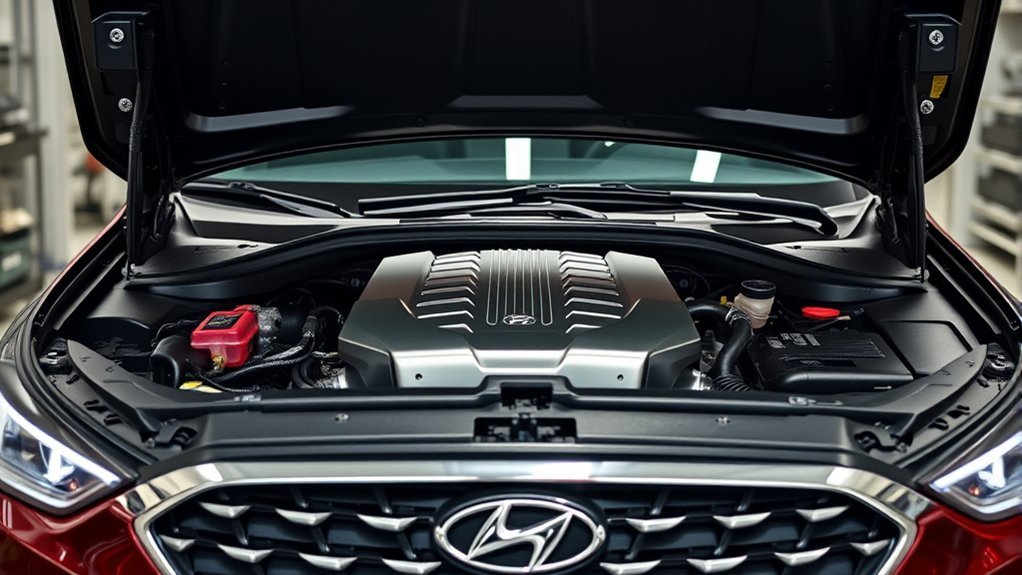
The Sonata cooling system works in a continuous loop. Each part has a specific job, but the process is simple once you follow the coolant path.
Coolant Circulation Step by Step
- The engine creates heat. Combustion and moving parts raise engine temperature as you drive.
- Coolant absorbs heat. Coolant flows through passages in the engine block and cylinder head.
- The thermostat opens. Once the engine reaches operating temperature, the thermostat allows coolant to flow toward the radiator.
- The radiator removes heat. Hot coolant moves through the radiator while air passes over the fins.
- The fan helps at low speed. When airflow is low, the electric cooling fan helps pull air through the radiator.
- The water pump keeps coolant moving. Cooled coolant returns to the engine and repeats the cycle.
- The cap and reservoir manage expansion. As coolant heats and expands, the pressurized system and overflow reservoir help control volume and pressure.
Temperature Regulation Mechanism
The system constantly balances warm-up speed and heat removal. The thermostat helps the engine reach efficient operating temperature, the radiator removes heat, the water pump maintains flow, and the cooling fan adds airflow when the car is idling or moving slowly.
Note: The cooling fan may operate automatically and can start even when the engine is not running on some Hyundai models. Keep hands, clothing, and tools away from fan blades and belts.
Common Cooling System Issues in the Hyundai Sonata
Cooling system issues can start small and become expensive if ignored. Watch for these common problems:
[Products Worth Considering]

The OEMTOOLS coolant vacuum refill kit helps quickly refill a vehicle’s cooling system while removing trapped air that can lead to overheating and engine damage. It also performs vacuum leak tests to help confirm system integrity and reduce the chance of repeat repairs. With multiple bushings, adapters, and a tapered cone seal, it is designed for flexible use on many radiator and coolant bottle necks.

This engine water pump kit is designed to help maintain reliable cooling performance across a wide range of compatible Toyota, Lexus, Scion, and Pontiac vehicles. Built with aluminum and tested for leak-free operation, it offers a direct replacement solution that supports engine efficiency and long-term service life. The kit includes a professional water pump and gasket for a convenient installation-ready repair.

This coolant electric water pump is designed as a replacement for select Toyota vehicles, helping maintain proper engine cooling performance and reliable temperature control. Built to OE specifications, it offers fitment support for compatible Avalon, Camry, and RAV4 models with 2.5L L4 engines. It also includes cross-reference part numbers for easier matching and comes with after-sales support for covered defects.
Low Coolant Level
Low coolant is one of the most common reasons an engine overheats. It may be caused by a hose leak, radiator leak, loose clamp, damaged reservoir, worn cap, water pump leak, or internal engine problem. If the coolant level drops again after topping off, the system needs inspection.
Coolant Leaks
Coolant leaks may appear near the radiator, under the engine, at hose connections, around the thermostat housing, near the water pump, or from the heater core. If you see fluid under the car, remember that clear water from the air conditioner can be normal, but colored or sweet-smelling fluid is not.
Clogged or Damaged Radiator
A radiator can become restricted by corrosion, debris, old coolant, or stop-leak products. External debris can also block the fins. A restricted radiator may cause overheating during highway driving, towing, hot weather, or long idling.
Faulty Thermostat
A stuck thermostat can stop coolant from reaching the radiator or keep coolant flowing when the engine should be warming up. Either condition can affect performance and reliability.
Failing Water Pump
A worn water pump may leak, make noise, or fail to circulate coolant properly. If the pump fails completely, overheating can occur quickly.
Bad Radiator Cap or Reservoir Cap
A weak cap can reduce system pressure and allow coolant to boil at a lower temperature. It can also cause coolant to overflow or fail to return from the reservoir.
Air Trapped in the System
Air pockets can form after coolant service or a leak. Trapped air may cause fluctuating temperature readings, poor cabin heat, gurgling sounds, or intermittent overheating.
How to Maintain Your Cooling System Effectively
Good cooling system maintenance is mostly about checking the right things at the right time and using the correct coolant for your Sonata’s model year and engine.
[Products Worth Considering]

This engine coolant thermostat with seal is designed to help maintain proper engine temperature and support efficient cooling system performance. It is compatible with a wide range of Toyota, Lexus, Ford, Chevrolet, Mitsubishi, Scion, and Pontiac models, making it a versatile replacement choice for many vehicles. With included seal and durable metal-and-rubber construction, it offers a convenient fitment solution for cooling system repairs and maintenance.

This coolant bypass valve is a direct replacement for select Toyota models, helping regulate coolant flow for stable engine temperature and dependable performance. Built from high-temperature, corrosion-resistant materials, it is designed to handle demanding driving conditions while supporting long-term durability. Its straightforward design also makes installation quick and hassle-free.

AISIN OE matched engine coolant thermostat delivers consistent temperature control for reliable cooling system performance. Built with high-quality materials and designed for perfect OE form, fit, and function, it helps maintain efficient engine operation across a wide range of compatible Lexus, Scion, and Toyota vehicles. The correct OE specified operating temperature supports dependable cooling, while note that a gasket is not included.
Basic Cooling System Checklist
- Check coolant level when the engine is cool. The level should be between the MIN and MAX marks on the reservoir.
- Inspect hoses and connections. Look for swelling, cracks, crusty residue, wet spots, or loose clamps.
- Look at coolant condition. Coolant should not look rusty, muddy, oily, or full of debris.
- Watch the temperature gauge. Investigate unusual rises, drops, or repeated fluctuations.
- Check the radiator area. Bent fins, leaves, bugs, and road debris can reduce airflow.
- Follow the service schedule. Hyundai says coolant should be changed at the intervals listed in the maintenance schedule for your specific vehicle.
- Use the correct coolant. Confirm the right coolant type in your owner’s manual or with a Hyundai dealer before mixing or replacing coolant.
Pro Tip: Keep a photo of your coolant reservoir level when the engine is cold. If the level slowly drops over several weeks, you will have an easy reference point and can catch a leak earlier.
Safe Way to Check Coolant Level
- Park on a level surface and let the engine cool completely.
- Open the hood and locate the coolant reservoir.
- Check that the coolant level sits between the MIN and MAX marks.
- Inspect the reservoir, hoses, radiator area, and ground under the car for leaks.
- If the level is low, add only the correct coolant mixture recommended for your vehicle.
- If you must add coolant often, schedule a cooling system inspection.
The Role of Coolant in the Hyundai Sonata Cooling System
Coolant, also called antifreeze, does more than carry heat. It helps prevent freezing, raises boiling protection, lubricates certain cooling system parts, and protects metal components from corrosion.
Hyundai owner information says to use only deionized, distilled, or soft water when adding water to coolant, and not to mix hard water into factory-filled coolant. Some Hyundai manuals also warn against alcohol or methanol coolant and against mixtures outside the recommended antifreeze range. Because coolant requirements can vary by model year, engine, and market, the safest choice is to check the Hyundai manuals and warranties resource page or ask a Hyundai dealer by VIN.
Can You Mix Blue and Green Coolant in a Hyundai Sonata?
You should not rely on color alone when choosing coolant. Blue, green, pink, orange, and yellow coolants may use different additive chemistry depending on the brand and vehicle. Mixing incompatible coolant types can reduce corrosion protection, create deposits, or shorten coolant life.
If you are low on coolant and do not know what is already in the system, the safest move is to use the exact coolant listed in your owner’s manual or have the system checked. In an emergency, distilled water may help you reach a safe location, but the system should be inspected and corrected with the proper coolant mixture afterward.
Used Coolant Disposal
Do not pour used coolant onto the ground, into a storm drain, or into household plumbing. The U.S. Environmental Protection Agency notes that antifreeze is commonly made with ethylene glycol and used antifreeze may contain contaminants that can harm people, animals, soil, and water. Store used coolant in a sealed container and take it to an approved recycling center, hazardous waste collection site, or repair facility that accepts coolant.
What to Do If Your Hyundai Sonata Overheats
If your temperature warning light comes on, the gauge climbs rapidly, or steam appears, treat it as a serious problem.
- Pull over safely. Move away from traffic as soon as it is safe.
- Turn off the air conditioner. This reduces heat load on the engine.
- Turn on the heater only if it is safe and comfortable. Cabin heat can help draw some heat away from the engine temporarily.
- Stop the engine if steam or active coolant loss is present. Do not keep driving an overheating vehicle.
- Do not open a hot coolant cap. Wait until the engine cools completely.
- Check for visible leaks only when safe. Keep hands and clothing away from fans and belts.
- Call for help if overheating continues. Repeated overheating can damage the engine, head gasket, seals, and cooling system parts.
An overheating warning is not a “drive and see what happens” problem. Stop safely, let the engine cool, and find the cause before continuing.
[Products Worth Considering]

This coolant thermostat is a direct replacement designed for a wide range of Toyota, Lexus, and Scion vehicles. It helps maintain proper engine temperature, supports reliable cooling system performance, and installs easily without special tools or programming. Built to meet OEM standards, it offers durable, stable operation and dependable fitment for compatible models.

This professional water pump kit is designed as a direct OE replacement for select Toyota and Lexus 3.5L V6 vehicles, helping restore reliable engine cooling performance. Built to strict quality standards and tested for leak-free operation, it includes the necessary gasket for easier installation and a secure fit. It offers a practical upgrade for drivers seeking dependable cooling system maintenance and long-lasting performance.

This spill-proof radiator coolant filling funnel kit helps you refill cooling systems cleanly while reducing trapped air pockets that can affect heater and engine performance. It includes a 5-inch extension bar and 45-degree elbow for easier access under shrouds or at awkward angles. Color-matched caps for dedicated adapters make setup simpler and more organized.
When to Consult a Professional for Cooling Issues
Some checks are simple, but many cooling system problems require pressure testing, scan-tool data, thermostat testing, fan circuit checks, or leak tracing. Contact a professional if you notice:
- Coolant level keeps dropping after top-offs
- Steam from the hood
- Coolant leaking under the vehicle
- Temperature gauge repeatedly rising above normal
- Coolant mixed with oil or oil mixed with coolant
- White exhaust smoke with coolant loss
- No cabin heat combined with overheating
- Cooling fan not operating when the engine is hot
- Overheating after a recent coolant service
You should also check for open safety recalls if a cooling-related problem seems unusual or repeated. The NHTSA recall lookup lets owners search by VIN for safety recalls.
Frequently Asked Questions
How does the Hyundai Sonata cooling system work step by step?
The water pump moves coolant through the engine, where it absorbs heat. The thermostat opens when the engine reaches operating temperature, sending hot coolant to the radiator. Airflow and the cooling fan remove heat from the radiator, then cooled coolant returns to the engine and repeats the cycle.
Can you mix blue and green coolant in a Hyundai Sonata?
It is best not to mix coolant by color. Color is not a reliable way to confirm chemistry or compatibility. Use the coolant type listed in your Sonata owner’s manual or confirmed by a Hyundai dealer. If different coolant types were mixed, have the system inspected and serviced.
What are the common signs of a malfunctioning cooling system?
Common signs include a rising temperature gauge, steam from the hood, coolant leaks, low coolant level, rusty or oily coolant, poor cabin heat, sweet coolant smell, cooling fan problems, and unusual noise near the water pump or belts.
How often should Hyundai Sonata coolant be changed?
Follow the maintenance schedule for your exact model year, engine, and driving conditions. Hyundai owner information says coolant should be changed at the intervals specified in the maintenance schedule, so check your manual or ask a Hyundai dealer by VIN.
Is it safe to drive a Hyundai Sonata when it is overheating?
No. Driving while the engine is overheating can cause severe engine damage. Pull over safely, stop the engine if steam or coolant loss is present, let the engine cool, and get the cooling system inspected before continuing.
Conclusion
The Hyundai Sonata cooling system is simple in concept but critical to engine health. Coolant absorbs heat, the water pump moves it, the thermostat controls flow, and the radiator releases heat. Regular checks for coolant level, leaks, hose damage, fan operation, and coolant condition can help prevent overheating and expensive repairs. When in doubt, use the coolant specified for your Sonata and let a qualified technician diagnose repeated coolant loss or overheating.
Sources
- Hyundai Digital Owner’s Manual — model-specific owner information, coolant checks, overheating guidance, and maintenance instructions
- Hyundai Manuals & Warranties Resources — official Hyundai resource page for selecting vehicle manuals and warranty information
- Hyundai Owner’s Manual: Checking the Coolant Level — coolant level, coolant cap safety, recommended water type, and cooling fan precautions
- Hyundai Owner’s Manual: If the Engine Overheats — what to do when coolant leaks, steam, or overheating occurs
- Hyundai Owner’s Manual: Cooling System Maintenance Item — inspection of radiator, coolant reservoir, hoses, and connections
- U.S. Environmental Protection Agency: How Do I Dispose of Used Antifreeze? — safe handling and environmental concerns for used antifreeze