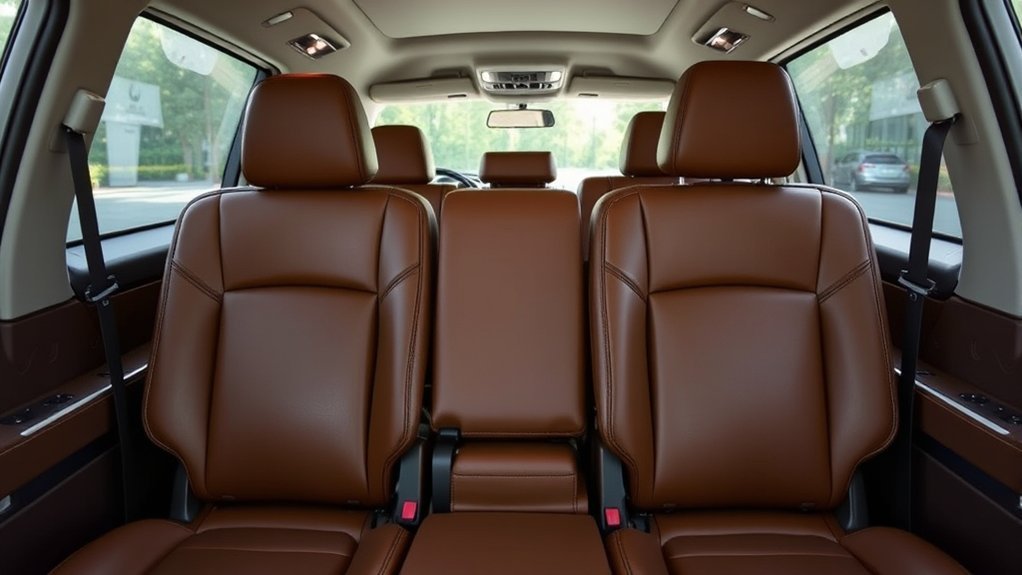
To disengage 4L on a Toyota Land Cruiser, treat the shift as a low-range transfer-case change, not a normal gear change. Bring the vehicle to a complete stop, keep your foot on the brake, shift the transmission to Neutral, select H4 or 4H, and wait until the 4LO/L4 indicator confirms the shift is complete. The exact control may be a switch, dial, or lever depending on the Land Cruiser year and market, so use this guide with your model-specific owner’s manual.
Quick Answer
Stop the Land Cruiser completely, keep the brake pedal pressed, shift the transmission to Neutral, then move the 4WD control from L4/4LO to H4/4H. Hold the switch or lever in position until the low-speed 4WD indicator turns off. Do not force the control if it resists or keeps blinking.

Key Takeaways
- For H4-to-L4 or L4-to-H4 shifts, the safe Toyota procedure is: stop completely, brake, shift to Neutral, select the new range, and wait for the indicator.
- When leaving 4L, the 4LO/L4 or low-speed 4WD indicator should go off. A blinking light means the shift is still in progress or incomplete.
- H4 on modern full-time Land Cruiser systems is normal driving; L4 and locked center differential use are for low-speed, high-traction-demand situations.
- If the lever or switch will not move, do not force it. Relieve drivetrain tension and retry the correct procedure before calling a qualified technician.
At a Glance
| Time Required | 30 seconds to 2 minutes if the system shifts normally |
| Difficulty | Easy, as long as the transfer case is not bound or faulty |
| Tools Needed | No tools for normal operation; owner’s manual recommended |
| Cost | Free if it shifts normally; inspection cost varies if a linkage, actuator, sensor, or transfer-case issue is present |
Warning: Do not force the transfer lever, dial, or 4WD control switch. If the 4LO/L4 light keeps blinking, the lever feels stuck, or the drivetrain clunks harshly, stop and repeat the correct procedure. Forcing the system can damage shift components or the transfer case.
Before You Shift Out of 4L
First, confirm what system your Land Cruiser uses. Newer Land Cruiser models may use a 4WD control switch, while older models may use a mechanical transfer lever. Some Land Cruisers are full-time 4WD with H4 as normal driving, while other older or market-specific models may have different 2H, 4H, and 4L controls.
For current Land Cruiser guidance, Toyota describes H4 as the high-speed 4WD position for normal driving and L4 as the low-speed 4WD position for situations that need maximum power and traction, such as steep hills, off-road driving, sand, mud, or deep snow. Toyota’s procedure for shifting from L4 to H4 is to stop completely, shift to N, operate the 4WD control to H4, and wait until the low-speed 4WD indicator turns off. You can verify the exact wording for your model in the Toyota Land Cruiser four-wheel drive system manual section.
Note: “4L,” “L4,” “4LO,” and “low-speed 4WD” are often used to describe the same low-range function. Your dashboard wording may vary by model year and market.
Step-by-Step: Disengage 4L on a Land Cruiser
For Land Cruisers With a 4WD Control Switch or Dial
- Find a safe, flat place to stop. Keep the wheels as straight as possible and avoid making the shift while turning.
- Stop the vehicle completely. Do not attempt an L4-to-H4 shift while rolling.
- Keep your foot on the brake pedal. This keeps the vehicle still while the transfer case changes range.
- Shift the transmission to Neutral. On automatic models, move the shift lever to N. On manual-transmission models, follow the owner’s manual and keep the clutch fully depressed if required.
- Select H4 or 4H. Push, turn, or shift the 4WD control from L4/4LO to H4/4H according to your model’s control layout.
- Wait for the indicator. Keep the control in position until the low-speed 4WD or 4LO/L4 indicator turns off.
- Shift back to Drive or the correct gear. Accelerate gently and confirm the vehicle drives normally.
For Older Lever-Shift Land Cruisers
The safe principle is the same: stop completely, unload the drivetrain, shift the transmission to Neutral, and move the transfer lever from 4L to 4H with firm, smooth pressure. Do not yank the lever. If it will not move, the drivetrain may be bound or the linkage may be stiff.
Pro Tip: If the lever or switch resists, keep the wheels straight and try again after gently rolling a few inches on a loose or low-traction surface, then stopping and shifting to Neutral. Never try to “muscle” the transfer case out of 4L.
How to Read the 4LO or L4 Indicator
The dashboard light is your confirmation that the transfer case has completed the range change. The most important point is this: when you are disengaging 4L and returning to H4, the low-speed 4WD or 4LO/L4 indicator should go off.
| Indicator Condition | What It Usually Means | What To Do |
|---|---|---|
| 4LO/L4 light on | Low range is still engaged | Do not assume you are in H4 yet; repeat the correct shift procedure |
| 4LO/L4 light blinking | The shift is in progress or incomplete | Stop completely, shift to Neutral, operate the control again, and wait |
| 4LO/L4 light off | Low range has disengaged | Proceed gently in H4/4H if the vehicle drives normally |
If the indicator continues to blink after you have followed the correct steps, Toyota’s manual guidance is to stop the vehicle completely, move the shift lever to N, and operate the control again. If warning messages continue after the proper correction, Toyota advises contacting a Toyota dealer; see Toyota’s warning message guidance.
Why Stop and Shift to Neutral?
Stopping and selecting Neutral removes load from the transfer case. That helps the internal gears, collars, or actuator complete the range shift without fighting driveline torque. If you try to leave 4L while the drivetrain is loaded, the system may bind, blink, grind, or refuse to complete the shift.
Protect the Transfer Case
Low range multiplies torque. That is useful off-road, but it also means the transfer case is under more stress when the vehicle is pulling, turning tightly, climbing, or sitting on high-traction pavement. Neutral lets the parts align before the shift completes.
Avoid Incomplete Shifts
If you move the transmission out of Neutral before the indicator has finished changing, the transfer mode may not complete the shift. Wait until the light gives the correct confirmation before driving away.
Avoiding and Fixing Driveline Bind

Driveline bind happens when the driveline is wound up under tension. You may feel the vehicle hop in tight turns, resist rolling, clunk, or refuse to come out of low range. This is more likely when low range, a locked center differential, or a part-time 4WD mode is used on a high-traction surface.
To relieve bind safely, straighten the wheels, move to loose ground if available, stop, shift to Neutral, and retry the H4 shift. If safe, a gentle forward or reverse roll of only a few inches can help parts line up. Stop again before operating the 4WD control.
| Symptom | Likely Cause | Safe First Action |
|---|---|---|
| Hopping or skipping in turns | Driveline bind | Straighten wheels and move to a loose surface |
| Lever or switch resists | Load on transfer-case parts | Stop, Neutral, gentle retry |
| 4LO light keeps blinking | Incomplete shift or system fault | Repeat the correct procedure; seek service if it persists |
| Grinding, harsh clunking, or leak | Possible mechanical issue | Stop driving and arrange inspection |
[Products Worth Considering]
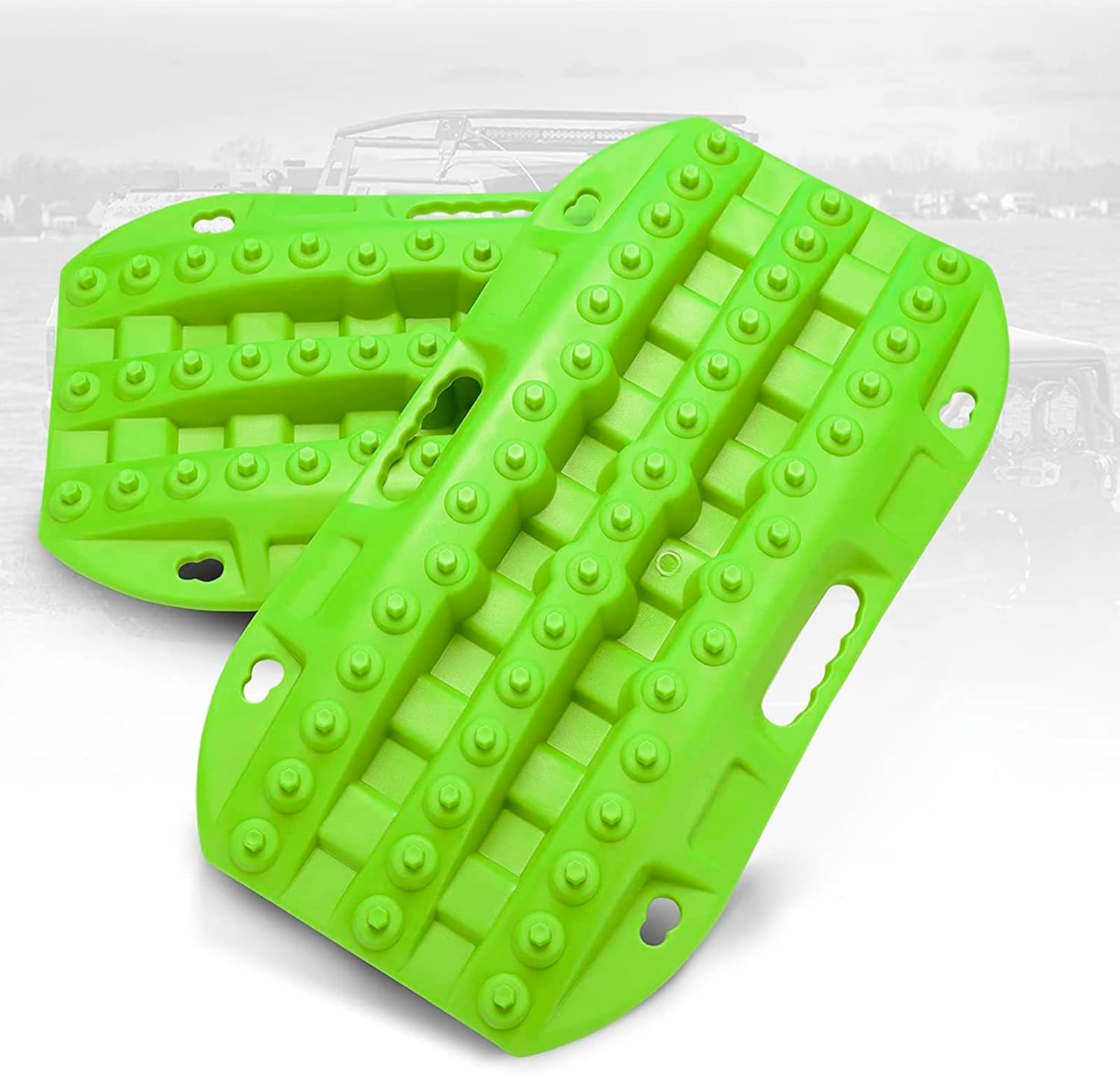
These short recovery traction boards are designed to help ATVs, UTVs, and other off-road vehicles regain grip in mud, sand, and snow. Built with strengthened teeth and a durable polypropylene construction, they provide reliable traction, easy handling, and year-round performance in tough conditions. Their nested, space-saving design and integrated shovels make them practical for carrying and using on remote adventures.

These custom floor mats are designed to fit the Toyota Land Cruiser GX550 with a 5-seat layout for a precise, secure install. Made from durable TPE, they help shield your interior from spills, mud, snow, dirt, sand, pet hair, and everyday debris while making cleanup quick and easy.

Custom-fit floor mats and cargo liner designed to provide edge-to-edge protection for the Toyota Land Cruiser Prado. Made from durable TPE material, they offer all-weather defense against rain, slush, snow, mud, and everyday dirt while remaining easy to install, clean, and maintain. The odorless, non-slip design helps keep your interior safer, cleaner, and more comfortable in every season.
H4, L4, and center differential lock Are Not the Same
A common mistake is treating every 4WD setting the same. On current full-time Land Cruiser systems, H4 is normal driving. L4 is low range for slow, difficult conditions that need extra control and torque. The center differential lock is a separate function used when the vehicle is stuck or when driving on slippery or bumpy surfaces.
Toyota advises unlocking the center differential after the wheels are freed or after moving to a flat, non-slippery surface. For normal driving on dry, hard roads, avoid driving with the center differential locked unless your owner’s manual says otherwise for a specific condition.
If 4L Won’t Disengage
If the Land Cruiser will not come out of 4L, stay calm and work through the simple checks before assuming the transfer case has failed.
- Confirm the vehicle is fully stopped. The H4/L4 range shift should not be done while rolling.
- Confirm the transmission is in Neutral. Being slightly out of N can prevent the shift.
- Keep the brake pressed. Do not let the vehicle creep during the shift.
- Hold the control long enough. With switch-type systems, keep the control in the H4 position until the low-speed 4WD indicator turns off.
- Relieve drivetrain tension. Straighten the wheels and, if safe, move a few inches on loose ground before trying again from a complete stop.
- Check for obvious blockage or corrosion. On older lever-shift models, dirt, corrosion, or stiff linkage can make the lever hard to move.
- Stop if warning signs remain. Persistent blinking, warning messages, grinding, or harsh noises call for a Toyota dealer or qualified 4WD technician.
Warning: Do not drive at road speed in 4L just to “see if it clears.” Low range is meant for slow-speed control. If you cannot confirm that L4 has disengaged, avoid normal road driving and arrange service.
[Products Worth Considering]
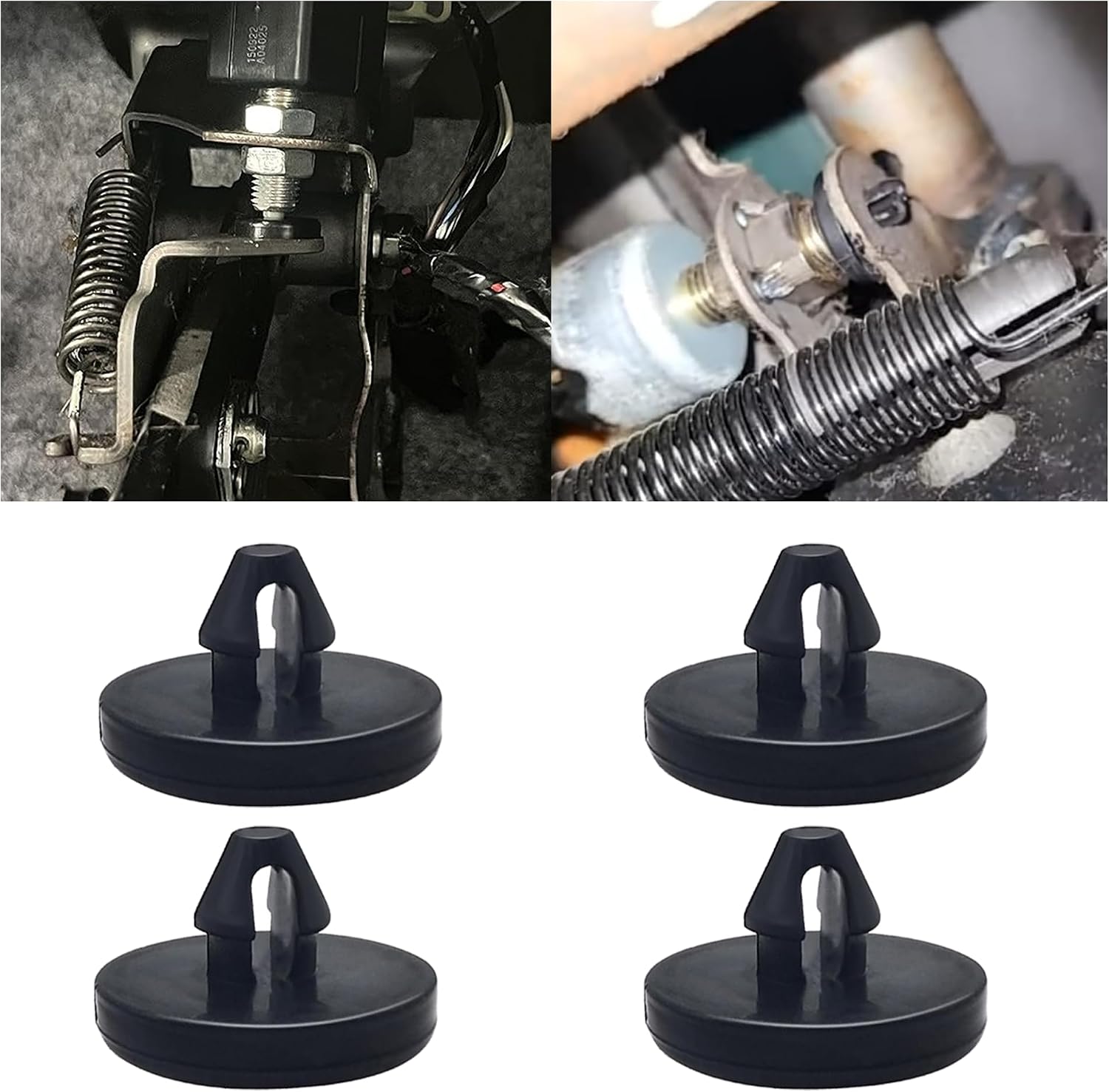
This brake pedal stop pad set is designed as an OEM replacement for compatible Toyota, Lexus, and Scion models, helping restore proper brake light switch function when the brake light stays on. Made from durable nylon, these compact stoppers are built for reliable long-term use and quick, tool-free installation. The set includes multiple pieces for convenient replacement and sharing.

These off-road traction boards are designed to help vehicles recover from mud, sand, and snow with reliable grip and easier ramp-up. Their double-sided diamond construction, cross-shaped teeth, and contoured ramps improve traction while the durable polypropylene build stays flexible in harsh conditions. Convenient mounting points, ergonomic handles, and a visible leash make them practical to carry, store, and retrieve when recovery is needed.

This brake switch stopper helps restore proper brake light operation by providing a precise pedal stopping point, reducing issues where brake lights stay on. Made from durable nylon, it is designed for easy installation and dependable fitment across many Toyota, Lexus, and Scion models. The multi-pack supply makes it convenient to replace worn stoppers and keep spares on hand for future maintenance.
Why the Transfer Lever or Switch Sticks
A stuck transfer lever or slow 4WD switch response can come from drivetrain bind, infrequent use, corrosion, worn linkage bushings, a weak actuator, position-sensor issues, low or incorrect transfer-case oil, or internal transfer-case wear. The correct fix depends on the model and the symptom.
For a mechanical lever, a smooth but firm motion is normal. Heavy force, hammering, or prying is not. For an electronic switch, repeated blinking can point to an incomplete shift, an actuator issue, or a sensor problem. In either case, follow the owner’s manual first and then seek inspection if the basic reset does not work.
[Products Worth Considering]
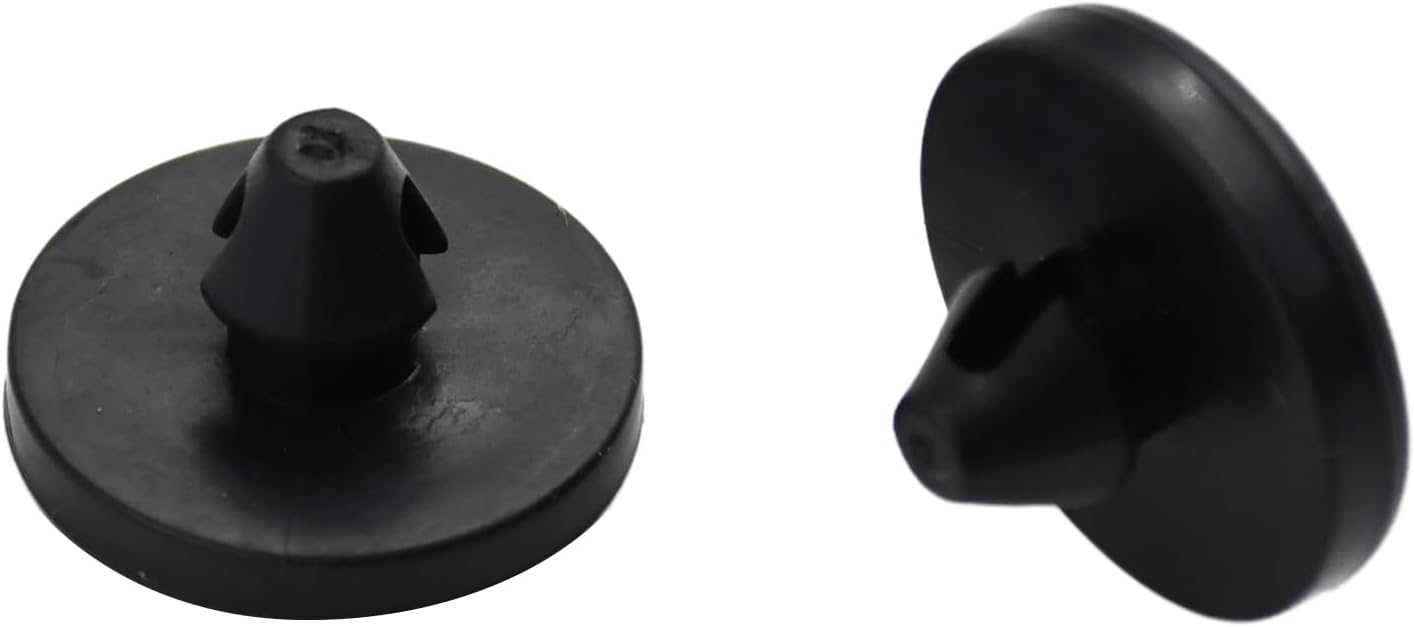
This brake switch stopper set helps restore proper brake pedal and brake light switch operation on a wide range of Toyota, Lexus, and Scion vehicles. Designed as a direct replacement part, it supports reliable pedal contact and can help fix worn or missing stoppers that affect brake light function. The package includes two stoppers for convenient replacement or spare use.

This flexible oil funnel is designed to make fluid changes cleaner and easier by guiding oil around obstacles like skid plates and crossmembers. Its shape-retaining core and silicone body can be molded for custom positioning, while the heat-resistant, leak-proof design helps prevent spills during draining and filter removal. Reusable and easy to clean, it works well for cars, trucks, motorcycles, and other hard-to-reach fluid fill or drain applications.

This GM TPMS relearn tool helps reset tire sensors, clear warning lights, and match tire positions after rotation quickly at home. Designed for Chevrolet, GMC, Cadillac, and Buick vehicles, it offers one-button operation, fast activation, and broad compatibility with many GM models. It is best suited for OE/OEM sensors and includes paper instructions plus video guidance for easier DIY use.
Routine Transfer-Case Maintenance Checks
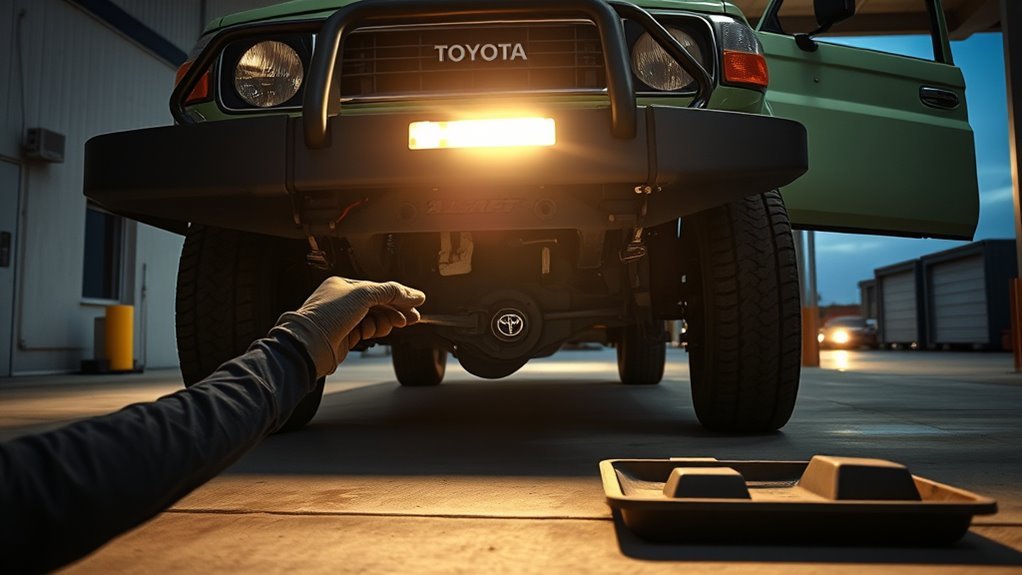
Transfer-case health depends on the correct fluid, correct level, clean linkage or actuator operation, and regular inspection. Toyota says scheduled maintenance should be performed at the specified intervals in the maintenance schedule or Owner’s Manual Supplement, and general maintenance includes fluid checks and visual inspections. Use Toyota’s maintenance requirements guidance and your exact year’s maintenance guide.
At routine service, ask for the transfer case to be checked if you notice leaks, burnt-fluid odor, new driveline noise, delayed shifts, or repeated 4LO blinking. If you drive off-road, tow, ford water, or operate in mud, dust, or sand, service needs may be more frequent than normal-use schedules.
When to Get Professional Help
Call a Toyota dealer or qualified 4WD technician if the Land Cruiser remains stuck in 4L after the correct stop-and-Neutral procedure, if the indicator keeps blinking, if a warning message returns, or if the system makes grinding or harsh clunking noises. These symptoms can involve the transfer actuator, position sensors, linkage, wiring, fluid condition, or internal transfer-case parts.
Keep service records and receipts. Toyota’s warranty and maintenance materials explain that owners are responsible for required maintenance, and Toyota provides official manuals and warranty resources through the Toyota Manuals and Warranties portal. If the vehicle is still under warranty, avoid unauthorized repairs that could complicate a claim.
Frequently Asked Questions
What does 4L mean in a Land Cruiser?
4L means low-range four-wheel drive. It gives the Land Cruiser more low-speed control and torque for steep climbs, descents, mud, sand, rocks, or recovery situations. It is not meant for normal road-speed driving.
Can I shift from 4L to 4H while moving?
For current Land Cruiser H4/L4 range changes, no. Stop the vehicle completely, keep the brake pressed, shift to Neutral, select H4, and wait until the low-speed 4WD indicator turns off. Follow your exact owner’s manual if your model differs.
Why is my 4LO light blinking?
A blinking 4LO or low-speed 4WD light usually means the transfer case is still shifting or the shift did not complete. Stop completely, shift to Neutral, operate the 4WD control again, and wait. If it continues, the system may need inspection.
Is H4 safe for normal driving?
On modern full-time 4WD Land Cruiser models, H4 is the normal high-speed 4WD mode. The caution is mainly about using L4, locked center differential, or part-time 4WD settings on high-traction roads when they are not needed.
What should I do if the lever or switch will not move?
Do not force it. Stop, shift to Neutral, keep the wheels straight, relieve drivetrain tension if safe, and try again. If the control still will not move or the light keeps blinking, have the transfer case, linkage, actuator, and sensors inspected.
Conclusion
Disengaging 4L on a Land Cruiser is simple when the transfer case is unloaded: stop completely, hold the brake, shift to Neutral, select H4, and wait for the 4LO/L4 indicator to turn off. The biggest mistakes are shifting while moving, leaving Neutral too soon, forcing a stuck lever, or confusing H4 with L4 or a locked center differential. Follow the exact Toyota manual for your year, and get professional help if the indicator keeps blinking or the system feels stuck.
Sources
- Toyota Owners: 2025 Land Cruiser Four-Wheel Drive System — H4/L4 descriptions, L4-to-H4 procedure, and low-speed 4WD indicator behavior.
- Toyota Owners: Manuals and Warranties — official portal for model-specific owner’s manuals and warranty resources.
- Toyota Owners: Maintenance Requirements — scheduled maintenance and general maintenance guidance.
- Toyota Owners: If a Warning Message Is Displayed — guidance to perform the correction procedure and contact a Toyota dealer if warnings return.