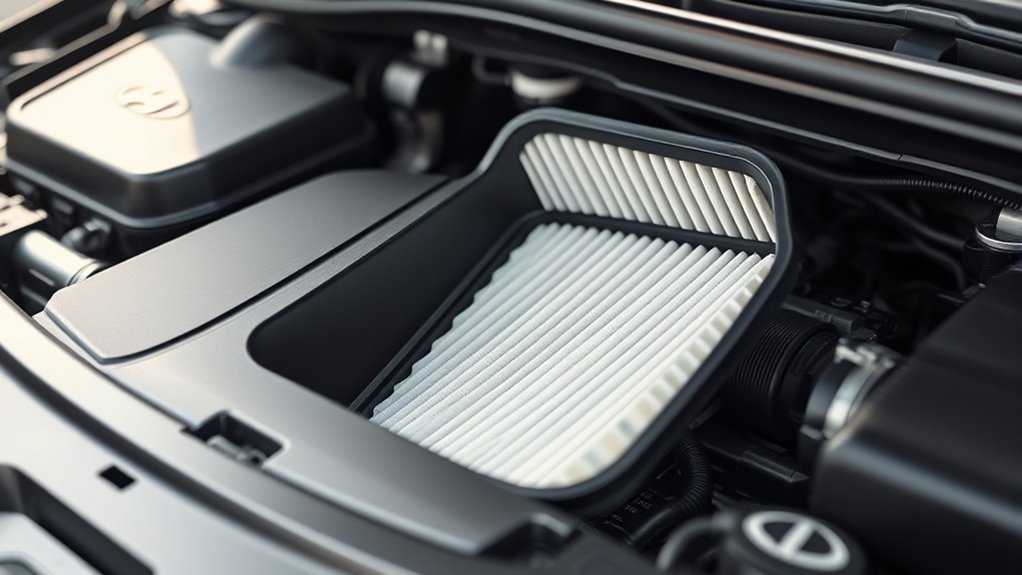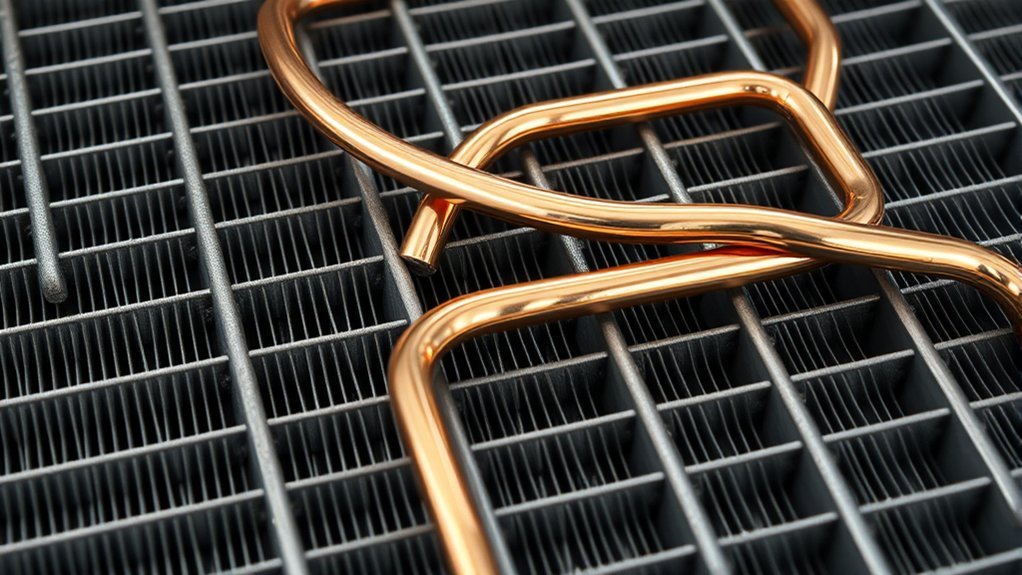
Your Hyundai Sonata’s heater core uses hot engine coolant to warm air for the cabin and windshield defroster. If the vents stay cold after the engine warms up, do not assume the heater core has failed: low coolant, trapped air, a thermostat problem, restricted heater-core flow, a blend-door fault, weak airflow, or another HVAC problem can cause similar symptoms. A sweet coolant smell, repeated coolant loss, greasy windshield film, or coolant-like moisture inside the cabin makes a heater-core leak more suspicious.
Last verified: September 16, 2026 — heater-core symptoms, coolant safety guidance, cooling-system checks, and recall resources were rechecked against Hyundai, NHTSA, and CDC/ATSDR sources.
Quick Answer
A Hyundai Sonata heater core transfers heat from engine coolant to cabin air. If you have strong airflow but little heat, check engine temperature, coolant level, coolant flow, the heater core, and the blend-door system. Sweet odor plus coolant loss, greasy windshield film, or coolant-like moisture in the passenger area points more toward a leak. Weak heat with normal engine temperature and a large temperature difference between the two heater hoses can point toward restricted heater-core flow.
Key Takeaways
- A heater core needs hot coolant, steady coolant flow, and enough HVAC airflow to produce cabin heat.
- Sweet coolant odor, repeated coolant loss, greasy windshield residue, and coolant-like moisture inside the cabin make a heater-core leak more likely.
- Cold vents do not prove the heater core is bad; low coolant, trapped air, a thermostat, blend-door controls, blower problems, or a clogged cabin filter can produce similar complaints.
- Little or no airflow is primarily an airflow problem; strong airflow that stays cold points the diagnosis toward coolant temperature, coolant flow, or temperature-control components.
- Never remove a coolant cap while the engine is hot because the cooling system can be pressurized.
How Does the Heater Core Work in a Hyundai Sonata?
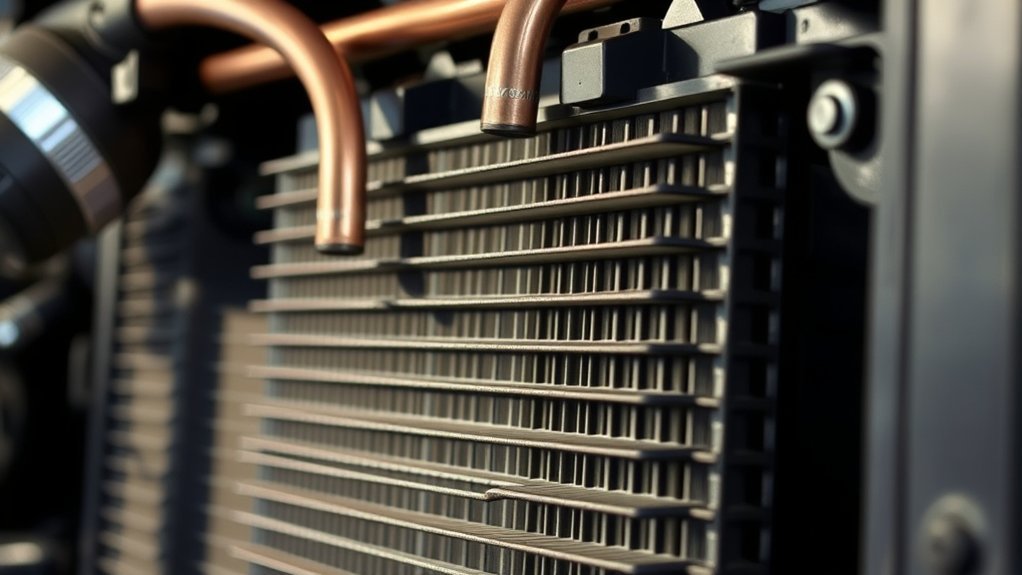
The heater core is a compact heat exchanger inside the HVAC system. Once the engine warms up, coolant carries engine heat through the cooling system and heater circuit. The blower motor moves air through the HVAC housing, where air passing across the hot heater-core fins becomes warm before it enters the cabin.
The same heat supports windshield defrosting. That is why poor cabin heat and weak defrost performance can appear together. If hot coolant cannot circulate through the core, or if the HVAC system cannot move or route air across it correctly, the vents may stay cold even though the fan appears to work.
First separate airflow from air temperature. If almost no air comes from the vents, inspect the cabin filter, blower system, electrical controls, and air doors before blaming the heater core. If airflow is strong but stays cold after the engine reaches normal temperature, coolant temperature, coolant flow, the heater core, or the temperature blend system becomes more relevant.
The exact HVAC arrangement varies by model year and powertrain. Some Sonata Hybrid configurations can include supplemental electric heating components in addition to the coolant-based heating system, so a coolant-only diagnosis does not cover every Sonata. Use the service information and owner guidance for your exact model year, engine or hybrid system, and VIN. Hyundai’s owner resources provide model-specific manual access.
At a Glance Before You Diagnose
Diagnostic Pattern
| Symptom Pattern | More Likely Direction | Check First |
| Strong airflow, air stays cold | Coolant temperature/flow, heater core, thermostat, or blend door | Engine temperature, cold coolant level, heater-hose temperatures, HVAC temperature setting |
| Little or no airflow | Cabin filter, blower motor, fuse/control circuit, or air-door problem | Fan operation at each speed and cabin filter condition |
| Sweet odor + coolant loss + windshield film | Possible heater-core or other coolant leak | Coolant level when cold, passenger-area moisture, visible leaks, pressure-test diagnosis |
| Engine stays unusually cool + weak heat | Possible thermostat or temperature-sensing problem | Engine temperature behavior and cooling-system diagnosis |
| One heater hose hot, the other much cooler | Possible restricted heater-core flow or circulation problem | Professional hose-temperature and coolant-flow diagnosis |
| Both heater hoses hot, vents stay cold | Blend-door or HVAC air-control problem becomes more likely | Temperature-door operation and HVAC controls |
Warning: Never open a radiator cap or pressurized coolant reservoir while the engine is hot. Hyundai warns that hot coolant and steam can escape under pressure and cause serious injury. Let the vehicle cool fully before checking coolant, and follow the procedure for your exact model year.
What Are the Signs of a Bad Hyundai Sonata Heater Core?
A heater-core problem is more convincing when several related symptoms appear together. Weak heat alone can come from many causes, but weak heat combined with coolant odor, coolant loss, or residue inside the cabin deserves faster attention.
| Sign | What It May Mean | What to Check First |
|---|---|---|
| Lukewarm or Cold Air | Low coolant, trapped air, restricted heater-core flow, thermostat trouble, or a blend-door issue | Coolant level, engine temperature, airflow strength, heater hoses, and HVAC settings |
| Sweet Smell in Cabin | Coolant entering or being drawn into the cabin air | Passenger area, windshield residue, coolant level, and cooling-system leaks |
| Wet Passenger Floor | Possible heater-core leak, A/C condensate issue, or another water leak | Fluid smell, feel, color, location, and whether coolant level is falling |
| Excessive Window Fogging | Cabin moisture, weak defrost performance, or possible coolant residue | Windshield residue, defroster airflow, coolant smell, and coolant loss |
| Engine Temperature Changes | Thermostat, coolant circulation, air pocket, low coolant, or another cooling-system fault | Temperature gauge, warning lights, and coolant level when cold |
If more than one symptom appears together, use the combination as a diagnostic clue. Lukewarm heat by itself does not prove the heater core is failing. Lukewarm heat plus a coolant odor, repeated coolant loss, and greasy windshield residue is much more suspicious for a coolant leak inside or near the HVAC housing.
Coolant safety: Hyundai specifies phosphate-based ethylene-glycol coolant for the 2024 gasoline Sonata, although specifications can vary by model year and powertrain. Follow your exact owner’s manual rather than coolant color alone. CDC/ATSDR states that ethylene glycol is used in automotive antifreeze and that swallowing larger amounts can cause serious illness or death. Keep coolant and spills away from children and pets.
[Products Worth Considering]

This coolant electric water pump is designed as a replacement for select Toyota vehicles, helping maintain proper engine cooling performance and reliable temperature control. Built to OE specifications, it offers fitment support for compatible Avalon, Camry, and RAV4 models with 2.5L L4 engines. It also includes cross-reference part numbers for easier matching and comes with after-sales support for covered defects.

This engine water pump kit is designed to help maintain reliable cooling performance across a wide range of compatible Toyota, Lexus, Scion, and Pontiac vehicles. Built with aluminum and tested for leak-free operation, it offers a direct replacement solution that supports engine efficiency and long-term service life. The kit includes a professional water pump and gasket for a convenient installation-ready repair.

This filter combo is designed for Hyundai Sonata gas models from 2015 to 2019, including non-hybrid 2.4L vehicles, and replaces both the engine and cabin air filters in one convenient set. It helps improve engine airflow while also refreshing the cabin environment with activated carbon odor control and high-efficiency particle filtration for cleaner, quieter driving.
Is the Heater Core Leaking or Clogged?
The two main heater-core failure patterns are leakage and restricted coolant flow. They can both reduce heat, but the supporting symptoms are different. A leak tends to show evidence of coolant loss or coolant inside the cabin. A restriction usually shows up as poor heat even though the engine has reached normal temperature.
[Products Worth Considering]

This cabin and engine air filter kit is designed for compatible Hyundai Sonata gas models from 2015 to 2019 with a 2.4L engine. It helps improve airflow, capture dust and impurities, and support cleaner cabin air and efficient engine performance. The kit is engineered for long service life and simple installation, making routine maintenance easier.

This coolant thermostat is a direct replacement designed for a wide range of Toyota, Lexus, and Scion vehicles. It helps maintain proper engine temperature, supports reliable cooling system performance, and installs easily without special tools or programming. Built to meet OEM standards, it offers durable, stable operation and dependable fitment for compatible models.

This activated carbon cabin air filter is designed as a replacement for select Hyundai Sonata gas models and Kia Cadenza vehicles, helping improve in-cabin air quality. It is engineered to capture odors, VOCs, and common pollutants for a fresher driving environment, while matching multiple OE and reference numbers for convenient fitment confirmation.
How Can You Spot a Heater-Core Coolant Leak?
A sweet coolant smell inside the cabin, coolant-like dampness near the passenger area, recurring greasy windshield residue, or unexplained coolant loss can point to a heater-core leak. The leak may be small enough that you never see a large puddle under the vehicle.
Wait for the engine to cool completely before checking the reservoir. If you need to add coolant repeatedly, diagnose the cause rather than treating regular top-offs as normal. Hyundai’s 2024 Sonata manual says repeated coolant additions are a reason to have the cooling system inspected. For a detailed reservoir procedure, see the guide to checking Hyundai Sonata coolant level.
Do not assume every wet passenger floor is coolant. Clear, odorless water may come from A/C condensate or another water leak. Coolant is more suspicious when moisture appears together with a coolant odor, slick residue, falling reservoir level, or repeated windshield film.
How Do You Know if the Heater Core Is Clogged?
A restricted heater core can cause weak or uneven cabin heat because hot coolant cannot flow through the small passages effectively. The engine may reach normal temperature while the vents remain only mildly warm.
One useful professional check is the temperature of the heater-core inlet and outlet hoses after the engine reaches operating temperature. If one hose is hot and the other is substantially cooler, restricted flow becomes more likely. If both hoses are hot but the cabin air stays cold, a blend-door or air-mixing problem moves higher on the diagnostic list.
Old or contaminated coolant, deposits, cooling-system debris, or improper service can contribute to restricted flow. However, do not assume a flush will solve every no-heat complaint; the thermostat, coolant level, trapped air, water-pump circulation, HVAC controls, and other components can produce similar symptoms.
Diagnostic Tip: Heater hoses and nearby engine parts can be hot, and the cooling fan can start unexpectedly on some vehicles. Hose-temperature comparison is best handled with appropriate tools and safe access rather than grabbing hot hoses by hand.
Can a Bad Thermostat Cause No Heat in a Hyundai Sonata?
Yes. Cabin heat depends on the engine reaching and maintaining an appropriate coolant temperature. A thermostat problem can therefore mimic a bad heater core.
How the Thermostat Affects Heater Output
When the engine is cold, the thermostat helps the engine warm efficiently. As coolant temperature rises, the thermostat regulates flow through the cooling system. Stable coolant temperature gives the heater core a consistent heat source.
- A thermostat stuck open can keep the engine too cool for strong cabin heat.
- A thermostat stuck closed or another circulation failure can contribute to overheating.
- Erratic temperature readings can involve coolant level, thermostat operation, sensing, or circulation problems.
- Stable cabin heat also supports effective windshield defrosting during cold-weather driving.
What Symptoms Point Toward the Thermostat Instead?
If the heater blows cold and the temperature gauge also stays unusually low after normal driving, thermostat or coolant-temperature diagnosis should come before heater-core replacement. If the temperature gauge moves toward hot, treat it as a cooling-system warning rather than a cabin-comfort problem. Hyundai instructs drivers to stop as soon as safely possible when the engine is overheating and to stop the engine if coolant is leaking.
How Do You Diagnose a Hyundai Sonata Heater Core Problem?
Use a sequence that separates engine temperature, coolant supply, airflow, leakage, and air-mixing problems before replacing parts.
- Confirm the engine reaches normal temperature. If it stays unusually cool, investigate thermostat or coolant-temperature problems first. If it overheats, stop and diagnose the cooling system.
- Confirm airflow from the vents. Little or no airflow points first toward the cabin filter, blower motor, electrical controls, or airflow doors rather than the heater core itself.
- Check coolant level only under the conditions specified by your manual. Later Sonata manuals commonly call for checking with the engine cool. Low coolant can interrupt heater-core circulation.
- Look for leak evidence. Check for coolant odor, repeated coolant loss, greasy windshield residue, or coolant-like moisture inside the cabin.
- Compare heating behavior. Strong airflow that stays cold is different from weak airflow. Heat only on one side can also point toward temperature-door or HVAC-control problems.
- Use heater-hose temperature as a diagnostic clue. A technician can compare inlet and outlet temperature to help distinguish restricted coolant flow from an air-mixing problem.
- Confirm the fault before replacing the heater core. A cooling-system pressure test, temperature measurements, HVAC actuator testing, and model-specific service information can prevent an unnecessary dashboard-level repair.
Weak heat is a symptom, not a diagnosis. Separate engine temperature, coolant flow, airflow, leak evidence, and HVAC door operation before replacing the heater core.
[Products Worth Considering]

This engine coolant thermostat with seal is designed to help maintain proper engine temperature and support efficient cooling system performance. It is compatible with a wide range of Toyota, Lexus, Ford, Chevrolet, Mitsubishi, Scion, and Pontiac models, making it a versatile replacement choice for many vehicles. With included seal and durable metal-and-rubber construction, it offers a convenient fitment solution for cooling system repairs and maintenance.

HAFIDI floor mats are custom-fit for select Kia Optima and Hyundai Sonata Hybrid models, using 3D laser scanning for precise coverage of the front and rear rows. Built from durable TPE with raised edges and anti-slip backing, they help contain dirt, water, snow, and spills while staying secure and easy to clean.

AISIN OE matched engine coolant thermostat delivers consistent temperature control for reliable cooling system performance. Built with high-quality materials and designed for perfect OE form, fit, and function, it helps maintain efficient engine operation across a wide range of compatible Lexus, Scion, and Toyota vehicles. The correct OE specified operating temperature supports dependable cooling, while note that a gasket is not included.
How Do You Tell a Bad Heater Core From Other Heating Problems?
Several Sonata faults can feel like a heater-core failure from the driver’s seat. The pattern below helps narrow the system that deserves attention first:
| Possible Cause | Common Clue | Why It Matters |
|---|---|---|
| Low Coolant | Weak heat, repeated coolant additions, possible overheating | The heater circuit may not receive a steady supply of hot coolant |
| Air Pocket | Heat changes after cooling-system service or coolant loss | Air can interrupt steady coolant circulation |
| Clogged Heater Core | Engine is warm but heat is weak; one heater hose may be much cooler | Restricted flow reduces heat transfer through the core |
| Leaking Heater Core | Coolant odor, coolant loss, greasy windshield film, coolant-like interior moisture | Coolant can enter the HVAC housing or cabin and lower the cooling-system level |
| Stuck Thermostat | Engine runs abnormally cool or overheats | Cabin heat depends on appropriate coolant temperature |
| Blend Door or Actuator | Heater hoses are hot but vent air stays cold, or left/right temperature differs | The HVAC system may not route or mix air through the heated path correctly |
| Blower Motor or Cabin Filter | Very little air comes from the vents | A hot heater core cannot warm the cabin effectively without airflow |
| Hybrid Supplemental Heating or Controls | No-heat complaint on a hybrid despite normal basic coolant and airflow checks | Some Sonata Hybrid configurations include additional electric heating components and controls |
If airflow itself is weak, the dedicated Hyundai Sonata cabin air filter guide covers filter location and airflow symptoms. If temperature selection, AUTO mode, SYNC, or left/right temperature behavior is the main problem, see the Sonata climate-control guide.
How Can You Reduce Heater-Core Problems?
Cooling-system maintenance is the most useful preventive step. Follow the coolant type and service interval for your exact Sonata model year and powertrain rather than choosing coolant by color or assuming all generations use the same specification.
- Check coolant according to the procedure in your owner’s manual and investigate repeated coolant loss.
- Repair cooling-system leaks instead of repeatedly topping off the reservoir.
- Use coolant that meets Hyundai’s specification for your exact model year and powertrain.
- Follow the scheduled coolant service requirements rather than waiting for cabin heat to deteriorate.
- Keep the cabin air filter serviceable so restricted airflow does not imitate a heating-performance problem.
- After cooling-system repairs, make sure the system is filled and bled using the correct model-specific procedure.
For a broader explanation of the radiator, thermostat, water pump, coolant, and overheating relationship, see the Hyundai Sonata cooling-system guide.
When Should You Stop Driving and Get Help?
Weak cabin heat by itself is different from an active cooling-system failure. If the engine temperature stays normal, coolant level is stable, there is no coolant leak or steam, and visibility is not affected, the vehicle may still be movable for diagnosis. Do not treat those conditions as permission to ignore the problem indefinitely.
Stop driving as soon as it is safe if the temperature gauge enters the hot range, a cooling-system warning appears, steam comes from under the hood, coolant is leaking rapidly, or windshield contamination prevents safe visibility. Hyundai’s overheating guidance says to stop the engine if coolant is leaking.
A suspected heater-core leak also deserves prompt service if coolant keeps dropping, coolant-like moisture appears inside the cabin, or a sweet odor and windshield film return when the HVAC system runs. Continued coolant loss can eventually affect engine cooling as well as cabin heat.
When Does a Hyundai Sonata Heater Core Need Professional Repair?

Before replacing the heater core, a qualified technician should confirm coolant level and engine temperature, check for leaks, compare heater-hose temperatures, verify thermostat operation, evaluate HVAC airflow, and confirm temperature-door operation. A cooling-system pressure test can help locate a leak that is not obvious during a visual inspection.
Heater-core replacement can require substantial access work because the core sits inside the HVAC housing. The exact procedure depends on Sonata generation and equipment, which is another reason to confirm the diagnosis before authorizing replacement.
A restricted core may sometimes respond to appropriate cooling-system service or flushing if testing confirms a flow problem and the core is not leaking. A leaking core normally requires repair or replacement rather than repeated coolant top-offs. Cooling-system bleeding also has to follow the correct model-specific procedure when trapped air is the cause.
A VIN recall check is useful, but an open recall search is not evidence that the heater core itself is recalled. Use the NHTSA recall lookup and Hyundai’s recall and service campaign lookup to see what applies to your exact vehicle before authorizing repairs.
Frequently Asked Questions
How does a vehicle heater core work?
A heater core circulates hot engine coolant through a small heat exchanger inside the HVAC system. The blower moves air across the heater-core fins, and the warmed air is routed through the vents for cabin heat and windshield defrosting.
Why is the heater not working in my Hyundai Sonata?
A Hyundai Sonata can lose cabin heat because of low coolant, trapped air, restricted heater-core flow, a coolant leak, thermostat trouble, a blend-door or actuator fault, weak blower airflow, a clogged cabin filter, or another model-specific HVAC problem. Start by separating weak airflow from strong airflow that simply stays cold.
Can I drive with a bad heater core?
Weak heat alone with stable engine temperature, no coolant loss, no leak, and clear visibility is different from a leaking heater core. If coolant is leaking, the temperature rises, steam appears, coolant loss continues, or the windshield will not stay clear, stop driving as soon as it is safe and arrange professional service or towing.
What does a leaking heater core smell like?
A coolant leak is often described as having a sweet odor. A suspected heater-core leak becomes more convincing if the smell appears with falling coolant level, greasy windshield residue, weak heat, or coolant-like moisture inside the cabin.
Does a bad thermostat affect cabin heat?
Yes. A thermostat that keeps the engine running too cool can cause weak cabin heat. A thermostat or cooling-system problem associated with overheating needs immediate diagnosis. Heater output depends on the cooling system maintaining an appropriate coolant temperature and steady circulation.
How do I know if my Hyundai Sonata heater core is clogged?
A restricted heater core can cause weak heat even after the engine reaches normal temperature. A technician may find a substantial temperature difference between the heater-core inlet and outlet hoses. Because low coolant, trapped air, thermostat problems, and HVAC controls can create similar symptoms, confirm coolant flow before replacing the core.
Can a heater core be flushed instead of replaced?
Sometimes a restricted but non-leaking heater core may improve after appropriate cooling-system diagnosis and flushing. A leaking or physically damaged core normally needs repair or replacement. Confirm the fault first, because a thermostat, air pocket, blend door, low coolant, or blower problem will not be fixed by flushing the heater core.
Conclusion
A Hyundai Sonata heater core needs hot coolant, adequate coolant flow, and proper HVAC airflow to warm the cabin. The most useful diagnosis comes from symptom combinations rather than one clue: weak heat alone is broad, while coolant odor plus repeated coolant loss and windshield residue makes leakage much more suspicious.
Start by checking whether the engine reaches normal temperature, whether the vents have normal airflow, and whether the coolant level is correct under the conditions specified by your owner’s manual. If the engine overheats, coolant is actively leaking, steam appears, or visibility becomes unsafe, stop driving and have the cooling system inspected before the problem becomes more serious.
Sources
- Hyundai Owner Resources: Manuals & Warranties — model-specific owner’s manual access, maintenance guidance, and safety information.
- 2024 Hyundai Sonata Owner’s Manual — cooling-system hoses, coolant checks, coolant specification, overheating instructions, cabin filtration, and coolant-cap safety guidance.
- National Highway Traffic Safety Administration: Recalls — VIN-based safety recall lookup.
- Hyundai Recall and Service Campaign Lookup — Hyundai safety recall and service campaign checks by VIN.
- CDC/ATSDR: Ethylene Glycol ToxFAQs — antifreeze use and health information related to ethylene-glycol exposure.
- CDC/ATSDR Public Health Statement for Ethylene Glycol — public-health guidance for ethylene-glycol exposure and safe storage.
- RepairPal: Hyundai Sonata Heater Core Replacement — general heater-core symptoms, diagnosis context, driveability considerations, and repair-access discussion.