To inflate bike tires using a tire inflator, first identify the valve type: Presta or Schrader. For Presta, remove the cap, open the nut, and tap the valve. Attach the pump securely. If it’s a Schrader valve, just remove the cap and connect the pump. After inflating, check the tire pressure with a gauge to verify it matches the recommended psi. If you find leaks, there are steps you can take to address those issues.
How to Inflate Presta and Schrader Valves: A Step-by-Step Guide

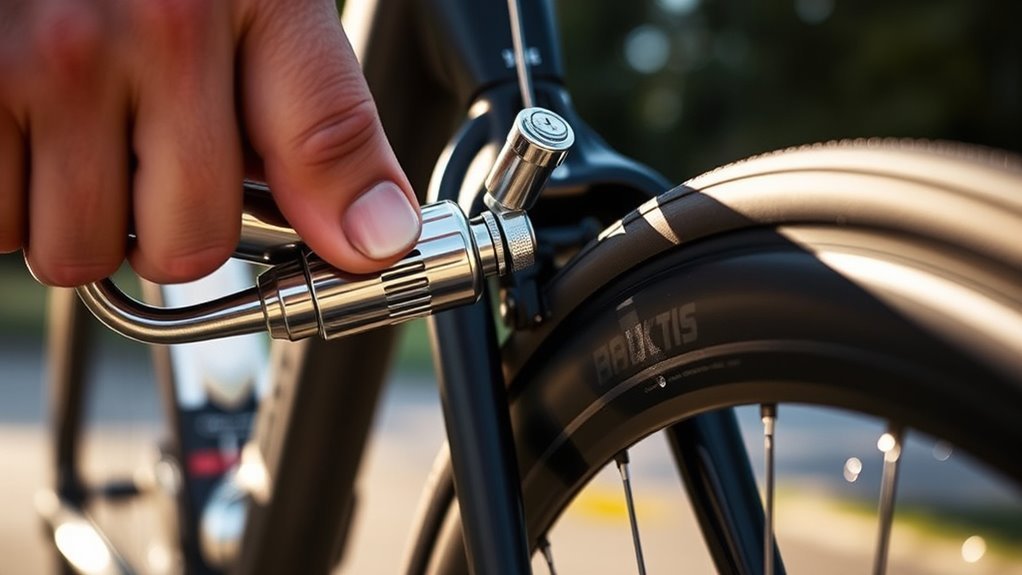
Inflating bike tires with Presta and Schrader valves is a straightforward process that can be completed in just a few steps. For Presta valves, start by removing the valve cap and fully opening the small nut without detaching it. Tap the valve to release the internal seal before attaching your pump, ensuring it’s compatible or using an adapter. Align the pump directly over the valve and engage the locking lever for a secure fit. With Schrader valves, simply remove the cap and attach the pump directly—no extra steps needed. After inflation, detach the pump carefully, seal the Presta valve by closing the small nut, and replace the cap to keep dust out. Always check pressure with a gauge for ideal inflation.
Preparing Your Tire for Inflation
Before you begin the inflation process, it is essential to prepare your bike tire properly. First, identify the valve type—Presta or Schrader—to guarantee you have the compatible pump or adapter. For Presta valves, remove the cap, fully open the small nut, and gently tap the valve to release the internal seal. This enhances tire health by making certain air enters effectively. Make sure the tire is stable and securely positioned before attaching the pump to avoid movement during inflation. Finally, check the manufacturer’s recommended tire pressure on the sidewall for ideal inflation levels.
| Step | Action |
|---|---|
| Identify Valve Type | Determine if it’s Presta or Schrader |
| Open Valve | Remove cap and open nut |
| Check Tire Pressure | Refer to the sidewall for guidance |
What Tools Do You Need to Inflate Your Tires?
To effectively inflate your bike tires, you’ll need a few essential tools. First, grab a compatible tire inflator or pump that accommodates both Presta and Schrader valve types; if you only have a Schrader pump, an adapter for Presta valves is necessary. A pressure gauge is vital for monitoring tire pressure, ensuring you adhere to the manufacturer-recommended PSI based on your inflation frequency. Don’t forget a valve cap to protect the valve from dust and debris, preventing air leaks. A clean cloth helps wipe the valve area before inflation, ensuring a proper seal. If you’re using a Presta valve, a small wrench can be handy for loosening the nut prior to inflation. With these tools, you’re ready to ride!
Inflating Presta Valves: Step-by-Step
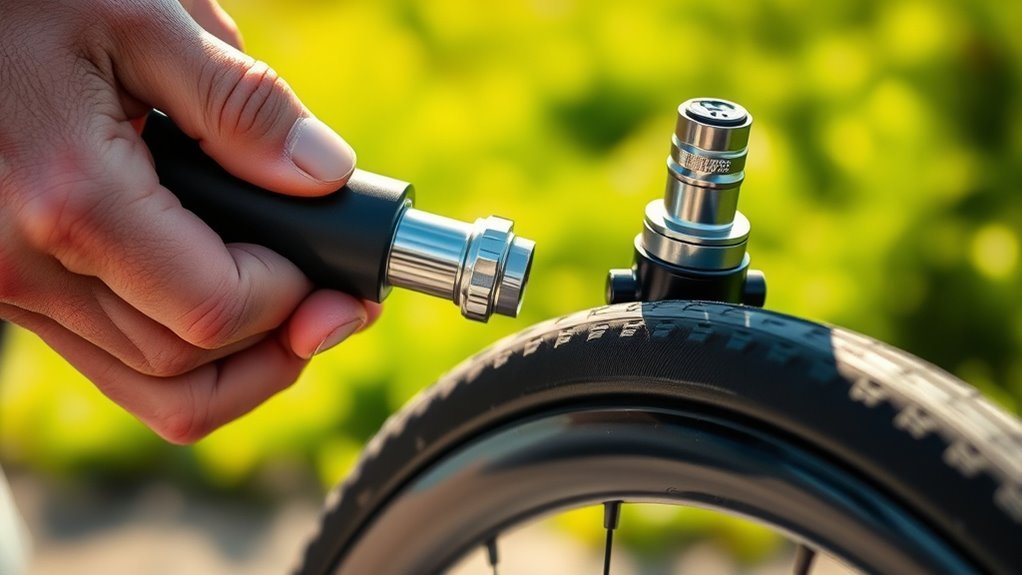
With the right tools in hand, you can efficiently inflate your Presta valves. Start by removing the cap from the valve and fully opening the small nut without detaching it. Tap the valve lightly to release the internal seal. Verify your pump is compatible with Presta valves or use a Presta valve adapter for a secure connection. Align the pump over the valve and engage the locking lever to create a tight seal. Begin inflating while monitoring the tire pressure closely. After inflation, carefully detach the pump and close the small nut to seal the valve. Finally, replace the cap to protect against dust and debris, verifying your Presta valve maintenance is complete for peak performance.
How to Inflate Schrader Valves Effectively
Although inflating Schrader valves is a straightforward process, understanding the correct steps can assure efficient tire maintenance. Start by removing the valve cap and connecting your pump directly to the valve. Ensure your pump is compatible, as most standard pumps work seamlessly with Schrader valves. Once attached, follow the inflation tips by inflating the tire to the recommended pressure, which you can usually find on the tire sidewall. After reaching the desired pressure, carefully detach the pump and quickly replace the valve cap. Finally, check for any hissing sounds to confirm there’s no air leakage. Proper valve maintenance not only extends the life of your tires but also enhances your riding experience.
Top Mistakes to Avoid When Inflating Presta and Schrader Tires
When inflating Presta and Schrader tires, avoiding common mistakes can save you time and enhance your riding experience. Here are key errors to steer clear of:
- Neglecting Presta valve nut: Failing to open the small nut can stop air from entering, wasting your effort.
- Ignoring valve compatibility: Verify your pump matches the valve type to prevent improper inflation or potential damage.
- Over-inflating tires: Not checking recommended pressure can lead to blowouts and jeopardize safety.
Take a moment to inspect your valves before inflating; inflating damaged or worn valves can worsen issues, risking total failure. By recognizing these common inflation errors, you’ll set yourself up for a smoother, more enjoyable ride.
Checking Tire Pressure After Inflation
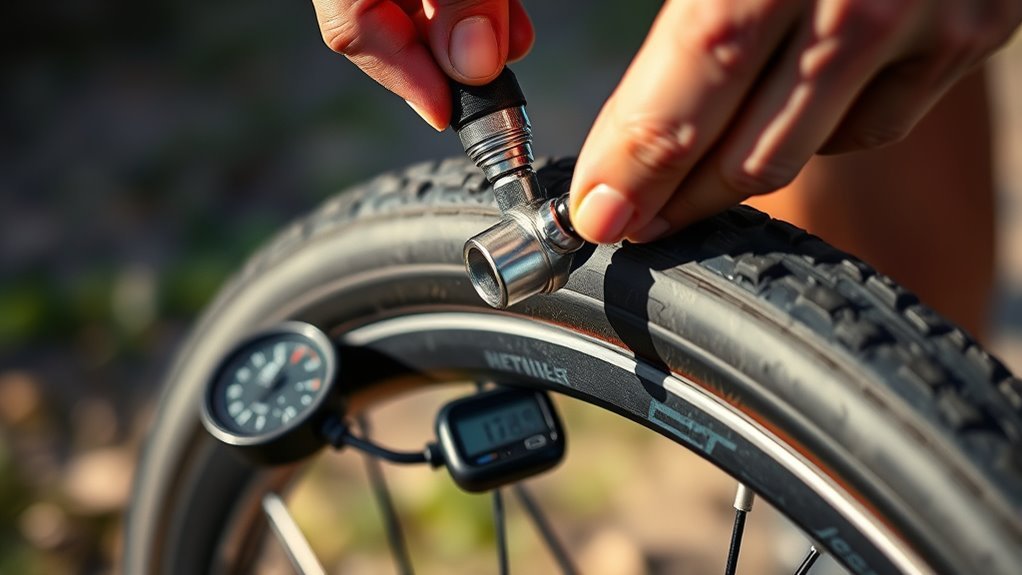
How can you guarantee your bike tires are performing at their best after inflation? Checking tire pressure is essential. Use a reliable gauge to measure the pressure—most road bike tires need between 80-130 psi, while mountain bike tires typically require 30-50 psi. Always refer to the manufacturer’s recommended range printed on the tire sidewall for superior performance. Remember, tires can lose air over time, averaging 1-2 psi weekly. Properly inflated tires enhance handling, comfort, and lifespan by minimizing wear and tear. By regularly checking tire pressure, you maximize the inflation benefits, ensuring a safer, more efficient ride. Don’t overlook this vital step; it’s key to enjoying your cycling experience fully.
What to Do If Your Tires Are Leaking After Inflation?
If your tires are leaking after inflation, start by checking the valve for tightness and any visible damage; a faulty valve can lead to air loss. Next, inspect the tire’s condition, looking for punctures or debris that might be causing the leak. Taking these steps will help you identify and address the issue effectively.
Check Valve Tightness
Checking the tightness of your tire’s valve is essential, especially when you notice air leaking after inflation. Proper valve maintenance can prevent frustrating air leaks and guarantee smooth rides. Here’s how to check:
- Use a valve core tool to tighten the valve core securely.
- Inspect the valve for visible damage or wear; cracks can lead to leaks.
- For Presta valves, confirm that the small nut is closed completely after inflation.
Additionally, applying soapy water around the valve can help identify leaks through bubbling. If you still experience air loss, consider replacing the valve or consulting a professional. Addressing valve tightness is a critical step in maintaining your bike’s performance and reliability.
Inspect Tire Condition
After confirming the valve is secure, it’s important to assess the overall condition of your tires. Start by examining the valve area for damage, wear, or improper sealing, as these can lead to air loss. Next, inspect the tire surface for punctures, cuts, or embedded debris that may cause slow leaks, compromising tire integrity. Confirm the tire bead is properly seated on the rim to prevent air escaping during inflation or riding. To identify leaks, apply soapy water to the tire and valve; bubbling indicates where air escapes. If leaks persist despite your efforts, consider consulting a professional bike technician for evaluation and potential tire replacement. Prioritizing tire wear and implementing puncture prevention strategies can enhance your riding experience.
Maintaining Your Valves for Longevity
To guarantee your bike’s valves remain in peak condition, regularly inspecting both Presta and Schrader valves for signs of damage or wear is vital. This proactive valve maintenance prevents air loss and guarantees maximum performance.
Here are some key practices:
- Inspect for cracks or leaks: Regular checks help catch issues early.
- Replace valve caps promptly: This keeps dust and debris out, preventing malfunctions.
- Use proper tools: Employ valve core wrenches for repairs to avoid damaging delicate structures.
If you encounter persistent issues, don’t hesitate to consult a professional mechanic for efficient valve replacement. Storing your bike in a dry environment also helps extend the lifespan of these essential components, guaranteeing your ride remains smooth and enjoyable.
Tips for Storing Your Bike and Equipment
Proper valve maintenance is just one aspect of ensuring your bike remains in top condition. For effective bike storage, choose a dry, temperature-controlled environment to prevent rust and degradation of components. If you’re storing outdoors, use a bike cover or tarp to shield against dust and moisture. Keep your bike upright or use a bike stand; this prevents bending wheels and damaging the frame. Before long-term storage, regularly check tire pressure and inflate as needed to avoid flat spots. Additionally, store all accessories and equipment, like pumps and tools, in a dry place to enhance their longevity and prevent corrosion. Implementing these equipment maintenance tips will help you enjoy a reliable ride whenever you’re ready to hit the road.
Frequently Asked Questions
How to Pump up a Bike Tire With a Presta Valve?
To pump up a bike tire with a Presta valve, open the valve nut, tap to release the seal, attach your pump, and guarantee an airtight connection. Don’t forget valve maintenance tips to prevent leaks!
How to Inflate a Presta Valve With an Air Compressor?
To inflate a Presta valve with an air compressor, first open the valve nut and tap lightly. Attach the compressor nozzle securely, then inflate to your desired pressure before sealing the valve and replacing the cap.
Do I Need a Special Bike Pump for a Presta Valve?
Yes, you need a special bike pump for a Presta valve. Look for pump types with valve compatibility; some pumps accommodate both, while others require an adapter. Make certain you choose wisely for seamless inflation.
Should the Presta Valve Be Open When You Inflate With an Electric Bike Pump?
Yes, you should keep the Presta valve open during the inflation process. Loosen the small nut, tap the valve to release the seal, ensuring smooth airflow and effective inflation with your electric bike pump.
Conclusion
Now that you know how to inflate both Presta and Schrader valves, picture yourself gliding effortlessly down a sun-dappled trail, your tires perfectly inflated and ready for adventure. Regularly checking your tire pressure and maintaining your valves guarantees a smooth ride and prolongs their life. Remember, a well-cared-for bike not only enhances your performance but also adds to your enjoyment. So gear up, stay vigilant, and embrace the road ahead with confidence!