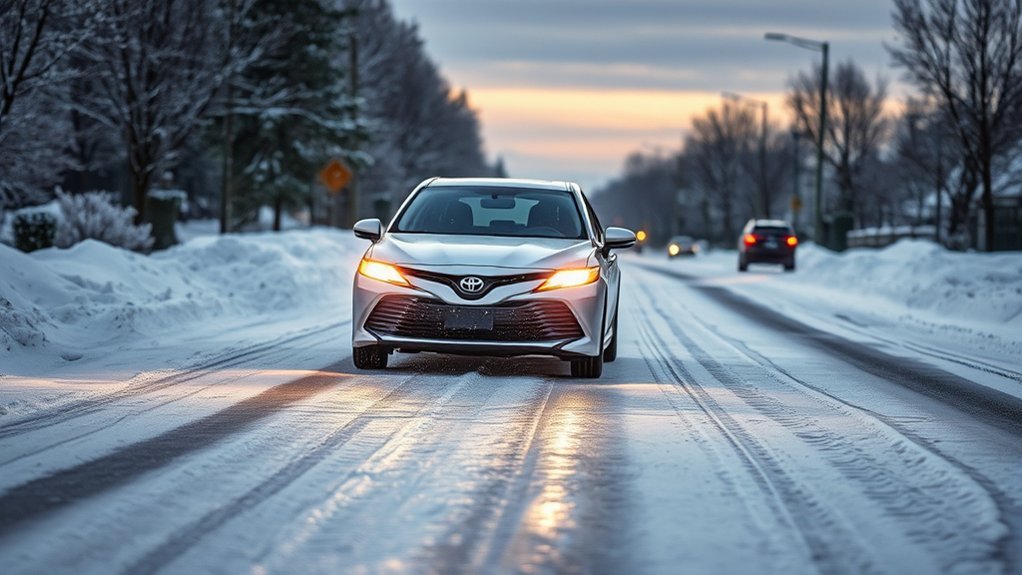
A Toyota Camry can handle winter driving well when you prepare it before the first freeze and drive it gently once roads turn slick. The biggest upgrades are simple: correct tire pressure, winter-ready tires, clean lights and sensors, strong wipers, healthy battery connections, cold-rated fluids, and a stocked emergency kit. Even with available Electronic On-Demand All-Wheel Drive, your Camry still needs extra stopping distance on snow and ice.
Quick Answer
Yes, a Toyota Camry can drive safely in snow when it has proper tires, correct cold tire pressure, clean sensors and lights, working wipers, and a cautious driver. AWD can help the car move from a stop, but winter tires, slower speeds, smooth braking, and longer following distances matter more for stopping and control.
Key Takeaways
- Check cold tire pressure often and use the PSI on the driver-door placard, not the maximum PSI printed on the tire.
- Use winter tires when temperatures are consistently near or below 45°F, especially if you drive on snow, ice, or untreated roads.
- Clear snow and ice from the windshield, roof, mirrors, lights, grille, camera lenses, and driver-assist sensor areas before driving.
- Avoid cruise control on snow or ice, keep traction control on, and brake early with smooth, steady inputs.
- Carry a winter emergency kit with a shovel, ice scraper, traction material, jumper cables or booster, blanket, flashlight, first-aid kit, phone charger, water, and food.
At a Glance
| Time Required | 30–60 minutes for a basic pre-winter check; longer if tires, battery, or wipers need service |
| Difficulty | Easy for inspection and cleaning; moderate for installing chains or replacing parts |
| Tools Needed | Tire-pressure gauge, tread-depth gauge or penny, microfiber cloth, soft snow brush, scraper, washer fluid, flashlight |
| Cost | Low for fluids and emergency gear; higher if buying winter tires, a battery, or chains |
Camry Pre-Winter Checklist: Exterior, Systems, and Cabin
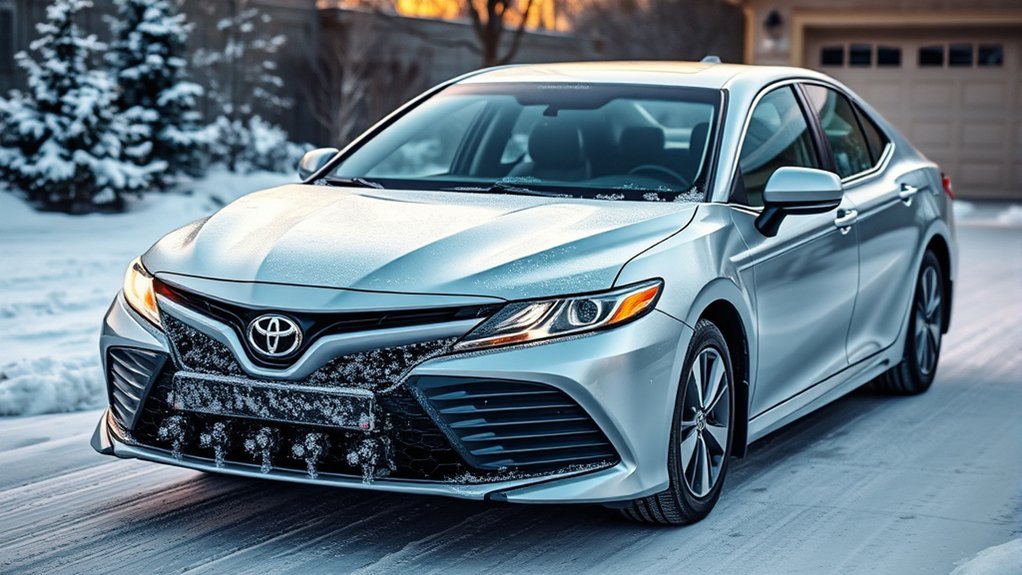
Start your Camry winter prep before the first storm. Toyota’s owner guidance for winter driving says to use fluids suited to the outside temperature, have the 12-volt battery inspected, and fit four snow tires or compatible chains when needed. You can review Toyota’s winter-driving guidance in the Camry Hybrid owner’s manual.
Wash and wax the exterior before road-salt season, repair windshield chips before freezing temperatures spread them, and make sure the heater, defroster, rear defogger, and mirror defrosters work. Inside the cabin, secure floor mats with the factory retention clips so slush-heavy mats cannot slide into the brake or accelerator pedal area.
Five-Minute Pre-Trip Walkaround
- Clear the windshield, rear glass, side windows, mirrors, roof, hood, trunk, headlights, taillights, turn signals, license plate, and backup camera.
- Brush snow away from the grille and bumper areas where driver-assist sensors may be mounted.
- Check that the wipers are not frozen to the glass before turning them on.
- Look for low tires, visible sidewall damage, packed snow around the wheels, or ice hanging near the wheel wells.
- Confirm you have enough washer fluid rated for freezing temperatures.
- Before a longer trip, check weather, traffic, road closures, and whether your route requires tire chains.
Warning: Do not drive with snow piled on the roof, hood, lights, or trunk. It can slide onto your windshield, block sensors, or blow into traffic behind you.
Camry Tire Prep: Pressure, Winter Tires, and Chains
Tires are the most important winter upgrade on a Camry because every steering, braking, and acceleration input goes through four small contact patches. Cold weather lowers tire inflation pressure, so check the tires when they are cold and inflate them to the pressure listed on the driver-door placard. The National Highway Traffic Safety Administration recommends monthly tire checks and tire inspections before long trips.
If your area sees regular snow, ice, or freezing rain, consider dedicated winter tires. Winter tires are designed to stay flexible in cold weather, and tire manufacturers commonly recommend installing them before temperatures consistently drop near 45°F. Michelin’s winter-driving guidance explains why timing matters before the first major snowfall: winter tire timing and PSI tips.
[Products Worth Considering]
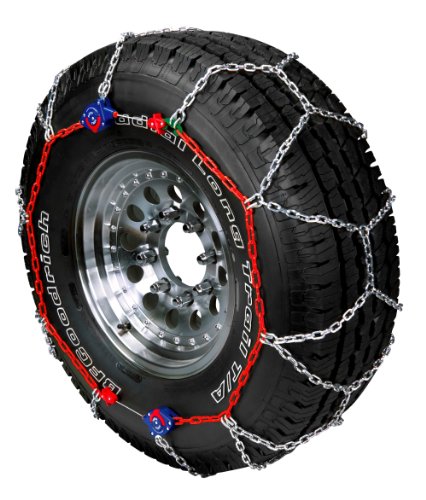
Worry-Free Self-Tightening Ratchets Provide Automatic Tightening And Centering
Worry-free self-tightening ratchets provide automatic tightening and centering
How to Check Camry Tires for Winter
- Check cold PSI. Use a reliable gauge before driving or after the car has been parked for several hours.
- Inspect tread and sidewalls. Replace damaged tires and do not wait until the tread is at the minimum wear bars if you need dependable snow traction.
- Match all four tires. For snow tires, Toyota advises using four tires of the same size and brand.
- Check the spare or inflator kit. Know what your Camry includes before you need it in freezing weather.
- Practice chains before a storm. If your route requires chains, confirm the chain type fits your exact tire size and model year.
Toyota’s Camry winter-driving guidance says to use four snow tires or purchase tire chains for the front tires, while making sure the chains match the tire size. Always confirm your own owner’s manual, tire size, and local chain laws before installing chains.
Pro Tip: AWD helps a Camry pull away from a stop, but it does not make the car stop faster on ice. Winter tires and extra following distance are still the main safety upgrades.
Clear Sensors, Cameras, and Lights to Keep Safety Systems Working
Snow, slush, salt spray, and freezing rain can block the camera and radar areas used by Toyota Safety Sense features. If your Camry shows a driver-assist warning, treat it as useful information: the system may not be able to see the road clearly. Stop somewhere safe, clear the blockage, and drive manually with extra caution until visibility and sensor operation return.
Clear Sensors Regularly
Before each winter trip, inspect the windshield camera area, grille, front bumper, rear bumper, backup camera, mirrors, headlights, taillights, and turn signals. Use a soft brush or microfiber cloth. Do not scrape camera lenses or sensor covers with a hard tool.
Toyota’s driving-support manual guidance tells owners to keep radar sensors and covers clean and to use a soft cloth when cleaning sensor areas. You can review Toyota’s dynamic radar cruise control information here: Camry Dynamic Radar Cruise Control.
Defrost Cameras Safely
- Brush loose snow away first.
- Use the vehicle’s defrost and heated functions to loosen ice gradually.
- Wipe lenses and sensor covers gently with a clean microfiber cloth.
- Do not pour hot water on glass, camera lenses, or sensor covers; sudden temperature changes can cause damage.
- If a warning remains after cleaning, drive without relying on the affected assist feature and schedule service if the message persists.
Keep Lights Free
Clear headlights, taillights, brake lights, turn signals, and emergency flashers every time snow or road grime builds up. Bright LEDs still need clean lenses to work properly. If drivers behind you cannot see your brake lights through snow and salt film, your stopping distance problem becomes their reaction-time problem too.
Manage Adaptive Cruise and Pre-Collision Alerts in Winter
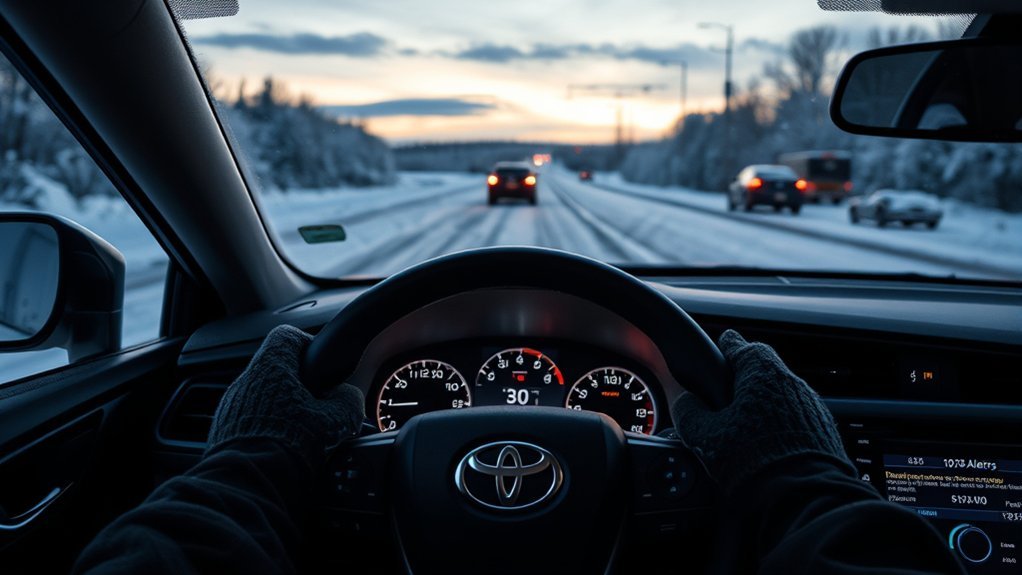
Adaptive cruise control, lane assistance, parking sensors, and pre-collision alerts are helpful when conditions are clear, but winter can limit them. Snow, ice, fog, heavy spray, bright glare, and dirty sensor covers can reduce detection. If the system warns that a sensor is blocked, do not ignore the message and do not assume the car can still “see” normally.
Warning: Avoid using cruise control or adaptive cruise control on snow, ice, slush, or standing water. If traction changes suddenly, cruise control can react in ways that are less smooth than your own careful throttle control.
If alerts become distracting because snow is covering a sensor, the best fix is to clear the sensor area safely. Some settings can be adjusted through the vehicle menu, but treat that as a temporary convenience only. Do not turn off traction control just to silence warnings. Traction control is designed to help reduce wheel spin and should stay on for normal winter driving.
How to Drive a Camry on Snow, Ice, and Low-Traction Roads
Winter driving in a Camry is less about power and more about smoothness. Accelerate gently, brake early, steer gradually, and leave more space than you think you need. On packed snow or ice, a normal following distance can disappear quickly.
- Start slowly. Use gentle throttle so the front tires do not spin.
- Leave a 6–8 second gap. Increase it more when visibility is poor or the road is icy.
- Brake early. If your Camry has ABS, press the brake firmly and steadily during a hard stop; do not pump the pedal.
- Steer smoothly. Sudden steering inputs can overload the front tires and cause understeer.
- Keep traction control on. Turn it off only briefly if the owner’s manual recommends doing so for a specific stuck-vehicle situation.
- Use headlights. Turn them on in snow, sleet, freezing rain, or low visibility so other drivers can see you.
- Postpone nonessential trips. If roads are untreated or visibility is poor, waiting is safer than forcing the drive.
For current Camry models, Toyota lists available Front-Wheel Drive or Electronic On-Demand All-Wheel Drive on the official 2026 Camry page. AWD can improve launch traction, but it cannot overcome physics. On ice, all vehicles need lower speed, better tires, and more room to stop.
What to Do if Your Camry Gets Stuck or Stranded
If your Camry gets stuck, stay calm and protect the transmission, tires, and people around you. Turn the steering wheel gently to clear a path, shovel snow away from the tires, place traction mats or sand in front of the drive wheels, and use light throttle. Avoid spinning the tires hard; fast wheel spin can dig the car deeper and overheat components.
If you are stranded in heavy snow, stay with the vehicle unless help is clearly nearby and safe to reach. Make the car visible with hazard lights or bright markers. Clear snow from the exhaust pipe before running the engine, and run the engine only occasionally for heat. A blocked exhaust can allow carbon monoxide to build up around or inside the vehicle.
Note: Keep your phone charged before winter trips and tell someone your route if you are driving through rural areas, mountain passes, or severe weather.
Emergency Kit Essentials to Keep in Your Camry
A compact winter kit turns a bad delay into a manageable inconvenience. Store everything in a durable bag or plastic bin in the trunk, and check it monthly during winter.
- Snow shovel, snow brush, and ice scraper
- Traction mats, sand, or non-clumping kitty litter
- Jumper cables or a charged portable jump starter
- Flashlight or headlamp with fresh batteries
- Blanket, insulated gloves, warm hat, and extra socks
- First-aid kit
- Phone charger and power bank
- Water and shelf-stable snacks
- Warning triangles, reflective vest, or road flares where legal
- Small towel or microfiber cloth for cameras, sensors, and interior fog
NHTSA’s winter-driving checklist also recommends emergency supplies such as a shovel, scraper, abrasive material, jumper cables, flashlight, warning devices, first-aid kit, blankets, phone charger, water, food, and necessary medicine. Use that list as your baseline and add items for your climate.
[Products Worth Considering]

Premium Roadside Emergency Kit: This winter safety kit includes 86 essential items, featuring 12 ft 8 Gauge jumper cables, and a 73-item first aid kit, preparing you for any roadside crisis

Emergency Assistance Kit

Complete Roadside Emergency Kit: This all-in-one safety kit includes 92 essential items, featuring 12 ft 8 Gauge jumper cables, a digital air compressor for accurate tire inflation, and a 55-item first aid kit, preparing you for any roadside crisis
Keep Your Camry Running All Winter: Battery, Fluids, and Wipers
Cold weather is hard on batteries, rubber parts, fluids, and visibility. A Camry that starts easily and clears its windshield quickly is much safer than one that barely cranks and smears slush across the glass.
Battery Care Tips
Have the 12-volt battery and charging system tested before the first deep freeze, especially if the battery is more than three years old. Clean corrosion from the terminals, confirm the clamps are tight, and keep a portable booster or jumper cables in the trunk.
Hybrid Camry models still depend on a 12-volt battery for many startup and control functions. If the car sits for long periods, follow the owner’s manual and consider a quality battery maintainer that is compatible with your battery type.
Winter Fluid and Cooling System Checks
- Washer fluid: Use winter-rated fluid with de-icer protection.
- Coolant: Confirm the coolant level and freeze protection meet Toyota specifications.
- Engine oil: Use the viscosity recommended for your exact model year and climate.
- Brake fluid: Have it inspected if it is due by age, mileage, or service history.
- Fuel: Keep the tank reasonably full before storms to reduce stress if you are delayed.
Winter Wiper Maintenance
Inspect wiper blades for cracks, torn rubber, or stiff edges. Replace worn blades before the first storm. If you park outside, lift the wipers only if your manual and local conditions allow it, or use a windshield cover to reduce ice buildup. Always clear heavy snow and ice by hand before using the wipers.
Block Heaters and Winter Storage
In extreme cold, an engine block heater can make cold starts easier and reduce startup stress if it is approved for your vehicle and installed correctly. For winter storage, add fuel stabilizer before the car sits for weeks or months, then drive long enough to circulate treated fuel. Keep the battery maintained and avoid parking on wet grass or deep snow for long periods.
Frequently Asked Questions
Can I use hill-start assist on icy hills?
Yes, but do not rely on it as your only safety tool. Hill-start assist may help reduce rollback, but traction still depends on your tires and the ice under them. Use gentle brake release, light throttle, and plenty of space. If the hill is untreated or traffic is stopped, choose a safer route when possible.
Is all-wheel drive available on Toyota Camry models?
Yes. Current Toyota Camry models list available Electronic On-Demand All-Wheel Drive, depending on trim and configuration. AWD can help the car accelerate on slippery surfaces, but it does not shorten braking distance. Winter tires and slower driving are still more important for stopping and steering on ice.
How does cold affect tire pressure monitoring accuracy?
Cold air lowers tire pressure, so your TPMS light may appear after a sharp temperature drop even if there is no puncture. Check pressure with a gauge when the tires are cold and inflate to the Camry’s driver-door placard pressure. Do not use the maximum PSI printed on the tire sidewall as your target.
Should I turn off traction control in snow?
Keep traction control on for normal winter driving. It helps reduce wheel spin when traction is poor. The only common exception is a brief stuck-vehicle situation where your owner’s manual recommends allowing limited wheel spin to rock the vehicle free. Turn the system back on once you are moving.
Can engine block heaters help in extreme cold?
Yes. In very cold climates, a properly installed block heater can make startup easier and reduce cold-start stress. Use equipment approved for your vehicle, follow installation instructions, and inspect cords for damage before plugging in.
Should I add fuel stabilizer for winter storage?
Yes, if the Camry will sit for weeks or months. Add stabilizer before storage, then drive long enough for treated fuel to circulate. Also maintain the 12-volt battery, keep tires properly inflated, and store the car in a dry, safe place when possible.
Should I use cruise control on snow or ice?
No. Avoid regular cruise control and adaptive cruise control on snow, ice, slush, or standing water. Winter roads can change traction quickly, and direct pedal control lets you respond more smoothly.
Conclusion
A winter-ready Camry is not just a car with AWD or safety technology. It is a car with the right tires, correct tire pressure, clean sensors, clear lights, strong wipers, healthy battery connections, cold-rated fluids, and emergency gear in the trunk. Prepare before the storm, clear the car before every drive, avoid cruise control on slick roads, and use slow, smooth inputs. Your best winter safety system is still a prepared driver.
Sources
- Toyota 2026 Camry official page — current Camry drivetrain, AWD availability, and model positioning
- Toyota Camry Hybrid owner’s manual: Winter driving tips — snow tires, chains, fluids, and battery preparation
- Toyota Camry Hybrid owner’s manual: Dynamic Radar Cruise Control — driver-assist system context and sensor care
- NHTSA Winter Weather Driving Tips — tire pressure, wipers, coolant, emergency kit, route planning, and stranded-driver safety
- Michelin Winter Tire Timing & PSI Tips — winter tire timing and cold-weather tire-pressure guidance