You can clean and restore a Toyota Tacoma bed liner by removing loose debris, rinsing gently, washing with automotive soap, spot-treating grease, scrubbing the texture with a nylon brush, rinsing fully, drying, and applying a trim-safe ceramic or plastic protectant only after testing it first. On many Tacoma models, what owners call the “bed liner” is actually Toyota’s factory Sheet-Molded Composite (SMC) bed surface, so the safest method is gentle, controlled cleaning—not harsh solvents or high pressure.
Quick Answer
Rinse the Tacoma bed liner, wash it with pH-balanced automotive soap, let a safe degreaser dwell for 3–10 minutes on oily spots, scrub with a soft or medium nylon brush, rinse top to bottom, dry completely, and apply a non-greasy protectant only after a small test spot looks good.
Key Takeaways
- Use regular car soap and water for routine cleaning; save degreaser for oil, fuel, grease, and sticky grime.
- Keep pressure washer settings low, use a wide fan pattern, and avoid direct blasts near outlets, cameras, wiring, seams, and edges.
- Do not use bleach, chlorine cleaners, paint thinner, gasoline, wire brushes, or greasy tire dressing on the bed floor.
- Dry the bed before applying any ceramic conditioner or plastic protectant so residue does not trap moisture or leave a slippery film.
At a Glance
| Time Required | 30–75 minutes, plus cure time if you apply a protectant |
| Difficulty | Easy |
| Tools Needed | Hose or low-pressure washer, bucket, automotive soap, nylon brush, microfiber towels, gloves, and optional foam cannon |
| Cost | Low if you already own wash tools; higher if you add a foam cannon or ceramic protectant |
Quick Results: What to Expect for a Tacoma Bed Liner
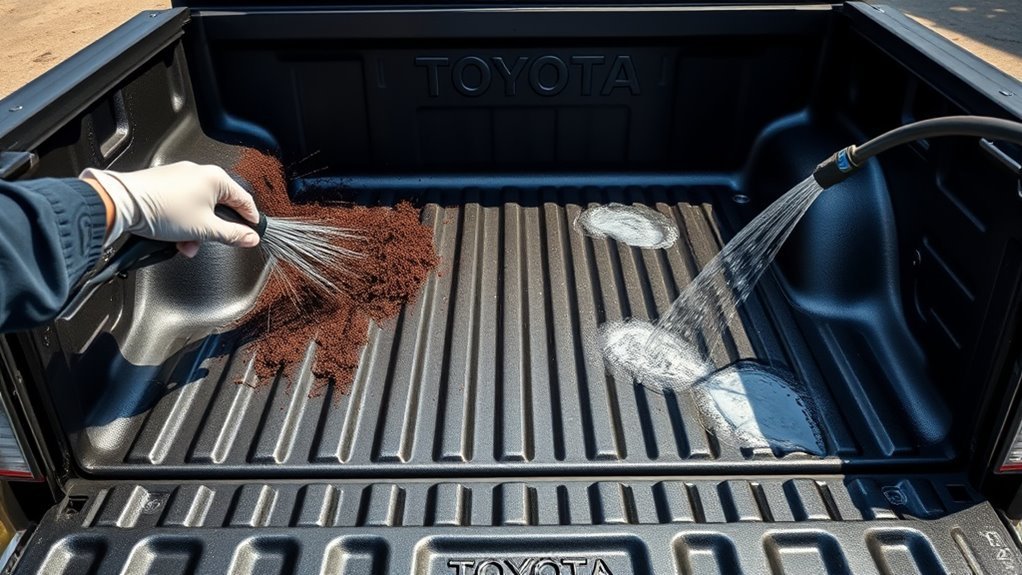
After a basic wash, the Tacoma bed liner should look darker, more even, and less chalky because loose dust, road film, pollen, mud, and embedded grit have been lifted out of the texture. A foam cannon can help spread soap evenly, but it is not required. A bucket wash with a quality automotive soap, a hose, and a nylon brush can do the same job when you work in small sections.
The biggest win is not just appearance. Dirt, salt, mulch, fertilizer, spilled fuel, and oily residue can sit in grooves and seams. Cleaning them off helps the bed surface stay easier to inspect and keeps exposed metal hardware, tie-down points, bolts, and accessories from sitting under wet debris. For aftermarket spray-on liners, regular cleaning also helps preserve the texture and finish.
Note: If your Tacoma has the factory composite bed, you are cleaning the SMC bed surface. If you added a spray-in liner, drop-in liner, rubber mat, or bed rug, follow that product’s care instructions first.
Before You Clean: Identify the Bed Surface
Tacoma bed care depends on what surface you actually have. Many Toyota Tacoma trucks use a tough composite bed instead of a separate traditional steel-bed liner. Some owners also add a rubber bed mat, drop-in plastic liner, carpet-style bed rug, tonneau cover, or professional spray-in liner over the factory surface.
- Factory Tacoma composite bed: Wash with automotive soap, water, and a nylon brush. Use degreaser only when needed and rinse fully.
- Spray-in liner: Most can handle regular soap, water, brushing, and careful pressure washing, but pressure limits vary by brand.
- Drop-in plastic liner: Lift it if possible so trapped grit and moisture can be cleaned from underneath.
- Rubber bed mat: Remove it, wash both sides, dry it flat, then reinstall it after the bed is dry.
- Bed rug or carpeted liner: Vacuum first, then use a cleaner approved by the manufacturer; do not soak it unless the product allows it.
Warning: Do not wash chemical runoff into a storm drain. The EPA notes that outdoor vehicle washing can send detergent, metals, oils, and hydrocarbons into stormwater. Use minimal detergent, choose biodegradable phosphate-free soap when possible, and direct wash water to gravel, grass, or another pervious area when local rules allow it.
Tools & Products for Cleaning a Tacoma Bed Liner
Start with a simple kit before reaching for strong chemicals. You will need a hose or low-pressure washer, pH-balanced automotive soap, a bucket, gloves, a soft or medium nylon brush, microfiber towels, and a shaded place to work. A foam cannon such as a TORQ Big Mouth Max Release Foam Cannon is useful for even soap coverage, but it is optional.
For routine dirt, use regular automotive soap. For grease, oil, road tar, or spilled lawn equipment residue, use an automotive degreaser or citrus-based cleaner, but test it in a hidden area first. Citrus Wash & Gloss or a similar wash soap can help lift grime, but do not assume any strong cleaner is safe to leave on the surface. Keep the area wet and rinse before the product dries.
If you want added darkening and water resistance after cleaning, use a plastic, vinyl, or rubber-safe protectant such as HydroShield only after the bed is fully clean and dry. Avoid greasy tire shine on the bed floor because it can make cargo slide and create a slick step-in surface.
Pro Tip: Keep two brushes: one soft brush for general bed cleaning and one stiffer nylon brush for mud-packed grooves. Never use a wire brush on a Tacoma bed liner or composite bed surface.
[Products Worth Considering]

This 7-piece car cleaning kit brings together essential wash, wheel, and interior care products for a complete at-home detailing routine. It includes foaming car wash soap, interior cleaner and protectant, sprayable wheel cleaner, microfiber towels, and a plush wash mitt to help deliver a safer, scratch-free clean. Designed for beginners and enthusiasts alike, it helps keep cars, trucks, SUVs, motorcycles, and more looking fresh inside and out.

This foam cannon creates thick snow foam for washing cars, trucks, and other vehicles, helping lift dirt and grime for a safer, scratch-resistant clean. It connects quickly to compatible pressure washers and lets you adjust the spray pattern and foam mix for better control. Built with a solid-brass body and durable components, it is designed for dependable cleaning performance.
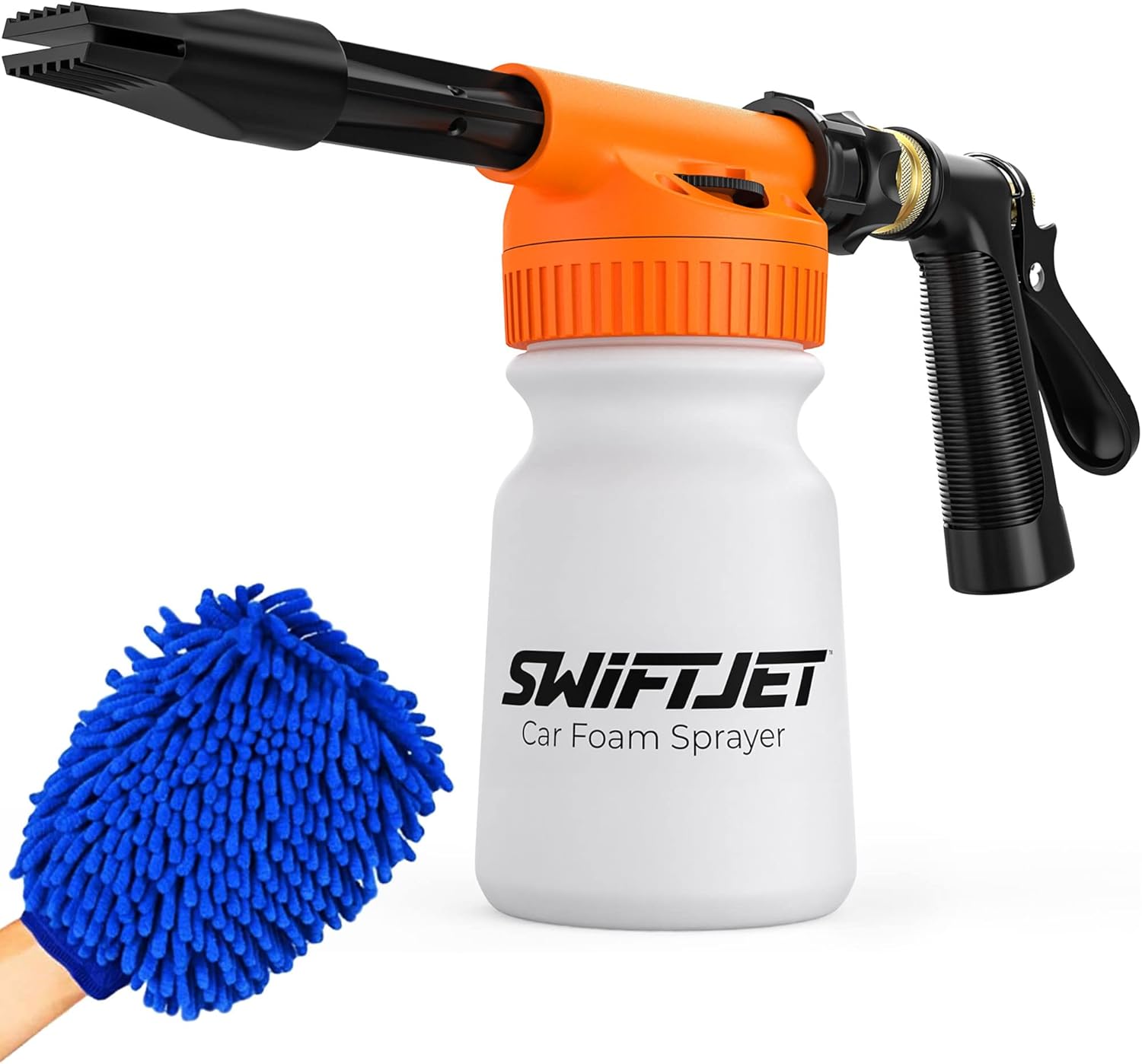
The SwiftJet Car Wash Foam Gun turns a standard garden hose into a powerful foam blaster for easier home car cleaning without a pressure washer. It produces thick, lubricating foam to help lift dirt and reduce scratches and swirl marks while giving you adjustable foam control for everything from light rinses to deep cleans. The included microfiber wash mitt adds extra convenience for a faster, more effective wash on cars, trucks, wheels, glass, and trim.
Rinse & Degrease the Bed Liner: Safe Pressure and Dwell Time
Remove cargo, sweep out rocks and grit, open the tailgate, and check that drain paths are clear. If your Tacoma has a bed outlet, lighting, covers, deck rail accessories, or a tailgate camera nearby, make sure covers are closed and do not blast those areas directly. Toyota’s exterior-cleaning guidance warns against bringing high-pressure water close to cameras, connectors, rubber covers, and similar parts.
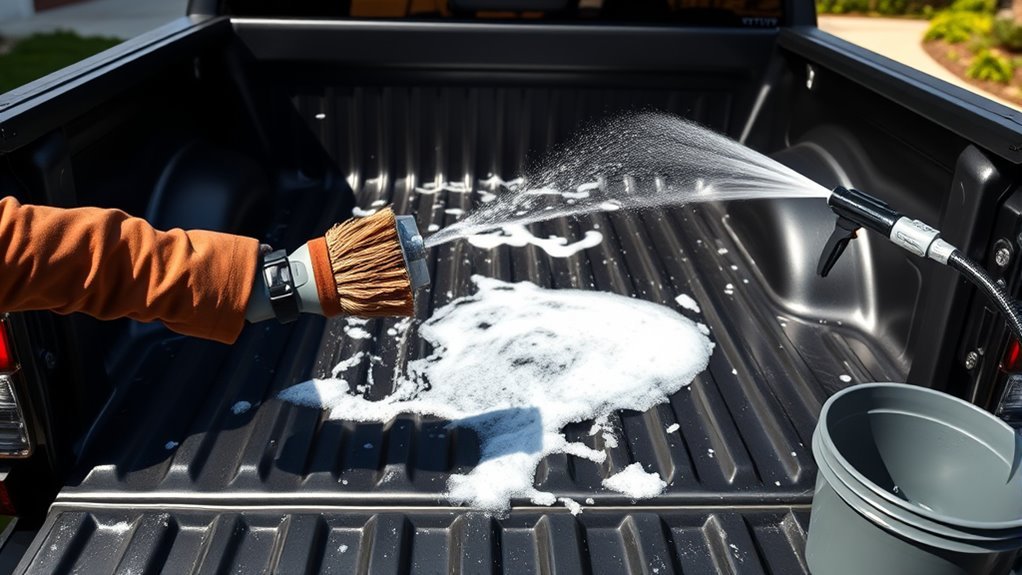
Begin with a gentle rinse from the cab end toward the tailgate. This pushes loose dirt out instead of packing it deeper into grooves. If the bed is only dusty, soap and a brush may be all you need. If you see oil, grease, fuel residue, or old spilled cargo stains, apply a compatible automotive degreaser to those spots and let it dwell briefly before scrubbing.
[Products Worth Considering]

TEC582 Ceramic Detail Spray makes exterior protection quick and easy while delivering impressive gloss and a noticeably slick finish. It can be used on paint, glass, plastic trim, chrome, and wheels to help leave the entire vehicle exterior hydrophobic and looking sharp. A simple microfiber wipe is all it takes to spread the product into the finish.

This DIY headlight restoration kit removes oxidation, haze, and yellowing from cloudy plastic lenses to bring back clear, brighter headlights. It includes a restoration compound, HydroCharge ceramic protection, an applicator, and a microfiber towel to help restore visibility and help guard against future UV damage. Designed for use by hand or with a machine, it works on headlights, taillights, and clear plastic trim.

Protects Your Truck Bed from Daily Abuse: Extra-thick 3/8" rubber mat functions as a cargo bed liner for the bed floor, shielding against scratches, dents, and wear from tools, gear, and everyday hauling.
Safe Pressure Levels
Use the lowest pressure that cleans the surface. For aftermarket spray-on liners, LINE-X recommends a wide fan pattern under 1,000 PSI, while Rhino Linings says regular car soap, a garden hose, and towels are usually enough, with a pressure washer reserved for stubborn debris. For a Tacoma factory composite bed, stay conservative: use a wide fan tip, keep the nozzle moving, and hold it at least 12–24 inches from the surface.
- Start with a hose or low-pressure rinse: Remove loose dirt before applying soap or degreaser.
- Use a wide fan pattern: Avoid zero-degree tips, turbo nozzles, and concentrated bursts.
- Test first: Pick a hidden corner, spray briefly, and inspect for whitening, lifting, gouging, or texture change.
- Keep moving: Do not hold pressure on one seam, gouge, accessory edge, outlet cover, or tailgate gap.
Proper Dwell Time
Let automotive degreaser dwell only long enough to loosen the grime. For most bed liner cleaning, 3–10 minutes is enough. Hot sun, warm plastic, and wind can dry chemicals fast, so work in the shade and re-wet the area if needed. Do not let degreaser, citrus cleaner, or soap dry on the surface.
After dwell time, scrub the treated area with a nylon brush, then rinse thoroughly from top to bottom and from the cab end toward the tailgate. If residue remains, repeat a lighter round instead of switching to harsh chemicals.
Scrub Stubborn Grime Without Damaging the Liner
Use a soft or medium nylon brush, not a metal brush or abrasive pad. Work in sections about 2–3 feet wide so the cleaner stays wet. Spray or foam the section, let the soap loosen the dirt, then scrub in overlapping circles and straight passes to reach both the raised texture and low grooves.
- Pre-test and section: Confirm cleaner compatibility in a hidden area, then divide the bed into workable zones.
- Apply and agitate: Use automotive soap for normal dirt or a safe degreaser for oily spots, then scrub with controlled pressure.
- Rinse and inspect: Wash away residue completely, check for missed areas, and repeat only where needed.
Stain-by-Stain Cleaning Guide
| Problem | Best Fix | Avoid |
|---|---|---|
| Mud and clay | Pre-rinse, foam with soap, brush grooves, rinse again | Dry scraping with metal tools |
| Oil or grease | Automotive degreaser, short dwell time, nylon brush, full rinse | Gasoline, paint thinner, brake cleaner, or long chemical dwell |
| Tree sap or sticky residue | Citrus-based cleaner on a small spot, then soap wash | Razor blades or aggressive solvents |
| Fertilizer, salt, or chemicals | Rinse immediately, wash with soap, inspect metal hardware | Letting residue sit in grooves or under a mat |
| Faded or chalky look | Clean deeply, dry, then test a non-greasy plastic-safe protectant | Heavy silicone dressing on the bed floor |
Apply a Ceramic Conditioner: Coverage, Dry Time, and Removing Excess
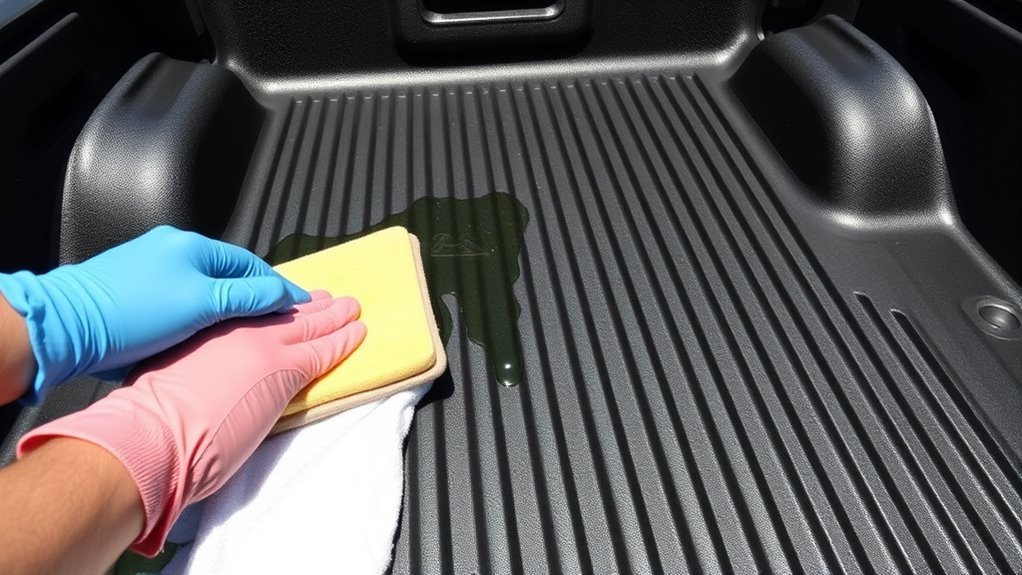
A ceramic conditioner or plastic-safe protectant can darken the bed surface and make future cleanup easier, but it should be used carefully. Products made for vinyl, rubber, and plastic trim can behave differently on a textured truck bed than they do on smooth trim. Always test a small hidden area first and let it dry before coating the whole bed.
For reliable coverage, work in small sections and apply the product to a microfiber applicator or towel instead of spraying heavily across the bed. Spread it in thin, overlapping strokes across textured areas, seams, and grooves. Do not flood the surface. Too much product can leave streaks, collect dust, or make the bed slippery.
After application, wipe off extra product with a clean microfiber towel. Chemical Guys’ HydroShield guidance recommends wiping off extra residue for a smooth, dry-to-the-touch finish and letting the product cure for two to three hours when using that product line. If you use a different ceramic conditioner, follow the label’s dry time and cure time exactly.
Note: Skip protectant on the bed floor if you haul loose cargo that must not slide. A clean, dry, non-greasy surface is safer than a glossy one.
[Products Worth Considering]
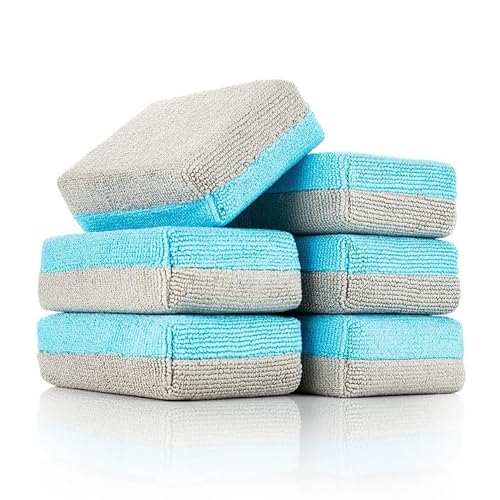
ZERO PRODUCT WASTE: Internal barrier prevents coatings, sealants, and dressings from soaking through the sponge. Each microfiber applicator pad is designed to give you long-lasting results with no wasted product. Keeps your coating at the top for easy, even application across vehicle panels

EVEN APPLICATION - Our microfiber applicators provide a nice even application experience, reducing high spots.

SUITABLE SIZE : 3.15x1.58x1.38 inch is small enough for tight area, fits easily into complex angles and frame corners for maximum material coverage,comfortable to grip.
Dry, Inspect, and Fix Small Problems
Once the final rinse is done, dry the bed with microfiber towels or let it air-dry with the tailgate open. Pay attention to corners, tie-down points, drain paths, accessory mounts, and the area under a rubber mat or drop-in liner. Trapped moisture and grit can cause odors, staining, or corrosion on exposed metal hardware.
Inspect the bed in good light. Look for deep gouges, lifted spray-in liner edges, worn spots, loose accessories, stains that need a second cleaning pass, and any exposed metal on brackets, bolts, or rails. Small problems are easier to correct before they spread. If a spray-in liner is peeling, bubbling, or cut through, contact the installer or manufacturer rather than trying to hide it under a coating.
Common Problems & a Maintenance Schedule to Keep It Looking New
Because your Tacoma bed liner takes the brunt of hauling and weather, watch for fading, UV damage, scratches, gouges, worn high-contact zones, oily stains, and embedded dirt. Clean chemical spills quickly. LINE-X warns that chemicals such as chlorine can bleach a bedliner if left on the surface for too long, and the same common-sense rule applies to Tacoma beds, mats, and accessories.
- After messy hauling: Rinse mud, mulch, salt, fertilizer, fuel, oil, and yard chemicals as soon as possible.
- Monthly for work trucks: Wash with automotive soap, brush the texture, rinse, and inspect tie-downs and seams.
- Every 3–6 months for normal use: Deep clean, remove the rubber mat if equipped, and check for trapped grit underneath.
- Every 6–12 months: Reapply a tested non-greasy protectant if the surface benefits from it and still feels safe underfoot.
- Before selling or trading: Deep clean, dry, and correct minor stains so the bed looks cared for.
Mistakes That Can Damage a Tacoma Bed Liner
- Using too much pressure: High pressure can lift weak edges, scar softer accessories, or force water into places it should not go.
- Letting degreaser dry: Dried chemicals can leave haze, streaking, or discoloration.
- Using harsh solvents: Gasoline, lacquer thinner, acetone, and brake cleaner are too aggressive for routine bed liner care.
- Scrubbing with metal: Wire brushes and metal scrapers can gouge the surface and expose vulnerable areas.
- Coating over dirt: Protectant traps grime if the bed is not fully clean and dry first.
- Ignoring mats and drop-in liners: Dirt under a mat can grind into the bed every time cargo shifts.
Frequently Asked Questions
How do you clean a rubber truck bed mat?
Remove the rubber mat from the Tacoma bed, shake or sweep off loose grit, rinse both sides, wash it with mild automotive soap and water, scrub with a nylon brush, rinse thoroughly, and let it dry flat before reinstalling it. Also clean and dry the bed underneath before putting the mat back.
What is the best thing to clean a truck bed cover with?
Use pH-balanced automotive soap, water, and a microfiber towel or soft brush. For vinyl tonneau covers, avoid harsh degreasers, petroleum solvents, and stiff brushes unless the cover manufacturer specifically allows them. Rinse well and apply only a cover-safe protectant.
Can you pressure wash a Tacoma bed liner?
Yes, but use caution. Start with a hose or low setting, use a wide fan spray, keep the nozzle moving, and stay at least 12–24 inches away. For aftermarket spray-in liners, follow the liner brand’s pressure guidance. Avoid direct high-pressure spray near outlets, cameras, wiring, seams, and loose edges.
Does a Toyota Tacoma need an extra bed liner?
Many Tacoma models already have a durable factory composite bed surface, so an extra liner is not always necessary. Add a rubber mat, drop-in liner, bed rug, or spray-in liner if you want more grip, cushioning, impact protection, or a specific look for your hauling needs.
What cleaners should you avoid on a Tacoma bed liner?
Avoid bleach, chlorine cleaners, gasoline, acetone, paint thinner, lacquer thinner, brake cleaner, abrasive powders, and greasy tire dressing. These can stain, dry out, soften, discolor, or leave the bed too slick for safe loading and stepping.
How often should you clean a Tacoma bed liner?
Clean it after messy hauling and deep clean it every 3–6 months for normal use. Work trucks, off-road trucks, and trucks that haul salt, fertilizer, mulch, oil, tools, or chemicals may need monthly cleaning and more frequent inspections.
Conclusion
A clean Tacoma bed liner is not hard to maintain when you keep the process gentle: rinse first, wash with automotive soap, spot-treat grime, scrub with nylon bristles, rinse completely, and dry the bed before adding any protectant. Use low pressure, avoid harsh solvents, and clean spills quickly. With consistent, simple care, your Tacoma bed stays useful, sharp-looking, and ready for the next haul.
Sources
- Toyota Tacoma official page — supports the Tacoma factory Sheet-Molded Composite bed surface description.
- Toyota Owners Manual: Cleaning and protecting the vehicle exterior — supports cautions around high-pressure washing near cameras, connectors, rubber covers, and sensitive components.
- LINE-X: Maintaining Your Bedliner — supports soap-and-brush cleaning, wide fan pressure washing under 1,000 PSI, and quick cleanup of chemical spills.
- Rhino Linings FAQ — supports regular bedliner cleaning with car soap, hose rinsing, and careful pressure washer use for stubborn debris.
- Chemical Guys Hydro Line application guide — supports HydroShield application, wiping off excess, shaded work, and cure-time guidance.
- U.S. EPA Stormwater Best Management Practice: Vehicle Maintenance and Washing — supports runoff precautions, detergent use limits, and directing wash water away from storm drains.