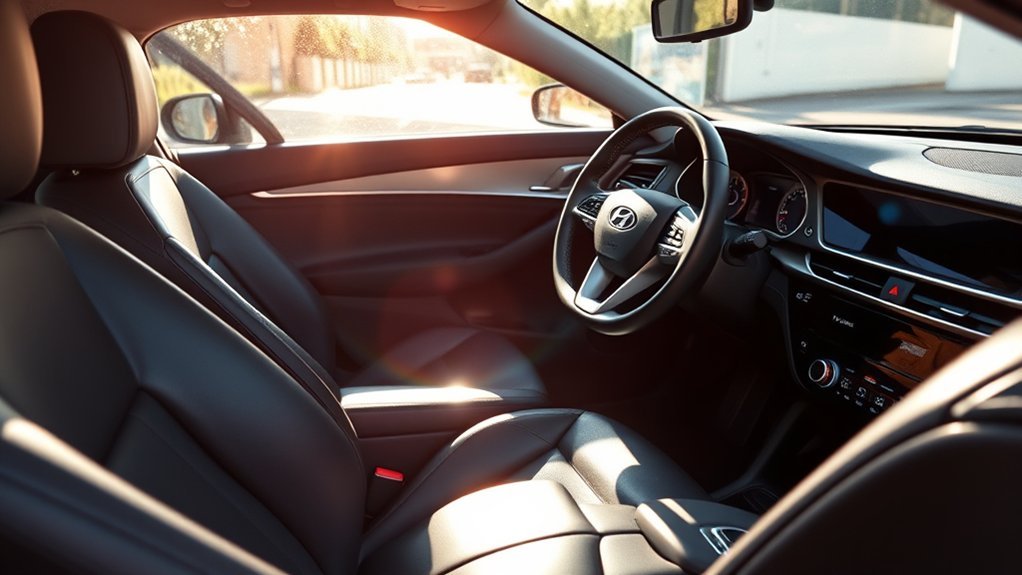
A clean Sonata interior starts with the surfaces you touch most: the steering wheel, door handles, shift lever, seat belt buckles, touchscreen area, window switches, and climate controls. For normal personal use, regular cleaning is usually enough. Disinfect high-touch hard surfaces when someone has been sick, when a higher-risk occupant may benefit from extra precautions, or when another situation specifically calls for disinfection. When you do disinfect, use an EPA-registered product that is compatible with the surface and follow its label exactly.
Last reviewed: September 16, 2026 — updated against current CDC, EPA, Hyundai, and disinfectant-label guidance.
Quick Answer
To care for high-touch surfaces in your Sonata, remove visible dirt with a surface-safe cleaner first. Routine cleaning is sufficient in most everyday situations. When disinfection is needed, use an EPA-registered disinfectant whose label permits the surface and use site, keep the approved surface visibly wet for the full contact time, and follow the label for application, drying, wiping, or rinsing. Never spray ordinary interior cleaner or disinfectant directly onto the touchscreen, ports, switches, or other electronics.
Key Takeaways
- For normal use, clean high-touch surfaces regularly; CDC guidance does not call for routine disinfection after every drive.
- Disinfect when someone has been sick or when extra precautions are appropriate for a higher-risk occupant.
- Use products only on surfaces allowed by both the product label and your Hyundai care guidance.
- Contact time matters: an approved surface must remain wet for the disinfectant label’s specified time.
- Treat the touchscreen, leather, seat-belt webbing, switches, ports, and other sensitive materials more carefully than ordinary hard plastic trim.
At a Glance
| Normal personal use | Clean high-touch surfaces regularly and whenever they are visibly dirty. |
| After illness | Clean first, then disinfect compatible high-touch hard surfaces. |
| Higher-risk occupant | Consider more frequent cleaning or disinfection based on the person’s needs and current public-health guidance. |
| Sensitive surfaces | Follow Hyundai or device-specific cleaning instructions before using a disinfectant. |
Essential Steps to Disinfect Your Sonata
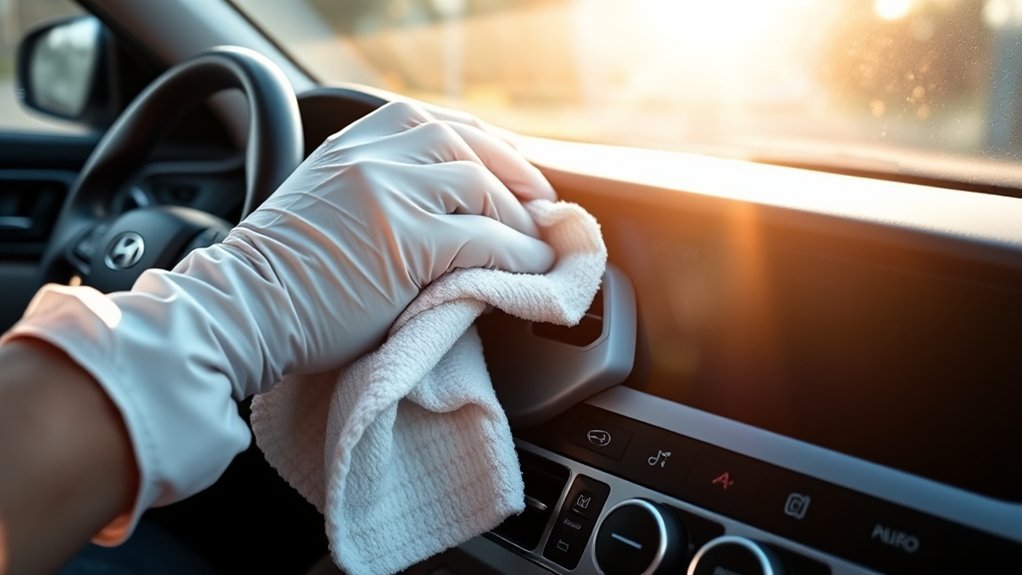
When disinfection is actually needed, focus on the hard surfaces hands touch repeatedly. In a Sonata, that can include the steering wheel controls, interior door handles, shift lever, start button, climate controls, window switches, hard portions of seat belt buckles, cupholder edges, trunk release, and key fob. Material and equipment can vary by model year and trim, so use your exact Sonata owner’s manual when a surface requires special care.
- Remove loose dirt first. Vacuum crumbs and dust, then clean visible grime with a damp microfiber cloth or a mild cleaner that is safe for the material.
- Choose a compatible disinfectant. Look for an EPA registration number and confirm that the label permits the surface type, use site, and pathogen claim you need.
- Follow the label’s application method. EPA-registered disinfectants must be used according to their directions. Do not substitute a spray, wipe, or cloth-application method unless the label allows it.
- Protect electronics. Do not spray liquid directly onto the touchscreen, switches, charging ports, speakers, vents, seams, or other electronic components. Follow Hyundai or device-specific cleaning instructions for these areas.
- Keep approved surfaces wet for the full contact time. Contact time, also called dwell time, is the amount of time the disinfectant must remain wet on the surface to meet its label claim.
- Finish exactly as directed. After the contact time is complete, follow the label for air-drying, wiping, rinsing, or any other required finishing step.
Warning: Never soak seat belts, leather, switches, screens, speakers, charging ports, or steering-wheel controls. Hyundai’s interior-care guidance warns that water or other liquids can damage electrical and electronic components inside the vehicle, and it recommends neutral detergents or low-alcohol solutions for leather rather than high-alcohol, acidic, or alkaline cleaners.
[Products Worth Considering]
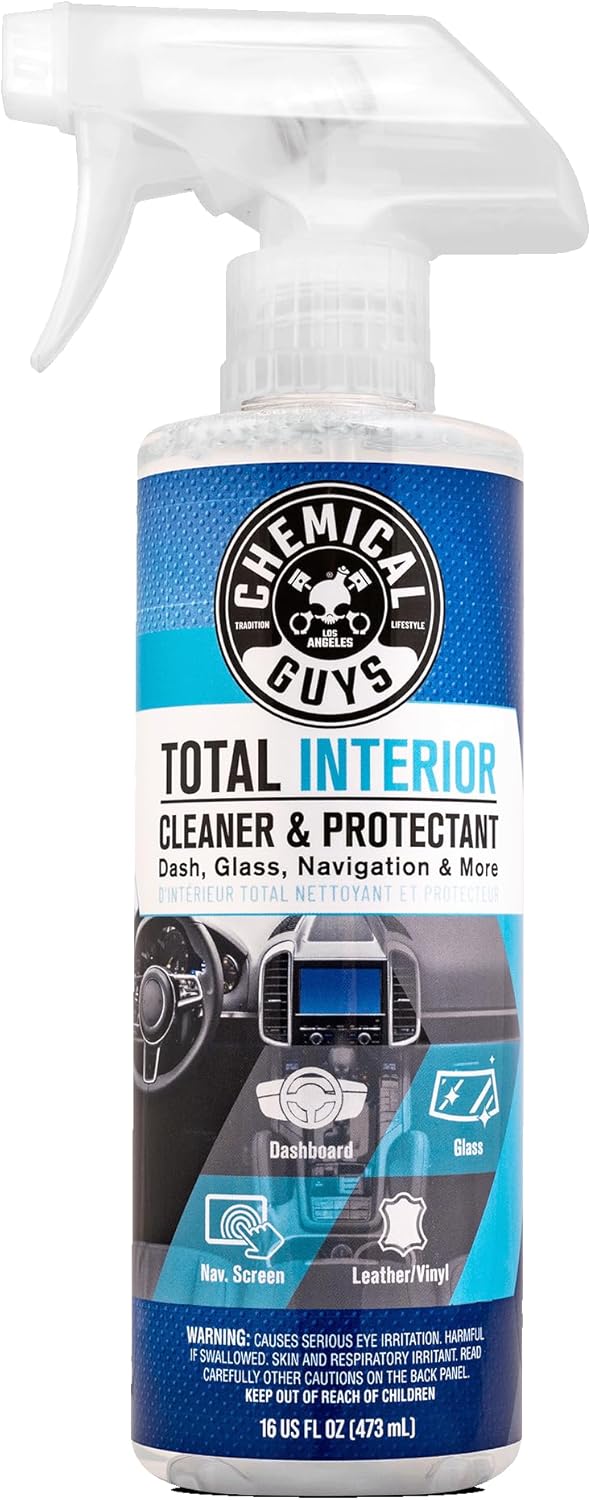
Chemical Guys Total Interior Cleaner, Protectant & Car Detailer is an all-in-one solution for cleaning and protecting your vehicle's interior surfaces. It safely lifts dirt, dust, body oils, and grime from leather, vinyl, plastic, rubber, glass, dashboards, door panels, seats, trim, and screens while leaving a fresh, natural-looking finish. Designed for quick spray-and-wipe use, it helps resist everyday wear and keeps interiors looking clean, streak-free, and factory fresh.

Armor All Multi-Purpose Car Cleaner Spray delivers an all-in-one clean for interior surfaces, helping restore that just-detailed look throughout your vehicle. It is designed for dashboards, vinyl, fabric, carpet, clear plastic, and consoles, and it helps remove tough dirt, dust, grime, and stubborn stains while providing odor control. Scientifically engineered for automotive surfaces, this cleaner helps refresh your car interior without drying out or damaging delicate materials.
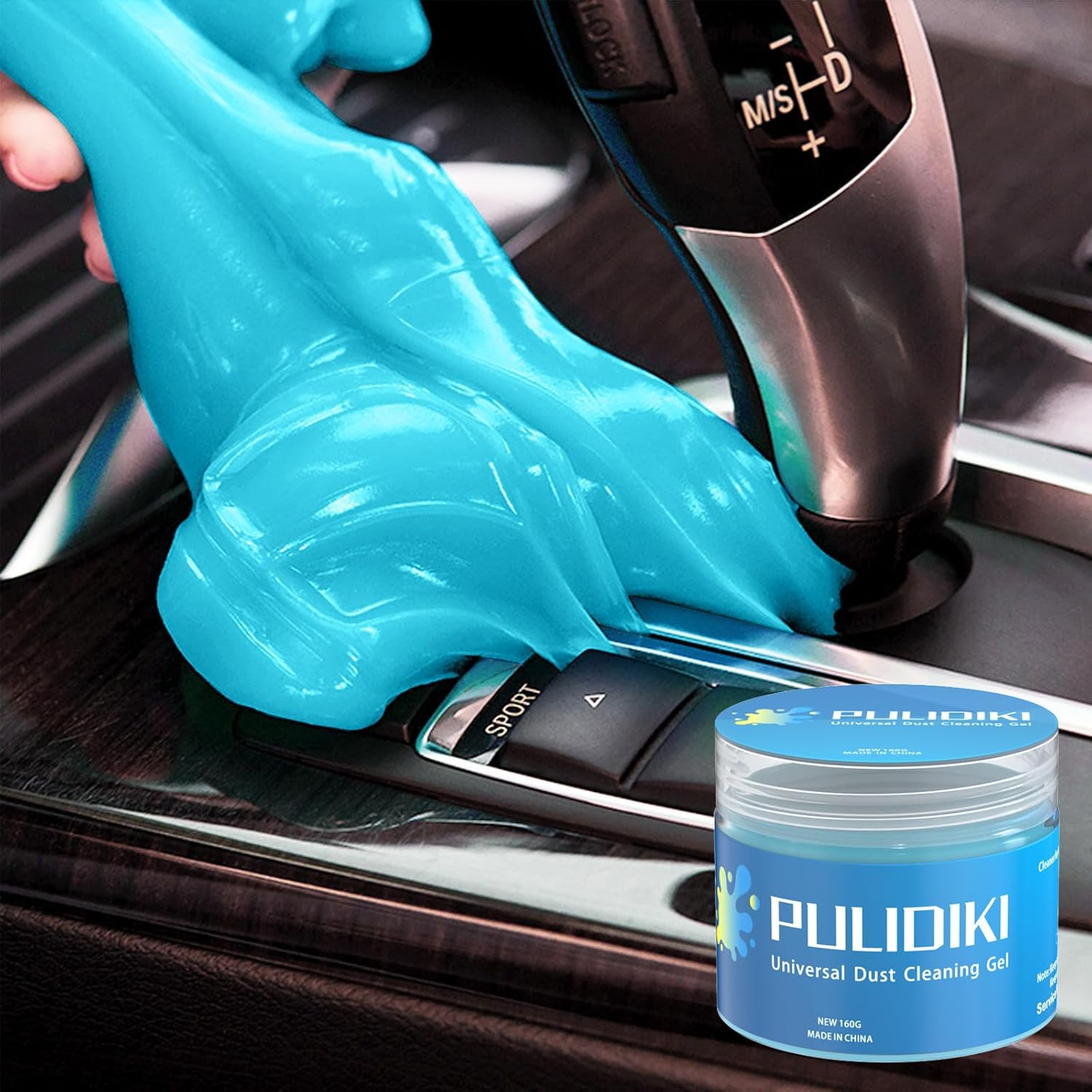
PULIDIKI Car Cleaning Gel is a reusable detailing putty designed to lift dust and debris from hard-to-reach spots inside your vehicle. It helps clean air vents, cup holders, dashboards, and other tight spaces while also working on keyboards, remotes, and other water-resistant surfaces. Made with a lavender scent and natural materials, it offers a simple, mess-free way to keep your car and everyday electronics looking tidy.
Which Sonata Surfaces Need the Most Attention?
High-touch areas collect the most skin oils, dirt, and repeated hand contact. That makes them the first places to clean and, when disinfection is warranted, the most useful places to target.
| Area | Best Approach | Important Caution |
|---|---|---|
| Steering wheel | Clean first. Disinfect only with a product compatible with the wheel material. | Hyundai warns against high-alcohol, acidic, or alkaline cleaners on leather. |
| Door and grab handles | Clean regularly; disinfect after illness or when additional precautions are warranted. | Do not let liquid run into switches, seams, or trim gaps. |
| Shift lever and start button | Use a compatible cleaner or disinfectant according to its directions. | Keep excess moisture away from surrounding controls and seams. |
| Touchscreen and infotainment controls | Follow Hyundai’s display-cleaning guidance; for routine care, use the method in the Sonata touchscreen cleaning guide. | Never spray the display directly. Do not use a disinfectant unless its label and the display-care instructions both permit it. |
| Seat belt buckles and latch plates | Clean hard plastic and metal portions carefully; disinfect compatible hard surfaces when needed. | Do not saturate the belt webbing or leave it damp. |
| Key fob | Wipe the outer shell and buttons with minimal moisture. | Keep liquid away from seams and the battery compartment. |
Pro Tip: Use separate clean cloths for dirty pre-cleaning and final surface care. Once a microfiber cloth becomes visibly soiled, switch to a clean section or a fresh cloth rather than moving the residue to another surface.
What Is the Difference Between Cleaning and Disinfecting?
Cleaning and disinfecting are different jobs. The CDC explains that cleaning removes germs, dirt, and impurities from surfaces. Disinfecting uses registered chemical products to kill remaining germs. CDC guidance also says that, in most routine situations, cleaning alone can remove most harmful viruses or bacteria; additional disinfection is especially appropriate when someone has been sick.
What Cleaning Does
Cleaning removes dust, body oils, food residue, sticky films, and other visible soil. For many Sonata interior surfaces, this should be the normal first-line routine. Hyundai’s interior-care guidance recommends removing dust and loose dirt first and using a mild cleaner appropriate for the material, with a hidden-area test when needed.
What Disinfecting Does
Disinfecting is a targeted germ-killing step. Use it when the situation warrants it, such as after a sick occupant or when a person at higher risk may benefit from additional precautions. The disinfectant must be approved for the surface and used exactly according to its label, including application method, contact time, ventilation, and any wiping or rinsing directions.
Contact time is part of the disinfectant directions, not an optional waiting period. If a label requires four minutes of visible wetness, wiping the surface dry after 30 seconds does not follow that disinfection direction.
How Long Can Germs Stay on Car Surfaces?
There is no single useful survival time for every germ in a vehicle. Survival varies with the organism, surface, temperature, humidity, sunlight, contamination level, and other conditions. A practical cleaning decision should not depend on a generic claim that “germs live for X hours.”
For everyday respiratory-virus prevention, current CDC hygiene guidance emphasizes regular cleaning of frequently touched surfaces along with hand hygiene and cough/sneeze etiquette. If someone has been sick, targeted disinfection of compatible high-touch hard surfaces becomes more useful.
Note: Do not chase a perfectly “germ-free” cabin. Clean high-touch areas regularly, address spills and visible dirt promptly, and add disinfection when the situation actually calls for it.
What Disinfectant Should You Use in a Sonata?
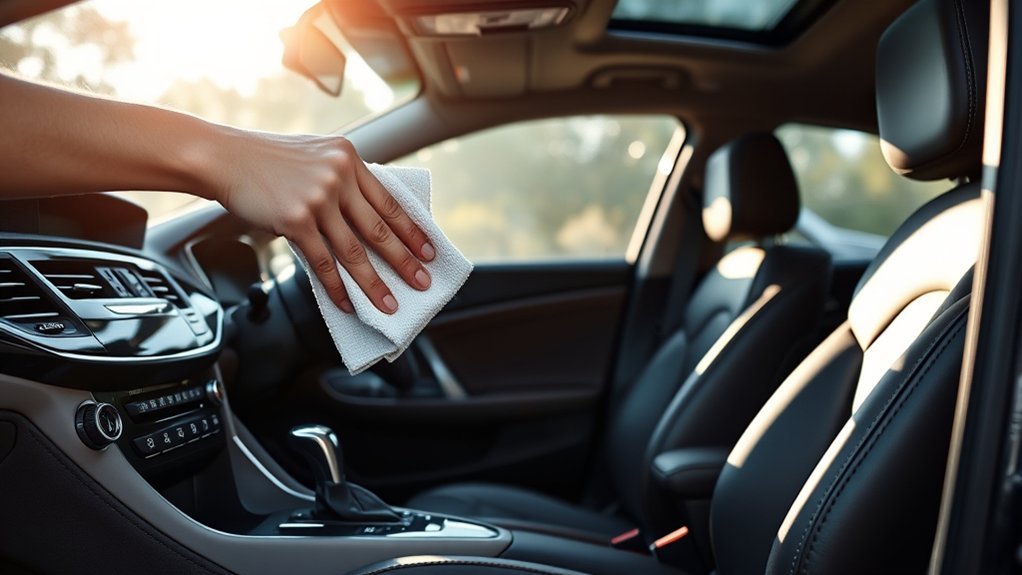
The best choice is not automatically the strongest chemical. Select an EPA-registered disinfectant that is labeled for the organism or purpose you are targeting and permitted for the actual surface you intend to treat. Check the EPA registration number, surface type, use site, application method, contact time, required protective equipment, ventilation directions, and finishing instructions.
If your specific concern is SARS-CoV-2, the EPA List N tool contains products that meet EPA’s criteria for use against the virus. A product being EPA-registered does not mean it is safe for every surface inside your Sonata.
| Product Type | Potential Use | What to Check |
|---|---|---|
| EPA-registered disinfectant wipes | Compatible hard, non-porous touchpoints | EPA Reg. No., surface approval, pathogen claim, contact time, and material compatibility |
| EPA-registered disinfectant spray or aerosol | Only surfaces and application methods specifically permitted by the label | Vehicle/use-site directions, spray method, ventilation, distance, contact time, and prohibited materials |
| Mild interior cleaner | Routine removal of oils, dirt, and residue | Do not assume it disinfects unless the label has an EPA-registered disinfectant claim |
| Screen-safe cleaning method | Touchscreen and glossy electronic displays | Follow Hyundai/display instructions; avoid direct spraying and unapproved solvents |
| Soft-surface disinfectant | Only porous materials specifically named on the product label | Porous-surface approval, colorfastness, drying time, and any rinsing requirements |
One current-label example is Armor All Disinfectant Wipes. The U.S. product page lists a four-minute visibly wet contact time for its disinfection and virucidal directions on applicable hard, non-porous surfaces. That four-minute figure belongs to that product’s directions; it is not a universal contact time for other disinfectants.
[Products Worth Considering]

This GSPSCN portable air compressor delivers fast, reliable inflation for a wide range of vehicles, making it a practical companion for road trips, emergencies, and everyday tire maintenance. Its dual-cylinder direct-drive design helps provide powerful airflow with quieter operation, while the long power cord and air hose improve reach and convenience. A complete accessory kit and durable metal construction add versatility and long-term value for inflating tires, sports gear, and more.

The XINDELL Interior Windshield Cleaner Tool makes it easy to clean car glass inside and out with an extendable handle and 180° pivoting head for better reach and streak-free results. Designed for auto detailing and home windows, it includes reusable microfiber pads and a wash sponge for dry or wet cleaning, helping remove dust, fog, grime, and smudges with less effort.

Interior Car Wipes: One 90 count canister of Armor All wipes for car interior; a car essentials to your car cleaning kit
Routine Hygiene Practices for Your Vehicle
You do not need to disinfect your Sonata after every trip. A more evidence-based routine is to clean frequently touched surfaces as needed and reserve chemical disinfection for situations where it adds a clear benefit.
A Practical Cleaning Routine
- Normal personal use: Clean the steering wheel, handles, controls, console, and other touchpoints regularly and whenever they are visibly dirty.
- Spills or sticky residue: Clean promptly with a product suitable for the affected material.
- After illness: Clean first, then disinfect compatible high-touch hard surfaces according to the disinfectant label.
- Frequent shared use: Clean passenger touchpoints more often. Add disinfection when someone has been sick or when another higher-risk circumstance warrants it.
- Leather, fabric, screens, and seat belts: Follow material-specific care instead of treating every surface with the same chemical.
Hand Hygiene Practices
Clean hands reduce the dirt and germs transferred to controls and other touchpoints. The CDC recommends washing with soap and water when possible. When soap and water are not available, use a hand sanitizer containing at least 60% alcohol and follow its directions.
Hand sanitizer is for hands; it is not a substitute for a surface disinfectant. Likewise, a disinfectant registered for vehicle or household surfaces should never be used on skin.
What About Shared Rides?
If your Sonata is used for ride-sharing, carpools, school pickup, or frequent passengers, clean the areas passengers repeatedly touch: exterior and interior handles, window switches, buckle buttons, rear door pulls, cupholders, and hard trim around the rear seating area. A higher passenger turnover can justify more frequent cleaning, but routine chemical disinfection is most useful after illness or another specific higher-risk exposure rather than automatically after every healthy passenger.
Maintaining a Cleaner Car Environment
No daily-use vehicle stays completely germ-free. A more realistic goal is a cabin that is clean, dry, and easy to maintain. Remove trash and food residue, clean spills promptly, wipe frequently touched areas before grime builds up, and avoid leaving damp materials in the cabin.
Good airflow also helps the cabin feel fresher. Replace the cabin air filter according to the maintenance guidance for your Sonata, remove damp towels or gym clothes, and let cleaned surfaces dry fully before the vehicle remains closed for a long period.
Note: EPA-registered surface disinfectants are intended for labeled surfaces, not for people. Keep them away from children and follow all storage, ventilation, protective-equipment, and disposal directions on the label.
When Should You Disinfect More Often?
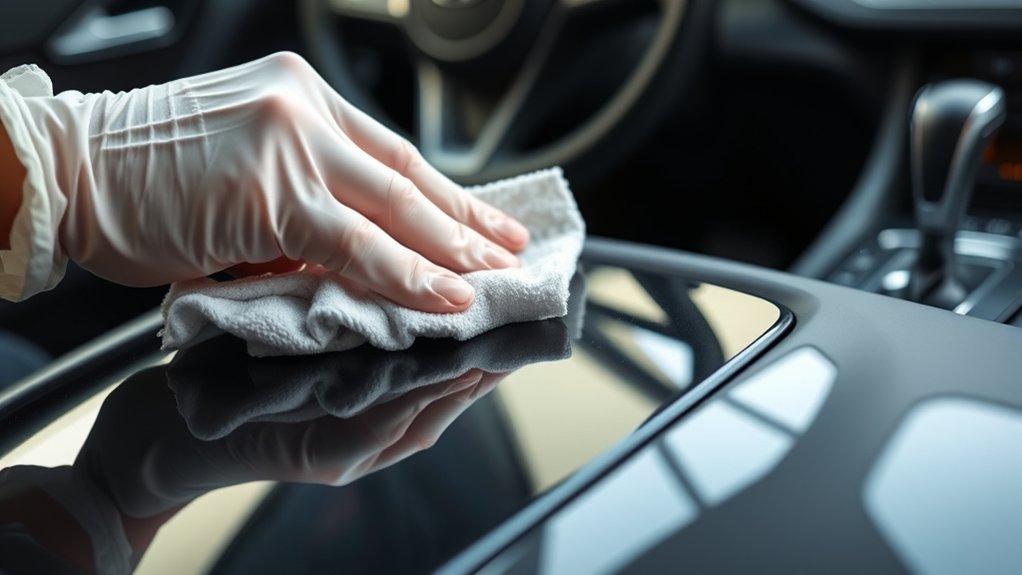
You do not need to disinfect every surface whenever you drive. Current CDC guidance makes the trigger more specific: regular cleaning is appropriate for routine conditions, while additional disinfection is particularly useful when someone has been sick or when a person at higher risk may benefit from extra precautions.
After Illness Exposure
If a sick person has used the vehicle, clean dirt and residue from high-touch areas first. Then disinfect compatible hard, non-porous surfaces using an EPA-registered product according to its label. Avoid automatically treating leather, fabric, screens, or seat-belt webbing with the same product.
| Situation | Recommended Action |
|---|---|
| Normal personal use | Clean high-touch surfaces regularly; routine disinfection after every trip is unnecessary. |
| Someone sick rode in the car | Clean first, then disinfect compatible high-touch hard surfaces. |
| Visible dirt, spills, or sticky residue | Clean the material promptly; add disinfection only when it is otherwise warranted. |
| Frequent passenger turnover | Clean passenger touchpoints more frequently and disinfect when illness or higher-risk circumstances justify it. |
| Higher-risk occupant | Consider additional cleaning or disinfection based on current health guidance and the person’s needs. |
Frequent Passenger Changes
Frequent passenger changes put more hands on handles, switches, buckle buttons, cupholders, and rear-seat trim. A small cleaning kit can make routine cleaning easier, but store and use chemicals according to their labels. Do not leave products in conditions prohibited by the manufacturer, and do not assume that a disinfecting wipe is compatible with every material in the cabin.
During Respiratory-Virus Season
During periods of increased respiratory illness, place extra emphasis on hand hygiene, cough and sneeze etiquette, regular cleaning of frequently touched surfaces, and staying home when sick when possible. Surface disinfection can be useful in the right circumstances, but it should complement—not replace—these broader hygiene measures.
Tips for Effective Disinfection
The label and surface material should control your technique. These steps help reduce both cleaning mistakes and unnecessary interior damage:
- Read the label every time. Check approved surfaces, use sites, pathogens, application method, contact time, required ventilation, protective equipment, rinsing, and disposal directions.
- Clean visible soil first. Dirt and debris can interfere with disinfectant performance.
- Follow the approved application method. Do not convert a spray product into a cloth application, or vice versa, unless the directions permit it.
- Protect electronics. Never spray ordinary cleaner or disinfectant directly into screens, ports, switches, speakers, vents, or seams.
- Do not mix cleaning products. EPA warns against mixing cleaners or disinfectants because incompatible chemicals can create dangerous reactions or vapors.
- Ventilate as directed. Opening doors or windows can reduce exposure to cleaning-product vapors when appropriate, but always follow the product label first.
- Spot-test sensitive materials. Test a cleaner on a concealed area when the vehicle-care instructions recommend doing so.
- Use enough product for contact time. A surface cannot meet a wet-contact requirement if it dries before the required time.
Common Mistakes to Avoid
Most interior-cleaning problems come from treating every material the same way or ignoring the product directions. Avoid these mistakes:
- Disinfecting after every normal drive. Regular cleaning is generally enough for routine use.
- Using a disinfectant on a surface the label does not cover. EPA registration does not make a product universally safe for leather, fabric, displays, or vehicle electronics.
- Spraying the touchscreen or switches directly. Moisture can enter edges, gaps, or electronic components.
- Using high-alcohol, acidic, or alkaline cleaners on Hyundai leather. Hyundai warns that these can fade the color or strip the leather surface.
- Changing the label’s application method. A product tested as a spray should not automatically be treated as a wipe-on product.
- Wiping before contact time is complete. Removing the product early can prevent it from meeting its disinfectant claim.
- Mixing products. Never combine different cleaning or disinfecting chemicals unless the manufacturer explicitly directs it.
Surface-by-Surface Safe Cleaning Guide
| Surface | Recommended Method | Avoid |
|---|---|---|
| Plastic trim | Use a mild compatible cleaner for routine care. When disinfection is needed, use an approved product on hard, non-porous areas exactly as labeled. | Abrasive pads, strong solvents, and unapproved disinfectants. |
| Leather steering wheel or seats | Follow Hyundai leather-care guidance; use neutral detergent or a low-alcohol solution only when appropriate for the material and directions. | High-alcohol, acidic, alkaline, bleach-based, or otherwise incompatible cleaners. |
| Touchscreen | Use the Hyundai/display-approved cleaning method; start with a clean, soft microfiber cloth. | Direct sprays and any chemical not approved for the display. |
| Fabric seats | Vacuum and use a material-compatible upholstery cleaner. Use a porous-surface disinfectant only when its label specifically permits the fabric and disinfection is needed. | Over-wetting or applying a hard-surface disinfectant to fabric. |
| Seat belt webbing | Follow the Sonata owner’s manual for cleaning the belt material and allow it to dry fully before use. | Soaking, harsh chemicals, or stiff scrubbing that could damage the webbing. |
[Products Worth Considering]
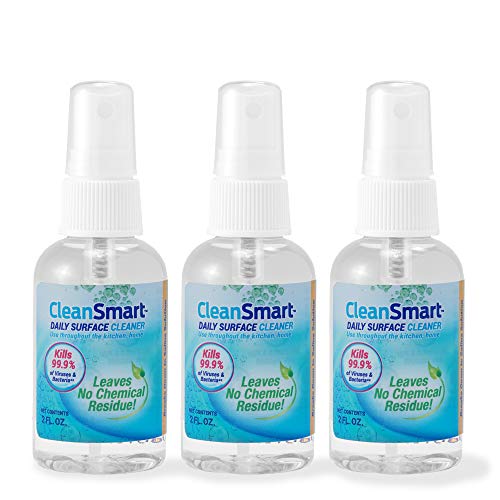
2-OZ DISINFECTANT SPRAY is TSA-approved for air travel. Spray on airplane tray tables, restroom, with NO harsh fumes or lingering odor. Baby and pet-friendly

INVISIBLE ODORLESS CLEANING (SPI_993_16): Nonsense delivers powerful odorless cleaning for interior and exterior detailing; the invisible formula removes grime and residue from vinyl, rubber, plastic, carpet, upholstery, and engine bay areas with consistent results.

Fine-Mist Aerosol Application: Enjoy quick, even coverage across interior trim with a controlled mist; this ready-to-use interior detailer spray makes routine cabin care simple and efficient
Quick Safety Checklist Before You Finish
- Use routine cleaning—not automatic chemical disinfection—as the normal baseline.
- Disinfect compatible high-touch hard surfaces after illness or when another higher-risk situation warrants it.
- Check both the product label and the vehicle/material guidance before treating leather, fabric, screens, or electronics.
- Observe the full contact time and the label’s required application and finishing method.
- Keep excess liquid away from electronic controls, ports, seams, and displays.
Frequently Asked Questions
How do I disinfect high-touch surfaces in my Sonata?
Clean visible dirt first. Then, when disinfection is needed, use an EPA-registered product that is approved for the surface and follow its application method, contact time, ventilation, and finishing directions. Focus on compatible hard touchpoints such as handles, controls, the shifter area, buckle hardware, and other frequently handled trim.
Do I need to disinfect my Sonata every day?
Usually no. CDC guidance says regular cleaning is sufficient in most routine situations. Disinfection is more appropriate when someone has been sick, when a higher-risk occupant may need additional precautions, or when another specific exposure or product-use situation calls for it.
What disinfectant should I use on high-touch car surfaces?
Use an EPA-registered disinfectant whose label permits the surface, use site, and pathogen claim you need. Check the EPA registration number, application method, contact time, safety directions, and material compatibility before treating any Sonata interior surface.
Can I use alcohol wipes on my Sonata interior?
It depends on the material and product. Hyundai warns that high-alcohol cleaners can fade or strip leather surfaces and recommends neutral detergents or low-alcohol solutions for leather. For plastic, displays, and other trim, follow the exact Sonata care instructions and the wipe’s product label rather than assuming alcohol is safe everywhere.
Can I spray disinfectant on the Sonata touchscreen?
Do not spray ordinary cleaner or disinfectant directly onto the touchscreen. Follow Hyundai’s display-cleaning instructions first. Use a disinfectant on the display only if both the product label and the screen-care guidance specifically permit that use.
What does disinfectant contact time mean?
Contact time is the amount of time an approved surface must remain visibly wet with the disinfectant for the product to meet the germ-killing claim on its label. The required time varies by product, so use the exact number printed on the label rather than a universal rule.
Conclusion
Keeping your Sonata hygienic does not require disinfecting the entire cabin every day. Start with regular cleaning of high-touch areas. When illness or another higher-risk situation makes disinfection appropriate, choose an EPA-registered product that is compatible with the surface and follow every label direction, especially the application method and contact time.
Be more conservative around leather, seat belts, touchscreens, switches, ports, and other electronics. Hyundai’s care instructions and the disinfectant label should take priority over generic internet cleaning advice. That approach keeps the cabin cleaner while reducing the chance of unnecessary chemical or moisture damage.
Sources
- CDC — Cleaning and Disinfecting — when routine cleaning is sufficient, when disinfection is appropriate, and why surfaces should be cleaned first
- CDC — Hygiene and Respiratory Viruses Prevention — hand hygiene, cough and sneeze etiquette, and regular cleaning of frequently touched surfaces
- U.S. EPA — List N Tool — EPA-registered products meeting criteria for use against SARS-CoV-2 and filters for surface type and contact time
- U.S. EPA — Biological Contaminants and Indoor Air Quality — label directions, surface compatibility, contact time, ventilation, and chemical-mixing cautions
- Hyundai Owner’s Manual — Interior Care — interior-material and electronic-component cleaning cautions
- CDC — Hand Sanitizer Guidelines — handwashing guidance and at least 60% alcohol sanitizer when soap and water are unavailable
- Armor All — Disinfectant Wipes — current product-specific hard-surface directions and four-minute wet contact-time example