Last updated: July 31, 2026 · Reviewed against current Hyundai, NHTSA, Bridgestone, and AAA tire guidance.
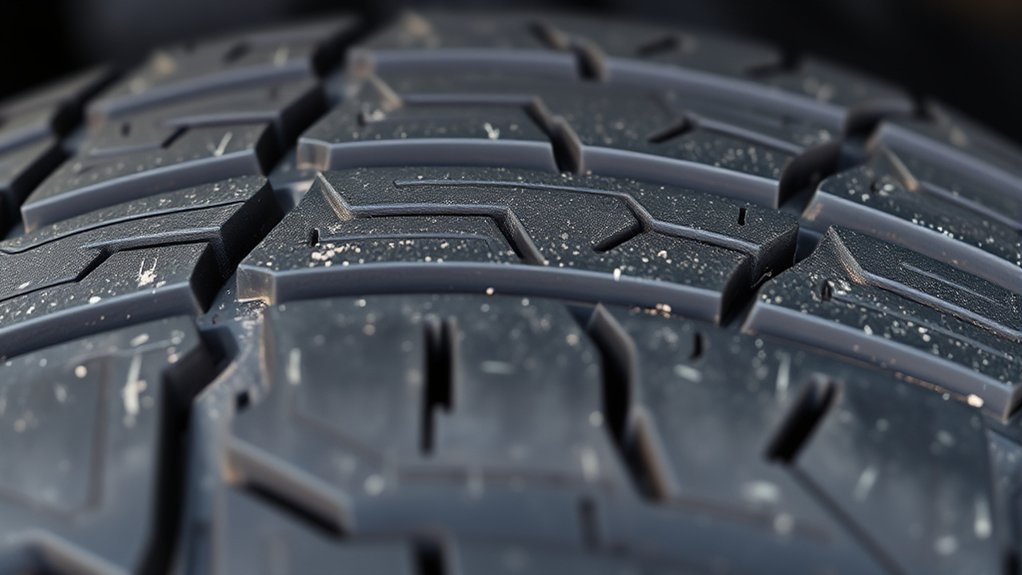
Hyundai Sonata uneven tire wear usually points to incorrect cold tire pressure, wheel alignment, wheel balance, missed rotations, or worn steering and suspension parts. Center tread wear commonly suggests over-inflation, wear on both shoulders suggests under-inflation, one-sided inner or outer wear suggests an alignment or worn-part problem, and cupping can indicate imbalance or poor suspension control. Inspect all four tires and record the pattern before rotating them or changing pressure so you do not erase useful diagnostic clues.
Quick Answer
To diagnose tire wear on your Hyundai Sonata, compare the inner shoulder, center, and outer shoulder of all four tires. Check for center wear, both-edge wear, one-sided shoulder wear, feathering, cupping, flat spots, cracks, bulges, exposed cords, and low tread depth. Correct cold pressure first. Then arrange an alignment, balance, brake, wheel, or suspension inspection if the pattern or driving symptoms point beyond inflation.
Key Takeaways
- Check Sonata tire pressure after the car has been parked for at least three hours. Use the cold PSI on the driver-side door placard, not the maximum cold pressure molded into the tire sidewall.
- Center tread wear commonly suggests over-inflation, while faster wear on both outer shoulders commonly suggests under-inflation.
- Inner or outer shoulder wear, feathering, pulling, or an off-center steering wheel calls for an alignment and steering/suspension inspection.
- Cupping or scalloped tread can point to worn shocks, struts, bushings, wheel imbalance, alignment problems, or damage from a pothole or curb impact.
- Fixing pressure, alignment, balance, or suspension can prevent more abnormal wear, but it cannot restore tread that is already gone.
- The 2026 U.S. Sonata owner’s manual lists tire rotation every 8,000 miles or 12 months, whichever comes first, and sooner if irregular wear develops. Confirm the interval for older model years.
- Replace a tire at 2/32 inch of tread depth at the latest, and consider replacement sooner when the tread is near 4/32 inch and wet-road grip matters.
At a Glance
| Time Required | 10–15 minutes for a basic inspection |
| Difficulty | Easy for visual checks; professional service needed for alignment, balancing, brake, wheel, or suspension diagnosis |
| Tools Needed | Tire pressure gauge, tread depth gauge or quarter/penny, flashlight, gloves, and a phone or notepad for recording measurements |
| Cost | Free for visual checks; alignment, balancing, tire replacement, or mechanical repairs vary by shop and location |
Hyundai Sonata Uneven Tire Wear: How to Identify the Cause
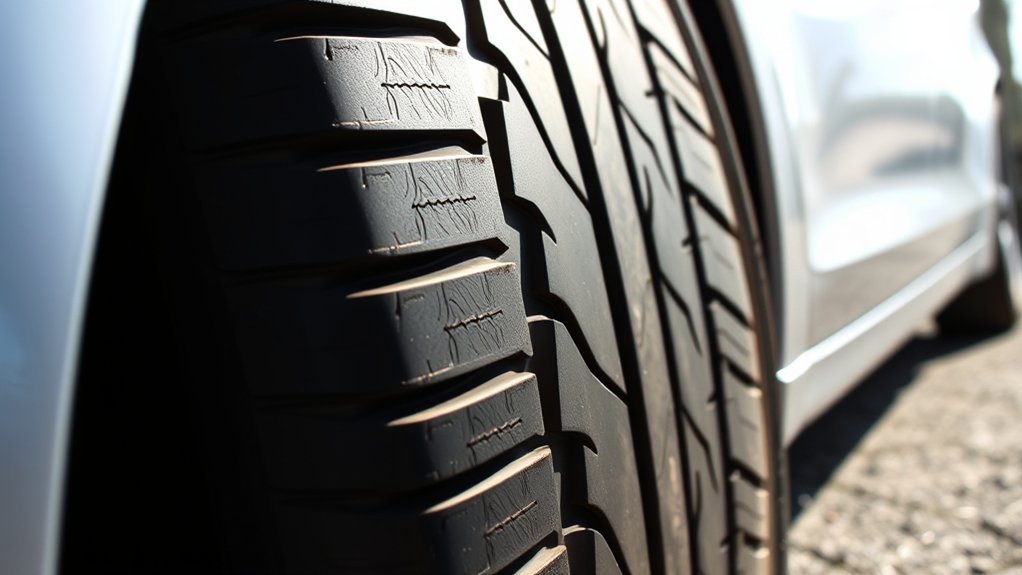
Park the Sonata on level ground and let the tires cool for at least three hours. Turn the steering wheel slightly so you can see more of the front tread, then inspect each tire from the outer shoulder to the inner shoulder. Look for uneven depth, smooth bald areas, saw-tooth edges, repeating dips, localized flat spots, cracks, bulges, nails, exposed cords, and sidewall damage.
Next, check cold tire pressure with a reliable gauge. Hyundai advises owners to monitor tire pressure because over-inflation and under-inflation can reduce tire life and affect handling and stopping. Hyundai also says tires may naturally lose 1 to 2 PSI per month. Use the pressure listed on the driver-side door placard or in the owner’s manual, not the maximum cold pressure printed on the tire. Hyundai tire safety guidance explains the pressure, TPMS, and tread checks.
Record These Measurements Before Changing Anything
- Cold PSI for the left-front, right-front, left-rear, and right-rear tires.
- Inner, center, and outer tread depth for each tire.
- Which tire has the lowest reading and where the low area appears.
- Whether the Sonata pulls, wanders, vibrates, hums, or has an off-center steering wheel.
- Recent events such as a pothole hit, curb impact, tire installation, rotation, or wheel repair.
Photograph each pattern and keep the measurements. They give an alignment or tire technician more useful evidence than a general description such as “the tires look uneven.”
Warning: Do not ignore a sidewall bulge, exposed cord, deep cut, rapid air loss, smoke, or vibration that appears suddenly. These can signal tire damage or a mechanical fault that needs inspection before highway driving.
Tire Wear Pattern Chart: What the Tread Is Telling You
Use this chart as a first-pass guide rather than a final diagnosis. More than one fault can produce a similar pattern, and a technician may need to check pressure, wheel runout, balance, alignment, brakes, steering, and suspension before confirming the cause.
| Wear Pattern | What You May Notice | Common Causes | Best Next Step |
|---|---|---|---|
| Center tread wear | Middle of the tread is smoother or shallower than both shoulders | Chronic over-inflation or a pressure/load mismatch | Set cold PSI to the door placard and measure remaining tread |
| Both-edge shoulder wear | Inner and outer shoulders wear faster than the center | Under-inflation, overloading, aggressive cornering, or worn parts | Correct PSI and inspect the tire for heat or structural damage |
| One-sided inner or outer shoulder wear | Only one edge of the tire wears quickly | Camber or toe problem; worn or bent steering/suspension parts | Schedule a four-wheel alignment and front/rear suspension inspection |
| Feathering or saw-tooth tread | Tread blocks feel smooth in one direction and sharp in the other | Toe alignment out of specification or looseness affecting toe | Have toe and related steering parts measured |
| Cupping or scalloping | Dips or scooped patches repeat around the tire | Worn shocks or struts, imbalance, wheel runout, alignment, or missed rotations | Inspect suspension, balance, wheel condition, alignment, and tread safety |
| Patchy or diagonal wear | Random smooth spots or diagonal worn sections | Imbalance, worn parts, brake problems, wheel damage, or long rotation intervals | Inspect balance, wheel runout, brakes, suspension, and rotation history |
| Flat spot or localized bald patch | One section is much smoother and may cause a repeating thump | Hard braking, wheel lockup, prolonged storage, tire damage, or a brake fault | Inspect the tire and brakes; replace the tire if the spot is severe or unsafe |
Why Are My Sonata Tires Wearing on the Inner or Outer Edge?
When only the inner or outer shoulder wears faster, the tire may not be meeting the road at the correct angle. Camber, toe, or a combination of alignment angles may be involved. Worn ball joints, control-arm bushings, tie rods, struts, springs, or bent parts can also change the alignment while the vehicle is moving.
Driving symptoms may include pulling, an off-center steering wheel, highway wandering, or new uneven wear shortly after rotation. Bridgestone explains that improper alignment can produce one-sided shoulder wear, feathering, and heel/toe patterns. Bridgestone’s tread-wear guide also explains that alignment refers to steering and suspension angles, not an adjustment made to the tire itself.
If the wear returns after an alignment, ask the shop to check for looseness, bent wheels or parts, ride-height differences, and alignment changes under load. Request the before-and-after alignment printout and keep it with your pressure and tread-depth records.
Note: Do not diagnose inner wear as one exact toe condition or outer wear as another without measurements. A four-wheel alignment printout is the reliable way to compare camber, caster, and toe with the specifications for that vehicle.
[Products Worth Considering]

This smart color coded tire tread depth gauge makes it easy to check tread wear at a glance with clear red, yellow, and green ranges. Calibrated from 0 to 1 inch in 1/32 inch increments, it helps you quickly assess tire condition for safer driving and timely replacements. The pocket clip design makes it convenient to carry and use on trucks, motorcycles, cars, and other passenger vehicles.

The NOCO Boost GB70 is a compact yet powerful jump starter designed to safely revive dead 12V batteries in seconds. It combines UltraSafe spark-proof protection, a built-in power bank, and a bright LED flashlight in a rugged, portable design that fits easily in a glove box or emergency kit. Built for cars, trucks, SUVs, boats, motorcycles, and more, it delivers dependable emergency starting power whenever you need it.

This dual USB-C car charger kit provides fast, convenient charging for iPhone, iPad, Samsung, Pixel, and other USB-C devices while on the road. It includes two compact car chargers and two nylon-braided USB-C to USB-C cables for reliable everyday use. Built with dual-port charging, safety protections, and a durable all-metal design, it helps keep devices powered efficiently during travel.
Does Center Tread Wear Mean the Tire Is Over-Inflated?
Center tread wear commonly develops when a tire has been operated above the vehicle’s recommended pressure for long periods. On a Sonata, the center may become smoother or shallower while both shoulders retain more tread. Pressure history, load, tire construction, and driving conditions can affect how clearly the pattern appears, so confirm it with a gauge rather than relying on tread shape alone.
Check pressure when the tires are cold and adjust it to the driver-side door-placard specification. Do not bleed air from a hot tire simply because the reading increased after driving. Pressure rises as the tire warms. After correcting cold pressure, monitor the tread measurements over time. Correct pressure can slow additional abnormal wear, but it cannot replace rubber that has already worn away.
Does Wear on Both Tire Shoulders Mean Under-Inflation?
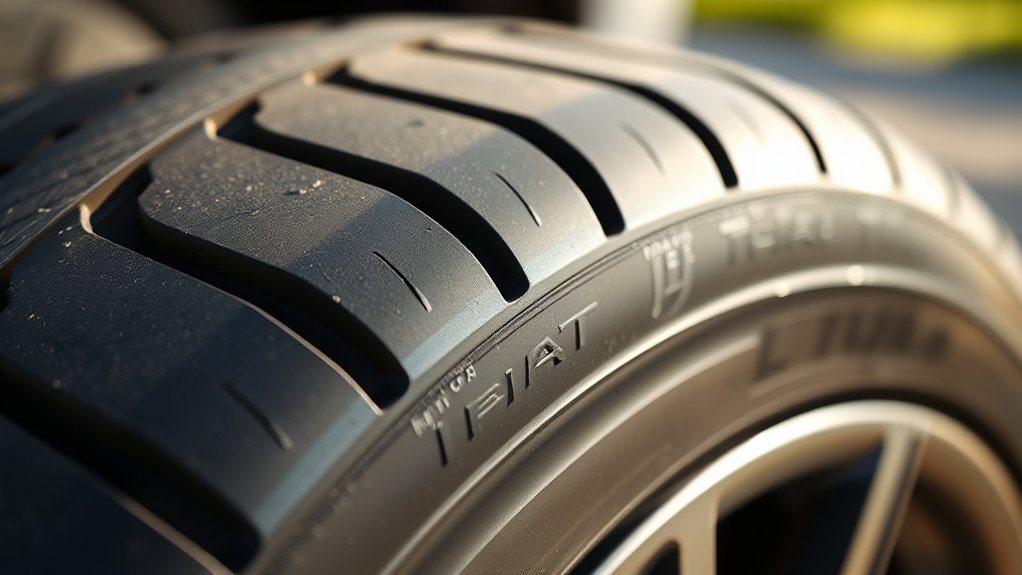
Under-inflation commonly makes both shoulders carry more load than the center. You may also notice soft steering response, increased rolling resistance, heat buildup, or a tire that appears slightly lower than the others.
Check every tire with a gauge instead of relying on appearance. A tire can be several PSI low without looking flat. TPMS is also a warning system, not a substitute for monthly checks. NHTSA notes that TPMS may not illuminate until a tire is significantly underinflated and recommends checking pressure monthly when the tires have been parked for at least three hours.
Pro Tip: Keep a digital pressure gauge in the glove box. Record all four cold readings before adding air so you can tell whether the problem affects one tire, one axle, or the full set.
What Does Cupping Tell You About the Sonata’s Suspension?
Cupping, also called scalloping, looks like repeating scooped-out dips around the tread. You may feel the high and low areas by moving your hand lightly across a stationary tire, or hear a rhythmic hum, growl, or rumble that rises with road speed. It means the tire has not maintained smooth, consistent road contact.
[Products Worth Considering]

These extra-large car drying towels are designed to quickly absorb water and leave surfaces streak-free after washing. The twisted loop microfiber construction delivers a plush, ultra-absorbent feel that works safely on paint, glass, and chrome. With two reusable towels in the pack, they are ideal for efficient drying of cars, SUVs, and trucks at home or in professional detailing.

This 23-piece oil filter cap wrench set is designed to make oil filter removal faster, safer, and more efficient across a wide range of vehicle applications. The socket-style grip helps reduce the risk of crushing filters, while the included adapter and storage case make it a practical, organized choice for maintenance work. Built from lightweight aluminum alloy, this professional tool kit offers durable performance for routine automotive service.
Common Cupping Causes
Cupping can be linked to worn shocks, struts, bushings, ball joints, wheel imbalance, wheel runout, alignment problems, or inconsistent rotation. A pothole or curb impact may bend a wheel, change alignment, or damage a suspension part. Bridgestone recommends checking alignment, suspension, balance, pressure, and rotation history when cupping appears. Bridgestone’s tire-cupping guide explains these causes in more detail.
Signs of Suspension Issues
Look beyond the tread for clunks over bumps, repeated bouncing, nose-diving during braking, uneven ride height, steering looseness, or fluid leaking from a shock or strut. A vibration that remains after pressure correction and balancing also needs further diagnosis.
Do not decide that a cupped tire is safe from appearance or noise alone. Have severe cupping, increasing vibration, exposed cords, low tread, sidewall damage, or suspected structural damage inspected before highway driving. Rotation may change where the noise is felt, but it will not repair the worn pattern or the fault that caused it.
Do Patchy Wear and Vibration Mean the Tires Need Rotation?
Patchy wear can appear as random smooth spots, diagonal wear, or noticeably different tread depths between tires. Missed rotations can contribute, but patchy wear may also come from imbalance, wheel runout, alignment, a dragging brake, damaged tire construction, or worn suspension parts.
Common Causes of Patchy Wear
The Sonata’s front tires normally handle steering and a large share of braking forces, so they may wear differently from the rear tires. Rotation helps distribute that work. However, if one tire looks dramatically different, find the cause before moving it to another position. A bent wheel, dragging caliper, leaking strut, damaged tire, or loose component can continue damaging the tire after rotation.
Signs of Imbalance Issues
Wheel imbalance often creates vibration through the steering wheel, seat, or floor at a particular road-speed range. A vibration that begins after a tire rotation, new tire installation, pothole impact, or wheel repair should be checked promptly. Balancing may solve the vibration, but a bent wheel, tire runout, internal tire damage, or already-cupped tread may require additional work.
How Often Should Hyundai Sonata Tires Be Rotated?
The 2026 U.S. Sonata owner’s manual lists tire rotation every 8,000 miles (13,000 km) or 12 months, whichever comes first. It also says to rotate sooner if irregular wear develops. Older Sonata model years may specify another interval, so use Hyundai’s Digital Owner’s Manual and select your exact model year.
Do not assume every tire set uses the same rotation pattern. Follow directional arrows, “inside” and “outside” markings, tire-maker instructions, and the owner’s manual. Different-size front and rear tires may have limited rotation options, and the compact spare must not be included in the rotation.
| What You See or Feel | Likely Check Needed | Why It Matters |
|---|---|---|
| Uneven tread depth between front and rear tires | Rotation history and permitted rotation pattern | Helps distribute normal front/rear wear differences |
| Vibration at highway speeds | Balance, wheel runout, and tire inspection | Identifies imbalance, damage, or a bent wheel |
| Pulling or off-center steering | Four-wheel alignment and steering inspection | Helps prevent continued shoulder wear |
| Scalloped or cupped tread | Suspension, balance, wheel, and alignment inspection | Finds the cause before replacement tires develop the same pattern |
| Rapid wear after a pothole or curb impact | Wheel, tire, alignment, and suspension inspection | Checks for hidden bending or structural damage |
Why Do Regular Tire-Pressure Checks Matter?
Correct pressure supports traction, braking, steering response, tire durability, and even tread wear. Under-inflation can overload the shoulders and build heat. Over-inflation can concentrate wear toward the center and make the ride harsher. Pressure also changes with ambient temperature, so a tire that was correct in warm weather may trigger a warning after a cold front.
Check all four tires at least once a month after the Sonata has been parked for three hours. Hyundai notes that tires may naturally lose 1 to 2 PSI per month, and NHTSA warns that TPMS does not replace a manual pressure check.
NHTSA recommends using the vehicle manufacturer’s cold inflation pressure from the Tire and Loading Information Label, checking tread at the same monthly interval, and following the owner’s manual for rotation. Review its current guidance through NHTSA TireWise.
How Do You Measure Sonata Tire Tread Depth?
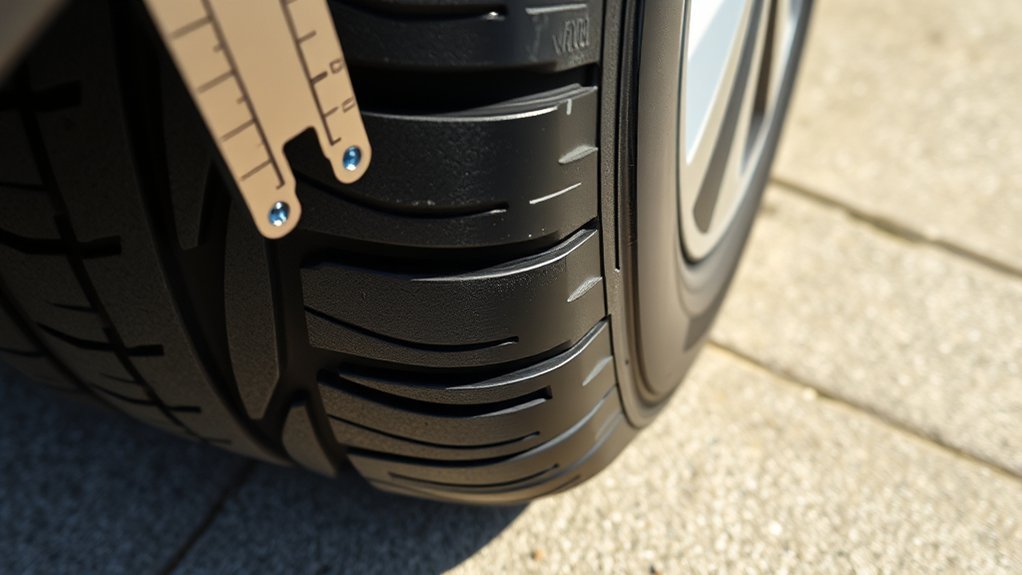
Use a tread depth gauge for the most accurate reading. Measure several locations around each tire and compare the outer shoulder, center, and inner shoulder. The lowest valid reading matters because uneven wear can hide on the inside edge.
- Use a tread depth gauge: Insert the probe into a main tread groove, press the base flat against the tread blocks, and read the depth in 32nds of an inch.
- Check built-in wear bars: Passenger tires contain treadwear indicators. If the tread is level with a wear bar, that area is at the replacement point.
- Use the penny test for 2/32 inch: Insert a penny with Lincoln’s head upside down. If the top of his head is visible, the tread is at or below approximately 2/32 inch and the tire should be replaced.
- Use the quarter test as an earlier wet-road warning: Insert a quarter with Washington’s head upside down. If the top of his head is visible, the tread is near 4/32 inch and replacement planning is appropriate when wet-road performance matters.
- Compare all four tires: A large difference between tires or across one tread points to pressure, alignment, balance, suspension, brake, wheel, or rotation problems.
NHTSA says tires are unsafe and should be replaced when the tread reaches 2/32 inch. Wet-road performance can deteriorate before that minimum. In AAA testing, all-season tires worn to 4/32 inch increased average wet stopping distance by 43%, or 87 feet, compared with new tires in its highway-speed test. AAA’s wet-tire test summary provides the test details.
Tire-age note: The 2026 Sonata owner’s manual advises replacing tires after six years of normal service regardless of remaining tread and notes that hot climates or excessive loading may accelerate aging. Confirm the age guidance for your exact Sonata model year and the tire manufacturer.
When Does Uneven Tire Wear Need Professional Diagnosis?
Schedule professional service for persistent vibration, cupping, exposed cords, sidewall bulges, repeated air loss, uneven shoulder wear, pulling, an off-center steering wheel, clunks over bumps, a hot wheel, or rapid wear that continues after pressure correction.
Bring your recorded cold PSI, inner/center/outer tread readings, photographs, and recent service history. Ask the shop to inspect all four tires, wheel balance and runout, front and rear alignment, steering and suspension play, brake drag, and wheel condition. If alignment is adjusted, request the before-and-after printout.
| Problem | Action Required |
|---|---|
| Center tread wear | Correct cold PSI, measure remaining tread, and monitor all four tires |
| Both-edge wear | Check under-inflation, loading, heat damage, and worn parts |
| Inner or outer shoulder wear | Schedule four-wheel alignment plus steering and suspension inspection |
| Cupping or scalloping | Inspect shocks, struts, bushings, balance, wheel runout, alignment, and tire safety |
| Persistent vibration | Check balance, tire construction, wheel damage, runout, and suspension |
| Low-pressure warning that returns | Check every tire with a gauge and inspect the tread, valve, bead, and wheel for leaks |
| Bulge, exposed cord, or rapid air loss | Avoid highway driving and arrange immediate tire or roadside service |
Frequently Asked Questions
How often does Hyundai recommend tire rotation for a Sonata?
The 2026 U.S. Sonata owner’s manual lists tire rotation every 8,000 miles (13,000 km) or 12 months, whichever comes first, and sooner if irregular wear develops. Older Sonata manuals may use a different interval, so confirm the schedule for your exact model year.
Can uneven tire wear be corrected?
The underlying cause can often be corrected, but the worn tread cannot grow back. Correct pressure, alignment, balance, brake, wheel, or suspension faults before installing replacement tires so the new tires do not develop the same pattern.
How do I read a tire wear rating?
The treadwear number on the sidewall is part of the Uniform Tire Quality Grading system. A higher number indicates a slower wear rate in the government comparison test, but it is not a mileage guarantee. Pressure, alignment, rotation, driving style, road conditions, load, and tire design affect actual service life.
Why are my Hyundai Sonata tires wearing on one side?
One-sided wear commonly points to camber, toe, or another alignment angle being out of specification. Worn or bent ball joints, bushings, tie rods, control arms, springs, shocks, or struts can also contribute. Have the alignment measured and the steering and suspension inspected before installing new tires.
Is it safe to drive on cupped tires?
Do not judge safety from the noise or appearance alone. Cupping can occur with low tread, imbalance, wheel damage, or worn suspension. Have severe cupping, increasing vibration, exposed cords, sidewall damage, or questionable tread inspected before highway driving.
Should I use the PSI on the tire sidewall or the driver-door placard?
Use the cold pressure on the Sonata’s driver-side Tire and Loading Information Label or in the owner’s manual. The pressure molded into the tire sidewall is the tire’s maximum cold inflation rating, not the normal recommended setting for your vehicle.
Conclusion
Hyundai Sonata uneven tire wear is a diagnostic clue. Center wear commonly points toward excessive pressure, both-edge wear toward low pressure, one-sided wear toward alignment or worn parts, and cupping toward suspension, balance, wheel, or alignment trouble. Flat spots can indicate braking, storage, or tire damage.
Start by recording the cold PSI and inner, center, and outer tread depths for all four tires. Correct pressure first. If the pattern, pulling, vibration, or noise remains, arrange the appropriate alignment, balance, brake, wheel, or suspension inspection. Fix the cause before installing new tires, because rotation and alignment cannot restore tread that is already gone.
Sources
- Hyundai Vehicle Tire Safety and Maintenance — supports Hyundai-specific pressure, TPMS, monthly PSI-loss, and quarter-test guidance.
- Hyundai Digital Owner’s Manual — select the exact Sonata model year for rotation intervals, tire inspection, pressure, tire age, and replacement guidance.
- NHTSA TireWise — supports cold-pressure checks, TPMS limitations, rotation, treadwear indicators, the 2/32-inch replacement threshold, and tire-safety guidance.
- AAA: Tread Lightly — Worn Tires Put Drivers at Risk — supports the measured wet-stopping and handling effects at 4/32 inch of tread.
- Bridgestone Tire Tread Wear and Causes — supports inflation, alignment, feathering, and one-sided-wear explanations.
- Bridgestone Tire Cupping Guide — supports cupping causes, symptoms, and inspection recommendations.