Before storms, give your Hyundai Sonata’s wiper system a 5–10 minute pass/fail check: inspect the blade rubber, clean the windshield, test every available wiper speed on wet glass, confirm washer spray, and fix any streaking, chatter, hesitation, or missed areas before driving in bad weather. Clear visibility matters most when rain, road spray, snow, or sleet arrives suddenly.
Quick Answer
To check Sonata wiper performance before storms, inspect the rubber blades for cracks or stiffness, clean the windshield and blade edges, test MIST, INT/AUTO, LO, and HI settings, confirm washer fluid sprays evenly, and replace blades that streak, chatter, skip, or leave wet patches.
Affiliate disclosure: As an Amazon Associate, AutoReviewNest earns from qualifying purchases. This does not affect our editorial independence or the price you pay.
Key Takeaways
- Replace Sonata wiper blades when they streak, smear, chatter, split, or fail to clear the driver’s view.
- Test every wiper speed before bad weather, especially HI speed and AUTO mode if your Sonata has rain-sensing wipers.
- Keep washer fluid full and use winter-rated fluid in freezing weather to avoid ice on the windshield.
- Never run wipers over heavy ice, packed snow, or a dry windshield because it can damage the blades, motor, or washer system.
At a Glance
| Time Required | 5–10 minutes |
| Difficulty | Easy |
| Tools Needed | Clean microfiber cloth, washer fluid, flashlight, replacement blades if needed |
| Cost | Usually $0 for inspection; replacement blades vary by brand and model year |
5-Minute Sonata Wiper Storm Check
Use this quick pass/fail check before rain, snow, sleet, or a long wet-weather drive. Test the system while parked, keep the windshield wet during wiper operation, and keep hands clear of moving arms.
| Checkpoint | Pass | Fail |
|---|---|---|
| Blade condition | Rubber is flexible, intact, and seated evenly | Cracks, splits, missing rubber, hard edges, or poor contact |
| Clearing test | One smooth pass leaves a clear viewing area | Streaks, haze, chatter, skipping, or wet patches remain |
| Wiper speeds | Available MIST, INT/AUTO, LO, and HI settings run smoothly | A speed does not work, motion is slow, or the blades stop mid-sweep |
| Washer system | Fluid reaches the windshield and the reservoir is adequately filled | Weak/no spray, frozen fluid, leaks, or an empty reservoir |
| Park position | Both blades return to their normal parked position | Blades stop high, strike trim, or move out of sync |
Using five-year averages from 2019–2023 NHTSA data, the Federal Highway Administration reports that over 77% of weather-related crashes occur during rain or mist conditions.
How Do You Inspect Sonata Wiper Blades for Damage?
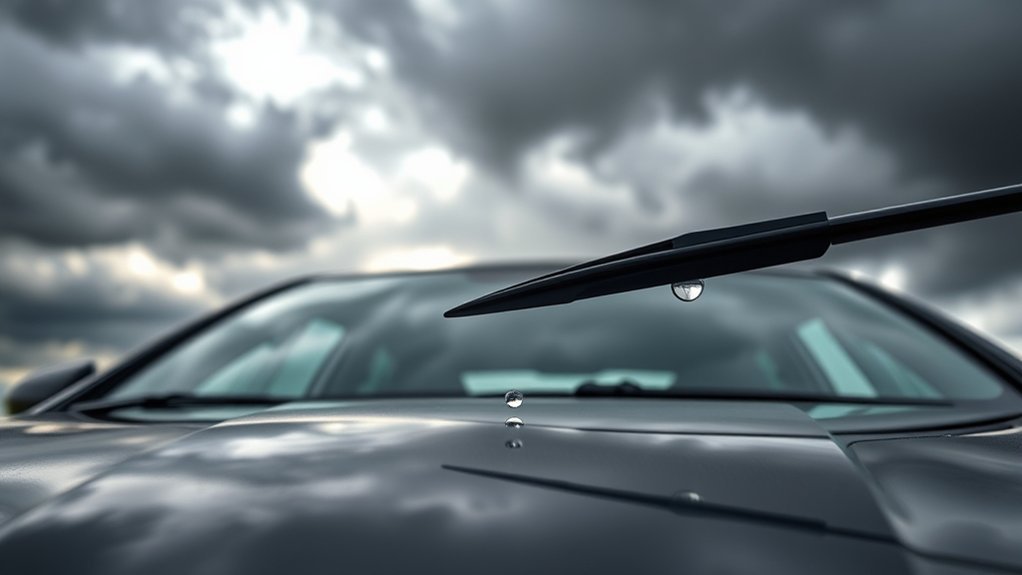
Start with the part that touches the glass: the wiper blades. Before lifting an arm, check your Sonata owner’s manual for the correct wiper service position. Recent DN8 Sonatas use a hidden-wiper design that should be moved to the top wiping position before the arms are lifted. Once the arms can be raised safely, inspect the rubber edge from end to end. Replace the blade if you see cracks, splits, missing rubber, rounded edges, stiffness, or a blade frame that no longer sits flat against the windshield.
Even if the blades are not torn, they may still be worn. A good blade should glide smoothly and clear the glass in one pass. If it leaves streaks, haze, or wet islands in your line of sight, it is no longer doing its job well enough for heavy rain.
As a general rule, many auto-care experts recommend replacing windshield wipers about every 6 to 12 months, but heat, sun, ice, road salt, tree sap, and frequent storms can shorten that life. Check them seasonally and before long trips.
Pro Tip: Wipe the rubber blade edge with a clean cloth dampened with washer fluid. If the cloth comes away black and the blade clears better afterward, dirt was part of the problem. If streaking continues, replace the blade.
[Products Worth Considering]

Rain-X WeatherBeater wiper blades are conventional replacement blades designed to meet or exceed OEM standards for quality, durability, and dependable performance. The pre-installed multi-adapter helps simplify installation on many vehicles, while the natural rubber squeegee and galvanized steel frame deliver a clean wipe, rust resistance, and long-lasting all-weather reliability.

Rain-X Repellency Water Repellent Wiper Blades help improve visibility by clearing your windshield while applying a water-repellent formula that makes rain, sleet, and snow bead and slide away. Built with beam blade technology for a smooth, streak-free wipe, they offer all-weather performance and a universal adapter for easy installation on most vehicles.

Rain-X WeatherBeater wiper blades deliver dependable, conventional performance designed to meet or exceed OEM standards for quality and durability. The natural rubber squeegee, galvanized steel frame, and multiple pressure points work together to provide a clean, consistent wipe while resisting cracking, rust, and corrosion. A pre-installed multi-adapter helps simplify installation on many vehicles.
Clean the Windshield Before Testing
A dirty windshield can make good wipers look bad. Before you judge the blades, remove bugs, dust, oily film, pollen, wax residue, and tree sap from the glass. These coatings cause smearing and make the rubber skip or chatter.
- Clean the glass first: Use automotive glass cleaner or washer fluid and a microfiber cloth.
- Clean the blade edges: Gently wipe the rubber where it contacts the windshield.
- Check for chips or rough spots: Damaged glass can tear new blades quickly.
- Look at the wiper arms: A bent arm may prevent even pressure across the blade.
[Products Worth Considering]
Motorcraft FA-1883 is a direct OE replacement engine air filter designed for select Ford and Lincoln vehicles to help maintain airflow and engine performance. It efficiently filters outside air, resists damage from oil and moisture, and features a leak-proof polyurethane seal for dependable fit and long service life.
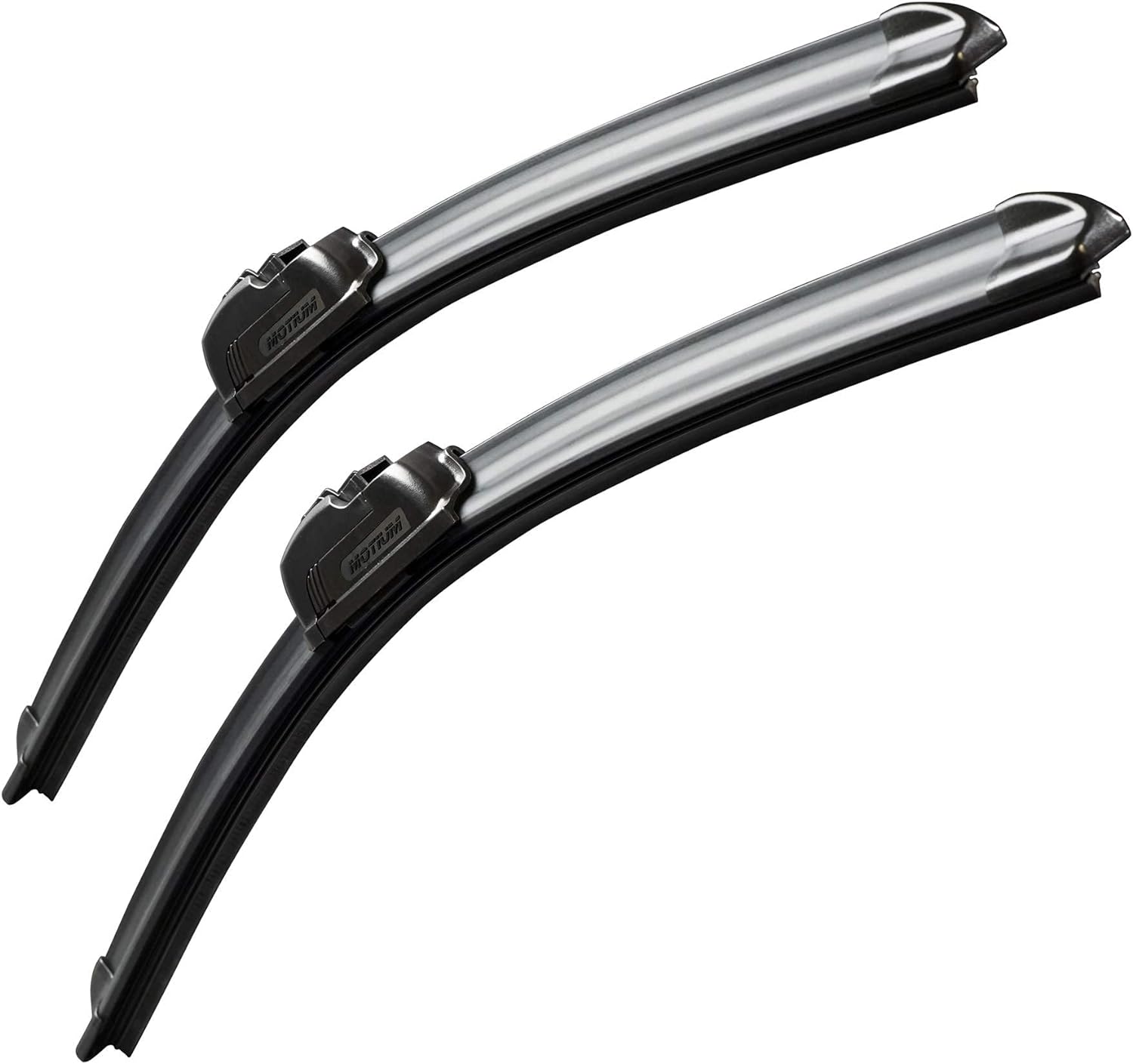
These MOTIUM windshield wiper blades deliver clear, streak-free wiping for improved visibility in rain, snow, and extreme heat. Designed for quiet, smooth operation and easy installation, they include both driver and passenger blades for a quick replacement solution that helps keep driving safer in all seasons.

✅Effortless Auto Glass & Windshield Cleaning – The XINDELL Windshield Cleaner Tool makes cleaning auto glass—inside and out—quick and easy. With its extendable handle and 180° pivoting head, you can reach every corner without strain, ensuring streak-free clarity for improved visibility and complete car care.🌟
How Do You Test the Sonata Wiper Motor and Switch?
After the blades and windshield are clean, test the wiper motor and switch. Turn the vehicle on, keep the windshield wet, and cycle through every setting fitted to your car. Hyundai’s 2025 U.S. Sonata owner’s manual includes dedicated windshield-wiper and washer guidance; common controls include MIST, OFF, INT, LO, HI, and AUTO where equipped. Labels and features can vary by model year and market.
- Use MIST first. Push the lever for a single wipe and confirm both blades move together and park correctly.
- Test intermittent or AUTO mode if equipped. Intermittent operation should cycle consistently. In AUTO mode, the rain sensor should vary wiping behavior as moisture changes; keep hands away from the sensor and moving arms.
- Test LO and HI speed. HI speed matters in sudden downpours, so listen for weak motor sounds or uneven movement.
- Watch the parked position. If the blades stop too high, slap the trim, or do not return fully, the linkage or arm position may need service.
If the wipers hesitate, move slowly, stop midway, or work only on one speed, do not assume the blades are the only problem. The issue may involve the fuse, relay, switch, motor, wiring, linkage, or a loose wiper arm connection.
Warning: Do not run the wipers on a dry windshield or over heavy snow and ice. Hyundai warns that snow or ice should be removed before using the wiper and washer system to help prevent damage.
How Do You Check Sonata Washer Fluid and Spray Pattern?
The washer system matters as much as the blades. A clean wipe is difficult if the reservoir is empty or the spray nozzles are clogged. Hyundai’s Sonata owner-maintenance guidance recommends checking the windshield washer fluid level when you stop for fuel and checking washer spray and wiper operation at least twice a year.
- Fill the reservoir: Use windshield washer fluid suited to the climate, and follow the reservoir guidance in your owner’s manual. For a broader fluid check, see the Hyundai Sonata fluid-level checklist.
- Test the spray: Fluid should hit the windshield evenly, not dribble at the hood or spray over the roof.
- Check both nozzles: A weak spray on one side may mean a clogged nozzle or kinked hose.
- Use winter fluid when needed: In freezing weather, choose washer fluid rated for low temperatures.
If the washer pump makes noise but no fluid reaches the glass, check for low fluid, frozen fluid, a disconnected hose, clogged nozzles, or a leaking reservoir. If there is no pump sound at all, the fuse, pump, switch, or wiring may need diagnosis.
[Products Worth Considering]

Removes and repels the toughest road grime

+32°F Summer Blend: Ideal for warm-weather driving conditions while maintaining optimal cleaning power
Common Wiper Issues and Solutions
Wiper problems often show up in predictable ways. Use this quick troubleshooting table before the next storm arrives.
| Symptom | Likely Cause | What to Do |
|---|---|---|
| Streaking or smearing | Dirty glass, worn rubber, old blades | Clean glass and blade edges; replace blades if streaks remain |
| Chattering or skipping | Dry glass, hardened rubber, bent arm, wax buildup | Clean windshield, wet the glass, inspect arm pressure, replace blades |
| Missed spots | Blade not contacting glass evenly | Check blade size, frame, connector, and arm tension |
| Wipers do not move | Blown fuse, failed motor, switch issue, damaged wiring | Check the fuse first, then have the circuit and motor tested |
| One blade moves strangely | Loose arm nut, damaged linkage, wrong blade fit | Stop using the wipers and inspect the arm connection or see a technician |
| Washer fluid does not spray | Empty reservoir, clogged nozzle, frozen fluid, bad pump | Refill with proper fluid, thaw safely, clear nozzles, or test pump power |
Importance of Timely Wiper Repairs
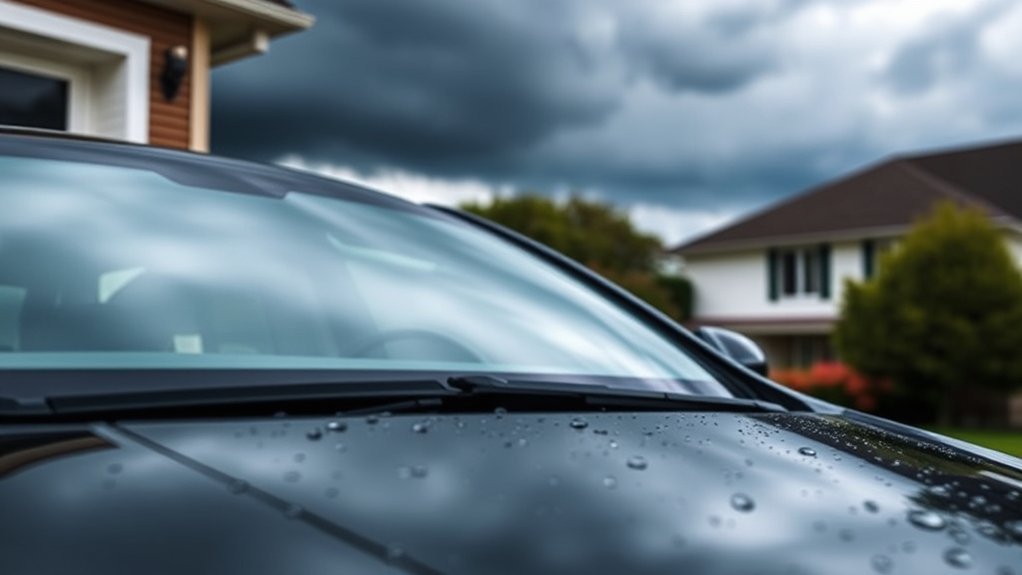
Ignoring wiper maintenance can leave you with poor visibility during the exact moment you need a clear windshield most. The Federal Highway Administration reports that weather-related crashes account for a major share of roadway risk, with rain and mist making up most weather-related crashes.
There is also a vehicle-safety reason to take wipers seriously. Federal Motor Vehicle Safety Standard No. 104 sets design and performance requirements for windshield wiping and washing systems on passenger cars and other covered vehicles. Owner inspection and road-use requirements are set separately by state or local law, so check the rules where you drive.
Small wiper problems can also become expensive. A torn blade can drag metal or hard plastic across the windshield. A frozen blade can strain the motor. A loose arm can damage the cowl or fail to clear the driver’s side. Fixing these issues before the storm is usually easier than dealing with them on the roadside.
Maintenance Tips for Optimal Wiper Performance
To keep your Sonata’s wiper performance strong, make wiper care part of your normal maintenance routine instead of waiting for a storm warning.
- Inspect blades at least every six months and before severe-weather seasons: Look for cracks, stiffness, uneven wear, and loose connectors; check sooner if wiping quality drops.
- Clean the windshield often: Road film and pollen can make blades smear.
- Top off washer fluid: Check it before road trips, rainy seasons, and freezing weather.
- Use the correct blade size: Blade length and connector type can vary by Sonata model year, so confirm fitment before buying.
- Test all speeds: Confirm MIST, INT/AUTO, LO, and HI work smoothly.
- Inspect both front blades together: Replace any blade that fails the clearing test. If both blades are the same age and similarly worn, replacing both can keep wiping performance consistent.
When replacing blades yourself, first use the service/top-wipe position required by your model, then protect the windshield with a towel while an arm is raised. If a bare spring-loaded arm snaps back against the glass, it can crack the windshield.
How to Test Rain-Sensing Wipers
Some Hyundai Sonata trims include AUTO mode with a rain sensor near the upper windshield. Hyundai documents that the sensor detects rainfall and changes the wiping cycle as moisture changes. For a simple parked check, set AUTO only if your car is equipped with it and observe whether wiping behavior changes as the windshield becomes wet; keep your hands and cleaning tools away from the sensor area and moving wiper arms.
Hyundai advises setting the wiper switch to OFF when the system is not in use and when washing the vehicle. Avoid touching the sensor-facing area, wiping it with a wet cloth, pressing on the windshield there, or removing the sensor cover.
Snow and Ice Prep Before a Storm
If snow or freezing rain is expected, prepare the wipers before the windshield freezes. Park in a covered area when possible, clear leaves and debris from the cowl, and use winter-rated washer fluid.
Do not force the wiper arms upward from their normal parked position. Recent DN8 Sonatas use a hidden-wiper design, so the arms must be moved to the top/service position before they can be lifted safely. If your exact model-year manual permits lifting the arms for winter preparation, follow that procedure, lower them gently before driving, and never use the wipers as an ice scraper.
If the windshield is already covered with ice or packed snow, use the defroster and an ice scraper first. Hyundai recommends defrosting for about 10 minutes or until snow and ice are removed before using the wipers in heavy accumulation.
When to See a Mechanic
Blade replacement is usually simple, but electrical or linkage problems may need professional service. Schedule a repair if the wipers move slowly on a wet windshield, stop mid-sweep, work only on one speed, make grinding noises, park in the wrong position, or fail again after a fuse replacement.
Also get help if the wipers activate unexpectedly with AUTO switched off, AUTO mode behaves erratically after the windshield and sensor area are clean, one arm moves out of sync with the other, or washer fluid leaks under the vehicle. These symptoms can point to problems beyond normal blade wear.
Frequently Asked Questions
Should you put your windshield wipers up before a snowstorm?
Do not force the arms upward from their parked position. Recent DN8 Sonatas use a hidden-wiper design that requires the top/service position before the arms can be lifted. Check your exact model-year manual, follow its service-position procedure if applicable, lower the arms gently before driving, and remove snow or ice with the defroster and scraper before operating the wipers.
How do you test rain-sensing wipers on a Hyundai Sonata?
If your Sonata has AUTO wipers, turn the vehicle on, select AUTO, and observe whether wiping behavior changes as the windshield becomes wet. Keep hands and tools away from the upper windshield sensor area and moving wiper arms. Set the wipers to OFF before washing the car or when AUTO mode is not needed.
How often should Sonata wiper blades be replaced?
A practical replacement interval is about every 6 to 12 months, but the real answer depends on condition. Replace them sooner if they streak, chatter, skip, squeak, leave haze, or show cracked and hardened rubber.
Why do my Sonata wipers work on one speed but not another?
A missing speed can come from the switch, fuse or relay where applicable, motor circuit, wiring, or control electronics. Check the owner’s manual for the correct fuse location and rating. If the fuse is good, the replacement fuse fails again, or the fault returns, have the wiper circuit diagnosed rather than repeatedly replacing fuses.
Can worn wipers scratch the windshield?
Yes. If the rubber is torn or missing, the blade frame or hard debris trapped in the blade can drag across the glass. Replace damaged blades promptly and clean the windshield often to reduce scratching risk.
Conclusion
Before storms hit, run the Sonata wiper check while the car is parked: inspect the blades, clean the glass, test every available wiper setting on wet glass, confirm washer spray, and verify that both blades return to the correct parked position. Replace blades that still streak or chatter after cleaning, and schedule diagnosis for slow, stalled, out-of-sync, or electrically unreliable operation before the weather turns.
Sources
- Hyundai 2025 Sonata Owner’s Manual (U.S.) — model-specific wiper, washer, maintenance, and wiper-blade sections
- Hyundai 2025 Sonata Owner’s Manual — Wipers and Washers — MIST/INT/AUTO/LO/HI operation, rain-sensor behavior, and snow/ice precautions
- Hyundai 2025 Sonata Owner’s Manual — Blade Replacement — hidden-wiper service/top-wipe position and replacement precautions
- Hyundai Sonata Owner Maintenance Schedule — washer-fluid checks and wiper/washer operation maintenance
- Federal Highway Administration — How Weather Events Affect Roads — 2019–2023 weather-related crash averages and rain/mist share
- eCFR — 49 CFR § 571.104 Windshield Wiping and Washing Systems — federal vehicle design and performance requirements
- AAA — When to Replace Your Windshield Wipers — 6–12 month replacement guidance and worn-wiper warning signs