Checking your Hyundai Sonata’s oil level is a simple maintenance habit that can help you catch low oil, overfilling, or unusual oil loss before it turns into engine damage. The key is to check it the same way each time and follow the procedure in your specific Sonata owner’s manual, because oil capacity and oil specifications vary by model year and engine.
Quick Answer
To check a Hyundai Sonata’s oil level, park on level ground, set the parking brake, warm the engine as your manual directs, shut it off, wait for oil to return to the pan, then wipe and reinsert the dipstick. The oil should read between the Low and Full marks.
Key Takeaways
- Check the oil on level ground, with the Sonata in Park and the parking brake applied.
- Use your owner’s manual as the final authority; current Hyundai guidance commonly calls for a warm-engine check after waiting for oil to drain back into the pan.
- The safe dipstick range is between the Low/Min and Full/Max marks. Do not overfill.
- Oil capacity and oil grade vary by Sonata year and engine, so confirm both before adding oil.
- Oil-life percentage is not the same as oil level. A Sonata can show remaining oil life and still be low on oil.
At a Glance
| Time Required | 5–20 minutes, depending on your owner’s manual wait time |
| Difficulty | Easy |
| Tools Needed | Clean lint-free rag or paper towel; funnel and correct engine oil if topping off |
| Cost | Free to check; cost only applies if oil is needed |
How to Check Oil Levels in Your Sonata
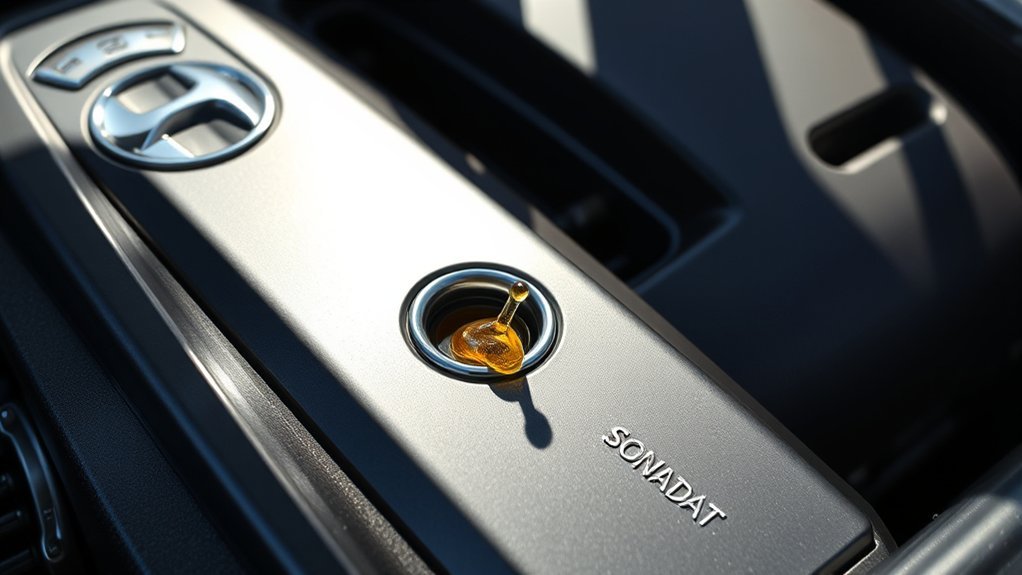
Use this process to get a reliable Hyundai Sonata oil level reading. For the most exact instructions, compare these steps with the engine oil section in the official Hyundai owner’s manual for your model year.
- Park safely on level ground. Shift to Park, apply the parking brake, and make sure the vehicle is stable before opening the hood.
- Follow your manual’s temperature guidance. Current Hyundai guidance for many models says to warm the engine until the coolant reaches normal operating temperature, turn the engine off, and wait for oil to return to the oil pan before reading the dipstick.
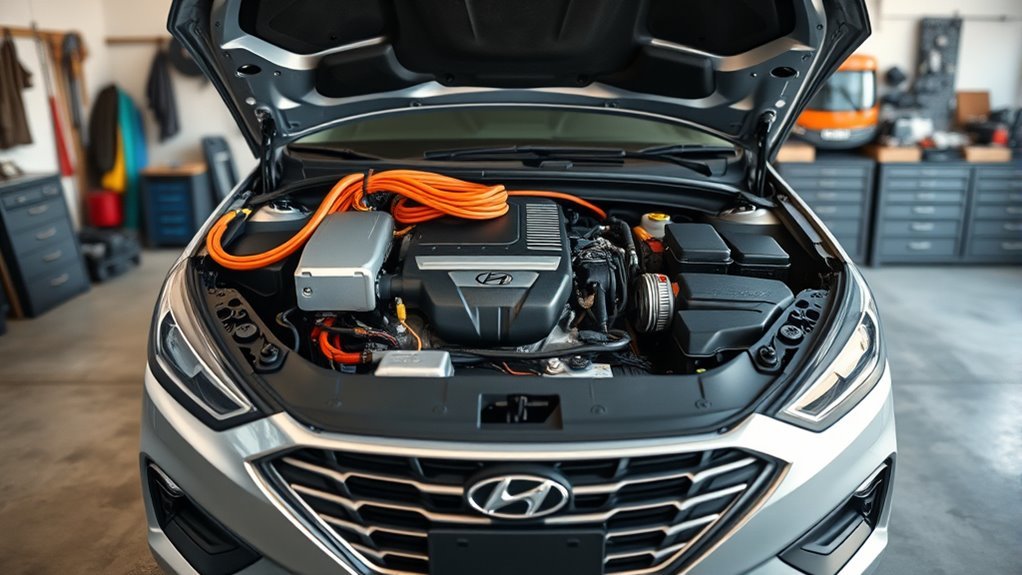
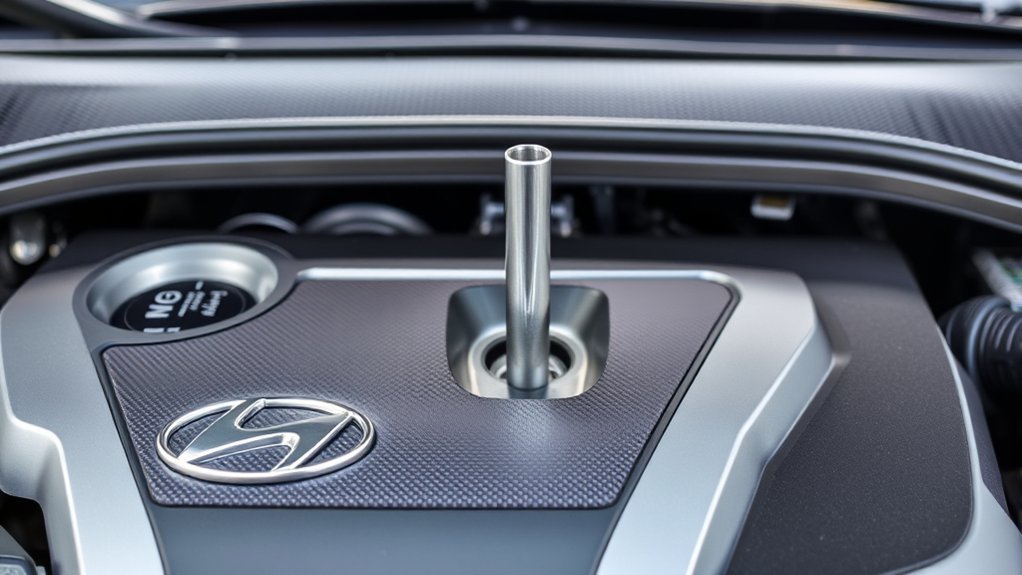
- Open the hood and locate the dipstick. Look for the engine oil dipstick handle. It is usually clearly marked and separate from the oil filler cap.
- Pull the dipstick and wipe it clean. Use a clean rag or paper towel so the first smear of oil does not give you a false reading.
- Reinsert the dipstick fully. Push it all the way back into the tube, then pull it out again.
- Read both sides of the dipstick. The oil should sit between the L/Low/Min and F/Full/Max marks. If one side is smeared, use the cleaner, lower, more consistent reading.
- Add oil only if needed. If the level is below Low, add the correct oil in small amounts through the oil filler opening, wait briefly, and recheck.
Warning: Engine parts can stay hot after shutdown. Avoid touching the radiator hose, exhaust components, or hot metal parts. Do not overfill the engine; too much oil can foam, increase crankcase pressure, cause leaks, and damage engine components.
[Products Worth Considering]

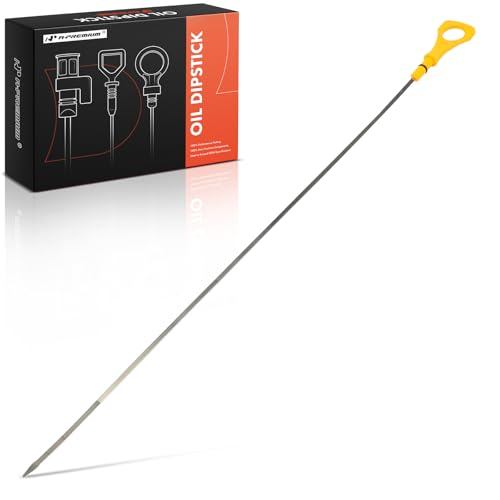
[Vehicle Fitment-1]: Compatible with Hyundai Azera 2007-2012 V6 3.3L, Azera 2006-2011 V6 3.8L, Entourage 2007-2010 V6 3.8L, Genesis Coupe 2010-2014 V6 3.8L, Santa Fe 2007-2009 V6 3.3L, Santa Fe 2010-2012 V6 3.5L, Sonata 2006-2007 L4 2.4L, Sonata 2006-2010 V6 3.3L, Veracruz 2007-2012 V6 3.8L --- Gas Model

✅[Manufacturer Part Number]: 26611-3C100
When Should You Check Your Oil Level?
The best time to check your oil is the time recommended in your Sonata’s owner’s manual. Hyundai’s current digital owner-manual procedure says to place the vehicle on level ground, warm the engine to normal operating temperature, shut it off, and wait for oil to return to the pan before checking. Some older manuals may list a shorter wait time, so use your exact manual as the final source.
A cold overnight check can still be useful as a rough comparison if you do it consistently, but do not mix cold readings, warm readings, and sloped-driveway readings and expect them to match. Oil expands when warm, drains at different speeds, and can collect on the dipstick tube, so consistency matters.
Note: Check the oil at least between oil changes, before long trips, after hard driving, and any time you notice an oil smell, an oil spot under the car, engine noise, or a dashboard oil warning.
How to Read the Hyundai Sonata Dipstick
The dipstick does not show the engine’s full oil capacity. It only shows whether the current oil level is within the safe operating range. Most Sonata dipsticks use some version of L/F, Low/Full, or Min/Max.
| Dipstick Reading | What It Means | What To Do |
|---|---|---|
| Between Low and Full | Normal operating range | No oil needed unless the level is trending downward quickly |
| At or below Low | Oil level is too low | Add the specified oil slowly and recheck |
| Above Full | Oil may be overfilled | Do not keep adding oil; have excess oil drained if needed |
| Milky, foamy, gritty, or burnt-smelling oil | Possible contamination, overheating, or overdue service | Schedule an inspection or oil change promptly |
Pro Tip: Take two readings. If the first reading is streaky or unclear, wipe the dipstick again, reinsert it fully, and read it a second time. The second reading is often cleaner.
Why Your Owner’s Manual Matters
Your owner’s manual matters because Hyundai Sonata engines do not all use the same oil capacity, oil viscosity, or service schedule. A 2.0L turbo, 2.4L, 2.5L, 1.6T, and hybrid powertrain may have different requirements depending on model year and market.
The safest approach is to use Hyundai’s manuals and warranties resource or the printed manual in your glove box, then find the section usually called Recommended Lubricants and Capacities. That section tells you the correct oil grade and drain/refill capacity for your exact Sonata.
Hyundai also notes that engine oil can be consumed during normal driving and that consumption can change with driving habits, climate, traffic, and oil quality. That is why regular dipstick checks still matter even when your Sonata is not due for an oil change yet.
How to Know Your Oil Capacity
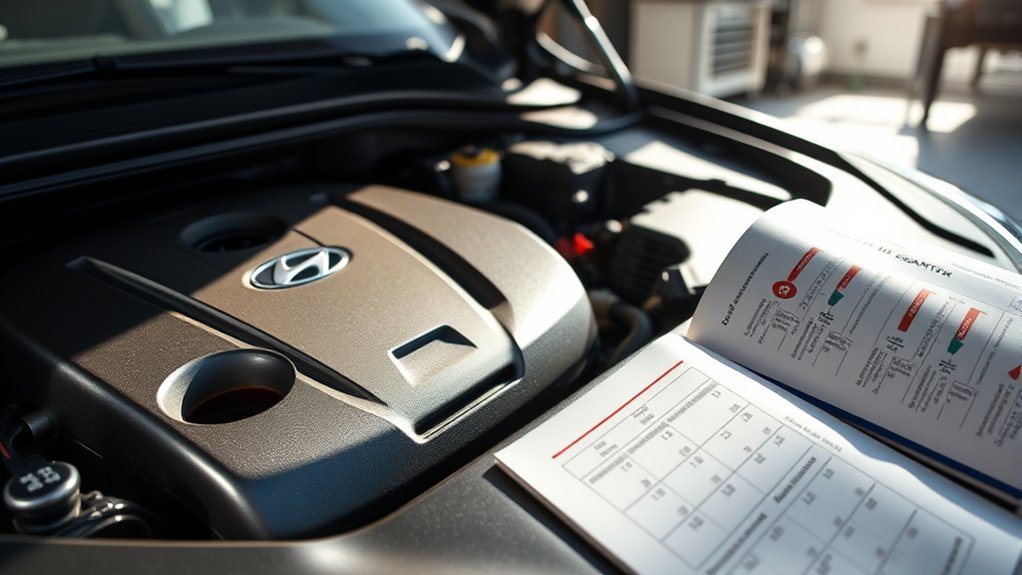
Do not rely on one generic oil-capacity number for every Hyundai Sonata. The correct engine oil capacity depends on your model year, engine, trim, and whether you are doing a drain-and-refill with a filter change. The dipstick tells you the current level; the owner’s manual tells you the total service capacity.
To find your Sonata’s oil capacity:
- Confirm your Sonata’s model year and engine. If you are not sure, use the VIN, window sticker, registration, or dealer records.
- Open the owner’s manual or Hyundai’s online manual lookup.
- Go to Specifications or Recommended Lubricants and Capacities.
- Match the listed engine oil capacity and oil classification to your exact engine.
- When topping off, add oil gradually and recheck the dipstick instead of pouring in a full quart automatically.
Note: The amount needed to raise the dipstick from Low to Full is not always the same as the engine’s full oil-change capacity. Add small amounts, recheck, and stop before the level rises above Full.
Tips for Maintaining Optimal Oil Levels and Preventing Issues
To maintain ideal oil levels and prevent engine issues, build a simple routine. Check the oil under the same conditions whenever possible, write down any frequent top-offs, and pay attention to sudden changes.
| Tip | Explanation |
|---|---|
| Use level ground | A sloped driveway can make the dipstick read falsely high or low. |
| Follow the manual | Your exact Sonata manual controls the wait time, oil grade, and capacity. |
| Add oil slowly | Small top-offs help prevent overfilling. |
| Track oil loss | Frequent top-offs may point to leaks, burning oil, or a service issue. |
| Use the specified oil | Wrong oil grade or classification can affect protection, efficiency, and service intervals. |
A dipstick check tells you oil level, not oil life. Your Sonata can still need a top-off even if the oil-life monitor has plenty of percentage remaining.
[Products Worth Considering]

✔OE# 26611-2E021. Compatible with: For Hyundai 11-16 Elantra 1.8L丨13 Elantra Coupe 1.8L丨13 Elantra Coupe 2.0L丨13 Elantra GT 1.8L丨14-18 Elantra GT 2.0L丨16-18 Sonata 2.0L丨14-18 Tucson 2.0L. For 14-16 Kia Forte 1.8L丨14-18 Forte 2.0L丨14-18 Forte5 2.0L丨14-16 Forte Koup 2.0L丨17-18 Optima 2.0L丨12-18 Soul 2.0L. Please check the second main picture to confirm rngine oil level dipstick whether compatible with your car.

【Replace Part Number】This oil dipstick replaces: 26611-3C100.

[VEHICLE FITMENT - HYUNDAI] Compatible with specific Nu engines ONLY: 2011-2020 Elantra (1.8L & 2.0L), 2014-2021 Tucson (2.0L ONLY), 2018-2021 Kona (2.0L ONLY), and 2019-2021 Veloster (2.0L ONLY). (Warning: Will NOT fit 1.6T or 2.4L models).
What to Do If Your Sonata Oil Level Is Low
If the dipstick shows oil at or below the Low mark, use only the oil grade and specification listed for your Sonata. Add a small amount through the oil filler cap, wait briefly, and recheck the dipstick. Repeat until the level is inside the safe range, ideally closer to Full without going over it.
If the oil level drops again soon after topping off, inspect for oil spots under the car, smoke from the exhaust, burning-oil smell, or engine noise. A fast drop in oil level should be checked by a qualified technician or Hyundai dealer.
Warning: If the oil pressure warning light comes on while driving, do not treat it like a normal maintenance reminder. Pull over safely, shut the engine off, check the oil level when safe, and arrange service if the warning stays on or the engine sounds abnormal.
[Products Worth Considering]
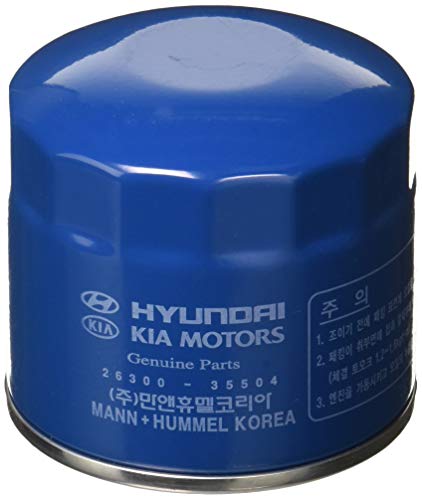
Genuine OEM
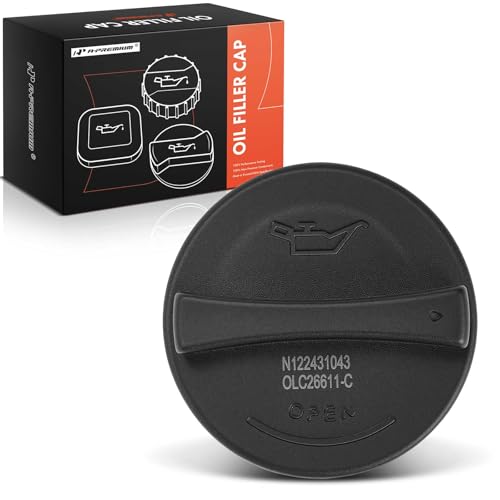
[Vehicle Fitment-1]: Compatible with Hyundai Accent 2010-2022, Azera 2010-2017, fit for Elantra 2010-2020, fit for Elantra Coupe 2013-2014, fit for Elantra GT 2013-2020, Equus 2011-2016, Genesis 2010-2016, Genesis Coupe 2010-2016, Kona 2018-2021, Palisade 2020-2024, Santa Fe 2010-2020, Santa Fe Sport 2013-2018, Santa Fe XL 2013-2014/2019, Sonata 2010-2019, Tucson 2010-2021, fit for Veloster 2012-2017/2019-2021, Veracruz 2010-2012

For Hyundai Accent 2007-2017; Azera 2006-2017; Elantra 2006-2018; Elantra GT 2013-2018; Equus 2011-2016; Genesis 2009-2016; Genesis Coupe 2010-2016; Santa Fe 2010-2016; Sonata 2009-2016; Tucson 2013-2018; Veracruz 2007-2017
Oil Life Percentage vs. Oil Level
Many newer Hyundai models include an Oil Life Management System or service reminder. According to Hyundai’s Oil Life Management System guidance, this feature helps predict when the engine oil and filter should be changed based on driving history. It is not the same thing as a dipstick reading.
That means 50% oil life usually means the oil-change interval is about halfway through, not that the engine is half full of oil. You still need to check the dipstick regularly because the system assumes the engine has the correct amount of oil and the recommended oil is being used.
Frequently Asked Questions
How do you check the engine oil level on a Hyundai Sonata?
Park on level ground, shift to Park, apply the parking brake, follow your manual’s engine-temperature and wait-time guidance, then pull the dipstick. Wipe it clean, reinsert it fully, remove it again, and confirm the oil level is between the Low and Full marks.
Is 50% oil life okay in a Hyundai Sonata?
Yes, 50% oil life usually means the oil-change reminder is around halfway through its interval. It does not mean the engine oil level is 50% full. Check the dipstick separately and follow the maintenance schedule for your driving conditions.
Should I check Sonata oil hot or cold?
Use the method in your owner’s manual. Current Hyundai guidance for many models calls for warming the engine to normal temperature, shutting it off, and waiting for oil to return to the pan before checking. A cold check can be useful for comparison, but the manual’s procedure is the final authority.
How do you read a Hyundai dipstick?
After wiping and reinserting the dipstick, pull it out and look for the oil film near the end. The level should be between the Low/Min and Full/Max marks. If the reading is smeared, wipe the dipstick and check again.
Can I drive if the oil level is below the Low mark?
It is not a good idea. Add the specified oil until the level returns to the safe range. If the oil pressure warning light is on, the engine is noisy, or the level drops again quickly, stop driving and get the vehicle inspected.
How much oil does a Hyundai Sonata take?
There is no single oil capacity for every Sonata. Capacity varies by model year, engine, and oil-change method. Check the “Recommended Lubricants and Capacities” section of your owner’s manual or Hyundai’s official manual lookup before adding oil.
Conclusion
Regularly checking your Hyundai Sonata’s oil level is one of the easiest ways to protect the engine. Park on level ground, use the dipstick correctly, keep the oil between Low and Full, and verify the correct oil grade and capacity in your owner’s manual. If the level drops quickly, the oil looks contaminated, or a warning light appears, handle it promptly instead of waiting for the next oil change.
Sources
- Hyundai Owner’s Manual — official manual lookup for Hyundai vehicles.
- Hyundai: Checking the Engine Oil Level — backs the level-ground, warm-engine, wait-time, dipstick, and Full/Low guidance.
- Hyundai: Scheduled Maintenance Services — backs regular oil checks, severe usage conditions, and oil-life management limitations.
- Hyundai How-Tos: Oil Life Management System — explains that oil-life alerts are based on driving history and service timing.
- MyHyundai Manuals & Warranties — supports using model-specific manuals for oil capacity and maintenance information.