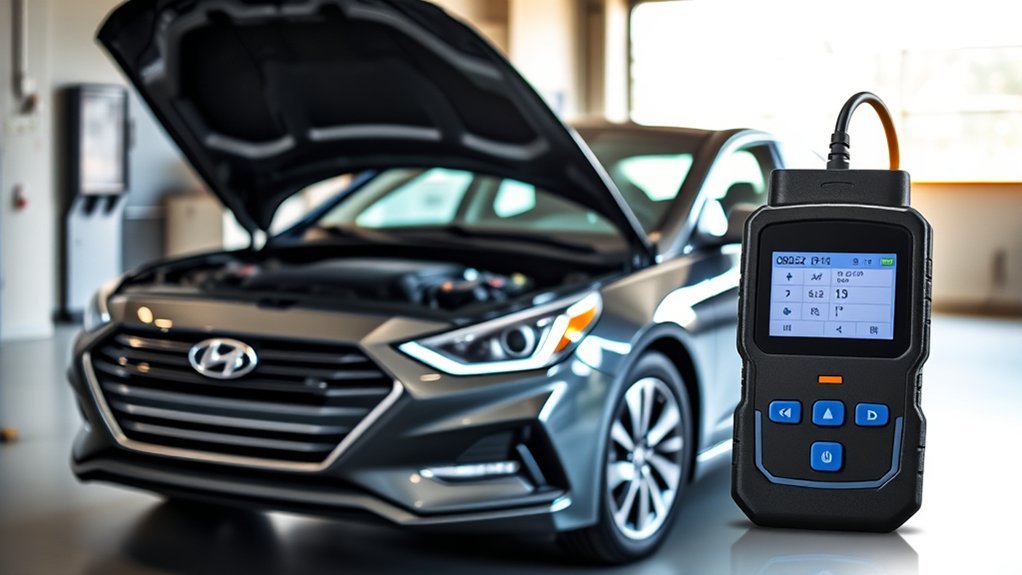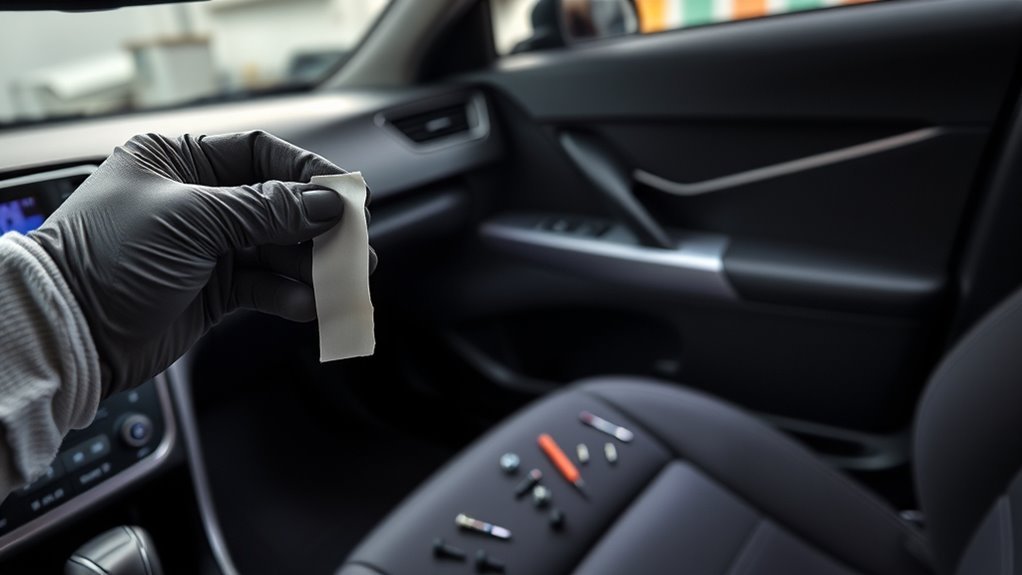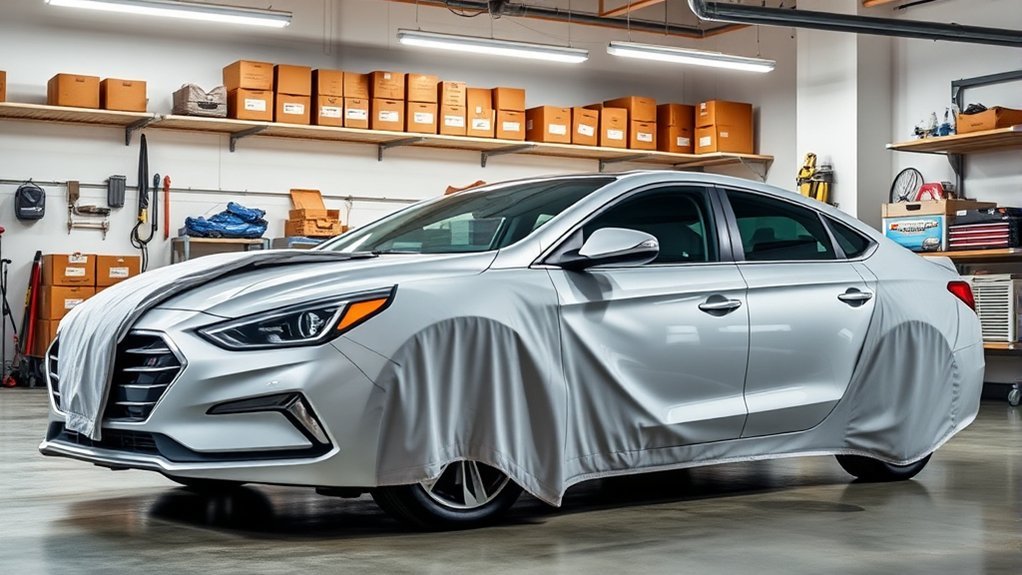
For safe Hyundai Sonata long-term storage, clean and fully dry the car, set the tires to the cold pressure shown on the driver-door tire placard, protect the 12-volt battery with a compatible automatic battery maintainer when appropriate, and store the vehicle in a dry, secure indoor location. If gasoline will sit for several months, follow the fuel-stabilizer label and the owner’s-manual guidance for your exact model year. Before leaving the car, shift to P (Park) and follow Hyundai’s parking-brake procedure rather than relying on generic storage advice.
Last updated: September 16, 2026. Storage and parking guidance was rechecked against Hyundai owner-manual information and current vehicle-storage guidance. Procedures can vary by model year and between gasoline and Sonata Hybrid models.
Hyundai Sonata Long-Term Storage Checklist
The longer your Sonata will remain unused, the more important battery, fuel, tire, pest, and moisture control become. Use this as a planning guide, then check the Hyundai Digital Owner’s Manual for your exact model year before disconnecting a battery, changing a parking procedure, or servicing a hybrid system.
| Storage situation | Main priorities |
|---|---|
| A few weeks | Clean and dry the car, remove food, verify tire pressure, check the 12-volt battery, and park securely. |
| One to three months | Add battery-maintenance planning, periodic tire-pressure checks, leak inspections, pest prevention, and fuel planning. |
| Several months or longer | Use a compatible automatic battery maintainer where appropriate, protect against tire flat spotting, stabilize stored gasoline when called for, and inspect the vehicle and storage area periodically. |
Why Proper Storage Matters for Your Hyundai Sonata

Long periods of inactivity can discharge the battery, reduce tire pressure, create temporary tire flat spots, allow fuel to age, and give rodents time to reach wiring or insulation. Moisture and outdoor exposure can also accelerate corrosion and paint deterioration.
The safest approach is to prepare the car before it sits rather than depending on periodic short engine starts. Keep the vehicle clean and dry, maintain the 12-volt battery correctly, check fluids for abnormal levels or leaks, and inspect the storage area during extended storage.
Model year matters. A current Sonata may use an Electronic Parking Brake and different battery hardware from an older model. Sonata Hybrid owners should follow the hybrid-specific manual for electrical-system guidance rather than applying generic 12-volt instructions to the high-voltage hybrid system.
Step-By-Step Cleaning Before Storage
Store the Sonata only after the exterior, interior, and storage area are clean and dry. Dirt, food residue, leaves, road salt, bird droppings, and trapped moisture are easier to deal with before the car sits for months.
- Vacuum the seats, carpeting, trunk, and floor-mat area and remove all food, wrappers, and trash.
- Wipe hard interior surfaces with products suitable for their materials.
- If the car has leather upholstery, use a compatible leather-care product rather than a generic spray.
- Wash the exterior, wheel wells, and other visibly dirty areas, then allow the vehicle to dry completely.
- Apply wax or paint protection if desired after the paint is clean and dry.
- For indoor storage, use a clean, breathable cover only after the vehicle is fully dry.
A cover should protect a clean finish, not trap moisture or abrasive dirt against the paint.
[Products Worth Considering]
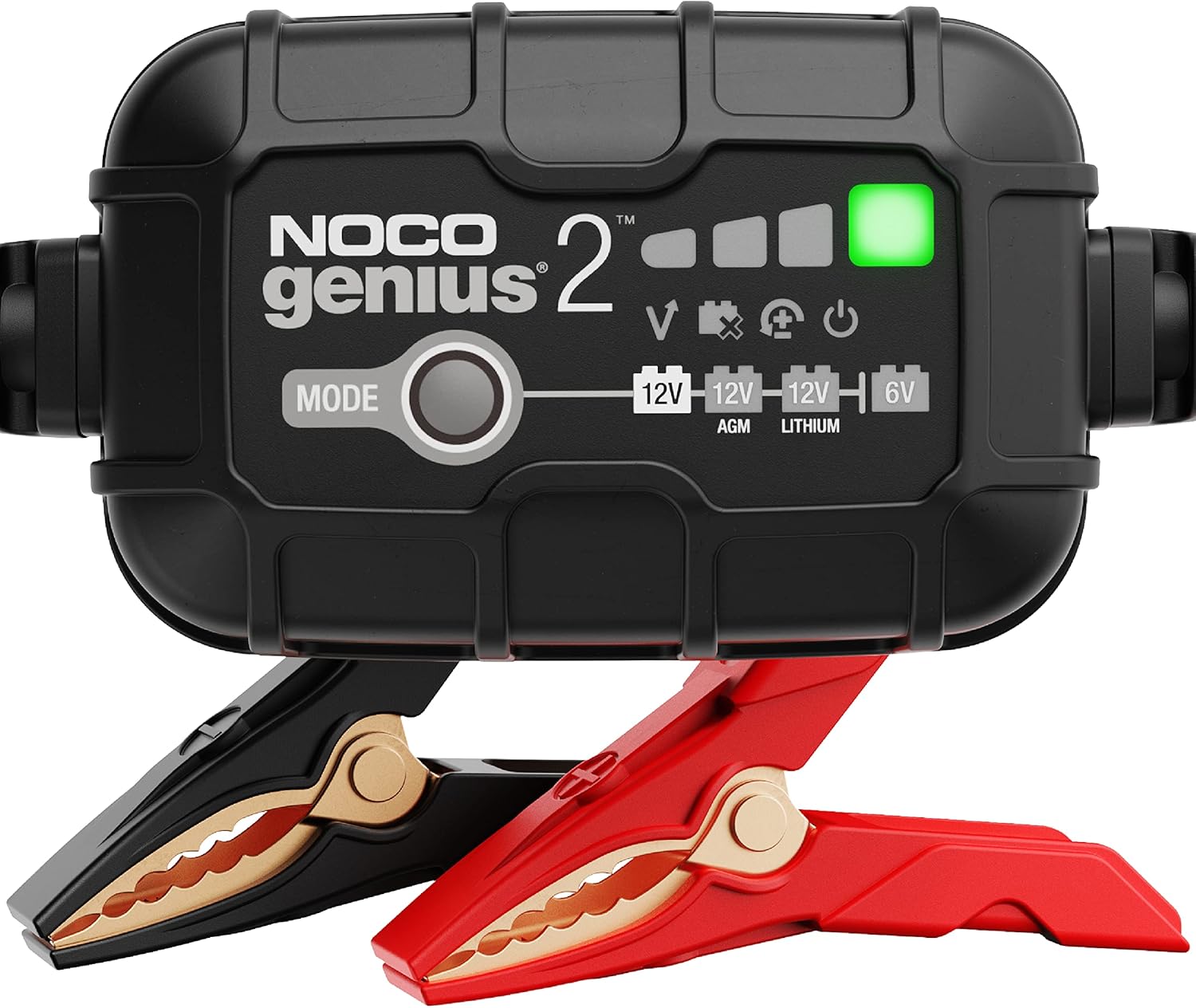
The NOCO GENIUS2 is a compact, all-in-one smart charger that automatically charges, maintains, and restores 6V and 12V lead-acid and lithium batteries. It features temperature compensation, overcharge protection, pulse desulfation, and Force Mode for reviving deeply discharged batteries, making it ideal for long-term battery care across many vehicle types. Designed for safe indefinite connection, it helps extend battery life and keep batteries ready to go.

The NOCO GENIUS5 is an all-in-one battery charging and maintenance solution for 6V and 12V lead-acid and lithium batteries. It features temperature compensation, dead-battery recovery, desulfation, and safe long-term maintenance to help extend battery life and performance. Compact and versatile, it works with a wide range of vehicles and comes with mounting accessories and a warranty.

The NOCO GENIUS10 is an all-in-one smart charger, maintainer, trickle charger, and desulfator designed to keep 6V and 12V batteries performing at their best. It supports lead-acid and lithium batteries, charges deeply discharged batteries, and uses temperature compensation for safer, more accurate charging in changing conditions. Compact and versatile, it is ideal for a wide range of vehicles and long-term battery maintenance.
Essential Tire Maintenance Tips for Storage
Set each tire to the cold inflation pressure specified on the Sonata’s driver-door tire placard before storage. Do not use a universal “3–4 psi above recommended” rule unless the tire or vehicle manufacturer specifically calls for it.
Check tire pressure periodically because tires can lose air while the vehicle sits. For storage lasting several months, repositioning the car periodically or using suitable tire cradles can reduce prolonged loading on one contact patch. Keep tires away from standing water, direct sunlight, and unnecessary heat where possible.
- Use the vehicle’s tire placard as the pressure reference.
- Inspect for existing cuts, bulges, cracking, punctures, or slow leaks before storage.
- Park on a clean, firm, level surface.
- Recheck pressure before driving the car after storage.
- If a vibration or persistent flat spot remains after the tires have warmed during driving, have the tires inspected.
[Products Worth Considering]

This heavy-duty car ramp set provides a stable, reliable lift for routine maintenance like oil changes, tire rotations, brake work, and undercarriage inspections. Built from high-impact poly with a non-skid tread and rubber feet, it helps keep vehicles secure while offering a lightweight, corrosion-resistant alternative to steel ramps. The wide, gradual design supports a broad range of vehicles, from compact cars to trucks, SUVs, and vans.

This tire repair screw kit offers a fast, simple way to seal punctures without removing the tire or visiting a shop. Made with durable carbon steel and rubber, the pre-sealed plugs help create a secure repair for tubeless tires in emergency situations. With two convenient sizes and portable individual packaging, it is a handy solution for cars, motorcycles, bicycles, trucks, and other compatible vehicles.
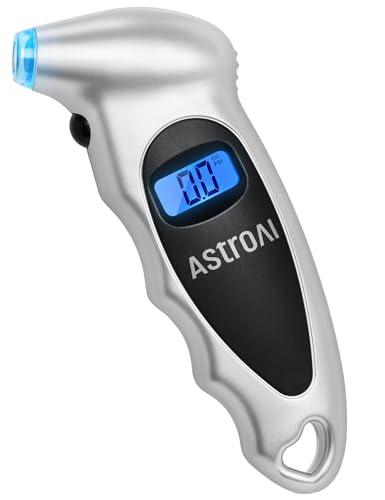
Accurate, Dependable Readings: Factory‑calibrated to ±1 PSI, so you can confidently match your vehicle’s recommended PSI (check the door jamb sticker). Ideal for monthly checks and road trips — consistent results every time, cold or warm.
Battery Care for Long-Term Storage

A Sonata’s 12-volt battery can discharge while the vehicle is parked because some electrical systems continue to draw small amounts of power. For extended storage, an automatic battery maintainer compatible with the installed battery type is generally more appropriate than leaving an old-style constant-output trickle charger connected.
Before connecting or disconnecting the battery, check the owner’s manual for the exact Sonata year and powertrain. Disconnecting 12-volt power can require some vehicle settings or functions to be reset afterward. If you own a Sonata Hybrid, use the hybrid-specific manual for battery procedures; this article does not provide high-voltage battery service instructions.
[Products Worth Considering]

Charger, Maintainer & Desulfator - An all-weather battery charger, battery maintainer, trickle charger, and battery desulfator. Perfect for charging and maintaining all 12-volt lead-acid, flooded or sealed maintenance free batteries (AGM and gel cell).

Adaptive Smart Charging: Our battery maintainer adapts to the needs of your 12V battery, ensuring optimal charging and extending battery life. Ideal for Automotive, Motorcycle, and Lawn Mowers.
Battery Maintainer Usage
Use a charger or maintainer designed for the voltage and chemistry of the battery installed in the car. Follow both the charger’s instructions and Hyundai’s specified connection procedure.
- Start storage with the battery adequately charged and in serviceable condition.
- Use an automatic maintenance/float function intended for long-term connection.
- Select the correct battery-chemistry mode if the charger provides multiple modes.
- Keep charger cables protected from sharp edges, moving components, and water.
- Check the maintainer periodically for a fault indication or failed connection.
Terminal Maintenance Tips
Inspect accessible battery terminals and connections for looseness, damage, or corrosion before storage. If cleaning is necessary, follow the battery and vehicle manufacturer’s safety procedure and keep cleaning solution out of the battery.
Do not automatically disconnect the negative terminal solely because the car will sit. A compatible maintainer may be preferable, and disconnecting power can reset vehicle functions. If disconnection is necessary, use the procedure in the manual for your exact model year.
Temperature Considerations
A dry, ventilated location with moderate, reasonably stable temperatures is preferable to a damp garage or outdoor exposure. There is no universal Hyundai requirement that the garage be maintained at exactly 70°F.
- Avoid prolonged high heat when possible because heat accelerates battery aging.
- Keep the vehicle and charger away from standing water.
- Avoid large moisture-producing temperature swings where practical.
- Protect the car from direct sun during long-term outdoor storage.
- Follow the maintainer manufacturer’s operating-temperature limits.
Fluid Management During Storage
Check fluid levels and condition before storage, but do not automatically “top off everything.” Verify engine oil, coolant, brake fluid, and washer fluid according to the owner’s manual and investigate abnormal losses or leaks.
If the engine oil will become due for service while the vehicle is stored—or is already due—complete the required service before storage. Check coolant condition and concentration when freezing temperatures are possible. For Sonata-specific coolant instructions, see the site’s Hyundai Sonata coolant-level guide.
For gasoline-powered and hybrid Sonatas, fuel can age while the car sits. If the vehicle will be stored for several months, use a gasoline stabilizer only according to the stabilizer manufacturer’s directions and the vehicle’s applicable guidance. Do not guess the treatment ratio or assume one storage interval applies to every fuel product.
How to Deter Pests and Rodents?
The most reliable first steps are removing food, reducing hiding places, and preventing rodents from entering the garage. Rodents can damage upholstery, insulation, air-filter areas, and wiring while a car sits undisturbed.
Seal Entry Points
Inspect the garage or storage building for gaps around doors, walls, vents, and utility penetrations. Seal building entry points with appropriate materials and keep vegetation, boxes, and food away from the parked vehicle.
- Repair gaps around garage doors and damaged weather stripping.
- Store pet food, bird seed, and other attractants in sealed containers.
- Keep the floor around the Sonata uncluttered so pest activity is easier to spot.
- Inspect under the hood periodically for nesting material or chewed insulation.
- If you intentionally block an intake or exhaust opening for storage, use an obvious, removable method and remove it before starting the engine.
Remove Food Sources
Remove snacks, crumbs, wrappers, cups, and other food residue from the cabin and trunk. Vacuum beneath the seats and around the center console, then keep nearby garbage and stored food away from the vehicle.
Traps in the storage area can help identify an active rodent problem. Inspect the area periodically rather than depending on scented repellents alone.
Creating an Ideal Storage Environment
A clean, dry, secure indoor space is the preferred environment for long-term Hyundai Sonata storage. Stable conditions help limit UV exposure, moisture, corrosion, battery stress, and pest activity.
- Dry floor: Avoid areas where water collects beneath or around the vehicle.
- Ventilation: Reduce persistent humidity and condensation.
- Flat surface: Park on a firm, level area.
- Breathable cover: Use one indoors only after the vehicle is clean and dry.
- Periodic inspection: Check tire pressure, charger status, pests, and new fluid spots during extended storage.
If indoor storage is unavailable, use a weather-appropriate cover and choose the driest, most secure paved location available.
How to Keep Your Car Safe?
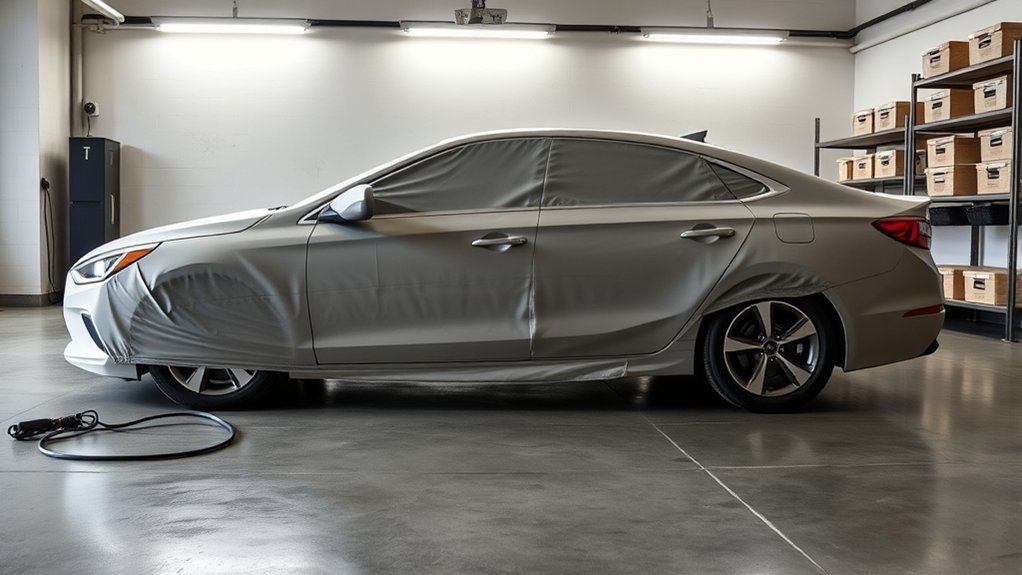
Park the Sonata in a secure area, remove valuables, lock the vehicle, and follow Hyundai’s parking procedure. For current Sonata models, Hyundai instructs the driver to stop completely, select P (Park), and apply the Electronic Parking Brake before leaving the vehicle.
Secure Parking Location
Choose a level, well-lit location protected from weather and unauthorized access. Do not replace the vehicle manufacturer’s parking instructions with a generic recommendation to leave the parking brake released.
- Shift the transmission to P (Park).
- Apply the parking brake as directed by the owner’s manual for the exact model year.
- Use proper wheel chocks only as an additional safeguard where appropriate.
- Check that the doors, windows, hood, and trunk are fully closed.
- Inspect the storage area periodically for leaks, water intrusion, pests, or security problems.
Quality Lock Usage
An additional steering-wheel or wheel lock can add a visible theft deterrent when the car is stored somewhere with public or shared access. Choose equipment that does not interfere with airbags, wiring, controls, glass, or normal vehicle operation, and follow the lock manufacturer’s installation instructions.
Get Your Car Ready for Use After Storage
Inspect the Sonata before starting it. The first goal is to confirm that no pest-control material, leak, damaged wiring, low tire, or battery problem makes startup unsafe.
- Walk around the vehicle and look underneath it for leaks or damage.
- Open the hood and check for nests, chewed wires, damaged hoses, or other pest evidence.
- Remove every cover or temporary blockage placed over an intake or exhaust opening.
- Check engine oil, coolant, brake fluid, and other required fluid levels according to the manual.
- Inspect the tires and set them to the specified cold pressure on the tire placard.
- Confirm the 12-volt battery is properly connected and charged.
- Start the vehicle normally and check the instrument cluster for warning lights or abnormal messages.
- Test brake response at very low speed before entering normal traffic.
Light surface rust can form on brake rotors while a car sits, especially in humid conditions. If braking feels abnormal, warning lights remain on, or the car has a persistent vibration, leak, or unusual noise, have it inspected before normal driving.
Avoid These Common Storage Mistakes
The most important mistakes to avoid are using unsupported universal settings and skipping the pre-start inspection.
| Mistake | Possible consequence | Better approach |
|---|---|---|
| Using a fixed “+3–4 psi” tire rule | Incorrect inflation for the installed tire/vehicle | Use the cold pressure on the driver-door tire placard |
| Leaving a basic constant-output charger connected | Improper battery charging | Use a compatible automatic battery maintainer |
| Automatically disconnecting the battery | Lost settings or reset requirements | Check the model-year manual and use a maintainer where appropriate |
| Ignoring fuel during months of storage | Aged fuel and harder restart | Follow the fuel-stabilizer label and model-specific guidance |
| Replacing Hyundai’s parking procedure with wheel chocks | Vehicle-movement or parking-safety risk | Use P and the parking brake as specified; use chocks only as supplemental protection |
| Starting the car before inspecting for pests or plugs | Damage from blocked openings or chewed wiring | Perform the full pre-start inspection first |
Frequently Asked Questions
How Do You Store a Hyundai Sonata for a Long Period?
Clean and dry the car, remove food, set the tires to the pressure on the door placard, protect the 12-volt battery with a compatible automatic maintainer when appropriate, inspect fluid levels, plan for aging fuel, and store the vehicle in a dry and secure location. Follow the owner’s manual for the exact model year before changing battery or parking procedures.
Should I Disconnect the Sonata Battery During Storage?
Not automatically. A compatible automatic battery maintainer may be a better option because disconnecting the 12-volt battery can require vehicle settings or functions to be reset. Check the owner’s manual for your exact model year and battery configuration before disconnecting it.
What Tire Pressure Should I Use While Storing a Sonata?
Use the cold tire pressure shown on the vehicle’s driver-door tire placard unless Hyundai or the tire manufacturer provides a different storage instruction for your exact setup. Recheck pressure periodically and again before driving.
Should the Parking Brake Be On During Sonata Storage?
Follow the parking procedure in the owner’s manual for your exact Sonata. On current models with an Electronic Parking Brake, Hyundai instructs the driver to shift to P (Park) and apply the EPB when leaving the vehicle. Wheel chocks can be supplemental protection but should not automatically replace the manufacturer’s parking procedure.
Does a Stored Sonata Need Fuel Stabilizer?
If gasoline will remain in the vehicle for several months, a fuel stabilizer may be useful. Follow the stabilizer manufacturer’s treatment and storage-duration instructions and check the model-year owner’s manual. Do not guess the dosage or assume every fuel product has the same treatment interval.
Should I Start My Stored Sonata Every Few Weeks?
Do not rely on brief periodic idling as the main storage strategy. Proper battery maintenance, fuel preparation, tire care, and inspections are more important. If the vehicle is exercised during storage, a normal drive that allows the powertrain to reach operating temperature is more useful than a very short idle, provided the car is roadworthy and insured.
Sources and Model-Year Check
Use the Hyundai Digital Owner’s Manual as the primary source for parking, battery, tire, fluid, and hybrid procedures for your exact Sonata. For broader long-term vehicle-storage practices, the AAA vehicle-storage guidance provides additional context on cleaning, battery maintenance, tires, fuel, and storage conditions.
Conclusion
Safe Hyundai Sonata long-term storage comes down to five priorities: keep the car clean and dry, maintain the battery correctly, use the vehicle’s specified tire pressure, manage fuel and fluids appropriately, and follow Hyundai’s parking procedure for your exact model year. Inspect the vehicle for leaks, pests, tire problems, and electrical issues before restarting it. Those checks are more useful than relying on generic rules such as “70°F,” “70% battery charge,” or a fixed amount of extra tire pressure.