

If you notice a burning smell from your tire inflator, it usually means it’s overheating due to excessive use or internal damage. Unplug the device immediately to prevent further issues and let it cool for at least 30 minutes. Check for air intake blockages and verify the power source is functioning correctly. Avoid using the inflator again until any problems are resolved. Understanding proper maintenance can help prevent future occurrences. Explore more to keep your tire inflator in good shape.
How to Identify Causes of Burning Smell in Your Tire Inflator?
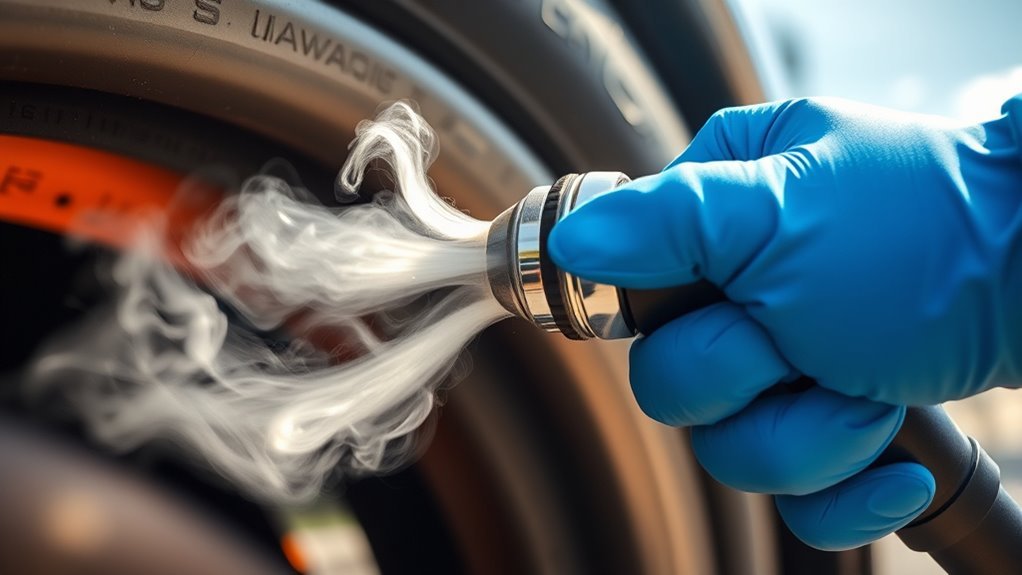
If you notice a burning smell coming from your tire inflator, it’s crucial to identify the underlying causes quickly. This burning smell often signals overheating, typically stemming from excessive usage or wear on internal components. Pay attention to any rattling noises or smoke, as they indicate potential damage or airflow obstructions. If the inflator struggles to maintain air pressure, worn-out pistons or diaphragms might be the culprits. Poor ventilation can also exacerbate overheating, often due to blockages in the air filter or intake. Regular inspections of motor brushes and wiring for damage, along with adhering to usage guidelines, can help mitigate these common causes and prevent further overheating and associated burning smells.
Recognizing Overheating Signs in Your Tire Inflator
Recognizing the signs of overheating in your tire inflator is essential for maintaining its functionality and safety. A burning smell often indicates overheating, typically caused by prolonged use or internal component failures. You should be alert to excessive heat on the inflator’s surface, strange noises like grinding or rattling, and visible smoke or discoloration on the pump body. If your inflator struggles to maintain air pressure or stops shortly after starting, these symptoms might signal overheating due to blockages or internal issues. To prevent overheating, regularly check the air intake and exhaust ports for clogs. Allow your inflator to cool down between uses to guarantee peak performance and longevity.
Immediate Actions to Take When You Smell Burning?
When you smell burning from your tire inflator, acting quickly is crucial to prevent potential damage or hazards. First, unplug the device immediately; burning air compressor smells indicate something’s wrong. Allow it to cool for at least 30 minutes before inspecting it for blockages or damage. Check the air intake and exhaust ports for debris that may restrict airflow, as this can lead to overheating. Additionally, examine the power source to verify it’s delivering the correct voltage and that the socket functions properly. If you need help identifying issues, don’t attempt to use the inflator again until you resolve the underlying problems. Safety should always be your priority when dealing with equipment that exhibits a compressor smell like burning.
How to Maintain Your Tire Inflator to Prevent Issues

Smelling burning from your tire inflator highlights the importance of regular maintenance to prevent such issues from arising. Start by regularly inspecting and cleaning the air filter and intake to avoid blockages that can cause overheating and an oil smell during operation. Adhere to the manufacturer’s recommended usage guidelines, limiting operation time to prevent excessive heat buildup. Schedule periodic maintenance checks, inspecting motor brushes and wiring for any signs of wear or damage. Always use your inflator in a well-ventilated area to promote airflow and reduce overheating risks. For ideal performance, limit its use to light tasks and allow it to cool down between uses, especially after inflating multiple tires, to extend its lifespan considerably.
When to Consider Replacing Your Tire Inflator?
Is your tire inflator showing signs of distress? If you notice a burning smell or smoke, it could mean overheating or electrical failure, signaling that it’s time to replace the unit. Consider the following indicators:
- Inability to maintain air pressure or the pump stopping shortly after starting
- Unusual rattling noises during operation, suggesting internal component failure
- Significant overheating or regular use beyond recommended limits
If your inflator is a malfunctioning unit and still under warranty, replacing it could be a smart choice. Remember, investing in a new model not only enhances safety but also improves efficiency, ensuring your tire maintenance doesn’t compromise your freedom on the road. Don’t wait until it’s too late!
Frequently Asked Questions
Why Does My Air Compressor Smell Like It’s Burning?
If your air compressor smells like it’s burning, check for overheating issues, degraded oil, or clogged filters. Regular air compressor maintenance helps identify burning odors, ensuring tire inflator safety and effective troubleshooting for lasting performance.
Can Low Tire Pressure Cause Burning Smell?
Yes, low tire pressure can cause a burning smell due to increased friction and heat. For safety, regularly check tire pressure and follow maintenance tips to prevent overheating. Troubleshoot any unusual odors immediately.
What Does a Burning Rubber Smell Indicate?
A burning rubber smell indicates potential compressor overheating, which may signal malfunction or improper usage. Follow tire maintenance tips, check rubber wear indicators, and confirm air compressor safety to prevent damage and guarantee peak performance.
How to Fix a Foul Smelling Air Compressor?
To fix a foul-smelling air compressor, follow these compressor maintenance tips: clean the air filter, check for oil leakage issues, prevent overheating, and consult a compressor troubleshooting guide for motor problems. You’ll breathe easy again!
Conclusion
To summarize, if you notice a burning smell from your tire inflator, don’t ignore it—this could be a signal that something’s gone wrong. By promptly identifying the issue, taking immediate action, and maintaining your inflator, you can prevent further complications. Remember, a well-maintained tire inflator isn’t just a convenience; it’s a critical tool for your safety on the road. After all, would you risk your safety over a simple maintenance routine?


