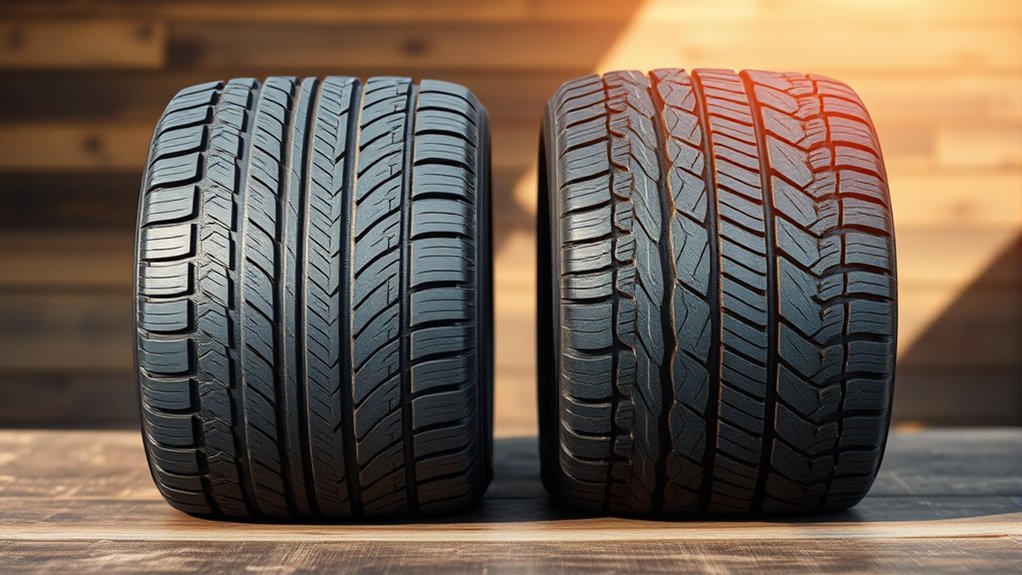
All-season and winter tires are built for different jobs. Traditional all-season tires make the most sense for mild winters, wet and dry roads, and occasional light snow. 3PMSF-rated all-weather tires add certified severe-snow traction while remaining suitable for year-round use. Dedicated winter tires are the strongest choice when cold temperatures, snow, slush, ice, hills, or untreated roads are a regular part of your driving. Use 45°F / 7°C as a practical seasonal guideline rather than a hard cutoff, and choose for the worst conditions you actually need to drive through.
Last updated: September 16, 2026. This revision adds current 2026 controlled tire-test data, clarifies what the 3PMSF symbol does and does not prove, and expands the all-season, all-weather, and winter-tire decision guidance.
Quick Answer
Choose traditional all-season tires if you drive in a mild climate with mostly dry or wet roads and only occasional light snow. Consider 3PMSF-rated all-weather tires if you want one year-round set but still encounter moderate winter weather. Choose dedicated winter tires if temperatures regularly stay near or below 45°F / 7°C and you must drive on snow, slush, ice, hills, or roads before they are treated. The 45°F guideline is a seasonal decision point, not a universal instant-loss-of-grip threshold.
Key Takeaways
- Traditional all-season tires are best suited to moderate climates, daily commuting, rain, dry roads, and limited light snow.
- Winter tires use cold-weather compounds and winter-focused tread designs to improve usable grip in snow, slush, ice, and sustained cold.
- Transport Canada uses 7°C / 45°F as a practical guideline because traditional all-season and summer tires can lose elasticity as temperatures fall.
- The Three-Peak Mountain Snowflake symbol confirms a defined severe-snow traction threshold, but it does not mean every 3PMSF tire matches a dedicated winter tire on ice or in every winter test.
- Tread depth, tire pressure, age, matching fitment, and proper installation affect winter control as much as the tire category itself.
All-Season vs. All-Weather vs. Winter Tires at a Glance
| Tire Type | Best Fit | Winter Capability | Seasonal Swap? |
|---|---|---|---|
| Traditional all-season | Mild winters, dry/wet roads, limited light snow | Limited compared with winter-focused tires | Usually no |
| 3PMSF all-weather | Mixed climates and moderate winter weather | Meets a defined severe-snow traction threshold | Usually no |
| Dedicated winter | Regular cold, snow, slush, ice, hills, or untreated roads | Purpose-built for winter traction | Yes |
Evidence note: This guide synthesizes government tire-safety guidance, tire-industry guidance, and named third-party controlled testing. It does not claim an AutoReviewNest instrumented tire test.
What Are All-Season Tires and Their Benefits?
Traditional all-season tires are designed to balance comfort, tread life, dry grip, wet traction, and light-snow capability. They are not optimized for every condition, but they are convenient for drivers who live where winters are short, mild, or mostly above freezing.
The main benefit is simplicity. You can keep one set of tires on the vehicle year-round instead of changing between warm-season and winter sets. That can lower upfront cost, reduce storage needs, and make tire maintenance easier.
All-season tires also tend to provide a quiet ride and predictable handling in everyday driving. Their tread patterns usually focus on road contact, water evacuation, tread life, and even wear rather than maximum snow and ice traction.
They make the most sense if your winter driving usually means cold rain, dry pavement, or a few light snowfalls that are quickly plowed. They are less suitable if you regularly drive before roads are treated, travel through hilly areas, or face packed snow and ice.
Are All-Season Tires Good in Snow and Cold?
Traditional all-season tires can handle limited light snow when they have adequate tread, but “all-season” does not mean “best in every season.” The category balances performance across a broad range of conditions rather than specializing in severe winter traction.
What Happens to All-Season Tires Below 45°F / 7°C?
As temperatures fall, many traditional all-season tire compounds become less flexible. Transport Canada notes that below 7°C, or about 45°F, all-season and summer tires begin to lose elasticity, which can reduce traction. Winter tires are designed to retain elasticity at much lower temperatures.
The 45°F / 7°C figure is a practical seasonal guideline, not a magic chemical switch. One brief 44°F morning does not make every all-season tire suddenly unsafe. Tire model, tread depth, pavement temperature, road surface, vehicle weight, and driving style all matter. If your area stays around or below that range for weeks and you regularly drive in winter conditions, dedicated winter or suitable 3PMSF all-weather tires deserve serious consideration.
How Much Difference Can Winter Tires Make on Ice?
Ice is one of the conditions where tire design can create a large difference. In Tire Rack’s 2026 controlled comparison, conducted in near-freezing conditions with a 2025 Toyota Camry and 215/55R17 tires, the Michelin Primacy Tour A/S required 57.7 feet to stop from 12 mph on ice. The Michelin X-Ice Snow stopped in 39.4 feet.
Those distances are not universal figures for every all-season and winter tire. They apply to the specific tires, vehicle, speed, temperature, and test surface. They do show why the exact tire category and model can materially change the amount of traction available to ABS and stability-control systems.
Warning: Do not assume anti-lock brakes, all-wheel drive, or traction control can replace winter traction. Those systems manage the grip available at the tires; they cannot create tire-to-road traction that is not there.
Are All-Season Tires Enough for Heavy Snow?
Traditional all-season tires can handle light snow when they have healthy tread, but they are not designed to match dedicated winter tires in repeated storms, packed snow, deep snow, or icy hills. Winter designs generally devote more of the tread pattern and compound to low-temperature traction.
If snow regularly stays on the road, plows arrive late, or you must drive through mountain, rural, steep, or untreated roads, dedicated winter tires provide more winter-focused capability.
How Do Winter Tires Improve Safety in Snow and Ice?
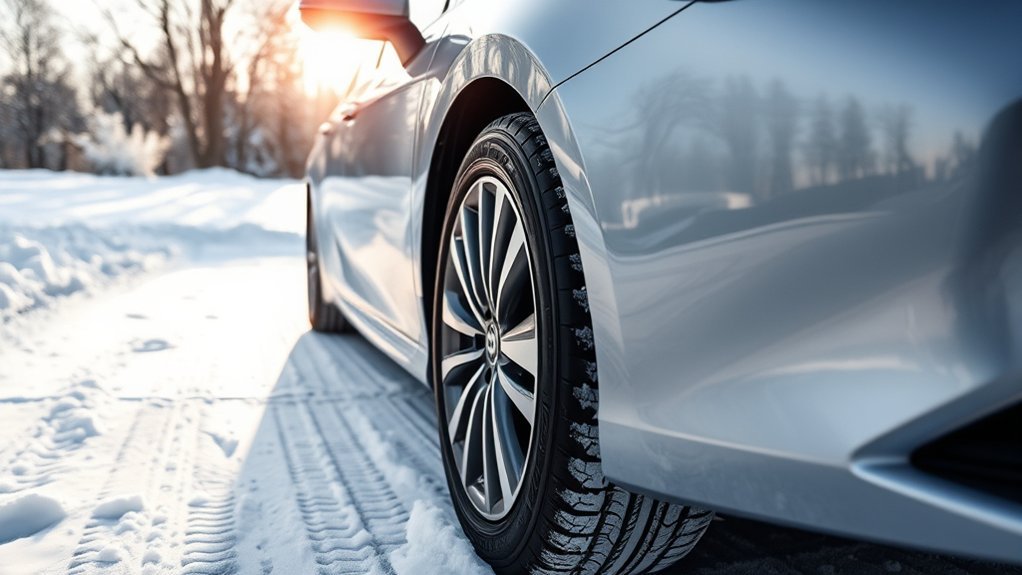
Winter tires are designed around cold-weather traction. Their rubber compounds remain more flexible at low temperatures, while their tread designs provide more edges and channels to work through snow and slush. The result is more usable traction for accelerating, braking, and steering when the road surface becomes slippery.
[Products Worth Considering]

This LUMITECO tire tread depth gauge set makes it easy to monitor tire wear and maintain safer driving performance. The color-coded scale provides quick, easy-to-read measurements, while the compact pocket-size design and included clip make it convenient to keep in your vehicle or toolbox. Suitable for cars, trucks, motorcycles, and more, it offers a simple reusable way to check tread depth whenever needed.

The JACO ElitePro Digital Tire Pressure Gauge delivers shop-grade accuracy with a clear digital readout, making it easy to maintain proper tire pressure for safer driving and better performance. Built with rugged brass and steel components, a protective guard, and a flexible air hose, it is designed for reliable use across cars, trucks, motorcycles, bikes, RVs, and trailers. The lock-on display, built-in bleeder valve, and bright backlit screen add convenience in any lighting condition.
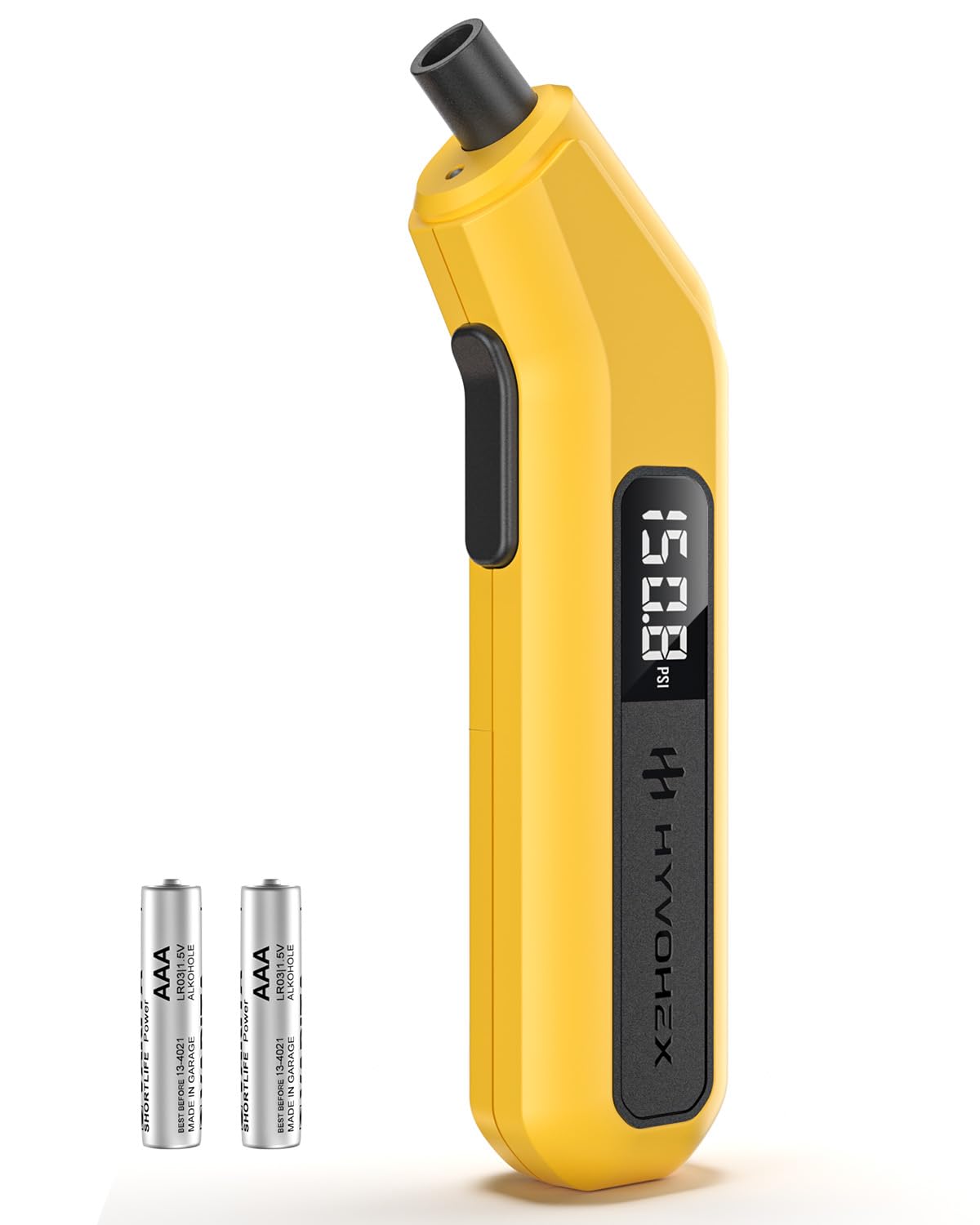
HYVOHEX digital tire pressure gauge delivers fast, accurate readings with an easy-to-read LED backlit display and a high-sensitivity sensor for reliable tire checks. Its valveless one-click operation, rotating valve head, and broad compatibility make it a practical tool for cars, bikes, and trucks. Built with a durable rubber shell and aluminum nozzle, it is compact enough to keep in your glove box or tool bag.
How Does Winter-Tire Tread Improve Traction?
Winter tires commonly use deeper grooves, more open tread patterns, and many small cuts called sipes. These features create additional biting edges and help the tread work against packed snow and uneven winter surfaces.
Look for the Three-Peak Mountain Snowflake symbol, often shortened to 3PMSF. Tires with this mark meet a defined severe-snow traction threshold. However, 3PMSF should not be interpreted as proof of winter-tire-equivalent ice braking or cornering. Year-round all-season designs can also earn the symbol.
Why Does Winter-Tire Rubber Stay More Flexible?
Cold rubber generally becomes stiffer, and stiff tread has more difficulty conforming to small irregularities in the road surface. Winter compounds are engineered to remain more pliable in low temperatures, helping the tread and sipes maintain useful contact with cold pavement, snow, slush, and ice.
This is why winter tires can offer an advantage even when the pavement is cold and dry. The benefit becomes more relevant when low temperatures are sustained rather than occasional.
Do Winter Tires Shorten Stopping Distance?
They can substantially shorten stopping distance in the winter conditions for which they are designed, but the exact improvement depends on the tire models, temperature, vehicle, tread depth, speed, and surface. The 2026 Tire Rack test above is a useful example rather than a universal percentage: the tested X-Ice Snow stopped much shorter on ice than the tested Primacy Tour A/S, while other tire pairings will produce different numbers.
Safety principle: ABS can help prevent wheel lockup, but tire traction determines how much braking force the road can support. More suitable winter traction gives the braking system more grip to work with.
What Makes Winter Tires Different?
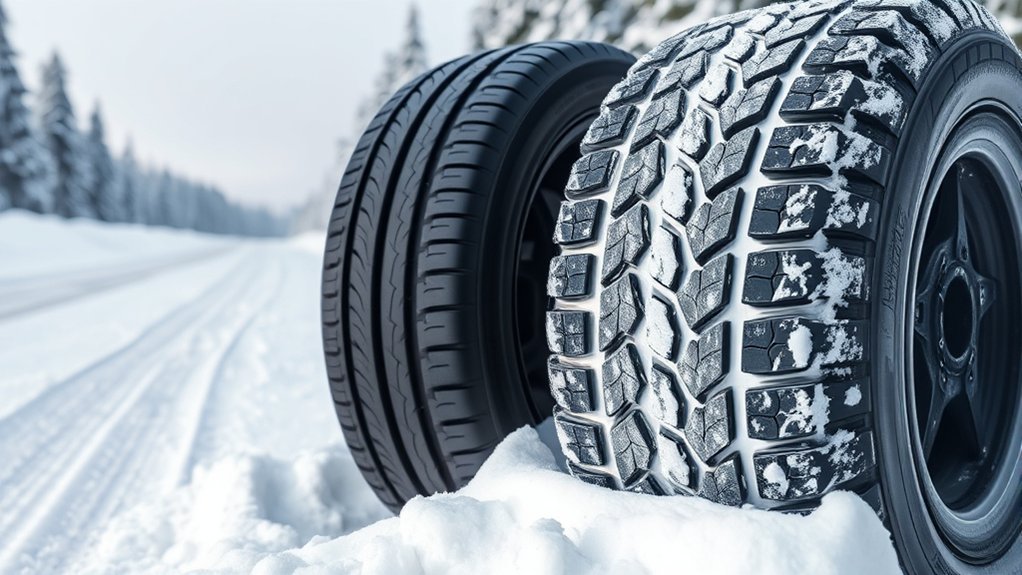
Winter tires improve cold-weather control through several design features working together:
- Cold-weather rubber: Helps the tread remain flexible at low temperatures.
- Winter-focused tread depth: Provides room to work through snow and slush.
- More sipes: Creates additional biting edges on slippery surfaces.
- Open tread channels: Helps move snow, slush, and water through the tread.
- 3PMSF marking: Confirms the tire meets a defined severe-snow traction requirement, but does not by itself certify ice-braking performance.
Winter tires should be installed as a set of four. Mixing winter tires with lower-traction seasonal tires can create a front-to-rear grip imbalance during braking or cornering. Follow the vehicle and tire manufacturers’ guidance for tire size, load capacity, speed rating, and any AWD requirements for matching circumference and tread wear.
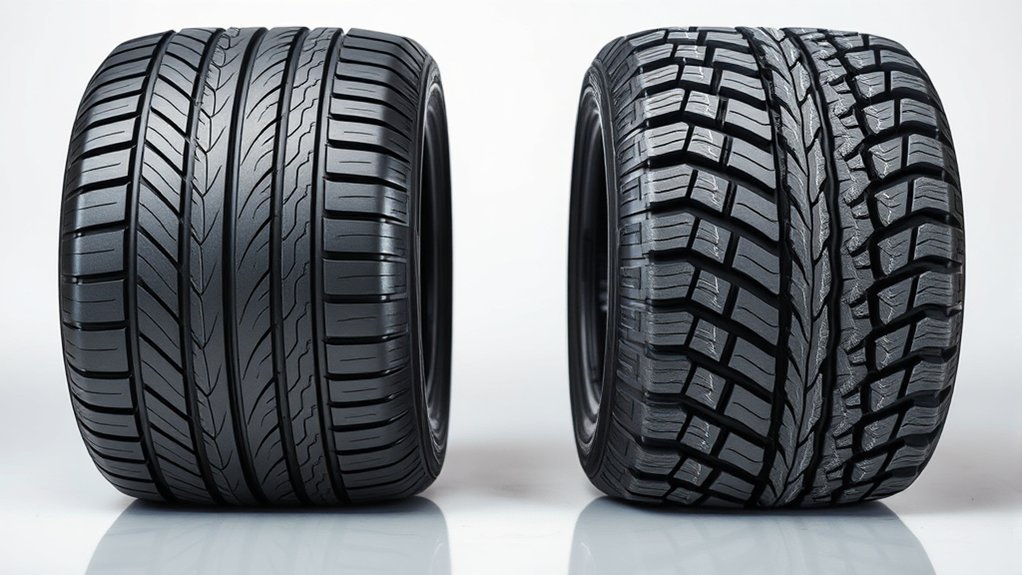
What Is the Difference Between All-Season and Winter Tire Tread?
Tread design and rubber compound are two of the clearest differences between traditional all-season and dedicated winter tires.
| Feature | Traditional All-Season Tires | Winter Tires |
|---|---|---|
| Main goal | Balanced year-round comfort and performance | Cold, snow, slush, and ice traction |
| Rubber compound | Balanced for moderate temperature ranges | Designed to remain more flexible in cold weather |
| Tread design | Balances water evacuation, wear, comfort, and light-snow use | Usually more open and winter-focused |
| Sipes and biting edges | Varies by model | Typically higher density for winter grip |
| Best conditions | Dry, wet, mild cold, limited light snow | Sustained cold, snow, slush, and ice |
| Warm-weather use | Suitable | Not ideal; warm pavement can increase wear and reduce precision |
Are All-Weather Tires a Good Middle Ground?
All-weather tires sit between traditional all-season tires and dedicated winter tires in winter capability. The term is commonly used for year-round designs that carry the 3PMSF symbol, although manufacturers and retailers may still classify individual products under the broader all-season category.
For that reason, do not shop by the words “all-weather” alone. Confirm the 3PMSF symbol on the exact tire and, when winter performance matters, compare independent testing for that specific model. The symbol confirms a minimum severe-snow traction threshold; it does not guarantee that every 3PMSF tire performs like a dedicated winter tire on ice or in deep snow.
All-weather designs can make sense for drivers who see genuine winter weather but do not want to store a second tire set. They are especially practical when the winter pattern is mixed: cold rain, slush, occasional storms, plowed streets, and frequent temperature swings.
They remain a compromise. In frequent snow, untreated roads, severe cold, or recurring ice, dedicated winter tires generally provide more winter-focused traction. In warm climates with no meaningful winter conditions, a traditional all-season or appropriate summer tire can provide better warm-weather specialization.
Note: M+S means “mud and snow,” but it is not the same as the Three-Peak Mountain Snowflake symbol. When severe-snow capability matters, look for 3PMSF rather than relying on M+S alone.
When Should You Switch to Winter Tires?
Switch before winter weather becomes an emergency. If temperatures regularly approach or fall below 45°F / 7°C and your normal driving includes snow, slush, ice, untreated roads, or freezing mornings, schedule the change before the first major storm.
Your ability to postpone a trip matters too. A driver who can stay home until streets are plowed has different needs from a nurse, shift worker, rural commuter, or mountain traveler who must leave before treatment crews arrive.
Pro Tip: Use sustained temperatures near 45°F / 7°C as a scheduling reminder instead of waiting for the first snowfall. The number is a practical guideline, so also consider your tire model, overnight lows, road conditions, and whether you must drive during storms.
| Driving Situation | Practical Tire Choice | Why |
|---|---|---|
| Mostly dry and wet roads, mild winters, rare light snow | Traditional all-season | Year-round convenience without unnecessary winter specialization |
| Mixed winter climate, plowed roads, moderate snow | 3PMSF all-weather | Improved severe-snow capability without seasonal storage |
| Regular freezing weather and recurring snow | Winter | Purpose-built compound and tread for cold-weather traction |
| Must drive before plows, on icy hills, rural roads, or mountain routes | Winter | Greater winter specialization matters when delaying travel is not realistic |
| Can avoid driving during storms and roads are treated quickly | All-season or 3PMSF all-weather, depending on climate | Your exposure to severe road conditions is lower |
| Warm climate with no meaningful winter weather | All-season or summer | Dedicated winter tires add little benefit and are not designed for hot-weather use |
If you travel across states, provinces, or mountain routes, also check the official road authority for the places you will drive. Winter-tire, stud, chain, and traction-device requirements can vary by jurisdiction and route.
[Products Worth Considering]

This compact relay tester quickly checks the condition of most common 12-volt 4- and 5-pin automotive relays outside the vehicle. It provides self-contained testing without needing to connect to the battery, helping you identify coil and contact issues fast. Clear green and red LED indicators make pass or fail results easy to read, and the included batteries let you start using it right away.
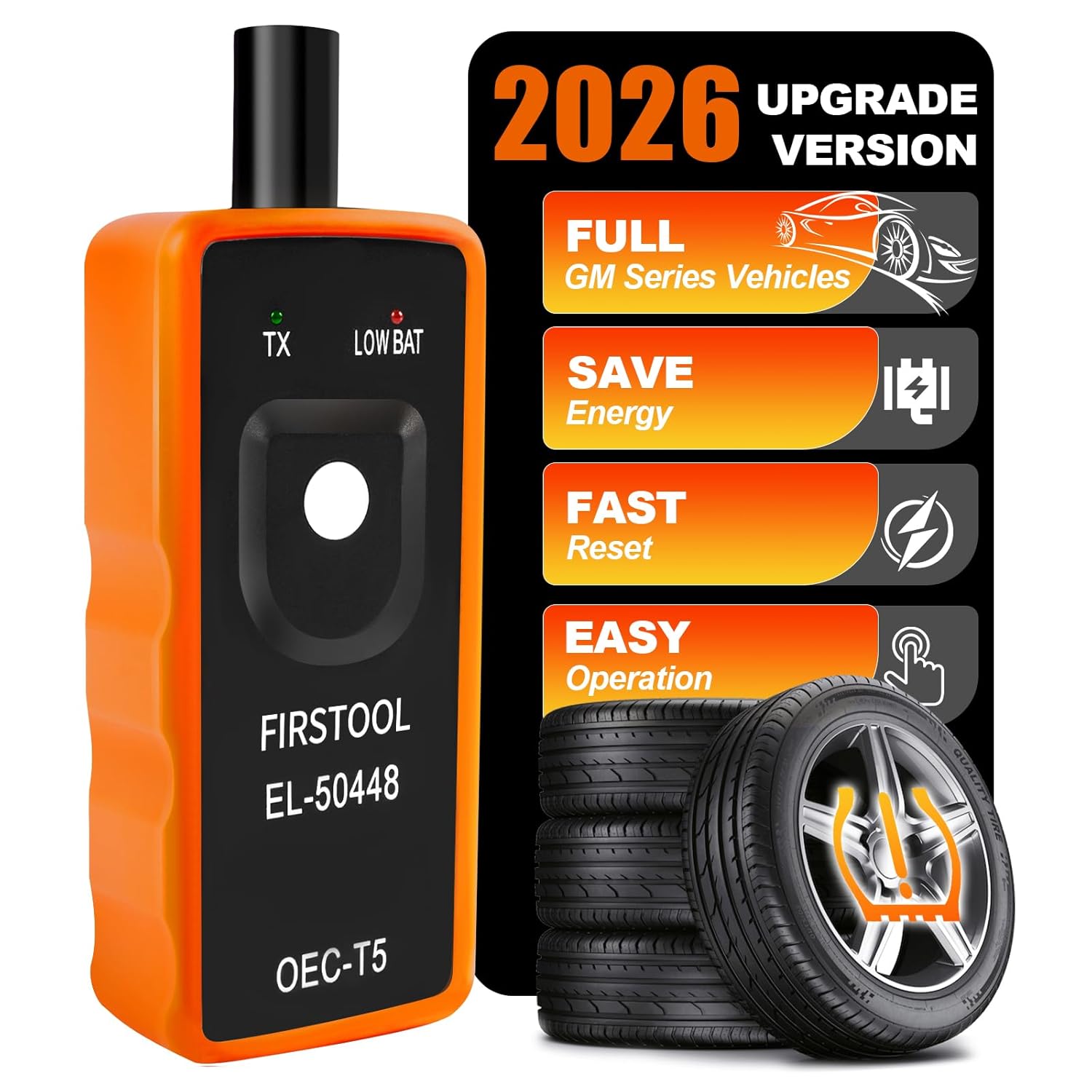
This EL-50448 TPMS relearn tool helps quickly activate and reset tire pressure sensors so your vehicle’s monitoring system stays accurate after tire rotations, sensor replacement, or seasonal tire changes. Designed for many GM-related vehicles and compatible with common 315 and 433 MHz TPMS systems, it offers simple one-button operation and reliable performance for clearing warning lights and relearning sensor positions.
How Do Weather and Driving Habits Change the Choice?
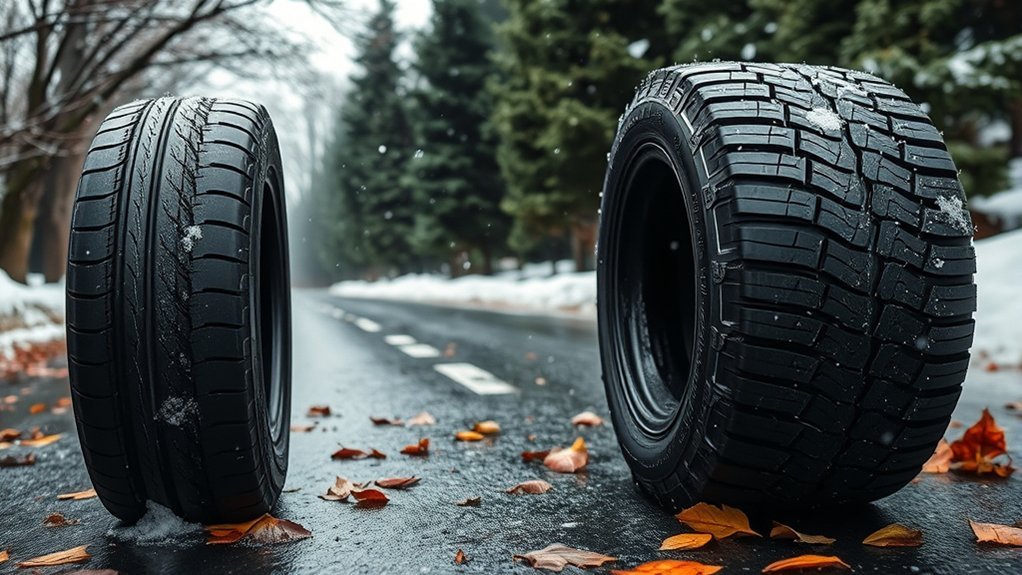
Weather and exposure affect tire selection in four main ways:
- Temperature: Sustained cold can reduce the flexibility of many traditional non-winter compounds. If your area spends long periods around or below 45°F / 7°C, compare winter and 3PMSF all-weather options.
- Snow depth and frequency: One light snowfall is different from packed snow, repeated storms, or an unplowed morning commute.
- Ice risk: Bridges, shaded roads, hills, intersections, and untreated side streets can freeze even when the main roadway looks clear.
- Road maintenance and timing: A road that will be bare at noon may still be snow-covered at 5 a.m. Choose for the conditions present when you actually travel.
A short city commute after plows have passed is not the same as a long rural commute before sunrise. Choose tires for the most difficult conditions you realistically expect to drive through, not merely the average winter day.
How Should You Maintain Tires for Winter Driving?
The right tire category cannot compensate for neglected maintenance. NHTSA and the U.S. Tire Manufacturers Association both emphasize regular pressure and tread checks.
- Check tire pressure monthly: Use a gauge when the tires are cold. Set pressure from the driver-door placard or owner’s manual, not the maximum pressure molded into the tire sidewall.
- Do not rely only on TPMS: TPMS is a warning system, not a replacement for regular gauge checks. USTMA notes that many systems warn when a tire is about 25% underinflated.
- Check tread depth: NHTSA says tires should be replaced when tread reaches 2/32 inch. For winter use, do not treat that as an ideal snow-traction target: Transport Canada advises that tires worn close to 4 mm / 5/32 inch should not be used on snow-covered roads.
- Rotate regularly: Follow the owner’s manual. If no interval is listed, USTMA recommends roughly every 5,000 to 8,000 miles.
- Inspect for damage: Look for cuts, cracks, bulges, exposed cords, vibration, or uneven wear.
- Watch tire age: NHTSA notes that some vehicle and tire manufacturers recommend replacement after six to 10 years regardless of tread, while damage or wear can require replacement sooner.
- Store seasonal tires correctly: Keep them clean, cool, dry, and protected from direct sunlight, heat, oils, and ozone sources.
What Should You Ask Before Buying Tires?
Before buying tires, check your vehicle’s tire placard and owner’s manual. Tire size, load capacity, inflation pressure, wheel fitment, and drivetrain requirements are vehicle-specific.
Ask the dealer these questions before purchasing:
- Does this tire match my vehicle’s approved size and load requirements?
- Is it a traditional all-season, 3PMSF all-weather, or dedicated winter design?
- Does this exact tire and size carry the 3PMSF symbol?
- Are there independent wet, snow, and ice tests for this model?
- What is the expected treadwear warranty?
- Are mounting, balancing, valve service, disposal, and rotation included?
- Is road-hazard coverage available?
- Do you offer seasonal tire storage?
- If fewer than four tires are being replaced, does my vehicle manufacturer allow it and how will the remaining tread depths affect AWD or stability systems?
If replacing only two tires, ask where they should be installed and verify the vehicle manufacturer’s requirements. Bridgestone recommends installing two replacement tires on the rear axle to help maintain stability. AWD vehicles can have additional requirements for matching tire circumference or tread depth, so follow the vehicle manufacturer’s guidance.
[Products Worth Considering]

Built to Keep You Working Through the Winter

Built to Keep You Working Through the Winter
Frequently Asked Questions
Are all-season tires good in snow?
Traditional all-season tires can handle limited light snow when they have adequate tread, but they are not optimized for repeated snowstorms, packed snow, deep snow, or ice. If winter conditions are frequent, compare 3PMSF-rated all-weather tires or dedicated winter tires instead.
When should I switch to winter tires?
Use sustained temperatures around 45°F / 7°C as a practical scheduling guideline, especially if snow, slush, ice, or untreated roads are likely. Do not wait for the first major storm if you know you will need winter tires.
What does the 3PMSF symbol mean?
The Three-Peak Mountain Snowflake symbol shows that a tire meets a defined severe-snow traction requirement. It is more meaningful for winter use than M+S alone, but it does not prove that every 3PMSF tire will equal a dedicated winter tire for ice braking, cornering, or deep-snow performance.
Can I use winter tires year-round?
You generally should not use dedicated winter tires year-round unless the tire manufacturer specifically approves that use. Their cold-weather compounds and tread designs are not optimized for sustained warm-weather driving and can wear faster or feel less precise as temperatures rise.
How often should I replace my tires?
Replace tires when tread reaches 2/32 inch, when there is unsafe damage or wear, or when the tire reaches the age limit specified by the vehicle or tire manufacturer. For snow-covered roads, winter performance can deteriorate well before 2/32 inch; Transport Canada advises against using tires worn close to 4 mm / 5/32 inch on snow-covered roads.
Are all-season tires suitable for off-road driving?
Road-focused all-season tires can handle maintained gravel or mild dirt roads, but they are not designed for serious mud, rocks, deep snow, or rough trails. For regular off-road use, choose a tire category and load specification suited to the terrain and vehicle.
What is the lifespan of winter tires?
Winter tire lifespan depends on mileage, driving style, road surface, tire pressure, storage, alignment, temperature, tread depth, and rubber condition. Season count alone is not enough to determine replacement. Replace a tire when it is worn, damaged, cracked, aged beyond manufacturer guidance, or no longer suitable for the winter conditions you drive in.
How do tire pressure needs differ by season?
Tire pressure changes as temperature changes. Check pressure at least monthly when the tires are cold and after major temperature drops. Inflate to the pressure on the vehicle’s door placard or in the owner’s manual rather than the maximum pressure printed on the tire sidewall.
Are all-weather tires the same as all-season tires?
Not exactly. “All-weather” is commonly used for year-round all-season designs that also earn the 3PMSF severe-snow marking. Because manufacturers and retailers may classify these tires differently, check the actual 3PMSF symbol and independent test performance rather than relying only on the category name.
Do I need winter tires if I have all-wheel drive?
AWD can improve acceleration by sending power through more tires, but it does not create additional tire-to-road grip for braking or cornering. If you regularly drive in snow, slush, ice, or sustained winter cold, suitable winter tires can still provide an important traction advantage on an AWD vehicle.
Conclusion
Traditional all-season tires are practical for mild climates, 3PMSF all-weather tires can provide a useful one-set compromise for moderate winter conditions, and dedicated winter tires are purpose-built for sustained cold, snow, slush, and ice. The right category depends on more than snowfall totals: consider temperature, road treatment, hills, commute timing, whether you can postpone travel, and the exact tire model.
Before buying, check the vehicle placard, current tread depth, tire age, and the symbols on the tire sidewall. If winter conditions are part of your normal commute, compare independent snow and ice testing for the exact tires you are considering rather than relying only on labels such as “all-season” or “all-weather.”
Sources
- Transport Canada — Riding on Air / Winter Tires — supports the 7°C / 45°F guideline, 3PMSF explanation, four-wheel winter-tire guidance, tire pressure checks, and the 4 mm winter tread guidance.
- NHTSA TireWise — supports monthly cold-pressure checks, 2/32-inch replacement guidance, tire aging, TPMS limitations, and general tire safety.
- U.S. Tire Manufacturers Association — Tire Care Essentials — supports monthly pressure checks, TPMS limitations, tread inspection, and the 5,000-to-8,000-mile rotation interval when no vehicle-specific interval is supplied.
- Bridgestone — Tire Replacement Guidance — supports replacement fitment guidance and installing two replacement tires on the rear axle.
- Tire Rack — All-Weather vs. Winter Tires: The Definitive Test (2026) — supports the current ice-braking example and the comparison between traditional all-season, 3PMSF all-weather, and winter tires.
- Tire Rack — What Is the Three-Peak Mountain Snowflake Symbol? — supports the distinction between M+S and 3PMSF and the limitation that a 3PMSF marking does not automatically make a tire a dedicated winter tire.