Toyota Camry Suspension System: How It Works and How to Maintain It
A rough ride, a pull to one side, or unusual tire wear often traces back to one place: your suspension. The Toyota Camry uses front struts and an independent rear design to balance comfort, tire control, and safe handling. This guide explains how each major part works, what warning signs to watch for, and how to keep the system in good shape.
Quick Answer
The Toyota Camry uses a MacPherson strut suspension in the front. Toyota lists the 2026 U.S. Camry with a multi-link rear suspension, while Toyota described the 2018 redesign as using a rear double-wishbone setup. Both rear layouts help each wheel react to the road with better control than a simple fixed design.
Key Takeaways
- The Camry’s front suspension uses a MacPherson strut that combines the shock absorber and coil spring in one assembly.
- Toyota lists the 2026 Camry with a rear multi-link system, while the 2018 redesign used a rear double-wishbone design.
- Warning signs include excessive bouncing, clunking noises, oil leaks around struts, and uneven tire wear.
- Original equipment manufacturer parts help ensure precise fit, while proven aftermarket brands can lower repair costs.
- Inspect struts, shocks, bushings, and springs often, and replace worn parts before they affect safety or handling.
Before You Begin: What You’ll Need
Estimated inspection time: Plan 10 to 20 minutes for a basic driveway check, or one service visit for a full lift inspection.
Check your Camry model year before you order parts, because rear suspension layouts can vary by generation and market. You don’t need advanced tools for a simple visual check, but a shop lift helps a mechanic find worn bushings and loose links faster.
- Use a flashlight to check struts, springs, and bushings.
- Use tire tread depth or wear patterns to spot alignment clues.
- Use your owner’s manual or parts catalog to confirm the correct part type.
- Use a certified mechanic for spring, strut, or alignment work.
Understanding the MacPherson Strut System in the Camry

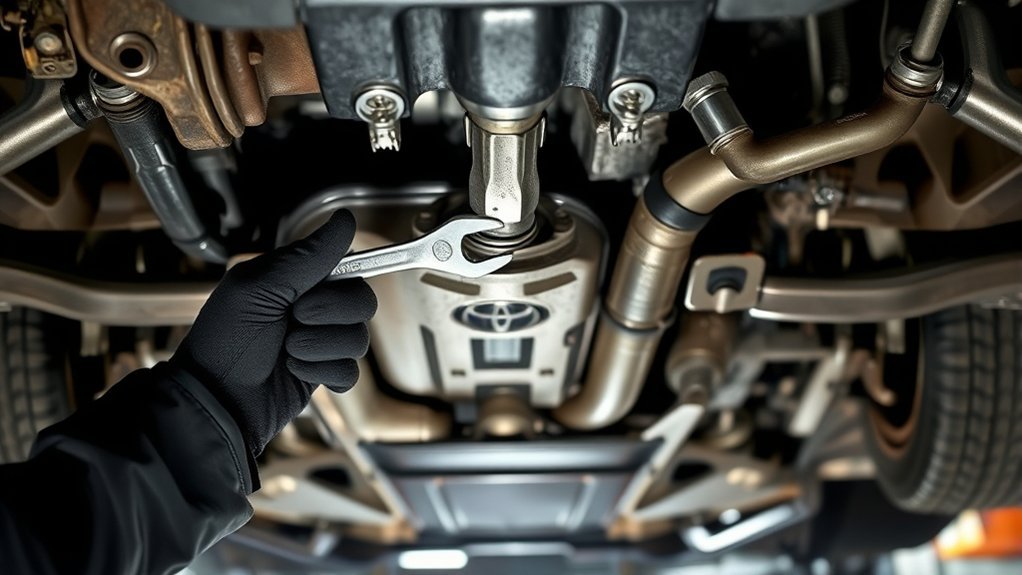
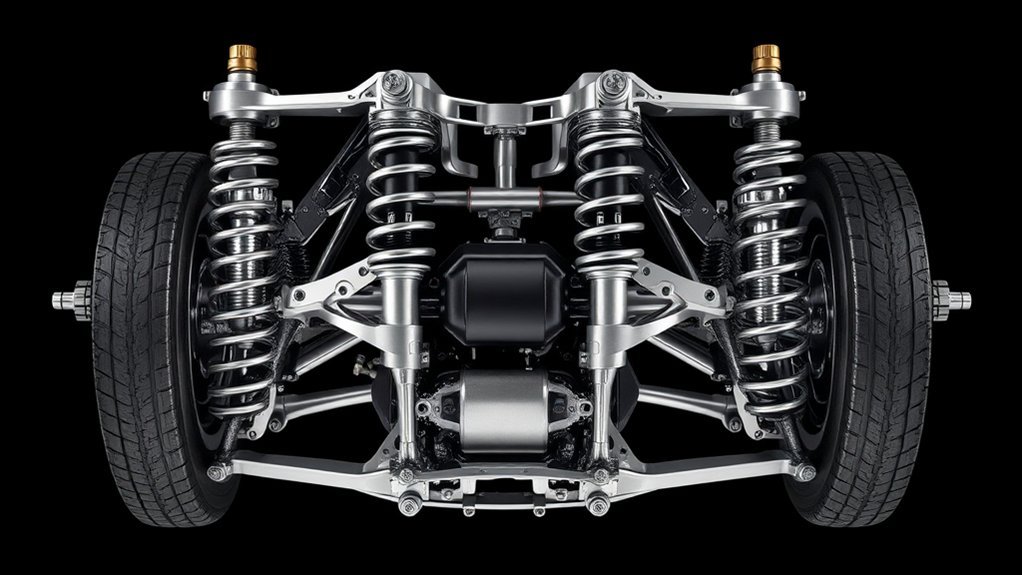
The MacPherson strut system in the Toyota Camry combines the shock absorber and coil spring into a single assembly. This compact design keeps the front suspension layout simple and light without hurting ride control. As you corner, the struts pivot with the steering and help the front tires stay planted.
The connection to the wheel knuckle lets the wheel move accurately over bumps, which smooths out road impacts. Each strut mount uses bearings for smooth steering and vibration control, both of which shape how your car feels to drive. Worn strut parts reduce handling and speed up tire wear, so regular inspection matters.
Key Components of the Toyota Camry Suspension System
The Camry’s suspension relies on several parts working together. The strut assembly forms the core of the front system, while springs, bushings, control arms, and stabilizer links help manage load, impact, and wheel movement.
Strut Assembly Overview
The strut assembly plays a key role in the Camry’s front suspension performance. It uses a MacPherson strut design that combines a shock absorber and coil spring. Main parts include the strut body, a rubber insulator, a strut mount, and a bearing for smooth steering.
Correct strut alignment keeps tire wear even and handling sharp. Misalignment causes uneven wear on the outer or inner tread and can make the car drift. Inspect struts for rust and physical damage at each service visit, and replace them when you see oil leakage or visible mount wear.
| Component | Function | Importance |
|---|---|---|
| Strut | Supports coil spring | Core of front handling |
| Strut Mount | Connects to vehicle body | Absorbs vibrations |
| Bearing | Allows smooth steering | Improves maneuverability |
Coil Spring Role and Maintenance
Coil springs work with the struts to support the vehicle’s weight and absorb road shocks. They set your ride height and help keep the suspension geometry correct. Different spring rates affect how firm or soft your ride feels, so use the correct spec for your Camry trim level.
Watch for sagging or broken springs, since both can make the car sit lower on one corner and hurt handling. Rust and corrosion weaken springs over time, especially in areas that use road salt. Replace springs in pairs on the same axle to maintain balanced suspension geometry.
Pro tip: Check coil spring condition at every tire rotation, because a quick visual check can catch sagging before it becomes a safety issue.
Control Arms, Bushings, and Stabilizer Links
Control arms guide wheel movement and keep the tires positioned correctly as the suspension moves. Rubber bushings reduce vibration, but they crack, split, or loosen with age. Stabilizer links help control body roll, and worn links often create clunking sounds over small bumps.
Warning Signs Your Camry’s Suspension Needs Attention
Your Camry gives clear signals when the suspension needs work. Excessive bouncing or swaying points to worn shocks or struts. Clunking or rattling noises over bumps suggest damaged strut mounts, worn bushings, or loose stabilizer links.
Uneven tire wear often reveals an alignment problem caused by faulty suspension parts. A car that pulls to one side under braking or cornering can also point to a worn component on that side. Act on these signs quickly, since delayed repairs let one bad part add stress to nearby parts.
Warning: Oil leaks around the strut body mean the seal has failed, so the strut can’t control wheel movement safely and needs prompt replacement.
A rougher ride than usual often means coil springs or shock absorbers have worn beyond their useful life. Replacing worn parts restores ride quality and keeps your tires in better contact with the road.
Benefits of the Camry Rear Independent Suspension for Handling
According to Toyota, all 2026 U.S. Camry models feature an optimally tuned MacPherson strut front suspension and multi-link rear suspension. Toyota also described the 2018 Camry redesign as using Toyota New Global Architecture (TNGA) and a rear double-wishbone suspension design. These details matter because the correct rear parts depend on your model year.
Independent rear suspension lets each rear wheel respond to road changes with less effect on the opposite side. This helps the Camry feel more stable through turns and more settled at highway speeds. Better control of wheel angle also helps the tires keep more consistent contact with the road.
Sport trims can feel firmer because Toyota tunes springs, shocks, and stabilizer bars for sharper response. Comfort trims usually feel softer over broken pavement. Your best setup depends on your trim, tire size, road quality, and driving style.
Choosing Between OEM and Aftermarket Suspension Parts for Your Camry
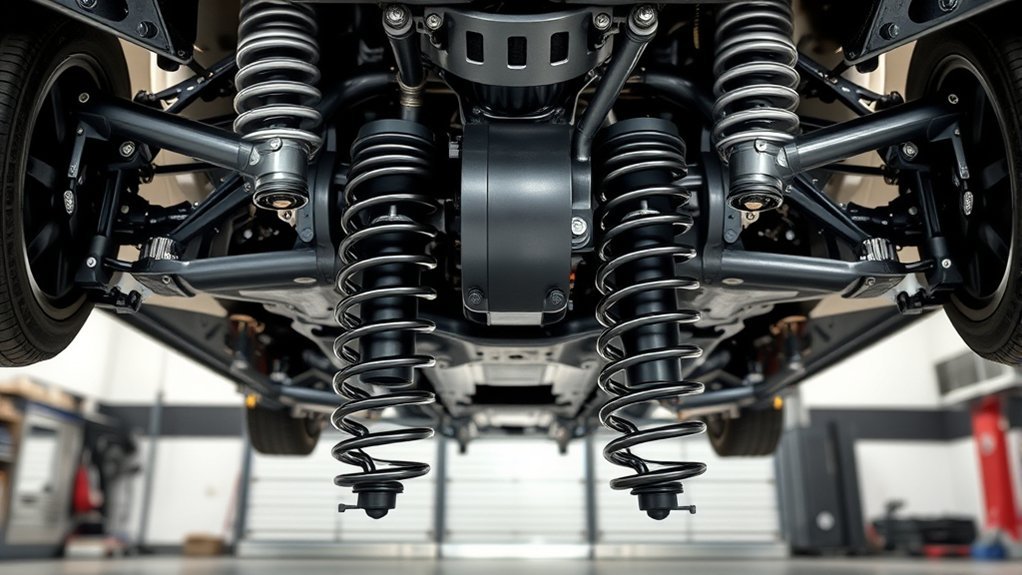
Original equipment manufacturer (OEM) parts match your Camry’s factory specifications. They fit correctly, perform as Toyota intended, and often include clear warranty support. The trade-off comes from a higher price compared to many aftermarket options.
Aftermarket brands such as KYB and Monroe offer vehicle-specific replacement parts, but not every aftermarket product meets the same standard. Research the brand before you buy, because low-cost unbranded parts can compromise safety and wear out faster than better parts. Consider your Camry’s mileage, your typical roads, and the wear level on the current parts before choosing.
No matter which part type you choose, use new mounting hardware and follow the correct torque specs during installation. Replace left and right parts as a pair when the part controls ride height, damping, or wheel movement. This keeps handling more balanced from side to side.
Tips for Maintaining Your Toyota Camry Suspension
Regular upkeep prevents expensive repairs and keeps your Camry handling safely. Follow these four steps:
- Inspect components regularly. Check struts, shocks, bushings, and coil springs for leaks, cracks, and visible wear. Damaged parts reduce handling and can increase stopping distance.
- Monitor tire pressure and alignment. Keep tires inflated to the spec on your door jamb label. Uneven wear patterns reveal alignment issues that often trace back to worn suspension parts.
- Replace worn parts promptly. Clunking or knocking sounds near the strut mount often mean the bearing, insulator, or link has failed. Replace worn parts before the noise turns into a handling problem.
- Schedule a professional inspection. A mechanic can spot worn bushings, bent control arms, and loose end links that you can’t see easily without a lift. An inspection at every oil change helps catch problems early.
Note: RepairPal’s 2026 estimate lists Toyota Camry shock or strut replacement at about $803 to $964 before taxes, fees, and location-based changes.
Frequently Asked Questions
What type of suspension does a Toyota Camry have?
The Toyota Camry uses a MacPherson strut front suspension. Toyota lists the 2026 U.S. Camry with a multi-link rear suspension, while Toyota described the 2018 redesign as using a rear double-wishbone system. Check your model year before ordering parts.
How long do Toyota Camry struts typically last?
Many shocks and struts last about 50,000 to 100,000 miles, but road quality and driving style can shorten that range. Inspect them around 60,000 miles and any time you notice leaking oil, excessive bouncing, or noise over bumps. Your owner’s manual and a mechanic can give the best guidance for your car.
What is the difference between the Camry SE and LE suspension?
The Camry SE usually uses sport-focused tuning with a firmer ride and sharper response. The LE uses a softer, comfort-focused setup. The SE feels more responsive on winding roads, while the LE absorbs daily bumps more smoothly.
Can I drive with a bad strut on my Camry?
You can drive a short distance with a worn strut, but you should not ignore it. A failing strut reduces your ability to steer, brake, and keep the tire planted on the road. It also speeds up tire wear and can stress nearby suspension parts.
Should I replace Camry struts in pairs?
Yes, replace struts or shocks in left and right pairs on the same axle. RepairPal recommends this because mismatched parts can change ride quality and handling from one side to the other. A full steering and suspension inspection can also find related repairs before labor costs rise.
Conclusion
Your Camry’s suspension protects ride comfort, tire contact, and steering control every time you drive. Start with a visual check of your struts, springs, tires, and bushings at each oil change. If you notice leaks, clunks, sagging, or uneven tire wear, schedule a suspension inspection before the problem spreads. A small check now can help you avoid a larger repair later.
References
- Toyota Camry Brings Bold New Nightshade Edition to Lineup in 2026, Toyota USA Newsroom, 2025
- Ready for Launch: The Countdown Begins for the Highly Anticipated All-New 2018 Toyota Camry, Toyota USA Newsroom, 2017
- Suspension Shock or Strut Replacement Cost Estimate, RepairPal, 2026
- Find the Right KYB Shocks and Struts for Your Vehicle, KYB Americas, 2026
- Ensure Road Safety with Quality Shock Absorbers, Monroe, 2024
- Car Shocks and Struts: Signs They Are Worn Out, Kelley Blue Book, 2025