RAV4 AWD vs FWD: Which Drivetrain Should You Choose?
What’s in This Article
- Quick Verdict: AWD or FWD for Your RAV4?
- How RAV4 AWD and FWD Work
- RAV4 AWD vs FWD: Traction in Rain, Snow, and Gravel
- RAV4 AWD vs FWD: Fuel Economy and Daily Cost
- Performance and Towing: Acceleration, Handling, and Payload
- Purchase and Ownership Costs: Price, Maintenance, and Repair Risks
- Tires and Seasons: How Winter Tires Change the Equation
- Hybrid and Plug-in Hybrid RAV4s: AWD vs FWD Differences
- Use-Case Guide: City, Mountain, Family, or Adventure
- Quick Checklist to Choose AWD or FWD for Your Next RAV4
- Frequently Asked Questions
The wrong RAV4 drivetrain can cost you money every month, or leave you wishing for more grip when roads turn rough. The right choice depends less on hype and more on your weather, roads, tires, and budget. Use this guide to compare AWD and FWD in plain language before you choose your next RAV4.
Quick Verdict: AWD or FWD for Your RAV4?
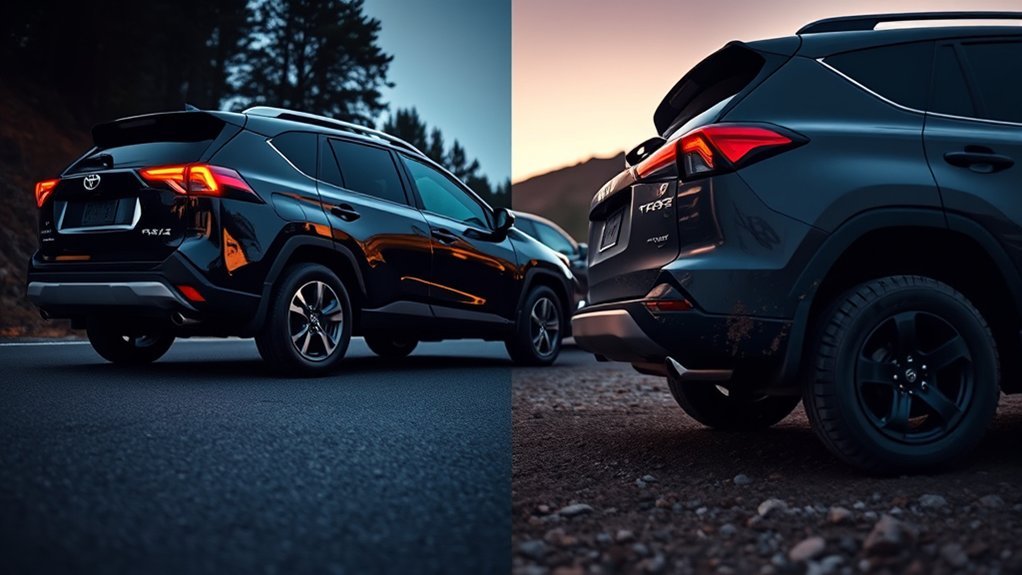
Choose FWD if you want a lower purchase price, simpler ownership, and the best fuel economy for city driving. Choose AWD if you often drive in rain, snow, gravel, hills, or rural areas where extra traction matters.
Quick Answer
FWD suits most RAV4 drivers who stay on paved roads and want lower costs. AWD makes more sense if you need stronger launch traction and better control on slick or loose surfaces. Winter tires still matter more than AWD for braking and cornering on snow or ice.
Key Takeaways
- Pick FWD if you mostly drive in the city and want lower fuel and purchase costs.
- Pick AWD if you often face snow, gravel, steep roads, or wet rural routes.
- Use winter tires in cold climates because AWD does not shorten braking distance by itself.
- Check the exact trim because towing and fuel economy ratings vary by RAV4 model.
- For 2026 U.S. models, Toyota lists RAV4 as hybrid or plug-in hybrid, not gas-only.
AWD gives you more grip when tires start to slip, but it does not make your RAV4 immune to bad roads. FWD keeps your costs lower and gives you strong fuel savings, especially if your routes stay flat and well maintained. Base your choice on real driving conditions, not fear or guesswork.
How RAV4 AWD and FWD Work
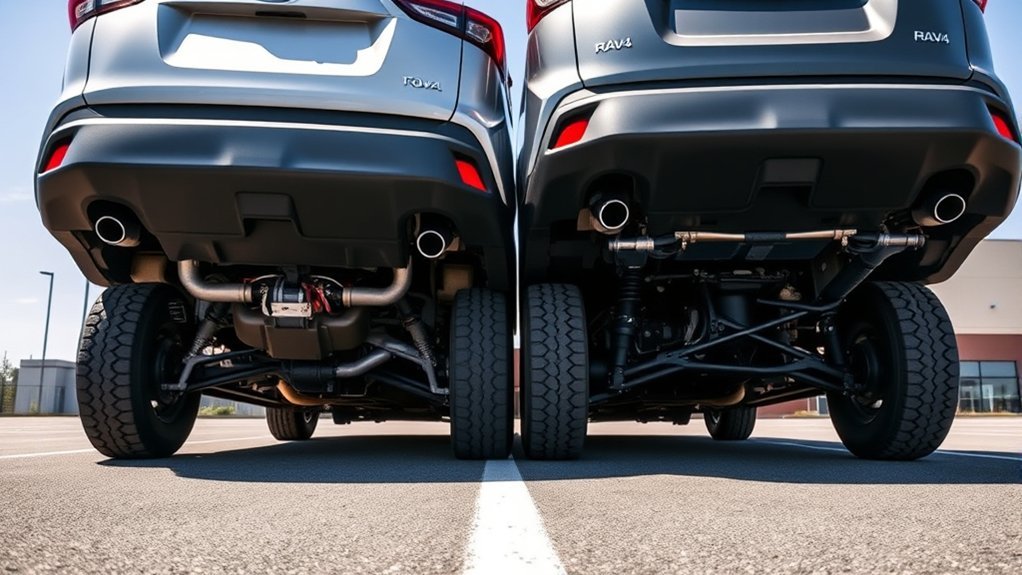
FWD sends power to the front wheels. This layout weighs less, uses fewer drivetrain parts, and helps the RAV4 save fuel during normal driving.
AWD can send power to the rear wheels when the front tires lose grip. On many current RAV4 hybrid models, Toyota uses an electric rear motor to add traction instead of a traditional driveshaft-based setup. Older gas RAV4 AWD models may use more mechanical hardware, so check the exact model year before you compare service needs.
| System | How It Sends Power | Best For | Main Trade-Off |
|---|---|---|---|
| FWD | Front wheels only | Fuel economy and lower cost | Less launch grip on slick roads |
| AWD | Front wheels, plus rear power when needed | Rain, snow, hills, gravel, and trails | Higher cost and slightly lower efficiency |
| Plug-in Hybrid AWD | Hybrid system with standard AWD on U.S. plug-in models | Strong acceleration and all-weather grip | Higher trim price and charging needs |
Note: Toyota lists the 2026 U.S. RAV4 with hybrid and plug-in hybrid powertrains, so older gas-only comparisons may not fit every new model.
You’ll feel AWD most when you accelerate from a stop on wet, snowy, sandy, or gravel roads. FWD feels more efficient and simple when your commute stays on dry pavement.
RAV4 AWD vs FWD: Traction in Rain, Snow, and Gravel
AWD gives the RAV4 a clear traction advantage when the front tires start to slip. It can send power rearward and help you pull away with less wheel spin on rain-soaked roads, packed snow, or loose gravel.
FWD still handles normal rain and light winter driving well when you use good tires. It loses its edge when you start from a stop on a steep hill, drive through deeper snow, or cross loose surfaces where the front tires struggle for grip.
Warning: AWD helps you accelerate on slick roads, but it does not shorten braking distance without enough tire grip.
Choose AWD if you often drive before plows clear the roads, climb steep driveways, or use rural routes after storms. Choose FWD if your area gets mild weather and road crews keep your routes clean.
[Products Worth Considering]

Protect your Toyota RAV4 interior with this custom‑fit windshield sun shade that blocks 99% of harmful UV rays and reduces cabin heat. The mirror cut‑out ensures a seamless fit without gaps, while durable 240T polyester and bendable wire keep it sturdy through repeated use. Foldable and stored in a convenient pouch, it offers easy installation and removal for everyday comfort.

The Autovir windscreen shade offers full windshield coverage for Toyota RAV4 models from 2019 to 2026, blocking up to 99.95% of UV rays and reducing interior heat. Its multi‑layer reflective material provides SPF 100 and UPF 80+ protection while keeping the dashboard, seats, and steering wheel cooler. The foldable design installs quickly and stores conveniently in the glove box, and reinforced stitching ensures long‑lasting durability for daily use.

The Autopect side window sunshade sock screen-shade provides universal, elasticized mesh protection for car, truck, SUV, and van side windows. It filters UV rays, keeps interiors cool, and offers privacy while allowing fresh breezes and bug protection. Easy no‑tool installation and a compact drawstring pouch make it portable for travel and camping.
RAV4 AWD vs FWD: Fuel Economy and Daily Cost
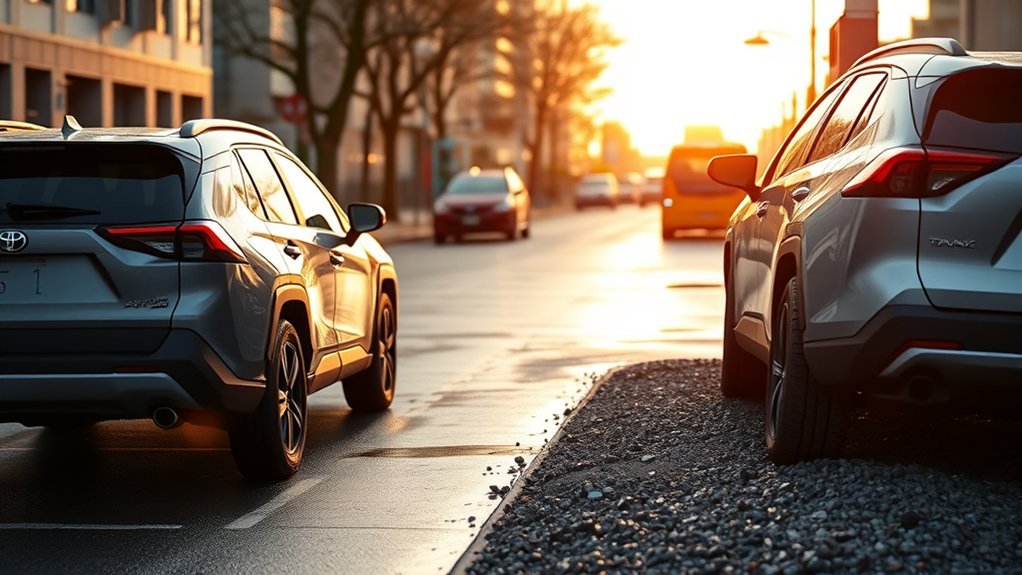
FWD usually gives you the best RAV4 fuel economy because it carries less traction hardware. Toyota lists the 2026 RAV4 with up to an estimated 47 city and 40 highway MPG on some FWD trims.
AWD trims can still return strong fuel economy, but tires, trim weight, and drive system tuning can lower the rating. The Woodland AWD trim, for example, uses all-terrain tires and carries a lower Toyota-estimated MPG rating than lighter FWD trims.
[Products Worth Considering]
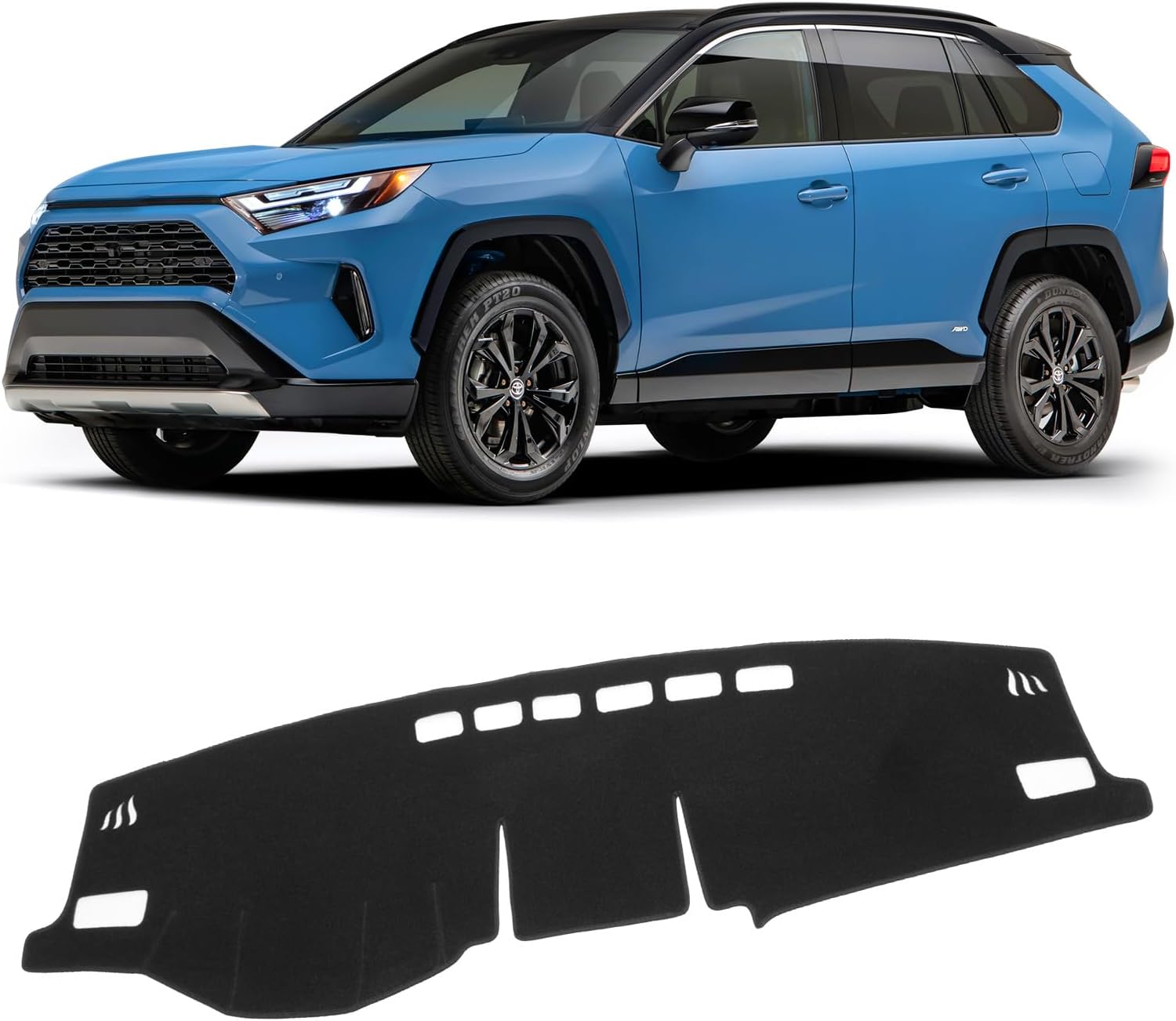
The KUST Black Dashboard Cover Mat offers a custom, eco‑friendly fit for Toyota RAV4 models from 2019 to 2025, protecting the dash from UV damage, scratches, and glare. Made from post‑consumer recycled polyester with a silicone anti‑slip underside, it stays soft, breathable, and odorless while securely adhering to the surface. Installation is quick and reversible, and the foldable design allows easy storage when not in use.

These silicone cup holder inserts provide a precise fit for the 2026 Toyota RAV4, offering anti‑slip grip and noise reduction while protecting the interior from spills and scratches. Made from high‑quality silicone, they are durable, easy to clean, and install without tools, ensuring your drinks stay stable during every drive.
Fuel Economy Differences
Use the window sticker for the trim you plan to buy. RAV4 fuel economy changes by trim, drivetrain, tires, and plug-in hybrid use.
- FWD RAV4 trims usually give you the highest gas mileage in the lineup.
- AWD trims may cost more at the pump because they add traction hardware and weight.
- All-terrain tires can lower MPG, even when the drivetrain uses the same basic hybrid system.
- Plug-in hybrid models can cut gasoline use when you charge often and drive shorter daily routes.
Running Cost Comparison
AWD usually costs more up front than FWD on trims that offer both choices. Some 2026 reports place the FWD-to-AWD option difference around $1,400, but your local build sheet and dealer price can vary.
FWD can save you money through lower purchase cost, lower fuel use, and simpler ownership. AWD may justify its cost if it helps you handle frequent snow, wet hills, gravel roads, or unpaved work routes.
Long-Term Ownership Costs
If you keep your RAV4 for many years, small fuel and service differences can add up. AWD adds traction hardware, so you should expect more parts to inspect over the life of the vehicle.
- Upfront premium: AWD usually costs more than FWD on comparable trims.
- Fuel impact: AWD can lower fuel economy, depending on trim and tire setup.
- Service needs: AWD adds hardware that may need more checks over time.
- Best value: FWD wins for cost, while AWD wins for difficult road conditions.
Performance and Towing: Acceleration, Handling, and Payload
AWD helps the RAV4 put power down with less wheel spin when traction drops. That can make acceleration feel calmer and more controlled on wet pavement, gravel, or snow.
FWD can still feel responsive on dry pavement because it carries less drivetrain weight. It may feel less settled if you accelerate hard on slick roads or climb a slippery grade.
Towing ratings depend on the exact RAV4 trim and powertrain. Toyota lists up to 3,500 pounds of towing capacity for select 2026 RAV4 configurations, while some front-drive and lower AWD configurations may carry lower ratings. Always confirm the rating on your owner’s manual, door label, and Toyota build sheet before you tow.
Purchase and Ownership Costs: Price, Maintenance, and Repair Risks
FWD gives you the cleaner cost picture. You pay less up front on many trims, use less fuel in many cases, and avoid extra AWD hardware.
AWD gives you more capability, but you should budget for the added purchase cost and possible long-term service needs. That trade can make sense if your local roads often demand more traction.
Upfront Purchase Price
Toyota lists the 2026 RAV4 with a starting MSRP of $31,900 before required fees and local charges. Higher trims and AWD-equipped models raise the price from there.
- FWD savings: You usually spend less at purchase on trims that offer FWD.
- AWD cost: You pay more for extra traction hardware and capability.
- Trim effect: Some trims include AWD or plug-in hybrid power as standard equipment.
- Market effect: AWD may hold stronger resale value in snowy regions.
Long-Term Maintenance Costs
FWD keeps ownership simpler because it uses fewer traction components. AWD adds hardware and inspections, even when the system uses an electric rear motor instead of older mechanical parts.
Follow Toyota’s maintenance schedule for your exact model year and drivetrain. Your owner’s manual gives the right fluid checks, tire rotation schedule, and severe-service guidance.
Repair Risk and Complexity
AWD adds complexity, so repair risk can rise as the vehicle ages. That does not mean AWD feels unreliable, but it gives technicians more parts to inspect and diagnose.
- AWD costs more at purchase and may add more service points over time.
- Older gas AWD systems can include more mechanical parts than FWD models.
- Current hybrid AWD systems can use rear electric drive hardware that needs trained service.
- FWD keeps the drivetrain simpler and may lower long-term ownership costs.
Tires and Seasons: How Winter Tires Change the Equation
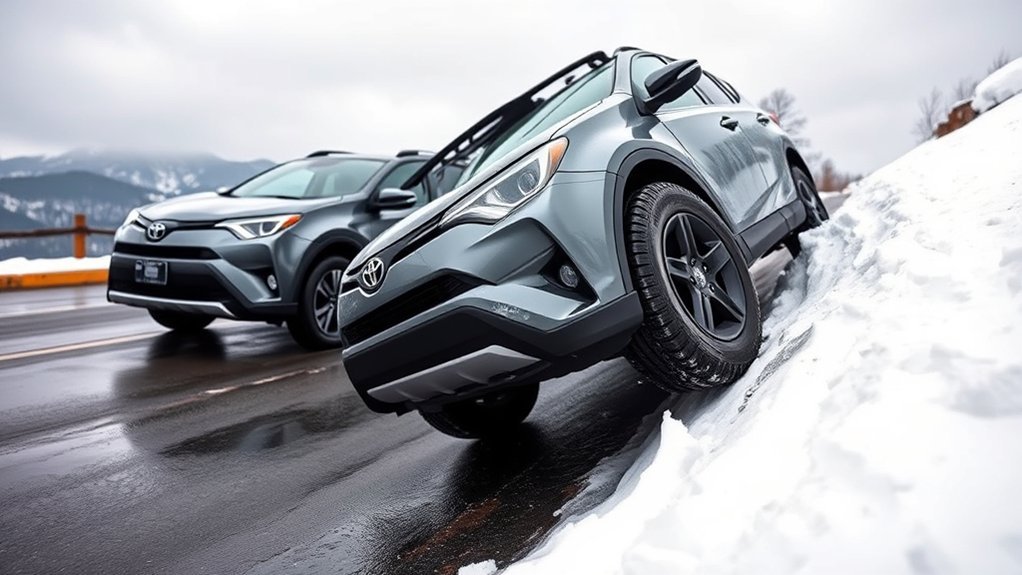
Winter tires can change the whole AWD vs FWD decision. Their rubber stays more flexible in cold weather, and their tread pattern can bite better into snow and slush.
Several tire and safety sources point to one simple rule: tires create the grip, not the drivetrain alone. A FWD RAV4 with quality winter tires can stop and turn better than an AWD RAV4 on worn all-season tires.
Pro tip: If your area gets regular snow or ice, price winter tires before you pay extra for AWD.
AWD and winter tires make the strongest winter setup when your climate demands both. FWD and winter tires make the best value choice when your roads get plowed often and your hills stay mild.
Hybrid and Plug-in Hybrid RAV4s: AWD vs FWD Differences
If you compare newer RAV4 models, pay close attention to hybrid and plug-in hybrid details. Toyota lists the 2026 RAV4 hybrid with available FWD or AWD, while the 2026 RAV4 Plug-in Hybrid page lists standard AWD.
Toyota lists 226 net combined horsepower for 2026 RAV4 hybrid FWD models and 236 net combined horsepower for hybrid AWD models. Toyota also lists 324 net combined horsepower for the 2026 RAV4 Plug-in Hybrid.
- Hybrid FWD: Best fit for fuel economy, lower cost, and daily commuting.
- Hybrid AWD: Better fit for wet hills, snow, gravel, and mixed road conditions.
- Plug-in Hybrid AWD: Best fit if you want stronger acceleration and can charge often.
- Trim choice: Some features, tires, and towing ratings depend more on trim than drivetrain alone.
This means you should compare the exact RAV4 model, not just the AWD or FWD label. A Woodland AWD trim and a lighter FWD commuter trim serve very different buyers.
Use-Case Guide: City, Mountain, Family, or Adventure
Your daily routes should decide the drivetrain. FWD fits paved city streets, mild weather, and budget-focused ownership. AWD fits mountain roads, snow, gravel, wet rural routes, and light adventure use.
| Use Case | FWD Strengths | AWD Strengths |
|---|---|---|
| City | Lower cost and strong fuel economy | Helpful only in frequent storms |
| Mountain | Adequate on cleared roads | Better grip on slopes and wet passes |
| Family | Economical and comfortable | More confidence in harsh weather |
| Adventure | Cheaper for light dirt roads | Better control on gravel and trails |
| Snow | Works well with winter tires | Best with winter tires and careful driving |
Choose FWD If…
Choose FWD if you drive mostly on paved roads, live in a mild climate, and want lower ownership costs. It also makes sense if you plan to buy quality tires and avoid rough roads.
Choose AWD If…
Choose AWD if you often face snow, ice, steep roads, gravel, wet grass, boat ramps, or remote work routes. It also fits you if you want more launch traction with passengers, cargo, or light towing.
Quick Checklist to Choose AWD or FWD for Your Next RAV4
Use this checklist before you buy. Answer based on your real routes, not the worst road you might drive once a year.
- Check your weather: Pick AWD if you regularly drive through snow, ice, or heavy rain.
- Check your roads: Pick AWD for steep, unpaved, rural, or poorly maintained routes.
- Check your budget: Pick FWD if lower purchase cost and fuel savings matter most.
- Check your tires: Buy winter tires if your area gets cold, snowy, or icy roads.
- Check your trim: Confirm MPG, towing, and drivetrain details on the exact RAV4 you plan to buy.
If two or more answers point toward harsh weather or poor roads, AWD deserves serious thought. If most answers point toward city use and mild weather, FWD gives you the cleaner value.
Frequently Asked Questions
What Is the Difference Between AWD and FWD RAV4?
FWD sends power to the front wheels only. AWD can send power to the rear wheels when the vehicle needs more traction.
What Are the Disadvantages of AWD vs FWD?
AWD usually costs more to buy and can lower fuel economy compared with FWD. It can also add more hardware that may need inspection or repair as the vehicle ages.
Does AWD Make a RAV4 Safer in Snow?
AWD can help your RAV4 start moving and climb slick roads with more control. It does not replace winter tires, safe speed, or longer following distance.
Is FWD Enough for a RAV4 in Winter?
FWD can work well in mild winter areas when you use good tires and drive on plowed roads. Choose AWD if you often face deep snow, steep hills, or rural roads before crews clear them.
Does AWD Help With RAV4 Towing?
AWD can help traction when you launch with a trailer on wet grass, gravel, or a boat ramp. Your actual towing limit still depends on the exact trim, powertrain, and equipment.
Safety Disclaimer: This article gives general vehicle information only. Always follow your owner’s manual, tire manufacturer guidance, local road laws, and advice from a qualified technician before driving in severe weather or towing.
Conclusion
The best RAV4 drivetrain is the one that matches your real roads, weather, and budget. Pick FWD if you want lower cost, strong fuel economy, and simple daily ownership.
Pick AWD if snow, gravel, hills, wet roads, or towing traction affect your normal driving. Before you decide, price the exact trim and tire setup you plan to use.
A smart drivetrain choice should make your RAV4 easier to own, not just more expensive to buy.
References
- 2026 Toyota RAV4 — Toyota Motor Sales, U.S.A., 2026
- The Next Adventure Begins: 2026 RAV4 Arrives this Winter — Toyota Newsroom, 2025
- 2026 RAV4 Plug-in Hybrid — Toyota Motor Sales, U.S.A., 2026
- Winter Driving Tips — National Highway Traffic Safety Administration
- Using Winter Tires — Transport Canada, 2025
- Winter Tire Report 2024 — Tire and Rubber Association of Canada, 2024
- AWD vs Winter Tires: The Truth About Safety — Michelin