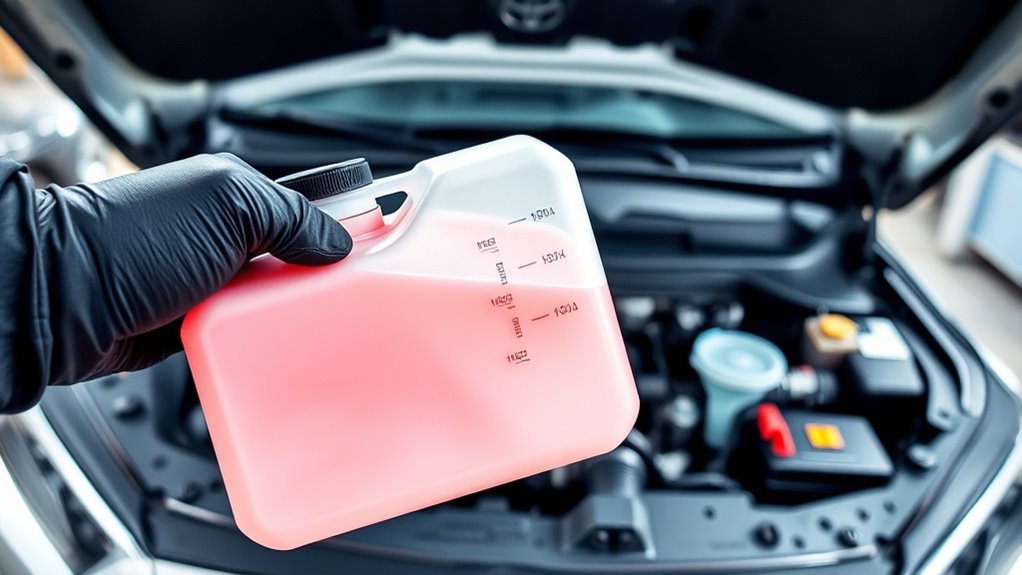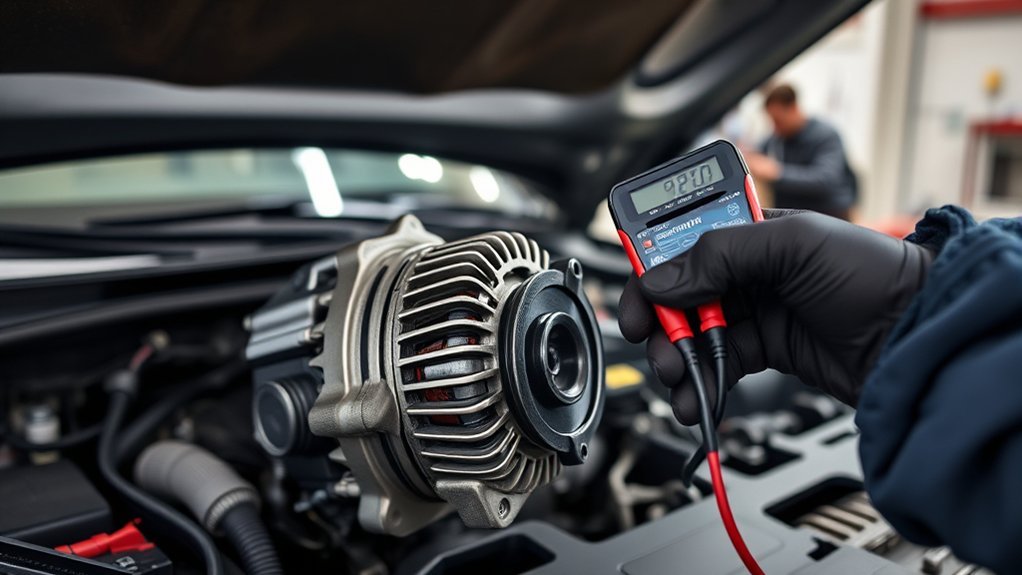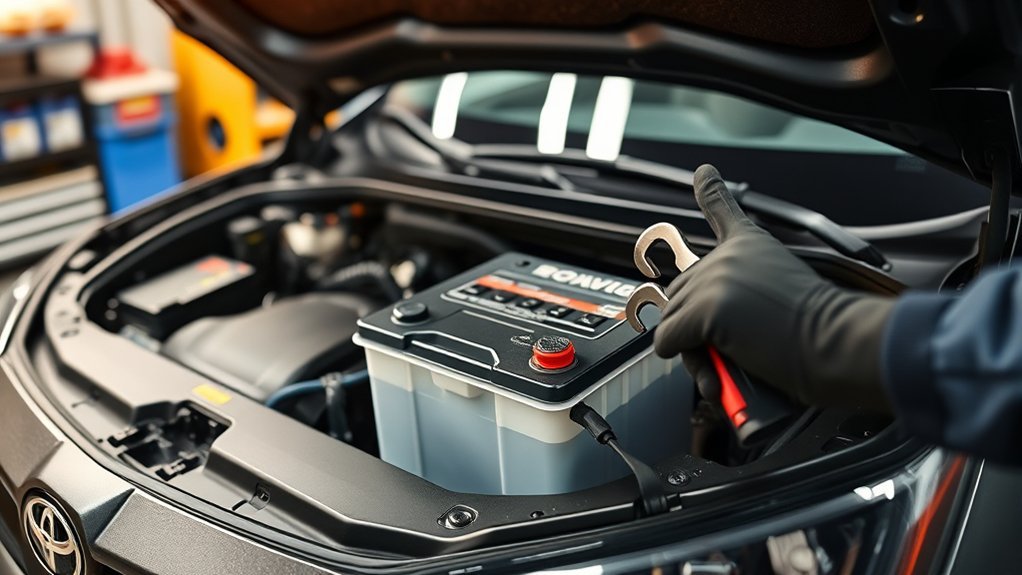
Choosing the right Toyota RAV4 battery is mostly about matching the correct case size, battery type, cold cranking amps, reserve capacity, and terminal layout for your exact year and trim. A battery that “almost fits” can still cause hard starts, loose hold-downs, Start/Stop problems, warning lights, or poor long-term performance.
Quick Answer
Most newer gas Toyota RAV4 models use an H6/LN3 battery, while hybrid, Prime, and older RAV4 models may use H4/LN1, H5/LN2, 24F, 35, or other sizes. For RAV4 models with Stop & Start, Toyota lists an H6 EFB/LN3-ISS battery rated at 603 CCA and 65Ah.
Key Takeaways
- Do not choose a RAV4 battery by model name alone. Match the year, trim, engine, hybrid system, and Stop & Start equipment.
- For many 2019 and newer gas RAV4 models, Toyota’s battery charts list H6/LN3 or H6 EFB/LN3-ISS applications.
- AGM and EFB batteries are better suited for high electrical demand and Stop & Start systems than basic flooded batteries.
- A weak battery often shows up as slow cranking, dim lights, corrosion, clicking, warning lights, or repeated low-voltage issues.
- Always confirm fitment with your VIN, owner’s manual, Toyota parts catalog, or a trusted battery fitment tool before buying.
What to Expect During a Battery Replacement Service
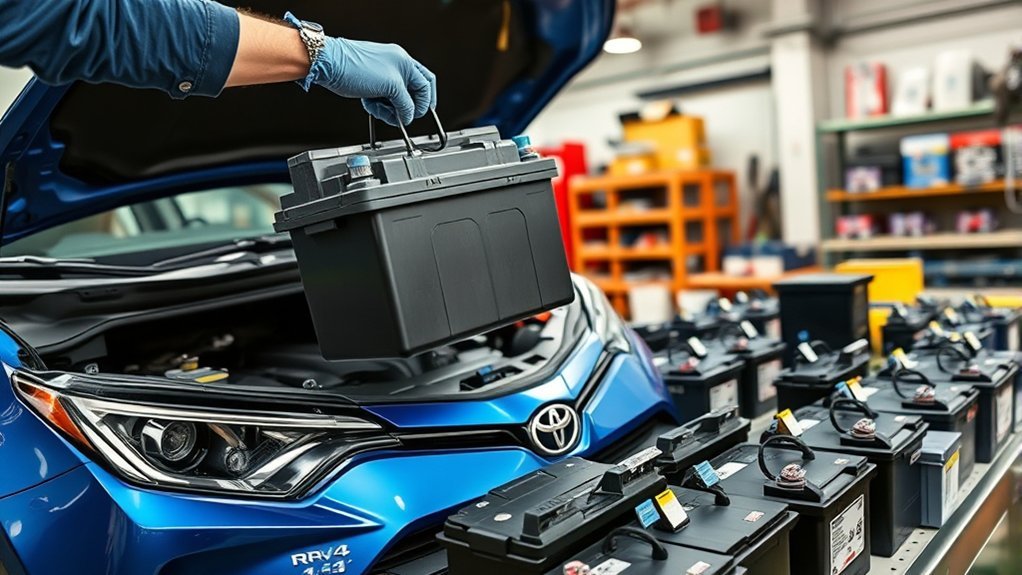
When you schedule a battery replacement for your Toyota RAV4, the service usually includes more than simply swapping the old battery for a new one. A good shop will test the battery, inspect the charging system, check the terminals and hold-down bracket, confirm the replacement size, and safely recycle the old battery.
At a Glance
| Time Required | Usually 30 to 60 minutes |
| Difficulty | Easy to moderate for DIY owners; best handled by a technician if corrosion, warning lights, or Stop & Start issues are present |
| Tools Needed | Socket/wrench set, gloves, eye protection, terminal cleaner, battery tester or multimeter |
| Cost | Varies by battery type, warranty, labor, taxes, and recycling fees; AGM and EFB batteries usually cost more than standard flooded batteries |
At a dealership or certified repair shop, the technician can also verify the correct Toyota battery application using the vehicle identification number. This matters because two RAV4s from the same generation can use different batteries depending on whether they are gas, hybrid, Prime, or equipped with Stop & Start.
Warning: A 12-volt battery contains acid and can release explosive gas. Wear eye protection and gloves, keep sparks and flames away, and disconnect the negative cable first if you are doing the work yourself.
Signs It’s Time to Replace Your RAV4 Battery
If your RAV4 is showing signs like a delayed engine crank, clicking at start-up, dim lights, or repeated low-voltage warnings, it is time for a battery and charging-system test. Many car batteries last about 3 to 5 years, but heat, cold, short trips, long parking periods, and electrical drains can shorten that life.
Common Warning Signs
Recognizing battery warning signs early can save you from an unexpected no-start. The table below explains what to watch for and what to do next.
| Warning Sign | What It Usually Means | Action Needed |
|---|---|---|
| Slow or delayed cranking | The battery may not be delivering enough starting power | Test battery voltage and CCA |
| Clicking when you press Start | Low battery charge, poor connection, or starter-related issue | Inspect terminals and test the starting system |
| Dim headlights or weak accessories | Reduced battery output or charging-system problem | Test battery and alternator output |
| Corrosion around terminals | Poor electrical contact or possible acid vapor leakage | Clean terminals and test the battery |
| Battery warning light | Charging-system fault or low system voltage | Inspect immediately before driving far |
| Swollen, cracked, or leaking case | Battery damage or internal failure | Replace the battery safely |
Reduced Electrical Performance
As your RAV4 battery ages, you may notice electrical problems before the vehicle fails to start. Hard starts, dim lights, random low-voltage codes, weak power accessories, or Stop & Start becoming unavailable can all point to a weak 12-volt battery.
A fully charged 12-volt battery often reads around 12.6 volts at rest, but voltage alone does not prove the battery is healthy. A weak battery can show decent voltage and still fail a load test. That is why a proper battery test should measure available cold cranking amps and check the charging system.
Note: If your RAV4 needs repeated jump-starts, do not keep driving without testing it. A weak battery can strain the charging system and leave you stranded again.
What Battery Group Sizes Are Compatible With the Toyota RAV4?
Battery group size tells you the battery’s physical dimensions, terminal arrangement, and related fitment characteristics. According to Battery Council International, group sizes are used to help match replacement batteries to the correct vehicle application.
For the Toyota RAV4, there is no single battery group size that fits every year and trim. Depending on the model, common applications can include H6/LN3, H6 EFB/LN3-ISS, H5/LN2, H4/LN1, 24F, 35, S46B24R, and S55D23R. That is why a fitment check by VIN is always the safest choice.
| RAV4 Model / Year Range | Common Toyota Battery Listing | Important Notes |
|---|---|---|
| 1996–2005 RAV4 | Varies by model; often smaller conventional sizes | Confirm by year and engine |
| 2006–2012 RAV4 | 24F listed for many non-EV models | Check hold-down and terminal layout |
| 2013–2018 RAV4 gas | 35 listed for many non-hybrid models | Do not assume hybrid fitment is the same |
| 2016–2018 RAV4 Hybrid | S46B24R or S55D23R applications | Hybrid auxiliary battery location and design differ from gas models |
| 2019 and newer RAV4 gas without Stop & Start | H6/LN3 listed in Toyota battery charts for many applications | Some OE H5/LN2 applications may be serviced with H6/LN3 |
| 2019 and newer RAV4 gas with Stop & Start | H6 EFB/LN3-ISS | Toyota lists 603 CCA and 65Ah for the H6 EFB/LN3-ISS TrueStart battery |
| 2019 and newer RAV4 Hybrid | H4/LN1 or H5/LN2 depending on equipment | Use the VIN or Toyota parts catalog to confirm |
| RAV4 Prime | H5/LN2 listed in Toyota battery charts | Do not confuse the 12-volt battery with the high-voltage traction battery |
[Products Worth Considering]

The ANCEL AD410 PRO combines engine diagnostics and 12V battery testing in one easy-to-use tool, helping you read and clear check engine codes while checking battery health, cranking, and charging performance. It also provides live data, freeze frame details, and I/M readiness checks to help you diagnose issues faster and prepare for emissions testing. With plug-and-play operation, a clear screen, and broad vehicle compatibility, it is a practical solution for home mechanics and everyday drivers.
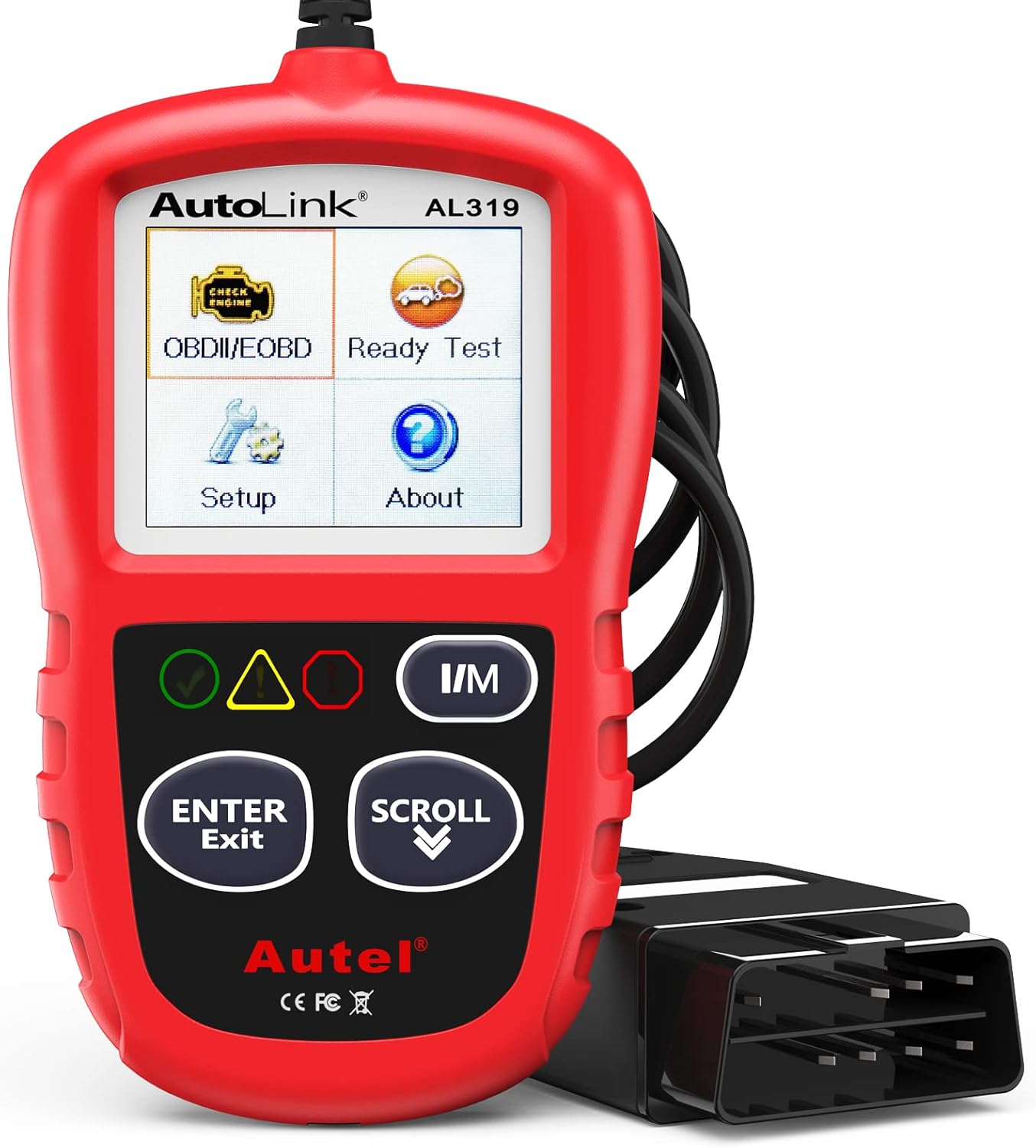
The Autel AL319 is a user-friendly OBD2 scan tool designed to help drivers quickly diagnose check engine light issues and understand vehicle fault codes. It supports reading and clearing DTCs, live data, freeze frame, I/M readiness, and vehicle information, making it a practical choice for DIYers and everyday car owners. With plug-and-play operation, a color display, built-in speaker, and broad vehicle compatibility, it delivers fast, reliable diagnostics without complicated setup.

The ANCEL AD410 helps drivers quickly read and clear engine-related fault codes, view live data, and understand why the check engine light is on before heading to a repair shop. With built-in code definitions, readiness checks, and support for common OBD2 functions, it makes basic diagnostics straightforward for beginners and DIY users. Powered directly from the vehicle and easy to use with no app required, it offers practical value for everyday vehicle troubleshooting.
How to Choose the Right Battery for Your RAV4
Choosing the right battery for your RAV4 comes down to fitment and electrical capacity. Start with the owner’s manual and Toyota parts lookup, then confirm the details printed on your current battery label. If the old battery is not original, use the VIN rather than trusting the existing battery.
[Products Worth Considering]
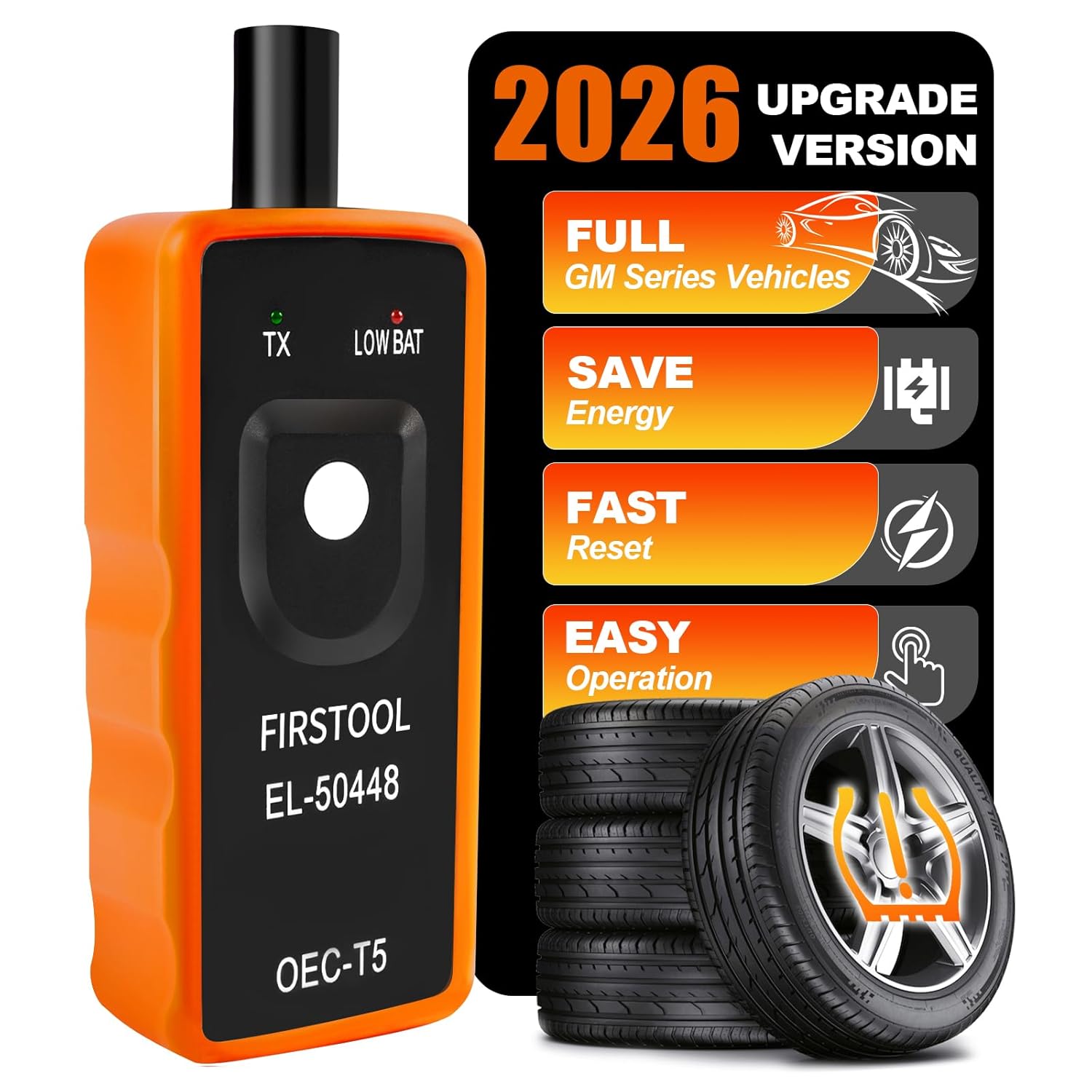
This EL-50448 TPMS relearn tool helps quickly activate and reset tire pressure sensors so your vehicle’s monitoring system stays accurate after tire rotations, sensor replacement, or seasonal tire changes. Designed for many GM-related vehicles and compatible with common 315 and 433 MHz TPMS systems, it offers simple one-button operation and reliable performance for clearing warning lights and relearning sensor positions.

This battery terminal cleaning and repair kit helps restore worn or damaged top-post battery connections for cars, RVs, boats, and other vehicles. It includes lead shims for improving fit, stainless steel brushes for removing corrosion and debris, and fiber washers to help reduce future buildup and maintain a reliable electrical connection.

✅Batter dimensions: 10.75" L x 6.81" W x 8.98" H, Terminal: Tapered terminal (Left negative (-), Right positive (+)). ✅Please ensure to verify the dimensions and terminal position before making a purchase to guarantee compatibility with your vehicle to avoid any fitment issues.
Battery Types Overview
The most common 12-volt battery types you will see are flooded lead-acid, EFB, and AGM.
| Battery Type | Best For | Main Advantage | Main Limitation |
|---|---|---|---|
| Flooded lead-acid | Older or lower-demand applications | Usually the lowest cost | Less ideal for heavy electrical loads or frequent cycling |
| EFB | Many Stop & Start systems | Better cycling than standard flooded batteries | Still must match the correct OE specification |
| AGM | High-demand electrical systems and premium replacements | Spill-resistant design, strong cycling, good vibration resistance | Higher cost and must be compatible with the charging system |
For RAV4 models with Stop & Start, do not downgrade to a basic flooded battery unless the manufacturer’s fitment data specifically allows it. Stop & Start vehicles cycle the battery more often, so EFB or AGM construction is usually the better match.
Compatibility and Specifications
Before buying, compare these specifications:
- Group size / case size: The battery must sit securely in the tray and clamp correctly.
- Terminal position: The positive and negative posts must line up with the cables without stretching.
- Cold cranking amps: CCA must meet or exceed the requirement for your application.
- Reserve capacity or Ah rating: This affects how well the battery supports electrical loads.
- Battery chemistry: Flooded, EFB, and AGM are not always interchangeable.
- Warranty: Compare free-replacement coverage and prorated coverage, not just price.
Pro Tip: Take a photo of the old battery label, hold-down bracket, and terminal layout before removal. It makes it easier to verify size, post location, and cable routing when installing the new battery.
What Are the Cold Cranking Amps (CCA) Requirements?
Cold cranking amps measure how much starting current a battery can deliver in cold conditions. Higher CCA can help in cold weather, but the goal is not simply to buy the highest number available. The goal is to choose a battery that meets or exceeds Toyota’s required specification while still matching the correct size and chemistry.
For example, Toyota’s TrueStart H6 EFB/LN3-ISS battery listing shows 603 cold cranking amps and 65Ah for that application. Toyota’s 2024 battery chart also lists H6 EFB/LN3-ISS dimensions and power ratings for Stop & Start applications.
| Battery Listing | Case / Size | Toyota TrueStart Rating | Common Use |
|---|---|---|---|
| H6 EFB | LN3-ISS | 603 CCA / 65Ah | Many RAV4 gas Stop & Start applications |
| H6 | LN3 | Varies by battery line | Many newer gas RAV4 applications |
| H5 | LN2 | Varies by battery line | Some hybrid, Prime, and serviced applications |
| H4 | LN1 | Varies by battery line | Some newer RAV4 Hybrid applications |
The correct RAV4 battery is not just the one with the highest CCA. It is the one that matches Toyota’s required size, chemistry, terminal layout, hold-down design, and minimum power rating.
[Products Worth Considering]

Fast Starting Power: This 12V 70Ah 760 CCA delivers strong, steady starts is ready for any weather in any season.
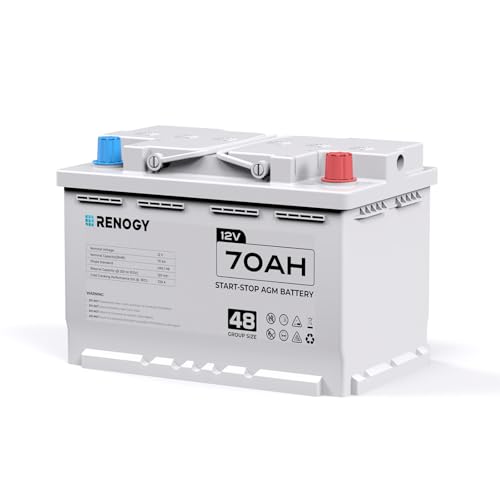
Reliable Safety Design: Renogy car battery sealed 12V 70Ah lead-acid battery minimizes the risk of acid leaks and corrosion, ensuring safe and dependable performance for everyday driving needs.

Fast Starting Power: This 12V 35Ah 370 CCA delivers strong, steady starts is ready for any weather in any season.
Battery Size: Effects on Performance and Longevity
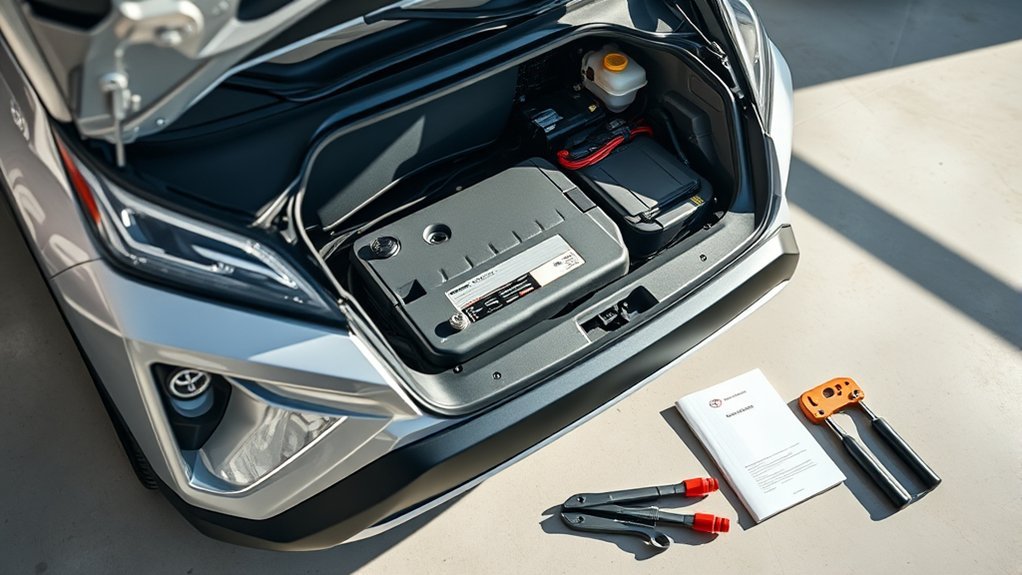
Battery size affects more than whether the battery fits in the tray. It also affects how securely the battery is held, whether the cables reach correctly, how much reserve capacity is available, and whether the battery can handle the vehicle’s electrical demand.
A battery that is too small may not clamp securely or may not provide enough capacity. A battery that is too large may interfere with the hold-down, cables, cover, or nearby components. Even if it starts the vehicle, poor fitment can lead to vibration damage, loose terminals, or early failure.
- Larger cases often allow more reserve capacity, but only if the battery is approved for the application.
- Correct terminal orientation prevents stretched cables and poor connections.
- Correct hold-down fit keeps the battery stable over bumps and vibration.
- Correct chemistry helps the charging system manage the battery properly.
- Correct CCA helps your RAV4 start reliably in cold weather.
AGM vs. Flooded Lead-Acid Batteries: What’s the Difference?
AGM and flooded lead-acid batteries both use lead-acid chemistry, but they are built differently. A flooded battery uses liquid electrolyte. An AGM battery holds the electrolyte in absorbent glass mats, making it more resistant to vibration and better suited to repeated cycling.
| Feature | AGM Battery | Flooded Lead-Acid Battery |
|---|---|---|
| Electrolyte design | Absorbed in glass mat separators | Liquid electrolyte |
| Spill resistance | Sealed and spill-resistant | Can vent or leak if damaged |
| Cycling ability | Better for frequent cycling | Lower cycling tolerance |
| Vibration resistance | Generally stronger | More basic construction |
| Cost | Usually higher | Usually lower |
EFB batteries sit between conventional flooded and AGM designs. They are often used in Stop & Start vehicles because they handle more cycling than a basic flooded battery. If your RAV4 originally uses EFB or AGM, replacing it with the same or better approved type is the safest move.
How Battery Chemistry Affects Your RAV4’s Performance
Battery chemistry affects starting power, recharge behavior, cycling durability, and how well the battery supports electronics when the engine is off. This matters more on newer RAV4 models because they may have smart-key systems, power liftgates, advanced driver assistance features, infotainment loads, and Stop & Start systems.
- Flooded batteries can work well in simpler applications when they match the required specs.
- EFB batteries are designed for improved cycling and are common in Stop & Start applications.
- AGM batteries provide strong cycling performance, vibration resistance, and spill-resistant construction.
Using the wrong chemistry can shorten battery life or reduce electrical performance. When in doubt, match the original equipment type or choose a replacement listed as compatible by Toyota or a reputable battery manufacturer.
Tips for Maintaining Your RAV4 Battery Health
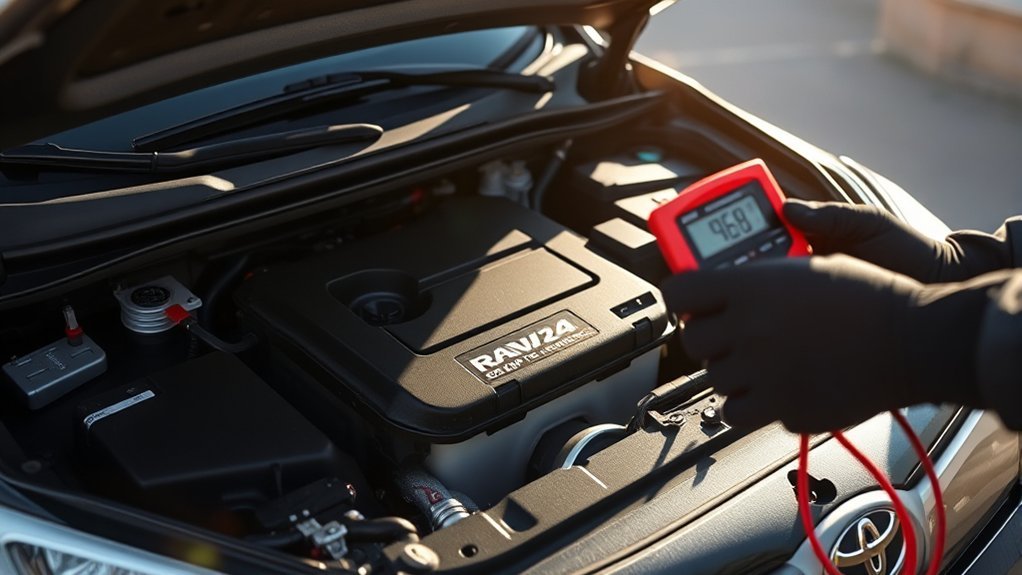
Maintaining your RAV4’s battery health helps prevent no-starts and electrical problems. Basic checks take only a few minutes, but they can catch corrosion, loose connections, and low charge before the battery fails.
- Test the battery after three years: AAA recommends regular testing once a battery is several years old because many batteries last about 3 to 5 years.
- Clean the terminals: Corrosion increases resistance and can cause weak starts or electrical glitches.
- Drive long enough to recharge: Frequent short trips may not give the charging system enough time to replenish the battery.
- Limit parasitic drain: Avoid leaving lights, accessories, or chargers plugged in when parked.
- Check the hold-down: A loose battery can vibrate, damaging plates and terminals.
- Keep records: Write down the installation date, warranty period, CCA rating, and battery type.
Note: After a battery disconnect, some settings may reset. Depending on the model, you may need to reset the clock, window auto-up function, infotainment settings, or other convenience features.
Common Myths About RAV4 Batteries Debunked
RAV4 battery advice can get confusing because different years and trims use different batteries. Here are the most common myths to avoid.
Battery Lifespan Misconceptions
Myth: A car battery should last 8 to 10 years.
Reality: Some batteries last longer in ideal conditions, but many automotive batteries last about 3 to 5 years. Climate, driving habits, electrical load, and maintenance all matter.
Myth: If the battery voltage reads over 12 volts, it is fine.
Reality: A weak battery can still show 12 volts at rest. A proper test should check load performance and available CCA.
Myth: Any battery that fits in the tray is safe to use.
Reality: The battery also needs the correct terminal orientation, hold-down design, CCA, reserve capacity, and chemistry.
AGM vs. Conventional Confusion
Myth: AGM is always the right upgrade for every RAV4.
Reality: AGM can be a strong upgrade when it is listed as compatible, but you still need to match the correct size and charging-system requirements.
Myth: Stop & Start systems can use any cheap flooded battery.
Reality: Stop & Start systems place more cycling demand on the 12-volt battery. EFB or AGM is usually the better fit when specified for the vehicle.
Frequently Asked Questions
How do I know what group battery I need for my Toyota RAV4?
Check your owner’s manual, Toyota’s parts catalog, or a battery fitment tool using your VIN. Then compare the case size, terminal position, CCA, reserve capacity or Ah rating, and battery type with the battery currently installed.
Is Group 47 the right battery for a Toyota RAV4?
Not always. Some catalogs associate H5/LN2 with Group 47-style fitment, but Toyota battery charts show different RAV4 applications depending on model year and trim. Many newer gas RAV4 applications use H6/LN3 or H6 EFB/LN3-ISS instead.
What battery does a RAV4 with Stop & Start use?
Many newer gas RAV4 models with Stop & Start use an H6 EFB/LN3-ISS battery. Toyota’s TrueStart listing for that battery shows 603 CCA and 65Ah. Always verify by VIN because equipment and market can change the application.
Do RAV4 Hybrid and RAV4 Prime models use the same battery as gas models?
No. RAV4 Hybrid and RAV4 Prime models use a separate 12-volt auxiliary battery in addition to the high-voltage traction battery. Their 12-volt battery size and location can differ from gas models, so confirm fitment before buying.
Should I choose AGM or EFB for my RAV4?
Choose the battery type approved for your exact vehicle. EFB is common in many Stop & Start applications, while AGM can be a good replacement if it is listed as compatible. Avoid downgrading from EFB or AGM to a basic flooded battery unless the fitment data clearly allows it.
How long should a Toyota RAV4 battery last?
Many automotive batteries last about 3 to 5 years, but heat, cold, short trips, long storage, corrosion, and electrical drain can shorten battery life. Test the battery regularly after the three-year mark.
Conclusion
Choosing the right battery for your Toyota RAV4 is not just about grabbing the biggest battery on the shelf. The best choice is the battery that matches your exact model year, trim, powertrain, Stop & Start equipment, case size, terminal layout, CCA rating, reserve capacity, and chemistry.
For many newer gas RAV4 models, Toyota battery charts point to H6/LN3 or H6 EFB/LN3-ISS applications, while hybrid and Prime models may use different 12-volt auxiliary batteries. Confirm the correct fit with your VIN before buying, replace weak batteries before they strand you, and keep terminals clean so your RAV4 stays reliable on every start.
Sources
- Toyota Owners Manuals and Warranties — official Toyota owner manual lookup for RAV4 model information.
- Toyota TrueStart H6 EFB/LN3-ISS Battery — Toyota Genuine battery listing showing 603 CCA and 65Ah for the H6 EFB application.
- Toyota TrueStart and True-2 Batteries 2024 Chart — Toyota battery size, application, dimension, and power-rating reference.
- Battery Council International: BCI Group Sizes — explains how battery group sizes define fitment characteristics.
- AAA Battery Life and Warning Signs — supports battery lifespan, warning signs, and maintenance guidance.