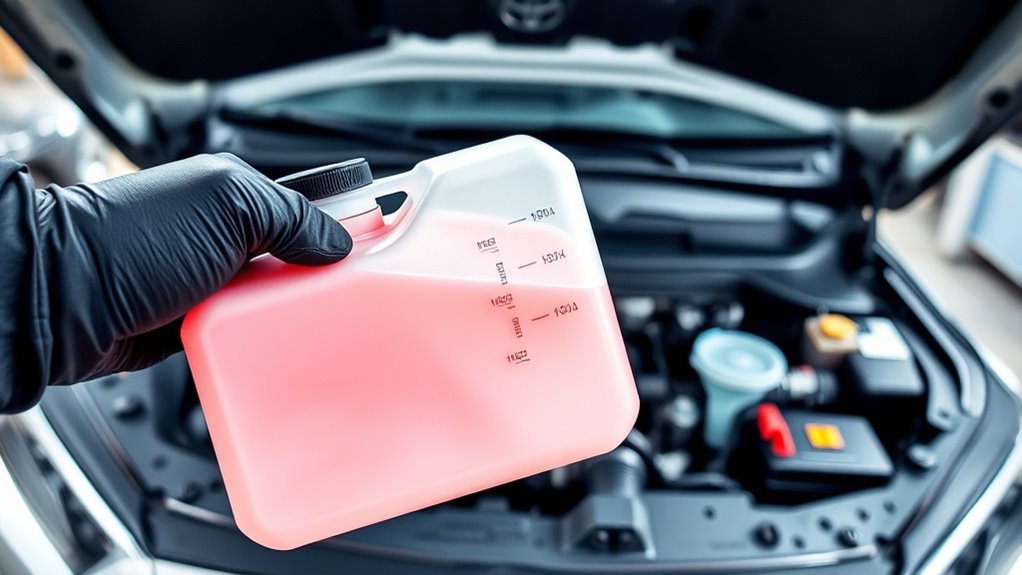
A low coolant level can turn a simple drive into an overheating problem fast. Check your Toyota RAV4 only when the engine is cold, then read the translucent coolant reservoir against the LOW and FULL marks. This guide shows you how to check the level, top it off safely, choose the right coolant, and know when a leak needs professional service.
Quick Answer
To check coolant on a RAV4, wait until the engine is cold, open the hood, and find the translucent coolant reservoir on the passenger side. The coolant should sit between the LOW and FULL marks. If it sits below LOW, add the Toyota-approved coolant listed in your owner’s manual until it reaches the FULL line.
Key Takeaways
- Check coolant only when your RAV4 engine is fully cold.
- Use the LOW and FULL marks on the translucent reservoir for the reading.
- Add only the coolant type your Toyota owner’s manual specifies.
- Never overfill the reservoir, and secure the cap after topping off.
- Get service if coolant levels keep dropping or you see leaks.
Quick: How to Check Coolant on a RAV4
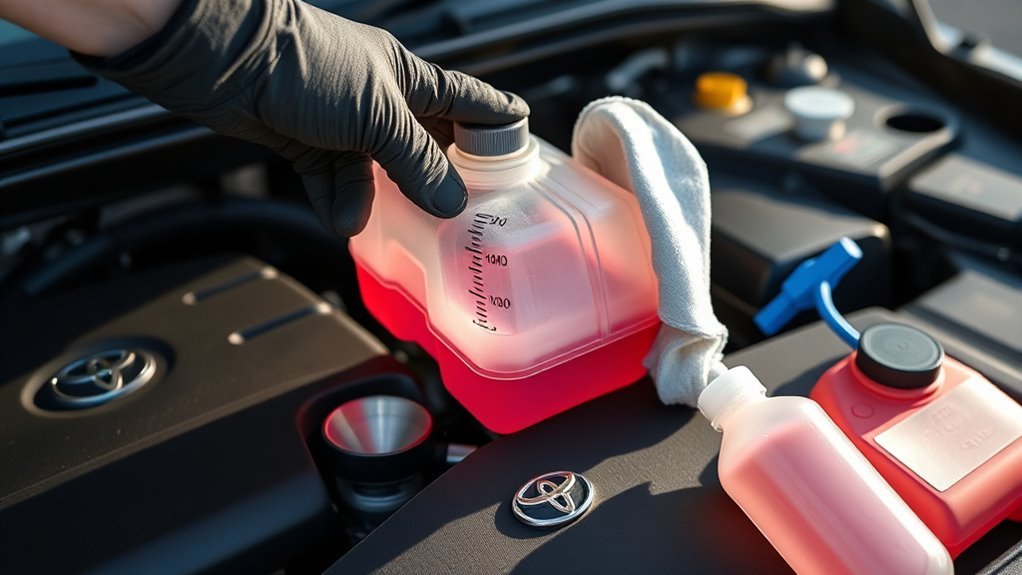
Park your RAV4 on level ground and let the engine cool fully before you check the coolant. Open the hood and locate the translucent coolant reservoir on the passenger side. Read the coolant level against the LOW and FULL marks on the side of the tank.
If the level sits between the marks, you do not need to add coolant. If it sits below LOW, check your owner’s manual for the correct Toyota-approved coolant, then add coolant slowly until it reaches the FULL line. Replace the cap securely, wipe spills, and inspect the reservoir and nearby hoses for leaks or cracks.
Warning: Never open the coolant reservoir or radiator cap while the engine is hot, because hot coolant can spray out and burn you.
Record the date and coolant type after you top off the system. Regular checks help you catch leaks early and reduce the risk of overheating. If the level drops again soon, schedule professional service.
Before You Begin: Tools, Time, and Safety
Estimated time: 5 to 10 minutes for a basic level check, or about 15 minutes if you need to top off and inspect for leaks.
Gather what you need before you open the hood. You’ll work faster and avoid spills if your supplies sit within reach.
- Toyota-approved coolant listed in your owner’s manual
- Clean funnel
- Gloves
- Clean rag or paper towels
- Flashlight for checking hoses and wet spots
Use a level parking spot so the reservoir reading stays accurate. Keep children and pets away from coolant, because antifreeze can harm them if swallowed. Store unused coolant in its sealed container.
[Products Worth Considering]
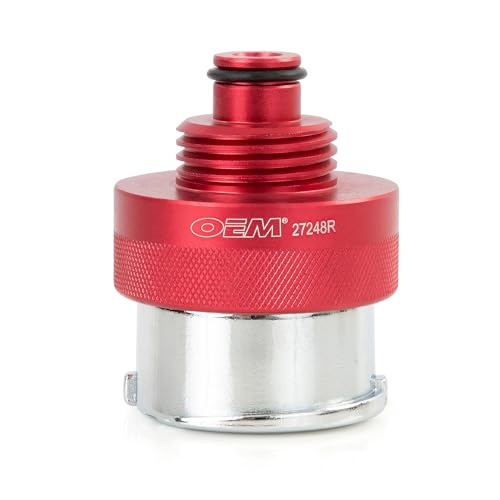
VEHICLE-SPECIFIC ADAPTER –for Scion & Toyota RAV4 – Cooling System

[ Replaces Part Number ]: 16671-25010, 16671 25010, 1667125010

Easily checks condition of antifreeze and coolant
Where the Coolant Reservoir Is (2010–2018 RAV4)
On 2010–2018 RAV4 models, you’ll find the translucent coolant reservoir mounted on the passenger side under the hood. The tank has visible LOW and FULL lines that let you check the level without opening the cooling system. The reservoir also has markings that help you avoid mistaking it for another fluid container.
Keep the outside of the reservoir clean so you can see the coolant level clearly. Wipe off grime, check the cap for damage, and inspect nearby hoses for cracks or soft spots. If the tank looks stained inside or you see residue, ask a mechanic whether the system needs a flush.
How to Check Coolant: Step by Step (Engine Cold)
Check coolant only after the engine has cooled. Hot parts and pressurized coolant can cause serious burns, so give the engine enough time before you start.
- Park your RAV4 on a level surface and turn the engine off.
- Wait until the engine feels cold before you open the hood.
- Locate the translucent reservoir on the passenger side.
- Compare the coolant level with the LOW and FULL marks.
- Prepare approved coolant and a funnel if the level sits below LOW.
- Secure the cap after topping off, then inspect the area for leaks.
| Step | Action |
|---|---|
| 1 | Confirm engine is cold; open hood. |
| 2 | Locate translucent reservoir on passenger side. |
| 3 | Visually compare coolant to LOW and FULL lines. |
| 4 | If below LOW, prepare approved coolant and funnel. |
| 5 | After topping, secure cap and inspect for leaks. |
A cold-engine check gives you the most useful reading. Coolant expands when hot, so a warm reading can look higher than the true cold level. Repeat the check regularly as part of your basic maintenance routine.
How to Top Off Coolant and Choose the Right Type
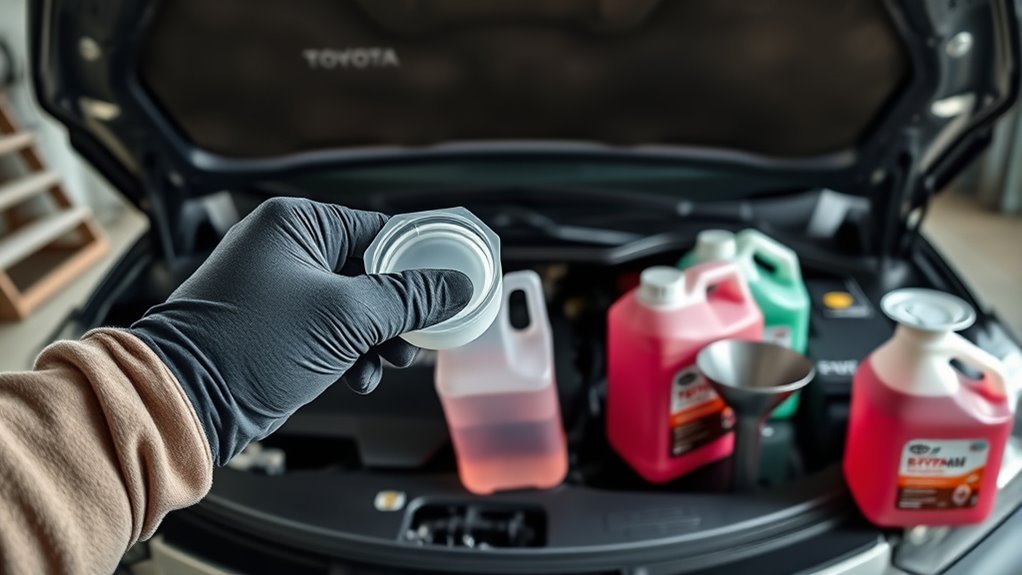
Before you add fluid, confirm the coolant specification in your owner’s manual. Many Toyota models use Toyota Super Long Life Coolant, but you should follow the manual for your exact year and engine. Using the wrong type can reduce corrosion protection and may harm cooling-system parts.
Remove the reservoir cap only after the engine cools. Place a funnel in the reservoir opening and pour slowly until the fluid reaches the FULL line. Stop at the line, because extra coolant needs room to expand as the engine warms.
Wipe any drips right away and reinstall the cap firmly. After your next drive, let the engine cool again and recheck the level. If the coolant level drops, inspect for wet spots around the reservoir, hoses, radiator, and water pump area.
Pro tip: Keep a small maintenance note with the date, mileage, coolant brand, and coolant type you used.
[Products Worth Considering]

Allows color matching of caps for dedicated adapters.

The new clear funnel allows a quick visual check of the coolant from across the shop. Comes with a lid to keep contaminants out as well as store the caps and adapters.

[High-Quality Materials]: The automotive coolant funnel kit is made of high-quality plastic, making it sturdy, durable, corrosion-resistant, and long-lasting.
What Coolant Level Is Normal on a RAV4?
A normal cold coolant level sits between the LOW and FULL marks on the reservoir. The level does not need to sit exactly at FULL. It just needs to stay within the marked range when the engine is cold.
If the level sits slightly below FULL, do not rush to add coolant. Watch it over several checks instead. A level that keeps dropping points to a leak, a loose cap, or another cooling-system problem.
Troubleshooting RAV4 Coolant Problems: Leaks, Color, and When to See a Mechanic
You can spot many cooling-system problems before they lead to overheating. Check for puddles under the car, wet hose connections, crusty residue, or a coolant level that keeps dropping. A sweet smell inside or outside the vehicle can also point to a coolant leak.
Look at the coolant color through the reservoir. Toyota coolant often looks pink or red, depending on the product and age. Murky, rusty, oily, or brown coolant can signal contamination or corrosion, so ask a mechanic about a flush or repair.
Watch for overheating signs while you drive. A rising temperature gauge, steam from the engine bay, weak cabin heat, or power loss needs quick attention. Pull over safely, shut the engine off, and let the vehicle cool before you inspect anything.
See a mechanic if you add coolant often, find active leaks, or notice repeated overheating. Persistent loss can come from a hose, radiator, water pump, cap, gasket, or internal engine issue. A pressure test can help find leaks that you cannot see.
Note: If the coolant looks milky or oily, stop driving and get the vehicle checked before engine damage worsens.
[Products Worth Considering]
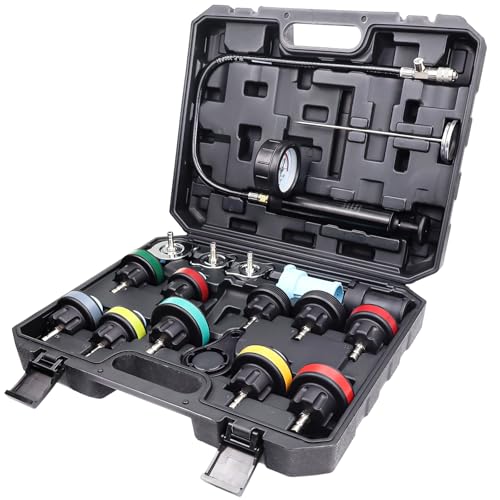
[Coolant Pressure Tester Kit]:This coolant pressure tester kit makes it convenient to select the suitable adapter without any mess. With 18 pieces, it's perfect for testing cooling systems on most vehicles.

Universal Compatibility: 17 color-coded test caps and 3 test covers fit most Japanese, European, and American cars. Quickly identify the right adapter for efficient cooling system diagnosis
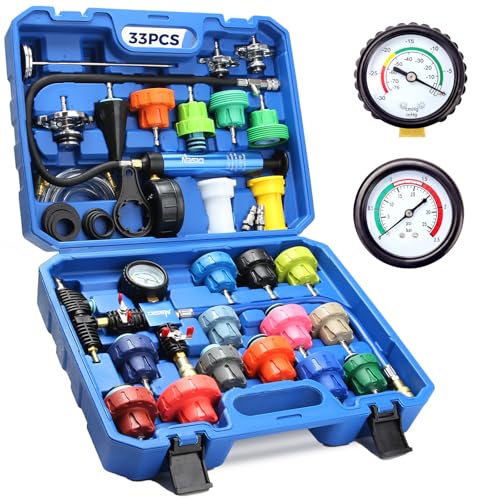
🔧【COMPLETE 33-PIECE MASTER KIT】This all-in-one coolant pressure tester and vacuum refill kit includes 23 radiator adapters (22 specific + 1 universal), a vacuum pump, a vacuum purge & refill tool, a probe thermometer, a wrench, EU & US air intake joints, O-rings, and hoses. Everything you need to diagnose cooling system leaks and refill without air pockets—all in one rugged carrying case.
How Often to Check RAV4 Coolant
Check your coolant at least once a month and before long trips. You should also check it after you see a warning light, smell coolant, or notice the temperature gauge rising. A quick cold-engine check can help you catch small problems before they become expensive repairs.
Follow your Toyota maintenance schedule for coolant replacement or flushing intervals. Severe driving, high heat, towing, or repeated short trips can affect service needs. Your owner’s manual gives the best schedule for your specific RAV4.
Frequently Asked Questions
Can I Drive Immediately After Topping off Coolant?
Yes, you can drive after topping off coolant if the cap is secure and the engine temperature stays normal. Start the engine, watch the temperature gauge, and check for leaks before you leave. Pull over if the gauge rises or you smell coolant.
How Often Should I Fully Flush the Coolant System?
Follow the coolant service interval in your Toyota owner’s manual. Many vehicles need coolant service based on both time and mileage, so do not rely on mileage alone. If the coolant looks dirty or contaminated, ask a mechanic to inspect it sooner.
Is Distilled Water Okay to Mix With Coolant?
Distilled water can work with coolant when your coolant product and owner’s manual call for a mix. Many coolants already come premixed, so adding water can weaken the blend. Check the label before you pour anything into the reservoir.
Can I Use a Universal or Generic Coolant Instead?
You should use a universal or generic coolant only if it clearly meets Toyota’s required specification. Do not choose coolant by color alone, because color does not always prove compatibility. If you feel unsure, use Toyota-approved coolant or ask a qualified mechanic.
Will Topping off Affect My Vehicle Warranty?
Topping off coolant should not affect your warranty when you use the correct fluid and follow the owner’s manual. Keep your receipt and note the date, mileage, and coolant type. Avoid altering sealed systems or mixing unknown fluids.
Safety Disclaimer: This article is for informational purposes only and does not replace advice from a qualified mechanic. Coolant can burn skin when hot and can harm people or animals if swallowed, so follow your owner’s manual and local disposal rules.
Conclusion
The safest way to check RAV4 coolant is to read the reservoir only when the engine is cold. Keep the level between LOW and FULL, use the coolant your owner’s manual specifies, and avoid overfilling. After topping off, tighten the cap and check for leaks after your next drive. If the coolant keeps dropping or the engine overheats, schedule service before a small leak becomes major engine damage.