What’s in This Article
Last updated: August 17, 2026 — checked against Toyota electric parking brake repair data and manufacturer documentation.
A RAV4 parking brake light flashing alongside a Brake Hold error usually points to a fault in the electric parking brake (EPB) switch circuit — most often diagnostic trouble codes C13AB (lock switch circuit comparison) or C13AC (release switch circuit comparison) — rather than a problem with the physical brake pads or rotors. Confirm the codes with a scan tool, inspect the EPB switch and connector, then test the circuit before you replace parts.
Quick Answer
If your RAV4 parking-brake light flashes and Brake Hold won’t work, scan the electric parking brake system first. Codes C13AB and C13AC point toward lock or release switch circuit comparison faults, so you should inspect the EPB switch, connector, and harness before replacing anything.
Key Takeaways
- Scan the EPB system before you clear codes or replace parts.
- Check C13AB and C13AC as switch circuit faults, not general brake sensor faults.
- Inspect the center console switch area for spills, corrosion, loose pins, and damaged wiring.
- Clean minor residue only after you disconnect the switch and confirm safe access.
- Use a qualified technician if the warning stays on or the parking brake acts unpredictably.
Confirm a RAV4 Parking-Brake Fault (Quick Checks and Codes)
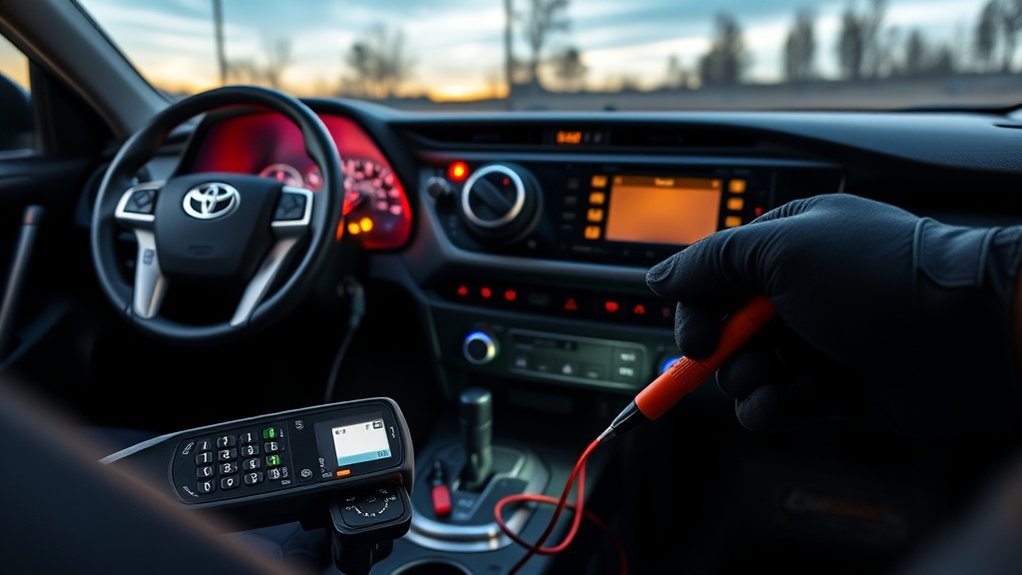
When you see a flashing parking-brake indicator and Brake Hold won’t work on a 2021 RAV4, read the stored diagnostic trouble codes before you clear anything. Toyota service data lists C13AB as a lock switch circuit comparison fault and C13AC as a release switch circuit comparison fault. These are “comparison” faults specifically — the switch has two linked contacts per direction, and the code sets when their ON/OFF readings disagree for about a second, which is why a switch that mostly works can still trip the code intermittently.
Use a scan tool that can read chassis and electric parking brake data, not only basic engine codes. Record current codes, history codes, freeze-frame data, and the conditions that trigger the warning.
Clear the codes only after you save the information. Then reproduce the fault by cycling the EPB switch while the vehicle stays parked and secure. Watch live data for the lock and release positions. If one position never changes, or the signal flickers, focus on the switch, connector, or harness.
Toyota’s exact connector pin numbers and resistance specs for these codes are split by production date within the model year, so confirm your RAV4’s build date range before testing continuity rather than assuming every 2021 RAV4 uses identical values. [VERIFY: exact production-date cutoffs for your specific RAV4’s build]
For a broader look at related dashboard alerts, see this guide to RAV4 brake warning lights.
Other Common Causes of a Flashing RAV4 Parking-Brake Light
C13AB and C13AC point specifically at the EPB switch circuit, but they are not the only reason this light flashes. Before you assume a switch fault, rule out these common triggers:
- Stuck in EPB maintenance/service mode: If the RAV4 recently had rear brake pads replaced — including a DIY job — the EPB actuators may still be in service mode. This is one of the most frequently reported causes of a flashing light paired with an unavailable Brake Hold, and it needs the correct exit procedure (or a dealer-level reset), not a new switch.
- Weak or recently disconnected 12V battery: The EPB control module is sensitive to low or unstable voltage. A weak battery or a recent battery disconnect/reconnect can trigger the same warning combination without any switch or wiring fault at all.
- EPB actuator or control module fault: A worn or failed rear caliper actuator, or a fault in the parking brake ECU itself, produces similar symptoms and requires different diagnostics than a switch-circuit code.
If you’ve ruled out maintenance mode and a weak battery, and the scan tool specifically confirms C13AB or C13AC, continue with the switch and wiring diagnosis below.
Before You Test the RAV4 EPB System
Park on level ground, shift to Park, and chock the wheels before you touch the electric parking brake switch. The EPB system controls a safety-critical brake function, so you need stable vehicle conditions before testing.
- Use a trim tool, not a screwdriver, to protect the console panels.
- Keep the ignition off before you disconnect the switch connector.
- Save all codes and live data before you erase any fault memory.
- Stop testing if the parking brake engages or releases without clear switch input.
Warning: Do not drive the vehicle if the parking brake warning stays active or the brake does not release normally.
How to Access and Test the RAV4 EPB Switch Safely
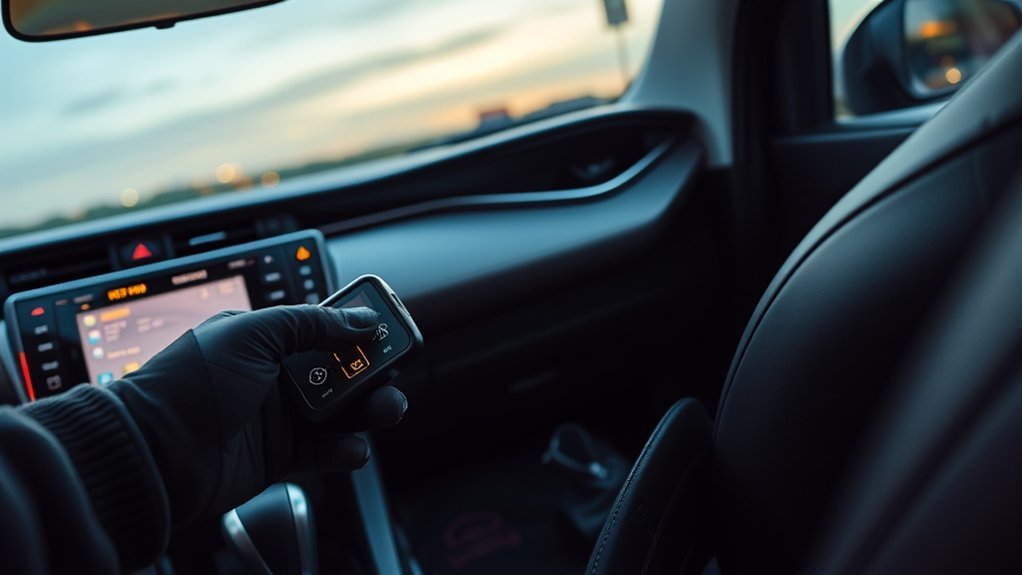
Start by parking the vehicle, switching it off, and lifting the center console trim with a plastic panel tool. Work slowly around the edges so you don’t crack clips or mark the trim.
Expose the electric parking brake (EPB) switch housing, then check the connector before you unplug it. Look for loose fitment, bent pins, white or green corrosion, sticky residue, or moisture marks from spills.
Remove the switch assembly only after you confirm safe access. Use a multimeter to check continuity while you move the switch through its release and lock positions. The reading should change cleanly with each switch action.
If the reading drops in and out, the switch may have worn contacts or contamination inside. If the reading stays stable at the switch but live data still fails, move your attention to the connector, ground, or signal wire.
[Products Worth Considering]

The ANCEL AD410 PRO combines engine diagnostics and 12V battery testing in one easy-to-use tool, helping you read and clear check engine codes while checking battery health, cranking, and charging performance. It also provides live data, freeze frame details, and I/M readiness checks to help you diagnose issues faster and prepare for emissions testing. With plug-and-play operation, a clear screen, and broad vehicle compatibility, it is a practical solution for home mechanics and everyday drivers.

The ANCEL AD410 helps drivers quickly read and clear engine-related fault codes, view live data, and understand why the check engine light is on before heading to a repair shop. With built-in code definitions, readiness checks, and support for common OBD2 functions, it makes basic diagnostics straightforward for beginners and DIY users. Powered directly from the vehicle and easy to use with no app required, it offers practical value for everyday vehicle troubleshooting.

This automotive circuit tester checks low-voltage DC systems from 3-65V, making it useful for diagnosing headlights, taillights, fuses, sockets, and other vehicle wiring issues. The digital backlit display provides clear voltage readings with fine accuracy, while the bidirectional polarity indicator helps you test from either ground or positive. Built with a durable probe, insulated tip, and extra-long spring wire, it is designed for dependable everyday use in automotive and household electrical work.
Clean the RAV4 EPB Switch (Quick Water-Damage Fixes)
After you access and test the EPB switch, clean it only if you see light residue or spill marks. Do not treat cleaning as a guaranteed fix for a failed circuit.
Use a soft brush and high-percentage isopropyl alcohol on the terminals and outer contact areas. Apply a small amount, remove residue, and let the alcohol fully evaporate before you reinstall the switch.
Do not soak the switch or force liquid into sealed sections. That can push residue deeper and create a new intermittent fault.
Reinstall the switch, seat the connector firmly, and cycle the switch while you watch the parking-brake indicator and scan tool live data. If the warning returns or the signal still flickers, plan for switch replacement or harness repair.
Pro tip: Take photos of the connector and wire colors before you unplug anything so reassembly stays simple.
[Products Worth Considering]

Keep your vehicle neat with this versatile car trash can designed to hang easily from a headrest and fit a wide range of vehicles. Its waterproof, leak-proof lining helps contain spills, while the large capacity and extra pockets make it useful for storing small essentials or keeping drinks and snacks cool on the go. When not in use, it folds flat for convenient storage.

HYVOHEX digital tire pressure gauge delivers fast, highly accurate readings with an easy-to-read LED backlit display for convenient checking in any lighting. Its valveless one-click operation, 360-degree rotating valve, and wide PSI range make it a practical tool for cars, bikes, and trucks. Built with a durable aluminum nozzle and rubberized shell, it is designed for everyday use and easy storage in your vehicle or tool bag.
Replace the Switch: Signs, Part Numbers, DIY vs Dealer
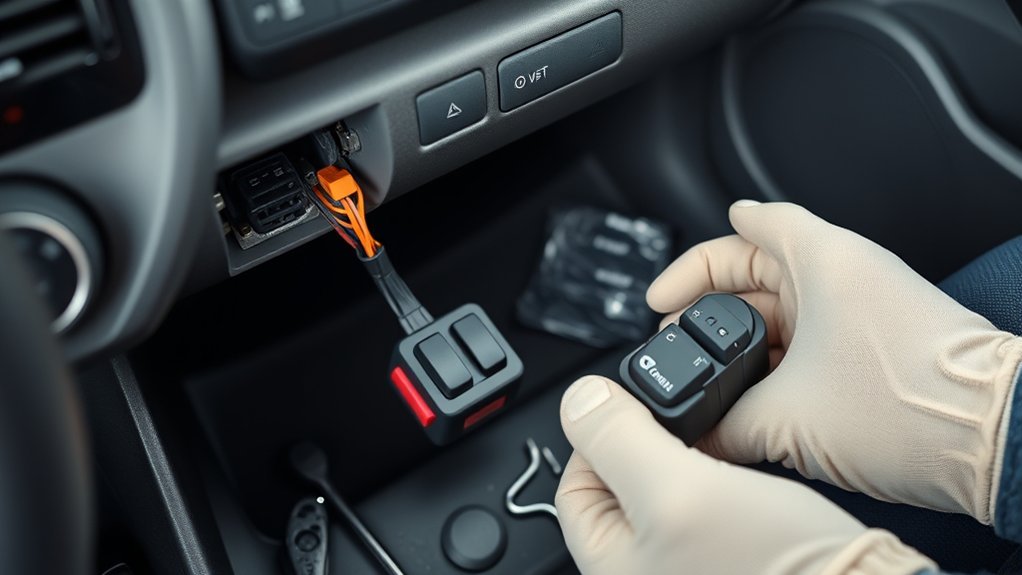
Replace the EPB switch when the scan data, continuity test, and visual inspection all point to switch failure. Common signs include a flashing parking-brake indicator, Brake Hold unavailability, C13AB or C13AC returning after clearing, and unstable lock or release switch data.
Do not guess the part number from model year alone. Use your vehicle identification number (VIN) with a Toyota parts counter or trusted parts catalog because trim, market, and production date can change compatibility.
A careful DIY repair can make sense if you have a trim tool, multimeter, scan tool access, and enough skill to remove the console trim without damage. Choose dealer or qualified shop service if your RAV4 has warranty coverage, multiple brake codes, damaged wiring, or any sign the parking brake actuator may have a fault.
A switch-level repair is typically less expensive than actuator or control-module work, but exact pricing varies by shop, region, and current parts costs. [VERIFY: current parts + labor pricing with a local Toyota dealer or independent shop before publishing a specific figure] If your RAV4 is still within Toyota’s basic warranty period, ask the dealer whether the repair is covered before paying out of pocket.
Wiring Checks, C13AB/C13AC Troubleshooting and Next Steps
After you verify switch symptoms, inspect the wiring before you order parts. C13AB and C13AC can involve the switch circuit, so a loose pin or damaged wire can mimic a bad switch.
- Inspect the EPB connector pins for corrosion, spread terminals, moisture, and poor seating.
- Measure continuity and resistance through the switch circuit while you move the harness gently.
- Backprobe the switch signal and ground only if you know the correct pins and safe test method.
- Clean minor contact residue, reconnect the switch, clear codes, and run the test again.
- Repair the harness or replace the switch if the signal stays unstable after cleaning and testing.
Write down each test result before you move to the next step. Clear notes help you avoid repeat work and help a technician confirm the fault faster if you hand over the repair. For a wider walkthrough of similar diagnostics, see this RAV4 electrical troubleshooting guide.
When to Seek Professional Help
Get professional help if the parking brake will not release, the warning returns right away, or the vehicle shows more brake system codes. You should also stop DIY testing if you find melted wiring, heavy corrosion, water inside the connector, or actuator-related codes.
A shop can run Toyota-level active tests, check service data, and confirm whether the switch, harness, computer, or actuator causes the fault. That matters because replacing the switch won’t fix a deeper circuit or control issue.
Note: Brake Hold depends on system conditions, so confirm the EPB fault before you treat Brake Hold loss as a separate problem.
Frequently Asked Questions
What do C13AB and C13AC mean on a RAV4?
C13AB points to a lock switch circuit comparison fault. C13AC points to a release switch circuit comparison fault. Both codes make the EPB switch circuit a key place to test.
Can you drive with a flashing RAV4 parking-brake light?
You should avoid driving until you know the parking brake releases and the brake system works normally. If the warning stays active or the brake acts oddly, tow the vehicle or call a qualified technician.
Will cleaning the EPB switch fix the problem?
Cleaning can help if light spill residue or surface corrosion affects the contacts. It won’t fix worn internal contacts, broken pins, damaged wiring, or an EPB computer fault.
Do you need a special scanner for RAV4 EPB codes?
You need a scanner that can read chassis or electric parking brake data. A basic engine-only code reader may miss EPB codes and live switch data.
Why does Brake Hold stop working with an EPB fault?
Brake Hold relies on the brake control system and specific operating conditions. When the system detects an EPB-related fault, it may disable Brake Hold to protect normal brake operation.
Why is my RAV4 stuck in parking brake maintenance mode after a brake job?
If rear brake pads were replaced without correctly exiting EPB service/maintenance mode, the actuators can stay in that state and trigger a flashing light with Brake Hold unavailable. This is a mode issue, not a switch fault, and usually needs the correct exit procedure or a dealer-level reset rather than a new part.
Safety Disclaimer: This article gives general information about RAV4 electric parking brake diagnosis. It does not replace professional vehicle inspection or repair. Always use safe testing methods and consult a qualified technician before you drive with an active brake warning.
Conclusion
A flashing RAV4 parking-brake light needs a measured diagnosis, not parts guessing. Rule out a stuck maintenance mode or a weak battery first, then confirm EPB codes, check switch live data, inspect the connector, and test continuity before you replace the switch. If C13AB or C13AC returns after cleaning and testing, check the harness and use VIN-based part verification. Treat the system like a safety circuit: one weak signal can disable Brake Hold and trigger the warning.
References
- Parking brake, 2021 RAV4 Hybrid Owner’s Manual — Toyota Owners, 2021
- 2021 RAV4 Hybrid Quick Reference Guide — Toyota, 2021
- Electric Parking Brake System Diagnostic Trouble Code Chart — Mitchell repair data, last modified 2025