How to Reset the RAV4 Tire Pressure Light (2013-2025 Models)
What’s in This Article
- Quick Answer: How to Reset the RAV4 Tire Pressure Light
- Why Correct Tire Pressure Matters Before Resetting
- Before You Begin: Tools, Placard PSI, and Spare Tire
- Reset the TPMS on 2013-2018 and 2019-2025 RAV4 Models
- Troubleshooting: Light Won’t Reset, Sensor Faults, and Next Steps
- When to Get Professional Help
- Frequently Asked Questions
- Conclusion
- References
A tire pressure light can point to a small pressure drop, a cold morning, or a sensor fault. Resetting it before you check the tires can hide the real problem. This guide shows you how to set the placard PSI, reset 2013-2018 and 2019-2025 RAV4 models, and troubleshoot a light that stays on.
Quick Answer: How to Reset the RAV4 Tire Pressure Light
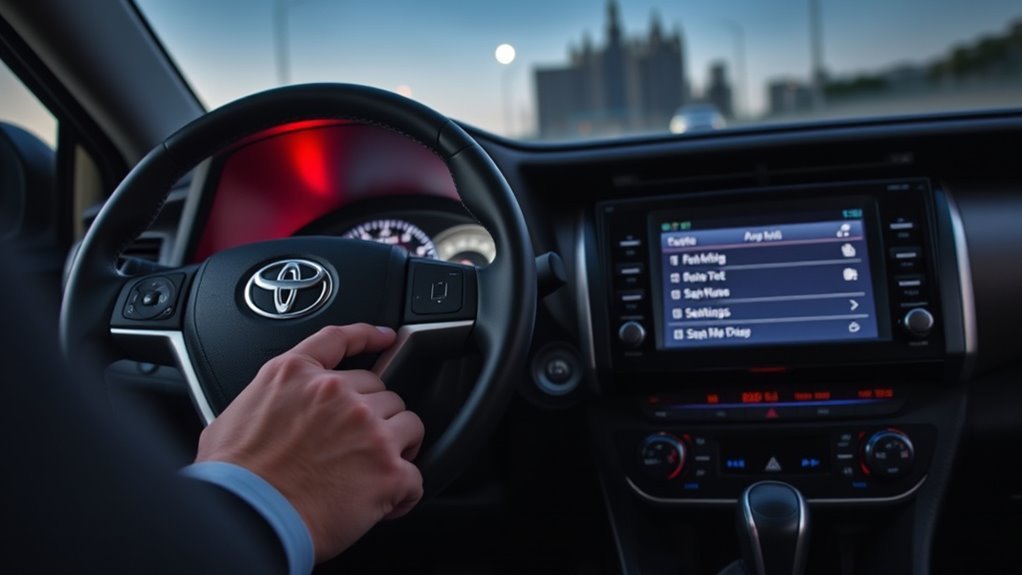
Start with cold tires and set all tires to the PSI on the driver-side door placard. Check the spare too if your RAV4 uses a full-size spare with tire pressure monitoring system (TPMS) support.
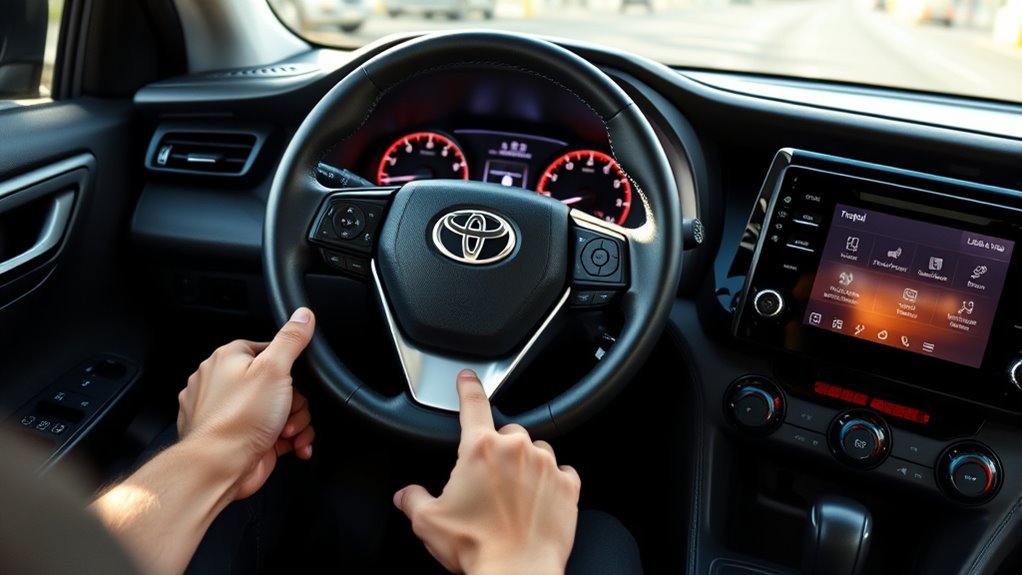
For 2013-2018 RAV4 models, turn the ignition to ON without starting the engine. Hold the TPMS reset button under the dash until the light blinks three times. For 2019-2025 models, use the multi-information display, open Vehicle Settings, choose TPWS, select Set Pressure or Setting by Current Pressure, and hold OK until the reset starts.
If the light flashes for about one minute and then stays on, treat it as a possible TPMS malfunction. Check the tires again, then get the system inspected.
Key Takeaways
- Set tire pressure first, then reset the TPMS.
- Use the driver-side door placard, not the pressure printed on the tire sidewall.
- Reset 2013-2018 RAV4 models with the under-dash TPMS button.
- Reset 2019-2025 RAV4 models through the TPWS menu on the display.
- Get help if the light flashes for about one minute and then stays on.
Estimated total time: 10 to 20 minutes, plus any drive time your owner’s manual requires for the system to relearn pressure readings.
Why Correct Tire Pressure Matters Before Resetting
You should correct tire pressure before you reset the Tire Pressure Monitoring System (TPMS). The system needs a true baseline, and a reset with low tires can delay a real warning.
According to FuelEconomy.gov, properly inflated tires can improve gas mileage by 0.6% on average and up to 3% in some cases. Underinflated tires can lower gas mileage by about 0.2% for every 1 PSI drop in the average pressure of all tires.
The National Highway Traffic Safety Administration (NHTSA) says proper inflation can extend tire life by about 4,700 miles. Correct pressure also helps your RAV4 brake, steer, and handle as Toyota designed.
| Parameter | What Correct Pressure Helps |
|---|---|
| Fuel economy | Can improve MPG when tires return to proper pressure |
| Tire life | Can help tires last longer |
| Braking | Helps keep the tire contact patch stable |
| Handling | Helps steering feel and cornering stability |
| Wear pattern | Helps reduce uneven tread wear |
Follow a simple order: check pressure, correct pressure, record the final PSI, then reset the TPMS. That order helps you avoid false warnings and unsafe assumptions.
Before You Begin: Tools, Placard PSI, and spare tire
Use a reliable tire pressure gauge before you touch the reset button or menu. Toyota usually places the recommended cold tire pressure on the Tire and Loading Information Label on the driver-side door jamb.
Check the tires when they are cold. NHTSA defines cold tires as tires you have not driven on for at least three hours.
- Check all four tires with a reliable gauge.
- Check the spare if your RAV4 has a full-size spare with TPMS support.
- Inflate any low tire to the placard PSI.
- Bleed air slowly if a tire has too much pressure.
- Recheck each tire before you start the reset.
Do not use the maximum PSI printed on the tire sidewall as your target. That number shows the tire’s limit, not Toyota’s recommended pressure for your RAV4.
[Products Worth Considering]

Protect your Toyota RAV4 interior with this custom‑fit windshield sun shade that blocks 99% of harmful UV rays and reduces cabin heat. The mirror cut‑out ensures a seamless fit without gaps, while durable 240T polyester and bendable wire keep it sturdy through repeated use. Foldable and stored in a convenient pouch, it offers easy installation and removal for everyday comfort.

The Autovir windscreen shade offers full windshield coverage for Toyota RAV4 models from 2019 to 2026, blocking up to 99.95% of UV rays and reducing interior heat. Its multi‑layer reflective material provides SPF 100 and UPF 80+ protection while keeping the dashboard, seats, and steering wheel cooler. The foldable design installs quickly and stores conveniently in the glove box, and reinforced stitching ensures long‑lasting durability for daily use.
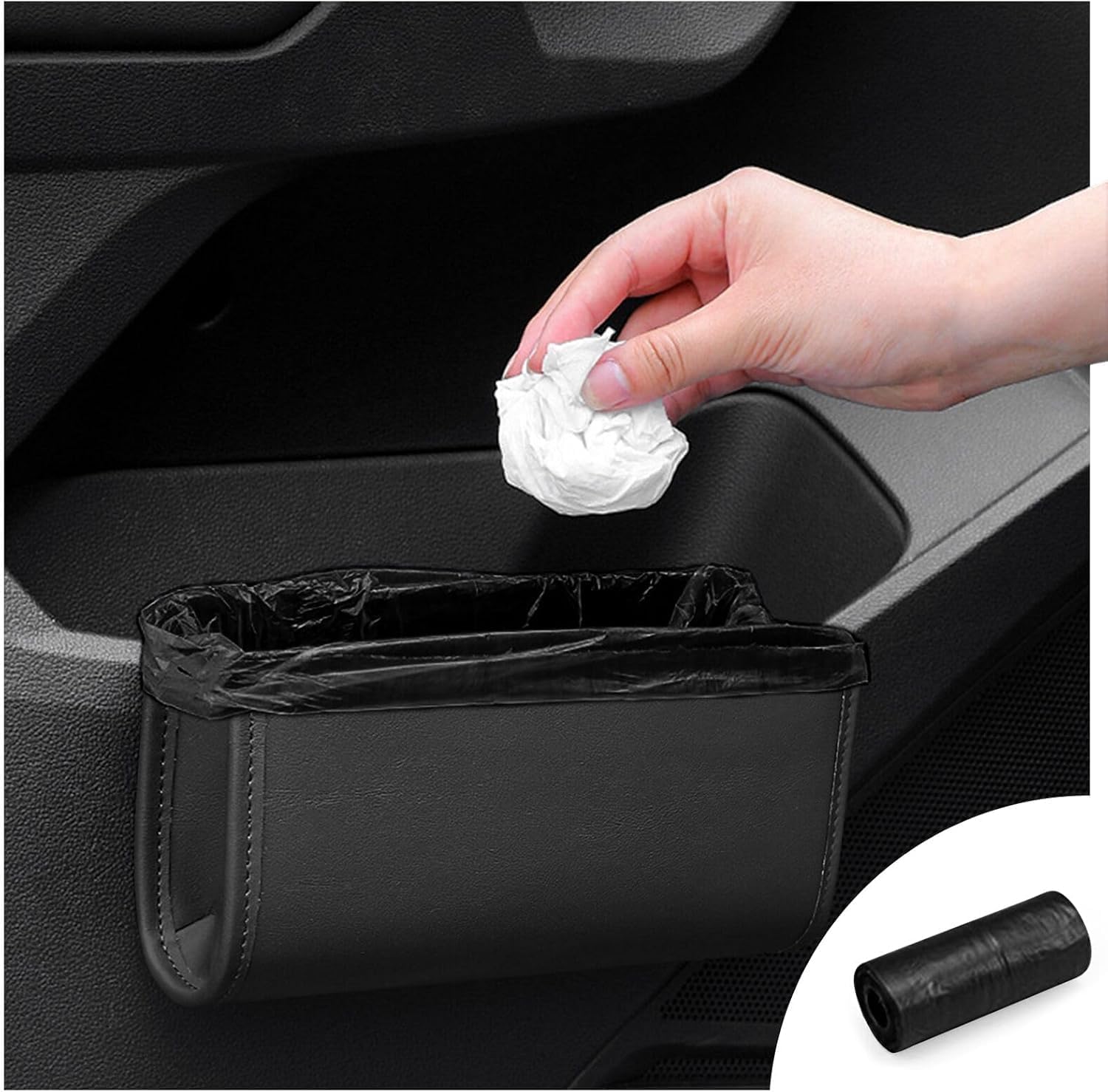
Keep your vehicle tidy with this foldable leather trash can that hangs on doors or seat backs, providing a compact storage solution for waste and small items. It includes a free roll of garbage bags and is built from durable leather to resist wear, making it ideal for cars, trucks, and SUVs while preserving interior space.
Reset the TPMS on 2013-2018 and 2019-2025 RAV4 Models
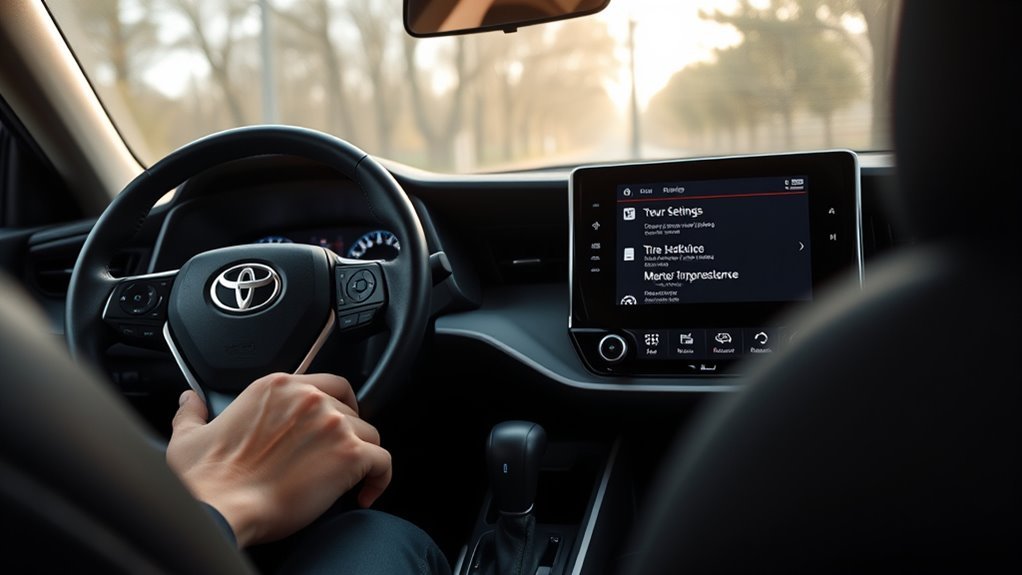
Set all tire pressures before you start these steps. Park in a safe place, keep the vehicle stopped, and follow your owner’s manual if your trim shows different menu names.
2013-2018 RAV4 models with the reset button
- Park the vehicle and set every tire to the placard PSI.
- Turn the ignition to ON without starting the engine.
- Find the TPMS reset button under the dash near the steering column.
- Press and hold the button until the tire pressure light blinks three times.
- Release the button and let the system store the pressure baseline.
- Start the vehicle and confirm the warning light turns off after the relearn process.
2019-2025 RAV4 models with the display menu
- Park safely and set all tires to the placard PSI.
- Turn the vehicle on and use the steering wheel controls.
- Open Settings, then Vehicle Settings.
- Select TPWS, then choose Set Pressure or Setting by Current Pressure.
- Press and hold OK until the reset starts.
- Watch for the confirmation message or warning light blink, then confirm the light turns off.
Note: Toyota introduced a new RAV4 generation for 2026, so 2026 owners should check the exact owner’s manual before using older reset steps.
[Products Worth Considering]
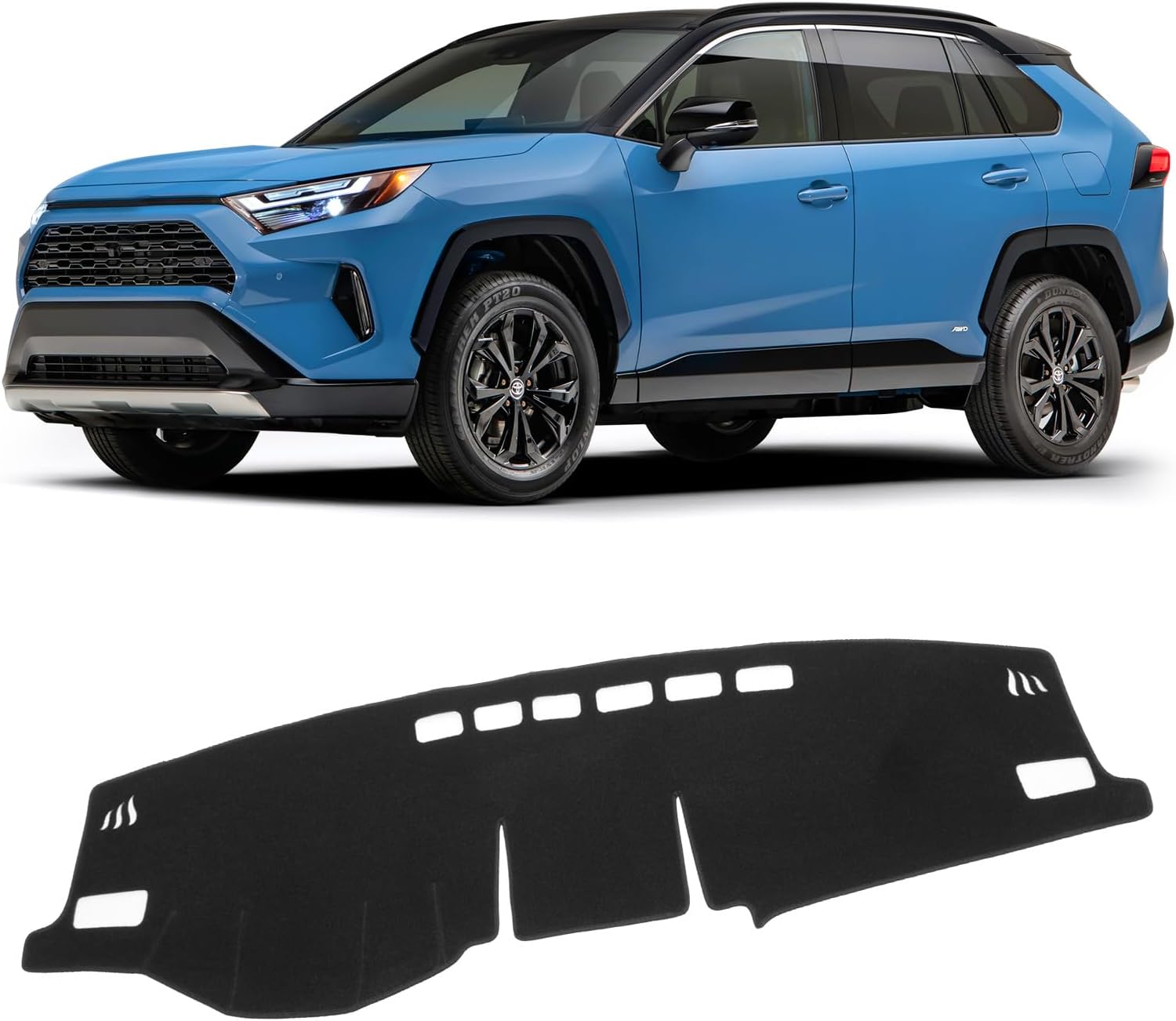
The KUST Black Dashboard Cover Mat offers a custom, eco‑friendly fit for Toyota RAV4 models from 2019 to 2025, protecting the dash from UV damage, scratches, and glare. Made from post‑consumer recycled polyester with a silicone anti‑slip underside, it stays soft, breathable, and odorless while securely adhering to the surface. Installation is quick and reversible, and the foldable design allows easy storage when not in use.

Upgrade your RAV4 roof rack with these heavy‑duty aluminum crossbars featuring an anti‑theft lock and tie‑down loops for secure cargo transport. The matte‑powder‑coated bars resist corrosion and reduce wind noise, while easy installation fits existing rails without drilling. Ideal for bike mounts, roof boxes, kayaks and more.
Troubleshooting: Light Won’t Reset, Sensor Faults, and Next Steps
Warning: Do not keep driving on a tire that keeps losing air, has sidewall damage, or looks unsafe.
If the TPMS light stays on after a reset, start with pressure again. A slow leak, damaged rim, weak sensor battery, or incompatible wheel sensor can stop the reset from working.
- Recheck each tire against the placard PSI with a gauge.
- Inspect tread, sidewalls, valve stems, and rims for damage.
- Look for one tire that keeps dropping pressure after inflation.
- Use a TPMS scan tool to read sensor IDs and fault codes.
- Ask a qualified technician to inspect the system if the warning returns.
If the warning light flashes for at least 60 seconds and up to 90 seconds before it stays on, the vehicle may have a TPMS malfunction. Federal TPMS rules describe that flash-then-solid pattern as a malfunction warning sequence.
When to Get Professional Help
Visit a tire shop or Toyota service center if the light returns after you set the correct pressure. You should also get help after wheel replacement, sensor replacement, tire sealant use, or visible tire damage.
Many direct TPMS sensors use sealed batteries. When one battery fails, the sensor usually needs replacement rather than a battery swap.
Frequently Asked Questions
Do aftermarket tires affect TPMS operation or reset procedures?
Aftermarket tires usually work if they match the correct size, load rating, and pressure needs for your RAV4. Problems often come from incompatible wheels, missing sensors, damaged valve stems, or a shop that did not register the sensors correctly.
Will changing wheel size require TPMS recalibration?
Changing wheel size can require TPMS sensor registration or a system relearn, especially if you install new wheels or sensors. Check the owner’s manual and confirm that the new wheels support the correct TPMS sensors.
Can cold weather cause the light to come back on after resetting?
Yes. Cold weather can lower tire pressure enough to trigger the warning light, especially if the tires already sit near the low-pressure threshold. Check pressure when the tires are cold and inflate them to the placard PSI.
Does rotating tires require resetting the TPMS afterward?
You may need a reset or position registration after tire rotation if your RAV4 displays individual tire locations. If your model only uses a general warning light, still confirm pressure after rotation and follow the owner’s manual.
How long do RAV4 TPMS sensors last?
Many direct TPMS sensors last about 5 to 10 years, but heat, mileage, driving habits, and sensor design can change that range. A TPMS scan tool can help a technician find a weak or failed sensor.
Safety Disclaimer: This article is for informational purposes only and does not replace your Toyota owner’s manual or advice from a qualified tire technician. If you see tire damage, a flashing TPMS light, or repeated pressure loss, stop driving when safe and get professional help.
Conclusion
The safest reset starts with correct tire pressure, not the reset button. Set each tire to the placard PSI, then use the under-dash button on 2013-2018 models or the TPWS menu on 2019-2025 models.
If the light stays on, recheck pressure and inspect for leaks, wheel damage, or sensor faults. Get a scan if the warning flashes for about one minute and then stays solid.
Keep a tire gauge in your RAV4 and check pressure monthly. That simple habit helps your TPMS do its job and keeps every drive safer.
References
- How does the Tire Pressure Monitoring System work in my Toyota?, Toyota Customer Service.
- 2018 Toyota RAV4 Quick Reference Guide, Toyota.
- 2025 Toyota RAV4 Quick Reference Guide, Toyota.
- 2026 Toyota RAV4, Toyota.
- Tire Safety Ratings and Awareness, TireWise, National Highway Traffic Safety Administration.
- Gas Mileage Tips, Keeping Your Vehicle in Shape, FuelEconomy.gov, U.S. Department of Energy and U.S. Environmental Protection Agency.
- 49 CFR 571.138, Tire Pressure Monitoring Systems, Electronic Code of Federal Regulations.
- Safety and Savings Ride on Your Tires, National Highway Traffic Safety Administration.
- Selling TPMS at the Counter, Not What But Why, Schrader TPMS.