
Check hybrid system Warning on a Toyota Camry: What It Means and What to Do
What’s in This Article
- Why You Shouldn’t Ignore the ‘Check Hybrid System’ Warning Light
- Common Symptoms You Might Experience With Hybrid System Alerts
- Top Reasons Your Hybrid System Warning Light May Activate
- What to Do When You See the Warning Light
- Can You Keep Driving After the Warning Appears?
- How a Technician Diagnoses the Warning
- When to Call a Hybrid Specialist or Tow the Car
- Tips for Preventing Future Hybrid System Issues
- Frequently Asked Questions
- Conclusion
A Check Hybrid System warning on your Camry can feel serious because it points to the hybrid drive system. You don’t need to panic, but you should not ignore it. This guide explains the common symptoms, likely causes, safe next steps, and signs that mean you need a hybrid-trained technician.
Quick Answer
The Check Hybrid System warning means your Camry has detected a fault in the hybrid system or a system that affects it. Check for other warning lights, reduce speed, and pull over safely if the car loses power, makes unusual noises, overheats, or tells you to stop. Do not clear the warning before a scan because stored trouble codes help a technician find the real cause.
Key Takeaways
- The warning can point to the hybrid battery, inverter, electric motor, 12-volt battery, cooling system, or related control systems.
- You should slow down and check for other dashboard alerts before you decide whether to keep driving.
- You should tow the car if it loses power, overheats, will not enter READY mode, or shows a stop-driving message.
- You should scan the car before clearing codes because the stored data helps confirm the fault.
- You should check warranty coverage before you approve major hybrid battery or inverter repairs.
Why You Shouldn’t Ignore the ‘Check Hybrid System’ Warning Light
When your Camry shows a Check Hybrid System warning, the hybrid control computer has detected a problem. The fault may involve the electric motor, inverter, hybrid battery, cooling system, 12-volt battery, or another system that affects hybrid operation.
Treat the warning as a service alert, not proof that the hybrid battery has failed. A small electrical fault can trigger the message, but a serious fault can reduce power or leave the car unable to restart.
Dashboard warning color also matters. According to National Highways guidance, amber warning lights mean your vehicle needs checking, while red warning lights can point to a serious fault. If your Camry feels unsafe, pull over when you can do so safely and arrange professional help.
Common Symptoms You Might Experience With Hybrid System Alerts
A Check Hybrid System warning may appear alone, or it may come with other dashboard alerts. You may notice slower acceleration, reduced power, rough engine operation, or a sudden drop in fuel economy.
You may also see the check engine light, battery warning, traction control warning, or temperature warning. These extra alerts help narrow the problem because some non-hybrid faults can trigger hybrid warnings.
Listen for unusual sounds, too. Grinding, whirring, buzzing, or fan noise from the rear seat area can point to a cooling, motor, or battery-related concern. If the car enters reduced-power mode, drive only as far as needed to reach a safe place.
Top Reasons Your Hybrid System Warning Light May Activate
The hybrid system warning light can activate for several reasons. Common causes include weak hybrid battery modules, inverter faults, cooling system problems, wiring issues, blown fuses, and 12-volt battery problems.
- Hybrid battery issues: Weak cells or voltage imbalance can reduce electric assist and fuel efficiency.
- Inverter problems: The inverter manages power between the battery and electric motor.
- 12-volt battery faults: A weak 12-volt battery can cause confusing warning lights and startup issues.
- Cooling problems: A blocked hybrid battery cooling inlet or dirty fan can raise battery temperature.
- Engine or transmission faults: A related powertrain issue can trigger a hybrid warning even when the hybrid battery still works.
Do not assume the most expensive part has failed. Start with a proper scan and basic electrical checks because they often reveal the real cause faster.
What to Do When You See the Warning Light
First, stay calm and look for other dashboard messages. If you see a red warning, high-temperature alert, brake warning, oil pressure warning, or a message that tells you to stop, pull over safely and turn the car off.
If the Camry still drives normally and only shows an amber warning, reduce speed and avoid hard acceleration. Drive to a safe location, then schedule a diagnostic scan with a Toyota dealer or hybrid specialist.
Do not disconnect the battery or clear codes just to make the warning disappear. Clearing codes can erase useful diagnostic data and make the fault harder to find.
[Products Worth Considering]

The ANCEL AD410 PRO combines engine diagnostics and 12V battery testing in one easy-to-use tool, helping you read and clear check engine codes while checking battery health, cranking, and charging performance. It also provides live data, freeze frame details, and I/M readiness checks to help you diagnose issues faster and prepare for emissions testing. With plug-and-play operation, a clear screen, and broad vehicle compatibility, it is a practical solution for home mechanics and everyday drivers.

OBD Code Reader & Battery Tester - the Practical Multi-Functions OBD2 code reader features built-in OBD2 DTC lookup library, which help you to determine the cause of the engine light, read code, erase code, view freeze frame, I/M ready, vehicle information, data flow, real-time curve, get vehicle speed information, calculate load value, engine coolant temperature, get engine speed. You can use it to check fault codes by yourself and display code definitions, understand the health of the vehicle, be fully prepared for going to the auto repair shop for car maintenance.
Can You Keep Driving After the Warning Appears?
You may drive a short distance if the car feels normal, no red warnings appear, and the manual does not tell you to stop. Keep your speed low and head to a safe place or service shop.
Warning: Stop driving and call for help if the car loses power, overheats, smells hot, makes harsh noises, or will not enter READY mode.
Do not start a long trip with this warning active. A small fault can become a roadside problem if the hybrid system limits power or prevents restart.
How a Technician Diagnoses the Warning
A technician will scan the car for diagnostic trouble codes (DTCs). These codes show which control module detected the fault and help the technician test the right system first.
The inspection may include the 12-volt battery, high-voltage battery health, inverter operation, cooling fan, wiring, fuses, and related engine codes. This step-by-step process helps you avoid expensive part replacement without proof.
Note: A basic scanner may miss Toyota-specific hybrid codes, so ask whether the shop can read hybrid control modules.
Ask for the code numbers and a short explanation before you approve major repairs. That record helps you compare repair quotes and check warranty coverage.
[Products Worth Considering]
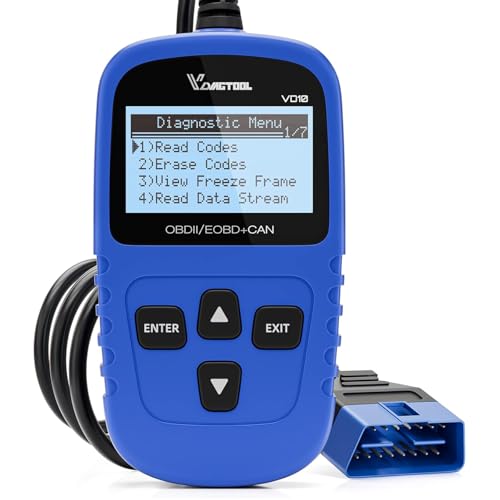
【A MUST-HAVE SCANNER TOOL FOR DIYERS】 - VDIAGTOOL VD10 car code reader is an incredibly useful, handheld obd2 scanner for each car owner or hobbyist, even for those with little to no experience when it comes to vehicle mechanics! Similar to a fixd car diagnostic tool, using this car diagnostic scanner is extremely easy. All you have to do is attach it to your car OBDII port and you can diagnose car problems in seconds! Read Codes (DTCs); Clear Codes; Live Data; View Freeze Frame; I/M Readiness; Vehicle Information.

OBD2 SCANNER & BATTERY TESTER IN ONE – The INNOVA 5210 OBD2 scanner not only reads and clears check engine light and ABS codes (coverage may vary) but also functions as a car battery tester to check alternator health and prevent unexpected breakdowns.

Wide Vehicle Coverage You Can Count On – Recommended by Project Farm -trusted by over 3 million users. The AUTOPHIX OM126P code reader works with 99% of U.S. vehicles after 1996, most European models since 2002, and Asian cars from 2008 onward. This OBD2 scanner supports popular brands like Toyota, Ford, Chevy, VW, Audi, BMW, Honda, and more—plus SUVs, light trucks, minivans, and even some gas-hybrids. Unsure about your car? Just share the year, make, and model, and we’ll confirm for you.
When to Call a Hybrid Specialist or Tow the Car
Call a hybrid specialist if the warning returns after a restart, the car drives with reduced power, or the fuel economy drops sharply. A trained technician has the scan tools and safety equipment needed for high-voltage testing.
Tow the car if the dashboard tells you to stop, the engine overheats, the car will not shift into READY, or the warning appears with strong vibration or burning smells. These signs can point to faults that may damage the vehicle or affect safe driving.
If your Camry falls under Toyota hybrid warranty coverage, ask the dealer to check coverage before you approve paid work. Toyota states that every Toyota hybrid battery has 10-year or 150,000-mile limited warranty coverage, whichever comes first, but terms depend on model year, market, and the warranty guide.
[Products Worth Considering]

[Built-in 15+ Powerful Functions]: Compared to entry-level diagnostic tools, the AD200 not only has all of their functions, but it is also more professional and powerful. This vehicle code reader supports: read/clear code, I/M readiness, EVAP/o2 sensor test, freeze frame, real-time data stream curve and more. with those function, you can quickly check the cause of the engine check light (MIL), and reset it, but also can accurately read the dtc code and clear it, let your car back to health

Diagnostic Function: This scanner performs comprehensive vehicle diagnostics, including reading and clearing engine fault codes, retrieving freeze frame data, and checking emission system status. It also supports I/M readiness and real-time data streaming, enabling drivers to monitor system conditions

One Tool Solve Two Common Issues for Car — Same with NT301. Extra battery test. Upgraded from the NT301, the NT301 Plus code reader reads and clears engine codes just as fast as the classic you trust. But now, it also checks your 12V battery health. Think of the extra cost as cheap insurance against the high tow truck bill. As one user put it: "It paid for itself the first time I plugged it in." With a 36% larger 2.8” color display (vs. 2.4”), it delivers clearer results every time. Ideal for DIYers, car owners, home mechanics, used car inspection and anyone who wants to diagnose car issues with confidence before making a costly shop visit
Tips for Preventing Future Hybrid System Issues
You can lower the chance of future hybrid warnings with simple maintenance habits. Focus on airflow, battery health, software updates, and early diagnosis.
- Follow the Toyota maintenance schedule for your exact Camry model year.
- Keep the hybrid battery cooling inlet and fan area clear of dust, lint, bags, and seat covers.
- Test the 12-volt battery when the car starts slowly or shows many warnings at once.
- Fix cooling, engine, and electrical faults early before they affect the hybrid system.
- Use a qualified hybrid technician for high-voltage battery, inverter, and wiring checks.
Good airflow matters because heat can shorten battery life and trigger warnings. Toyota’s 2025 Camry maintenance guide lists the high-voltage battery cooling intake filter as a maintenance item that needs cleaning at specified intervals.
Clean the cooling inlet area often, especially if you carry pets or drive in dusty conditions. If you see a message about hybrid battery cooling parts, check for blocked airflow and book service soon.
Frequently Asked Questions
What Does It Mean When My Toyota Camry Says Check Hybrid System?
It means your Camry has detected a fault that affects the hybrid system or a related control system. The cause may involve the hybrid battery, inverter, motor, cooling system, wiring, engine, or 12-volt battery.
Is It Safe to Drive With a Hybrid System Warning Light On?
It depends on the warning color, the message, and how the car drives. If the car loses power, shows a red alert, overheats, or tells you to stop, pull over safely and call for help.
How Much Does It Cost to Fix a Hybrid System?
The cost depends on the cause. A scan, fuse, cooling cleanup, or 12-volt battery may cost far less than an inverter or high-voltage battery repair. RepairPal’s 2026 estimate puts average hybrid high-voltage battery replacement at about $5,011 to $5,214, so confirm the code and warranty coverage first.
What Can Cause a Hybrid System Malfunction?
Common causes include weak hybrid battery modules, inverter faults, cooling fan blockage, blown fuses, wiring damage, software faults, and a weak 12-volt battery. Engine or transmission faults can also trigger a hybrid warning because the systems work together.
Should I Reset the Check Hybrid System Warning?
You should not reset the warning before a scan. Stored codes help a technician find the cause, and clearing them can delay the repair. Reset the warning only after diagnosis or repair.
Safety Disclaimer: This article is for informational purposes only and does not replace advice from a qualified Toyota technician or hybrid repair professional. If your Camry shows a stop-driving message, loses power, overheats, or feels unsafe, pull over when safe and get professional help.
Conclusion
The Check Hybrid System warning deserves quick attention because it can point to anything from a weak 12-volt battery to a serious hybrid fault. Your next step should be simple: check the other dashboard alerts, avoid hard driving, and scan the vehicle before clearing codes.
If the car shows urgent warnings or drives poorly, stop safely and arrange a tow. With fast diagnosis, proper airflow, and steady maintenance, your Camry Hybrid can stay efficient, reliable, and safer to drive.
References
- Toyota Owner’s Manual, Hybrid System Warning Light – Toyota Techinfo
- Toyota Electrified Vehicle Warranty – Toyota, 2026
- 2025 Camry Warranty and Maintenance Guide – Toyota
- Dashboard Warning Lights: What You Need to Know – National Highways
- Toyota Hybrid Battery Cooling Maintenance – Art’s Automotive
- Hybrid High Voltage Battery Replacement Cost Estimate – RepairPal, 2026

[…] gears, delayed engagement, grinding noises, or a transmission warning light mean you should call a professional instead of […]