

What’s in This Article
- How Your Toyota Camry 12V Outlet Works
- Signs Your 12V Outlet Has Failed
- Check Power Mode Before You Open the Fuse Box
- How to Find the 12V Outlet Fuse in Your Camry
- Use the Fuse Rating Shown on Your Camry
- How to Check and Replace the 12V Outlet Fuse
- When to Seek Professional Help
- How to Prevent Future 12V Outlet Problems
- Frequently Asked Questions
- Conclusion
Your Toyota Camry‘s 12V outlet goes dead at the worst time, often when you need your phone on a long drive. A blown fuse often causes the problem, but the correct fuse rating can change by model year and outlet location. This guide shows you how to check the simple causes first, replace the right fuse safely, and know when the problem needs a mechanic.
Quick Answer
A blown fuse causes many Toyota Camry 12V outlet failures. Check the fuse labeled “CIG,” “P/OUTLET,” or “P/OUTLET NO.1,” then replace it with the same amperage shown on the fuse cover, owner’s manual, or the fuse you removed. Many recent Camry diagrams list P/OUTLET NO.1 as 15 amps, but you should always match your specific vehicle.
Key Takeaways
- The 12V outlet works only when the vehicle is in ACCESSORY or IGNITION ON mode.
- A blown fuse is a common cause of a dead 12V outlet and often takes only minutes to check.
- Always match the replacement fuse to the rating shown for your exact Camry model and outlet.
- A fuse that blows again quickly points to a short circuit that needs professional diagnosis.
- Clean outlets and safe low-draw accessories help prevent many outlet failures.
How Your Toyota Camry 12V Outlet Works
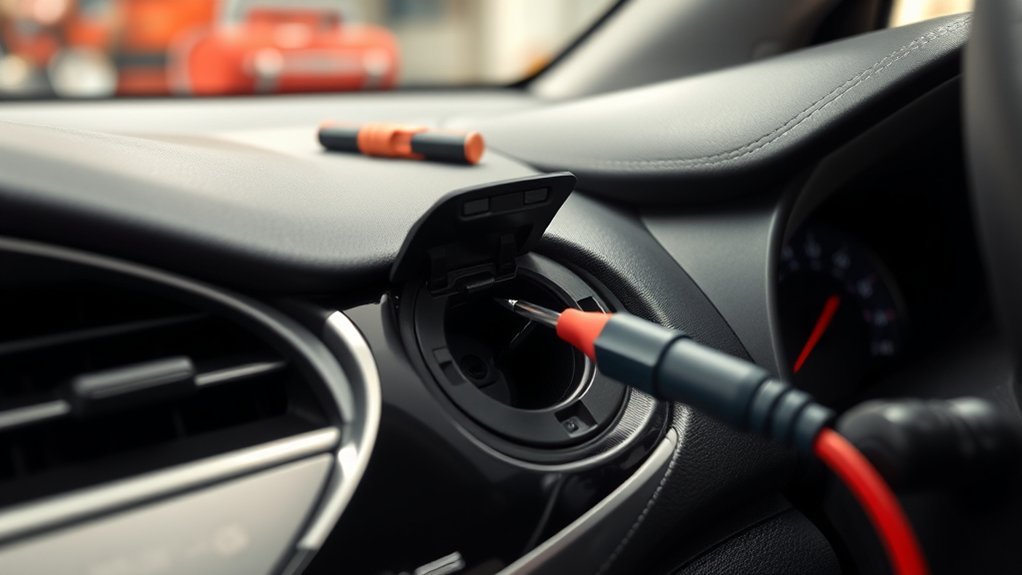
Your Toyota Camry’s 12V outlet, often called the power outlet or cigarette lighter port, runs on a fused 12-volt circuit. That fuse protects the wiring when you plug in a phone charger, GPS unit, tire inflator, or another accessory.
When the fuse blows, the outlet loses power completely. Knowing how the outlet, fuse, and accessory work together helps you troubleshoot quickly without guessing.
Signs Your 12V Outlet Has Failed
Catching a problem early saves you from a dead device on the road. Watch for these signs that your 12V outlet needs attention:
- Devices don’t power up: A phone charger or GPS that works in another vehicle fails to turn on in your Camry.
- Power cuts in and out: The outlet works sometimes but stops when you move the plug or hit a bump.
- The outlet has damage or debris: Cracks, bent contacts, lint, coins, or dirt can block a solid connection.
- The outlet feels loose: Movement in the outlet can point to a loose socket or wiring connection.
- You smell heat or burning: Heat, smoke, or a burning smell means you should stop using the outlet right away.
Test the outlet with more than one device before you blame the outlet. A damaged charging cable can mimic a bad outlet and send you down the wrong repair path.
Check Power Mode Before You Open the Fuse Box
Toyota says the Camry 12V DC power outlet works only when the vehicle sits in ACCESSORY or IGNITION ON mode. If your Camry is off, the outlet may not power your device even when the fuse is fine.
Turn the vehicle to the correct power mode and test the outlet with a known good charger. If the outlet still has no power, move on to the fuse check.
How to Find the 12V Outlet Fuse in Your Camry
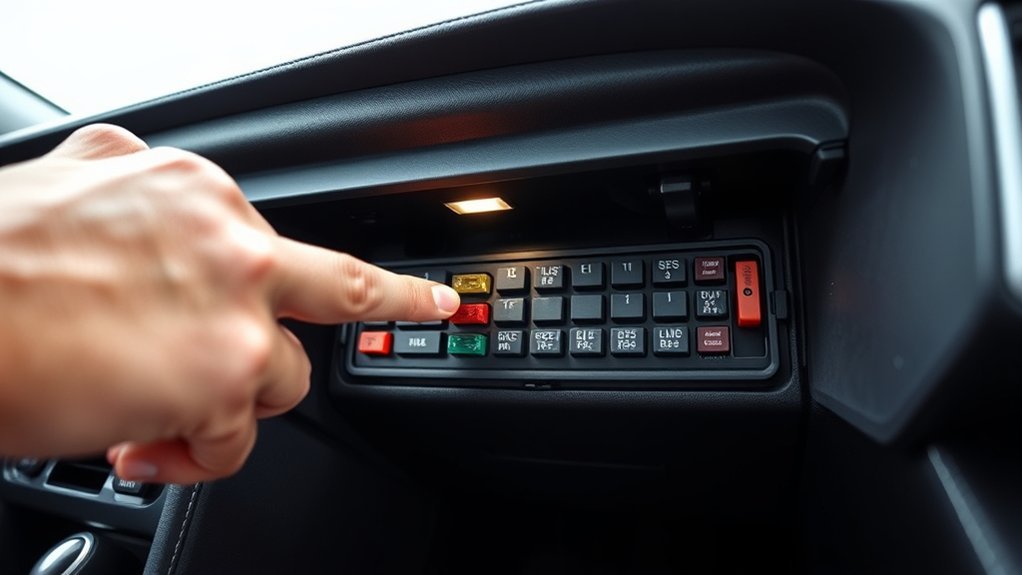
The interior fuse box usually sits under the dashboard on the driver’s side. Open the driver’s door, look near the lower left side of the instrument panel, and remove the fuse panel cover.
The cover should show a diagram that maps each fuse to its circuit. Look for labels such as “CIG,” “P/OUTLET,” “P/OUTLET NO.1,” or “P/OUTLET NO.2.” Check your owner’s manual for your exact model year because fuse names, ratings, and positions can change across Camry generations.
[Products Worth Considering]

This versatile car fuse assortment kit includes multiple fuse sizes and current ratings to help keep vehicles protected and ready for quick repairs. With organized color-coded fuses, a fuse puller, and installation guidance, it offers a convenient backup solution for a wide range of automotive and recreational vehicles. It's ideal for drivers who want a practical emergency replacement set for everyday use and travel.

This MOTOALL oil filter kit is designed for compatible Toyota and Lexus vehicles, helping support routine engine maintenance with a convenient five-piece pack. It fits select Avalon, Camry, RAV4, Sienna, and several Lexus models, making it a practical choice for scheduled oil changes. Built new and well packed, it includes multiple interchangeable part numbers for easy replacement matching.
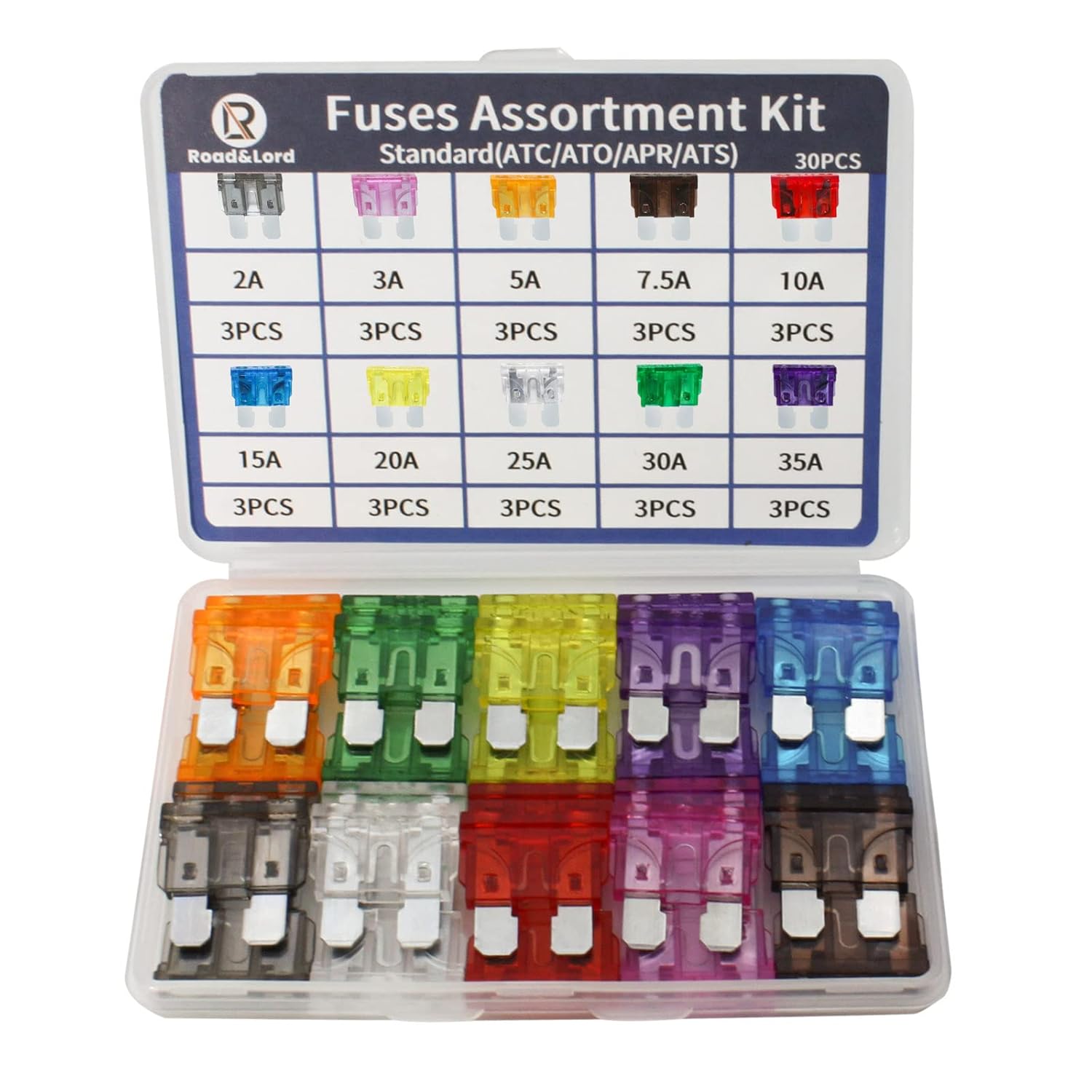
This standard blade fuse assortment kit provides a convenient selection of common amp ratings to help protect vehicle electrical systems from overloads, short circuits, and wiring damage. With transparent, color-coded housings and clearly marked ratings, it makes blown fuse replacement fast and easy for cars, trucks, boats, RVs, and other DC applications. The durable compact case keeps the fuses organized for reliable storage and quick access when needed.
Use the Fuse Rating Shown on Your Camry
Don’t assume every Camry 12V outlet uses a 20-amp fuse. Some recent Camry fuse diagrams list P/OUTLET NO.1 as a 15-amp fuse, while other outlet circuits can use different ratings.
Match the number printed on the fuse you remove, the fuse panel cover, or the owner’s manual. Never install a higher-rated fuse to stop repeat failures. A higher rating can let too much current flow through the circuit and overheat the wiring.
Note: Fuse colors help, but the printed amp number matters most. Blue often marks 15 amps, and yellow often marks 20 amps.
[Products Worth Considering]

This dual USB-C car charger kit provides fast, convenient charging for iPhone, iPad, Samsung, Pixel, and other USB-C devices while on the road. It includes two compact car chargers and two nylon-braided USB-C to USB-C cables for reliable everyday use. Built with dual-port charging, safety protections, and a durable all-metal design, it helps keep devices powered efficiently during travel.

The NOCO Boost X GBX45 is a powerful portable jump starter designed to revive gas and diesel engines with fast, reliable performance. It combines spark-proof, reverse-polarity-safe operation with USB-C charging, power bank functionality, and a built-in LED flashlight for roadside emergencies and everyday utility.

How to Check and Replace the 12V Outlet Fuse
You’ll need a replacement blade fuse with the same amperage rating as your Camry’s outlet fuse. A fuse puller or small pair of needle-nose pliers can also help.
Warning: Turn the vehicle fully off before you touch the fuse box to reduce the risk of shorts, sparks, or wiring damage.
- Turn the vehicle off. Remove the key or set the ignition to the off position.
- Open the fuse panel cover. Pull the cover off the dashboard fuse box on the driver’s side.
- Find the outlet fuse. Use the diagram on the cover to locate the fuse for “CIG,” “P/OUTLET,” or a similar label.
- Pull the fuse straight out. Use the fuse puller stored in the fuse box or a pair of needle-nose pliers. Avoid twisting the fuse.
- Inspect the fuse. Hold it up to the light. A broken strip or darkened element means the fuse has blown.
- Insert the matching new fuse. Push a fuse with the same amperage rating into the same slot until it sits firmly.
- Test the outlet. Turn the vehicle to ACCESSORY or IGNITION ON mode and plug in a device you know works.
If the outlet works after the swap, the blown fuse caused the problem. If the new fuse fails right away, stop testing and have the circuit checked.
[Products Worth Considering]

1 to 2 Design: Splitting one cigarette lighter port into two DC ports with a maximum power of 120W, this double cigarette lighter splitter allows you to connect two 12-volt low-power devices simultaneously, making it easy to use or charge them at the same time

Practical Function: Our cigarette lighter socket comes with a 15A blade fuse. The fuse is configured to help protect your device from overvoltage, overheating, overload, or short circuit. When the circuit current is too high, the fuse blows to interrupt the current, thus protecting the circuit

【Smart LED Diagnostic Indicator】Stop guessing which circuit failed. Our fuse block each of the 6 load features a built-in LED that lights up when a fuse blows or a short occurs, letting you identify and fix issues in seconds. *Note: A small residual voltage may be detected without a fuse due to the internal LED circuit resistance, This does not indicate a fault, leakage, or safety issue. If you are using highly sensitive testing equipment, please be aware this reading is an expected characteristic of the built-in diagnostic system.
When to Seek Professional Help
A fuse swap fixes many 12V outlet problems. Some situations need a mechanic because the fuse protects a deeper electrical fault.
Take your Camry to a shop if the new fuse blows again within a short time. That usually points to a short circuit, damaged outlet, or wiring problem behind the dashboard.
Get professional help right away if you smell burning near the outlet, see visible wire damage, or feel heat around the socket. A fuse replacement won’t solve those problems safely.
How to Prevent Future 12V Outlet Problems
A little routine care keeps your 12V outlet reliable. Follow these steps:
- Check the fuse rating before trips. Look at the fuse cover or owner’s manual so you know which spare fuse your Camry needs.
- Replace blown fuses promptly. Use the same amperage rating and fuse type every time.
- Check your accessories. Faulty chargers and adapters can draw too much current and blow fuses.
- Keep the outlet clean. Remove dust, lint, or debris from inside the port with a dry cotton swab.
- Avoid high-draw tools when unsure. Tire inflators, heated devices, and inverters can overload some outlet circuits.
Pro tip: Keep a small pack of assorted blade fuses in your glove box, but always match the fuse rating before you install one.
Frequently Asked Questions
Why did my 12V outlet stop working suddenly?
A sudden failure often means a blown fuse. A high-draw accessory or damaged charger can push the circuit past its safe limit. Check the power mode and fuse before you assume the outlet itself has failed.
Why does my fuse keep blowing after I replace it?
A fuse that blows again quickly signals a short circuit or an overloaded accessory. The outlet may have internal damage, or a wire behind the dashboard may have worn insulation. Stop replacing fuses and have a mechanic diagnose the circuit.
What amp fuse does the Toyota Camry 12V outlet use?
The correct fuse rating depends on the model year and outlet. Many recent Camry diagrams list P/OUTLET NO.1 as 15 amps, but your vehicle may differ. Match the fuse cover, owner’s manual, or the fuse you removed.
Can I use a higher-amp fuse for the 12V outlet?
No. A higher-rated fuse can let too much current flow through wiring that wasn’t built for it. That can overheat wires and raise fire risk.
How do I test if my 12V outlet has power?
Plug in a device you know works, such as a USB car charger with a good cable. Make sure the vehicle is in ACCESSORY or IGNITION ON mode. For a more precise test, use a 12V socket tester from an auto parts store.
Safety Disclaimer: This article is for informational purposes only and does not replace professional automotive advice. If you see heat, smoke, burning smells, damaged wiring, or repeat fuse failures, stop using the outlet and contact a qualified mechanic.
Conclusion
A dead 12V outlet in your Toyota Camry often comes down to a blown fuse, but the right replacement must match your exact vehicle. Check the power mode first, confirm the fuse label and rating, then replace the fuse with the same type and amperage.
If the fuse blows again, let a mechanic inspect the circuit before a small issue becomes a larger electrical headache. Keep the outlet clean and carry the correct spare fuses, and you’ll avoid most charging surprises on the road.
References
- 2025 Camry Quick Reference Guide — Toyota Motor North America, 2025
- Toyota Camry Owner’s Manuals — Toyota Owners, 2023
- Auto Fuse Types Guide — AutoZone, 2024
- A Guide to Different Car Fuses: Types, Sizes & More — RS, 2024




[…] warning can point to the hybrid battery, inverter, electric motor, 12-volt battery, cooling system, or related control […]