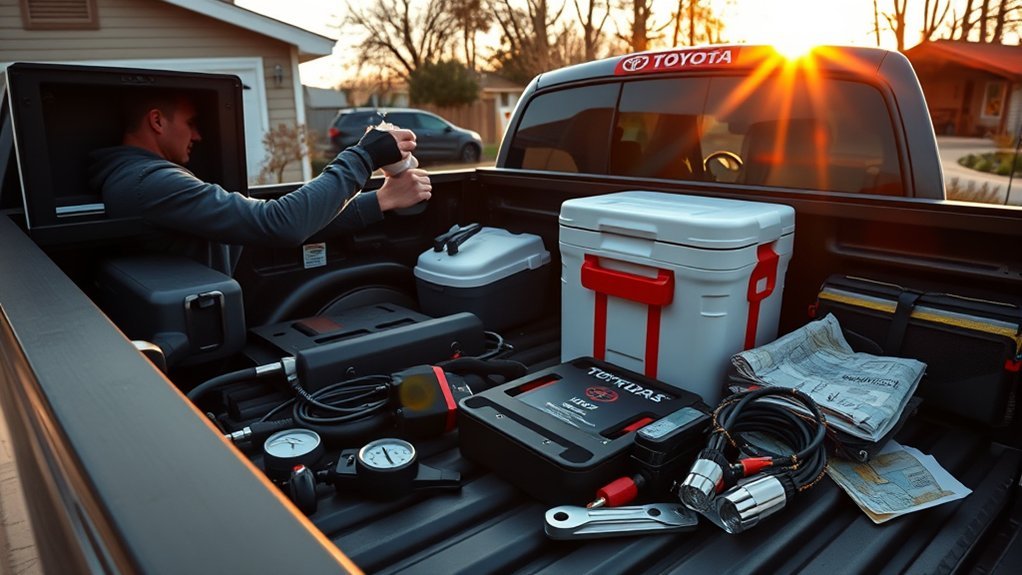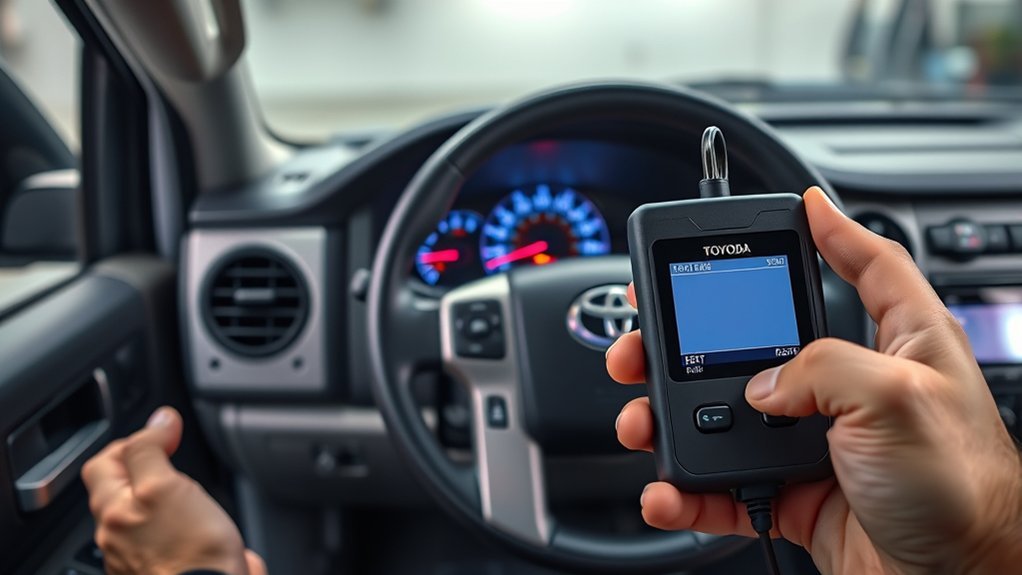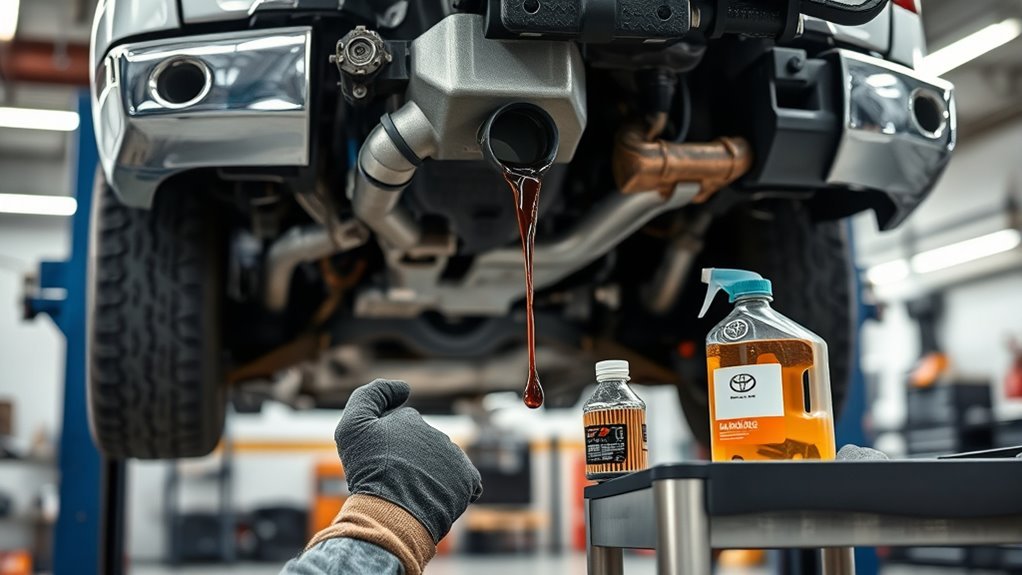
For a 2026 Toyota Tundra, Toyota’s recommended-service chart lists automatic transmission fluid inspections at 60,000, 90,000, 120,000, and 150,000 miles. If the truck is driven primarily while towing a trailer, using a car-top carrier, or carrying heavy vehicle loads, the special-operating-conditions chart lists fluid replacement at 60,000 and 120,000 miles. Use the maintenance guide for your exact model year and confirm the VIN-specific fluid and level-setting procedure before service.
By: [VERIFY: confirm the CMS displays the real author and relevant automotive credentials] · Last updated: July 31, 2026
How this guide was checked: The interval guidance was compared across Toyota’s 2018, 2021, 2024, 2025, and 2026 U.S. Warranty & Maintenance Guides. Fluid-specification and warranty statements were checked against Toyota and Federal Trade Commission sources. This article does not replace Toyota repair information for a specific VIN.
Quick Answer
For the 2026 Tundra, Toyota lists transmission-fluid inspections at 60,000, 90,000, 120,000, and 150,000 miles under recommended service. When the truck is driven primarily while towing, using a car-top carrier, or carrying heavy loads, Toyota lists automatic transmission fluid replacement at 60,000 and 120,000 miles in the chart through 150,000 miles.
Key Takeaways
- The 2026 normal-use chart calls for inspections, not one universal replacement mileage.
- The 2026 special-use chart lists replacement at 60,000 and 120,000 miles when the listed towing or loading condition applies primarily.
- Occasional towing does not automatically create a new factory interval; use the exact guide wording, service history, and inspection findings.
- Slipping, delayed engagement, harsh shifts, leaks, burnt odor, or abnormal debris require diagnosis before choosing a flush, exchange, or drain-and-refill.
2026 Tundra ATF Schedule at a Glance
| Recommended Service | Inspect automatic transmission fluid at 60,000, 90,000, 120,000, and 150,000 miles |
| Special Operating Conditions | Replace at 60,000 and 120,000 miles when driven primarily while towing, using a car-top carrier, or carrying heavy vehicle loads |
| Symptoms or Unknown History | Inspect level, leaks, codes, shift behavior, and possible internal wear before choosing a service method |
| Before Service | Confirm the VIN-specific ATF, capacity, plugs, seals, temperature range, and final level procedure |
How Often Should You Change Toyota Tundra Transmission Fluid?
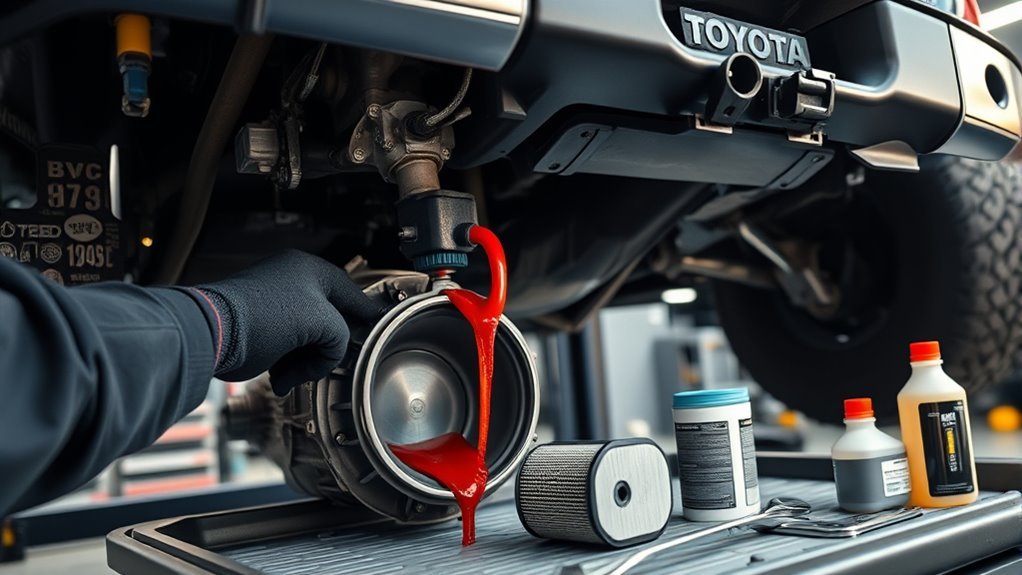
The best-supported interval is the one printed in Toyota’s maintenance guide for the truck’s model year. In the 2026 guide, normal-use service includes inspections at 60,000, 90,000, 120,000, and 150,000 miles. The special-operating-conditions chart changes that action to replacement at 60,000 and 120,000 miles when the truck is driven primarily while towing a trailer, using a car-top carrier, or carrying heavy vehicle loads.
| Situation | Toyota Guidance or Best Next Step | Action |
|---|---|---|
| 2026 normal driving with no symptoms | The recommended-service chart lists ATF inspections at 60,000, 90,000, 120,000, and 150,000 miles. | Follow the chart, check for leaks, review records, and monitor shift quality. |
| Primarily towing, using a car-top carrier, or carrying heavy loads | The 2026 special-use chart lists ATF replacement at 60,000 and 120,000 miles. | Schedule the model-specific replacement procedure at the listed points. |
| Occasional towing or mixed use | Toyota ties the additional service to driving primarily under the listed conditions. | Use the exact model-year guide, operating history, inspection findings, and qualified-shop advice. |
| Unknown history or abnormal shifting | A mileage chart alone cannot identify the correct repair or service method. | Diagnose leaks, level, codes, shift behavior, and possible internal wear before authorizing an exchange. |
Note: Maintenance schedules, transmission designs, fluid specifications, capacities, plug locations, and level-check procedures can vary by model year. Review the correct guide and Toyota Tundra transmission fluid type information, then verify every service detail by VIN before buying fluid or opening the transmission.
What Do Toyota’s Model-Year Maintenance Guides Say?
Toyota’s U.S. guides use similar severe-use language across multiple Tundra generations, but the chart details are not identical. The table below compares the first severe-use replacement point shown in the cited guides. For a complete maintenance plan beyond transmission service, see the Toyota Tundra maintenance schedule by mileage.
| Model-Year Guide | First Severe-Use ATF Replacement Point | Listed Conditions |
|---|---|---|
| 2018 Tundra guide | 60,000 miles or 72 months | Primarily towing, using a car-top carrier, or heavy vehicle loading |
| 2021 Tundra guide | 60,000 miles or 72 months | Primarily towing, using a car-top carrier, or heavy vehicle loading |
| 2024 Tundra guide | 60,000 miles or 72 months | Primarily towing, using a car-top carrier, or heavy vehicle loading |
| 2025 Tundra guide | 60,000 miles | Primarily towing, using a car-top carrier, or heavy vehicle loading |
| 2026 Tundra guide | 60,000 miles; the chart repeats replacement at 120,000 miles | Primarily towing, using a car-top carrier, or heavy vehicle loading |
This comparison supports 60,000 miles as the first manufacturer-documented severe-use replacement point in the reviewed guides. It does not mean every Tundra uses the same ATF, capacity, filter, pan procedure, or final level-setting method.
Should You Follow Toyota’s Schedule or Change the Fluid Sooner?
Start with the maintenance guide for the exact model year. The 2026 Toyota Tundra Warranty & Maintenance Guide distinguishes recommended service from special operating conditions. Earlier preventive service may be an owner-selected decision, but it should not be described as a Toyota requirement unless the guide says so.
Use this decision rule:
- Follow the model-year chart when the truck shifts normally, has no leaks, and has a documented maintenance history.
- Use the special-use replacement points when the truck is driven primarily under the towing, car-top carrier, or heavy-loading conditions specified in its guide.
- Evaluate occasional hard use separately because Toyota’s wording is based on primary use, not one isolated towing trip.
- Consider preventive service carefully when history is incomplete but the transmission operates normally. Base the decision on inspection findings and the correct factory procedure, not a generic mileage band.
- Diagnose before servicing when the transmission slips, delays engagement, shifts harshly, flares between gears, leaks, smells burnt, or contains abnormal debris.
Pro Tip: Keep receipts showing the date, mileage, fluid specification, parts, and service method. The Federal Trade Commission’s auto-warranty guidance explains that routine maintenance does not have to be performed by a dealer, although damage caused by improper maintenance may not be covered.
Does Towing or Heavy Loading Change the Interval?
Yes, when the truck is driven primarily under Toyota’s listed conditions. Automatic transmission fluid supplies hydraulic pressure, lubricates moving parts, manages clutch friction, and carries heat. Towing and heavy loading can increase transmission workload, especially during acceleration, climbing, low-speed operation, and hot-weather driving.
These operating patterns can add transmission stress:
- Frequent towing: Trailer weight increases the work required during acceleration, grades, and headwinds.
- Heavy payload: More vehicle mass increases the effort needed to accelerate and maintain speed.
- Stop-and-go operation: Repeated acceleration can add heat while road speed and cooling airflow remain low.
- Low-speed off-road driving: Sand, mud, climbing, and slow movement can combine high load with limited airflow.
- Repeated hard acceleration: Frequent kickdowns and high-load shifts increase demand on the fluid and clutches.
These factors explain why duty cycle matters, but they do not create a new factory mileage on their own. Apply the exact condition and interval printed in the model-year guide.
In Toyota’s 2026 chart, a Tundra driven primarily while towing, using a car-top carrier, or carrying heavy loads receives ATF replacement at 60,000 and 120,000 miles.
Can Color, Smell, Leaks, or Shift Feel Reveal ATF Problems?

Many late-model Tundras use a sealed or overflow-style level-check procedure instead of a traditional engine-bay dipstick. A correct level check may require a level vehicle, a specified fluid-temperature range, and the proper fill or overflow plugs. Owners can still watch for external leaks, delayed engagement, harsh shifts, slipping, shudder, unusual noises, and warning lights.
Is Fluid Color Enough to Judge Its Condition?
No. Color adds context when fluid is drained or sampled, but it should not determine the service decision by itself. Shift behavior, odor, contamination, fluid level, diagnostic codes, duty cycle, and service history provide more useful evidence when considered together.
| Observation | What It Can Indicate | Best Next Step |
|---|---|---|
| Normal shifts and no visible leaks | No obvious operating symptom | Continue model-year inspections and document mileage and use. |
| Transmission-fluid leak | Possible low level or a failed seal, gasket, line, or fitting | Repair the leak promptly, then set the level by the correct procedure. |
| Dark fluid without operating symptoms | Age or use, but color alone does not confirm failure | Review mileage, duty cycle, odor, history, and model-year guidance. |
| Burnt odor, heavy debris, slipping, shudder, or harsh shifts | Possible overheating, incorrect level, control fault, or internal wear | Diagnose the transmission before treating fluid replacement as the repair. |
Why Does Shift Feel Matter?
Delayed engagement, harsh shifts, slipping, shudder, or an engine-speed flare between gears can point to low fluid, an incorrect level, a control-system fault, a software concern, valve-body trouble, a torque-converter problem, or internal wear. See the related guides to Toyota Tundra hard shifting and Toyota Tundra transmission slipping for symptom-focused diagnosis.
A proper evaluation may include checking diagnostic trouble codes, verifying fluid level at the specified temperature, inspecting for leaks, reviewing service records, checking applicable software information, and examining the pan or drained fluid when the repair procedure calls for it.
Warning: Low fluid and overfilling can both cause operating problems. A sealed Toyota transmission must be checked with the model-specific procedure and specified fluid-temperature range. Refilling only by estimating the amount drained does not confirm the final level.
What Intervals Apply to Normal, Mixed, and Heavy Use?
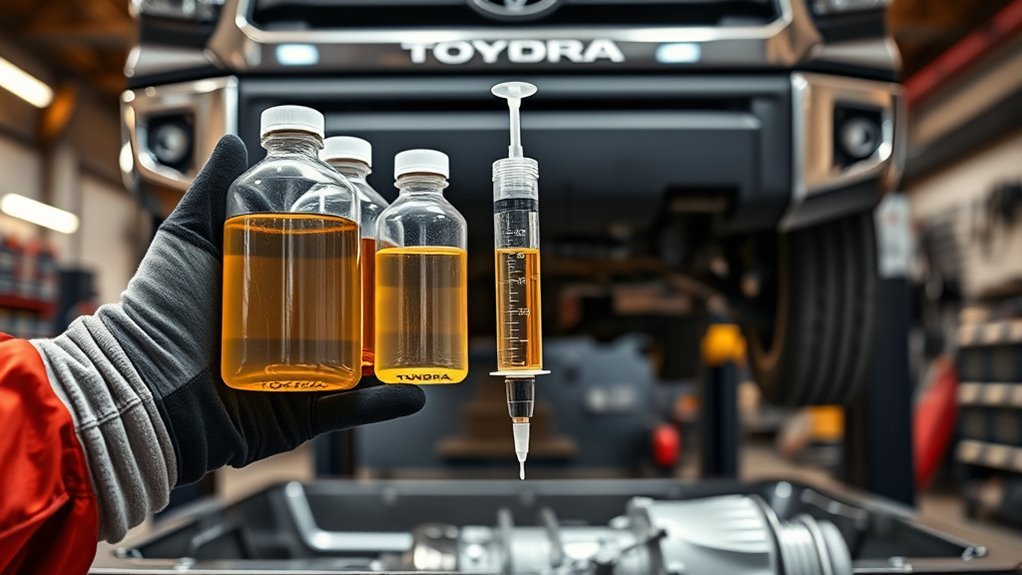
Do not treat generic mileage bands as Toyota requirements. Separate the model-year maintenance chart from an owner-selected preventive service decision.
Normal Use: Inspect at the Model-Year Checkpoints
For the 2026 Tundra, the recommended-service chart marks automatic transmission fluid inspections at 60,000, 90,000, 120,000, and 150,000 miles. Other model years may use different chart layouts, so confirm the exact guide rather than applying the 2026 checkpoints to every truck.
Primarily Towing or Heavy Loading: Replace at 60,000 and 120,000 Miles
The 2026 special-operating-conditions chart lists automatic transmission fluid replacement at 60,000 and 120,000 miles when the vehicle is driven primarily while towing a trailer, using a car-top carrier, or carrying heavy vehicle loads. The earlier guides reviewed for this article also show 60,000 miles as the first severe-use replacement point.
Owner-Selected Preventive Service: Use Evidence, Not a Generic Range
An owner may choose preventive service before a published severe-use point, especially when planning long-term ownership or when history is incomplete. Base that decision on operating history, leak inspection, shift quality, fluid or pan findings when available, and advice from a qualified Toyota specialist. Do not present it as a factory requirement unless the guide does.
Should You Flush or Drain-and-Refill a Tundra Transmission?
A drain-and-refill replaces the amount released by the model-specific drain procedure. A pan service may allow inspection of magnets and debris when Toyota repair information or diagnostic findings call for pan removal. A machine exchange replaces a larger share of fluid, but its suitability depends on the equipment, fluid specification, transmission condition, and approved procedure.
| Method | When It May Be Considered | Main Caution |
|---|---|---|
| Drain-and-refill | Routine fluid replacement using the correct model-specific procedure | It replaces only the amount removed and still requires an accurate final level check. |
| Pan inspection or pan service | Leak repair, contamination inspection, or work specified by factory repair information | Do not assume every scheduled ATF replacement requires a pan drop, filter, or strainer. |
| Machine fluid exchange | A healthy transmission when a qualified shop confirms that the equipment, fluid, and procedure are appropriate | It is not a repair for slipping, burnt odor, abnormal debris, low pressure, or internal damage. |
Do not choose a service method only because it replaces the greatest percentage of fluid. Ask how the method matches Toyota repair information and whether symptoms require diagnosis before service.
[Products Worth Considering]

This 12-pack oil filter and drain plug washer set is designed for a wide range of Toyota and Scion vehicles, helping support clean oil flow and dependable engine performance. It replaces several common OE part numbers and offers an easy-fit solution for routine maintenance. Built with corrosion-resistant materials and efficient filtration, it helps keep engine contaminants out and supports longer service life.

These genuine Toyota oil drain plug gaskets are designed to help maintain a reliable seal during oil changes, reducing the chance of leaks and supporting proper engine maintenance. With an OEM fit and trusted Toyota quality, they are a practical choice for routine service on compatible vehicles. The convenient quantity pack is ideal for keeping multiple maintenance intervals covered.

This windshield sun shade umbrella is designed for Toyota Tundra models from 2007 to 2026, helping block harsh sunlight and reduce interior heat buildup. Its reflective cooling coating and high-density fabric work together to protect dashboards, seats, and trim while keeping the cabin more comfortable. The umbrella-style design installs quickly, folds down easily, and stores neatly for everyday convenience.
What Must Be Verified Before a Tundra ATF Service?
A Tundra transmission service is not identical across every generation. The exact plugs, ATF specification, capacity, temperature range, torque values, gasket requirements, and filter or strainer procedure must come from Toyota repair information for the truck’s model year and transmission.
Warning: Work only on a stable, level vehicle supported with equipment rated for its weight. Transmission fluid can cause burns, and an incorrect level can damage the transmission. Use a qualified Toyota technician when you cannot perform the required temperature-controlled level check.
- Identify the transmission and factory procedure. Use the VIN, Toyota parts information, and repair instructions to confirm the transmission, plugs, seals, capacity, and level-check method.
- Confirm the exact ATF. Toyota sells World Standard Automatic Transmission Fluid under part number 00289-ATFWS, but do not assume that one specification applies to every Tundra transmission.
- Diagnose symptoms before draining. Check for leaks, warning lights, delayed engagement, harsh shifts, slipping, shudder, and stored diagnostic codes.
- Confirm the required vehicle position and temperature. The truck may need to be level and within a specified fluid-temperature range for the final check.
- Use a clean drain pan if the procedure calls for draining. Record the amount removed and inspect odor, contamination, and visible debris.
- Remove the pan or service a strainer only when required. Follow factory repair information or diagnostic findings rather than assuming every ATF replacement includes those parts.
- Refill only with the specified fluid. Use clean equipment and avoid mixing unidentified or unapproved fluids.
- Set the final level by procedure. Cycle the selector, monitor temperature, and use the specified overflow or level-check method.
- Inspect and road-test. Check plugs, seals, pan surfaces, cooler lines, and fittings for leaks, then confirm normal engagement and shifting before towing or hauling.
[Products Worth Considering]

This flexible oil funnel is designed to make fluid changes cleaner and easier by guiding oil around obstacles like skid plates and crossmembers. Its shape-retaining core and silicone body can be molded for custom positioning, while the heat-resistant, leak-proof design helps prevent spills during draining and filter removal. Reusable and easy to clean, it works well for cars, trucks, motorcycles, and other hard-to-reach fluid fill or drain applications.

This mech-style heavy metal key fob cover is designed to protect compatible Toyota E-style smart keys with a precise 1:1 fit. Built with a durable zinc alloy frame and soft silicone buttons, it helps guard against daily wear while keeping full access to key functions. The set includes a metal keychain and screwdriver for easy installation, making it a practical upgrade for select Toyota models.

This A-Premium cartridge engine oil filter is designed for a wide range of Toyota and Lexus vehicles, helping support cleaner oil flow and dependable engine protection. With high filtration efficiency and included O-rings, it offers a practical replacement solution for routine maintenance. Built for extended service intervals, it is suitable for conventional or synthetic oil applications.
What Should a Tundra Transmission-Service Estimate Include?
There is no single factory price for transmission service. Cost changes with region, model year, fluid quantity, repair procedure, labor rate, and whether the job includes only fluid replacement or additional diagnosis, leak repair, or pan work. Ask for a written, VIN-specific estimate instead of relying on a generic national number.
Ask these questions before approving the work:
- Which Toyota maintenance or repair procedure applies to my VIN?
- Is this a drain-and-refill, pan service, or machine fluid exchange?
- What exact ATF specification and quantity will be used?
- How will the final fluid level and temperature be checked?
- Are plug gaskets, seals, pan parts, or a filter or strainer required by the procedure?
- Will the transmission be scanned for codes before service if it has shifting symptoms?
- Will the pan and magnets be inspected if the pan is removed?
- Can I receive a record showing the mileage, fluid, parts, and procedure?
After service, check the parking area for leaks and confirm that engagement and shifting remain normal. For a towing truck, complete a short unloaded road test before returning to heavy work. Stop and have the vehicle inspected if a warning light, leak, delayed engagement, slipping, shudder, or harsh shift appears.
[Products Worth Considering]

This custom-fit cargo net is designed for the 2026 Toyota RAV4 to help keep your trunk organized and secure during everyday driving. It helps hold groceries, tools, and smaller items in place while reducing rolling and shifting, and the heavy-duty carabiners support reliable installation. The net also offers convenient storage and easy access for SUVs and other compatible vehicles.

This comprehensive master disconnect tool kit is designed to remove fuel lines, A/C lines, transmission cooler lines, and other quick-connect fittings on a wide range of vehicles. It includes multiple color-coded tools and sizes to help speed up repairs, reduce line damage, and improve workflow for DIY users and professional technicians alike. The set comes organized in a portable case for easy storage, transport, and quick access.

This custom-designed cargo net helps keep the rear trunk of a 2026 Toyota RAV4 neat, secure, and organized. Its stretchable elastic mesh construction helps prevent groceries, tools, and sports gear from sliding around, while the built-in bottom pocket and smart clips add extra storage control. A top pull tab makes installation and removal quick and easy for everyday convenience.
Frequently Asked Questions
How often should I change the transmission fluid in my Toyota Tundra?
For the 2026 Tundra, Toyota lists ATF replacement at 60,000 and 120,000 miles when the truck is driven primarily while towing a trailer, using a car-top carrier, or carrying heavy vehicle loads. For normal use, the 2026 chart lists inspections at 60,000, 90,000, 120,000, and 150,000 miles.
Does Toyota specify a fixed transmission-fluid replacement interval for normal Tundra driving?
The 2026 recommended-service chart lists inspections rather than one universal normal-use replacement mileage. Check the guide for the exact model year because chart details and procedures can vary.
What counts as severe use for the Tundra transmission-fluid interval?
Toyota identifies towing a trailer, using a car-top carrier, and heavy vehicle loading as special operating conditions. The additional ATF replacement applies when the vehicle is driven primarily under the listed condition.
What if I tow only occasionally?
Toyota’s special-use wording is based on driving primarily under the listed condition. For occasional towing, use the exact model-year guide, service history, inspection findings, and advice from a qualified Toyota specialist rather than automatically applying a generic interval.
Should I flush or drain-and-refill my Tundra transmission?
Use the method that matches Toyota repair information and the condition of the transmission. A drain-and-refill is a common replacement method. A machine exchange should be considered only when a qualified shop confirms that the equipment, fluid, and procedure are appropriate. Neither method repairs internal wear.
What transmission fluid does a Toyota Tundra use?
The correct fluid depends on the model year and transmission. Toyota sells ATF WS under part number 00289-ATFWS, but confirm the required specification through Toyota repair information or the parts catalog by VIN before adding fluid.
Can changing old transmission fluid cause problems?
Fluid replacement does not repair clutch wear, valve-body faults, torque-converter problems, or low hydraulic pressure. If the transmission already slips, shifts harshly, smells burnt, or contains abnormal debris, diagnose it before choosing an aggressive exchange.
Do I have to use a Toyota dealer for transmission maintenance?
Routine maintenance can generally be performed by a qualified independent shop or the owner without automatically voiding warranty coverage. The work must still use the correct fluid, parts, and procedure, and detailed receipts should be kept.
Conclusion
Use Toyota’s model-year maintenance guide as the starting point. For the 2026 Tundra, recommended service includes ATF inspections at 60,000, 90,000, 120,000, and 150,000 miles. When the truck is driven primarily while towing, using a car-top carrier, or carrying heavy vehicle loads, the special-use chart lists replacement at 60,000 and 120,000 miles.
Before authorizing service, confirm the VIN-specific ATF and level procedure. Diagnose leaks, slipping, delayed engagement, harsh shifts, burnt odor, warning lights, or abnormal debris instead of assuming that a fluid exchange will repair the problem.
Sources
- Toyota 2026 Tundra Warranty & Maintenance Guide — recommended-service and special-operating-condition maintenance charts.
- Toyota 2025 Tundra Warranty & Maintenance Guide — model-year maintenance chart and severe-use ATF guidance.
- Toyota 2024 Tundra Warranty & Maintenance Guide — severe-use ATF replacement guidance.
- Toyota 2021 Tundra Warranty & Maintenance Guide — earlier-generation severe-use maintenance guidance.
- Toyota 2018 Tundra Warranty & Maintenance Guide — earlier-generation severe-use maintenance guidance.
- Toyota Genuine World Standard Automatic Transmission Fluid — official Toyota ATF WS product information and part number 00289-ATFWS.
- Toyota Owners Manuals and Warranties — model-year manual lookup for Tundra owners.
- Federal Trade Commission Auto Warranties and Auto Service Contracts — current consumer guidance on independent maintenance, warranty coverage, and recordkeeping.