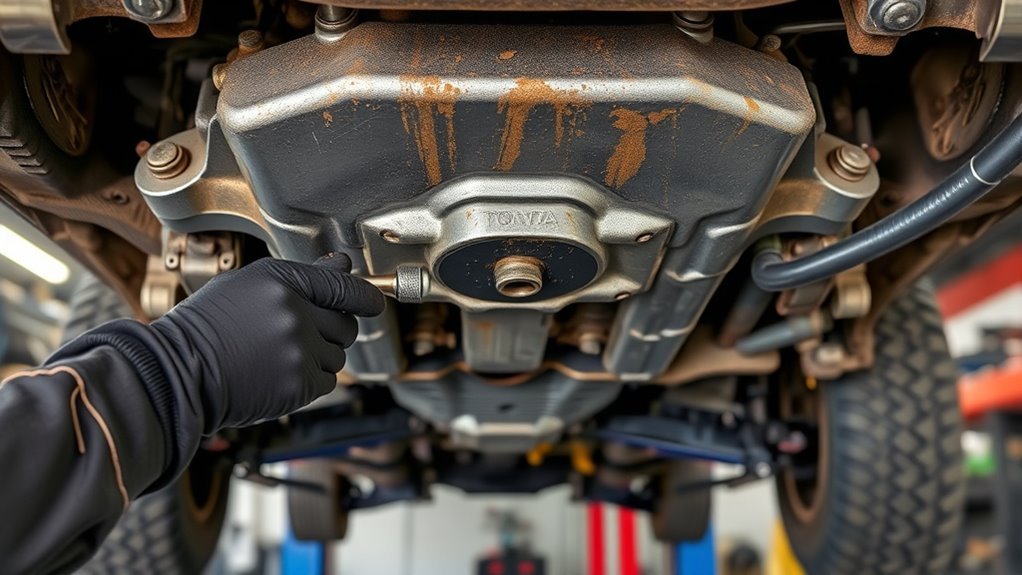
For a 2026 U.S.-market Toyota Tundra 4WD, Toyota’s normal maintenance chart lists transfer case oil inspection at 30,000-mile intervals through 150,000 miles. If the truck is driven primarily on dirt or dusty roads, or while towing, using a car-top carrier, or under heavy vehicle loading, Toyota’s special-operating-condition chart changes those 30,000-mile checkpoints to transfer case oil replacement. Older Tundras can use different fluid specifications and service details, so use the maintenance guide and owner/service information for the exact model year.
Last updated: September 16, 2026 — rechecked against Toyota’s 2026 Tundra Warranty & Maintenance Guide, current model-year transfer-case specifications, and same-site topic overlap.
Quick Answer
For a 2026 Tundra 4WD, inspect the transfer case oil at 30,000, 60,000, 90,000, 120,000, and 150,000 miles under normal use. At those same 30,000-mile intervals, replace the oil if the truck is driven primarily on dirt or dusty roads, or while towing, using a car-top carrier, or under heavy vehicle loading. Inspect sooner after suspected water entry, an active leak, or abnormal fluid. A fluid change does not repair a failed seal, actuator, bearing, or gearset.
Key Takeaways
- For the 2026 Tundra, normal-use transfer case oil is an inspection item at 30,000-mile intervals through 150,000 miles; Toyota does not turn that normal-service row into an automatic replacement at each checkpoint.
- Toyota’s 2026 special-use chart calls for transfer case oil replacement at 30,000-mile intervals when the truck is driven primarily on dirt or dusty roads, or while towing, using a car-top carrier, or under heavy vehicle loading.
- Water entry, milky fluid, abnormal metal debris, or a significant leak requires condition-based inspection even if the truck has not reached its next scheduled interval.
- Do not assume every Tundra uses the same fluid. Toyota documentation for different model years can specify Toyota Transfer Gear Oil LF SAE 75W or Toyota Genuine ATF WS, so verify the exact year and transfer case before buying fluid.
- When doing the job yourself, remove the fill plug before the drain plug, use the required sealing method or washer, refill to the specified level, and verify the torque specification for your exact transfer case.
How this guide was checked: The interval guidance below was rechecked against Toyota’s 2026 Tundra Warranty & Maintenance Guide, earlier Toyota maintenance guides for comparison, model-year maintenance data, and Toyota Technical Information System references. The current 2026 chart shows normal transfer-case inspections every 30,000 miles and special-use replacement at the same 30,000-mile checkpoints. The owner’s manual and service information for your exact truck remain the final authority because fluid type, capacity, plugs, and torque specifications can change by model year and configuration.
Toyota Tundra Transfer Case Fluid Change Interval (2026)
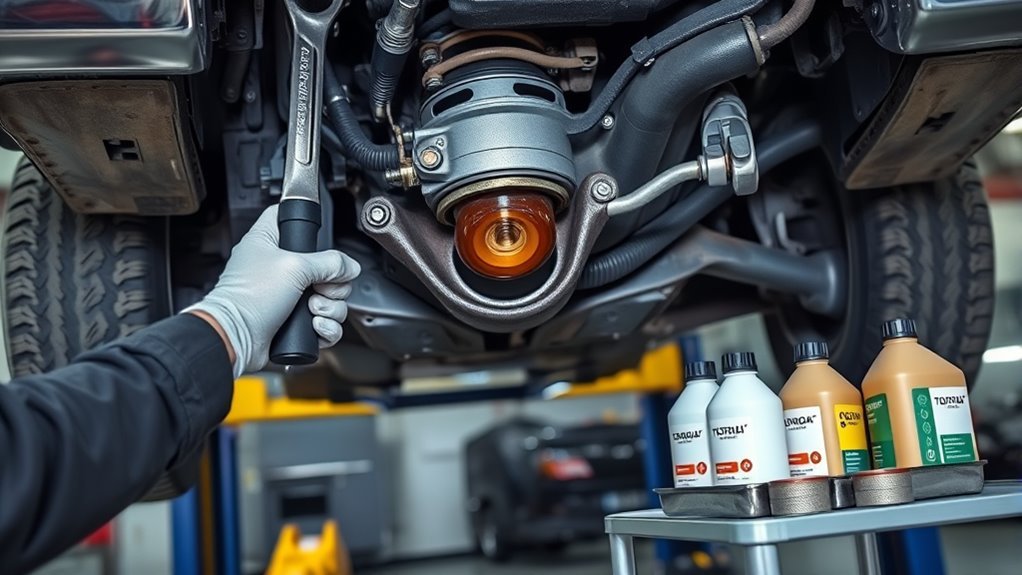
For the 2026 U.S.-market Tundra, Toyota makes the interval unusually clear: the normal-service chart marks transfer case oil for inspection at 30,000, 60,000, 90,000, 120,000, and 150,000 miles. The special-operating-condition chart marks transfer case oil for replacement at those same 30,000-mile checkpoints when the truck is driven primarily on dirt or dusty roads, or while towing, using a car-top carrier, or under heavy vehicle loading. This is a schedule distinction, not a different fluid choice.
| Driving condition | Service point | What to do |
|---|---|---|
| 2026 normal commuting and highway use | 30,000, 60,000, 90,000, 120,000, and 150,000 miles | Inspect transfer case oil. Check for leakage and follow Toyota’s inspection guidance; do not automatically convert the inspection row into a replacement requirement. |
| Primarily dirt or dusty roads | Every 30,000 miles under the 2026 special-use chart | Replace transfer case oil. |
| Towing, car-top carrier use, or heavy vehicle loading | Every 30,000 miles under the 2026 special-use chart | Replace transfer case oil and follow the applicable transmission and differential maintenance rows for the same model year. |
| Water entry, milky fluid, grit, abnormal metal debris, or an active leak | Do not wait for the next mileage interval | Inspect immediately. Repair leaks or water-entry paths and replace contaminated fluid as required. |
| 2WD Tundra | Not applicable | A 2WD Tundra does not have the 4WD transfer case covered by this service. |
Note: The 30,000-mile replacement is not a universal normal-service requirement. On the 2026 chart, normal use calls for inspection at those checkpoints; replacement appears under the listed special operating conditions. For an older Tundra, use that model year’s guide before applying the 2026 pattern.
For a wider view of drivetrain service intervals, see the Toyota Tundra maintenance schedule by mileage. Front and rear differential oil have their own requirements, so do not automatically apply the transfer-case interval to every drivetrain fluid.
Intervals by Model Year and Drivetrain Including Towing and Off-Road Use
Model year matters for two separate reasons: Toyota’s maintenance schedule can change, and the specified transfer case fluid can change. Use verified model-year checkpoints instead of extending one truck’s specification across a generation. For example, 2021 owner information lists Toyota Genuine Transfer Gear Oil LF SAE 75W at about 1.5 L, while current 2026 owner specifications list Toyota Genuine ATF WS at 2.05 L (2.17 qt.). Confirm the exact Toyota owner’s manual or VIN-based service information before buying fluid.
| Tundra group | What to verify | Service guidance |
|---|---|---|
| 2007–2020 4WD | Exact model-year fluid, capacity, plug style, and torque specification | Use the manual-listed fluid and maintenance guide for the exact year. Do not copy a later-model specification backward. |
| 2021 4WD example | Toyota Genuine Transfer Gear Oil LF or equivalent; SAE 75W; 1.6 qt. (1.5 L) in the owner specifications | Use the 2021 maintenance guide for interval decisions and the 2021 owner/service information for fluid and procedure details. |
| 2022–2025 4WD | Exact model-year owner/service data; third-generation transfer-case specifications differ from the 2021 example | Do not select fluid only from generation labels or a retailer fitment chart. Verify the year-specific Toyota specification before service. |
| 2026 4WD current example | Toyota Genuine ATF WS; 2.17 qt. (2.05 L) in current owner specifications | Normal schedule: inspect every 30,000 miles through 150,000. Listed dirt/dust or towing/carrier/heavy-load use: replace every 30,000 miles. |
| 2WD models | No 4WD transfer case | Do not add a transfer-case-fluid service to a 2WD-only maintenance list. |
The model-year distinction is important. Toyota’s 2025 Tundra maintenance-data page and 2023 Tundra maintenance-data page are year-specific references, while Toyota’s 2026 Tundra Warranty & Maintenance Guide controls the current interval example used on this page. Toyota’s Technical Information System is the source to use when you need the exact repair procedure and torque specification.
Model Year Interval Differences
Do not use the 2026 schedule as a substitute for an older model-year chart. If you buy a used 4WD Tundra with no drivetrain-fluid history, inspect the level, leakage, and fluid condition, then check the exact-year maintenance guide before deciding whether the truck is simply due for inspection or qualifies for scheduled replacement.
For newer trucks, fluid identification deserves as much attention as mileage. Toyota model-year documentation can differ, so never substitute ATF WS, Transfer Gear Oil LF, or generic gear oil simply because another Tundra owner used it. Verify the exact specification before opening the drain plug.
Towing and Off-Road Adjustments
In Toyota’s 2026 chart, the special-use schedule adds transfer case oil replacement at 30,000-mile intervals for trucks driven primarily on dirt or dusty roads and for towing, car-top-carrier use, or heavy vehicle loading. If you tow regularly, the Toyota Tundra towing checklist can help you keep the transfer case in the context of the truck’s full pre-trip maintenance needs.
Mud, deep water, and frequent trail use deserve a separate condition-based rule. If water may have entered the transfer case, inspect the fluid rather than waiting for the next 30,000-mile point. Milky or emulsified fluid indicates contamination and needs prompt attention.
Pro Tip: If you are already servicing a hard-used Tundra, checking the transfer case and both differentials during the same visit is convenient, but each component still follows its own Toyota specification and maintenance requirement. See the Tundra differential fluid guide before choosing axle oil.
5 Signs Your Tundra Transfer Case Needs Service Now
Do not wait for a mileage interval if the truck is already showing symptoms. Start by checking for leakage and confirming fluid level and condition, but remember that a fluid change cannot repair a worn actuator, bearing, seal, or damaged gearset.
| Symptom | What it may mean | What to do |
|---|---|---|
| Grinding, whining, or clunking | Low fluid, worn bearings, gear wear, or another driveline problem | Stop heavy use and inspect the transfer case and surrounding driveline. |
| Hard 2WD/4WD engagement | Actuator, shift motor, electrical, fluid, or mechanical issue | Check the correct shift procedure, scan for codes where appropriate, and inspect the fluid before replacing parts. |
| Fluid leak near transfer case | Plug sealing problem, seal failure, gasket issue, or case damage | Find and repair the leak, then restore the fluid to the specified level. |
| Vibration under load | Driveline, joint, shaft, transfer-case, or fluid-level problem | Inspect the driveline and transfer case together instead of assuming fluid is the sole cause. |
| Burnt, milky, gritty, or metal-heavy fluid | Overheating, water entry, contamination, or internal wear | Stop hard use and determine why the fluid is abnormal before returning the truck to towing or trail service. |
If the main problem is a blinking 4WD indicator or failure to engage 4WD, use the Tundra 4WD engagement diagnosis guide instead of assuming a transfer-case fluid change will fix an electrical or actuator fault.
Warning: Milky fluid strongly suggests water contamination. Do not continue towing or hard off-road use with contaminated transfer case fluid. Inspect the breather, seals, plugs, and case for the water-entry path as part of the service.
Which Transfer Case Fluid Does Your Tundra Use?
The service interval and the fluid specification are separate decisions. This page focuses on when to inspect or replace the fluid; for a year-by-year specification breakdown, see the Toyota Tundra transfer case fluid guide. Before service, verify the exact Toyota-listed fluid for your truck. A 2021 example uses Toyota Genuine Transfer Gear Oil LF SAE 75W, while current 2026 4WD owner specifications list Toyota Genuine ATF WS.
[Products Worth Considering]
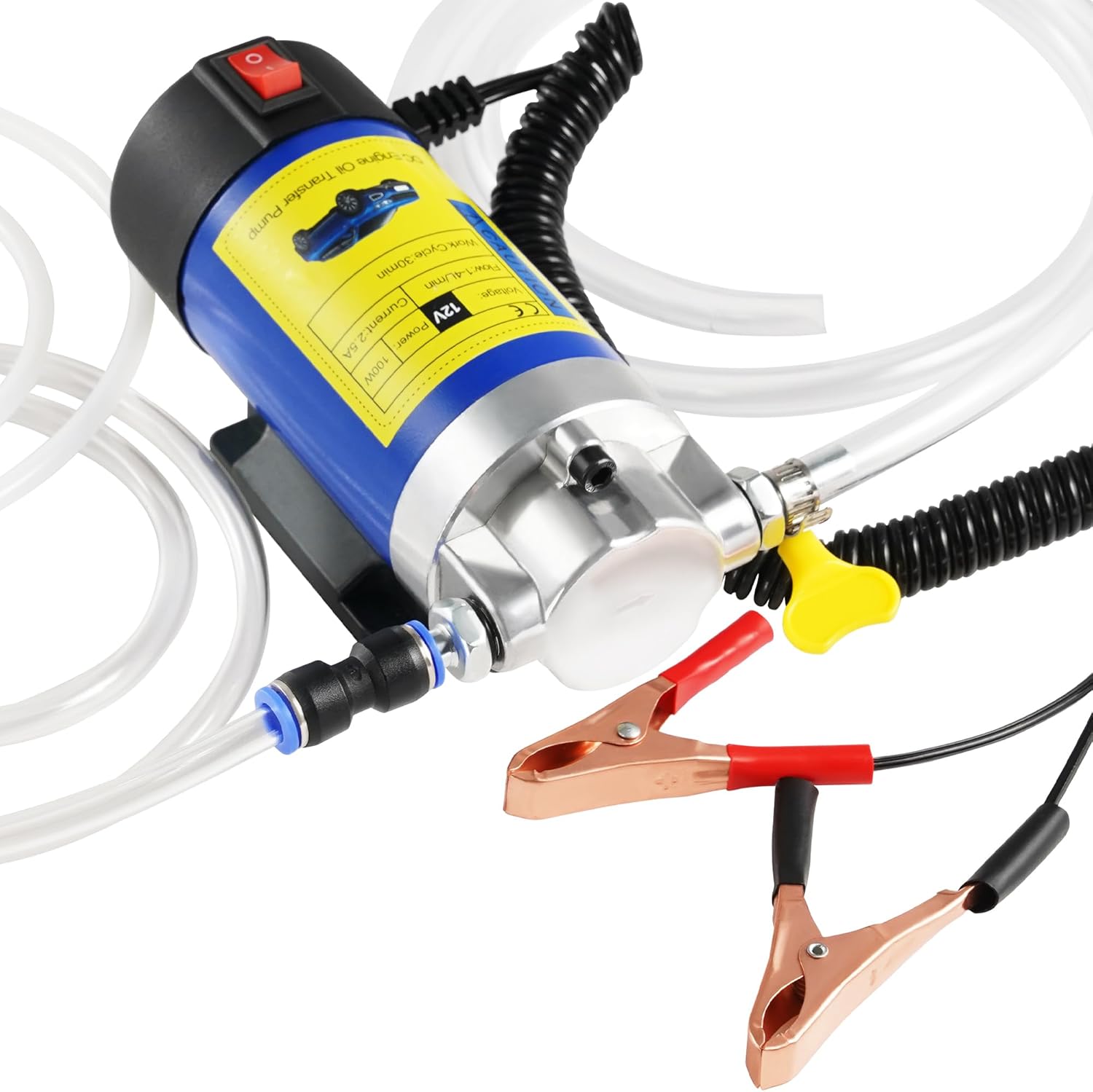
This electric oil extractor pump makes DIY oil changes cleaner and easier by removing old fluid through the dipstick tube, eliminating the need to crawl under the vehicle or deal with messy drain plugs. It is designed for synthetic oil changes and fluid maintenance across cars, motorcycles, lawn mowers, boats, and Jet Skis, while its pure copper motor delivers stable suction and dependable performance. Built for efficient topside oil changes, it supports multiple fluid types and offers continuous operation for longer service tasks.

This flexible oil funnel is designed to make fluid changes cleaner and easier by guiding oil around obstacles like skid plates and crossmembers. Its shape-retaining core and silicone body can be molded for custom positioning, while the heat-resistant, leak-proof design helps prevent spills during draining and filter removal. Reusable and easy to clean, it works well for cars, trucks, motorcycles, and other hard-to-reach fluid fill or drain applications.

The Scepter AM07029 Oil Drain Pan makes oil changes cleaner and easier by helping contain spills and reducing mess in the garage or driveway. Its lidded opening, removable drain screen, and gasketed pour spout support convenient collection, transport, and disposal of fluids. Built from durable high-density polyethylene, it resists rust, dents, and corrosion for reliable use with engine oil, transmission fluid, hydraulic fluid, and antifreeze.
OEM Specification Check
OEM fluid is the simplest way to match a Toyota-listed requirement. If your exact manual specifies Toyota Genuine Transfer Gear Oil LF SAE 75W, use that fluid or an equivalent that explicitly satisfies the stated Toyota requirement. If your exact manual specifies Toyota Genuine ATF WS, use Toyota Genuine ATF WS or an equivalent specifically documented for that requirement.
Synthetic Aftermarket Choices
An aftermarket fluid is acceptable only when its technical documentation matches the requirement for your exact transfer case. “Synthetic,” “universal,” or a similar viscosity number is not enough evidence by itself. Do not replace Toyota Transfer Gear Oil LF with generic 75W-90 merely because both products are described as gear oil.
Note: “Equivalent” means a product documented as satisfying the required specification. A nearby viscosity grade or an internet fitment recommendation is not a substitute for the manual-listed requirement.
Compatibility and Specs
Before buying fluid, verify these details:
- Drivetrain: confirm that the truck is a 4WD model with the transfer case covered by the procedure.
- Model year and powertrain: do not assume adjacent years or gas/hybrid configurations share every specification.
- Fluid requirement: use the exact Toyota-listed transfer-case oil or ATF specification.
- Capacity: buy enough fluid for the exact case rather than relying on a generic Tundra quantity.
- Fill-level procedure: verify whether the service information specifies a precise distance below the fill-hole lip, a fill-to-hole method, a wait/recheck procedure, or another requirement.
- Plug specification: verify the correct washer, sealant method, and torque before starting.
DIY Transfer Case Fluid Change: Tools, Steps, and Torque Specs
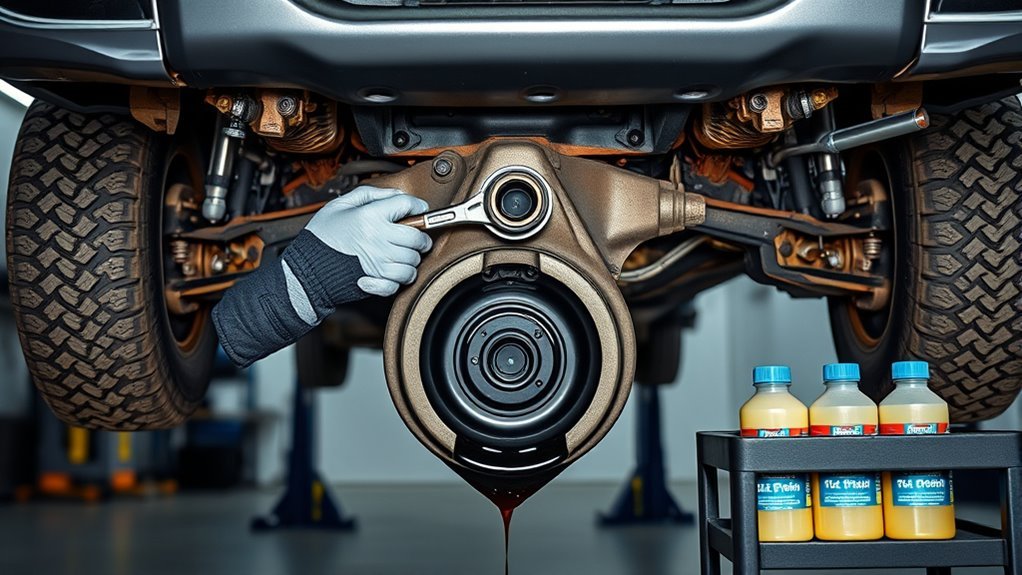
At a Glance
| Job Type | Drain-and-fill maintenance service |
| Difficulty | Moderate; correct fluid identification, safe lifting, and accurate fill level matter |
| Tools Needed | Drain pan, correct socket/bit, fluid pump, torque wrench, gloves, eye protection, shop rags, and the specified plug washers or sealing materials |
| Cost | Varies by model year, fluid specification, quantity required, and local labor rate |
The mechanical process is simple, but the specifications are not universal. Toyota service information for WF1AM applications lists approximately 1.4–1.5 liters of Toyota Genuine Transfer Gear Oil LF SAE 75W, a fluid level 0–5 mm below the bottom of the filler opening, and 25 N·m (18 ft-lb) for the listed filler and drain plugs. Do not transfer those figures to another transfer case without verifying its service information.
Warning: Never crawl under a truck supported only by a jack. Use a level surface, wheel chocks, and properly rated stands or a lift. The truck needs to remain level for an accurate fluid-level check.
[Products Worth Considering]

This 12-pack oil filter and drain plug washer set is designed for a wide range of Toyota and Scion vehicles, helping support clean oil flow and dependable engine performance. It replaces several common OE part numbers and offers an easy-fit solution for routine maintenance. Built with corrosion-resistant materials and efficient filtration, it helps keep engine contaminants out and supports longer service life.

These genuine Toyota oil drain plug gaskets are designed to help maintain a reliable seal during oil changes, reducing the chance of leaks and supporting proper engine maintenance. With an OEM fit and trusted Toyota quality, they are a practical choice for routine service on compatible vehicles. The convenient quantity pack is ideal for keeping multiple maintenance intervals covered.
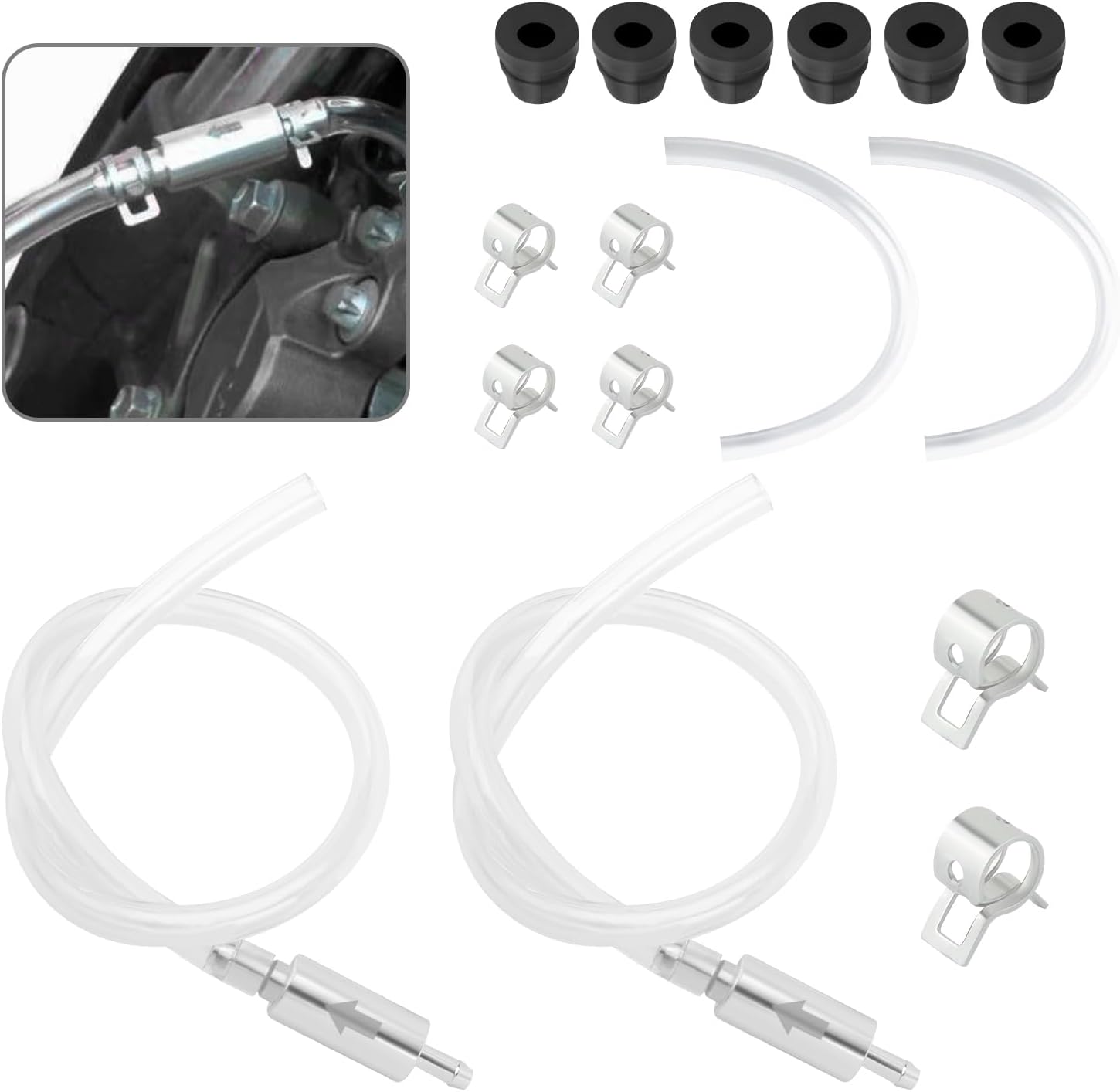
This brake bleeder kit helps make hydraulic brake bleeding easier on motorcycles, cars, and bikes with a simple one-way valve setup that helps prevent air and contamination from entering the system. It includes multiple hoses, clamps, and dust-proof screw caps for a cleaner, more controlled bleeding process. Durable rubber tubing and rust-resistant valves support repeated use and flexible installation around different brake layouts.
Tools and Supplies
- Correct transfer case fluid for your exact Tundra
- Required drain and fill plug washers or sealing materials
- Drain pan
- Correct socket, hex bit, or square-drive tool for the plugs
- Fluid transfer pump
- Torque wrench
- Shop-safe cleaner for the plug area
- Gloves, eye protection, and rags
Basic DIY Steps
- Verify the exact fluid, capacity, plug procedure, and torque specification before lifting the truck.
- Warm the drivetrain with a short drive if the service procedure calls for it, then park on a level surface.
- Secure the truck safely and keep it level.
- Clean around the fill and drain plugs so dirt does not enter the case.
- Remove the fill plug first. Do not drain the case until you know it can be refilled.
- Place the drain pan and remove the drain plug.
- Inspect the old fluid for a burnt odor, water contamination, grit, or unusual metal debris.
- Install the drain plug using the specified new washer or sealing procedure.
- Pump in the exact specified fluid until it reaches the level required by the service information.
- Wait and recheck the level if your service procedure requires a settling period.
- Install the fill plug and tighten it to the specification for your transfer case.
- Road-test the truck if appropriate, then recheck for leakage.
- Recycle the used fluid through an approved collection location.
Stop the DIY job and diagnose first if the fill plug cannot be removed, the plug threads or case are damaged, you find large metal pieces, the case has a significant active leak, or the old fluid shows evidence of serious internal damage. A drain-and-fill is maintenance, not a repair for mechanical failure.
Dealer vs. DIY vs. Independent Shops: How to Decide
Choose the service route according to the truck’s model year, the information you can verify, your lifting equipment, and whether the transfer case has symptoms beyond routine maintenance.
| Option | Best for | Watch-outs |
|---|---|---|
| Toyota dealer | VIN-based specification lookup, newer trucks, warranty records, uncertain fluid specifications, or diagnosis | Labor rates vary; ask what fluid and service procedure will be used. |
| Independent shop | Routine drain-and-fill service when the shop has correct Toyota service information | Confirm that the shop will use the exact Toyota-required specification rather than an assumed universal fluid. |
| DIY | Owners with safe lifting equipment, a torque wrench, and confirmed service specifications | Wrong fluid, incorrect level, damaged threads, or improper plug torque can turn inexpensive maintenance into a repair. |
If the truck is under warranty, keep records showing the service date, mileage, fluid brand and specification, amount used, and receipts. The goal is a clear maintenance history rather than simply proving that a bottle of fluid was purchased.
[Products Worth Considering]

This mech-style metal key fob cover adds a sleek armored look while helping protect your Toyota key from scratches, drops, and everyday wear. Designed for compatible 4-button Toyota smart keys, it preserves full remote functionality with no signal interference and includes glow-in-the-dark buttons for easier nighttime use.

These heavy-duty running board side steps are designed to improve access to your Toyota Tundra without reducing ground clearance. Built for Double Cab and CrewMax front door applications, they offer practical convenience for everyday entry, roof loading, and off-road use. The durable iron construction and easy no-drill installation make them a reliable upgrade for rugged driving.

CHAPIN’s low-profile oil drain pan is designed to slide under low-clearance vehicles and equipment, making fluid changes easier in tight spaces. The large splash-free target area helps reduce mess while the molded carry handles support easier lifting, pouring, and storage. Built for draining oil, coolant, and other automotive fluids, it offers a practical high-capacity solution for routine maintenance.
When Does Toyota’s 30,000-Mile Special-Use Schedule Apply?
For the 2026 U.S.-market Tundra, Toyota’s special-operating-condition chart changes the transfer case oil item from inspection to replacement at 30,000-mile checkpoints when the listed conditions apply. The key triggers include:
- Primarily driving on dirt roads.
- Primarily driving on dusty roads.
- Towing a trailer under the conditions covered by the maintenance guide.
- Using a car-top carrier.
- Heavy vehicle loading.
Other hard-use events can still justify earlier inspection without being a separate Toyota mileage schedule:
- Deep mud that may affect seals or breathers.
- Water crossings or suspected water intrusion.
- A new leak.
- Burnt, milky, gritty, or metal-heavy fluid.
- New transfer-case or 4WD-system symptoms.
- An unknown service history on a used truck.
For Tundras that meet Toyota’s listed special operating conditions, follow the 30,000-mile transfer case oil replacement schedule. After suspected contamination or a significant leak, inspect the case sooner instead of waiting for that mileage point.
After deep water or any event that may submerge drivetrain components, inspect the fluid promptly. Milky or emulsified fluid needs corrective service, and the breather, seals, and plugs should be checked for the route that allowed water in.
Track Service Records and Compare Service Quotes
A maintenance log is especially useful on a 4WD truck because it prevents the transfer case, front differential, rear differential, and transmission from becoming one vague “drivetrain fluid” service. Record these details each time the transfer case is inspected or serviced:
- Date and mileage
- Applicable operating conditions: towing, heavy loading, dirt roads, dusty roads, off-road use, or water exposure
- Exact fluid specification and brand
- Amount of fluid used
- Drain/fill plug washer or sealing method used
- Torque specification used
- Old-fluid condition: normal, dark, burnt, gritty, milky, or unusually metallic
- Any leakage, noise, or 4WD engagement problem
Service cost varies with fluid specification, quantity, local labor rate, and whether the truck needs only routine maintenance or diagnosis of a leak or 4WD problem. Ask for a written estimate that identifies the fluid specification rather than comparing shops only by the lowest quoted price.
Frequently Asked Questions
Does a normal-use 2026 Tundra need transfer case fluid changed every 30,000 miles?
No. In Toyota’s 2026 U.S. maintenance chart, transfer case oil is inspected at 30,000, 60,000, 90,000, 120,000, and 150,000 miles under normal service. Replacement at those 30,000-mile checkpoints is listed under the specified special operating conditions, including primary dirt- or dusty-road use and towing, car-top-carrier use, or heavy vehicle loading.
How often should I change the transfer case fluid in a Toyota Tundra?
For a 2026 U.S.-market Tundra 4WD, Toyota lists transfer case oil inspection at 30,000, 60,000, 90,000, 120,000, and 150,000 miles under normal service. Under the listed special operating conditions, those 30,000-mile checkpoints call for replacement instead. For older model years, use that truck’s exact maintenance guide. Inspect sooner if contamination, leakage, or abnormal fluid condition is suspected.
What counts as severe use for a Tundra transfer case?
For the Toyota maintenance schedule discussed here, the key special operating conditions are primarily driving on dirt or dusty roads and driving while towing, using a car-top carrier, or under heavy vehicle loading. Water entry and mud contamination are reasons for an immediate condition check, but they should not be presented as a separate Toyota mileage interval unless your exact maintenance guide says so.
What fluid goes in a Toyota Tundra transfer case?
It depends on the exact model year and configuration. Toyota documentation can specify Toyota Genuine Transfer Gear Oil LF SAE 75W or Toyota Genuine ATF WS. Do not choose the fluid from a generic Tundra generation chart; verify the Toyota owner’s manual, maintenance-data page, or VIN-based service information for your truck.
Can I use 75W-90 in a Tundra transfer case?
Only if the Toyota documentation for your exact transfer case allows that specification. Do not substitute generic 75W-90 for Toyota Transfer Gear Oil LF SAE 75W, and never use gear oil in a transfer case that specifies ATF WS merely because another Tundra uses gear oil.
Should I change transfer case fluid after driving through deep water?
Inspect it promptly if water may have entered the case. Milky or emulsified fluid indicates contamination and should not be left in service. Correct the water-entry path by checking the breather, seals, plugs, and case before returning the truck to hard towing or off-road use.
Can I change Tundra transfer case fluid myself?
Yes, if you can safely support and level the truck and you have verified the correct fluid, fill level, plug sealing method, and torque specifications. Remove the fill plug before draining. Stop and diagnose first if you find major metal debris, damaged threads, a significant leak, or a fill plug that cannot be removed.
Conclusion
For a 2026 U.S.-market Toyota Tundra 4WD, inspect transfer case oil at 30,000, 60,000, 90,000, 120,000, and 150,000 miles under normal service. If the truck meets Toyota’s listed dirt- or dusty-road, towing, car-top-carrier, or heavy-loading conditions, replace the transfer case oil at those 30,000-mile checkpoints instead. Inspect sooner after suspected water contamination, abnormal fluid, or leakage. For an older Tundra, use the exact model-year maintenance guide, then verify the fluid, capacity, fill procedure, and torque specification before service. For fluid selection by year, use the Tundra transfer case fluid guide.
Sources
- Toyota 2026 Tundra Warranty & Maintenance Guide — current normal-maintenance inspection points and special-operating-condition transfer case oil replacement schedule.
- Toyota 2025 Tundra Warranty & Maintenance Guide — normal maintenance chart and special-operating-condition transfer case oil replacement schedule.
- Toyota 2024 Tundra Warranty & Maintenance Guide — scheduled maintenance and special-use comparison.
- Toyota 2021 Tundra Warranty & Maintenance Guide — earlier-generation maintenance comparison.
- Toyota 2025 Tundra Maintenance Data — model-year transfer case specification reference.
- Toyota 2024 Tundra Hybrid Maintenance Data — hybrid model-year specification reference.
- Toyota 2023 Tundra Maintenance Data — model-year transfer case specification reference.
- Toyota Technical Information System — official repair procedures and service-specification lookup.