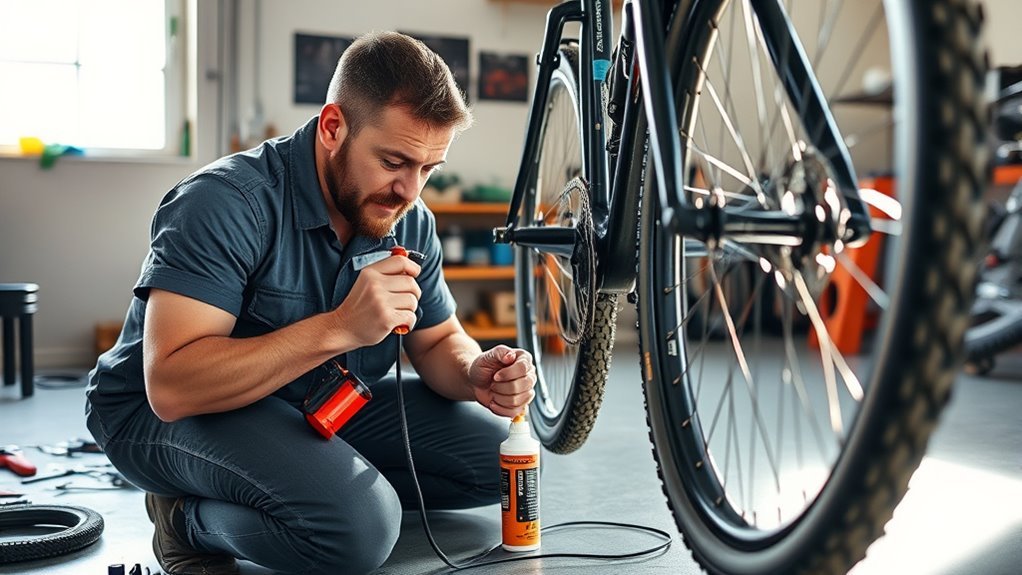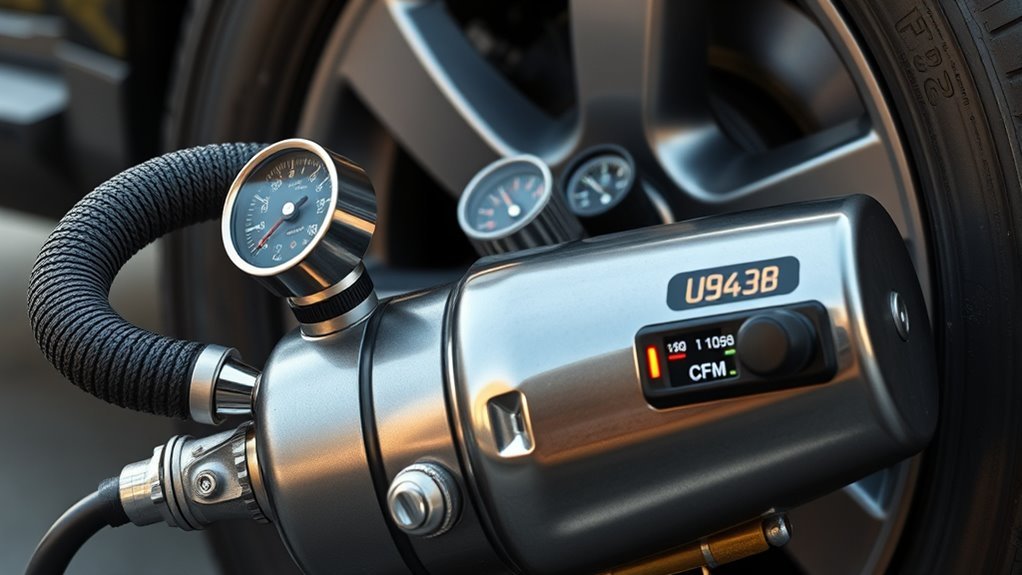
Tire inflator speed is not just about how “powerful” the pump looks. Inflation time depends on airflow, pressure, tire size, power source, hose design, battery or electrical condition, heat buildup, and how far the tire is from its recommended cold PSI. Understanding those factors helps you choose a faster inflator, use it correctly, and avoid slow fills, overheating, or inaccurate pressure readings.
Quick Answer
A tire inflator’s speed is mainly determined by its airflow rating, usable pressure output, motor power, hose restriction, tire size, and heat management. Higher CFM at the working PSI usually fills faster, but a tight valve connection, correct power source, and proper duty-cycle breaks can matter just as much.
Key Takeaways
- CFM controls airflow. More usable airflow at tire-inflation pressures usually means a faster fill.
- Maximum PSI is not the same as speed. A 300 PSI inflator is not automatically faster than a 150 PSI model.
- Power source matters. Wall-powered, direct-to-battery, and high-capacity cordless units often outperform weak 12V socket inflators.
- Heat slows things down. Exceeding the inflator’s duty cycle can trigger thermal protection or damage the compressor.
- Always inflate to the vehicle placard pressure when tires are cold. Do not use the tire sidewall maximum as your normal target pressure.
At a Glance
| Time Required | A few minutes for a small top-off; longer for a flat tire, SUV tire, truck tire, or low-output inflator |
| Difficulty | Easy |
| Tools Needed | Tire inflator, accurate tire pressure gauge, valve-cap storage spot, and the vehicle’s tire placard or owner’s manual |
| Cost | Usually no cost if you already own an inflator; portable inflators vary widely by power, speed, and features |
What Determines Tire Inflator Speed?
The fastest tire inflator is the one that can move enough air at the pressure your tire actually needs. That means you should look beyond the headline PSI number on the box. A good inflator balances airflow, pressure, electrical power, hose flow, cooling, gauge accuracy, and shut-off control.
The main speed factors are:
- Airflow capacity: Usually listed as CFM, SCFM, L/min, or another airflow measurement.
- Working pressure: The pressure the inflator can maintain while air is moving into the tire.
- Tire volume: Larger tires need more air, so they take longer.
- Pressure gap: A tire going from 20 PSI to 35 PSI fills faster than one going from 0 PSI to 35 PSI.
- Power delivery: A weak battery, undersized 12V outlet, or low cordless charge can slow the motor.
- Air path restriction: Long, narrow hoses and leaky chucks waste airflow.
- Heat and duty cycle: A hot compressor may slow down, shut off, or need a rest period.
Note: For normal road use, inflate tires to the vehicle manufacturer’s recommended cold tire pressure listed on the driver-side door placard or in the owner’s manual. The maximum PSI molded on the tire sidewall is not the everyday inflation target.
What Is CFM and Why It Matters for Tire Inflators
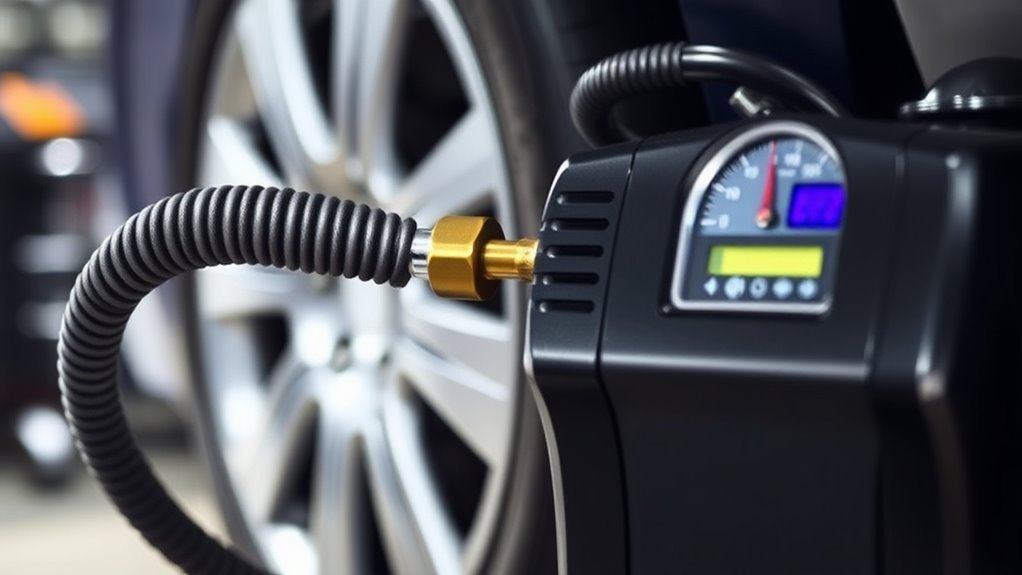
CFM, or cubic feet per minute, describes how much air a compressor can deliver in a set amount of time. For tire inflation, higher airflow usually means faster inflation, especially on larger tires. The important detail is that airflow should be compared at a similar working pressure, because some inflators advertise strong airflow with little or no pressure load.
Think of it this way: PSI is the pressure target, while CFM is how quickly the inflator can move air toward that target. A compact inflator may reach 100 or 150 PSI eventually, but if it has low airflow, it can still take a long time to fill a car, SUV, or truck tire.
| Specification | What It Means | Why It Affects Speed |
|---|---|---|
| CFM or L/min | Air volume delivered per minute | Higher usable airflow usually fills faster |
| PSI | Air pressure | Shows pressure capability, not speed by itself |
| Duty cycle | How long the inflator can run before resting | Longer duty cycles help with multiple or larger tires |
| Amps or watts | Electrical power draw | More available power can support a stronger motor |
Pro Tip: When comparing inflators, look for airflow at pressure, not just “maximum PSI.” An inflator with modest max PSI but stronger airflow can be faster for everyday tire top-offs.
PSI, Tire Size, and Starting Pressure Matter Too
Two inflators can perform very differently depending on the tire. A small sedan tire that is only 4 PSI low may fill quickly. A larger SUV tire, truck tire, RV tire, or off-road tire that has been aired down for trail use needs much more air volume, so it will take longer even with the same inflator.
Starting pressure also matters. Filling a tire from 30 PSI to 35 PSI is a top-off. Filling from 0 PSI to the vehicle placard pressure is a recovery job. Many compact inflators can handle top-offs well but struggle with repeated full fills or oversized tires.
Warning: If a tire is completely flat, visibly damaged, separated from the rim, or losing air as fast as you add it, do not keep driving on it. Inflate only if it is safe to do so, then inspect for punctures, sidewall damage, valve leaks, or wheel damage.
How Power Source and Voltage Influence Tire Inflator Speed
Voltage and power delivery can affect tire inflator speed, but voltage alone does not tell the whole story. A 120V AC inflator may fill faster than a small 12V plug-in model because it can use more electrical power. However, a heavy-duty 12V compressor connected directly to the battery can outperform a weak AC or cordless unit.
| Power Type | Typical Strength | Best Use |
|---|---|---|
| 120V AC | Often strong and steady when plugged into a proper outlet | Garage use and home tire maintenance |
| 12V vehicle socket | Convenient but often limited by outlet amperage | Emergency top-offs and passenger-car tires |
| 12V battery-clamp compressor | Can support higher amp draw than a cabin socket | SUVs, trucks, RVs, and repeated tire fills |
| Cordless battery inflator | Convenient, but speed depends on battery size and charge | Quick top-offs, bikes, balls, and light vehicle use |
If your inflator sounds weak, starts slowly, or shuts off under load, the problem may be power delivery rather than the tire. Check the outlet rating, fuse, extension cord size, battery charge, clamp connection, and the inflator’s manual before assuming the unit is defective.
The Role of Hose Length and Diameter in Inflation Speed
Hose length and diameter affect how easily air reaches the tire. Longer hoses, small internal diameters, sharp bends, clogged fittings, and restrictive valve chucks can reduce flow. This becomes more noticeable on higher-output inflators because the hose can become the bottleneck.
For the best flow, use the hose that came with the inflator unless the manufacturer approves a different size. Keep the hose straight, avoid kinks, and make sure the valve chuck seals tightly on the stem. A small leak at the valve can erase much of the speed advantage of a stronger compressor.
- Shorter hoses usually reduce air resistance.
- Wider internal hose diameter can help high-flow compressors move more air.
- Secure chucks prevent air loss at the valve stem.
- Clean fittings reduce restriction and improve gauge accuracy.
Why Heat Matters When Inflating Tires
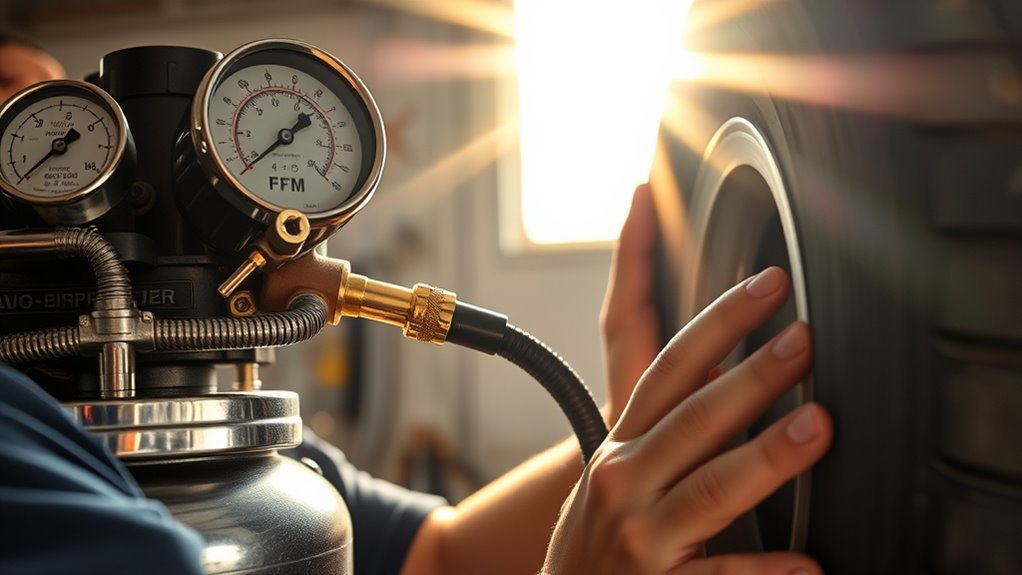
Heat matters in two different ways. First, the inflator itself gets hot as the motor and compressor work. Second, tire pressure readings change when tires are warm from driving or weather. Both can lead to slower inflation, inaccurate readings, or premature equipment wear.
Heat Generation During Inflation
Compressing air creates heat. Small portable inflators often have short duty cycles, meaning they are designed to run for a limited time before cooling. Heavy-duty models may run longer, but they still have operating limits. Exceeding those limits can reduce performance, trigger thermal protection, or damage the compressor.
- Follow the duty cycle. Check the manual for maximum run time and required rest time.
- Do not block ventilation. Keep the inflator on a stable surface with airflow around it.
- Let it cool between tires if needed. This is especially important for SUVs, trucks, RVs, and off-road tires.
- Watch for warning signs. Burning smells, weak sound, thermal shutoff, or very hot fittings mean it is time to stop and cool down.
Effects of Overheating Components
Overheating can slow the motor, soften seals, weaken hoses, and cause pressure readings to drift. Some inflators include thermal overload protection, which shuts the unit down before permanent damage occurs. That protection is useful, but it also means inflation will take longer if you push the inflator beyond its intended use.
Tire pressure should be checked when tires are cold whenever possible. Warm tires can show a higher reading, and temperature changes can move tire pressure by about 1 to 2 PSI for every 10°F change.
Manual vs. Automatic Inflators: Speed Showdown
Manual inflators can work for bicycles, sports balls, and small emergency top-offs, but they are slow and tiring for car tires. Automatic electric inflators are usually faster, easier, and more consistent because the motor does the work.
Automatic models also have features that improve real-world speed and accuracy:
- Preset pressure: You set the target PSI and let the inflator stop automatically.
- Digital gauge: This makes it easier to track pressure while filling.
- Auto shut-off: This reduces the risk of accidental over-inflation.
- Continuous running design: Some heavy-duty models are built for multiple tires or larger vehicles.
Manual pumps are best as a backup. For routine car tire maintenance, a reliable electric inflator with a clear gauge, good airflow, and automatic shut-off is usually the better choice.
[Products Worth Considering]
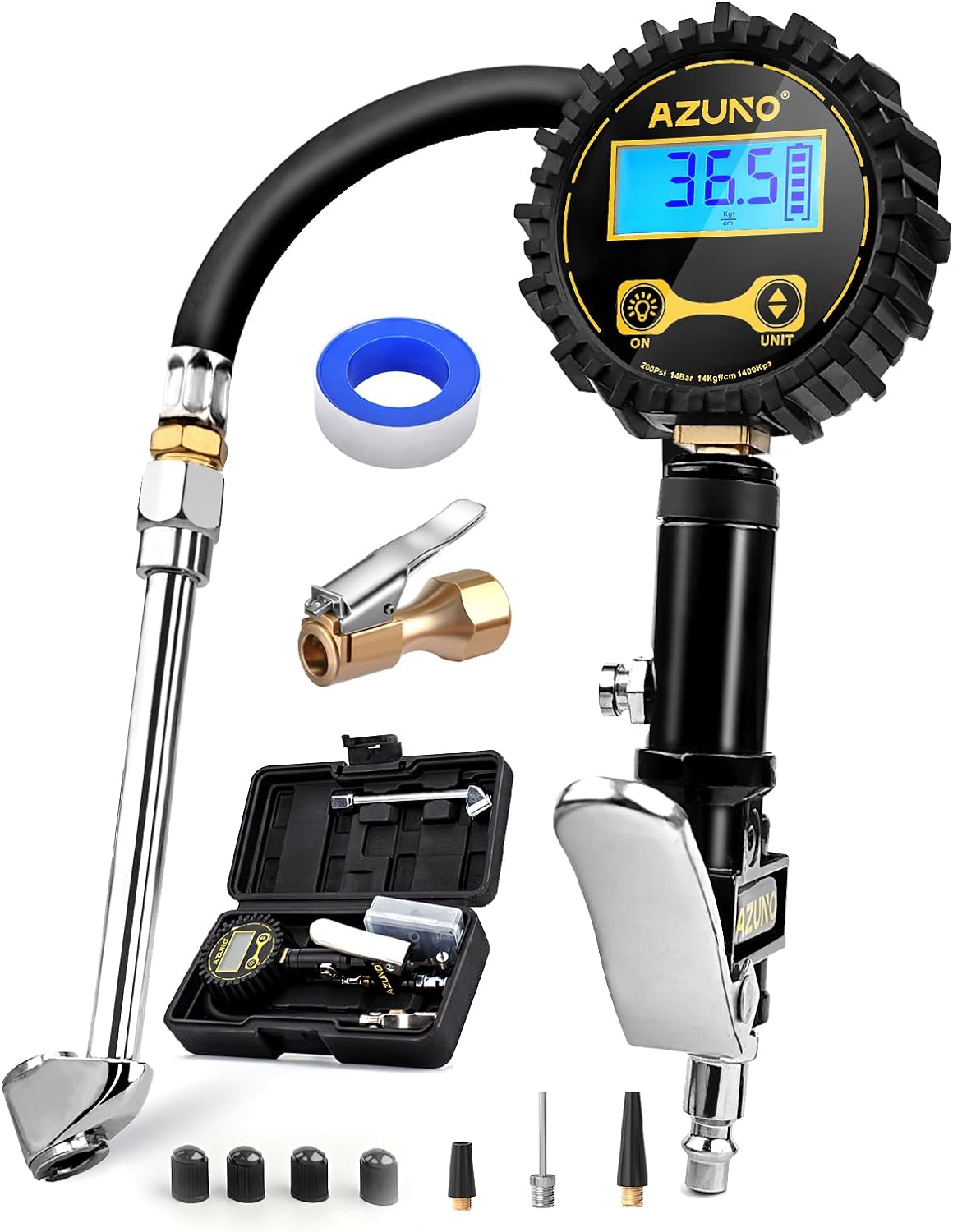
This digital tire inflator delivers accurate, easy-to-read pressure measurements with a bright backlit LCD and precise 0.1 resolution for confident inflation. Designed for single-handed use, it makes it simple to inflate or deflate tires while staying organized in the included portable carrying box. Built for a wide range of vehicles, it is a practical air compressor accessory for cars, trucks, SUVs, motorcycles, and more.
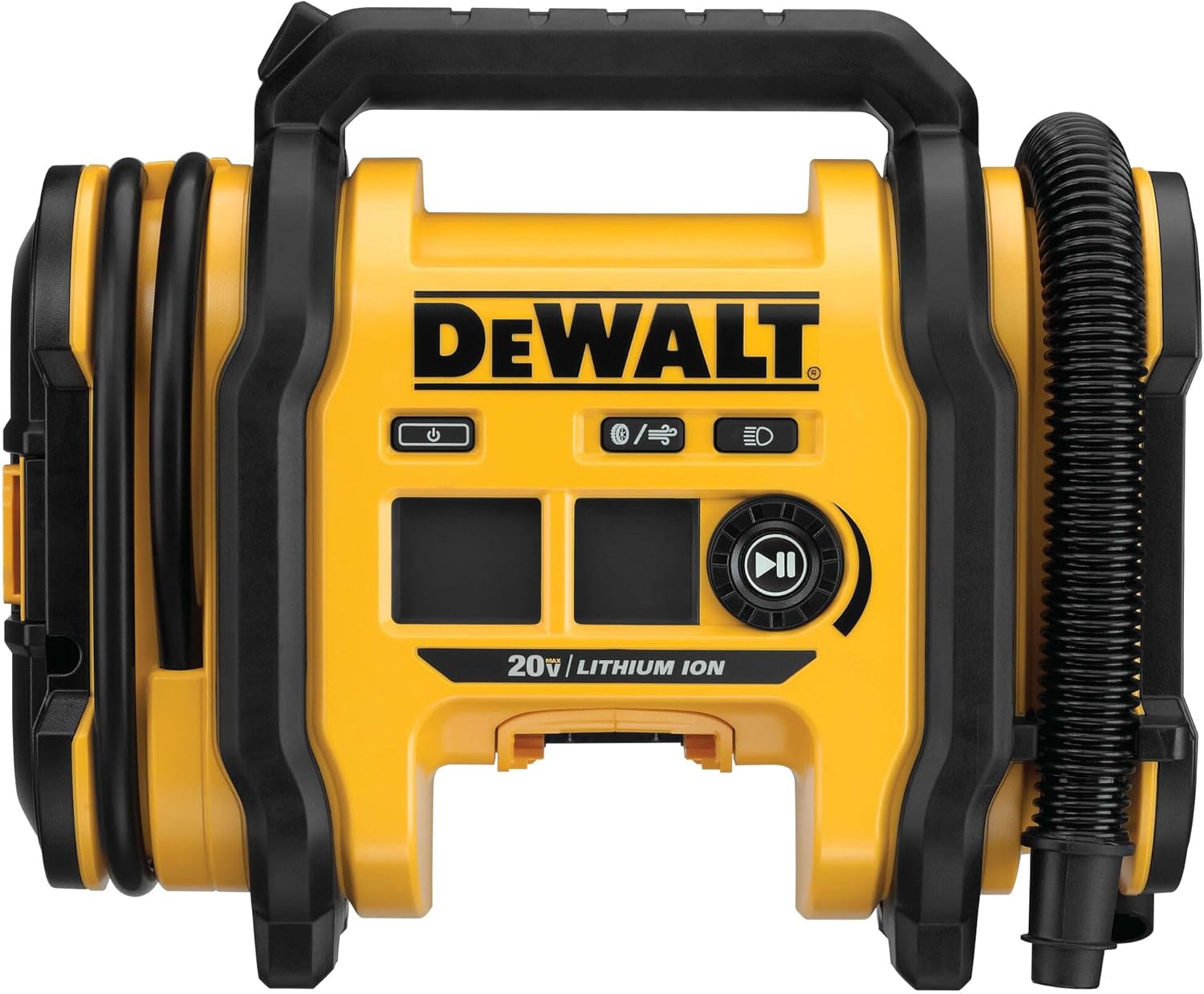
This DEWALT portable tire inflator delivers versatile inflation for cars, bikes, sports gear, and larger inflatables with automatic shutoff for accurate pressure control. It offers three power options for flexible use at home, on the road, or on the jobsite, plus onboard accessory storage, a secure threaded chuck, and an LED light for added convenience. High-volume inflation and deflation modes help speed up setup and takedown for mattresses, rafts, and other inflatables.

This portable tire inflator delivers fast, reliable inflation with a high-pressure pump, digital pressure gauge, and automatic shut-off for safer use. Dual power support lets you run it from the built-in battery or a 12V car outlet, while the LED light and USB output make it a practical emergency tool for roadside and outdoor situations.
Essential Features for Quick Tire Inflation
The best fast tire inflators combine speed with control. A fast inflator that overheats, leaks at the valve, or gives inaccurate readings is not a good tool. Look for practical features that improve both inflation time and safety.
[Products Worth Considering]

The JACO ElitePro Digital Tire Pressure Gauge delivers shop-grade accuracy with a clear digital readout, making it easy to maintain proper tire pressure for safer driving and better performance. Built with rugged brass and steel components, a protective guard, and a flexible air hose, it is designed for reliable use across cars, trucks, motorcycles, bikes, RVs, and trailers. The lock-on display, built-in bleeder valve, and bright backlit screen add convenience in any lighting condition.
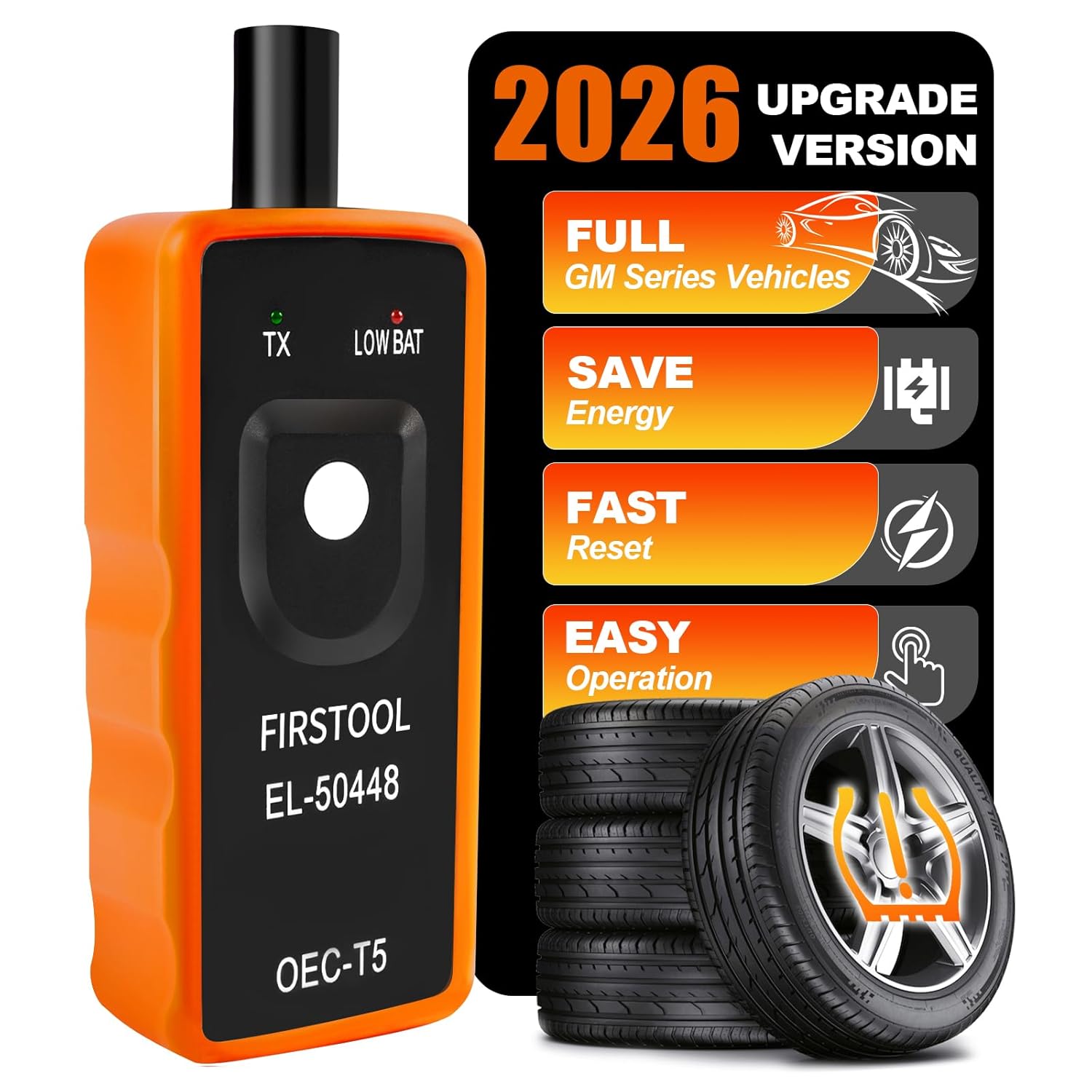
This EL-50448 TPMS relearn tool helps quickly activate and reset tire pressure sensors so your vehicle’s monitoring system stays accurate after tire rotations, sensor replacement, or seasonal tire changes. Designed for many GM-related vehicles and compatible with common 315 and 433 MHz TPMS systems, it offers simple one-button operation and reliable performance for clearing warning lights and relearning sensor positions.

Anti-Slip & Shock-Resistant Silicone Protection: This silicone sleeve shields the tire inflator fromdrops, bumps and scratches while improving grip and reducing noise and vibration. It also boosts durability, portability, and safety to deliver a better user experience.Suitable as a Father's Day gift for your dad.
Power Source Impact
Choose the power source that matches your use. A small 12V socket inflator may be fine for occasional car-tire top-offs. For larger tires, repeated fills, towing, camping, or off-road use, a direct-to-battery or higher-output model may be worth it.
Compressor Capacity Importance
Compressor capacity is one of the biggest speed factors. A higher airflow rating means the inflator can move more air, but compare ratings carefully. Airflow listed at 0 PSI is not the same as airflow while pushing against a tire at 30 to 40 PSI.
| Feature | Why It Helps | What to Check |
|---|---|---|
| Usable airflow rating | Improves inflation speed | CFM, SCFM, or L/min at pressure when available |
| Automatic shut-off | Stops at target pressure | Preset PSI and shut-off accuracy |
| Longer duty cycle | Handles more tires before cooling | Run time and rest time in the manual |
| Accurate gauge | Prevents over- or under-inflation | Compare with a separate quality gauge |
| Secure valve chuck | Prevents leaks while filling | Thread-on, locking, or high-quality clip-on design |
Hose Design Efficiency
A good hose and valve chuck help the compressor deliver the air it produces. For quick tire inflation, the hose should be undamaged, free of kinks, rated for the inflator’s pressure, and properly sealed at the valve. Replace cracked hoses or worn chucks instead of forcing the inflator to work through leaks.
How to Optimize Your Tire Inflator for Maximum Efficiency
You can make most inflators work faster and more accurately by using the right process. The goal is to reduce leaks, avoid heat buildup, and inflate to the correct cold pressure.
- Find the correct PSI. Use the vehicle tire placard or owner’s manual, not the tire sidewall maximum.
- Check tires cold when possible. A cold tire has generally been parked for several hours and not recently driven.
- Inspect the tire first. Look for nails, cuts, bulges, sidewall damage, or a loose valve stem.
- Use the best available power source. Plug into the correct outlet, use a fully charged battery, or connect clamps properly if your model requires it.
- Attach the chuck firmly. Listen for leaks and reseat the connection if air escapes.
- Set the target PSI if available. Use the automatic shut-off feature instead of guessing.
- Inflate in short checks. Pause briefly to confirm pressure with the inflator gauge or a separate gauge.
- Respect the duty cycle. Let the unit cool when the manual says to stop.
- Replace the valve cap. It helps keep dirt and moisture out of the valve stem.
- Recheck later if the tire was warm. If you inflated after driving, confirm the pressure again when the tire is cold.
Pro Tip: Keep a separate pencil, dial, or digital tire gauge in the vehicle. Built-in inflator gauges are convenient, but a separate gauge helps confirm accuracy.
Common Mistakes That Slow Down Tire Inflation
Many slow inflation problems come from setup errors, not the inflator itself. Avoid these common mistakes:
- Using the wrong pressure target: The tire sidewall maximum is not the normal cold inflation pressure for your vehicle.
- Ignoring a leaky valve connection: A hissing valve chuck wastes air and slows the fill.
- Running through a weak power source: A low battery or overloaded 12V outlet can reduce motor speed.
- Exceeding the duty cycle: Overheating may cause thermal shutdown or permanent damage.
- Using a damaged hose: Kinks, cracks, and loose fittings restrict airflow.
- Trying to fill oversized tires with a tiny inflator: Compact units are often meant for top-offs, not repeated truck or RV fills.
- Trusting TPMS as a pressure gauge: TPMS warnings are helpful, but they are not a replacement for monthly cold pressure checks.
Why Regular Maintenance Keeps Your Tire Inflator Efficient
Regular maintenance helps your inflator keep its speed and accuracy. Dirt, heat, damaged hoses, and loose fittings all make the motor work harder. A few quick checks can prevent slow fills and unexpected failures.
| Maintenance Task | Impact on Performance | Suggested Frequency |
|---|---|---|
| Check hose and fittings for leaks | Preserves airflow and pressure | Before each use |
| Clean the nozzle and chuck | Improves valve seal | Monthly or after dirty use |
| Inspect power cord, plug, or clamps | Prevents weak electrical delivery | Before each use |
| Let the unit cool after heavy use | Protects motor, seals, and hose | During use as needed |
| Compare gauge accuracy | Prevents incorrect inflation | Every few months |
| Store in a dry case or compartment | Reduces corrosion and impact damage | After every use |
Troubleshooting: Why Your Tire Inflator Is Still Slow
If your inflator suddenly takes much longer than usual, work through the problem step by step.
- Check for a tire leak: Spray soapy water around the valve stem, tread puncture, bead area, and repair plug. Bubbles show escaping air.
- Listen at the valve chuck: If it hisses, remove it and reconnect it squarely.
- Check the power source: Try a different outlet, recharge the battery, or confirm the vehicle socket is rated for the inflator.
- Feel for heat: A hot inflator may need a cooling break.
- Inspect the hose: Look for kinks, cracks, melted spots, or loose fittings.
- Compare gauges: If the built-in gauge reads incorrectly, the inflator may shut off too soon or run longer than needed.
- Match inflator to tire size: A compact emergency unit may simply be too small for large truck, RV, or off-road tires.
[Products Worth Considering]


The Slime 8-piece Medium Tire Plug Kit includes everything you need to plug up those nasty tire punctures

EFFICIENT LEAK DETECTION: TECH CHEK Tire Leak Detector uses a concentrated formula to swiftly coat tire and tube surfaces, making it easy to spot hard-to-find leaks. This formula ensures fast, precise leak detection, offering confidence on the road.
Frequently Asked Questions
Why is my tire PSI going down so fast?
Fast PSI loss usually points to a leak, temperature change, damaged valve stem, puncture, bead leak, cracked wheel, or poor previous repair. If one tire keeps dropping faster than the others, inspect it with soapy water and have it checked by a tire professional.
Which is better, a 150 PSI or 300 PSI tire inflator?
Neither is automatically better. Maximum PSI tells you the highest pressure the inflator may be capable of, not how fast it fills a tire. For normal passenger tires, airflow, duty cycle, gauge accuracy, power source, and hose quality are usually more important than choosing 300 PSI over 150 PSI.
What is the 5 PSI rule?
There is no universal 5 PSI rule for everyday passenger-vehicle inflation. For road use, follow the vehicle manufacturer’s recommended cold tire pressure on the placard or owner’s manual. Do not automatically add 5 PSI unless your vehicle, tire, load, or specialty-use guidance specifically calls for it.
What makes a good tire inflator?
A good tire inflator has enough airflow for your tire size, a clear and accurate gauge, automatic shut-off, a secure valve chuck, a suitable power source, a useful duty cycle, built-in heat protection, and a hose long enough to reach all tires without kinking.
Does a higher CFM tire inflator always fill faster?
Usually, but only when the CFM rating is usable at the tire’s working pressure and the rest of the setup is not restrictive. A high-flow compressor can still feel slow if the hose leaks, the power source is weak, or the compressor overheats.
Should I check tire pressure before or after driving?
Check tire pressure when tires are cold whenever possible. Cold readings are more accurate because driving heats the tire and temporarily raises pressure. If you must add air after driving, inflate to a safe level and recheck when the tire is cold.
Conclusion
Tire inflator speed comes down to airflow, real working pressure, power delivery, tire volume, hose efficiency, and heat control. Instead of choosing by maximum PSI alone, compare usable airflow, duty cycle, power type, valve connection, and gauge quality. Use the correct cold tire pressure from your vehicle placard, keep the hose sealed, and let the inflator cool when needed. Those simple habits make tire inflation faster, safer, and more accurate.
Sources
- NHTSA TireWise: Tire Safety Ratings and Awareness — supports cold tire pressure checks, placard pressure guidance, and tire safety basics.
- eCFR 49 CFR § 571.138 — supports monthly cold tire pressure check language associated with TPMS requirements.
- U.S. Tire Manufacturers Association: Tire Care Essentials — supports monthly cold pressure checks, TPMS limitations, and temperature-related pressure changes.
- Bridgestone: Proper Tire Inflation & Tire Pressure Tips — supports cold tire checks and the approximate 1 PSI per 10°F temperature-change rule.
- Quincy Compressor: Rated Capacity — supports the definition of compressor airflow capacity measured in CFM.
- VIAIR 450P-RVS Portable Compressor — supports duty-cycle and runtime considerations for portable tire compressors.