Inflating tubeless bike tires is mostly about preparation: the tire, rim, valve, rim tape, and sealant all need to work together before air will stay in the system. The goal is not to force the tire to a random pressure; it is to seat the bead with a fast burst of air while staying below the lowest maximum pressure specified for your tire, rim, and valve.
Quick Answer
To inflate a tubeless bike tire, inspect the rim tape and valve, mount the tire, add the correct sealant, remove the valve core for faster airflow, lubricate the bead with soapy water, and inflate with a floor pump, tubeless booster, or compressor until the bead seats. Never exceed the lowest pressure limit listed by the tire, rim, or valve.
Key Takeaways
- A clean rim, intact rim tape, tubeless valve, compatible tire, and fresh sealant matter as much as the pump you use.
- Remove the valve core during initial inflation to increase airflow, then reinstall it after the bead seats.
- Use the lower maximum pressure listed by your tire, rim, or valve. Do not use 50–60 PSI as a universal target.
- If the bead will not seat, check rim tape, bead position, valve tightness, sealant amount, and tire/rim compatibility before adding more pressure.
At a Glance
| Time Required | 10–25 minutes per wheel once the rim is already taped |
| Difficulty | Moderate; harder with loose tire/rim fits or older rim tape |
| Tools Needed | Floor pump with gauge, tubeless booster or compressor if needed, valve core tool, sealant, soapy water or approved mounting fluid, clean rag, pressure gauge |
| Cost | Usually $5–$15 in sealant per setup if you already own the tools |
Warning: Never keep adding air just because the bead has not popped into place. Check the tire sidewall, rim marking, valve specification, and manufacturer instructions, then follow the lowest maximum pressure. This is especially important with hookless rims, where pressure and tire compatibility are safety-critical.
Check Compatibility Before Inflating
Before you try to seat the bead, confirm that every part of the system is designed for tubeless use. A tubeless-ready tire still needs an airtight tubeless-ready rim or correctly taped compatible rim, a tubeless valve, and liquid sealant. Continental’s tubeless-ready guidance also recommends checking the tire, rim, valve, and rim tape for damage before mounting and following the lower pressure limit when tire and rim limits differ. You can review Continental’s safety guidance here: Continental Tubeless Ready safety instructions.
- Tire: Look for “tubeless ready,” “TLR,” “TLE,” “TR,” or the exact wording used by your tire brand.
- Rim: Confirm the rim is tubeless compatible or correctly converted with tubeless tape.
- Rim tape: Check for wrinkles, cuts, lifted edges, spoke-hole exposure, or sealant bubbling through the tape.
- Valve: Make sure the rubber base seals cleanly against the rim bed and the locknut is snug by hand.
- Sealant: Shake the bottle well and use fresh sealant within the brand’s recommended amount and service life.
[Products Worth Considering]
Keep your truck bed organized with this patented three-pocket cargo net designed for 2005-2026 Toyota Tacoma models with factory deck rails. It installs directly to the bed rails without extra cleats or hardware, making it a simple way to secure groceries, gear, and everyday cargo while keeping items accessible and contained.

This tire repair rubber nail kit offers a fast, simple way to seal punctures in tubeless tires without removing the wheel. Designed for reliable grip and effective sealing, it helps reduce air loss and keep vehicles moving across a wide range of everyday repair needs. The assorted sizes provide versatility for minor and larger punctures on cars, trucks, motorcycles, tractors, and more.

This tire repair rubber nail kit offers a simple self-service solution for punctures in cars, motorcycles, trucks, and more. The spiral rubber design helps create a firm seal that supports quick repairs without removing the tire, while the two included sizes make it easier to match different puncture types. Built for broad vehicle compatibility, it is a practical emergency repair option for roadside and garage use.
Essential Tools for Inflating Tubeless Tires
You do not always need an air compressor, but you do need enough air volume to push both beads outward quickly. Schwalbe lists a floor pump with pressure gauge as part of a tubeless setup and notes that a compressor or tire booster can help when inflation is difficult. See Schwalbe’s tubeless mounting guidance here: Schwalbe tubeless tire setup guide.
[Products Worth Considering]

This genuine OEM oil filter is designed for Toyota and Lexus vehicles, helping deliver a precise fit and dependable engine protection. Its advanced filtration media captures harmful contaminants while maintaining proper oil flow for consistent performance. Built to factory specifications, it supports reliable maintenance and straightforward replacement during routine oil changes.
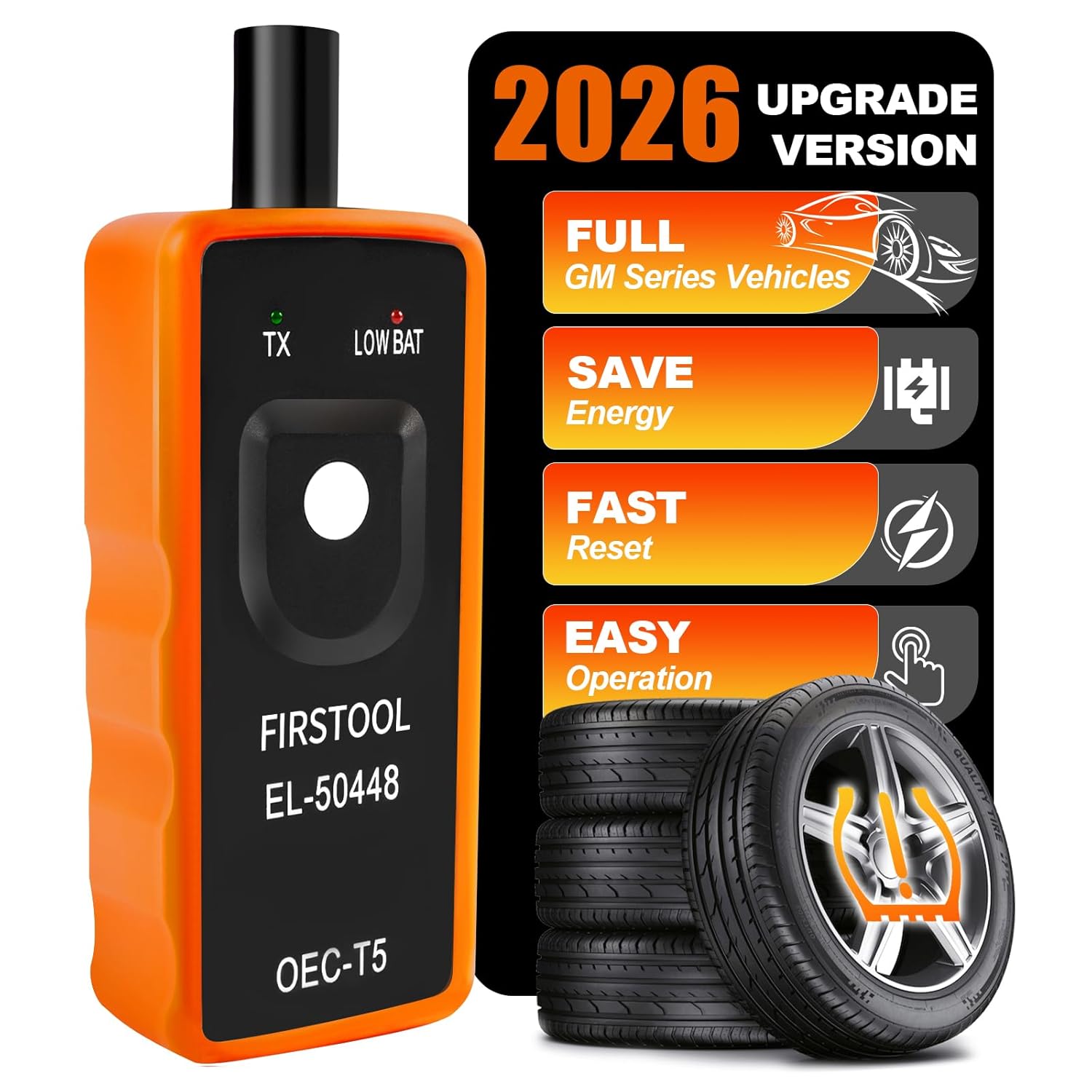
This EL-50448 TPMS relearn tool helps quickly activate and reset tire pressure sensors so your vehicle’s monitoring system stays accurate after tire rotations, sensor replacement, or seasonal tire changes. Designed for many GM-related vehicles and compatible with common 315 and 433 MHz TPMS systems, it offers simple one-button operation and reliable performance for clearing warning lights and relearning sensor positions.
Pump Options
- Standard floor pump: Works when the tire and rim fit tightly and the beads are already close to the rim walls.
- Tubeless floor pump or booster tank: Stores air and releases it quickly, which helps seat stubborn beads without a compressor.
- Air compressor: Useful for difficult setups, but it must be used carefully with a gauge and pressure control.
- CO2 cartridge: Best kept for roadside emergencies. For home setup, use air when possible because some sealant brands warn that CO2 can affect sealant performance.
Sealant and Small Tools
Keep a valve core remover, clean rag, soapy water or approved tire mounting fluid, and a reliable pressure gauge nearby. A sealant injector is helpful if you prefer to add sealant through the valve after dry-seating the tire.
Pro Tip: If a tire is difficult to seat, try seating it dry first, then deflate it, remove the valve core, inject sealant, reinstall the core, and inflate to riding pressure. This keeps sealant from spraying everywhere during a stubborn first inflation.
Step-by-Step: How to Seat and Inflate Tubeless Tires
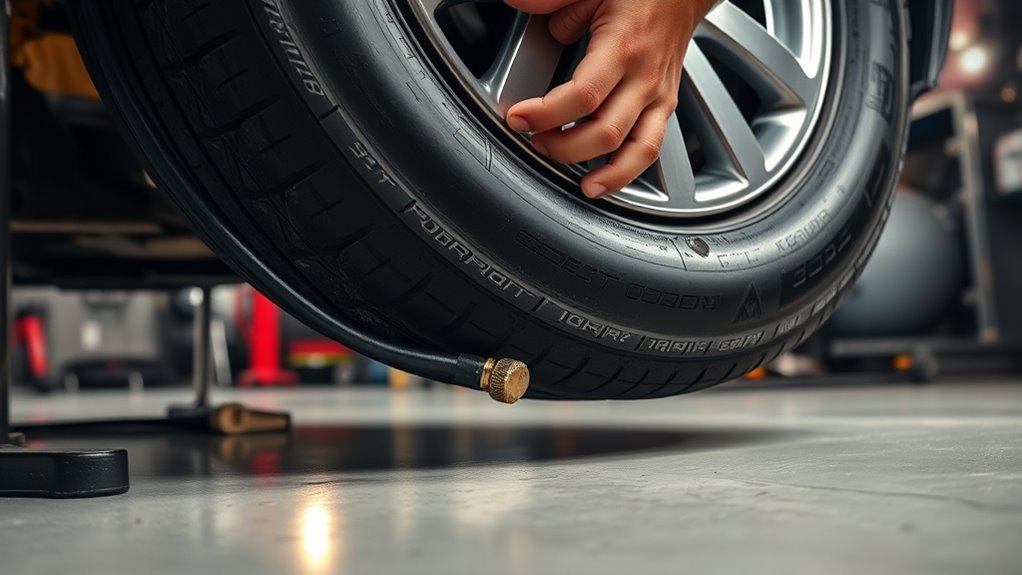
- Clean and inspect the rim. Wipe the rim bed, bead shelf, valve hole, and tire beads. Replace damaged rim tape, cracked valves, or damaged tires before continuing.
- Mount one bead fully. Push the first tire bead into the center channel of the rim so the tire sits evenly.
- Add sealant or prepare to dry-seat. If the setup usually seats easily, add sealant before closing the second bead. If it is a known stubborn tire, seat it dry first and inject sealant through the valve afterward.
- Mount the second bead. Work around the rim by hand. Use plastic tire levers only if needed, and avoid pinching or tearing the rim tape.
- Remove the valve core. Removing the core opens the valve for faster airflow, which helps push the beads outward.
- Lubricate the bead. Brush or spray a light film of soapy water or approved mounting fluid around both beads. This helps the bead slide into its seat and makes leaks easier to spot.
- Inflate with a fast burst of air. Use a floor pump, booster, or compressor. Listen for pops as the bead snaps into place, but stop before you exceed the lowest maximum pressure listed by the tire, rim, or valve.
- Check the bead line. Most tires have a molded line near the bead. It should sit evenly above the rim all the way around on both sides.
- Reinstall the valve core. Once the bead is seated, release excess air if needed, reinstall the valve core, and inflate to your riding pressure.
- Spread the sealant. Hold the wheel horizontally, shake and rotate it, then flip it and repeat. Take a short, careful ride if the tire is holding air so the casing and bead area get coated.
Note: A few loud pops during inflation can be normal as the bead seats. A sudden bang, tire lifting off the rim, or sealant spraying from a large gap is not normal. Stop, deflate, and inspect the setup.
How Much Sealant to Use
The right sealant amount depends on tire volume, casing porosity, riding conditions, and the sealant formula. Stan’s recommends following tire and rim manufacturer guidance and gives size-based amounts, including 2 oz for many road and cyclocross tires and 3–4 oz as a starting point for XC 29er 2.0–2.2 inch tires. For detailed brand guidance, see Stan’s sealant support and Stan’s Original sealant size chart.
| Tire Type / Size | Typical Starting Amount | Best Use |
|---|---|---|
| Road / cyclocross | About 2 oz / 60 ml | Narrower, lower-volume tires |
| Gravel 700 x 35–45 mm | About 2–3 oz / 60–90 ml | Mixed-surface riding and moderate tire volume |
| XC / trail MTB 2.0–2.4 in. | About 3–4 oz / 90–120 ml | Most standard mountain bike tires |
| Large-volume MTB / plus tires | About 4–5 oz / 120–150 ml or more | Wider casings, porous casings, and rough terrain |
If the tire seeps air through the sidewall or loses pressure quickly after the first setup, it may need more time for the sealant to coat the casing. It may also need a small top-up if the casing is porous or the first installation used too little sealant.
Common Tubeless Tire Inflation Issues
Most tubeless inflation problems come from one of five places: not enough airflow, a bead that is sitting too low in the center channel, damaged rim tape, a loose or clogged valve, or a tire/rim combination that does not seal easily.
| Problem | Likely Cause | Fix |
|---|---|---|
| Air rushes out around the bead | Bead is too low in the rim channel or needs more airflow | Remove the valve core, lubricate the bead, pull the tire sidewalls outward by hand, and use a booster or compressor if needed. |
| Bubbles appear at spoke holes | Damaged or poorly sealed rim tape | Remove the tire, clean the rim, and replace the tubeless tape before trying again. |
| Air leaks at the valve | Valve base not seated, locknut too loose, or valve hole/tape issue | Reseat the valve, snug the locknut by hand, and inspect the tape around the valve hole. |
| Pump cannot push air in quickly | Valve core is installed or clogged with dried sealant | Remove and clean or replace the valve core, then inflate again. |
| Tire seats but loses air overnight | Sealant has not fully coated the casing, or there is a small valve/tape leak | Shake and rotate the wheel, ride briefly, check with soapy water, and top up sealant if needed. |
How to Maintain Proper Tire Pressure for Optimal Performance
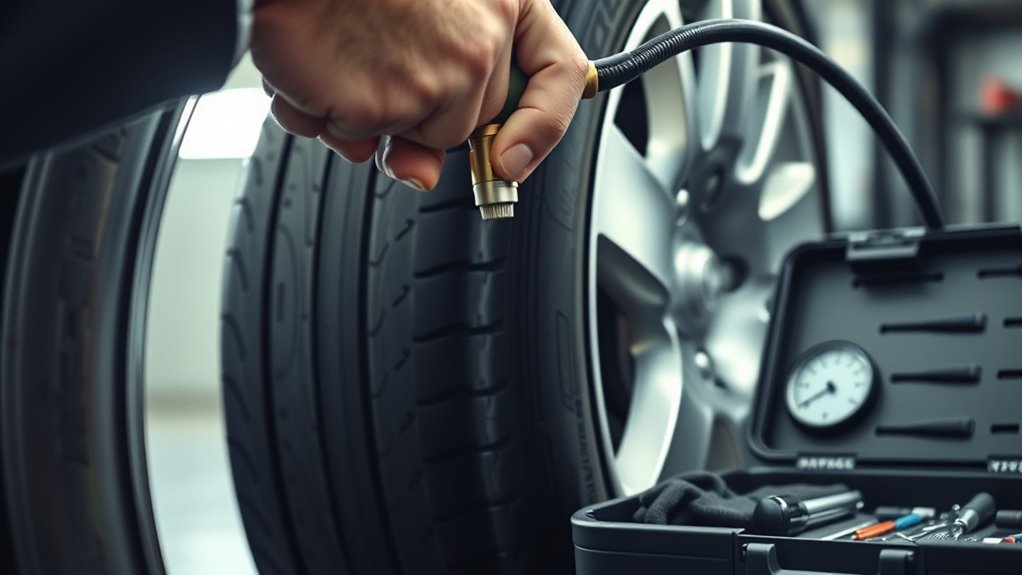
Tubeless tires can safely run lower pressures than many tube setups, but there is no single best PSI for every rider. Tire width, rim width, rider weight, terrain, casing strength, speed, and rim type all matter. For road hookless rims, Schwalbe states that ETRTO guidance sets a 5 bar maximum for road bikes, and the lower rim or tire limit must be followed. Read Schwalbe’s hookless guidance here: Schwalbe hookless rim pressure guidance.
- Check pressure before important rides. Tubeless systems can lose a little air over time, especially after a fresh setup.
- Use a reliable gauge. Floor pump gauges are convenient, but a dedicated pressure gauge is usually more consistent.
- Stay below the lowest maximum. If the tire says one maximum and the rim says a lower maximum, use the lower number.
- Adjust for terrain. Rough trails and gravel often need lower pressure for grip and comfort; smooth road riding may need more pressure, but still within limits.
- Watch for warning signs. Burping, rim strikes, squirming in corners, or repeated pressure loss means the setup needs adjustment.
The safest tubeless pressure is not the highest pressure that seats the bead; it is the pressure that stays within the tire, rim, and valve limits while matching your weight, tire size, and riding surface.
How Sealant Works in Tubeless Tires
Tubeless sealant coats the inside of the tire and helps close tiny gaps at the bead, casing, and puncture site. Latex-based sealants typically form a plug when escaping air carries liquid sealant to a hole. The exact puncture size a sealant can handle depends on the sealant formula, tire pressure, casing, and hole shape; do not assume every sealant will seal the same size cut.
Sealant is not permanent. Stan’s says its sealant commonly lasts about 2–6 months depending on temperature, humidity, riding frequency, storage, tire casing thickness, and previous punctures, with quarterly checks working for most riders. Hot, dry climates and porous tires can require more frequent top-ups.
Essential Best Practices for Maintaining Tubeless Tires
- Refresh sealant on a schedule. Shake the wheel and listen for liquid. If you hear nothing or pressure drops faster than usual, inspect or top up the sealant.
- Keep valve cores clean. Dried sealant can clog valves and make inflation harder.
- Use soapy water to find leaks. Bubbles around the valve, spoke holes, or bead show where air is escaping.
- Inspect after hard impacts. A rim strike can damage tape, dent a rim, or unseat the bead slightly.
- Carry a backup plan. On rides, bring a plug kit, pump or inflator, and a tube for cuts that sealant cannot close.
Troubleshooting Tips for Tubeless Tire Setups
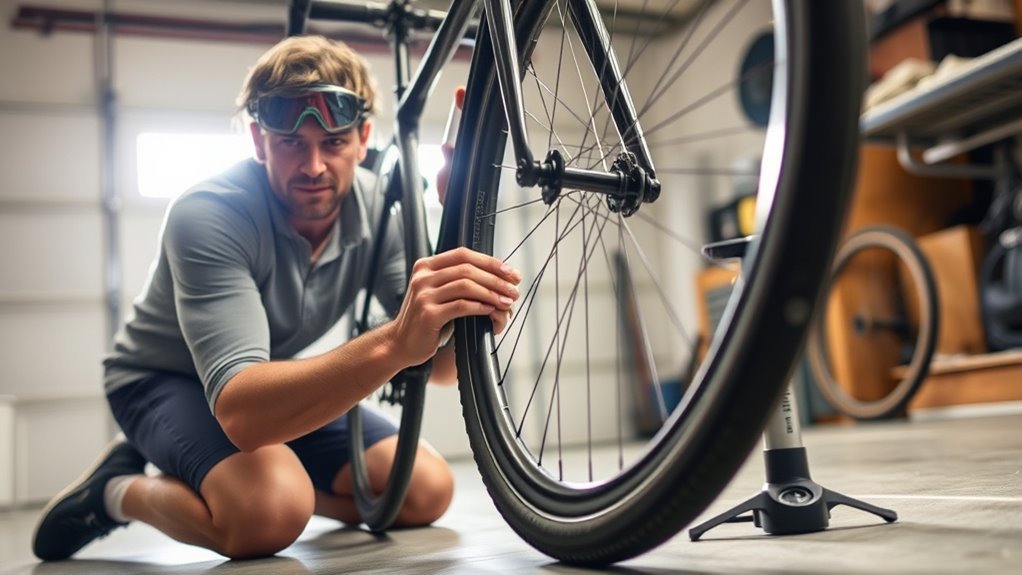
If the tire refuses to seat, deflate it and reset the basics instead of forcing more pressure. Make sure both beads are sitting evenly, the valve is between the beads, the rim tape is smooth, and the valve core is removed for maximum airflow. Add a thin layer of soapy water to the bead, then try again with a stronger air burst.
If one section will not pop into place, stop and inspect that area. The bead may be twisted, the rim tape may be bunched up, or the tire may be too loose or too tight for that rim. If the tire still will not seat within the allowed pressure limit, use a tubeless booster, try a different tire, replace the tape, or have a bike shop inspect the wheel.
Warning: Do not stand directly over the tire while using a compressor, and do not exceed the stated pressure limit to “make it pop.” A failed tubeless setup can release air and sealant suddenly.
Frequently Asked Questions
What is the trick for seating tubeless tires?
The main trick is airflow. Remove the valve core, push the beads outward toward the rim walls, lubricate the bead with soapy water or approved mounting fluid, and use a fast burst from a floor pump, booster, or compressor. Always stay below the lowest maximum pressure listed for the tire, rim, or valve.
Why won’t my tubeless tire stay seated?
Common causes include incompatible tire and rim fit, damaged rim tape, a leaking valve, too little sealant, dried sealant, or a bead that is not sitting evenly on the bead shelf. Deflate the tire, inspect the bead line, check the valve and tape with soapy water, and confirm tire/rim compatibility.
How do you seat a tubeless tire with an air compressor?
Remove the valve core, set the compressor regulator below the lowest allowed tire/rim/valve pressure, apply soapy water to the bead, and add air in short controlled bursts. Once the bead seats evenly, stop, reinstall the valve core, and inflate to riding pressure.
Can I inflate tubeless tires with a normal floor pump?
Yes, a normal floor pump can work when the tire and rim fit tightly and the beads are already close to sealing. If air escapes faster than you can pump, remove the valve core, lubricate the bead, or use a tubeless booster or compressor.
How much sealant should I put in a tubeless bike tire?
Use the sealant brand’s chart first. As a broad starting point, many road tires use about 2 oz, gravel tires often use 2–3 oz, and many mountain bike tires use 3–4 oz or more depending on volume and casing porosity.
Should I use CO2 to seat a tubeless tire?
Use regular air for home setup when possible. CO2 is convenient for roadside emergencies, but some sealant manufacturers warn that CO2 can reduce sealant performance. If you use CO2 in an emergency, replace it with normal air and check the sealant when you get home.
Conclusion
Inflating tubeless tires is straightforward when the setup is clean, compatible, and handled within safe pressure limits. Start by checking the rim tape, valve, tire, and rim, then use a fast burst of air with the valve core removed to seat the bead. Add the correct sealant amount, confirm the bead line is even, set your riding pressure, and keep checking sealant and pressure over time. Done correctly, a tubeless setup can improve puncture protection, comfort, and ride control without turning every inflation into a fight.
Sources
- Continental Tubeless Ready safety instructions — compatibility checks, component inspection, and lowest pressure limit guidance
- Schwalbe Tubeless FAQ — required tools, strong air burst guidance, sealant use, and CO2 caution
- Schwalbe Hookless Rim FAQ — hookless rim compatibility and road hookless pressure guidance
- Stan’s Sealant Support — sealant amounts, sealant life, and maintenance intervals
- Stan’s Original Tubeless Sealant — sealant size chart and product performance details
- Park Tool Tubeless Tire Mounting and Repair — tubeless mounting workflow and valve-core inflation method