
Toyota Tundra Tow Package: What It Includes and How to Use It Safely
What’s in This Article
- What the Toyota Tundra Tow Package Includes
- How the Integrated Trailer Brake Controller Works
- Tow/Haul Mode: When to Use It and How to Activate
- How Trailer Sway Control Keeps Your Load Stable
- Multi-Angle Camera and Trailer-Visibility Features
- Tundra Tow Mirrors, Hitch Options, and Proper Hitch Setup
- How Each Tow-Package Component Affects Towing Capacity and Payload
- How to Find Your Exact Tundra Tow Rating
- Pre-Tow Checklist for Tundra Owners
- Troubleshooting Trailer-Brake, Sway-Control, and Camera Issues
- Frequently Asked Questions
The Toyota Tundra Tow Package can make towing feel safer, smoother, and less stressful, but only when you match the truck, hitch, trailer, and load correctly. Toyota lists a maximum towing capacity of up to 12,000 pounds and a maximum payload of 1,940 pounds for properly equipped third-generation Tundra models, but your exact rating depends on trim, cab, bed, drivetrain, engine, and equipment. This guide explains the main tow-package parts, how they work together, and what you should check before you connect a trailer.
Quick Answer
The Toyota Tundra Tow Package can include towing hardware and driver-assist systems such as an Integrated Trailer Brake Controller, Tow/Haul mode, Trailer Sway Control, tow mirrors, hitch equipment, and camera views. These features help you brake, shift, steer, reverse, and monitor a trailer with more control. You still need to confirm your exact tow rating, payload, tongue weight, hitch rating, tire condition, and trailer brake setup before every trip.
Key Takeaways
- Check your exact Tundra tow rating on the door label, owner’s manual, and towing guide before you load a trailer.
- Use the Integrated Trailer Brake Controller to tune trailer braking before you drive at road speed.
- Engage Tow/Haul mode when you tow heavy loads, climb hills, or descend long grades.
- Load the trailer so tongue weight stays within the trailer and hitch maker’s safe range.
- Treat Trailer Sway Control as a backup aid, not a replacement for correct loading and hitch setup.
What the Toyota Tundra Tow Package Includes
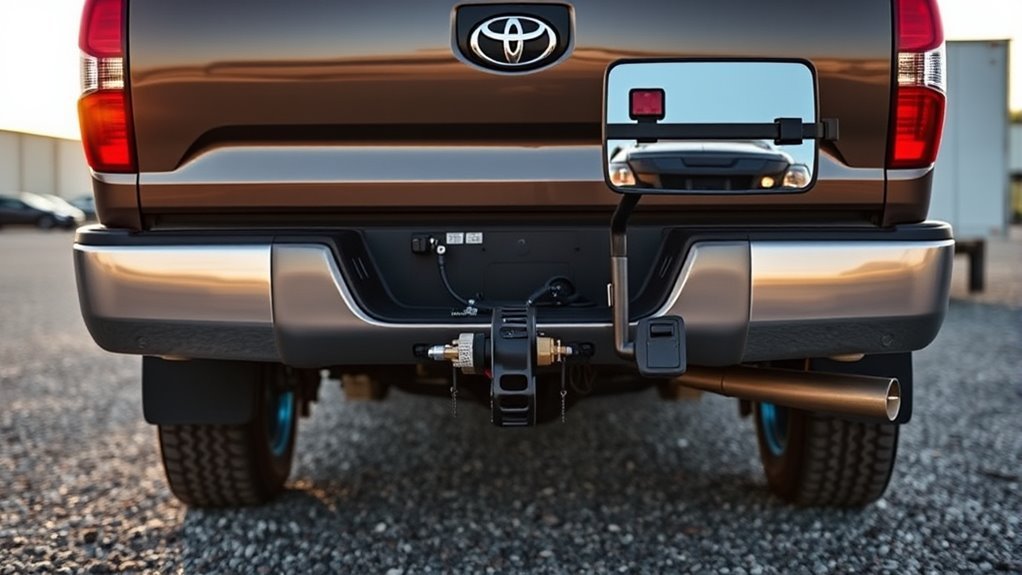
The Toyota Tundra Tow Package brings together towing hardware, brake control, drivetrain settings, stability support, mirrors, and camera views. Availability can vary by model year and trim, so you should confirm the exact equipment on your truck before you rely on any feature.
According to Toyota’s Tundra press information, properly equipped third-generation models can tow up to 12,000 pounds and carry up to 1,940 pounds of payload. Those numbers do not apply to every Tundra. Your truck’s real limit depends on its build and the weight you add inside the cab and bed.
Key tow-package features may include an Integrated Trailer Brake Controller, Tow/Haul mode, Trailer Sway Control, tow mirrors, a hitch receiver, trailer wiring, and camera views such as hitch view or rear split view when equipped. These systems help you start, stop, turn, back up, and monitor the trailer with less guesswork.
[Products Worth Considering]

This proportional electric brake controller automatically applies trailer brakes based on your vehicle's braking force and speed for smoother, more responsive stopping. It is compatible with a wide range of tow vehicles and trailer setups, and includes an LED display for easy setup, diagnostics, and manual braking control. The included mounting hardware and plug-and-play port help make installation simple and convenient.

This proportional trailer brake controller provides smooth, responsive braking by automatically matching your tow vehicle’s stopping force for safer trailer control. The bright LED digital display makes it easy to monitor voltage output in real time, while adjustable braking and sync settings help tailor performance to different trailers and road conditions. Designed for quick installation and broad compatibility, it supports 1 to 4 axle trailers for dependable towing confidence.
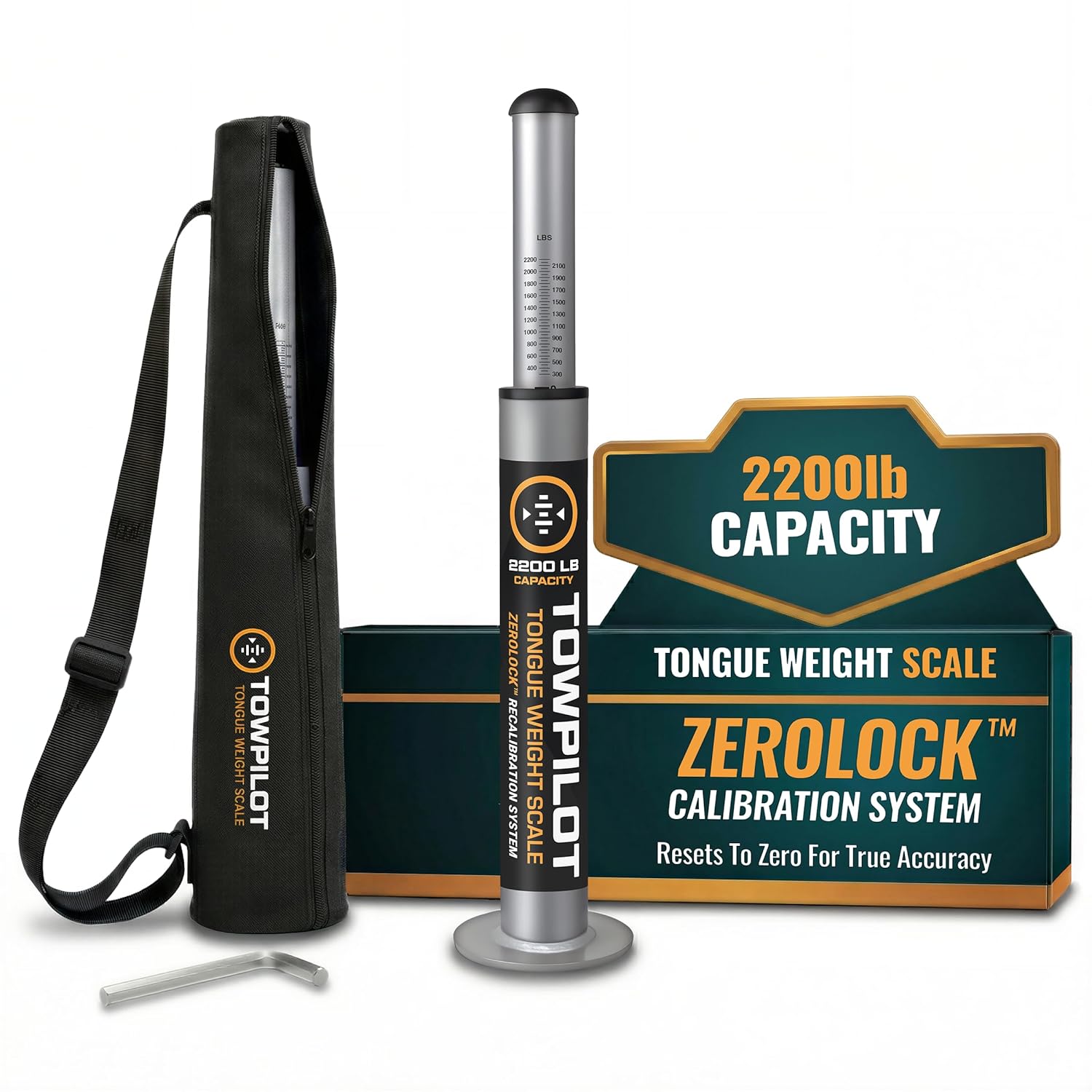
This trailer tongue weight scale helps you check hitch weight quickly and accurately before towing, reducing sway and improving overall safety. Built with durable steel and a spring mechanism, it works without batteries and includes a recalibration feature to maintain true-zero accuracy over time. It is designed for RVs, campers, and utility trailers, with a top plate that helps protect your coupler during use.
How the Integrated Trailer Brake Controller Works
When you use the Integrated Trailer Brake Controller (ITBC), you can adjust the trailer’s electric brakes from inside the cab. The controller helps the truck and trailer slow down together, which can reduce push, pull, and uneven braking under load.
You set the brake gain through the dashboard controls, then test the trailer brakes at low speed before you drive faster. The right setting depends on trailer weight, trailer brake condition, road surface, and load placement.
The controller does not remove your need to inspect the trailer. Check the plug, wiring, breakaway battery, brake response, and trailer brake adjustment before each trip. If the trailer jerks, drags, or pushes the truck, stop and correct the setting or repair the fault before you continue.
Pro tip: Test trailer brake gain in a flat, open area before you enter traffic or drive downhill.
Tow/Haul Mode: When to Use It and How to Activate
If you tow a heavy load or descend a long grade, engage Tow/Haul mode to help the transmission hold gears longer and reduce gear hunting. This mode changes shift behavior so the truck responds better under load.
You should use Tow/Haul mode when you pull a trailer, carry a heavy payload, drive in hilly areas, or need more controlled deceleration. Turn it off during normal unloaded driving when you want standard shift behavior.
| Condition | Action |
|---|---|
| Heavy trailer | Press the Tow/Haul button |
| Long grades | Engage Tow/Haul for better gear control |
| Normal unloaded driving | Turn it off for standard shifting |
Use the Tow/Haul button shown in your owner’s manual, then confirm the indicator on the display. If your truck offers more than one tow mode, choose the setting that matches your trailer weight and terrain.
How Trailer Sway Control Keeps Your Load Stable
Trailer Sway Control helps when the truck detects side-to-side trailer movement. The system can use brake and engine controls to help reduce sway and bring the rig back toward a stable path.
Trailer Sway Control can help correct sway, but it cannot fix poor loading, weak tires, or an underrated hitch.
- Monitor vehicle motion: sensors track yaw, lateral movement, and wheel speed to detect instability.
- Apply brake control: selective braking can help reduce trailer oscillation.
- Support driver control: the system works with stability controls, but you still need smooth steering and speed control.
Trailer sway often starts because of poor tongue weight, high speed, crosswinds, sudden steering, low tire pressure, or uneven cargo placement. If sway starts, ease off the accelerator, hold the wheel steady, and avoid sharp steering or hard braking.
Warning: Do not test sway control by trying to make the trailer sway on purpose.
[Products Worth Considering]

This Andersen Hitches weight distribution hitch kit is designed to improve towing stability with a grease-free friction cone and tension chain system that helps reduce sway and bounce. It features a universal setup with a 2-inch ball and 4-inch drop/rise to suit many bumper-pull trailer applications, while making hitching and unhitching faster and easier than traditional spring bar systems. Built in the USA, it offers dependable performance for travelers, workers, and outdoor enthusiasts who need confident towing control.
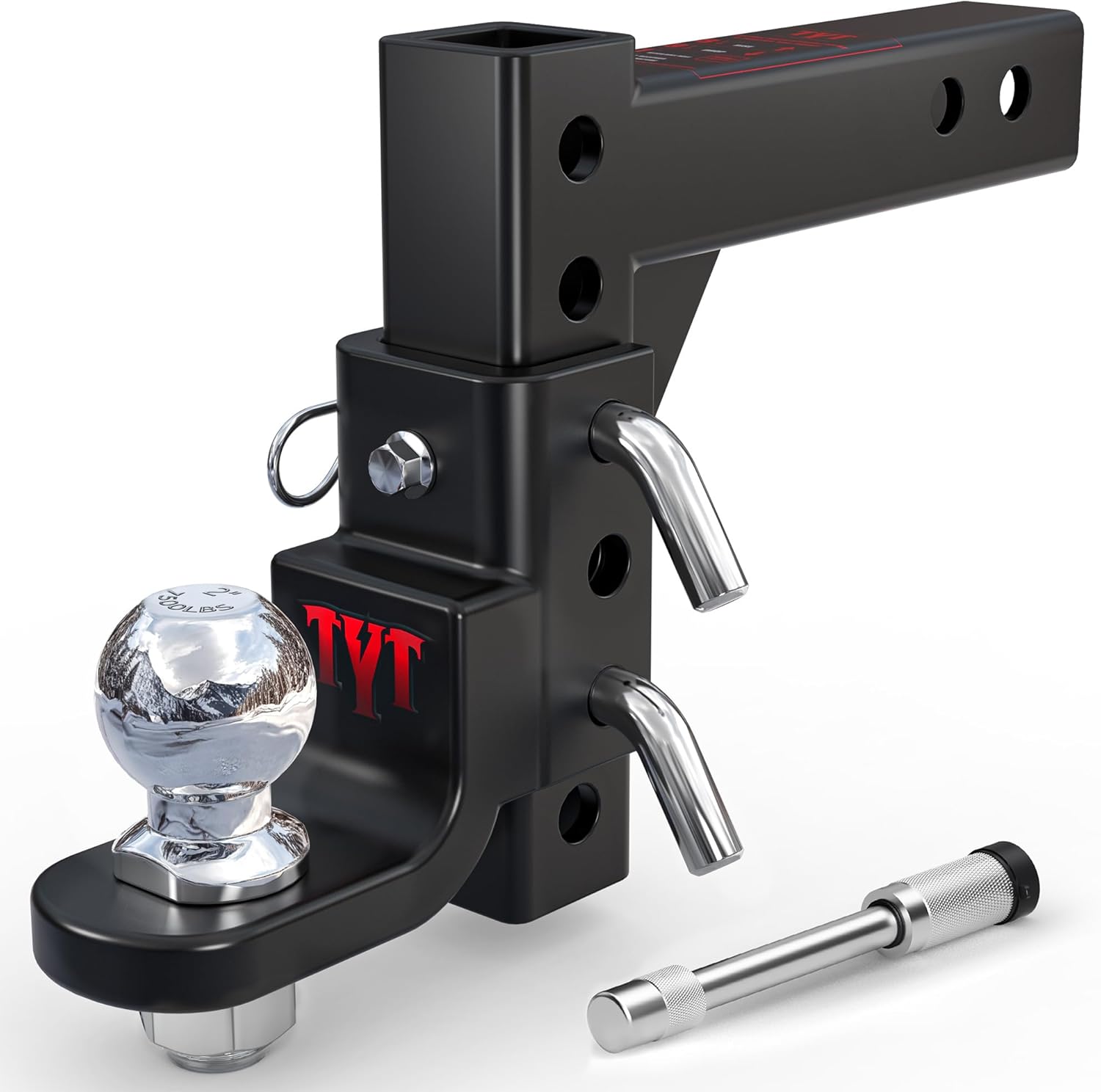
This adjustable trailer hitch ball mount is built for dependable towing with a standard 2-inch receiver and a high-capacity design suited for trucks, campers, boats, and utility trailers. Its adjustable rise and drop settings help you achieve a level tow, while the anti-rattle design supports a smoother, quieter ride. Complete with pins, clips, and a premium pin lock, it offers an easy installation and secure connection for everyday hauling needs.

The CURT 52010 Trailer Breakaway Switch helps keep towing safer by automatically engaging trailer brakes if the trailer disconnects from the tow vehicle. It features silver contact points for a dependable electrical connection, plus a nylon case and pull pin assembly designed to handle outdoor use and secure activation. The included metal mounting tab makes installation simple on trailers with electric brakes.
Multi-Angle Camera and Trailer-Visibility Features
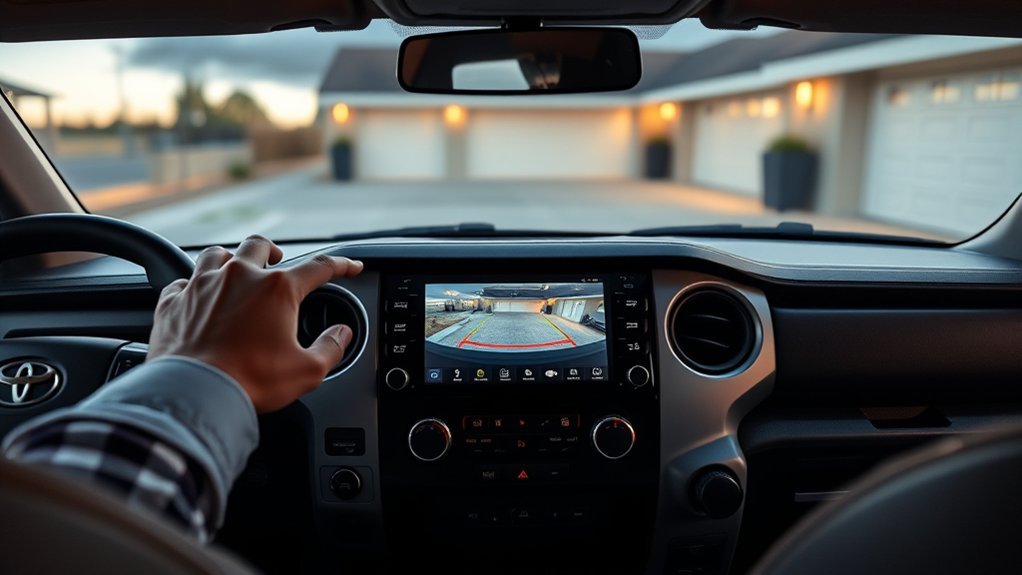
Visibility aids play a major role in safe towing, and the Tundra’s multi-angle camera suite can help you reduce blind spots and improve trailer alignment. Toyota describes available views such as hitch view, rear split view, and a top-down Panoramic View Monitor on equipped trucks.
These camera views help you line up the coupler, check cargo, spot nearby objects, and guide the trailer during low-speed moves. They work best when you use them with mirrors, a spotter, and slow steering inputs.
Camera systems do not show every hazard. Keep the lens clean, check both mirrors before you move, and stop if the display looks delayed, blocked, or distorted.
Tundra Tow Mirrors, Hitch Options, and Proper Hitch Setup
You should match Tundra tow mirrors, hitch equipment, and trailer size before you tow. Toyota offers available power-extending and folding tow mirrors on some Tundra models, and these mirrors can improve your view down the sides of a trailer.
Choose a hitch receiver, ball mount, hitch ball, and safety chains that match the trailer’s loaded weight and tongue weight. Never rely on the truck’s maximum tow rating alone, because the lowest-rated part in the setup controls the safe limit.
[Products Worth Considering]

The CURT Venturer NEXT is a compact, time-delay electric trailer brake controller designed for dependable braking control from inside your vehicle. Its low-profile design, adjustable power and ramp time, and plug-and-play friendly setup make it a practical choice for towing with confidence. Built for 12-volt systems and compatible with electric over hydraulic brakes, it offers flexible installation without leveling or internal moving parts.
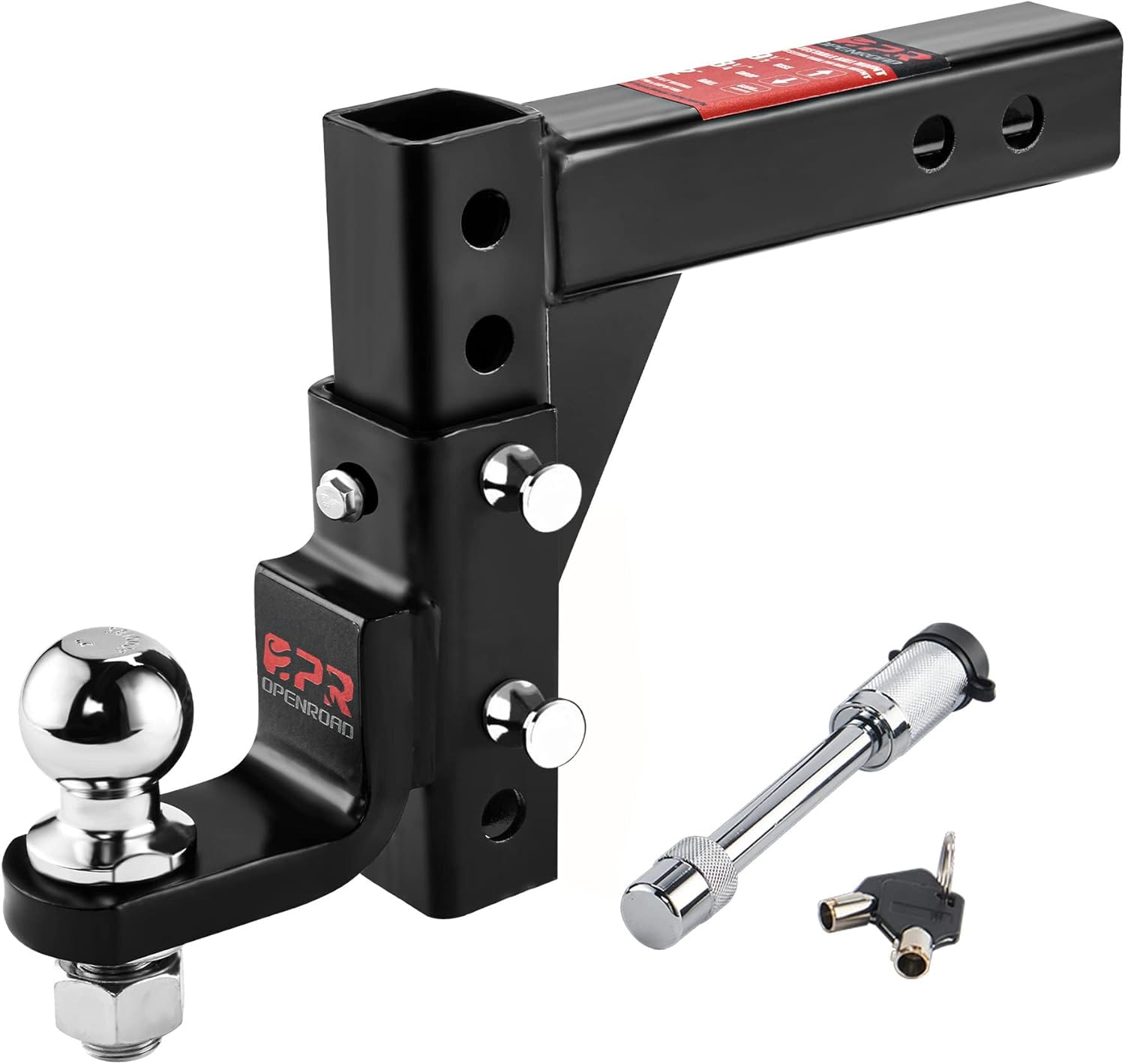
This adjustable trailer hitch ball mount is built for dependable towing with a strong steel construction and a versatile fit for 2-inch receivers. Its adjustable drop and rise settings help you dial in the right towing height, while the lock and keyed anti-theft design add security. A black powder-coated finish helps resist rust and wear for lasting performance on trucks and other towing setups.

This universal trailer coupler lock helps secure trailers, vehicles, and RVs by fitting a wide range of common hitch couplers. Its advanced locking mechanism is designed to resist picking and prying, while the zinc construction helps protect against rust and corrosion for dependable outdoor use.
Tundra Tow Mirror Types
When you equip a Tundra for towing, the right mirrors help you see past the trailer and watch lane position. Standard mirrors may work for small trailers, but wider trailers often need extended mirrors.
- Extended tow mirrors: improve the side view for boats, campers, and wide trailers.
- Standard mirrors: work best with smaller trailers that do not block your rear-side view.
- Mirror adjustment: set mirrors before departure, then check the trailer sides and lane lines.
Hitch Receiver Options
Your hitch receiver choice affects ball mount fit, tongue weight rating, and trailer weight rating. Many Tundra setups use a 2-inch receiver, but you should verify the receiver label and owner’s manual before you connect a trailer.
Match the hitch rating to the trailer’s fully loaded weight. You should also confirm the trailer coupler size, ball size, pin, clip, safety chain points, and wiring connector before you move the truck.
Correct Hitch Ball Setup
Start by matching the hitch ball size and height to your trailer coupler and loaded truck stance. Common hitch ball sizes include 1-7/8 inches, 2 inches, and 2-5/16 inches, but your trailer coupler label controls the correct choice.
- Match the ball diameter to the coupler, then torque the nut to the hitch maker’s spec.
- Set the trailer close to level, then adjust the ball mount or weight-distributing hitch if needed.
- Check the hitch pin, clip, latch, safety chains, wiring plug, and mirror position before departure.
How Each Tow-Package Component Affects Towing Capacity and Payload
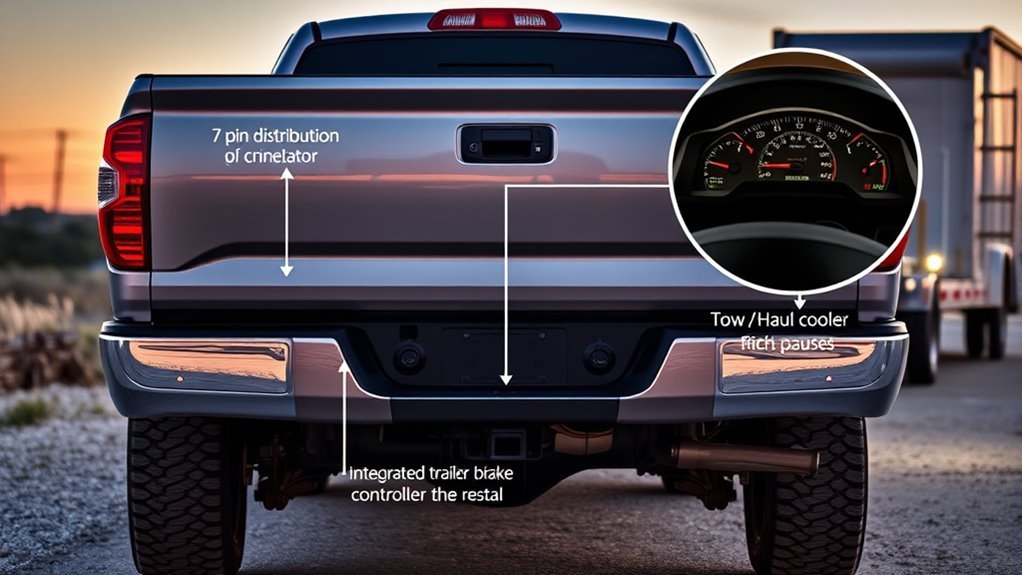
Each tow-package component supports a different part of towing control, but no single feature raises every Tundra to the same tow rating. Your cab, bed, engine, drivetrain, axle rating, tires, payload, hitch, and trailer setup all affect the safe limit.
The brake controller helps manage trailer braking. Tow/Haul mode helps the powertrain respond under load. Trailer Sway Control helps when the trailer starts to move side to side. Cameras and mirrors help you place the trailer with better awareness.
| Component | Primary Effect | Operational Benefit |
|---|---|---|
| Trailer Brake Controller | Trailer brake adjustment | More controlled stops under load |
| Trailer Sway Control | Stability support | Helps reduce side-to-side movement |
| Tow/Haul Mode | Shift and throttle behavior | Better control on grades and under load |
How to Find Your Exact Tundra Tow Rating
Start with the labels on your truck, then compare them with Toyota’s owner’s manual and towing guide for your model year. The numbers that matter most include Gross Vehicle Weight Rating (GVWR), Gross Combined Weight Rating (GCWR), Gross Axle Weight Rating (GAWR), payload, curb weight, trailer weight, and tongue weight.
The National Highway Traffic Safety Administration (NHTSA) towing safety guidance says you need the trailer’s fully loaded weight, not just its empty weight. You can get the most accurate number by weighing the loaded truck and trailer at a public scale.
Payload often limits a tow setup before maximum trailer weight does. Passengers, cargo, bed gear, hitch hardware, and tongue weight all use payload.
Pre-Tow Checklist for Tundra Owners
Before you hitch up, confirm your Tundra’s gross vehicle weight ratings and payload limits. Toyota lists up to 12,000 pounds of towing and up to 1,940 pounds of payload for properly equipped third-generation Tundra models, but your truck may rate lower.
Inspect the hitch, coupler, safety chains, electrical connector, trailer lights, tires, and trailer brakes before you leave. Only tow when the truck, trailer, hitch, and load all stay within their rated limits.
Vehicle Weight and Ratings
When you prepare to tow with your Toyota Tundra, verify the vehicle’s Gross Vehicle Weight Rating (GVWR). Then confirm that the truck, passengers, cargo, hitch hardware, tongue weight, and trailer stay within all Toyota limits.
- Confirm the GVWR, GAWR, GCWR, payload, and tow rating for your exact truck.
- Compare the loaded trailer weight with the truck’s tow rating and hitch rating.
- Subtract passengers, cargo, accessories, and tongue weight from available payload.
Hitch and Electrical Checks
Run hitch and electrical checks before every tow. Verify the hitch rating, lock the coupler, insert the hitch pin, secure the clip, and cross the safety chains under the tongue.
| Check | Criteria | Action |
|---|---|---|
| Hitch | Rated and locked | Check the label, latch, pin, and clip |
| Chains | Strong and undamaged | Cross-attach with enough turning slack |
| Lights | Brake, turn, and tail lamps work | Test function before departure |
| Brakes | Trailer controller responds | Adjust gain and confirm smooth braking |
Test electrical connections and lamp function before you drive. Use the integrated trailer brake controller on equipped trims to tune braking at low speed.
Note: Crossed safety chains can help catch the trailer tongue if the coupler separates from the hitch ball.
Troubleshooting Trailer-Brake, Sway-Control, and Camera Issues
Towing systems can fail or give weak results when the trailer has wiring problems, poor loading, worn brakes, low tire pressure, or a blocked camera. You should diagnose problems in a safe parking area before you drive at road speed.
Check trailer brake response, wiring, tire pressure, load balance, and camera visibility before each towing trip.
- Inspect electrical connections: check the trailer plug, ground, light function, breakaway switch, and brake response.
- Correct sway causes: reduce speed, check tongue weight, balance cargo, inflate tires, and inspect suspension parts.
- Confirm camera visibility: clean the lens, check the display, inspect the harness, and secure loose wiring.
If the brake controller shows a fault, the trailer pulls to one side, or the rig sways at normal speed, stop towing until you find the cause. A towing aid can help, but it cannot overcome a bad connection, an overloaded trailer, or an unsafe hitch setup.
Frequently Asked Questions
Can I add the Tow Package to a used Tundra aftermarket?
You can add some towing parts aftermarket, such as a hitch, wiring, mirrors, and a trailer brake controller. You may not be able to add every factory-integrated feature or raise the truck’s official Toyota tow rating.
Does the Tow Package affect fuel economy?
The package itself may have a small effect, but towing has the biggest impact on fuel use. Trailer weight, speed, wind, tire pressure, hills, and cargo shape can reduce mileage more than the hardware alone.
Can smartphone apps monitor trailer brake controller status?
Some aftermarket smart trailer brake controllers and trailer-monitoring systems offer app-based status checks. Toyota’s factory system and your trailer equipment will decide what data you can view, so check your model’s manual and accessory details.
Can I tow with the spare tire installed instead of a full-size tire?
You should avoid towing on a temporary spare unless the manual clearly allows it. A temporary spare can limit speed, load capacity, braking, and handling, so replace it with the correct full-size tire before towing whenever possible.
Does the Tow Package change warranty or maintenance intervals?
The Tow Package does not automatically change the basic warranty terms, but towing can place more stress on brakes, tires, fluids, and drivetrain parts. Follow Toyota’s severe-use or towing maintenance guidance for your exact model year.
Safety Disclaimer: This article is for informational purposes only and does not replace your Toyota owner’s manual, trailer manual, hitch instructions, or local towing laws. Always confirm ratings and have a qualified technician inspect the setup if you are unsure.
Conclusion
The Toyota Tundra Tow Package helps you tow with more control, but your setup still depends on correct ratings, loading, braking, and hitch hardware. Check your exact truck rating, set trailer brake gain, inspect all connections, and keep the trailer level before you leave.
If any system feels wrong, stop and fix the issue before you continue. A careful pre-tow routine gives you the best chance of a stable, legal, and safer trip.
References
- 2025 Toyota Tundra Adds TRD Rally Package and More — Toyota Motor Sales, U.S.A., 2024
- Towing a Trailer: Being Equipped for Safety — National Highway Traffic Safety Administration, accessed 2026
- Towing Safety — Wisconsin Department of Transportation, accessed 2026

[…] year, so verify them in your exact Tundra owner’s manual. Review the towing features in the Tundra Tow Package guide for a deeper explanation of available towing […]