
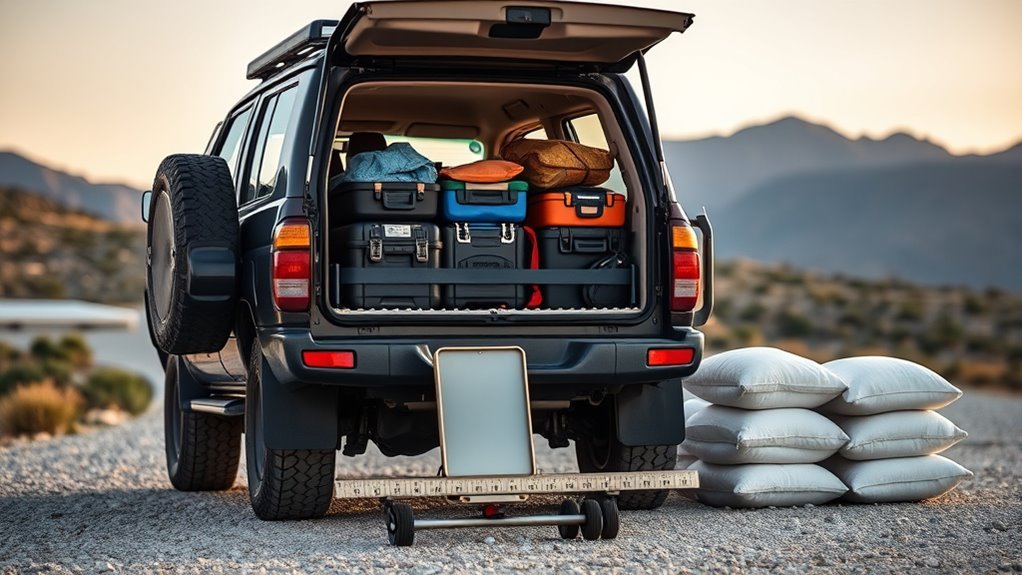
Your Land Cruiser can feel ready for anything, but payload is where many trips quietly go wrong. Payload is not just luggage: it includes people, cargo, tools, recovery gear, roof-rack accessories, dealer-installed equipment, and any trailer tongue weight pressing down on the hitch. Use the door-jamb label, GVWR, GAWR, and a real scale weight, and you can load the vehicle with confidence instead of guessing.
Quick Answer
Your Land Cruiser’s payload is the maximum combined weight of occupants, cargo, luggage, accessories, and trailer tongue weight the vehicle can carry without exceeding its GVWR, GAWR, tire limits, or Toyota’s load rating. The safest number to use is the Tire and Loading Information label on your driver-side door jamb.
Key Takeaways
- Payload includes people, cargo, luggage, added accessories, and trailer tongue weight.
- The door-jamb Tire and Loading Information label is usually the best starting point because it applies to your specific vehicle.
- For the most accurate number, weigh your Land Cruiser as it sits, then subtract that weight from the GVWR.
- Do not check only total weight; also compare front and rear axle weights against GAWR.
- Towing can reduce usable payload quickly because tongue weight counts against the vehicle’s load limit.
At a Glance
| Time Required | 10 minutes for label math; 20–30 minutes if you visit a public scale |
| Difficulty | Easy |
| Tools Needed | Door-jamb label, calculator, passenger/cargo weights, and a truck scale for best accuracy |
| Cost | Usually free to a few dollars for a public scale ticket |
What “Payload” Means for Your Land Cruiser
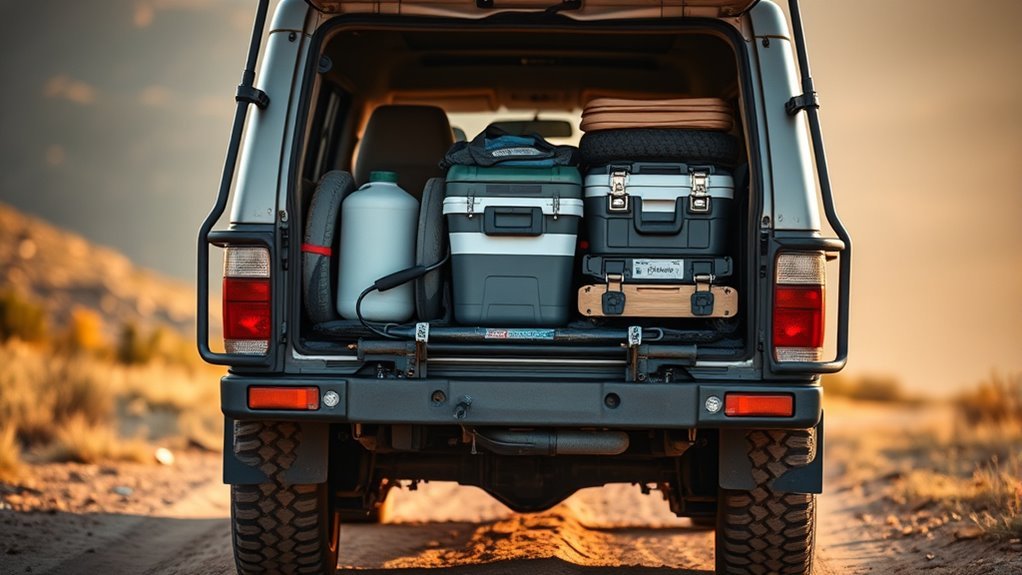
Payload is the total weight your Land Cruiser can safely carry inside or on the vehicle. Toyota’s owner information describes this as total load capacity or vehicle capacity weight: the combined weight of occupants, cargo, and luggage. In real use, you should also count accessories, recovery equipment, roof-rack loads, drawer systems, fridges, tools, camping gear, and any trailer tongue weight.
The key idea is simple: your Land Cruiser must stay under its GVWR or GVM, depending on market wording. GVWR means Gross Vehicle Weight Rating; GVM means Gross Vehicle Mass. Both describe the maximum allowed weight of the complete vehicle when loaded.
For U.S. vehicles, the most useful payload figure is normally printed on the Tire and Loading Information label on the driver-side door jamb. That label uses wording such as “The combined weight of occupants and cargo should never exceed…” and is required under federal tire and loading label rules for vehicles at or under 10,000 lb GVWR. You can also confirm the broader GVWR and GAWR figures on the certification label nearby.
Warning: Overloading is not just a paperwork issue. The National Highway Traffic Safety Administration warns that observing tire and vehicle load limits helps reduce tire failure risk and improves handling, stopping, traction, and load-carrying capability.
Payload, GVWR, GAWR, curb weight and Towing Terms
Before you calculate anything, get the terms straight. Mixing up payload, towing capacity, and curb weight is the easiest way to overload a Land Cruiser that looks perfectly fine from the outside.
| Term | What it means | Why it matters |
|---|---|---|
| Payload | The weight of occupants, cargo, luggage, accessories, and hitch/tongue load the vehicle carries. | This is the number you manage every time you load the SUV. |
| GVWR / GVM | The maximum allowed weight of the fully loaded vehicle. | Your loaded Land Cruiser must not exceed this number. |
| GAWR | Gross Axle Weight Rating for the front and rear axles. | You can be under GVWR but still overload one axle. |
| Curb weight | Vehicle weight with standard equipment and fluids. Under U.S. federal wording, curb weight includes maximum fuel, oil, and coolant. | Published curb weight may not match your modified or accessorized vehicle. |
| Towing capacity | The maximum trailer weight the vehicle may tow when properly equipped. | It is separate from payload, but trailer tongue weight reduces payload. |
| GCWR / GCM | Gross combined rating for the loaded vehicle plus loaded trailer. | Important whenever you tow. |
The most useful real-world formula is: usable payload = GVWR − actual vehicle weight as it sits before loading people and trip cargo.
Calculate Your Land Cruiser’s True Payload Step by Step
You can estimate payload from the door label, but the most accurate method is to combine the label with a scale ticket. This matters because factory options, dealer accessories, aftermarket bumpers, winches, drawers, larger tires, skid plates, and roof racks all eat into usable capacity.
Step 1: Read the door-jamb labels
Open the driver’s door and look at the door edge or B-pillar. Find the Tire and Loading Information label and the certification label. Write down:
- Combined weight of occupants and cargo should never exceed: your practical payload starting point.
- GVWR or GVM: the maximum fully loaded vehicle weight.
- Front and rear GAWR: the maximum weight allowed on each axle.
- Recommended tire pressures: use the pressure listed for your tire size and loading condition.
Step 2: Weigh the Land Cruiser as it sits
For the cleanest calculation, fill the fuel tank, leave out passengers and trip cargo, and weigh the vehicle with all permanent equipment already installed. A public truck scale, quarry scale, recycling center, or RV scale can usually provide a total weight and sometimes separate axle weights.
Pro Tip: Get three numbers if the scale allows it: total vehicle weight, front axle weight, and rear axle weight. The axle numbers show whether your cargo placement is safe, not just whether the total weight is under GVWR.
Step 3: Subtract actual weight from GVWR
Use this formula:
Usable payload = GVWR − actual vehicle weight before passengers and trip cargo
Example: if a Land Cruiser has an 8,500 lb GVWR and weighs 6,200 lb on the scale with fuel and permanent accessories, the usable payload is:
8,500 lb − 6,200 lb = 2,300 lb usable payload
That 2,300 lb must cover passengers, luggage, tools, coolers, camping gear, pets, roof cargo, and trailer tongue weight.
Step 4: Subtract people, cargo and hitch weight
Now subtract your real trip load. For example:
- Driver and passenger: 340 lb
- Camping gear and water: 450 lb
- Recovery gear and roof-rack load: 160 lb
- Trailer tongue weight: 600 lb
2,300 lb − 340 lb − 450 lb − 160 lb − 600 lb = 750 lb remaining payload
If the math still works, check axle weights next. If the rear axle is over its GAWR, move weight forward, reduce cargo, or change the setup even if the total vehicle weight is under GVWR.
Step 5: Repeat after modifications
Recalculate after you add anything heavy: steel bumpers, a winch, rock sliders, a drawer system, a fridge, long-range tanks, skid plates, bigger tires, spare-wheel carriers, roof platforms, or towing hardware. Added equipment does not magically increase payload; it usually reduces the amount of people and cargo you can carry.
Why VIN Sticker, GVWR and Curb Weight Don’t Always Match
The number printed in a brochure and the weight of your own Land Cruiser can be different. That is normal, but it matters. Published curb weight is often based on a specific trim and equipment set. Your vehicle may have optional packages, dealer accessories, aftermarket parts, different tires, different fuel level, or region-specific equipment.
The VIN or certification label gives the legal vehicle ratings, while the Tire and Loading Information label gives a practical occupant-and-cargo limit for that specific vehicle. A scale tells you what your vehicle actually weighs today. When those numbers conflict, use the label and the scale rather than a generic online spec.
Note: Do not subtract fuel twice. Curb weight definitions generally include fluids, and a scale weight taken with a full tank already includes fuel. Once you use a real scale weight, subtract passengers, cargo, and tongue weight from the remaining payload—not fuel again.
How Towing and Hitch Weight Reduce Land Cruiser Payload
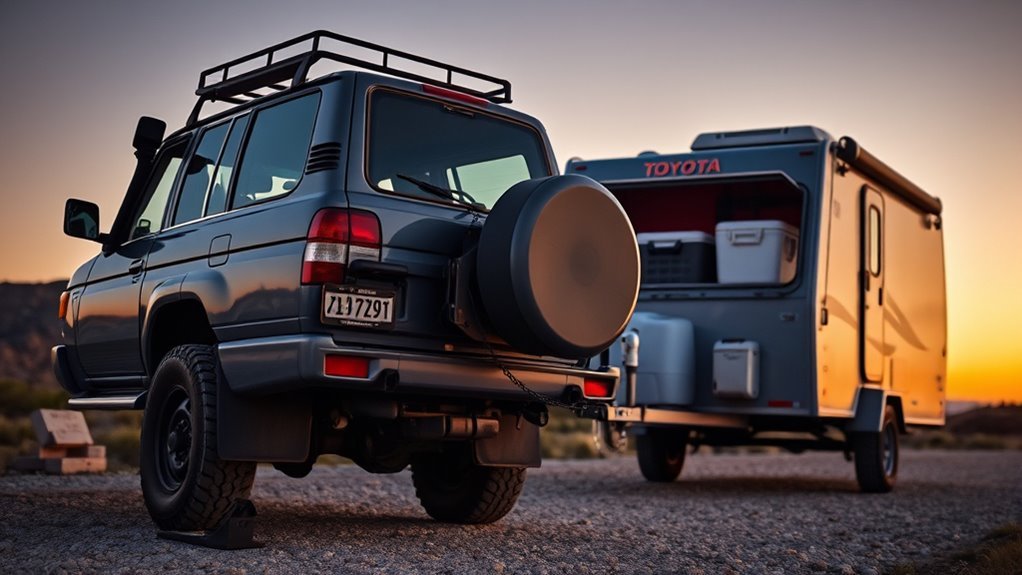
Towing capacity and payload are different, but they overlap at the hitch. Toyota’s towing guidance explains that when towing, gross vehicle weight includes the vehicle, occupants, cargo, optional equipment, and the trailer tongue weight pressing on the hitch. That means tongue weight uses part of your Land Cruiser’s payload.
For current U.S.-market Land Cruiser models, Toyota lists up to 6,000 lb of towing capacity when properly equipped, but that does not mean you can also fill the cabin and cargo area without doing the math. Toyota also states that the maximum you can tow depends on base curb weight plus cargo, occupants, and added vehicle equipment.
Here is the practical towing calculation:
- Start with your usable payload.
- Subtract all occupants.
- Subtract all cargo inside the Land Cruiser.
- Subtract added accessories not already included in your scale weight.
- Subtract actual trailer tongue weight.
- Check GVWR, front GAWR, rear GAWR, GCWR/GCM, tire ratings, and trailer ratings.
If your trailer places 600 lb on the hitch, that 600 lb comes off your remaining payload. With heavy passengers, a full fridge, recovery gear, and a roof platform, the rear axle can reach its limit faster than expected.
Warning: Never exceed TWR, unbraked TWR, GCWR/GCM, GVWR/GVM, GAWR, tire load ratings, or hitch ratings. The lowest rated part of the vehicle-trailer combination is the real limit.
[Products Worth Considering]

Designed for Toyota RAV4 models from 2013 through 2018, this three-piece windshield wiper set delivers clear, quiet performance for dependable visibility in changing weather. The precision-fit blades provide streak-free wiping, simple installation, and durable all-season use with reduced wind noise and consistent pressure across the windshield.

This Toyota hitch cover helps protect your trailer hitch receiver from dirt and debris while adding a clean factory-style look to your vehicle's rear end. Designed for easy use, it offers a simple way to finish off your towing setup when the hitch is not in use. Its lightweight design makes it convenient to handle and install.
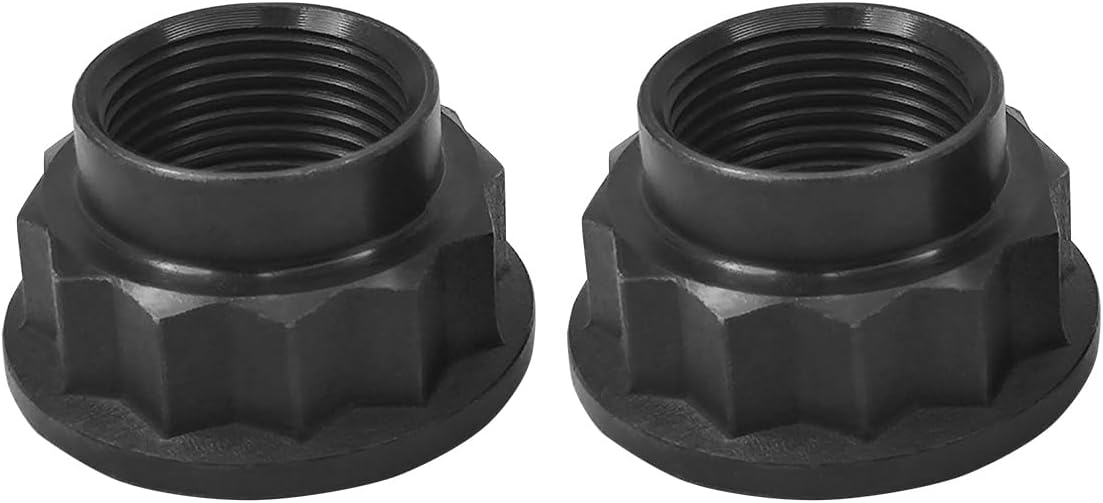
This pair of front axle shaft nuts is designed to secure CV joints and wheel bearings on compatible Toyota and Lexus front drive axles. Built from heat-treated carbon steel for durability and corrosion resistance, it helps maintain proper torque and reliable power transfer. It is a direct replacement for several factory part numbers and is recommended for paired replacement.
How to Weigh Your Land Cruiser Correctly
A scale ticket turns payload from a guess into a number. Use this process before a long overland trip, towing trip, or heavy family road trip.
- Fill the fuel tank and load the Land Cruiser exactly as it will travel.
- Weigh the whole vehicle and compare it with GVWR/GVM.
- Weigh the front axle and rear axle separately if the scale allows it, then compare both with GAWR.
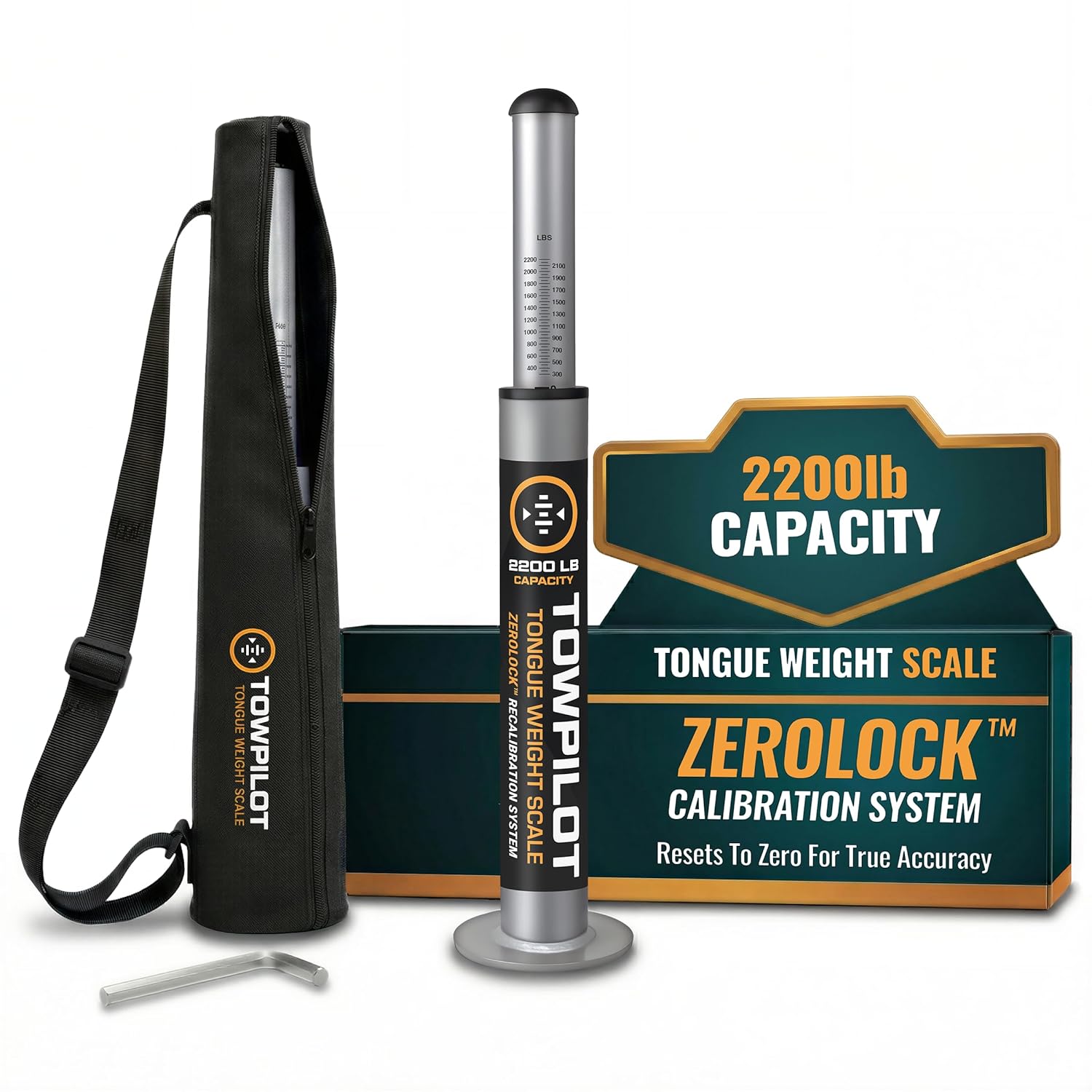
- If towing, weigh the loaded trailer and confirm trailer weight, tongue weight, and combined vehicle-trailer weight.
- Adjust the load by removing gear, moving heavy items lower and more central, or reducing trailer tongue load only within the trailer manufacturer’s safe range.
- Recheck tire pressure cold using the door placard and owner’s manual guidance.
[Products Worth Considering]

This replacement gas cap is designed to restore a tight fuel-tank seal, helping reduce vapor leaks, prevent check engine light issues, and maintain proper fuel system performance. Built in OE-style form for a wide range of Toyota and Lexus vehicles, it offers a direct DIY fix with durable materials for reliable, long-lasting use.

This KSaAuto short antenna is a factory replacement designed to fit a wide range of Toyota, Scion, and select hatchback models. It helps improve AM/FM reception while adding a clean, stylish look to your vehicle. The flexible, weather-resistant design and easy screw-on installation make it a simple upgrade for everyday driving.

This replacement gas cap is designed to fit a wide range of Toyota and Lexus vehicles, offering a simple direct-fit solution for restoring proper fuel tank sealing. Built from durable materials and tested for reliable performance, it helps address issues caused by cracked or failing caps while making installation quick and easy. It is a practical replacement part for maintaining fuel system integrity and everyday driving confidence.
Practical Tips to Manage and Stay Within Land Cruiser Payload
Treat your Land Cruiser’s payload limit as a working number, not a target to hit exactly. Staying below the limit gives you margin for water, food, souvenirs, road grime, replacement parts, and the small items that appear once a trip begins.
- Load heavy items low. Keep tools, water, batteries, and recovery gear low in the cargo area instead of high on the roof.
- Balance side to side. A heavy drawer system, fridge, and water tank all on one side can affect handling.
- Protect the rear axle. Hitch load, cargo drawers, rear bumpers, spare carriers, and fridge slides often stack weight behind the rear axle.
- Secure everything. Loose gear can shift during braking, cornering, or off-road travel.
- Use the roof carefully. Roof cargo counts against payload and raises the center of gravity.
- Choose lighter gear. Aluminum recovery boards, soft luggage, compact tools, and lighter camp furniture can save meaningful weight.
- Do not assume suspension upgrades increase legal payload. Stronger springs may reduce sag, but they do not automatically change the factory GVWR/GVM or GAWR shown on the vehicle label.
- Reweigh after upgrades. A “small” accessory list can add hundreds of pounds before you pack a single bag.
[Products Worth Considering]
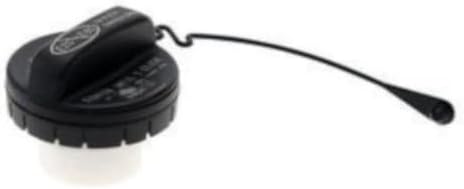
This genuine Toyota fuel tank cap assembly is designed for vehicle-specific fitment and reliable performance. As an OEM part, it delivers Toyota quality assurance and backed manufacturer warranty support, making it a dependable replacement choice for maintaining proper fuel system sealing and function.

This replacement gas cap is designed to fit a wide range of Toyota and Lexus models, helping restore a secure seal for the fuel tank. It is built as a direct replacement for easy installation and reliable everyday use, with compatibility verified by part number to help ensure the right fit. Backed by warranty support and customer service, it is a practical solution for replacing a worn, cracked, or failing fuel cap.

Keep your vehicle tidy with this collapsible trunk organizer designed to create extra storage and reduce clutter. It features multiple pockets, a bottle holder, and adjustable straps that secure it to headrests for quick installation and a stable fit. Made for most cars, SUVs, vans, and trucks, it folds flat when not in use and helps keep everyday essentials easy to find.
Common Land Cruiser Payload Mistakes
Most payload problems come from small assumptions that add up. Watch for these mistakes before your next trip:
- Using towing capacity as payload capacity. A 6,000 lb tow rating does not tell you how much cargo you can carry inside the vehicle.
- Ignoring tongue weight. Hitch load is carried by the vehicle and reduces usable payload.
- Trusting a generic internet payload number. Your exact trim, market, options, accessories, and modifications matter.
- Forgetting passengers. Payload includes every occupant, not just cargo in the rear.
- Only checking total weight. You can pass GVWR but fail rear GAWR.
- Loading the roof heavily. Roof weight counts against payload and can make the vehicle feel less stable.
- Assuming airbags or helper springs make overloading safe. They may level the vehicle, but they do not erase brake, tire, axle, frame, or legal limits.
Frequently Asked Questions
What does a 4,000 lb payload mean?
A 4,000 lb payload means the vehicle can carry up to 4,000 lb of combined occupants, cargo, luggage, accessories, and hitch weight without exceeding its rated load limit. You still need to check axle ratings, tire ratings, and proper load distribution.
What is the payload of a Toyota Land Cruiser?
The payload of a Toyota Land Cruiser varies by model year, market, trim, options, accessories, and modifications. The most accurate number is on your specific vehicle’s Tire and Loading Information label. If the vehicle has been modified or heavily accessorized, weigh it and subtract the actual vehicle weight from GVWR/GVM.
Is payload different from towing capacity?
Yes. Payload is the weight the Land Cruiser carries. Towing capacity is the maximum trailer weight it can pull when properly equipped. They connect because trailer tongue weight is carried by the vehicle, so it reduces available payload.
Does payload include a full tank of fuel?
In common U.S. curb-weight definitions, fuel is already included in curb weight. The door-jamb occupant-and-cargo number is normally meant to be used without subtracting fuel again. If you use a real scale weight with a full tank, that fuel is already included in the vehicle weight.
Do roof racks, winches and drawer systems count against payload?
Yes. Any accessory added to the vehicle uses part of the payload unless it was already included in the weight used to calculate your label. Heavy accessories should be counted or, better, included in an actual scale weight before you load passengers and trip cargo.
Can upgraded suspension increase my Land Cruiser’s payload?
Not automatically. Suspension upgrades can improve ride height, control, or durability under load, but they do not usually change the factory GVWR/GVM, GAWR, tire ratings, or legal load limit printed on the vehicle labels. Check local rules before assuming a rating has changed.
Conclusion
You now have the simple rule that keeps a Land Cruiser safe and predictable: payload is everything the vehicle carries. Check the door-jamb label, know the GVWR/GVM and GAWR, weigh the vehicle after accessories, and subtract passengers, cargo, and trailer tongue weight before every serious trip. Do that, and your next unexpected detour stays an adventure instead of a weight-limit problem.
Sources
- Toyota 2025 Land Cruiser Owner’s Manual: Vehicle load limits — supports total load capacity, seating capacity, cargo capacity, and overloading warnings.
- Toyota 2025 Land Cruiser Owner’s Manual: Trailer towing — supports GVWR, GAWR, GCWR, TWR, and tongue-weight considerations while towing.
- Toyota 2026 Land Cruiser eBrochure — supports current U.S. Land Cruiser towing capacity and model information.
- Toyota Vehicles for Towing — supports Toyota’s guidance that towing capacity depends on curb weight, cargo, occupants, and added vehicle equipment.
- 49 CFR § 571.110 — supports federal definitions and tire/loading label requirements for vehicles at or under 10,000 lb GVWR.
- NHTSA Tire Safety Brochure — supports the safety link between vehicle load limits, tire performance, handling, and stopping.

[…] it right away if you use it for towing, heavy loads, motorsports, or any situation where tire pressure affects control and tire heat. A reliable gauge […]
[…] the doorjamb payload label and towing chart before you haul or […]
[…] Follow load guidance in the manual when you tow or carry heavy cargo. […]
[…] of simple math range. Real range will sit lower once you account for reserve fuel, terrain, speed, payload, and […]
[…] you have, not how much weight your car can carry. Toyota Canada notes that maximum passenger and cargo load appears on the label inside the driver’s […]
[…] your payload label before loading heavy cargo because trim, passengers, and accessories change […]
[…] RAV4’s roof load is the maximum weight you can carry on top of the vehicle while driving. cargo load is the total weight allowed inside and on top of the car, including passengers. You must keep your […]