

Fogged glass in a Toyota Tacoma is usually caused by warm, moist cabin air touching a colder windshield. The fastest fix is not wiping the glass with your hand; it is using the HVAC system to remove humidity and push dry air across the windshield. The exact button layout varies by model year and trim, but the same safe routine works for most Tacomas with manual or automatic climate controls.
Quick Answer
To defog a Tacoma windshield fast, select windshield defog mode, turn off recirculation, run the A/C, raise the temperature, and use a high fan speed. Turn on the rear defogger and heated mirrors if equipped. Once the glass clears, lower the fan but keep fresh, dry airflow moving.
Key Takeaways
- Use defog mode + fresh air + A/C + warm temperature + high fan for the quickest windshield clearing.
- Keep recirculation off while clearing fog because recirculated cabin air traps moisture inside the truck.
- Use the rear defogger, heated mirrors, and windshield wiper de-icer only if your Tacoma is equipped with them, and let the automatic shutoff protect the battery.
- If fog keeps coming back, clean the inside glass, dry wet floor mats, check the cabin air filter, inspect seals, and verify the A/C and defogger systems work.
At a Glance
| Time Required | 30 seconds to 3 minutes for normal fog; longer for frost or ice |
| Difficulty | Easy |
| Tools Needed | Tacoma climate controls, clean microfiber towel, ice scraper in freezing weather |
| Cost | Free, unless you need new wipers, washer fluid, a cabin filter, or a repair |
One-Minute Checklist to Defog Your Tacoma Windshield

Use this quick sequence the moment visibility starts to drop:
- Set airflow to the windshield defog position.
- Turn recirculation off so outside air can enter.
- Turn the A/C on, even if you also use heat.
- Raise the temperature to warm, not scorching hot.
- Set the fan to high until the windshield clears.
- Press the rear defogger button and use heated mirrors if equipped.
- After the glass clears, reduce fan speed and keep some fresh airflow moving.
This works because the A/C helps remove moisture from the cabin air while warm airflow raises the glass temperature. Toyota’s digital Tacoma owner information also describes the windshield defogger, rear window defogger, outside mirror defoggers, and 15-minute automatic shutoff behavior for equipped models in its 2024 Tacoma manual air conditioning guide.
Pro Tip: Fog clears faster when the inside of the windshield is clean. A greasy film from dust, smoke, vinyl protectants, or fingerprints gives moisture more surface area to cling to.
Set Climate Controls for Fast Windshield Defogging
The best Tacoma defog setting is a combination, not a single button. You need directed airflow, low humidity, and enough heat to dry the glass.
Set Airflow to Defog
Turn the airflow selector to the windshield icon or press the windshield defog switch, depending on your Tacoma’s climate-control layout. This sends most of the air toward the windshield instead of your feet or dash vents.
If your Tacoma has automatic climate control, the system may adjust fan speed, airflow, and A/C operation automatically when the windshield defogger is selected. Toyota’s 2024 Tacoma automatic air conditioning guide notes that equipped models include windshield defogger operation, rear window defogging, outside mirror defogging, and windshield wiper de-icer information.
Use Warm Air and High Fan Speed
Turn the fan high for the first minute or two. Warm air can carry more moisture than cold air, and a strong airflow moves that moisture off the glass faster. Once the windshield is clear, lower the fan to a comfortable setting.
Avoid using full heat on a freezing windshield immediately after startup if the glass is heavily iced. Start with defrost and moderate warmth, scrape thick ice safely, and let the truck warm gradually.
Warning: Do not pour hot water on an icy windshield. AAA warns that rapid temperature change can crack or shatter glass. Use the defroster, a plastic scraper, winter washer fluid, or a proper de-icer instead.
Turn Recirculation Off
Recirculation keeps cabin air cycling inside the truck. That is useful for cooling a hot cabin quickly, but it is usually the wrong choice for fog. Wet coats, breathing passengers, snow on boots, and damp floor mats all add moisture to the cabin. With recirculation on, that moisture stays trapped.
Switch to fresh-air intake while clearing fog. You can briefly use recirculation to block smoke, dust, or exhaust outside, but turn it off again as soon as the outside air is safe.
When to Use Air Conditioning to Reduce Cabin Humidity
Use A/C whenever the windshield fogs, the cabin feels damp, or you climb in after rain or snow. The A/C system helps remove moisture from the air before it blows across the glass. You can use A/C and heat together: the A/C dries the air, and the heater makes that dry air warm enough to clear the windshield quickly.
| Situation | Best Setting | Why It Works |
|---|---|---|
| Rainy or humid day | A/C on, defog mode, recirculation off | Removes moisture and replaces damp cabin air |
| Cold but damp cabin | A/C on with warm temperature | Balances dry air with enough heat to clear glass |
| Passengers breathing heavily or wet gear inside | Fresh air, medium-to-high fan | Moves humidity out before fog returns |
| Long winter drive | Low fan, warm temperature, fresh airflow | Prevents re-fogging without blasting heat |
Note: In very cold weather, some vehicles limit A/C compressor operation automatically. Still select defog mode and leave A/C enabled; let the climate system manage what it can.
Use Rear Defogger and Heated Mirrors Safely
Press the rear defogger button to clear rain, dew, light frost, and interior condensation from the back glass. On many Tacoma trims, the same switch also activates the outside mirror defoggers. Toyota states that the rear window and outside rear view mirror defoggers are used to clear moisture, raindrops, dew, and frost, and that the system turns off automatically after about 15 minutes on equipped models.
[Products Worth Considering]

EPAuto CP134 is a premium cabin air filter designed to help keep the air inside your vehicle cleaner and fresher. It includes activated carbon to help reduce odors and support a more comfortable ride for drivers and passengers. Built as a replacement option for many Honda and Acura models, it offers broad compatibility and dependable cabin air filtration.

AUTOBOO windshield wiper blades are designed for dependable all-season visibility with smooth, streak-free wiping in rain, snow, and heat. The bracketless aerodynamic design helps reduce noise and drag while the memory spring steel structure delivers even pressure for consistent windshield contact. Built for quick installation on compatible U/J hook arms, these blades offer a quiet, reliable upgrade for everyday driving.

Rain-X WeatherBeater wiper blades are conventional replacement blades designed to meet or exceed OEM standards for quality, durability, and dependable performance. The pre-installed multi-adapter helps simplify installation on many vehicles, while the natural rubber squeegee and galvanized steel frame deliver a clean wipe, rust resistance, and long-lasting all-weather reliability.
Activate the Rear Defogger Button
Use the rear defogger when the rear glass is fogged, wet, or frosted. Do not rely only on the front windshield defogger if your rear view is blocked. Clear visibility behind you matters when backing up, changing lanes, and merging.
| Action | Result |
|---|---|
| Press rear defogger button | Clears rear glass |
| Use heated mirrors if equipped | Improves side visibility |
| Let automatic shutoff work | Helps protect the battery |
| Restart only if needed | Avoids unnecessary electrical load |
Avoid Touching Heated Mirrors
When heated mirrors are active, avoid touching or pressing the mirror glass. Let the heating element do its work. Wiping, scraping, or pushing on a heated mirror can damage coatings, stress adhesives, or burn your fingers if the surface is hot.
Monitor the Automatic Shutoff Time
Most Tacoma rear defogger and mirror defogger cycles shut off after about 15 minutes. That is normal. If the glass fogs again, restart the cycle only when needed. If the rear defogger does not warm at all, check the owner’s manual, fuse information, and wiring before assuming the glass itself has failed.
Cold-Weather: Deicing Wipers and Preventing Ice Build-Up
Some Tacoma models include a windshield wiper de-icer. Toyota describes this feature as a system that helps prevent ice from building up on the windshield and wiper blades, and notes that it can automatically turn off after about 15 minutes on equipped models. The feature may activate with the rear window and outside mirror defogger switch, depending on model year and trim.
Use the wiper de-icer before the blades freeze hard to the glass. If the blades are already stuck, do not force them. Clear loose snow first, use a plastic scraper around the blades, and let the defroster soften the ice.
Warning: Do not run windshield wipers across dry ice or force frozen blades loose with the wiper motor. That can tear the rubber edge, bend the arm, or strain the motor.
The National Highway Traffic Safety Administration recommends checking defrosters and windshield wipers before winter weather and replacing worn blades. It also recommends using winter washer fluid with de-icer before snow and ice arrive.
[Products Worth Considering]

Rain-X Repellency Water Repellent Wiper Blades help improve visibility by clearing your windshield while applying a water-repellent formula that makes rain, sleet, and snow bead and slide away. Built with beam blade technology for a smooth, streak-free wipe, they offer all-weather performance and a universal adapter for easy installation on most vehicles.
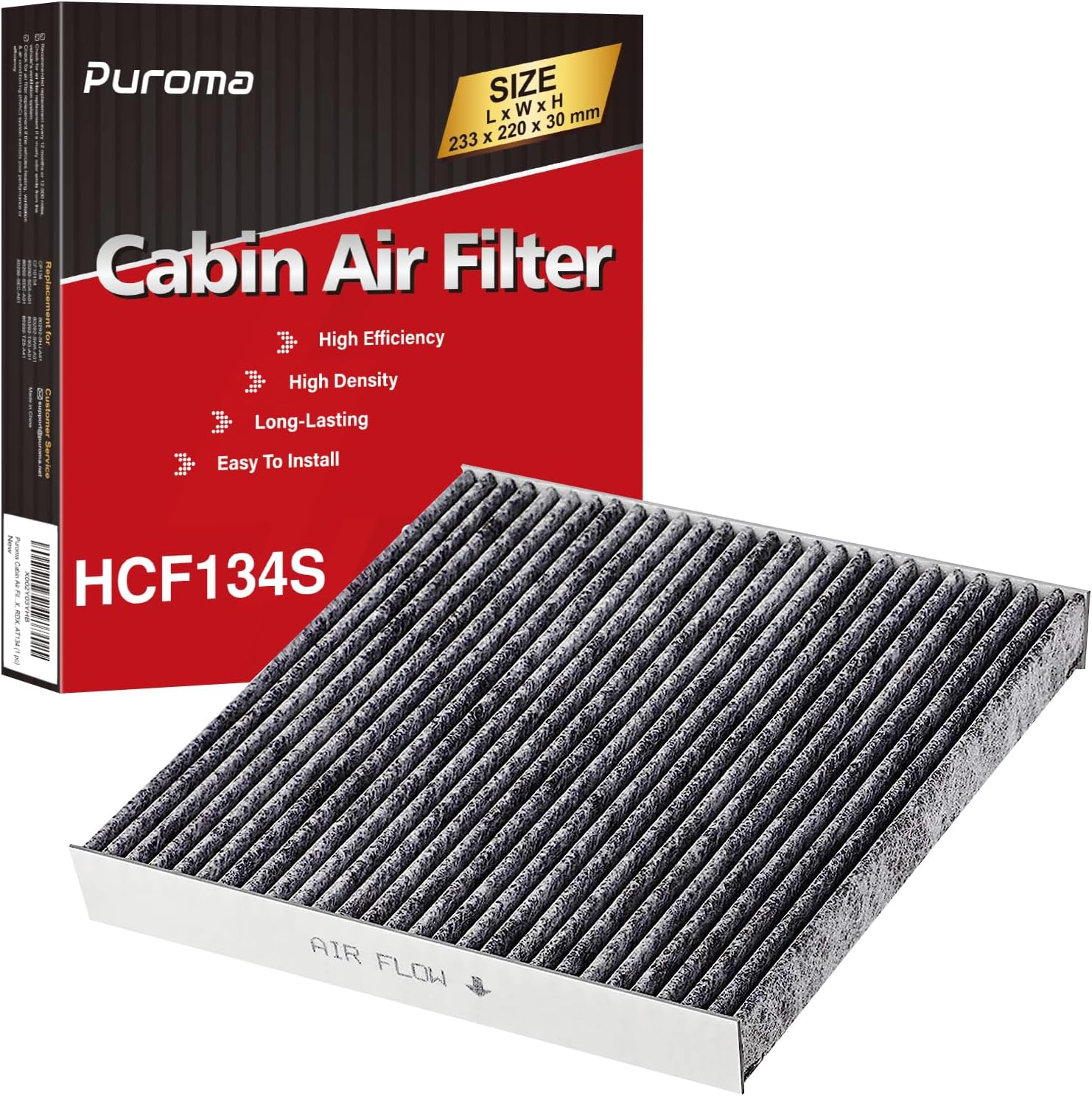
Puroma cabin air filter helps keep your vehicle interior fresher by capturing odor-causing contaminants and supporting cleaner airflow through the HVAC system. Its close-meshed filter layer and activated carbon design improve filtration performance while helping maintain efficient heating and air conditioning. Designed for a wide range of Honda and Acura models, it offers a straightforward installation and reliable passenger compartment protection.
Avoid These Common Mistakes That Cause Re-Fogging
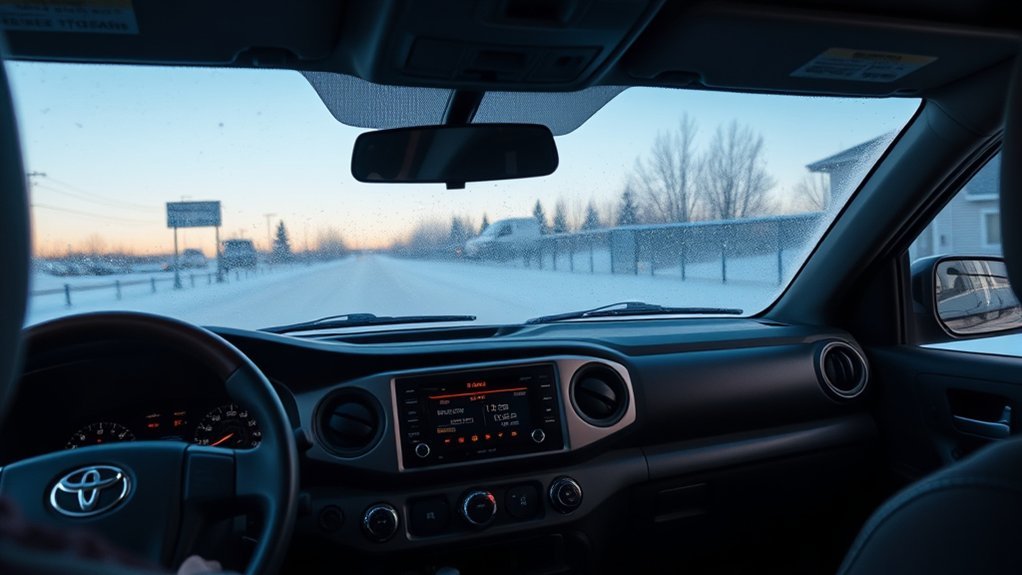
If your Tacoma windshield clears and then fogs again a minute later, one of these mistakes is usually the reason:
- Turning A/C off too soon: The cabin may still be humid even after the glass looks clear.
- Leaving recirculation on: Moist cabin air keeps cycling over the windshield.
- Using low fan speed at the start: Weak airflow takes longer to remove condensation.
- Using cold air only: Cold air may not dry the glass quickly enough in damp weather.
- Pointing vents at your face instead of the windshield: Comfort airflow is not the same as defog airflow.
- Driving with wet floor mats or snow inside: Moisture evaporates and fogs the glass again.
- Wiping with your hand: Skin oils smear the glass and make future fog worse.
- Ignoring a dirty cabin air filter: Restricted airflow slows defogging and can make the HVAC system feel weak.
The most reliable defog setup is simple: dry the air with A/C, warm it with heat, aim it at the windshield, and stop recycling damp cabin air.
Troubleshoot Persistent Tacoma Windshield Fog
If normal defog settings do not keep the glass clear, the problem is usually extra moisture, poor airflow, or a system fault. Work through the checks below before replacing parts.
Clean the Inside of the Windshield
Use automotive glass cleaner and a clean microfiber towel. If the windshield has a stubborn film, clean it twice: once to lift the grime and once to polish away streaks. Avoid greasy interior dressings near the dash because overspray can settle on the glass.
Dry the Cabin
Remove wet jackets, towels, and floor mats. Shake snow off boots before entering. If the carpet is damp, dry it fully and look for leaks around door seals, window seals, the rear sliding window, or the heater core area.
Check the Cabin Air Filter and Vents
A clogged cabin air filter can reduce airflow from the defog vents. If the fan sounds loud but little air reaches the windshield, inspect the filter and make sure papers, leaves, or aftermarket dash mats are not blocking the defog vents.
Verify A/C Operation
If the A/C does not engage, the air may not dry properly. Signs of a problem include warm-only airflow in A/C mode, oily residue near A/C components, clicking without cooling, or repeated fog even with correct settings. Have the system checked by a qualified technician if you suspect a refrigerant, compressor, blend-door, or control issue.
Inspect Fuses and Defogger Lines
If the rear defogger does not work, check the appropriate fuse and the electrical connectors at the rear glass. Also inspect the thin grid lines on the rear window. Scratched or broken grid lines can stop part of the glass from heating.
Maintain Defoggers, Heated Mirrors, and Wipers for Reliability
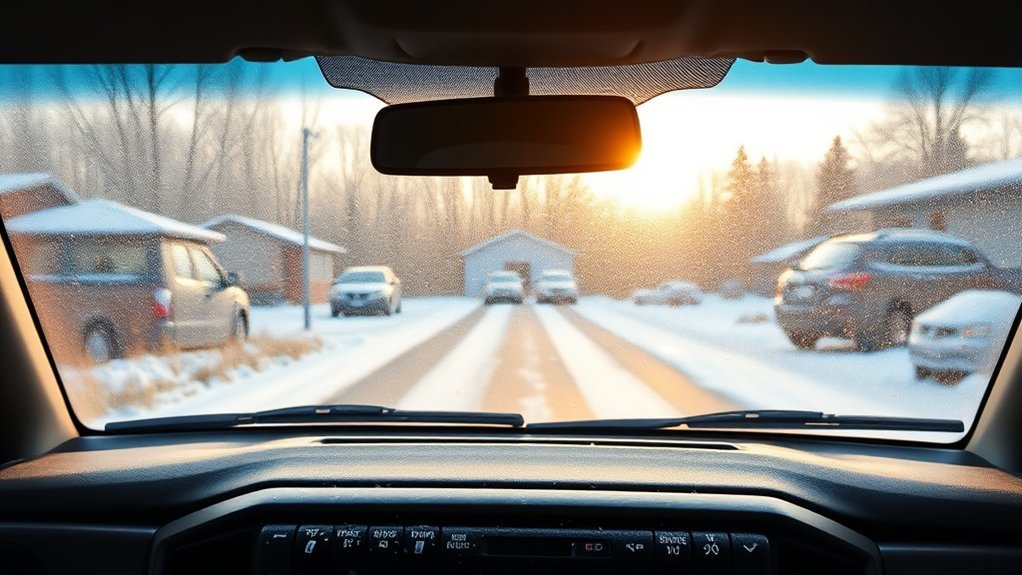
Good visibility maintenance is simple, but it needs to happen before bad weather hits. Use this seasonal checklist:
- Test the windshield defogger, rear defogger, heated mirrors, and wiper de-icer if equipped.
- Replace worn windshield wipers that chatter, streak, split, or leave cloudy patches.
- Fill the washer reservoir with weather-appropriate fluid, especially winter fluid with de-icer in freezing climates.
- Clean the inside windshield and rear glass monthly during wet or cold seasons.
- Inspect the cabin air filter when airflow feels weak or musty.
- Keep defog vents clear of papers, phone mounts, dash covers, and accessories.
- Check door, window, and rear slider seals if the cabin smells damp or windows fog overnight.
For model-specific service intervals and component locations, use Toyota’s Tacoma manuals and warranties portal or the owner’s manual for your exact year.
Frequently Asked Questions
How do I make my Tacoma windshield defog faster?
Use windshield defog mode, turn the fan high, switch recirculation off, turn A/C on, and set the temperature warm. This combination dries the air, warms the glass, and pushes moisture away quickly.
Should I use heat or A/C to defog a Tacoma windshield?
Use both when possible. A/C removes moisture from the air, while heat helps dry and warm the windshield. In most fogging situations, A/C on with warm air clears the glass faster than heat alone.
Why does my Tacoma windshield fog up again after it clears?
Re-fogging usually means the cabin is still humid. Common causes include recirculation left on, wet floor mats, passengers in damp clothing, dirty interior glass, weak airflow, a clogged cabin air filter, or an A/C system that is not drying the air well.
Does the Tacoma rear defogger turn off by itself?
On many equipped Tacoma models, the rear window and outside mirror defoggers automatically shut off after about 15 minutes. This helps reduce unnecessary electrical load. Check your owner’s manual for your exact model year and trim.
Can I wipe the inside windshield with my hand?
It is better not to. Your hand leaves oils and streaks that attract more moisture later. Use the defogger first. If you must wipe, use a clean microfiber towel and clean the glass properly afterward.
Conclusion
The fastest way to defog a Tacoma windshield is to control humidity, airflow, and glass temperature at the same time. Set the vents to the windshield, turn recirculation off, use A/C with warm air, and run the fan high until visibility returns. Use the rear defogger, heated mirrors, and wiper de-icer if your truck has them, but let their automatic shutoff do its job.
If fog keeps returning, the fix is not more wiping. Clean the inside glass, dry the cabin, check the cabin air filter, confirm the A/C works, and inspect seals or defogger circuits. A few minutes of maintenance can prevent the same visibility problem from slowing every cold or rainy drive.
Sources
- Toyota Owners: 2024 Tacoma Manual Air Conditioning System — windshield defogger, rear defogger, outside mirror defogger, and automatic shutoff information.
- Toyota Owners: 2024 Tacoma Automatic Air Conditioning System — automatic climate-control defogging and equipped visibility features.
- Toyota Owners: 2025 Tacoma Manual Air Conditioning System — windshield wiper de-icer and equipped defogger operation details.
- NHTSA Winter Driving Tips — winter washer fluid, defroster checks, and windshield wiper maintenance guidance.
- AAA Safe Winter Driving Tips — caution against using hot water on icy windshields and winter visibility advice.
- Toyota Tacoma Manuals and Warranties Portal — official source for model-specific owner’s manuals and maintenance information.



[…] the cabin air filter when airflow from every vent is weak, the windshield clears slowly, or a musty cabin smell appears when the fan starts. If a new filter does not restore airflow, […]